Michael Has Served at the Heavenly Altar Since Before the First Priest
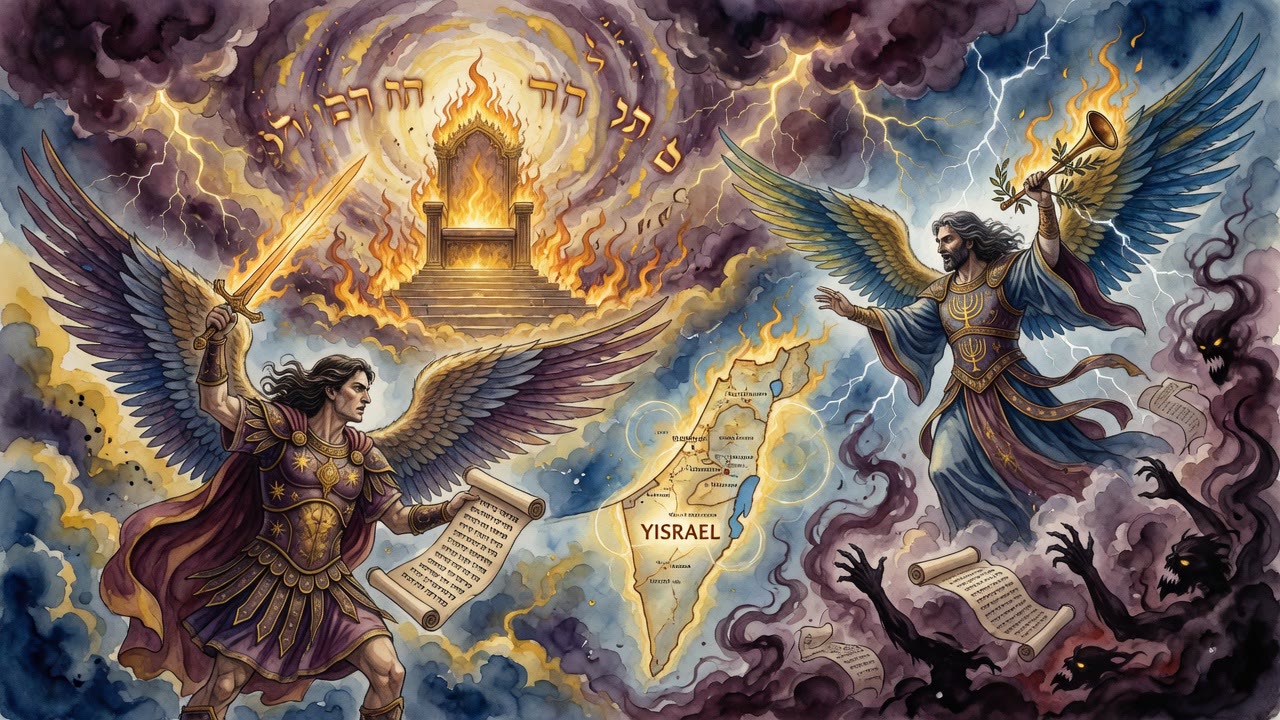
While the earthly Temple burned, Michael never left the heavenly altar, offering Israel's prayers as the high priest who never rested.
Table of Contents
 Click for full size
The Smoke Rose for Three Days
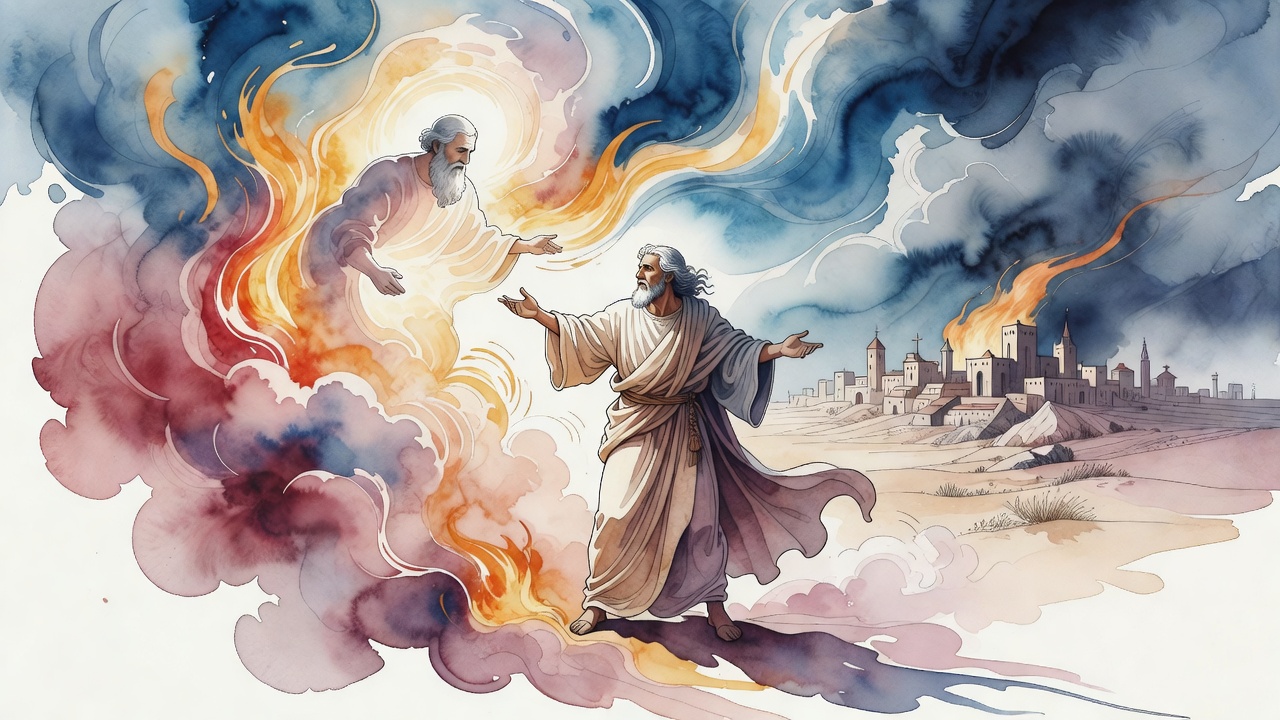
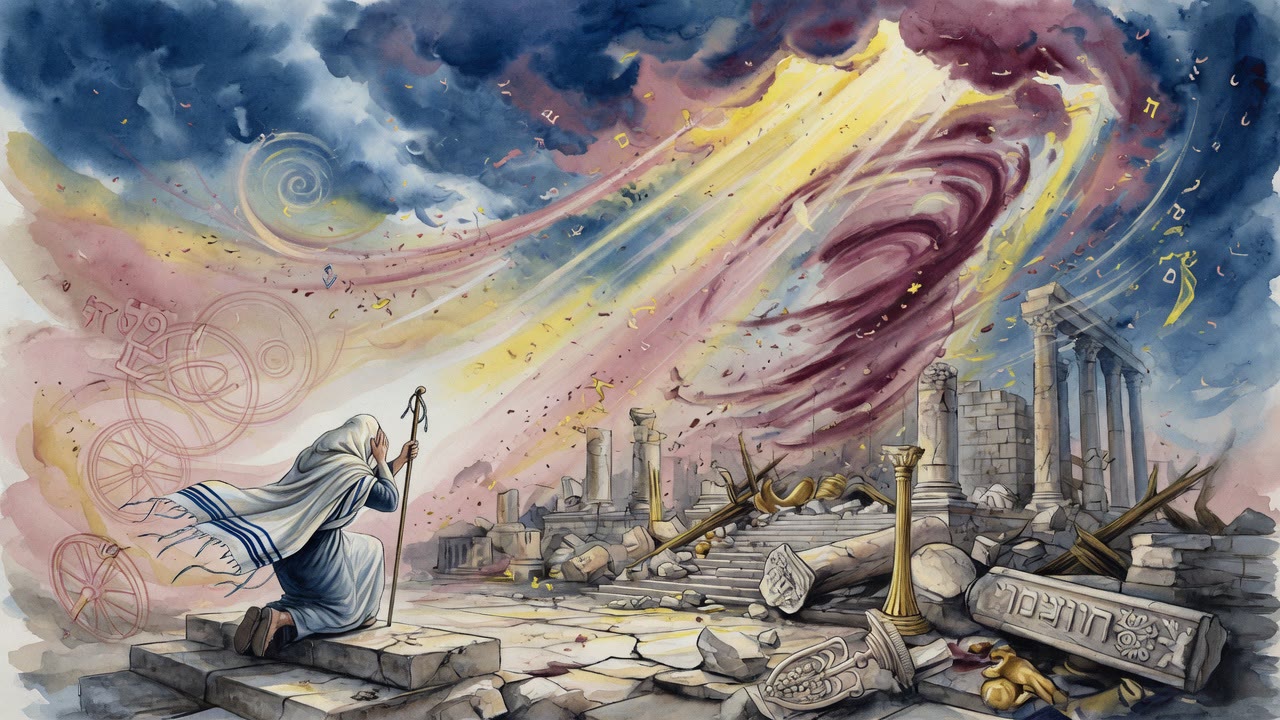
The Romans burned the Temple in the summer of the year Jews count as 70 CE. The smoke rose for three days. The priests who survived fled with their families. The great altar, which had not been cold since the days of the Tabernacle, went cold. The fire that had burned from the divine instruction through a thousand years of sacrifice was extinguished, and the world that had been organized around that fire did not know what to organize itself around instead.
The mystical tradition is not confused about what happened. The earthly fire went out. The heavenly fire did not. It could not. It had never been lit by human hands, and it required no wood from below to maintain itself. It burned from its own source, the same way the living creatures of the divine chariot burn in Ezekiel's vision without consuming themselves, and the priest who stood before it had been standing there since before the first earthly priest had been born.
Michael's Limits and Michael's Greatness
The Sefer HaBahir, circulating in twelfth-century Provence, establishes the boundaries carefully. There is a teaching that Michael stretched the heavens to the south while Gabriel stretched them to the north, and the Bahir rejects it. On the first day of creation there was nothing yet to assist. God created alone. Michael's greatness cannot begin at the beginning, because the beginning belongs entirely to the one who made everything from nothing.
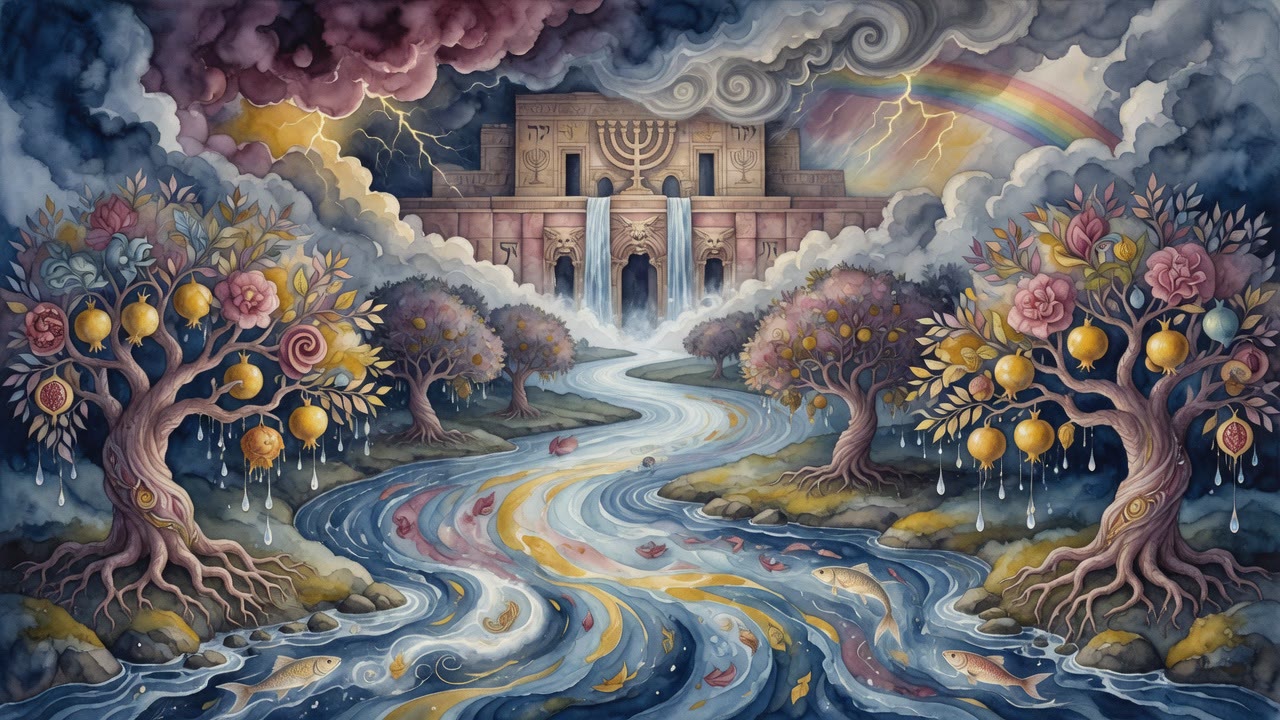
What Michael does with that greatness once creation is complete is another matter entirely. The Tikkunei Zohar, compiled in thirteenth-century Castile, opens passage 124 with its characteristic invitation: "Come and see." What is visible: four types of offerings brought to the earthly Temple. What is hidden: each type corresponds to one of the four faces of the divine chariot, the Merkavah, and Michael serves at the heavenly altar that is the source of which the earthly altar was always the reflection.
The Four Faces of the Offering
The Tikkunei Zohar's mapping of the four offering types onto the four faces of the Merkavah (the divine chariot) is not decorative. The four living creatures in Ezekiel's vision, each with a human face, a lion face, an ox face, and an eagle face, correspond to the four directions, the four divine names, and the four fundamental movements of divine energy in the world. The offerings that Israel brought to the earthly Temple were not feeding God. They were aligning with the four-fold structure of the divine flow, inserting human intention into the cosmic circuit at specific points.
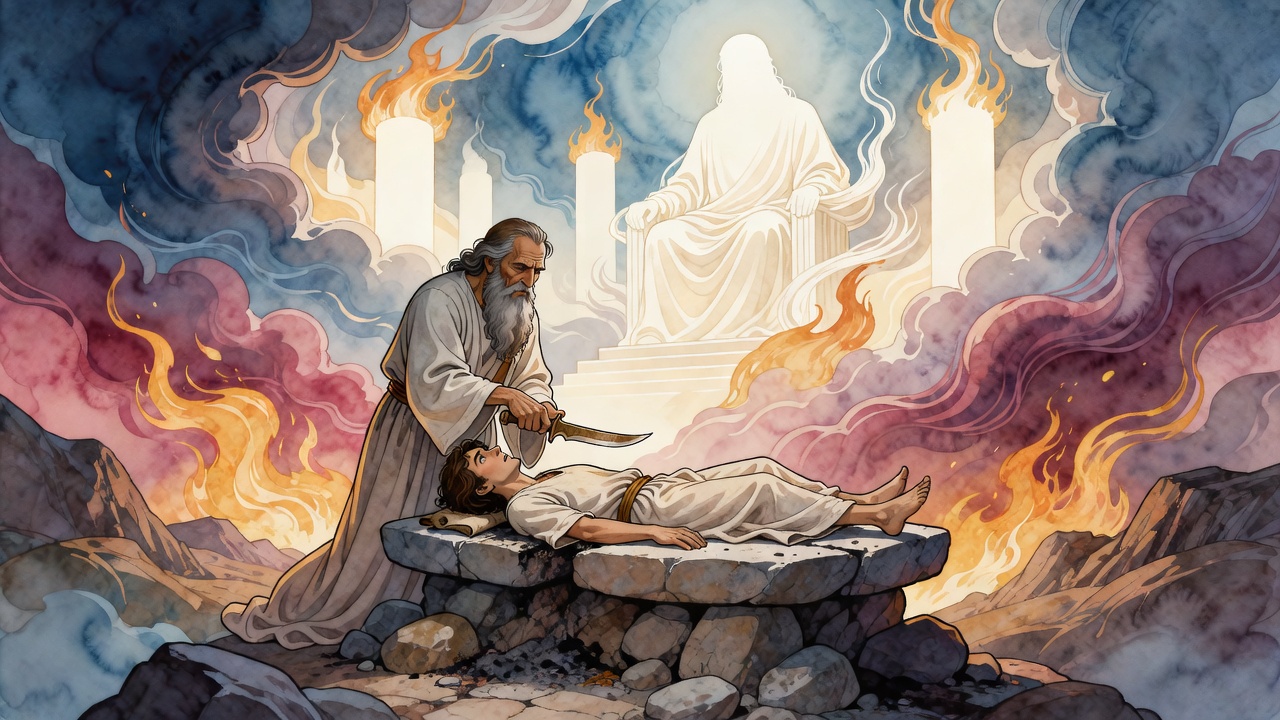
Michael, standing at the altar above, is the point where that circuit closes. The prayers that rise from below are what he offers. The smoke of incense, the sweetness of grain, the blood of animals that the earthly priests handled with their hands, these were the material forms of what Michael handles in its pure state above, where the offering is not the animal but the soul's intention carried upward in the form of fire.
The Service That Never Stopped
When the Temple burned, the Tikkunei Zohar did not read this as the interruption of divine service. It read it as the removal of the lower level of a two-story structure whose upper level was always the real location of what mattered. The earthly altar had been the point where human action could participate in the heavenly service. Without the earthly altar, human action participates differently, through prayer and Torah study and acts of justice, and Michael's service above absorbs those offerings in their new forms.
The priest who never needed to be rotated, who never needed a successor because he never aged and never tired and never committed the ritual impurity that would have required his temporary removal, has stood at that altar through the entire history of Israel's worship from the Tabernacle in the wilderness to this moment. The Temple that burned was his shadow on the earth. The fire above was always the real fire, and it has always been burning.
← All myths