28 myths
Each story names the sources it was written from.
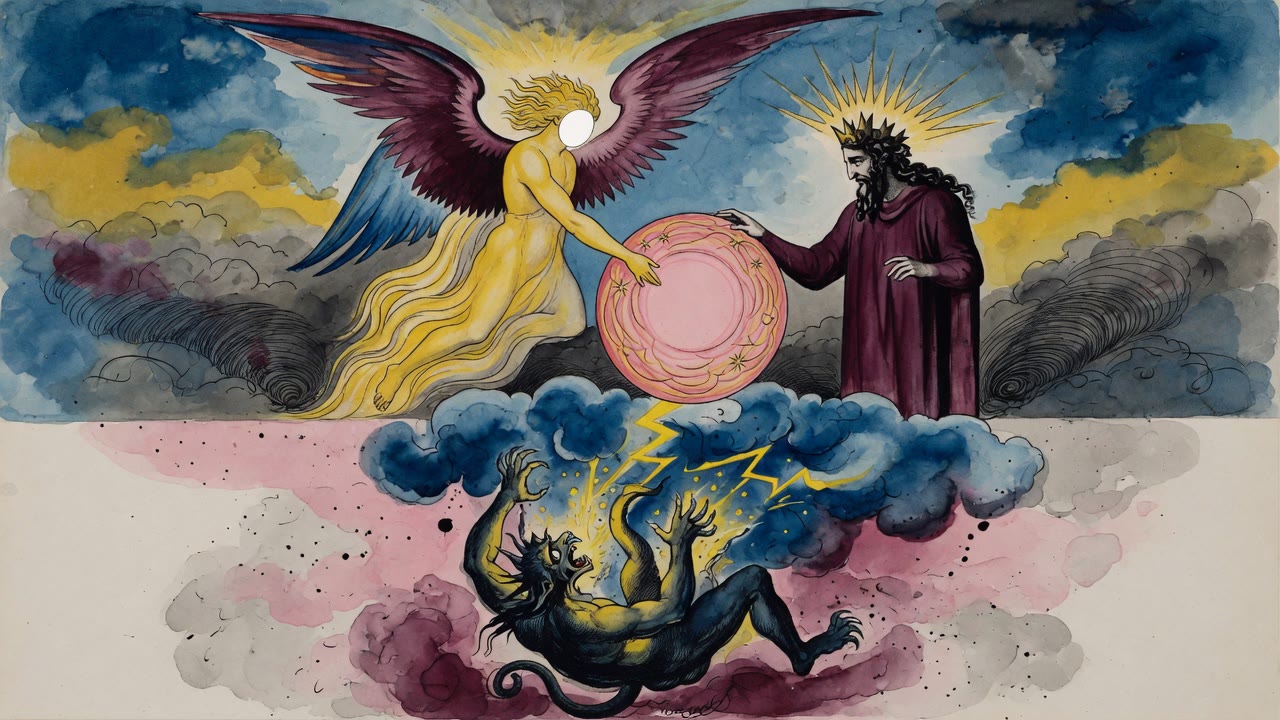
A demon was draining life from a child on Solomon's building crew. Solomon prayed and Michael arrived with a ring that bound every demon on earth.
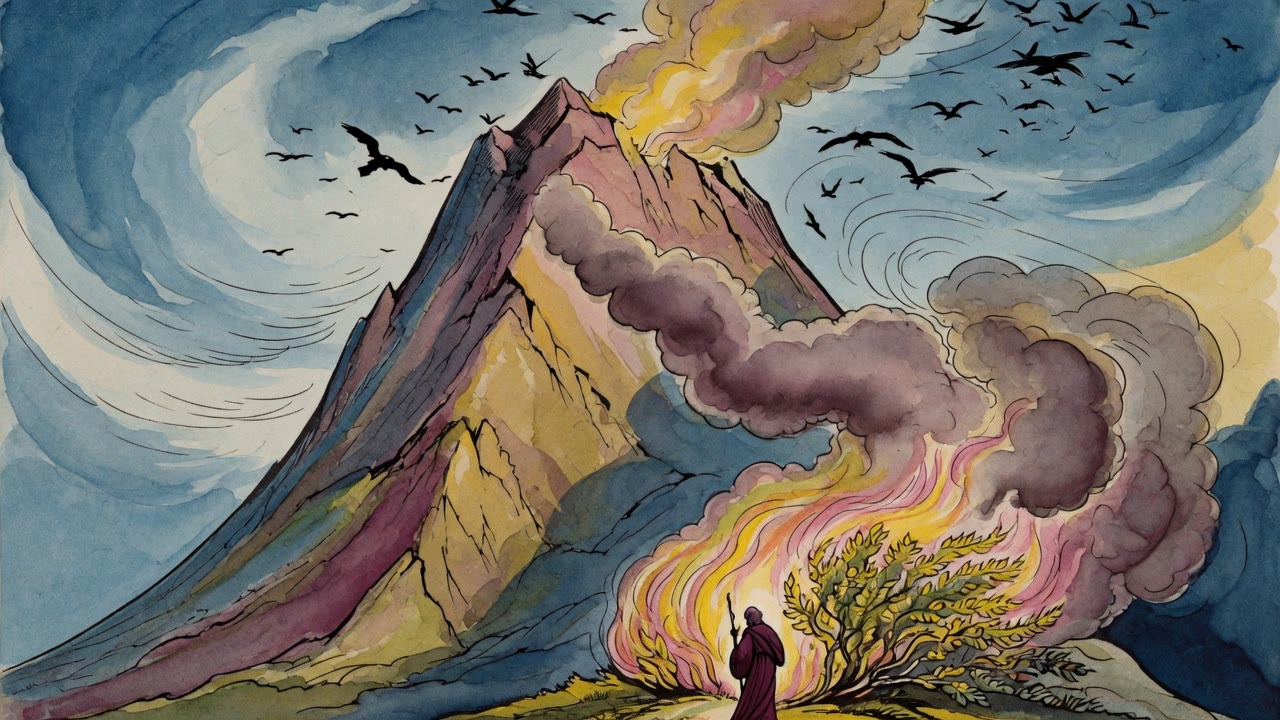
Birds banked away from the peak. The mountain leaned toward Moses like a man at a door, and the bush blossomed while it burned.
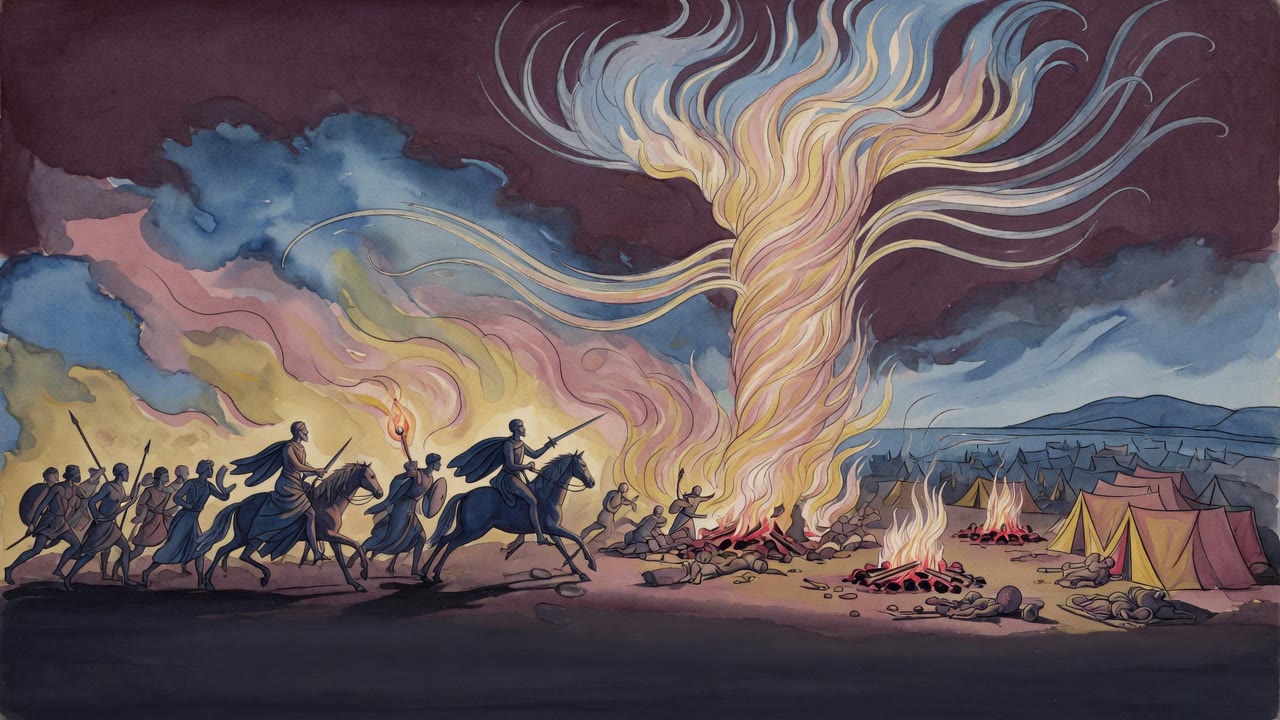
A man came running into Hebron with one word: Sodom. Lot was taken. Abraham reached for a sword and called for men who would not come.
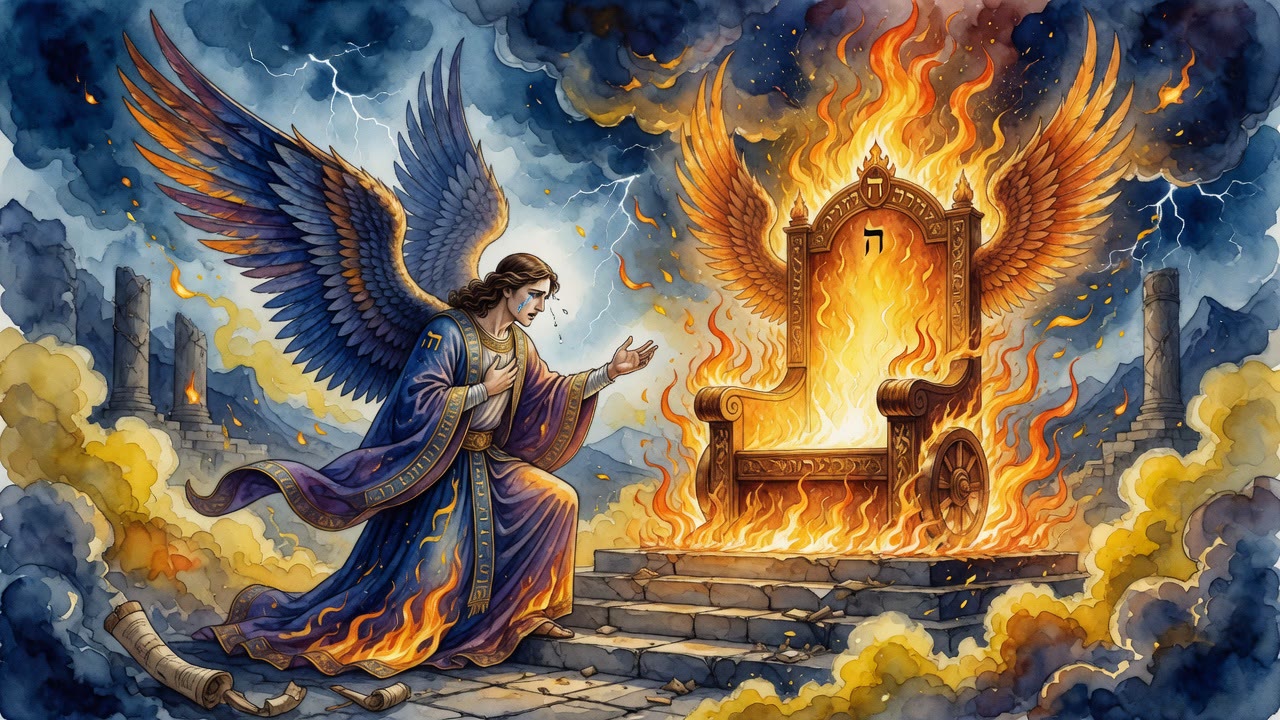
Michael rose from the meal and stepped outside. Before the next breath he stood in heaven, asking God to send someone else.
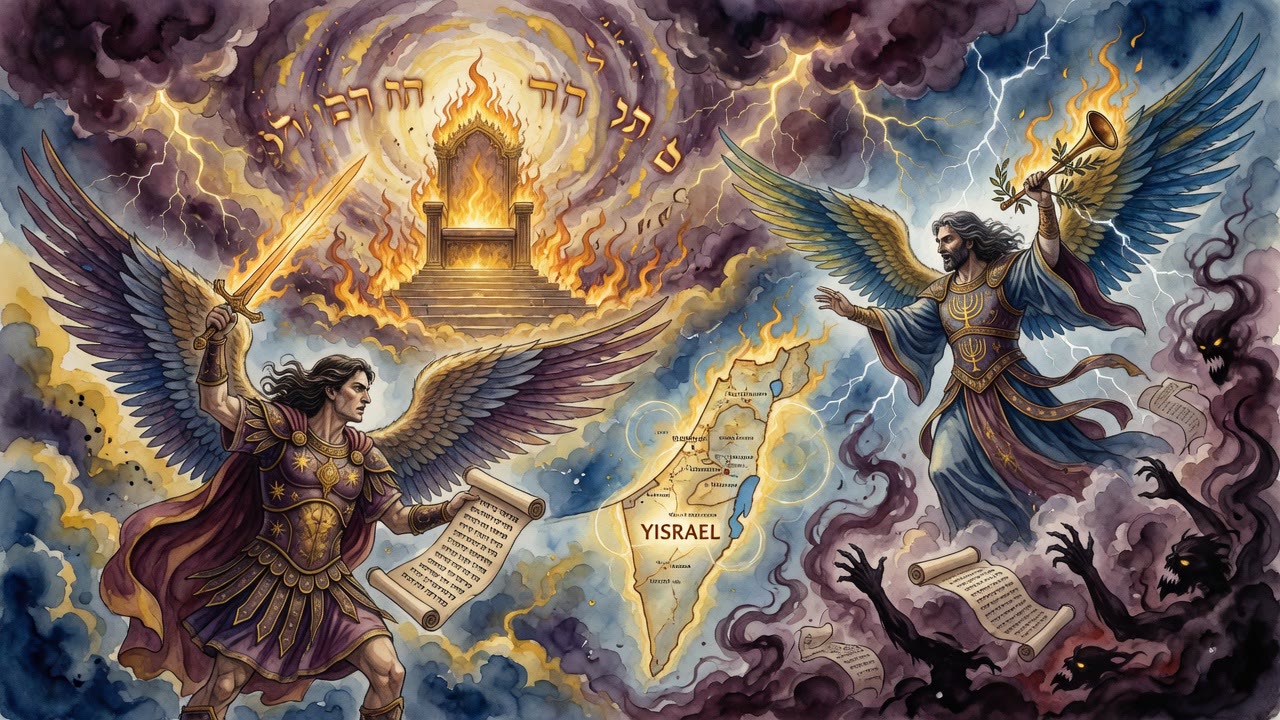
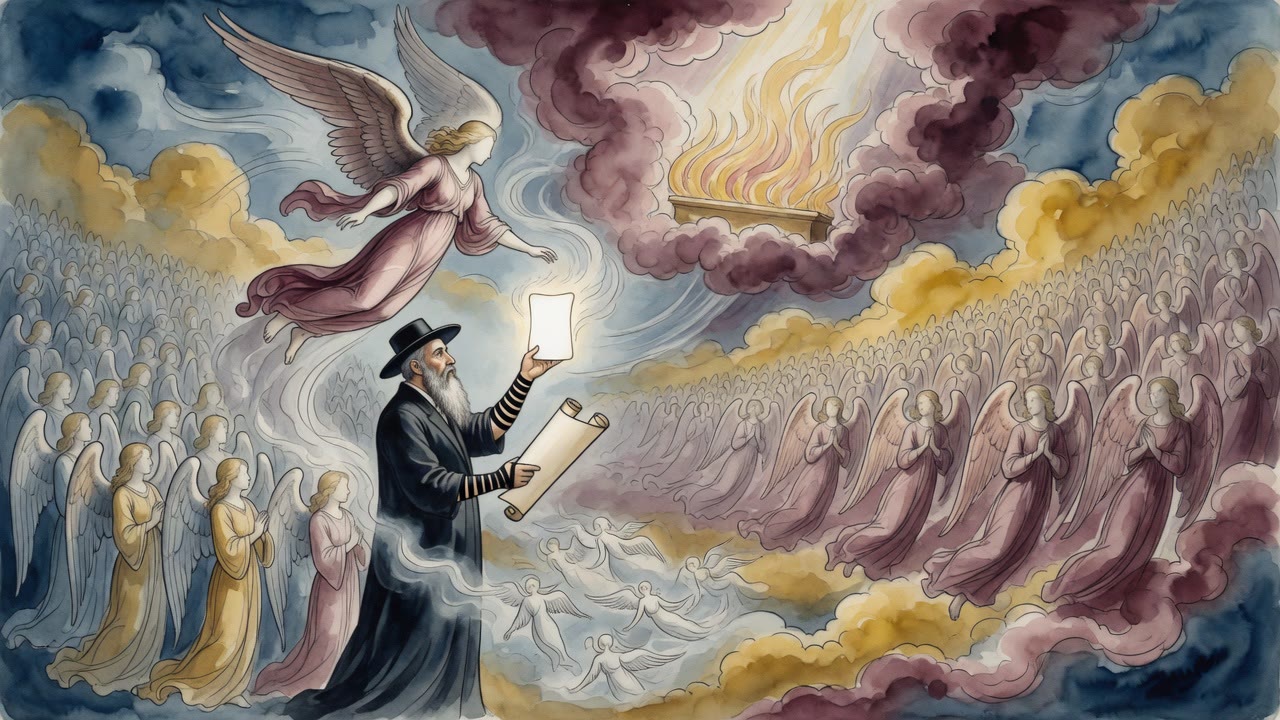
The empire's angel unrolled a long scroll toward the throne. The charges were true. Then Michael left the Temple that does not burn.
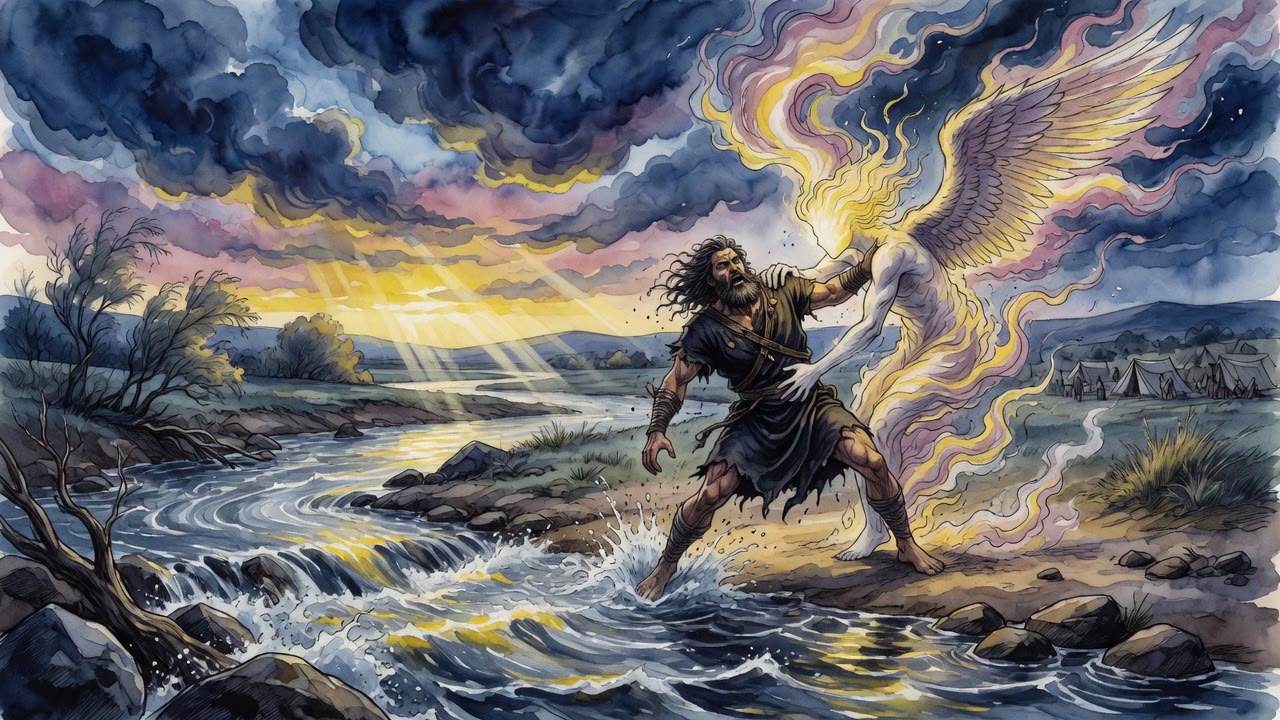
Jacob crosses the Jabbok alone at night and struggles until dawn with a being who will not say its name but gives him a new one.
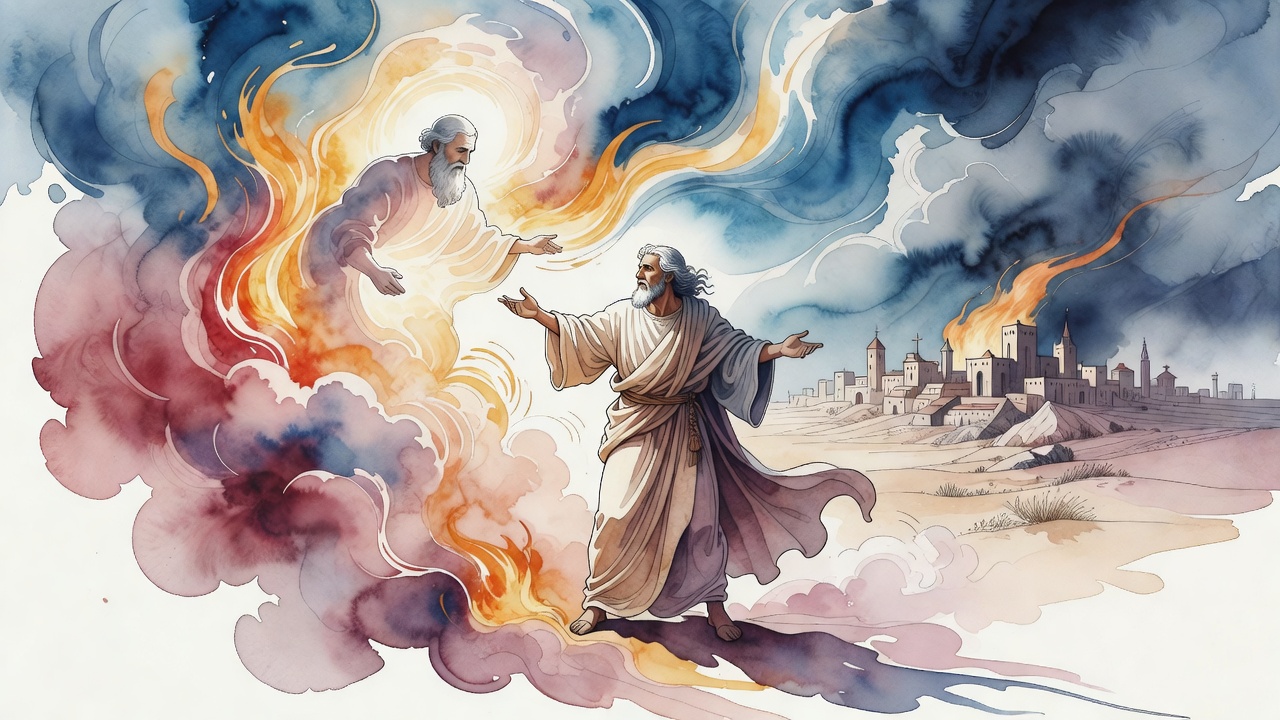
Abraham accused God of slipping out of His own oath. God answered by offering to march every generation He had ever destroyed past him, one at a time.
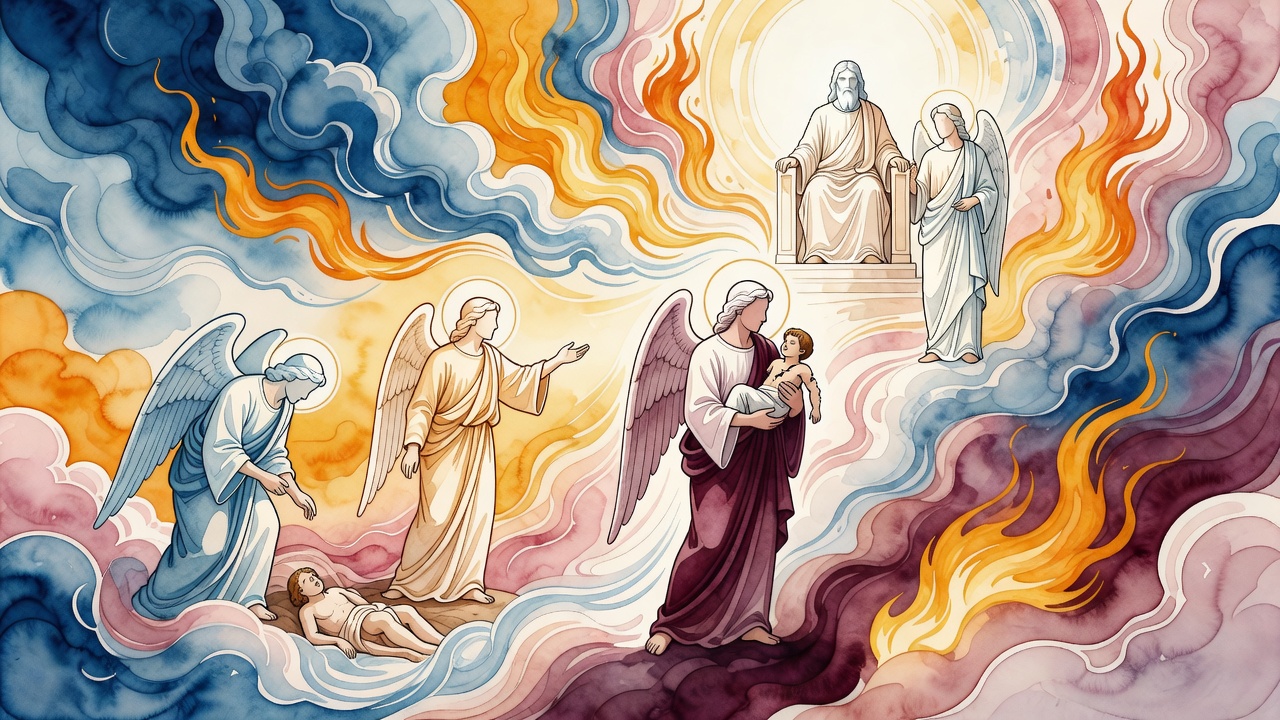
Rachel's heels were already cut by straw from the wilderness. She was still treading mortar when the child left her and stuck in the brick.
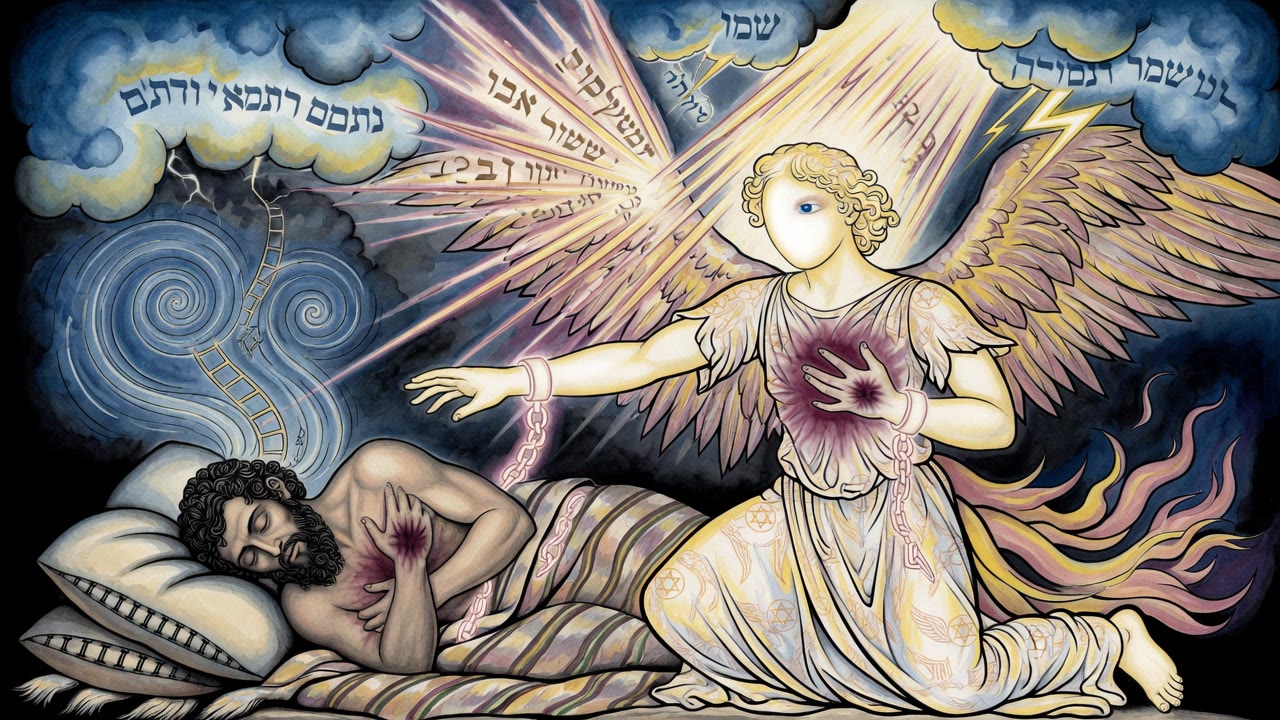
Uzza held the four hundred years like a signed bond. Michael stood in court with no answer, and Egypt's angel waited for the ruling.
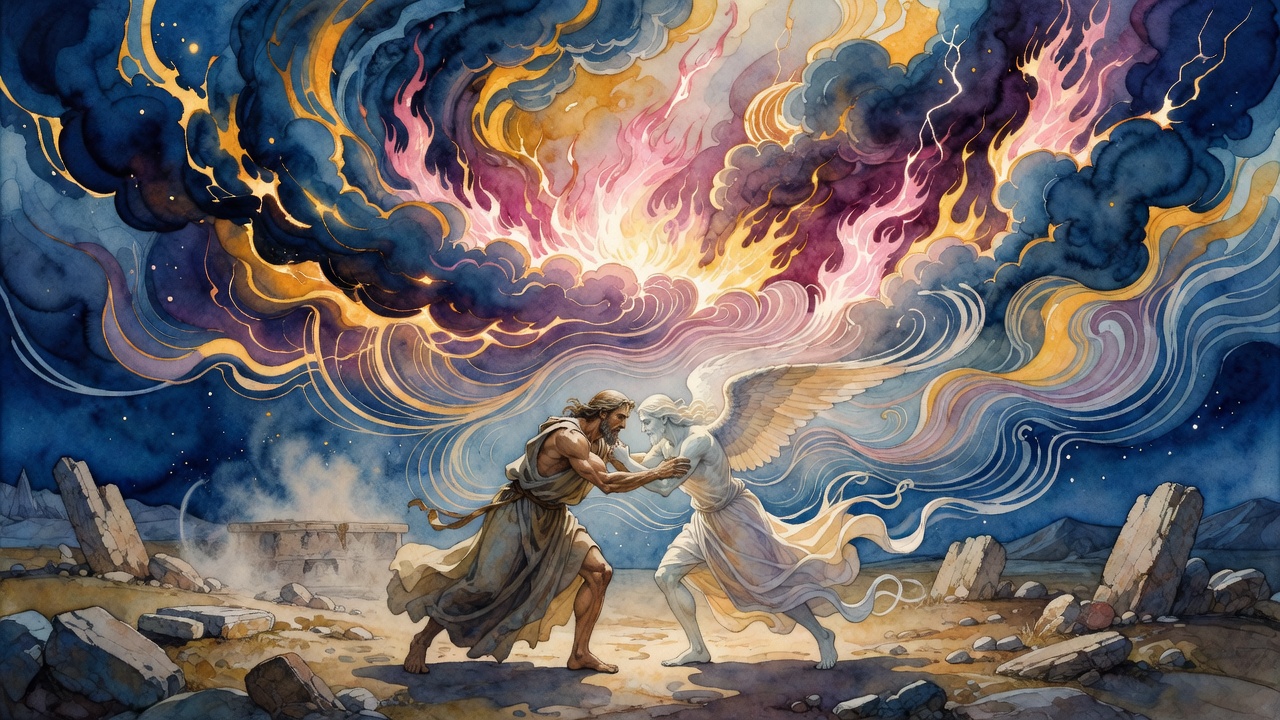
Jacob wrestles through the night over a forgotten tithe, a stolen blessing, and an angel whose first song waited since creation.
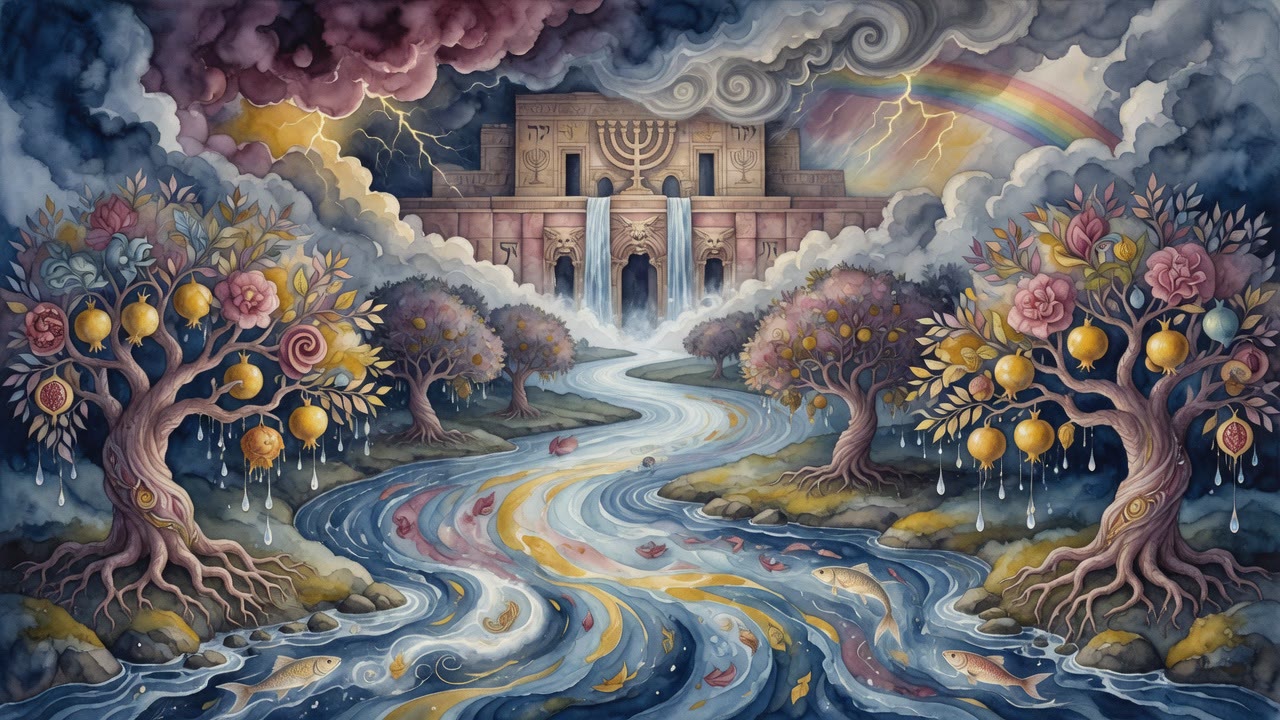
While the earthly Temple burned, Michael never left the heavenly altar, offering Israel's prayers as the high priest who never rested.
An archangel calls Moses up, the tablets are cut from the throne's sapphire floor, and the glory he glimpses is the knot of God's tefillin, prayer straps.
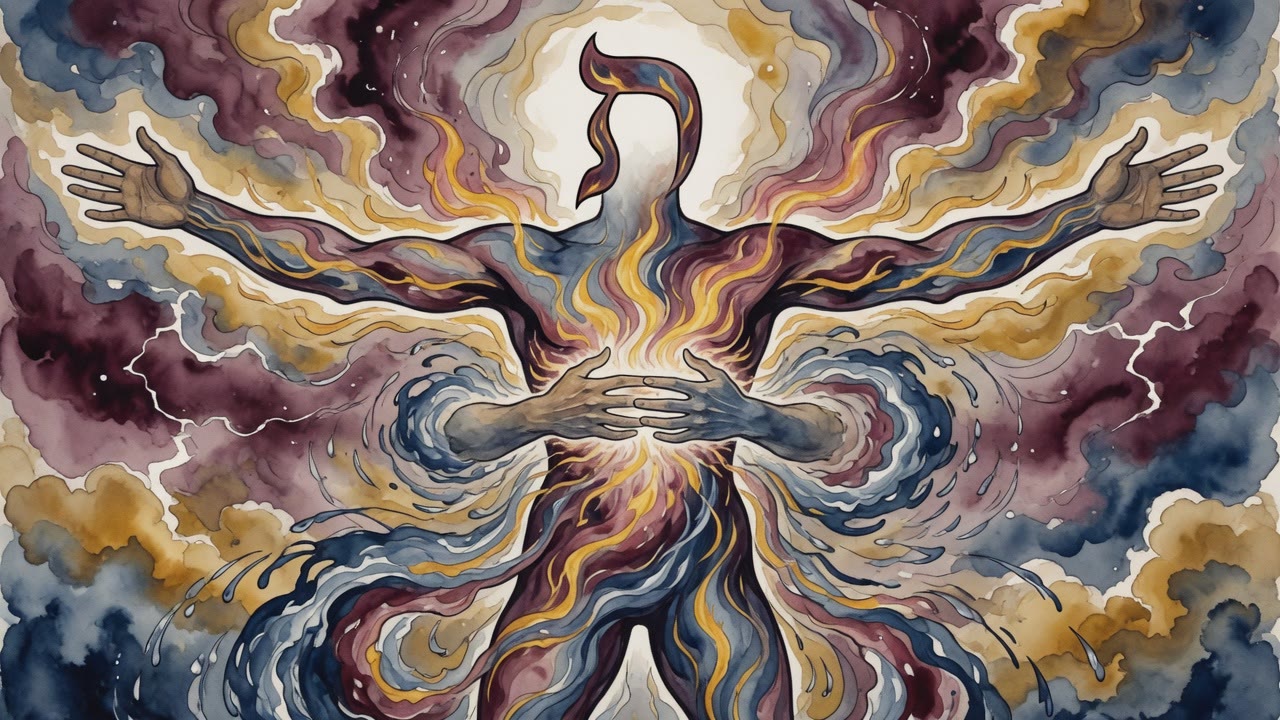
Fire makes peace with hail, Gabriel holds back at the sea, and Michael waits for dawn to drown Egypt's sorcerers, because destruction must wait for command.
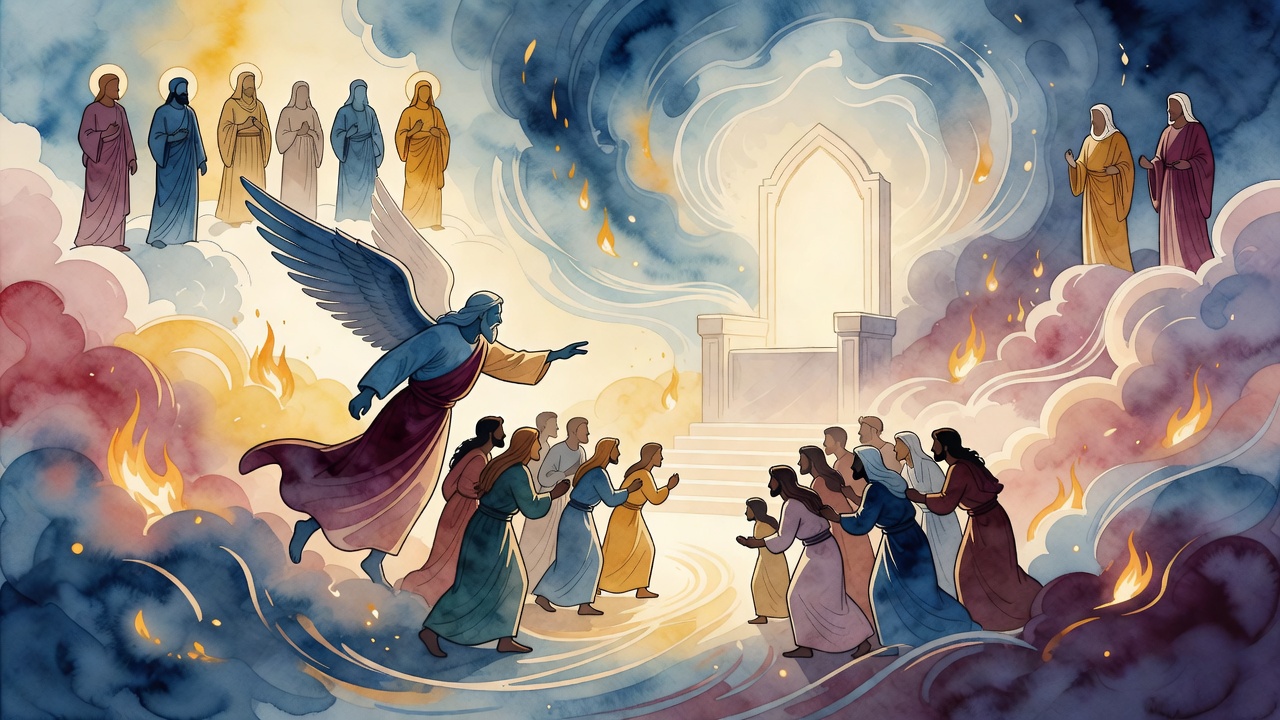
Egypt was still owed 314 years of slave labor, Uzza argued. He asked God to send Michael to argue back, and God agreed to hear the case.
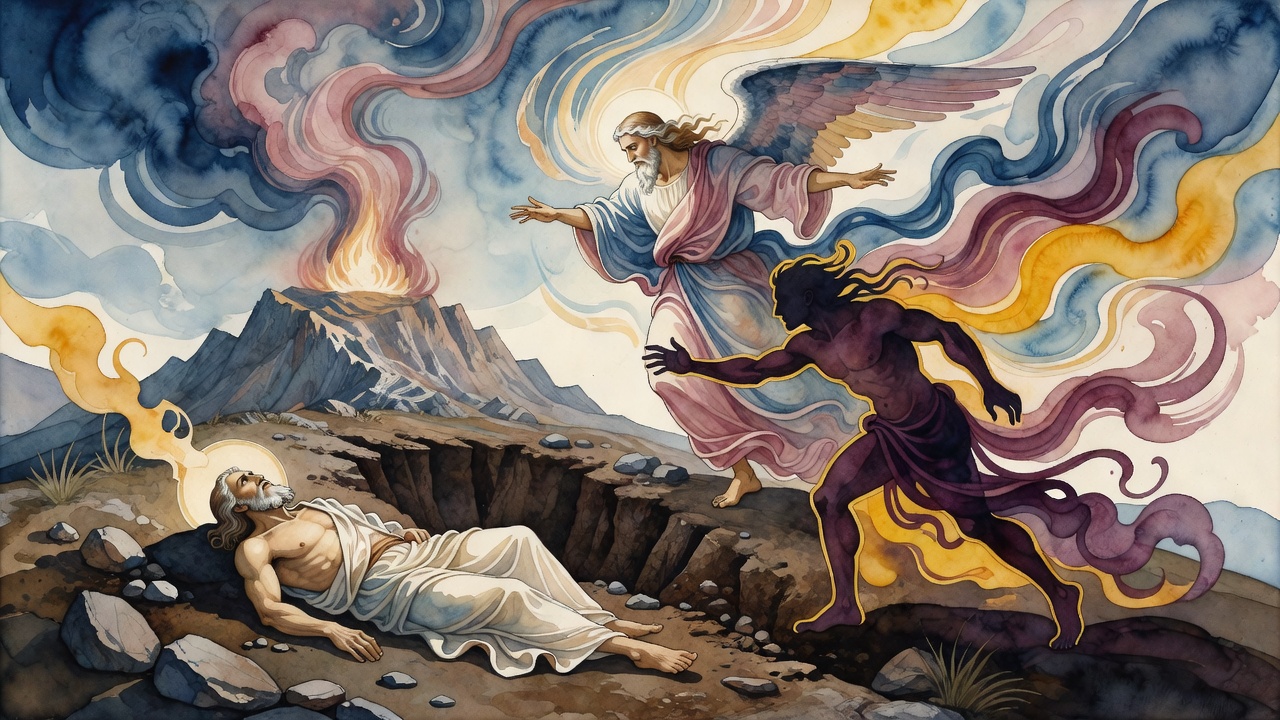
Joshua tore his clothes and asked what grave could hold him. On Nebo the Accuser claimed the dust. Michael would not curse. He rebuked.
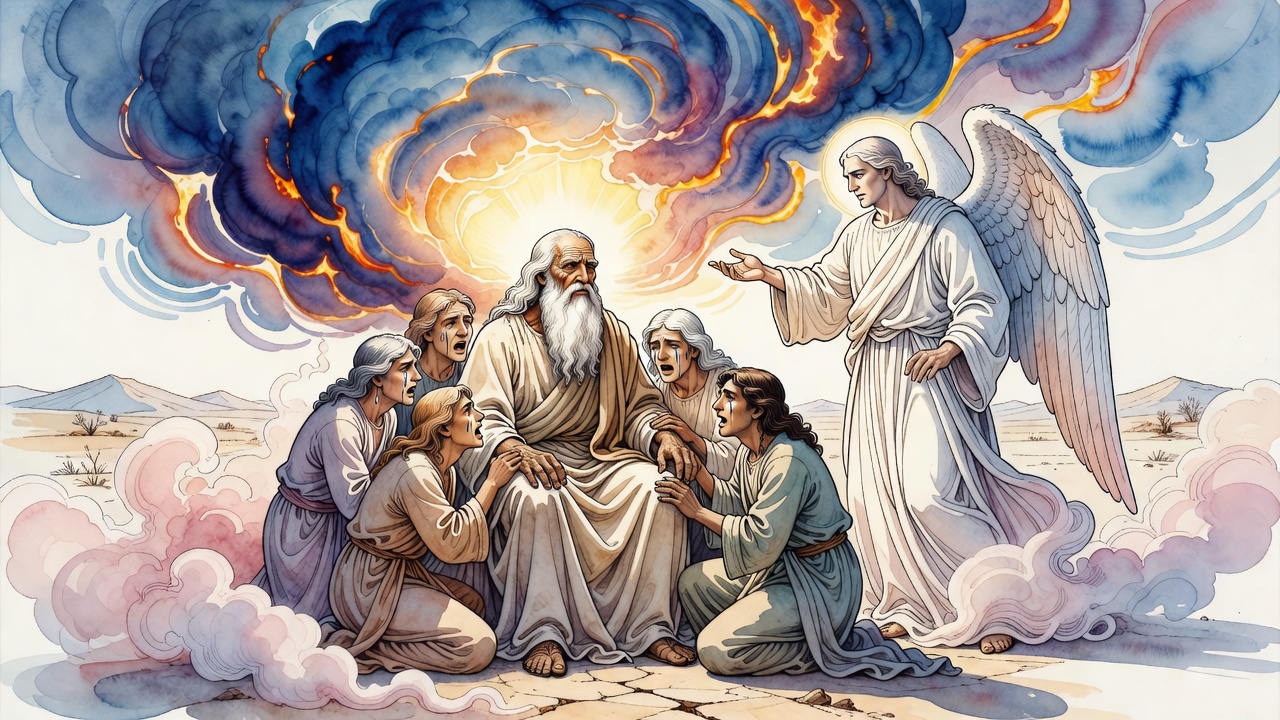
Nine hundred and thirty years old, Adam tells his weeping children the sixth day has come, and an angel keeps his body for a promised return.
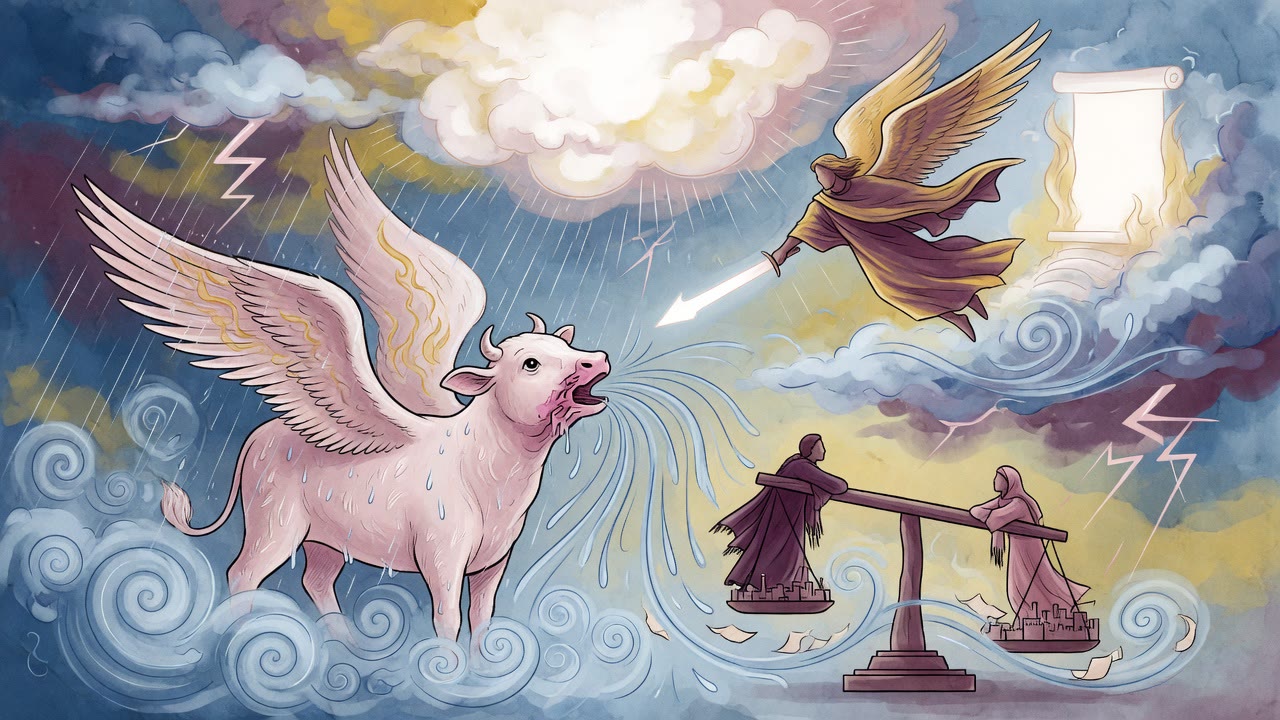
Ridya stands the size of a young ox, his lower lip split open, hooves resting on nothing. Rabbah swore he watched him tell the sky to drip its water down.
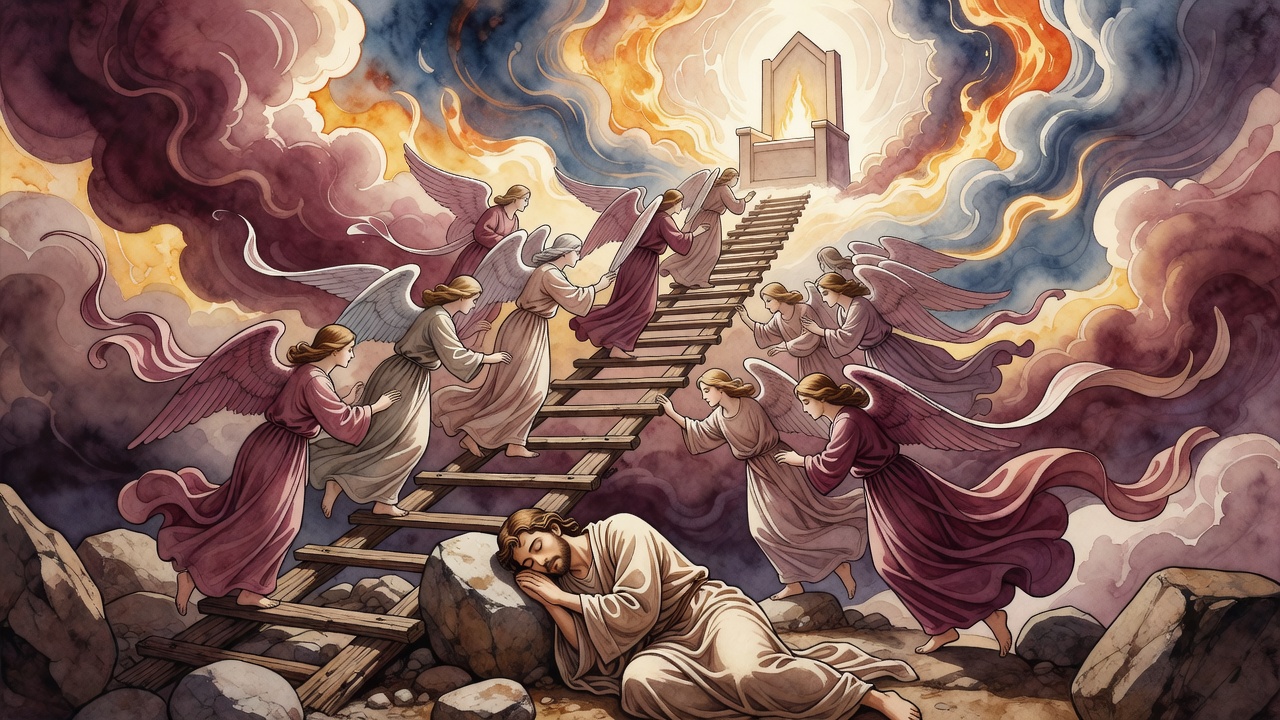
Fleeing Esau, Jacob pillows his head on the stones of Moriah, and the angels race up the ladder to match his sleeping face against the Throne.
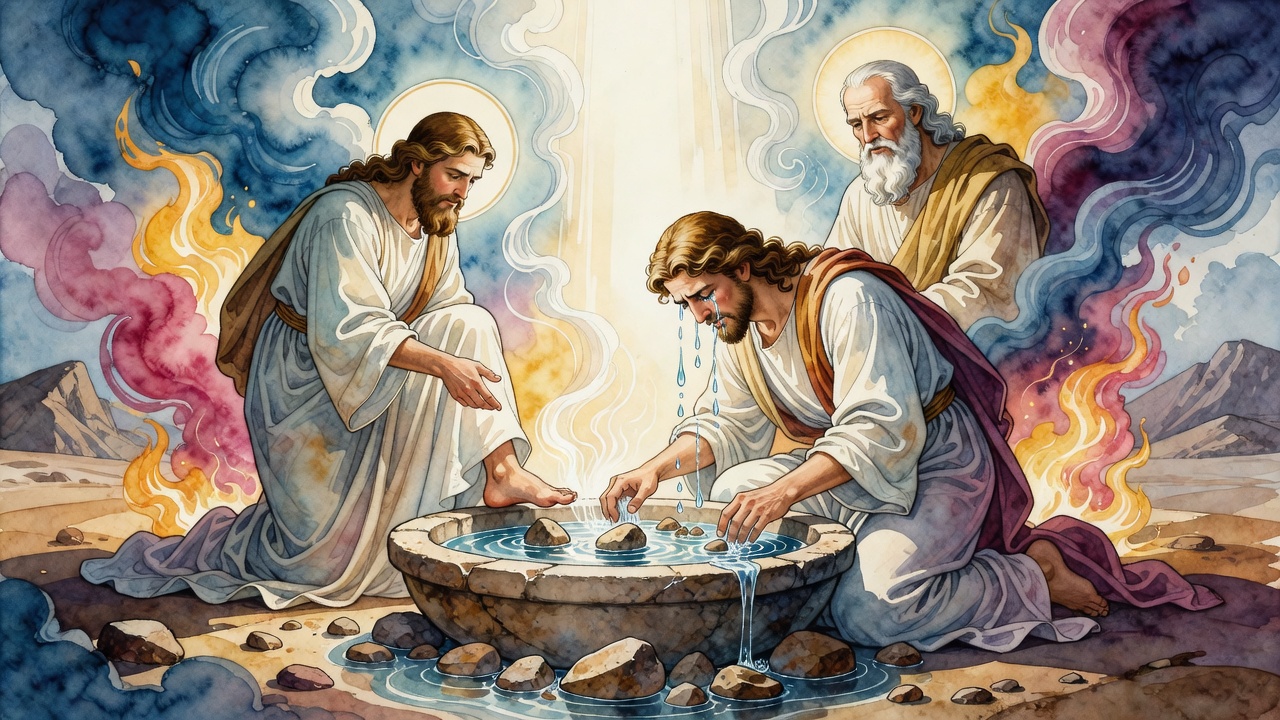
Isaac set the basin down. Abraham looked into the water and said he would never wash a guest's feet again. Michael's tears hit it.
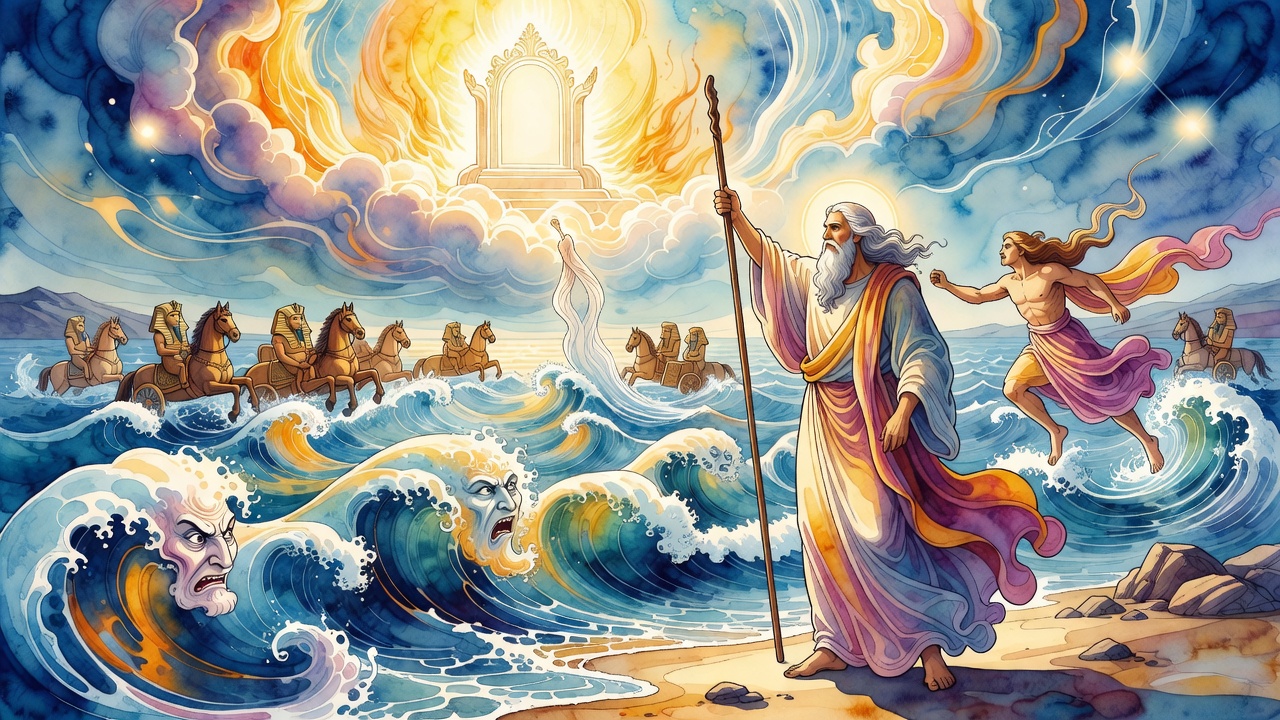
The sea told Moses it was three days older than he was. God called it a rebellious slave. Nahshon walked in until the water reached his nose.
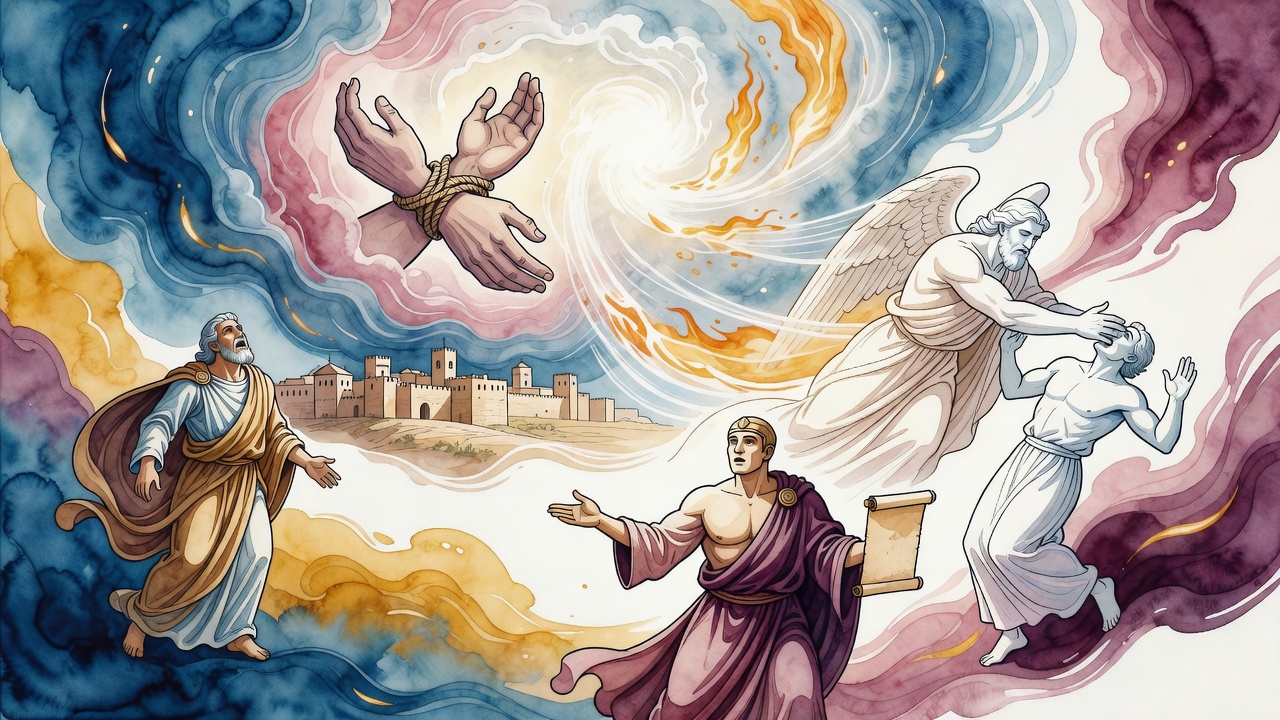
Nebuchadnezzar had victories stacked like bricks and Jerusalem still gnawed at him. When he finally came, the walls held for three years.
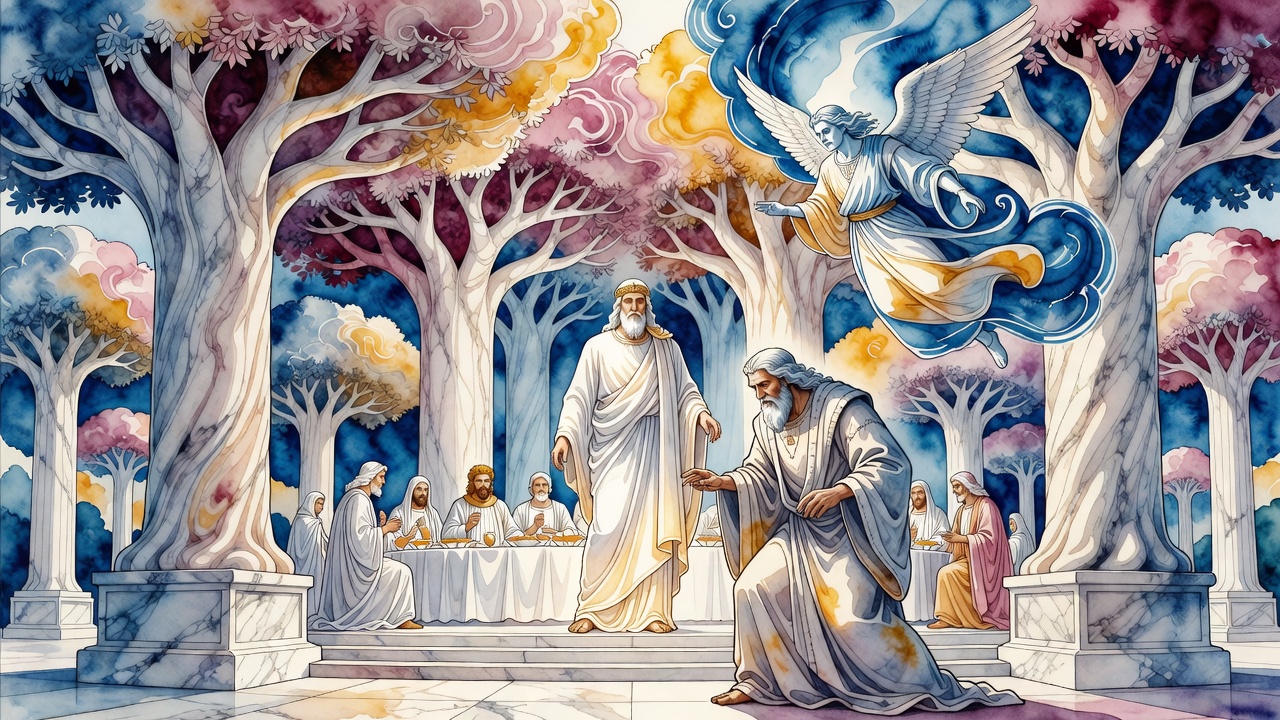
Haman fixed an idol to his robe so every bow in the street became worship. Officials bowed. Judges bowed. Mordecai would not.
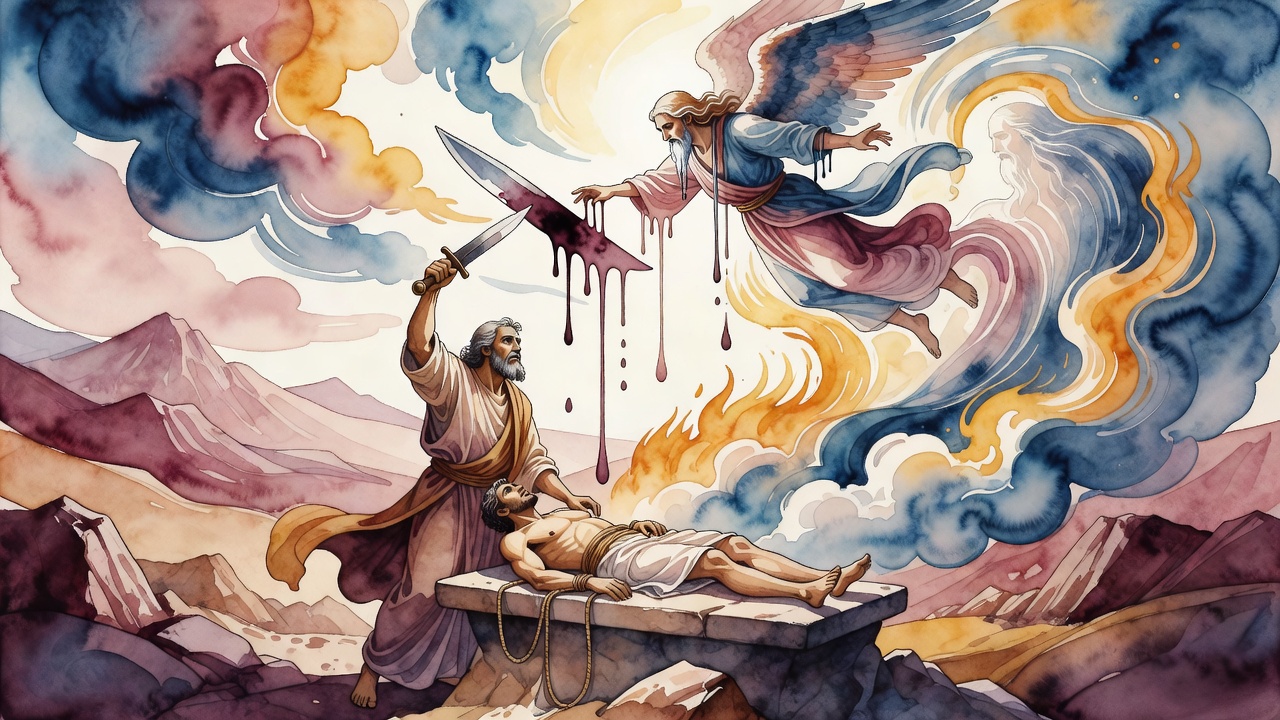
Angel tears fell on the blade and dulled the edge. Abraham would not lower it. A voice telling him to spare the boy might be the Accuser in borrowed pity.
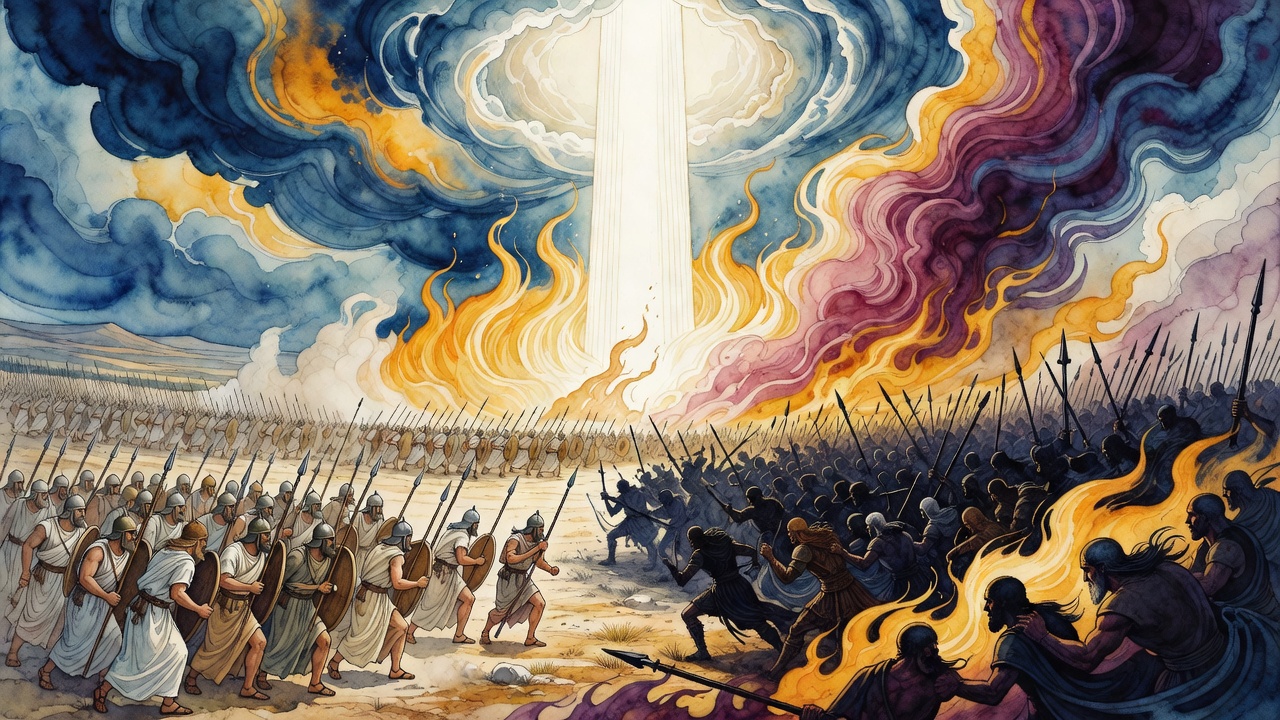
The Sons of Light form ranks, lose three clashes to Belial and the Kittim, and only win when God and the poor remnant decide the seventh engagement.
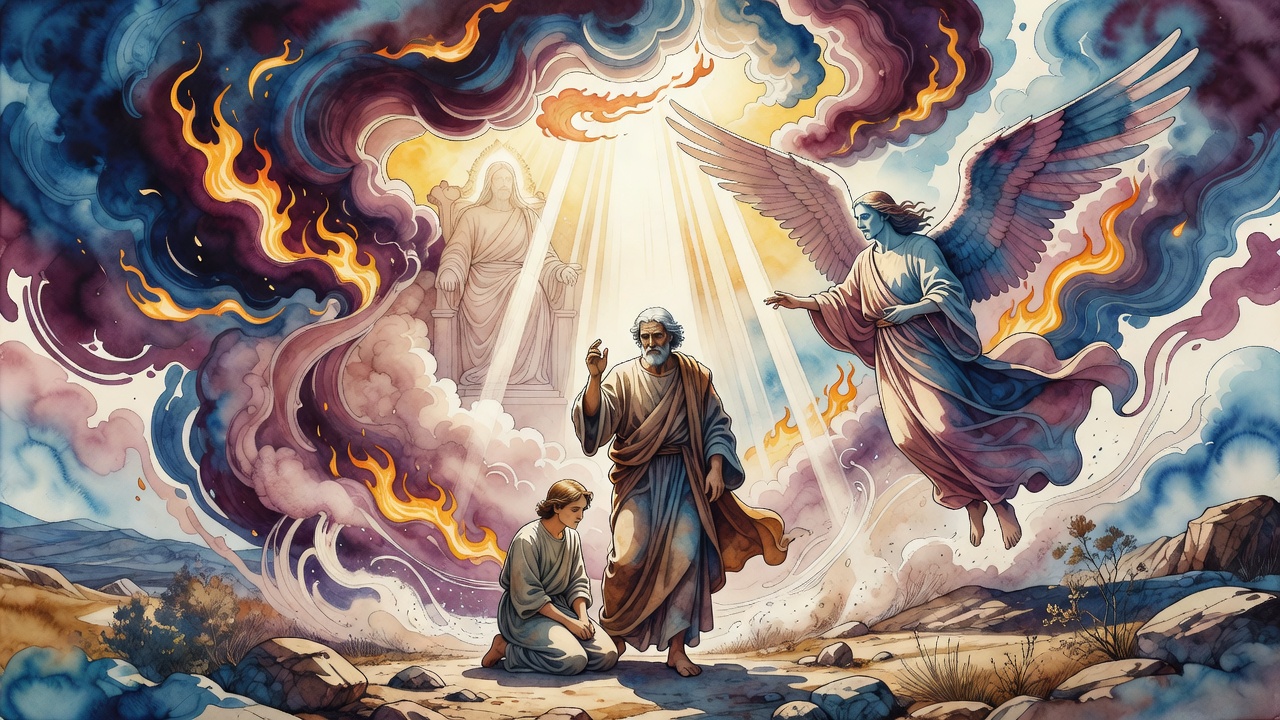
Michael found him among the oxen, still offering a beast for the road. The blessing stayed in his mouth. Heaven spoke it after he died.
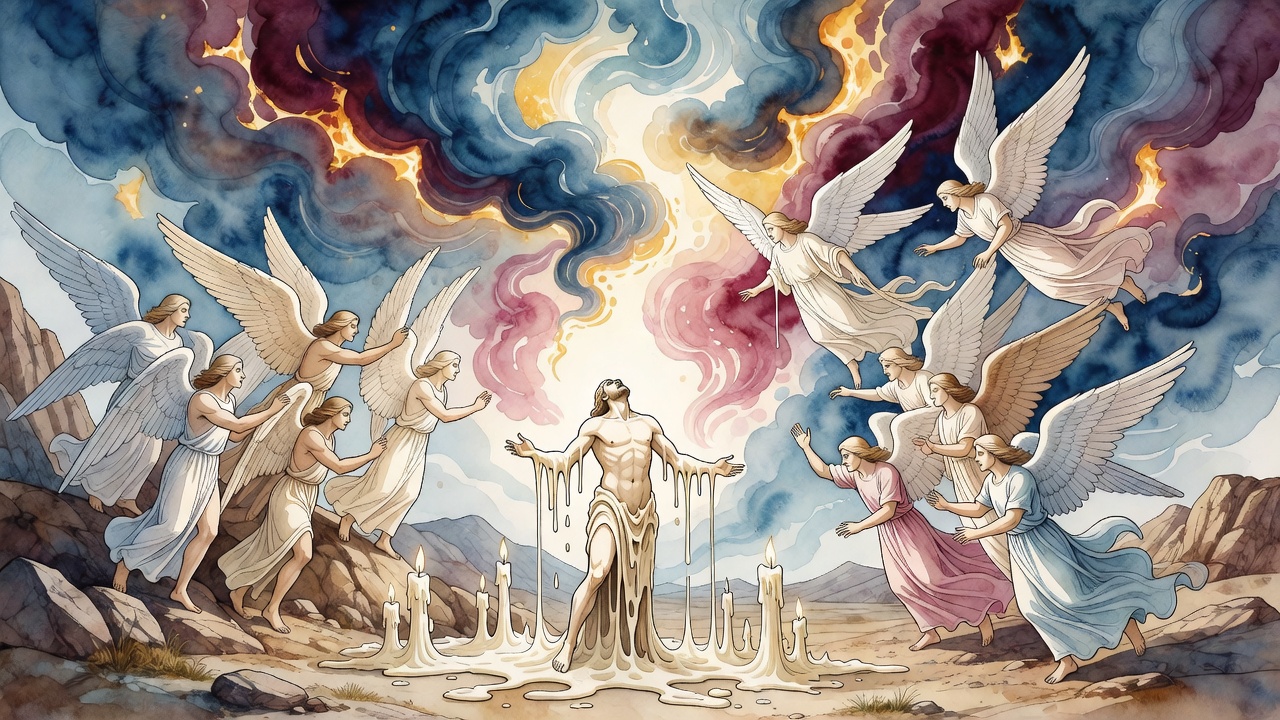
At the border of Canaan one host of angels climbs and another descends to take the watch, and word of Esau's four hundred men turns Jacob to wax.
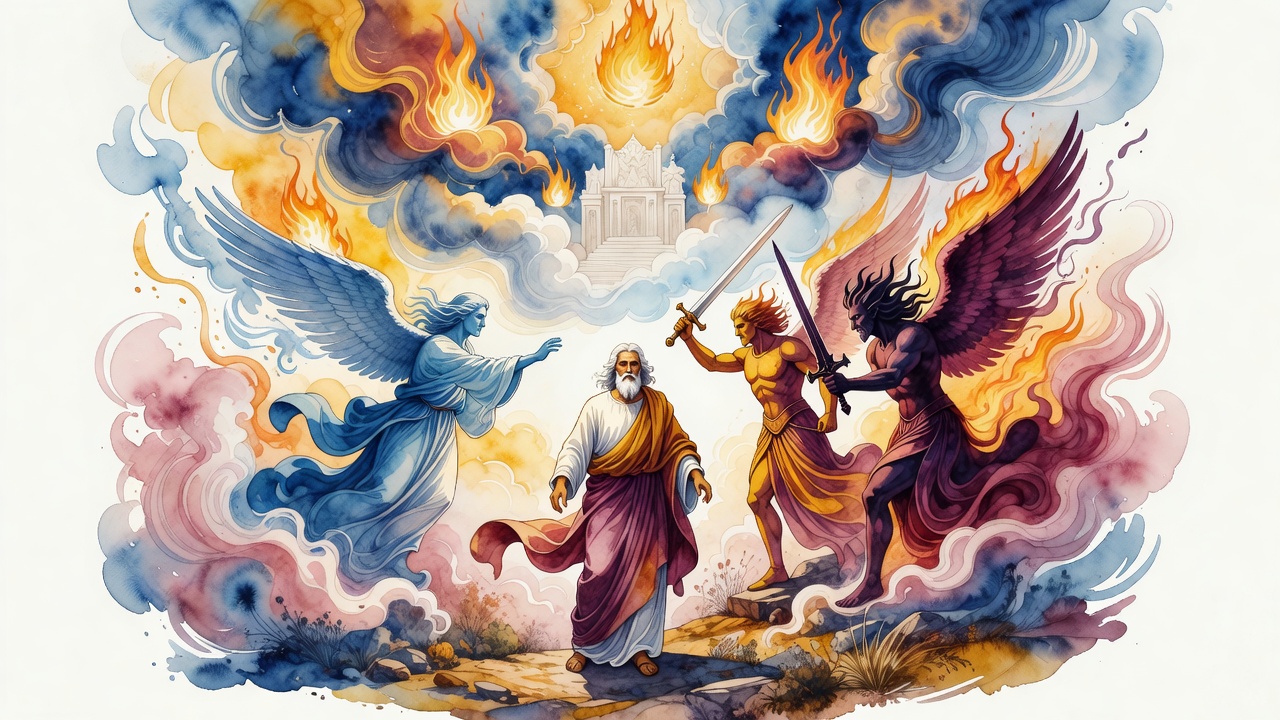
God sent Gabriel, then Michael, then the sword-bearing Samael to take Moses, but none could touch the man worth six hundred thousand.
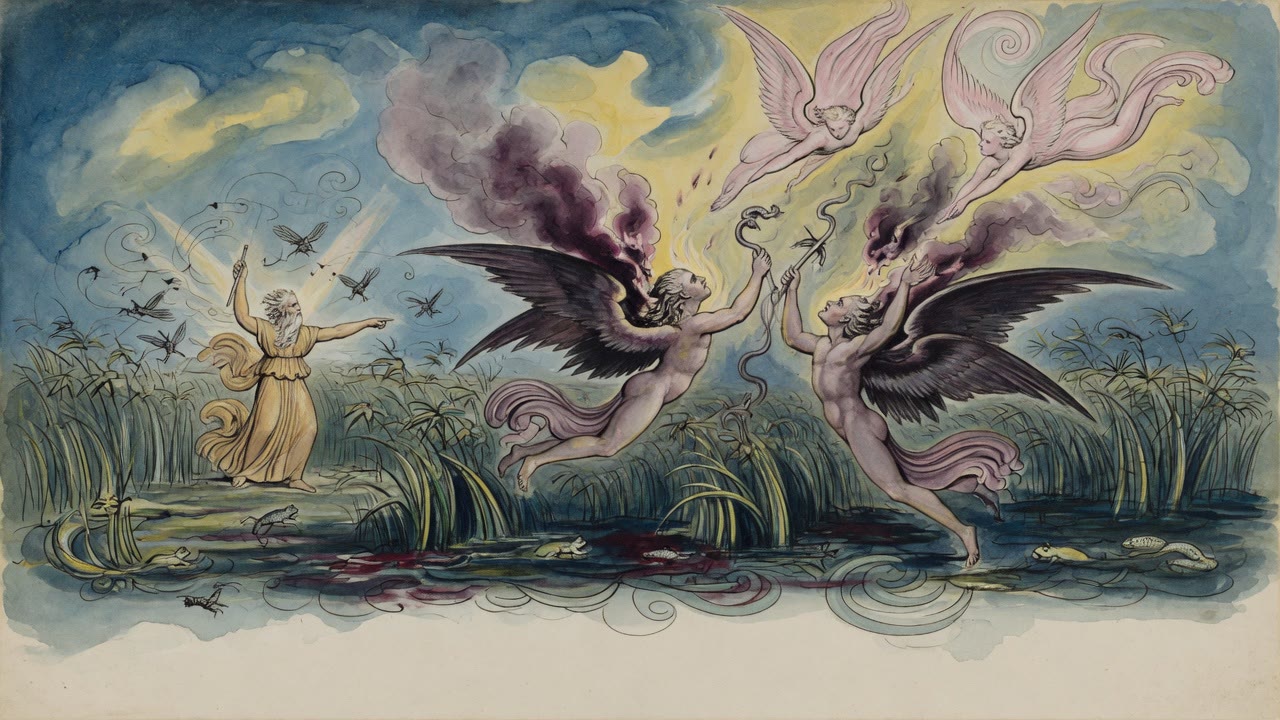
Two Egyptian sorcerers told Pharaoh the sea was angel-work, then flew up to pull the angels down until Michael caught them by the hair.
