Michael Pleaded With God Not to Make Him Tell Abraham
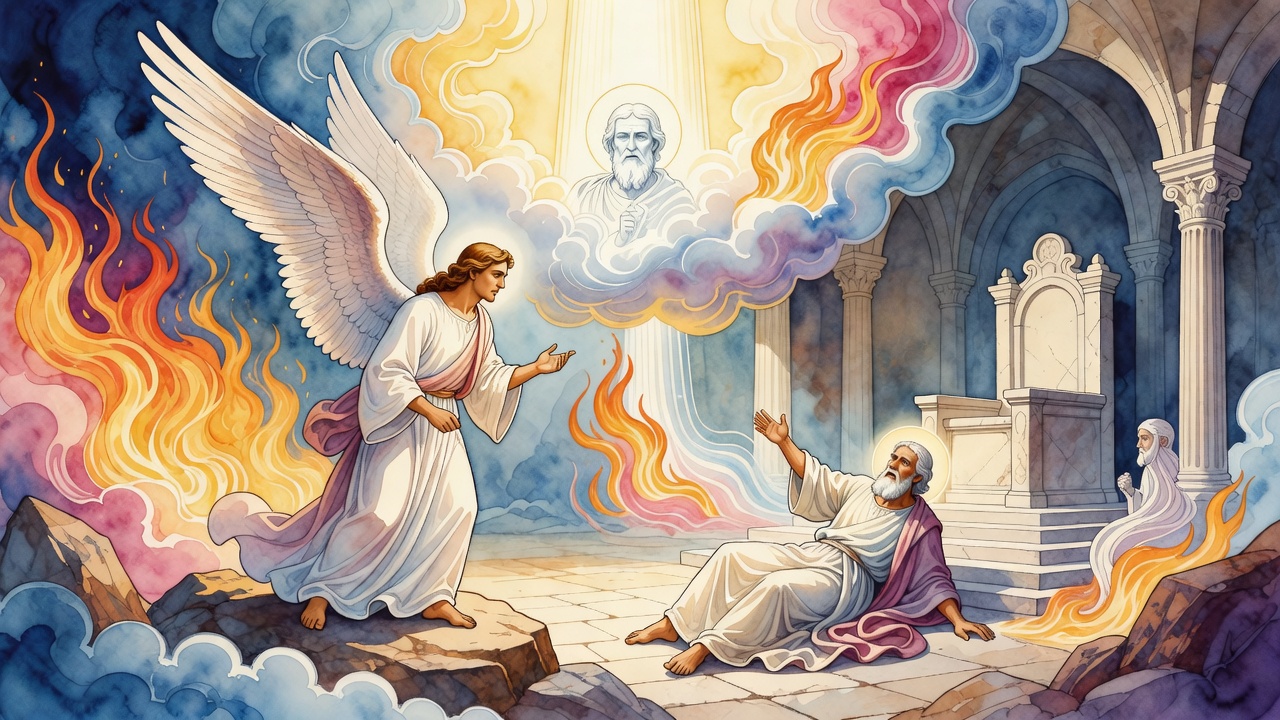
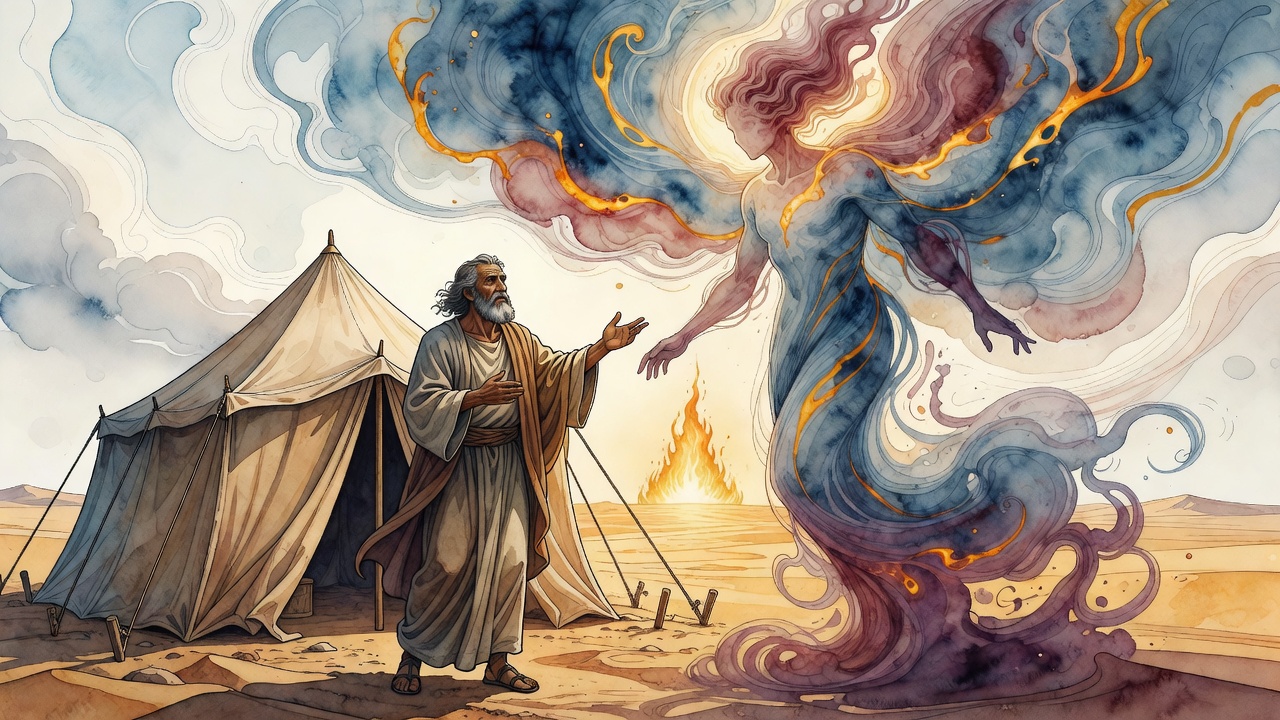
Michael rose from the meal and stepped outside. Before the next breath he stood in heaven, asking God to send someone else.
Table of Contents
Michael rose from the table as if to ease himself. He stepped out of Abraham's house, and before the next breath he stood in heaven.
 Click for full size
The assignment had seemed simple. Go down. Tell the old man his time on earth was ending. Abraham was old, righteous, loved. The death coming for him was the last chapter of a long life, not a punishment. Send an angel. Deliver the news. Come home.
Michael had been Abraham's guardian through the long decades. He had eaten at that table. He had watched the tent open for strangers. He pleaded. The words came out raw.
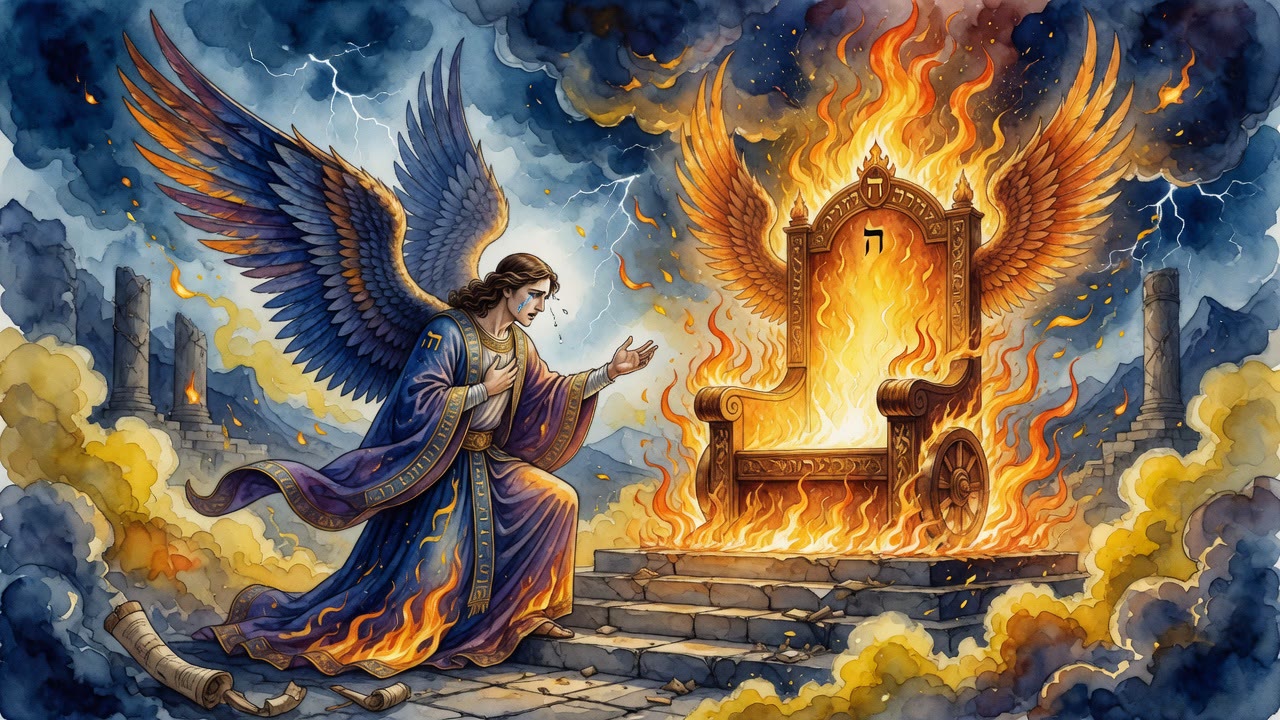
"Lord and Master, I am unable to remind that righteous man of his death. I have not seen upon the earth a man like him."
He Could Not Say the Sentence
God listened. God also did not change the fact. Abraham's time was ending. What God offered was a way around Michael's mouth.
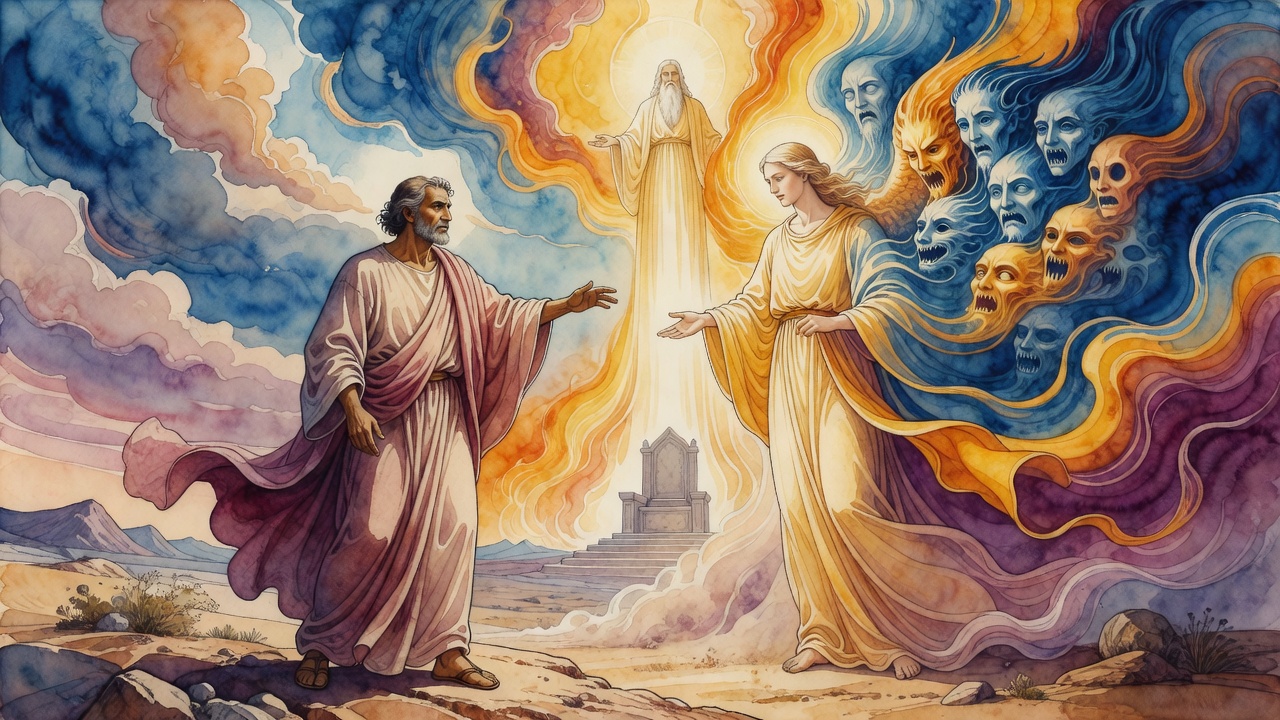
"Go to Abraham. Agree with whatever he says. Eat at his table. Be a guest in his house. Meanwhile I will plant the knowledge of his coming death in Isaac's dream, and Isaac will receive the news and pass it to his father."
Michael had one more fear. "All the angels of the ministering host would be grieved to learn that Abraham was dying." Not only Michael. The whole court. Then a smaller problem, which was not small in a kitchen. "All the heavenly spirits are incorporeal, and neither eat nor drink, and this man has set before me a table with an abundance of all good things earthly and corruptible. Lord, what shall I do?"
A Devouring Spirit at the Table
"Go down to him and take no thought for this," God said. "When you sit down with him, I will send upon you a devouring spirit, and it will consume out of your hands and through your mouth all that is on the table."
Michael descended. He sat. He lifted bread. The devouring spirit took what the mouth pretended to take. Abraham saw a guest eat and was glad, which was the whole point of the house. Michael agreed with whatever Abraham said. He praised the salt. He blessed the children. He did not say the thing he had been sent to say.
Isaac still slept in another room. The dream had not yet arrived. The sentence sat in heaven, waiting for a son's mouth, because an archangel could not bear to use his own.
Fire from the Chariot
Then Michael came in a chariot of the cherubim, scooped Abraham up, and carried him on a cloud with sixty angels. Abraham looked down at the world he had spent a hundred years walking through, and the scale of it changed.
He saw a man with a wedded woman who was not his. "Send fire from heaven to consume them," Abraham said. Fire came down, because God had told Michael to do whatever Abraham asked on this ride.
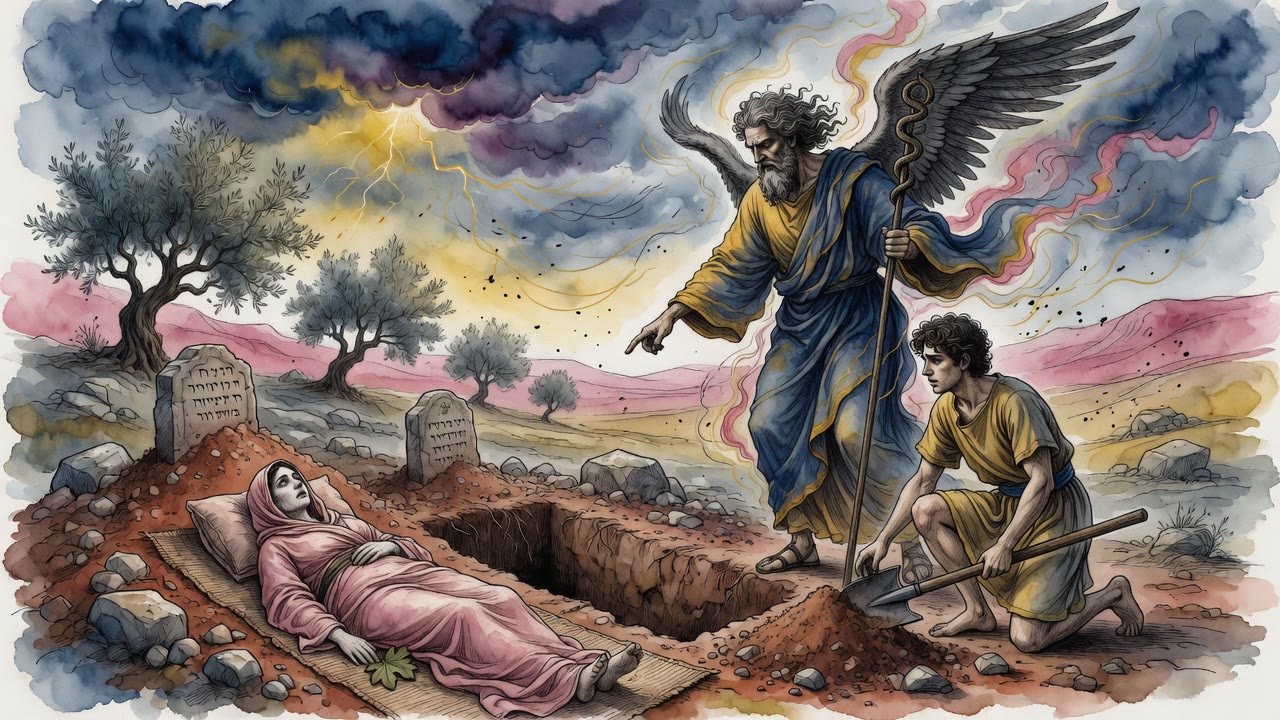
He looked again. Thieves were digging through a house. "Let wild beasts come out of the desert and tear them in pieces." The beasts came. He looked a third time and saw people preparing murder. "Let the earth open and swallow them." The earth swallowed them alive.
Then God spoke to Michael. "Turn Abraham to his own house and let him not go round the whole earth, because he has no compassion on sinners. I have compassion on sinners, that they may turn and live."
The Narrow Gate
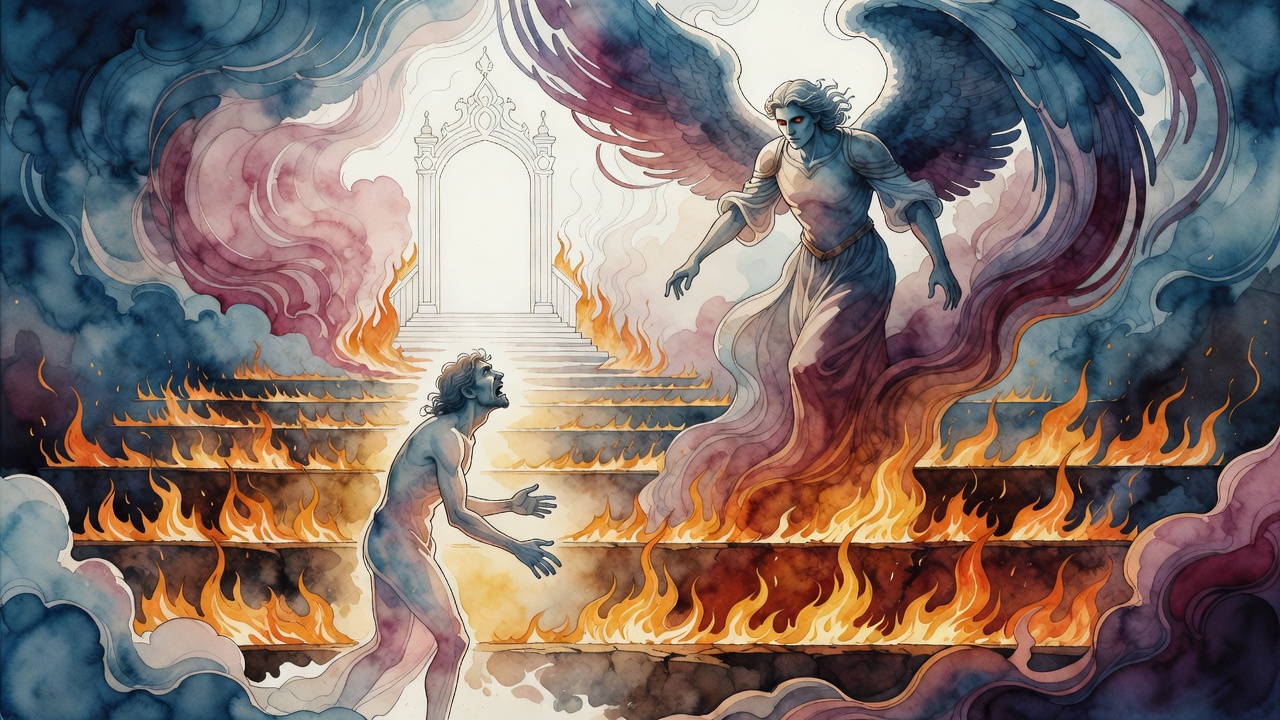
Michael turned the chariot and brought Abraham to the place of judgment of all souls. Two gates. One broad. One narrow. The narrow gate belonged to the just and led to life. The broad gate belonged to sinners and led to destruction.
Abraham wept. "Woe is me, what shall I do? For I am a man big of body, and how shall I be able to enter by the narrow gate?"
"Fear not, nor grieve," Michael said. "You shall enter by it unhindered, and all they who are like you."
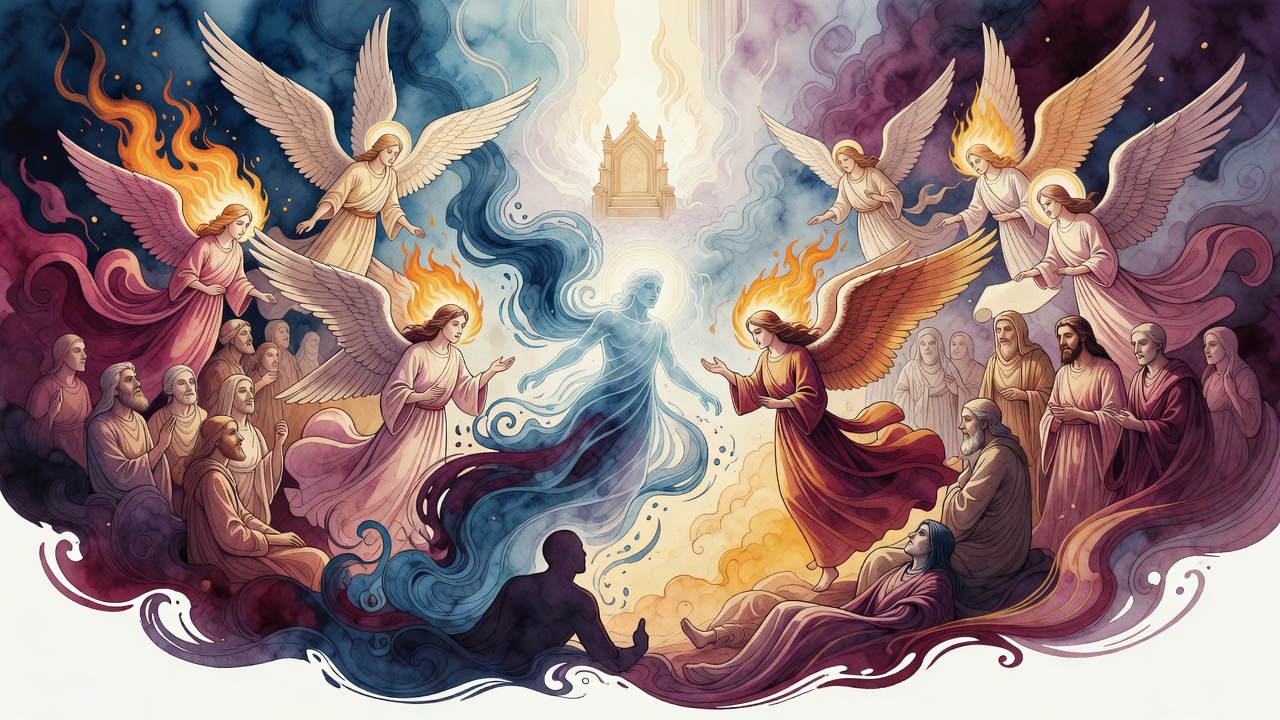
Abraham saw a soul set in the midst, neither committed to judgment nor saved, because its sins and its righteousness weighed the same. "Let us pray for this soul, and see whether God will hear us." They rose from the prayer. Michael told him the soul had been saved and carried up.
Abraham was not done. "Let us yet call upon the Lord for the souls of the sinners whom I formerly, in my anger, cursed and destroyed, whom the earth devoured, and the wild beasts tore, and the fire consumed. Now I know that I have sinned before the Lord our God."
Isaac Spoke in the Morning
Through all of this the actual message had not been delivered. Abraham did not yet know, from Michael's mouth, that the cloud ride was a last tour. Michael had agreed. He had eaten by a spirit's help. He had shown the gates. He had not said the sentence.
Isaac dreamed. He woke and told his father what he had seen, and the meaning was clear enough. Abraham understood that the time had come. He wept. Then he prepared. He gathered what he needed for the crossing. He had not heard it from Michael's lips, but he had heard it, and he received it with the same acceptance that had marked a century of other hard news.
Michael had been right that it was not simple. God had found a way around the simplicity. The archangel went back to the table in a house that still smelled of bread, and the devouring spirit was quiet now, and the old man knew.
← All myths