391 myths · Page 2 of 14
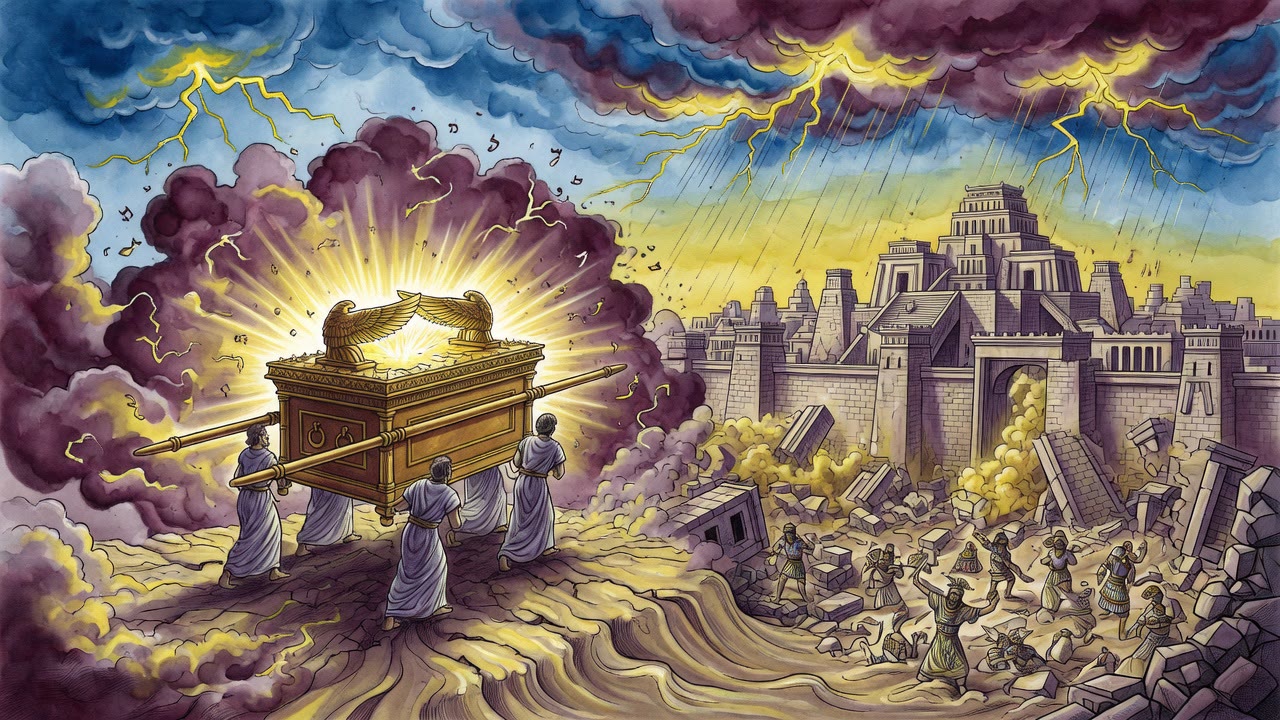
The Philistines set the captured Ark beside their god Dagon. In the morning Dagon was face down on the floor in front of it, and they stood him back up.
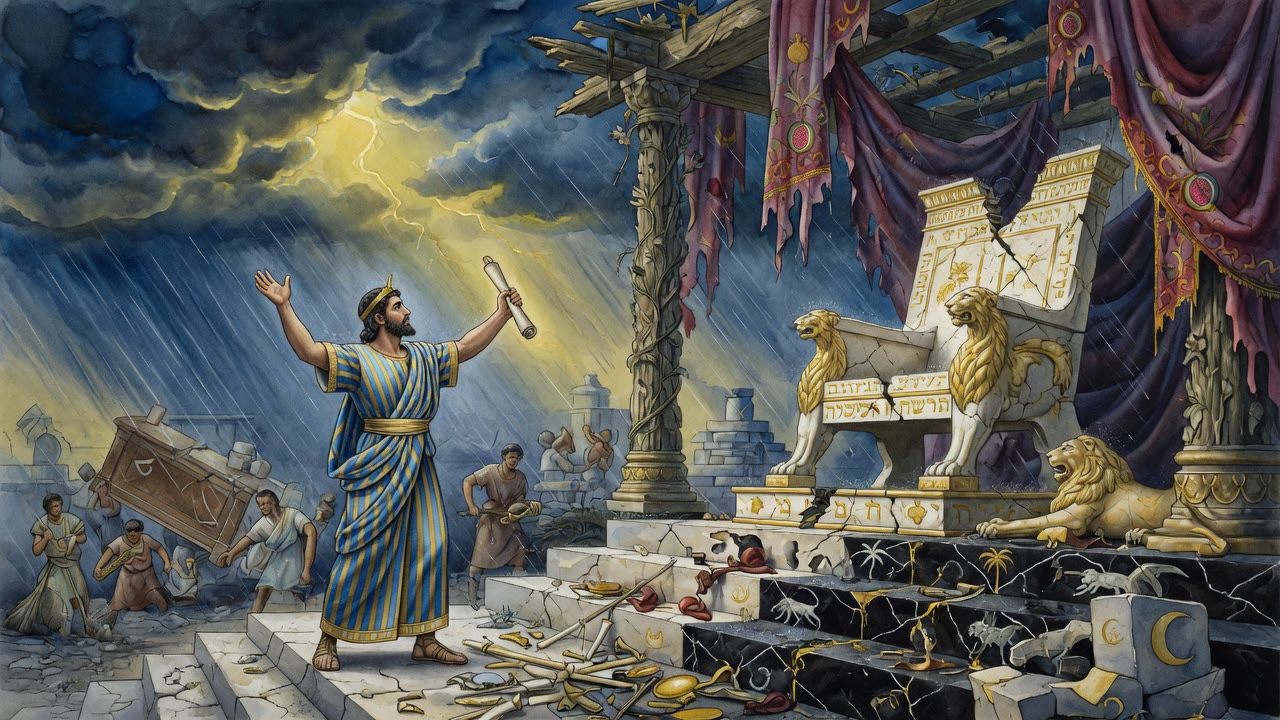
Josiah was eight when they crowned him. He sent men into every house in Judah to search the walls for hidden idols, and he burned the bones of Baal's priests.
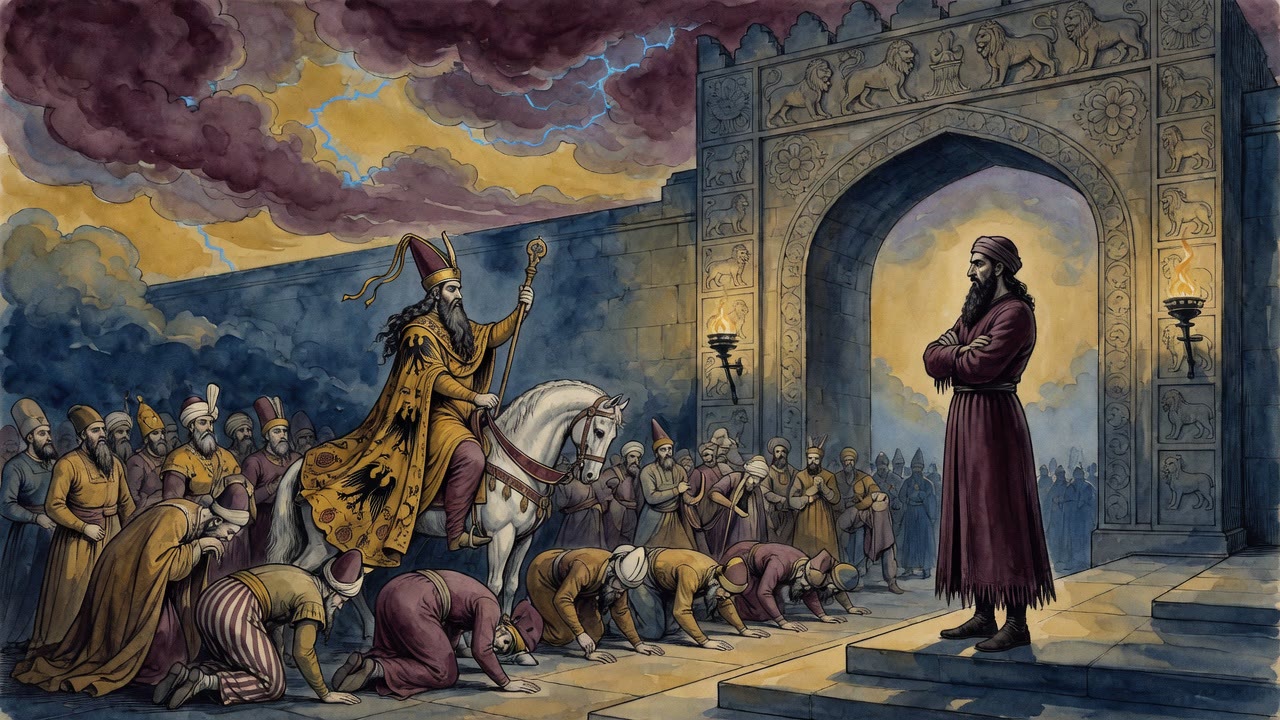
Haman passes through the gate of Shushan and every back bends but one. Mordecai stays upright, and the court has a taunt ready for him.
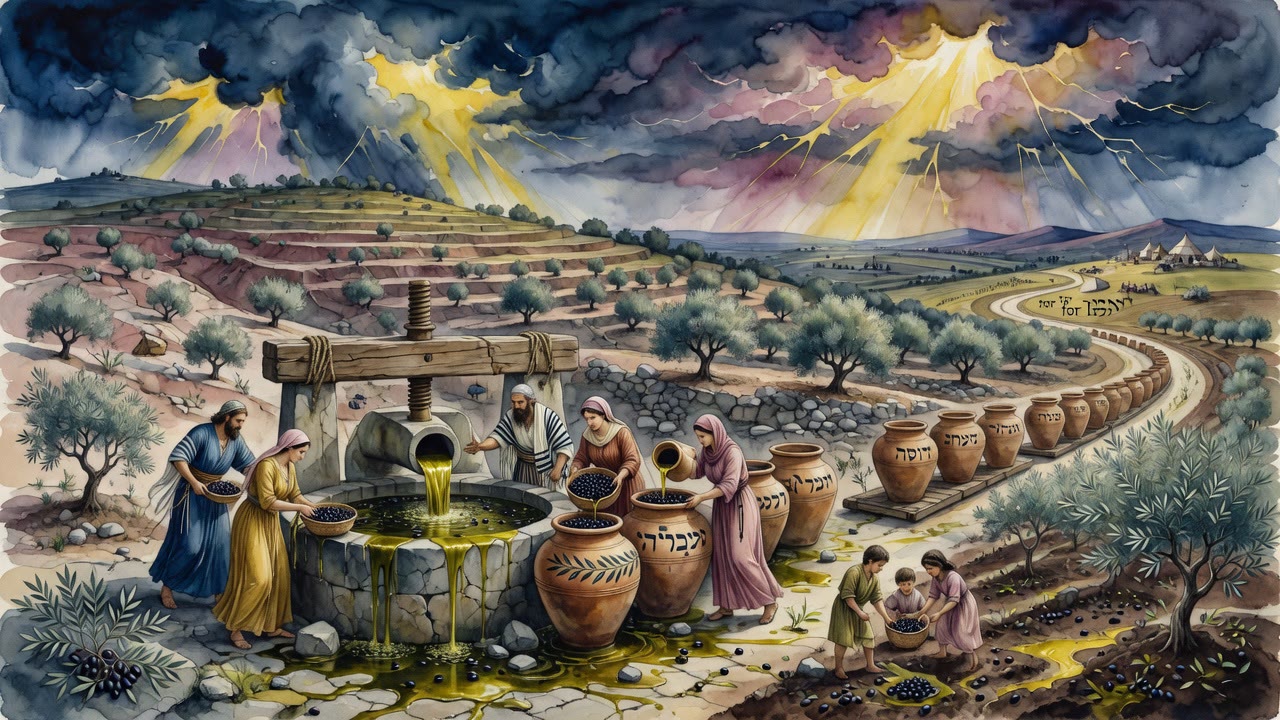
The fields lay fallow and the storehouses thinned, but in Asher's hills the oil still ran in streams, and a nation came to eat.
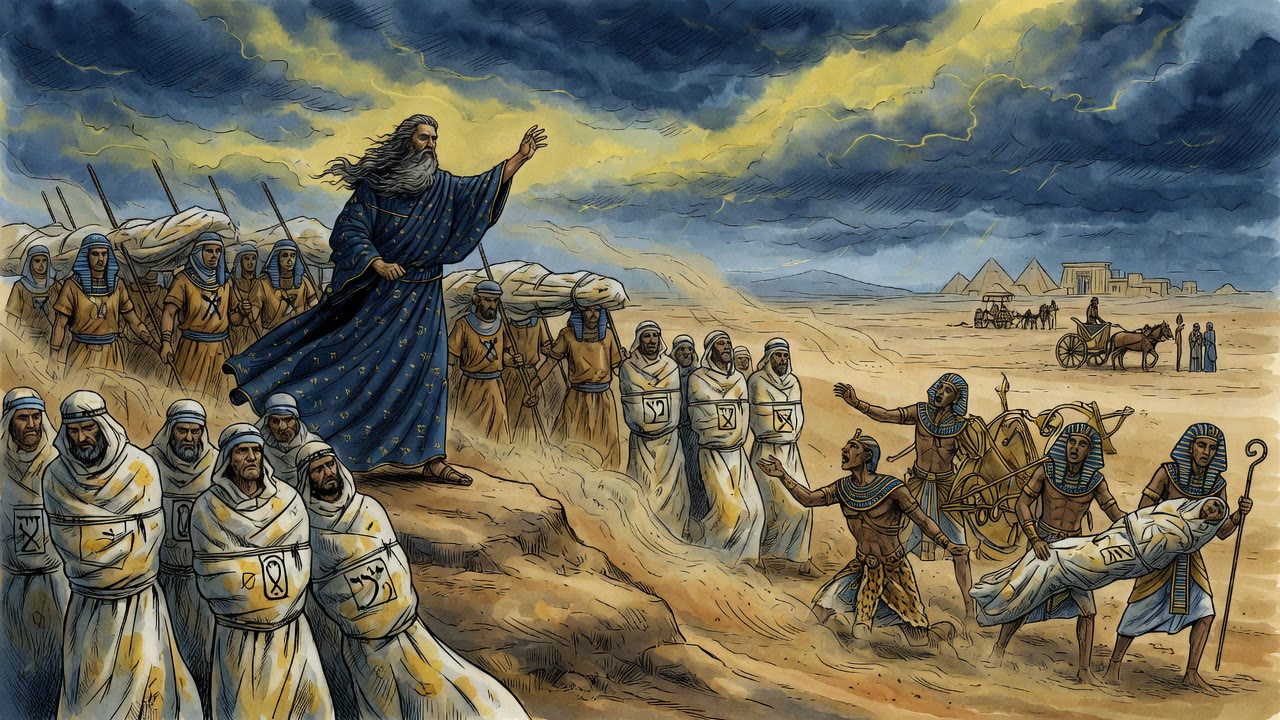
The men reached Jerusalem with their tools still rolled. Solomon did not set them to work. He handed each one a folded sheet of burial linen.
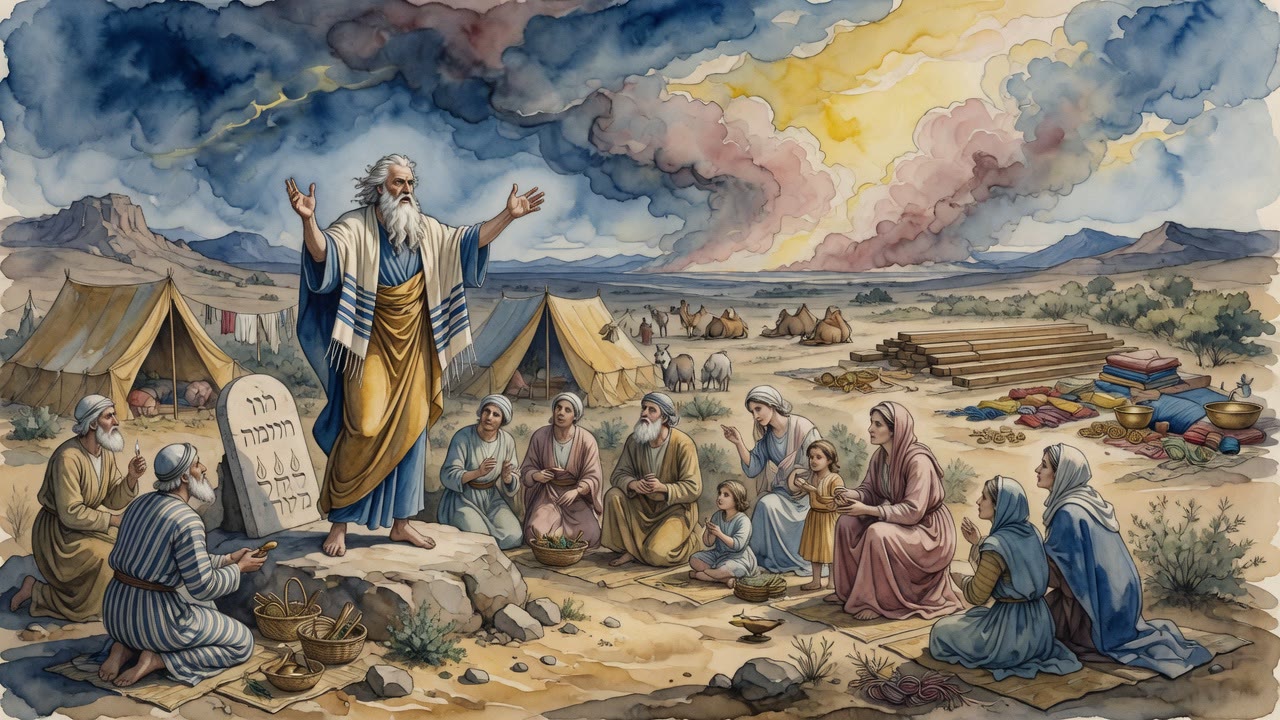
The gold was donated and the craftsmen were ready. Moses stopped the entire assembly first to teach them one rule that overrode everything else.
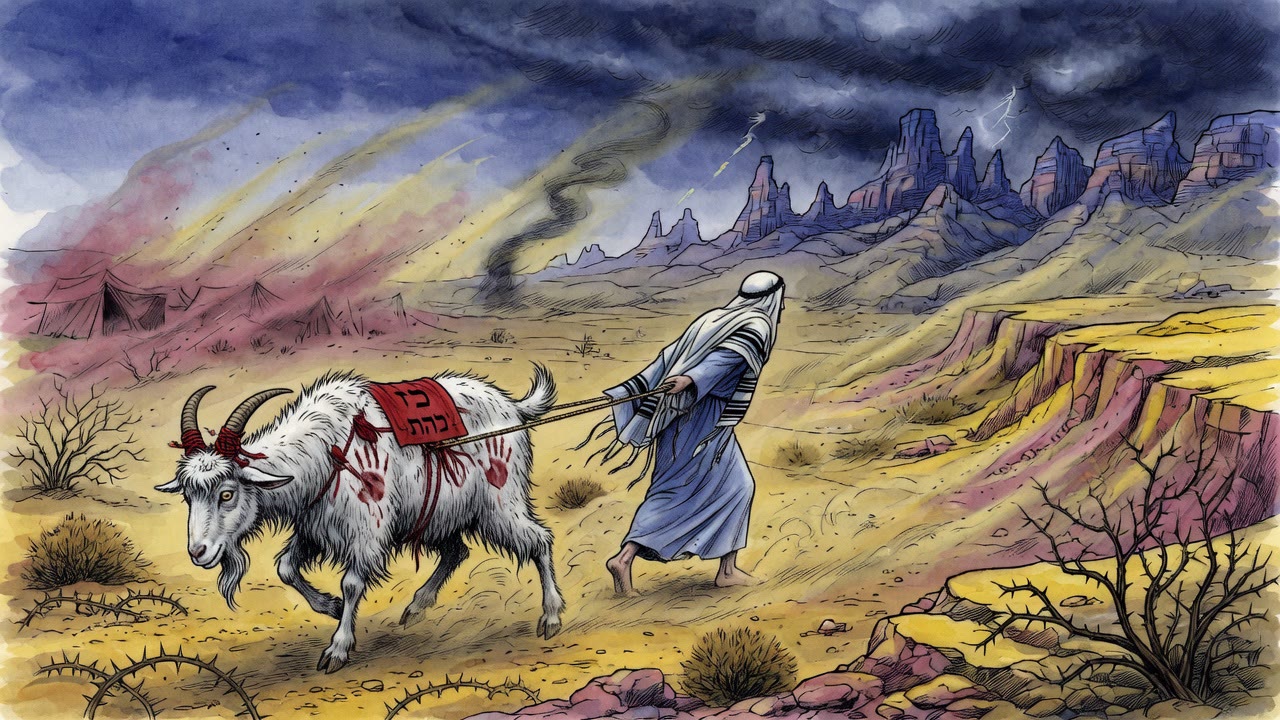
The High Priest drew lots over two identical goats. One went to God and one went to Azazel. The second goat went to the edge of the world and was destroyed.
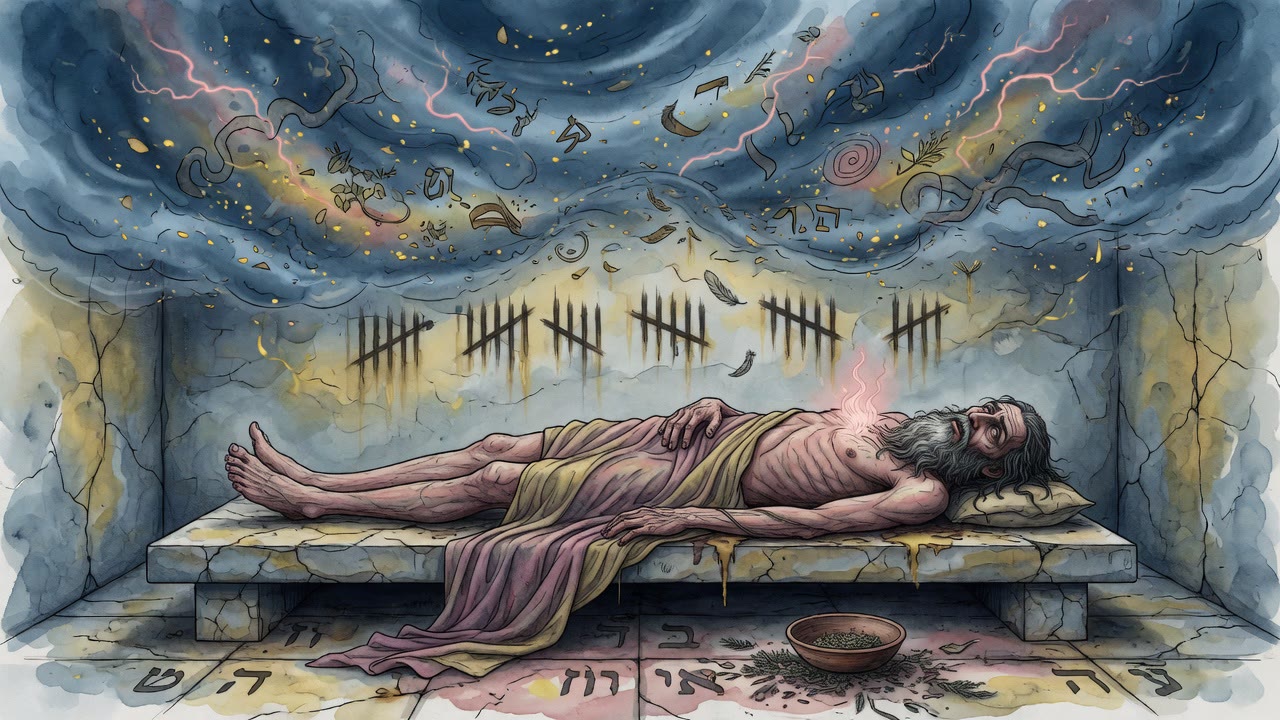
Seven sheep were laid against David each day for warmth, and none of it reached him. He had counted Israel, and seventy thousand men died in the plague.
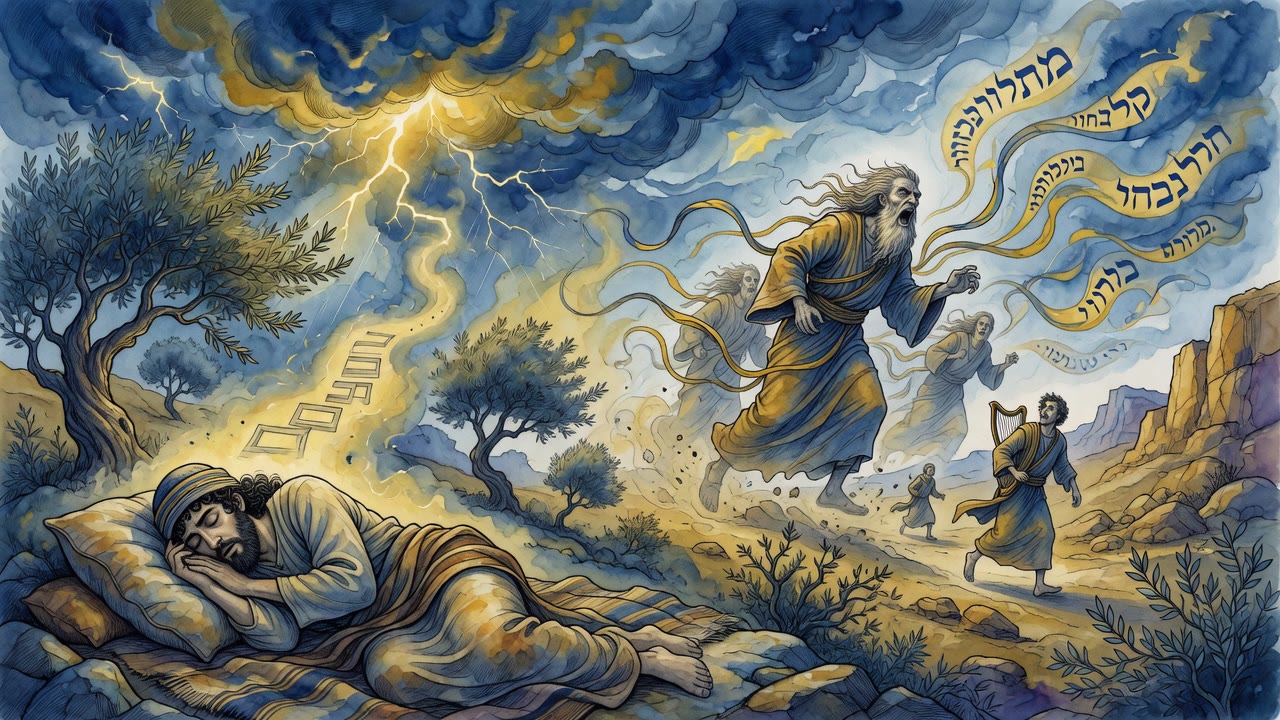
Doeg did not need a blade in Saul's hall. He told the king where David had gone, and the sentence kept traveling after the door shut.
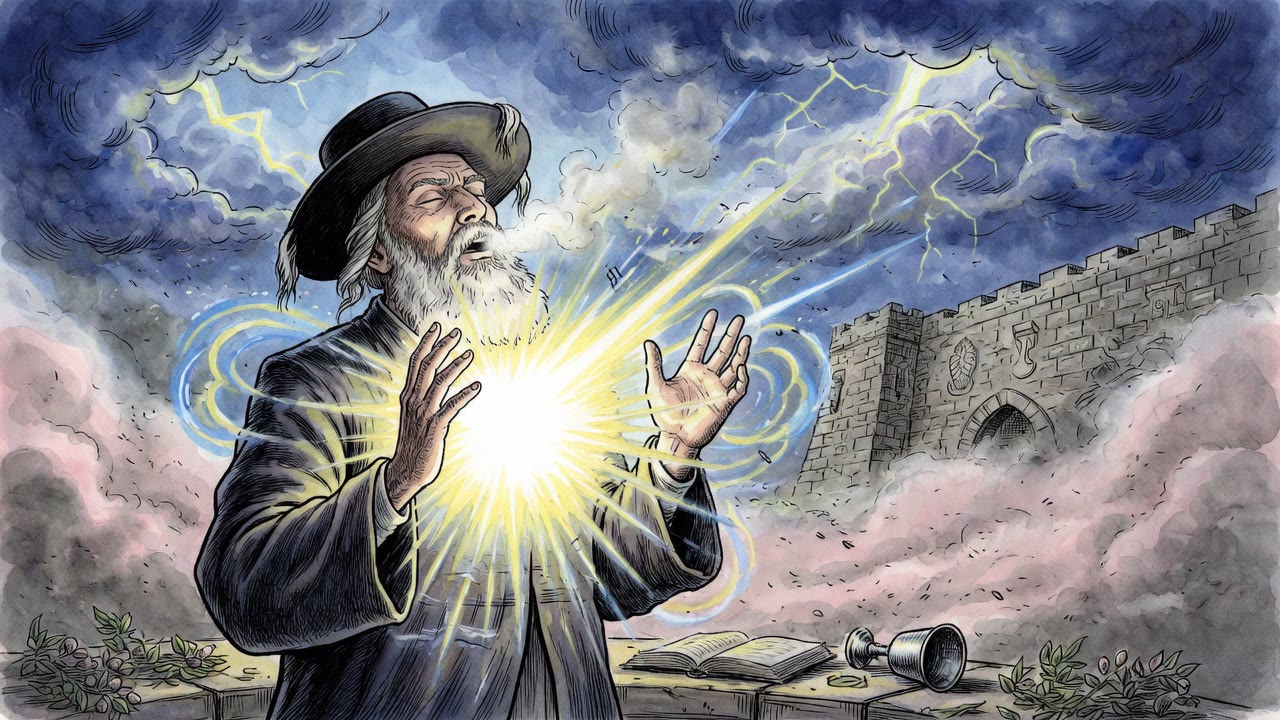
Rabbi Tarfon leaned close during the Temple blessing and heard the divine Name hidden inside the priests' chant, guarded by many voices.
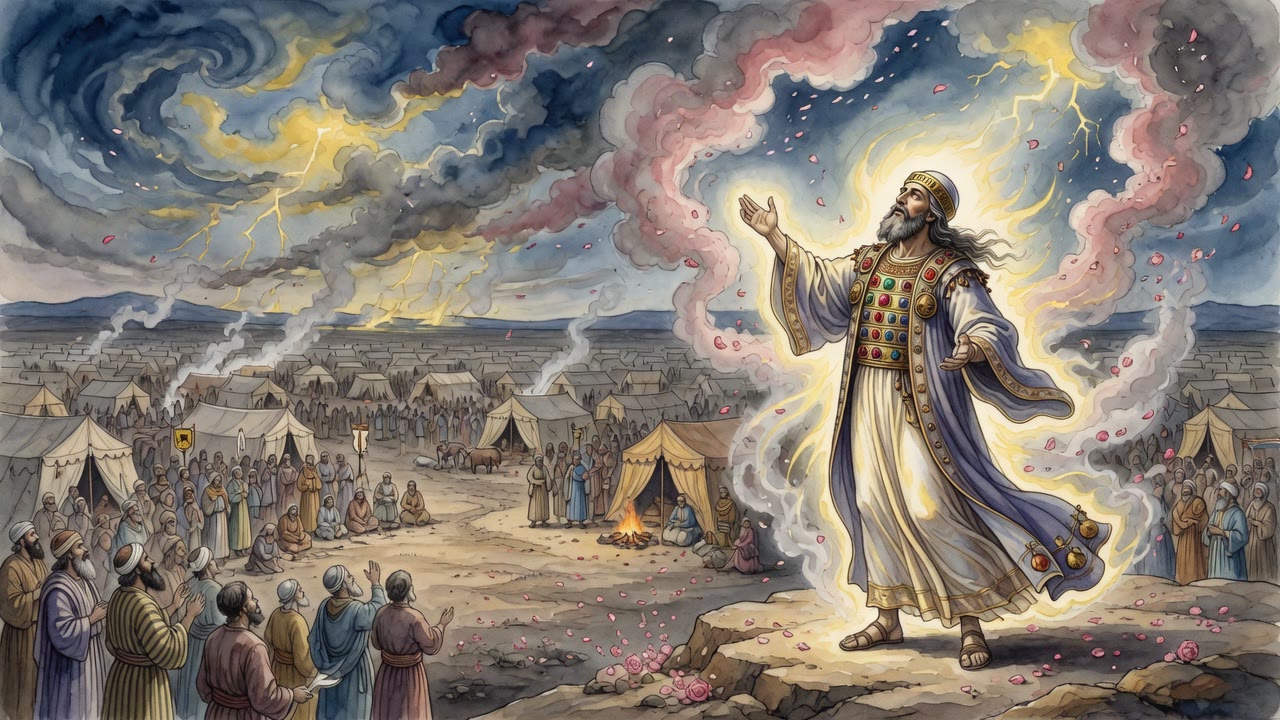
When every other tribal prince brought offerings at the Tabernacle, Aaron watched. God's answer to his despair changed what he thought his calling was.
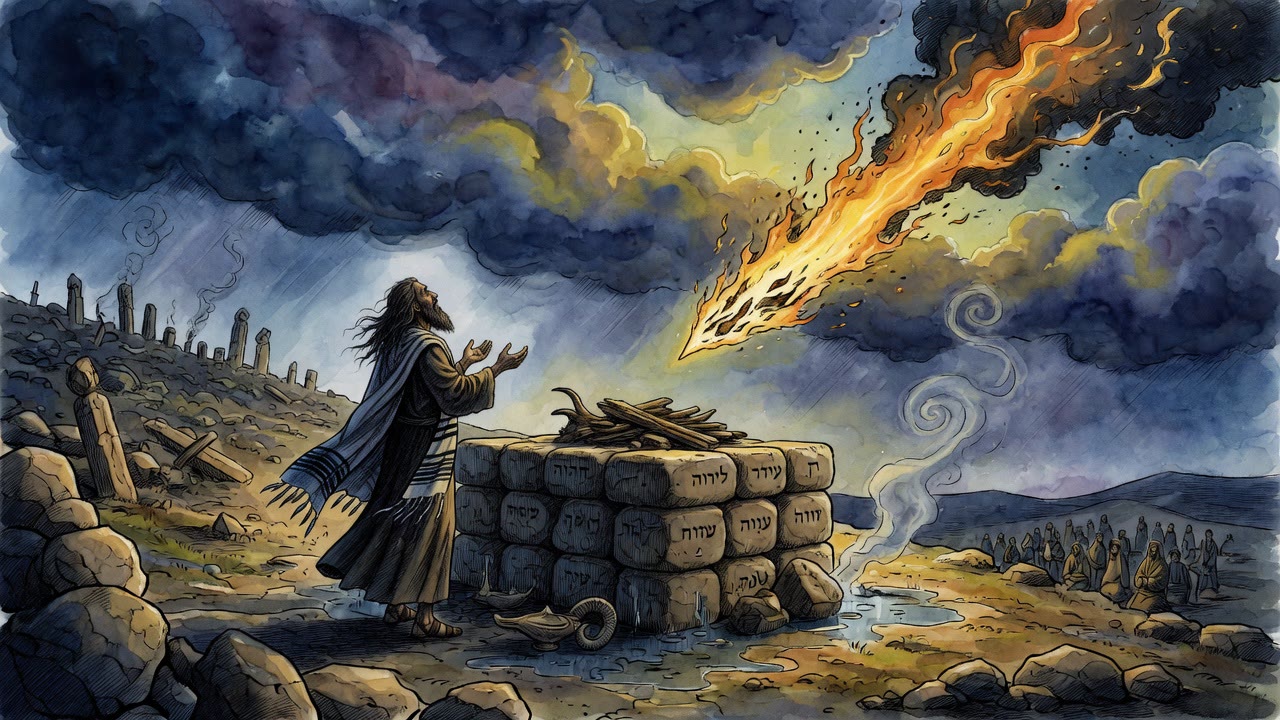
Hiel lay under Baal's altar with a coal ready. A serpent found him first. Elijah still did not pray until the afternoon offering.
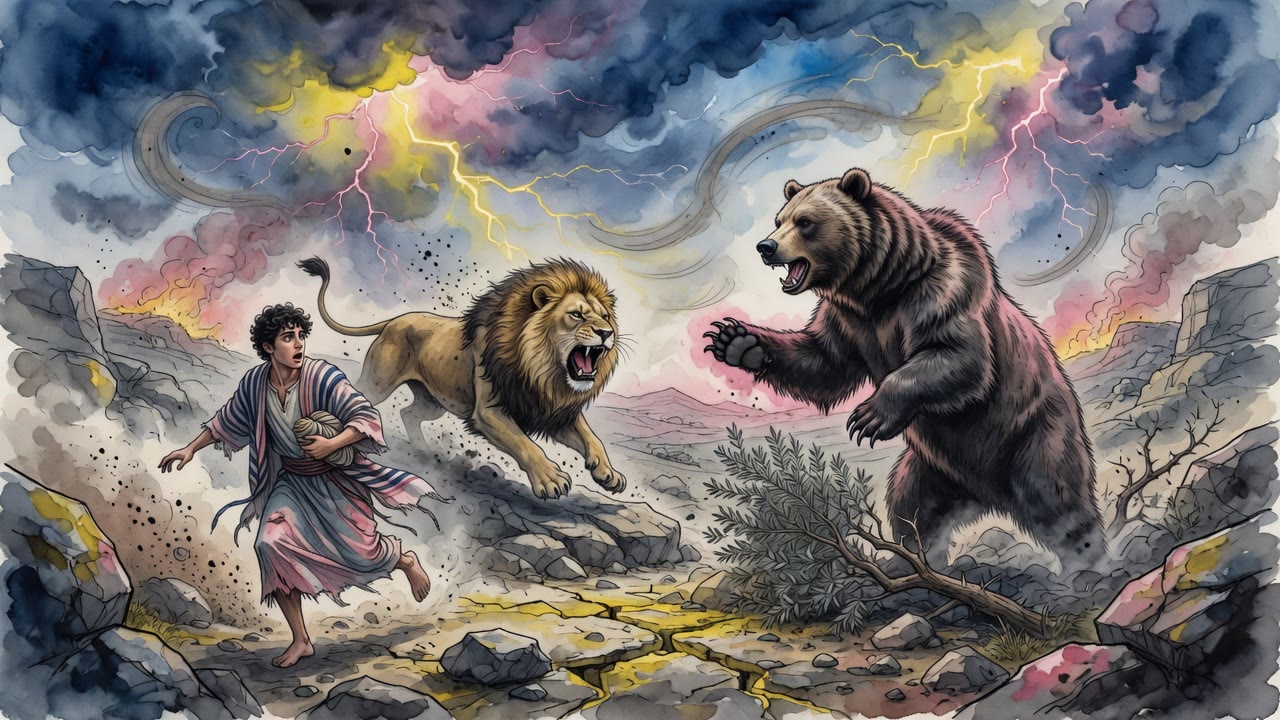
He outran the lion and met a bear on the same road. Home was no shelter. When he leaned on the wall, the snake was already in the plaster.
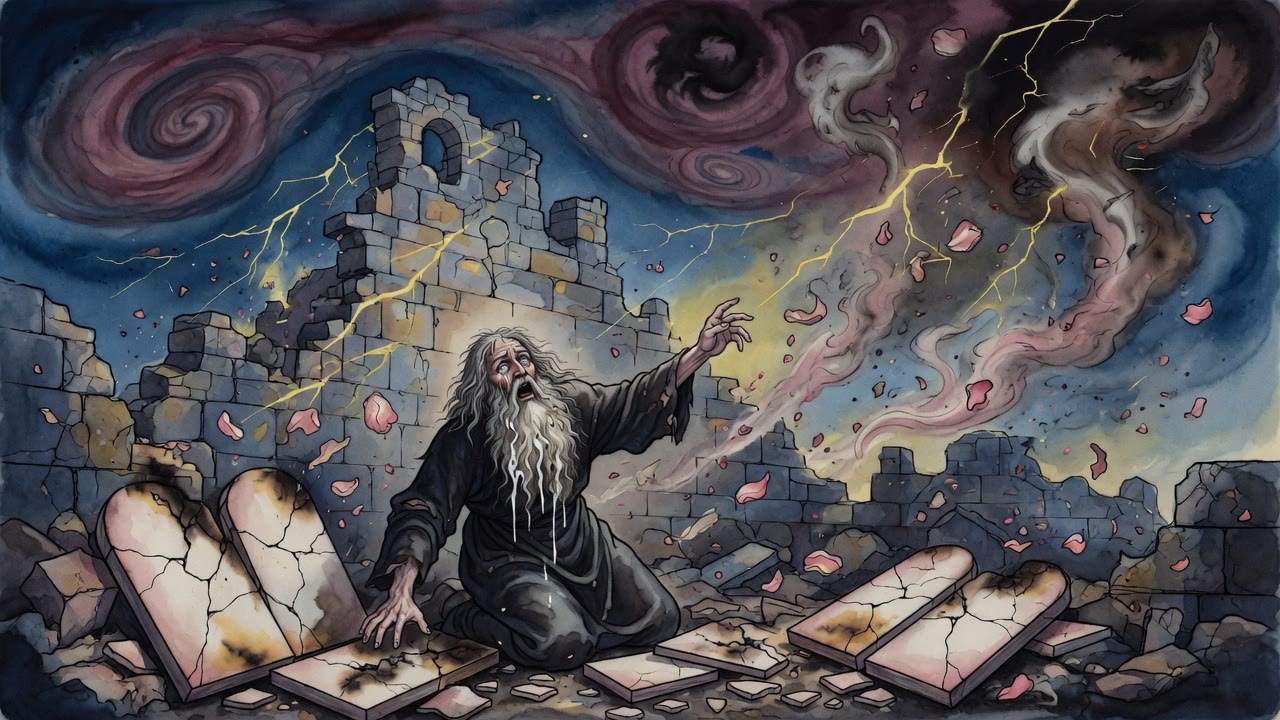
A rabbi enters a Roman prison to test a captive child with a verse, and what the boy answers changes the course of a life.
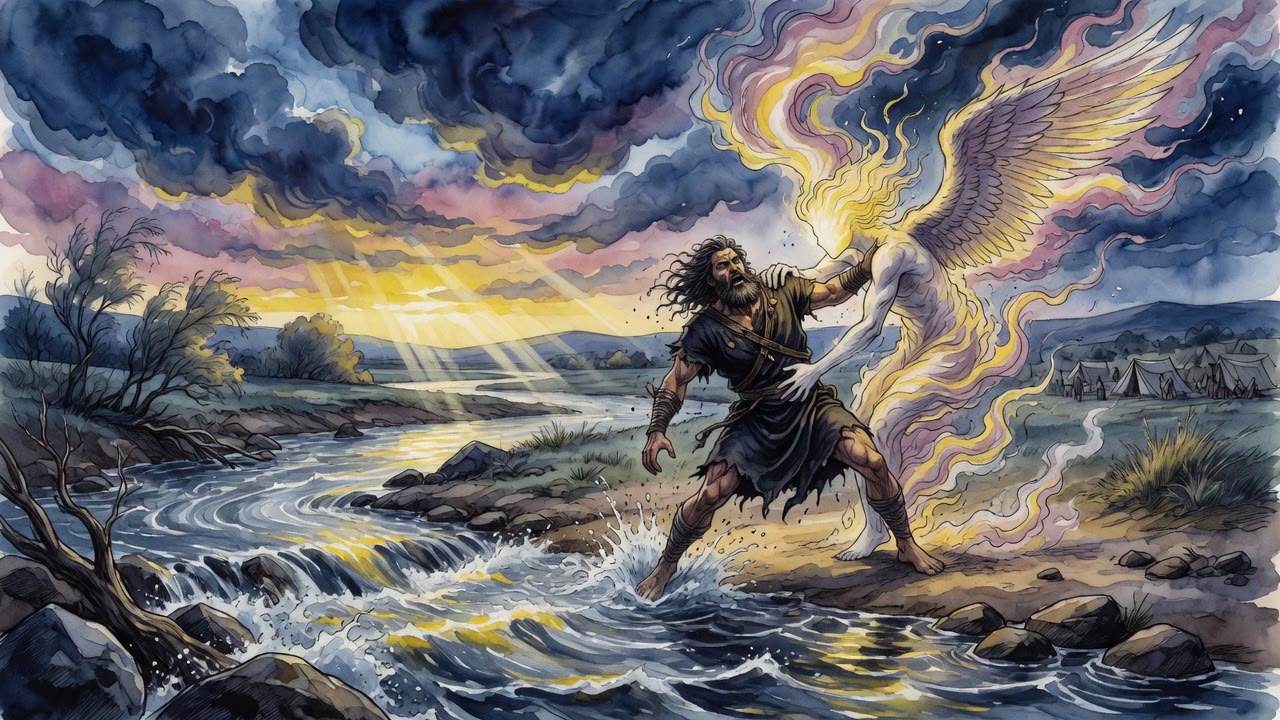
Jacob crosses the Jabbok alone at night and struggles until dawn with a being who will not say its name but gives him a new one.
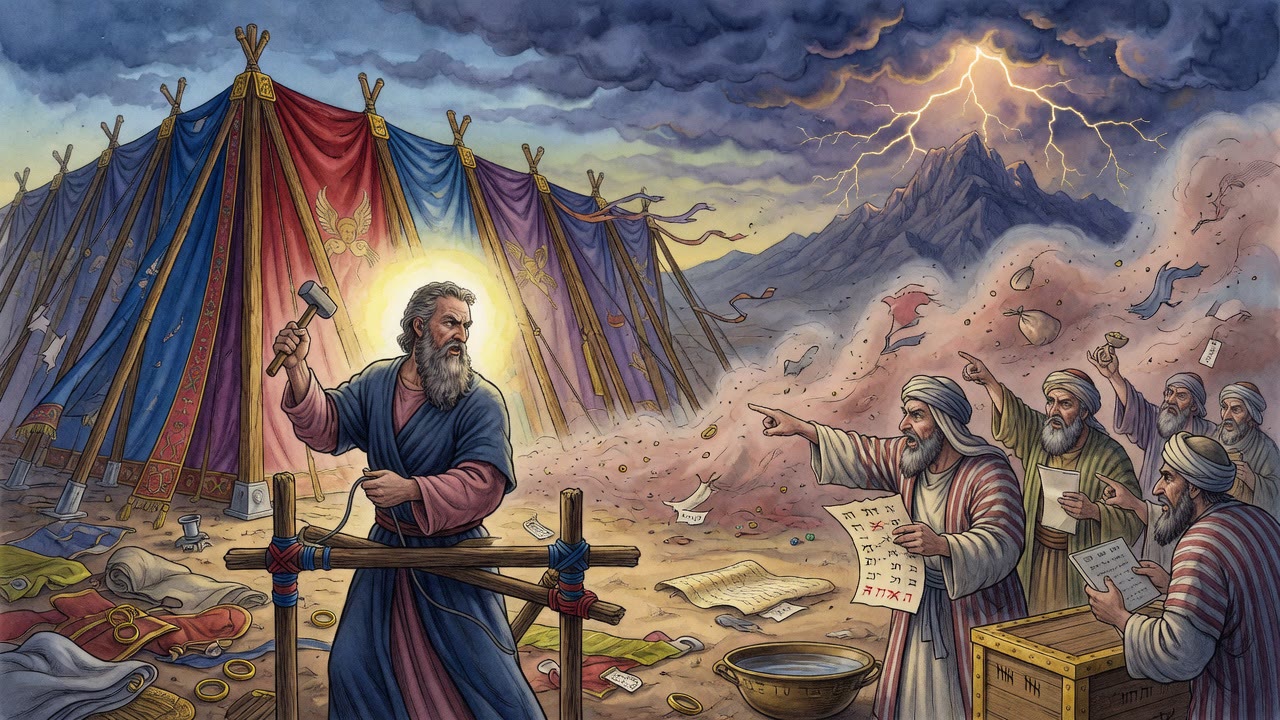
They said Moses looked well fed on gold given to God. He opened the ledger in front of the camp. One row of curtain hooks was still blank.
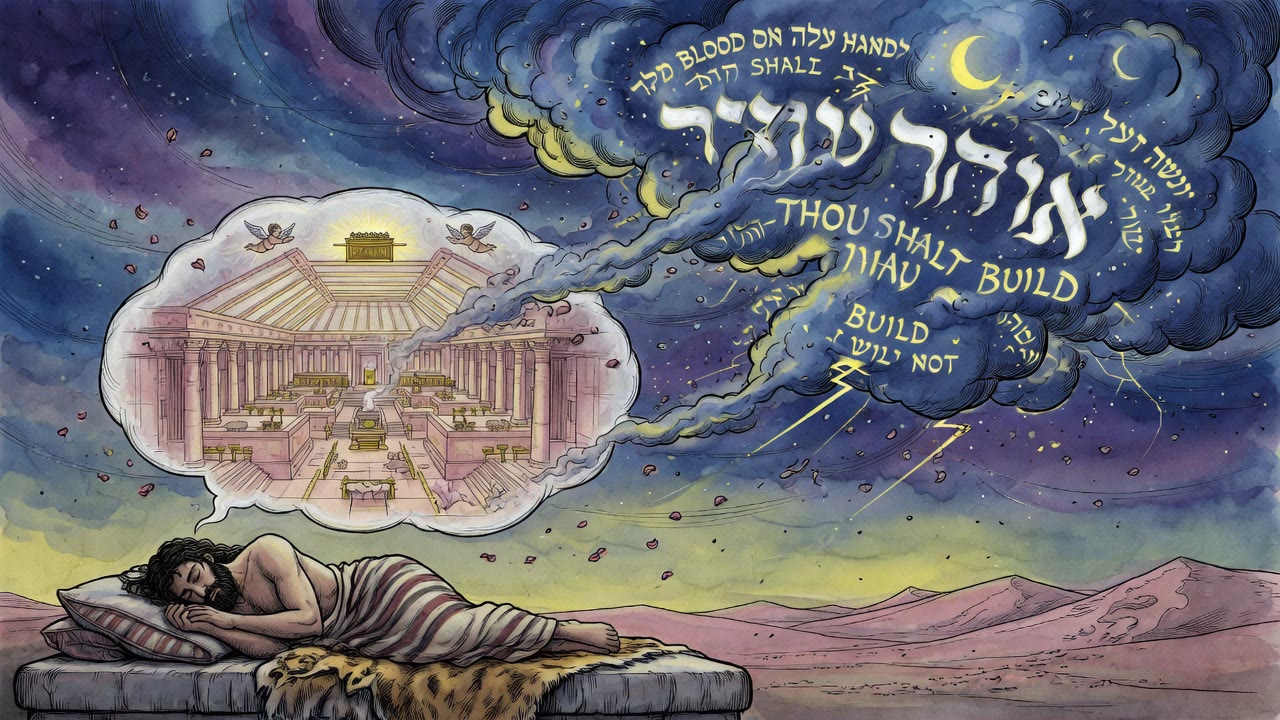
Nathan told him to do whatever was in his heart. God woke the prophet that night and sent him back with the opposite answer.
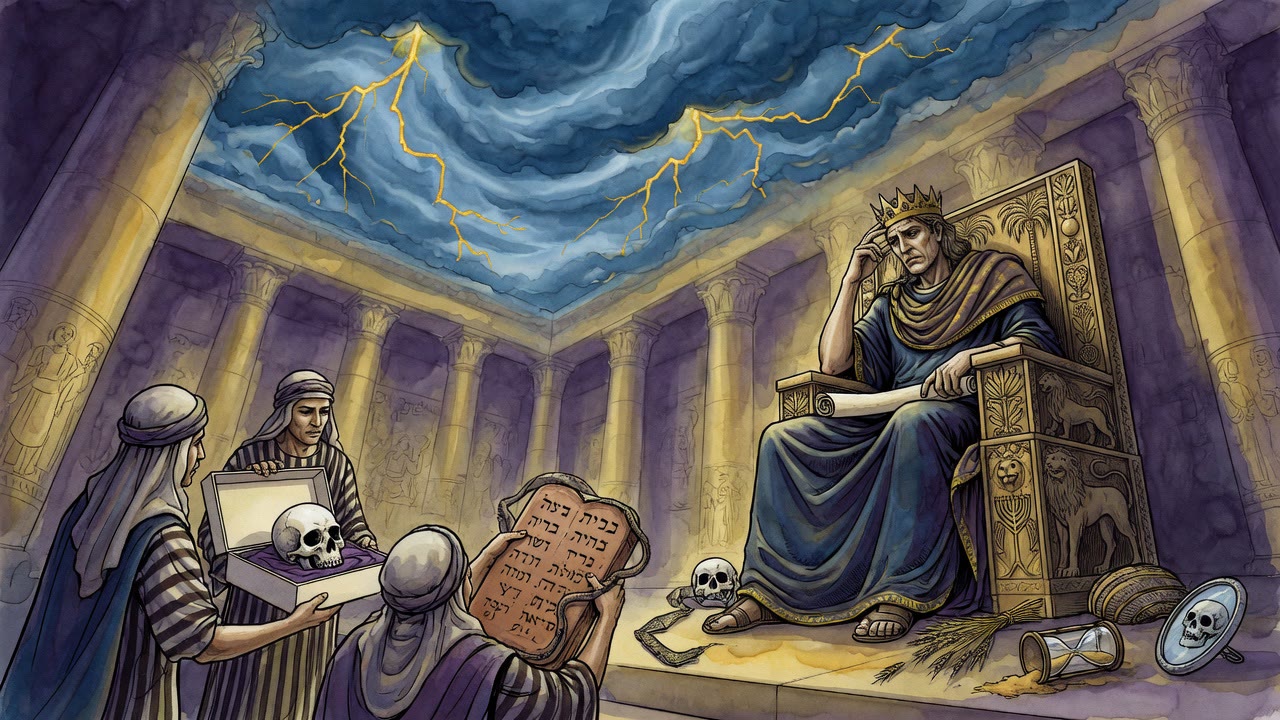
The first herald waited at the lowest step. Before Solomon's sandal landed, the man opened the king's law and spoke it into the air.
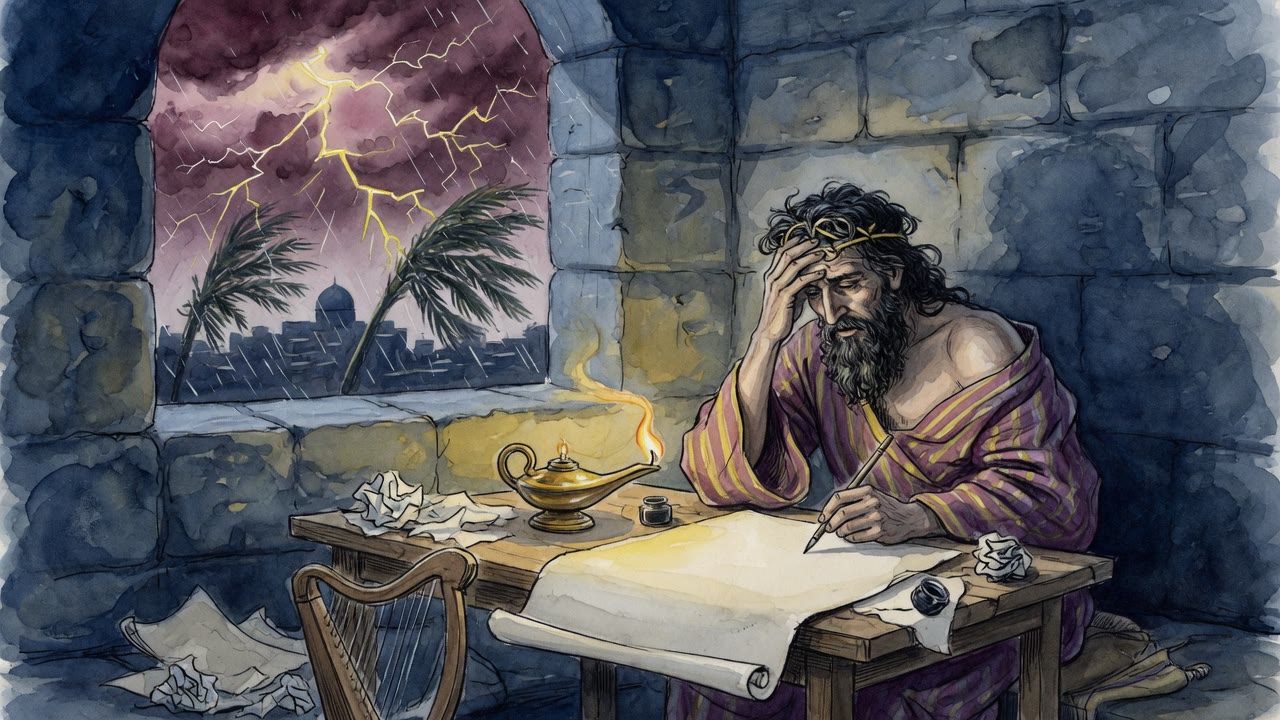
He held the whole army in place until the court finished reading old treaties. Then he went to war, and afterward he wrote that he was alone.
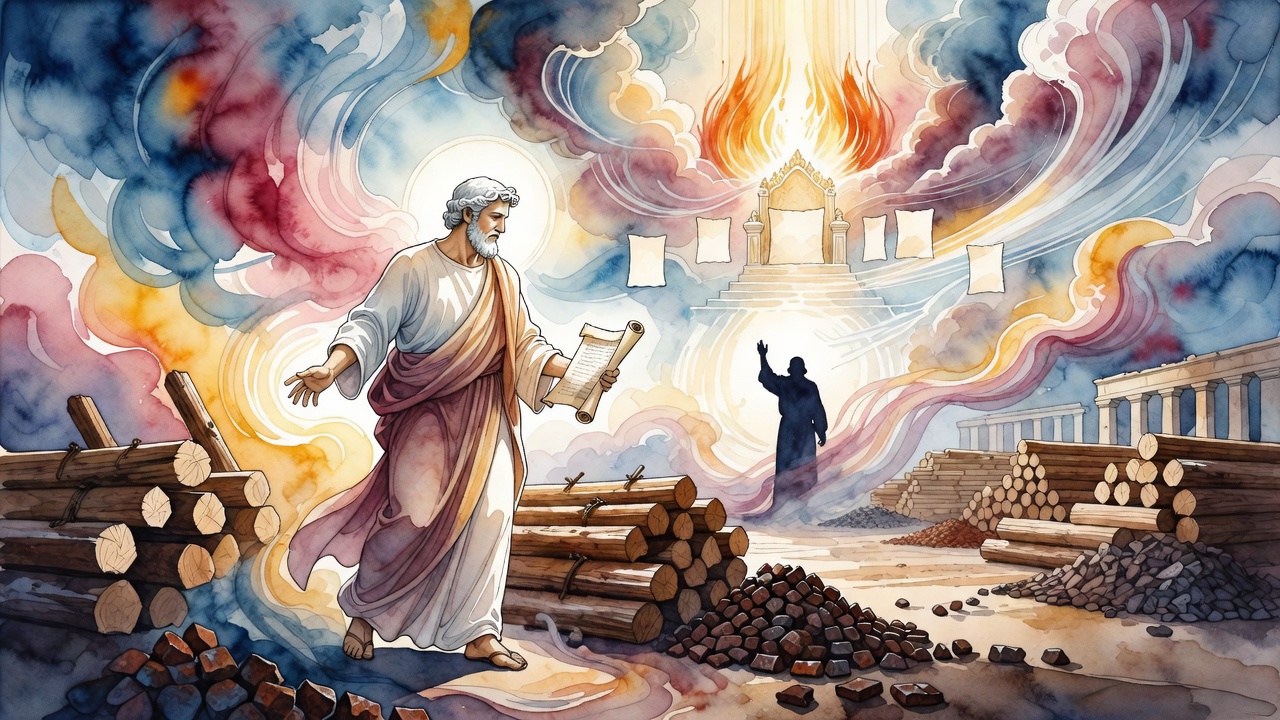
Cedar from Lebanon filled the palace yard. Nathan came back the next morning and would not look at it. If David built the house, it could not fall.
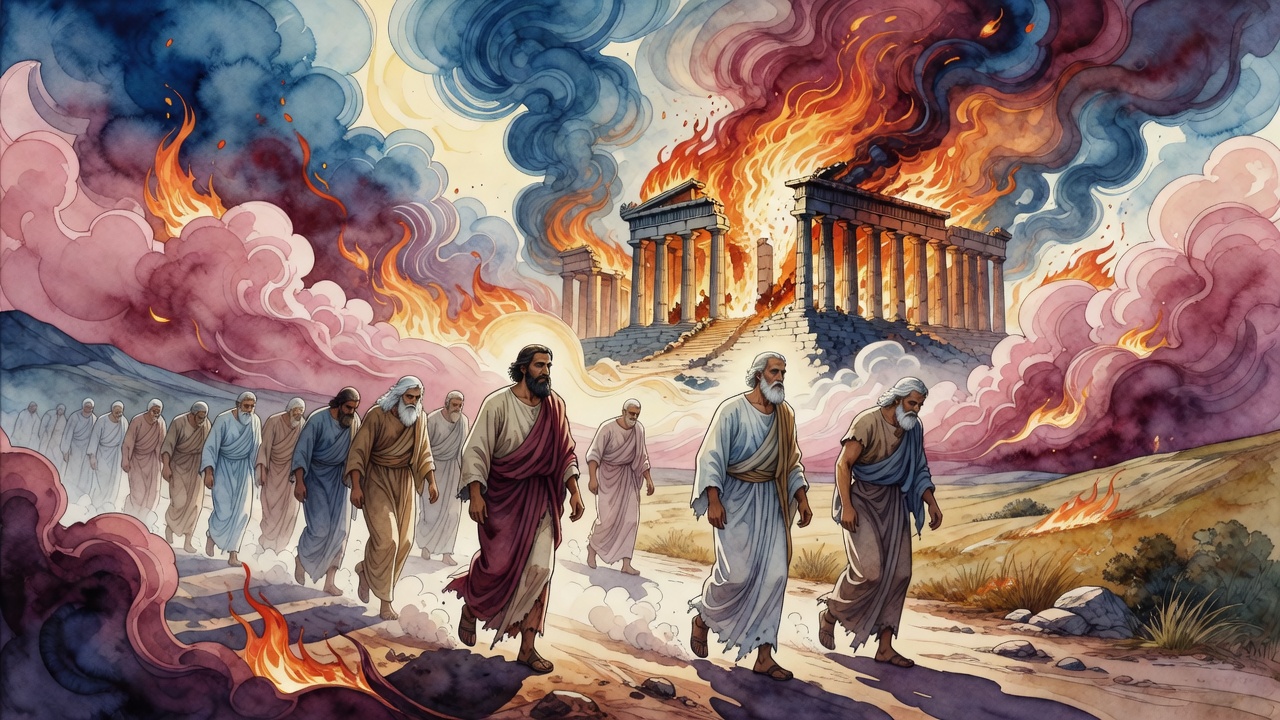
Before Moses died, he was shown the Temple burning and Israel in exile. He found Jeremiah on the roads to Babylon and walked alongside the dead.
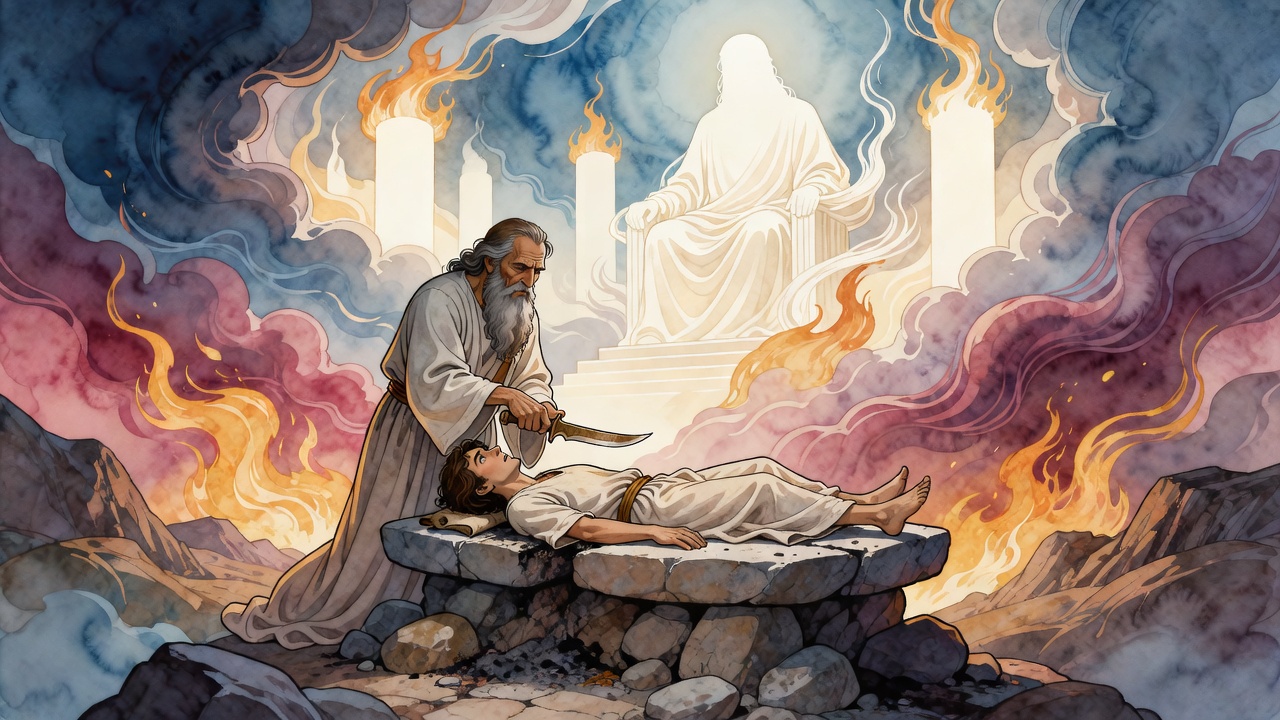
Isaac was breathing. The ram kicked in the thicket. Abraham would not come down until the mountain itself was sworn as mercy.
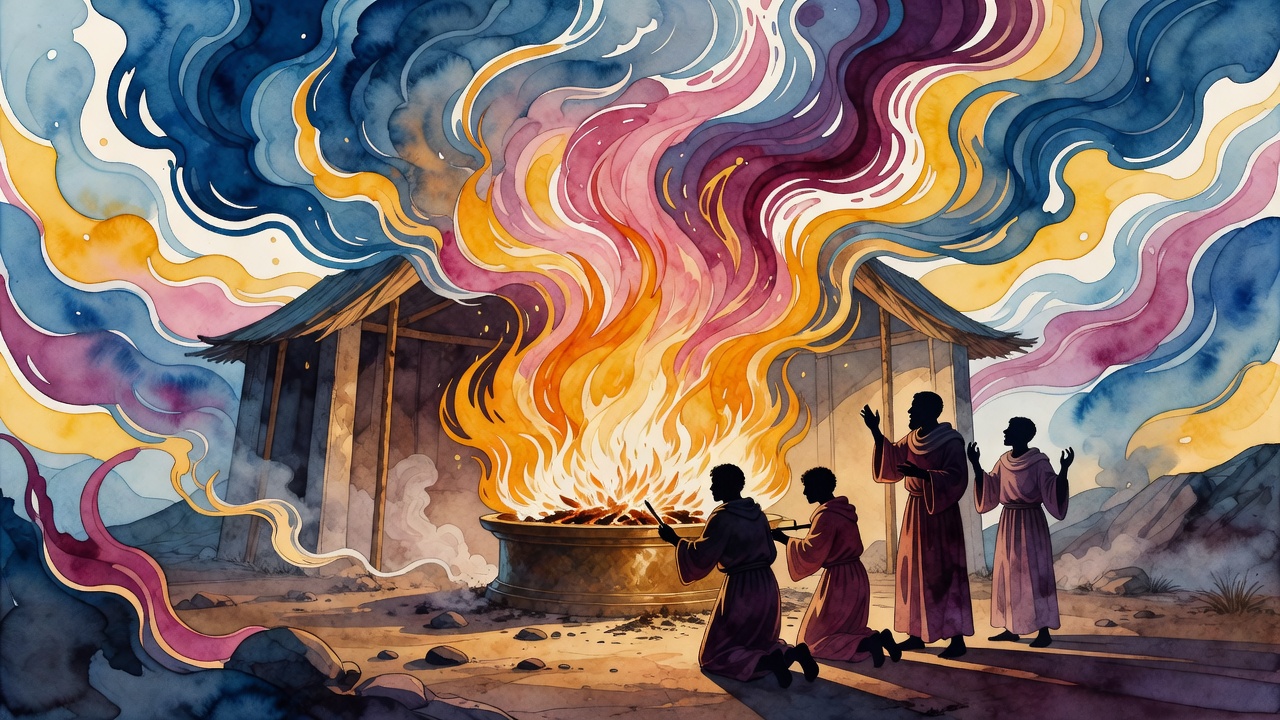
On the eighth day of the Tabernacle's dedication, fire fell from heaven and did not go back. It consumed offerings and sons with equal precision.
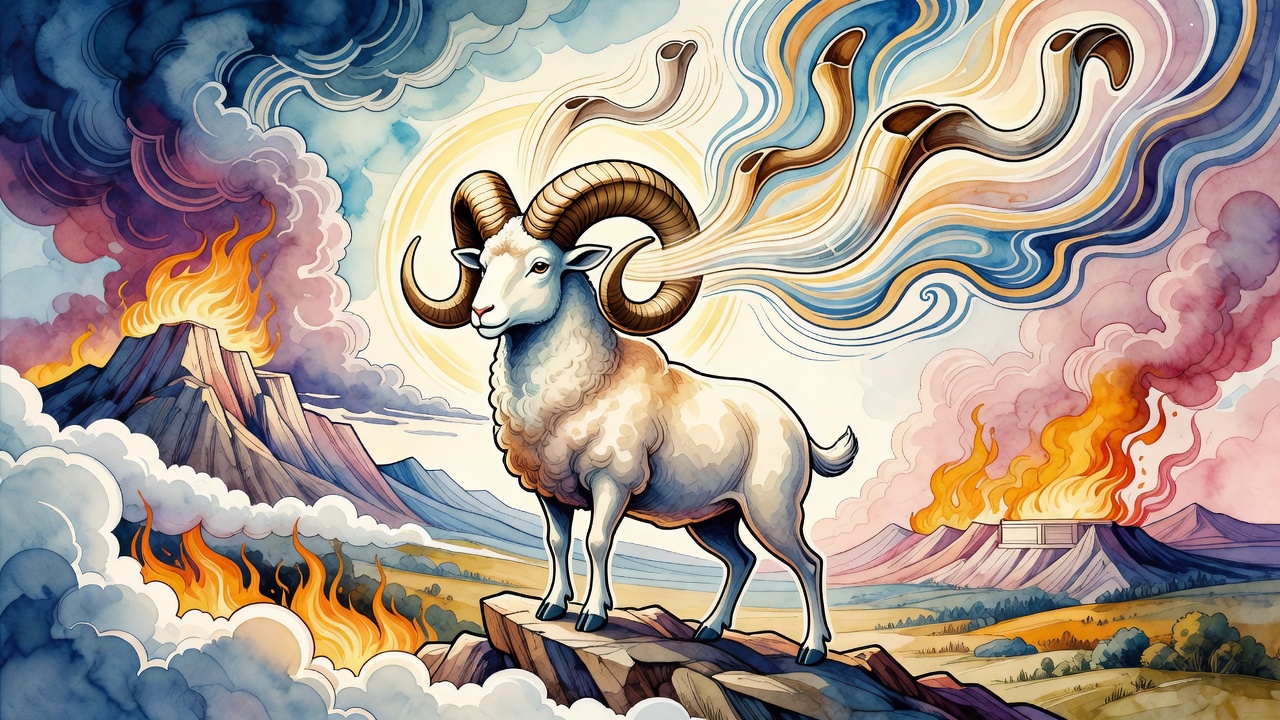
The ram that saved Isaac did not vanish into smoke. Its horns became the sound that opens judgment, Sinai, and the end of days.
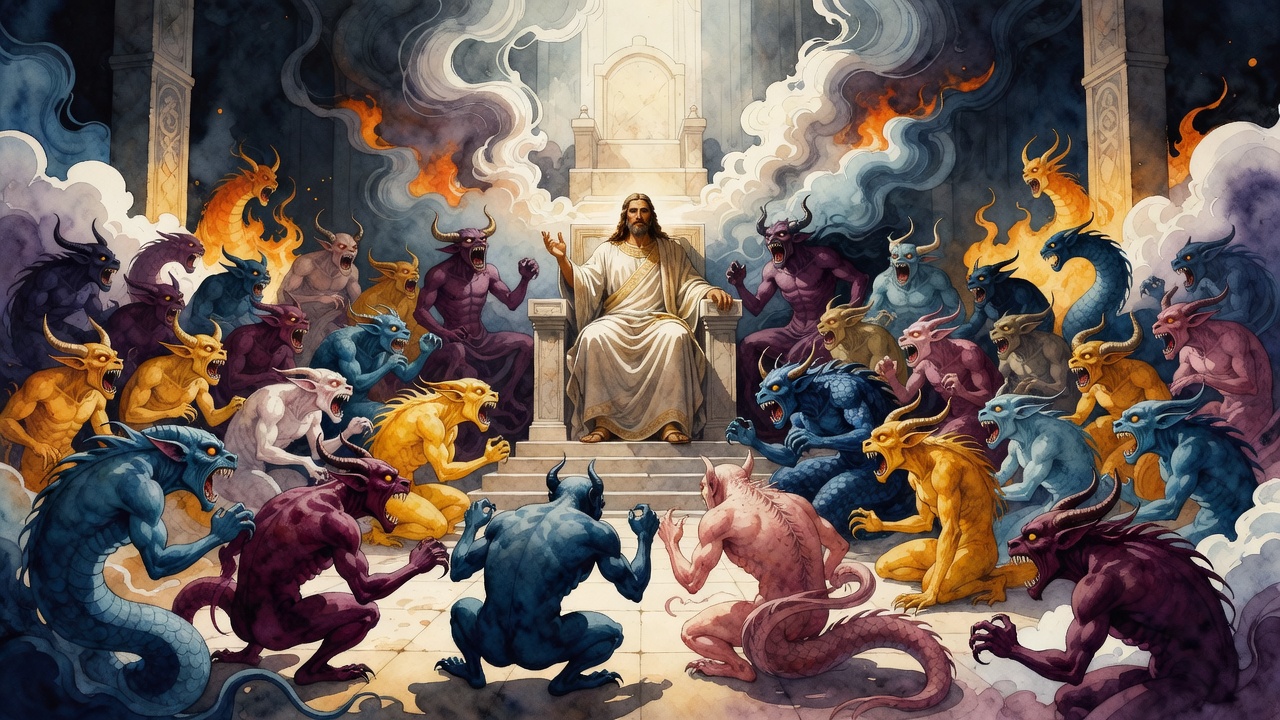
A ring dragged them in one at a time. Ornias strangled men in their sleep. A headless spirit ate heads. Each said which angel could stop it.
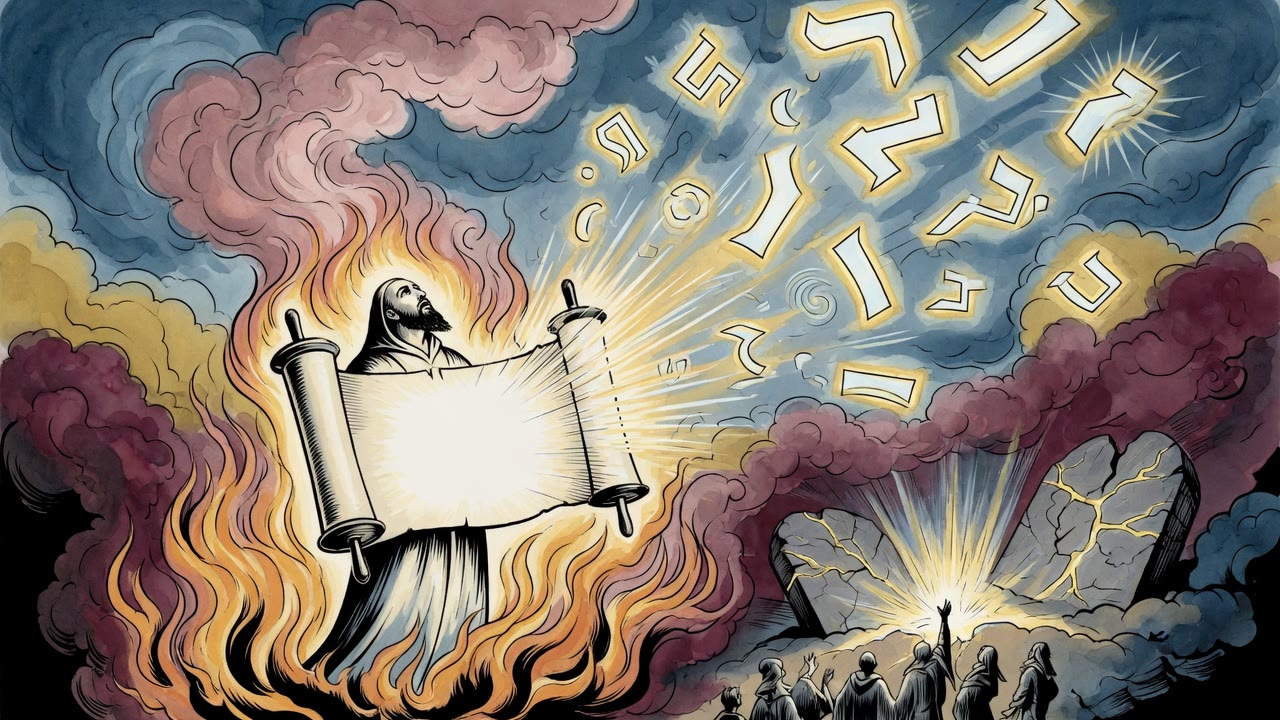
Her priests told her to refuse the king unless he honored their gods. Solomon said no for a long time. Then she made the request small.
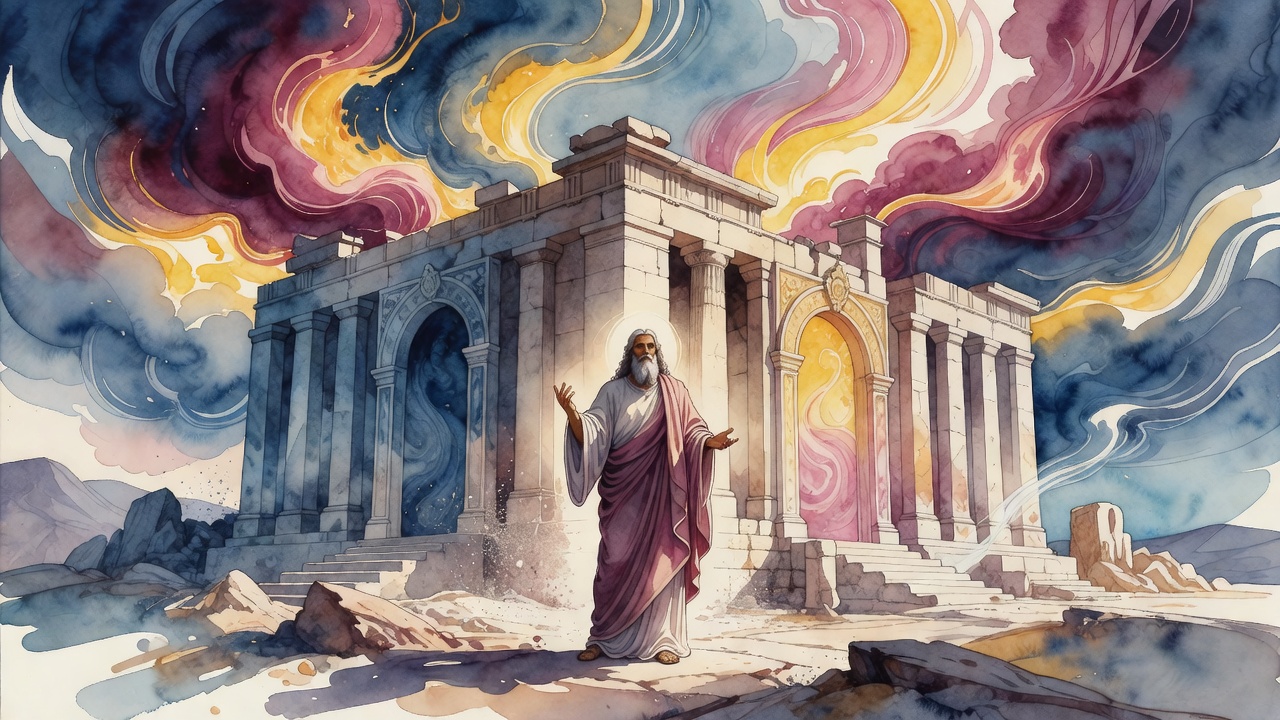
Solomon's masons fitted the stones so close that no one could find a tool mark. The house went up in silence, and then he dreamed of it burning.
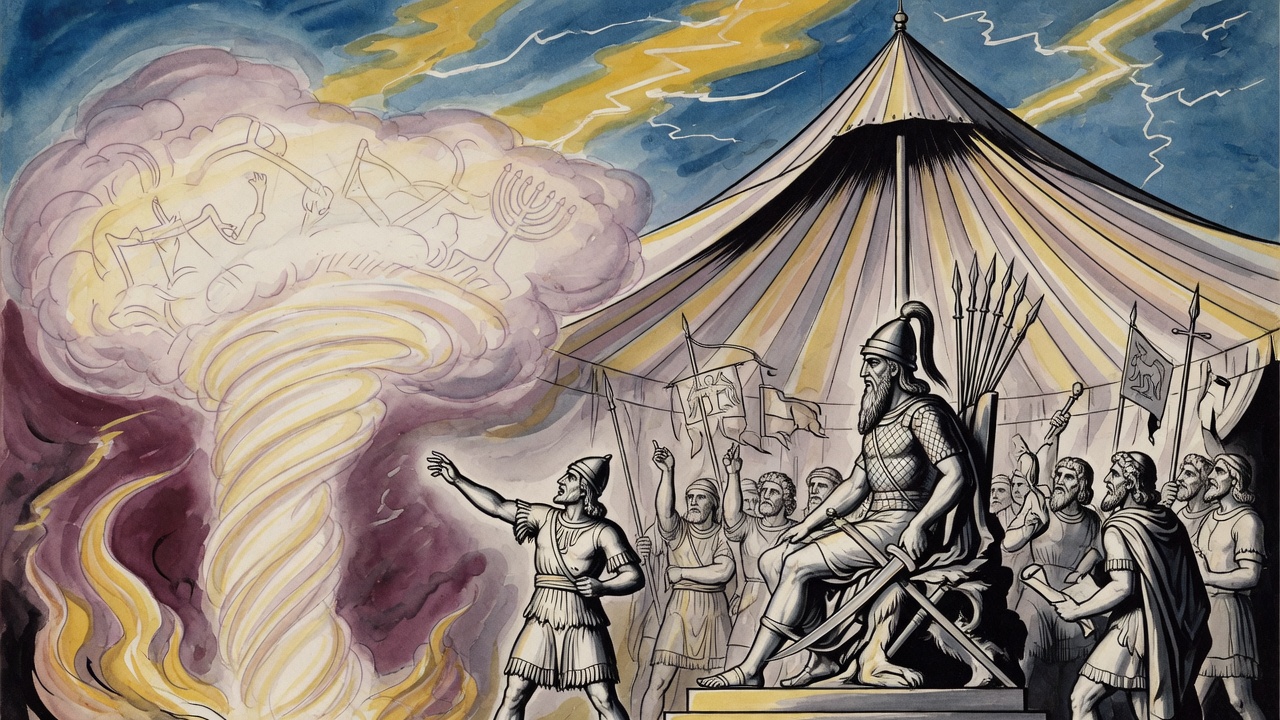
Figs and olives and mountain water met Abraham in Canaan. None of it was his. He asked God how a childless man could inherit a country.
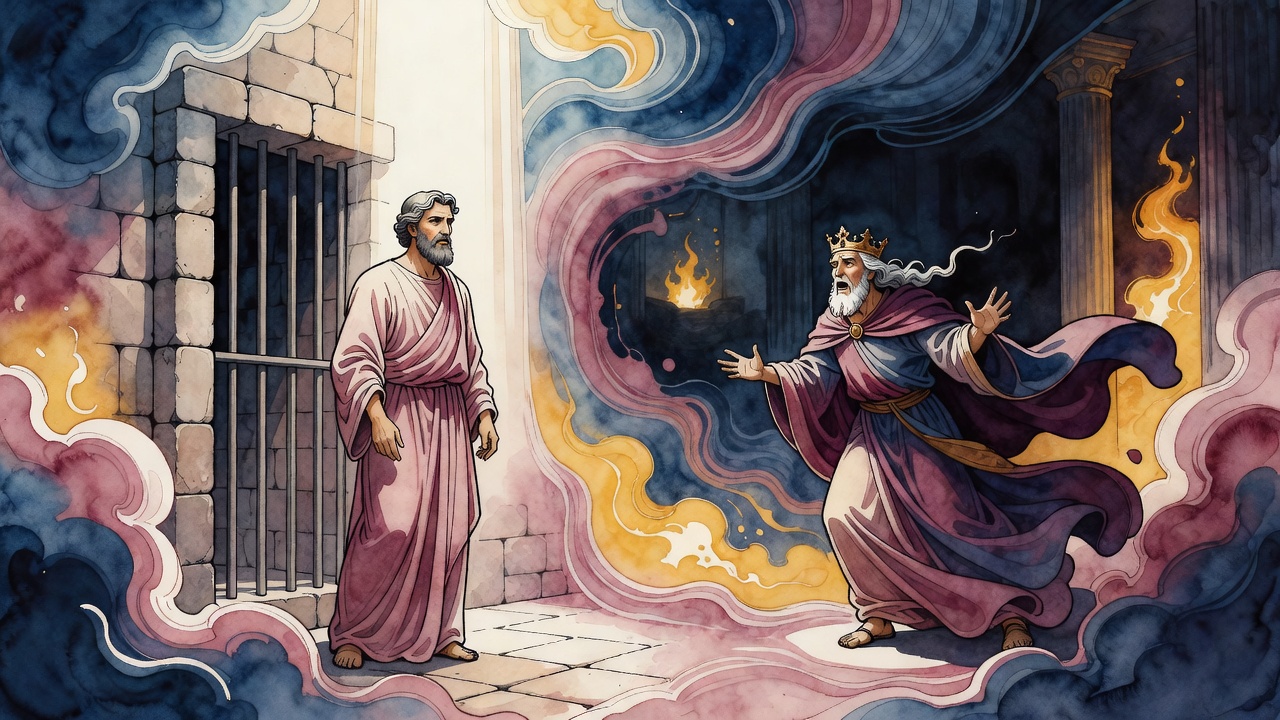
The Temple vessels were gone from the palace stores. Darius locked Daniel for the theft. Night fell, and the king could not see the lamps.
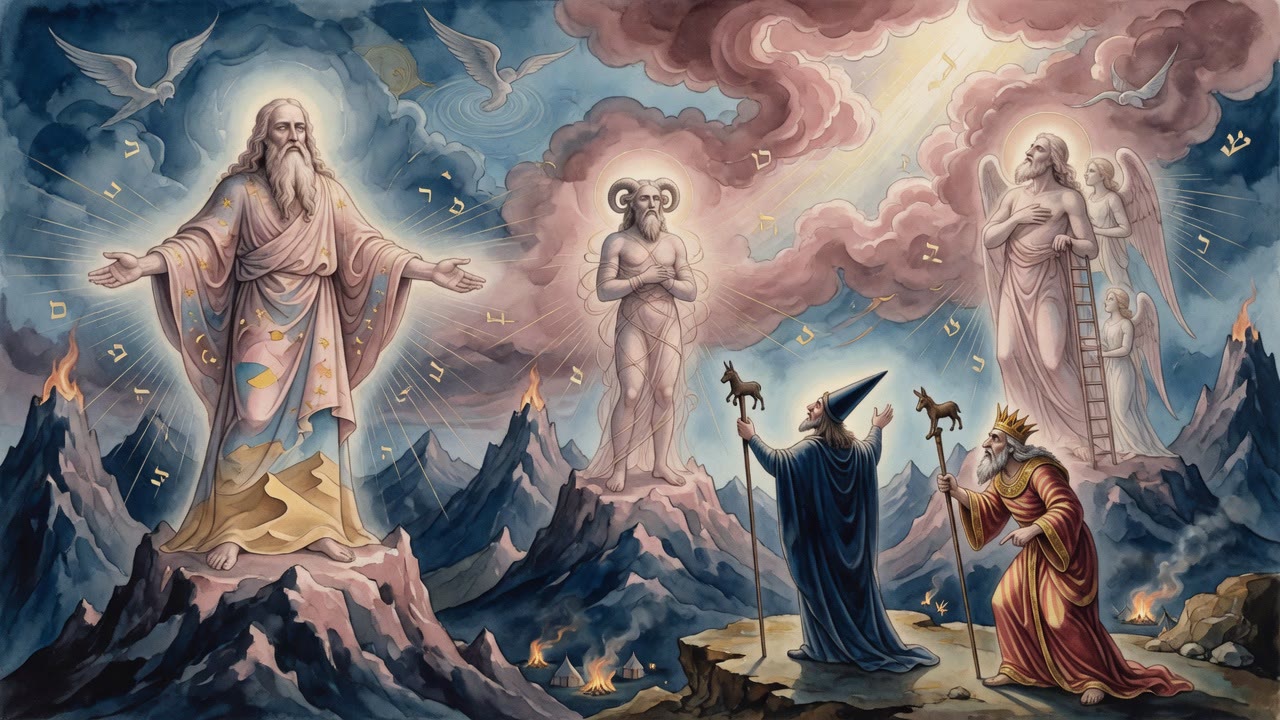
Balak paid for a curse and waited below the hill. Balaam came down and told him to stand. The fathers of Israel were already up there.
