391 myths · Page 3 of 14
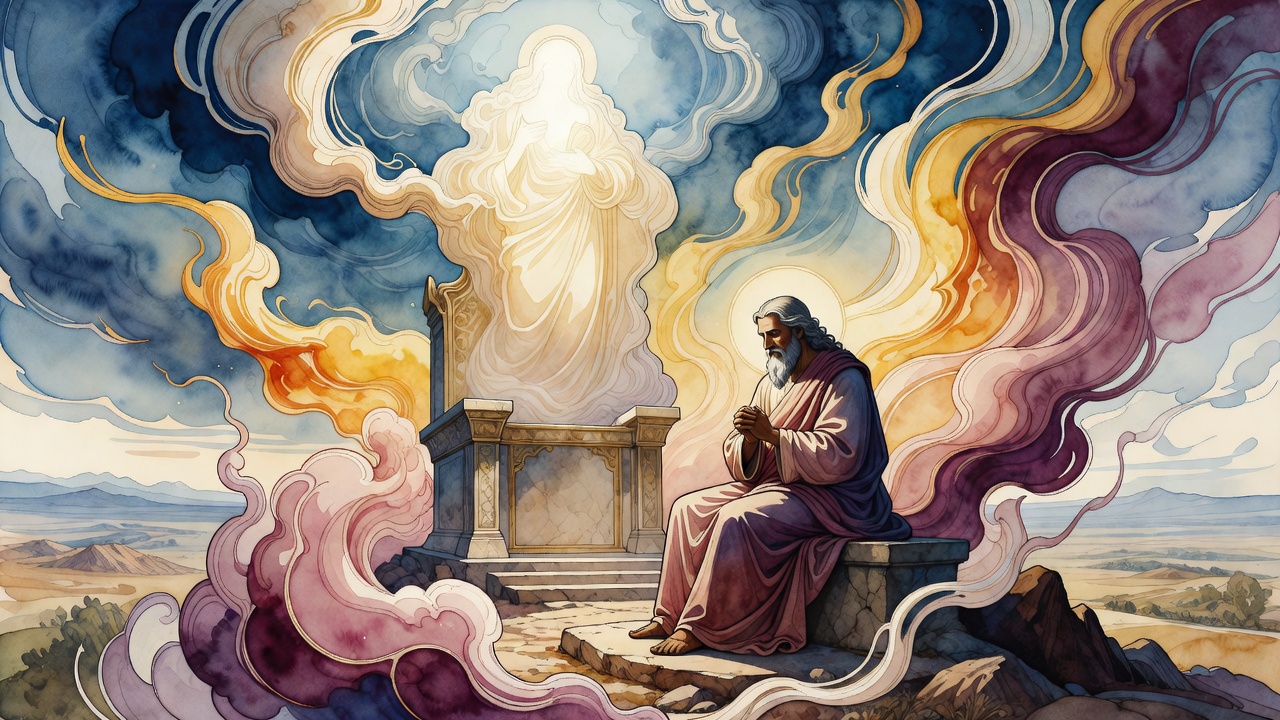
A voice at Gibeon said ask. Solomon named a listening heart. Two women came at dawn with one living child and no witness.
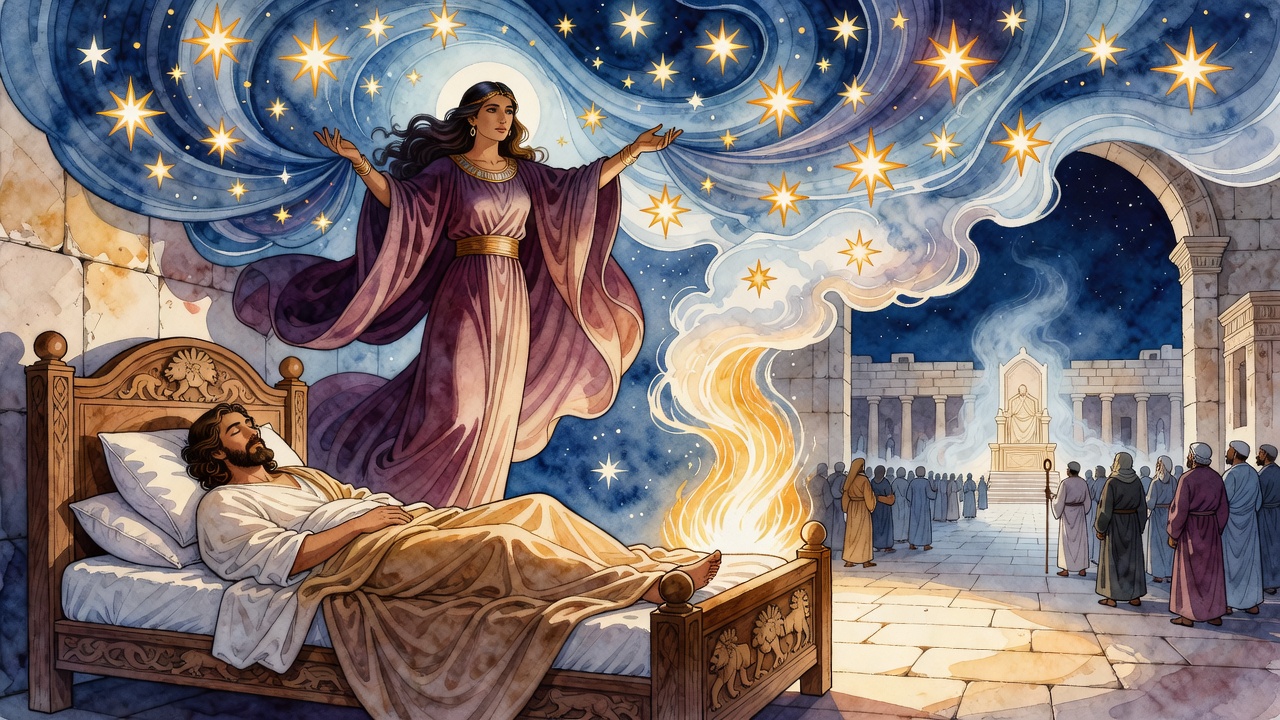
The morning lamb stood ready. Priests kept the fire. Israel waited in the court while the king slept under a sky someone had sewn.
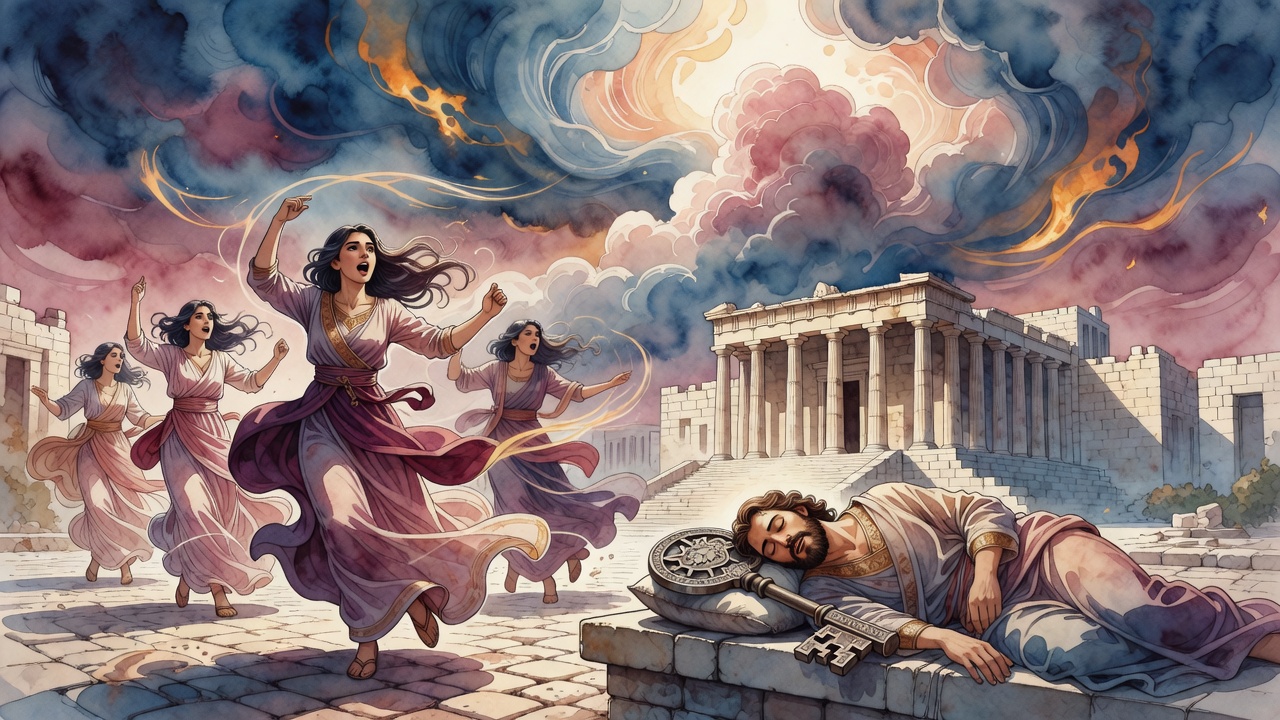
On the night Solomon dedicated the Temple, his new wife danced eighty dances in the streets while he slept with the Temple keys beneath his head.
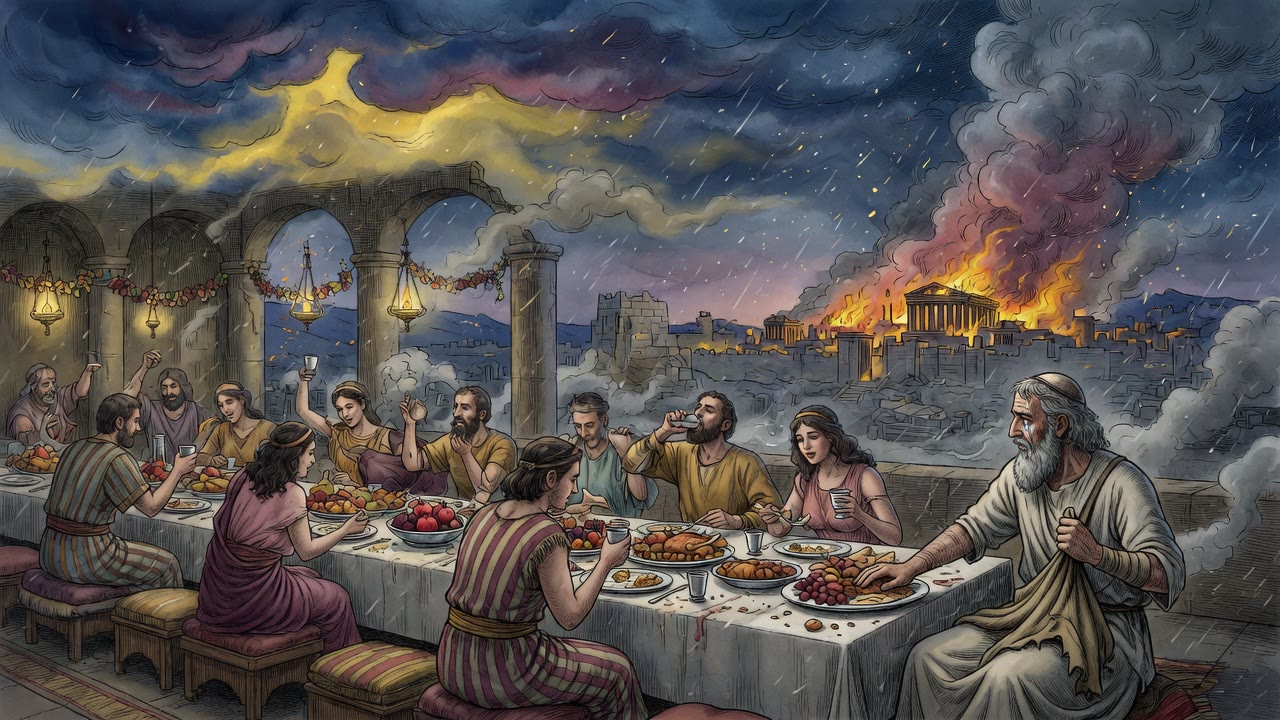
On Shavuot in Nineveh the harps were already going. Tobit stepped past a body in the street that the king had ordered left there.
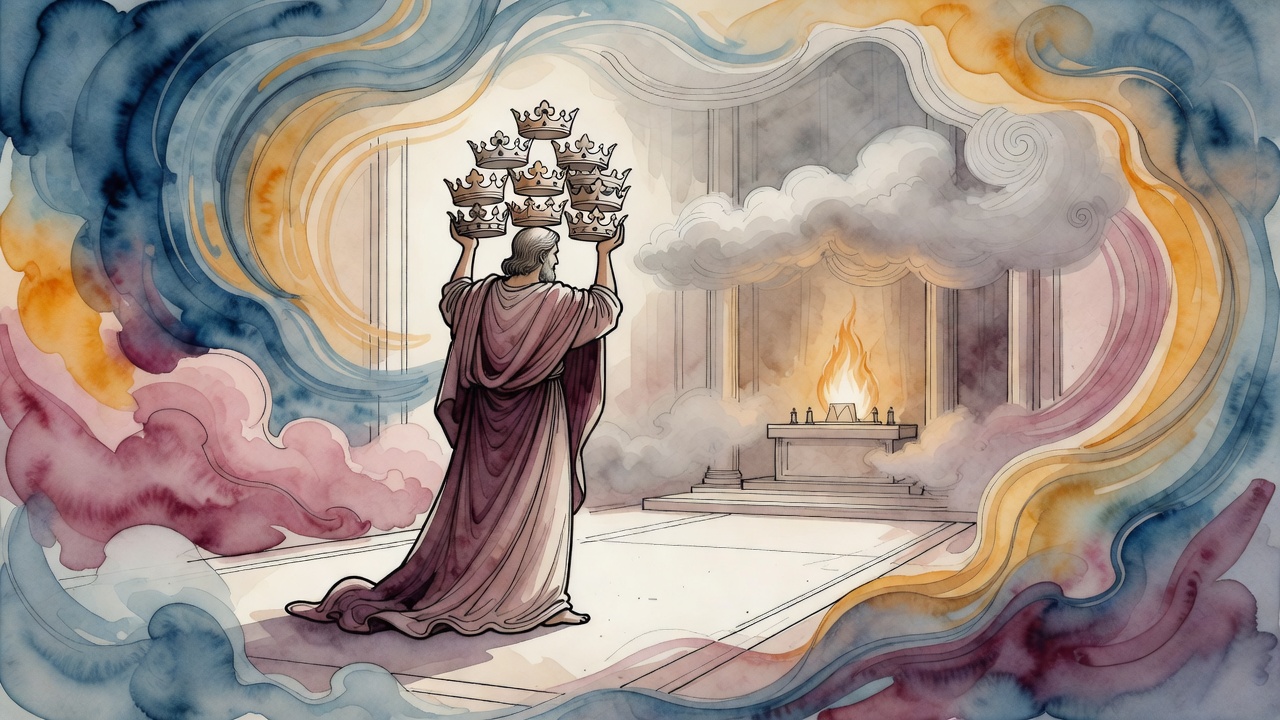
Aaron entered the Mishkan's first public morning with ten crowns on the day, while seven hidden days of mourning closed around his house.
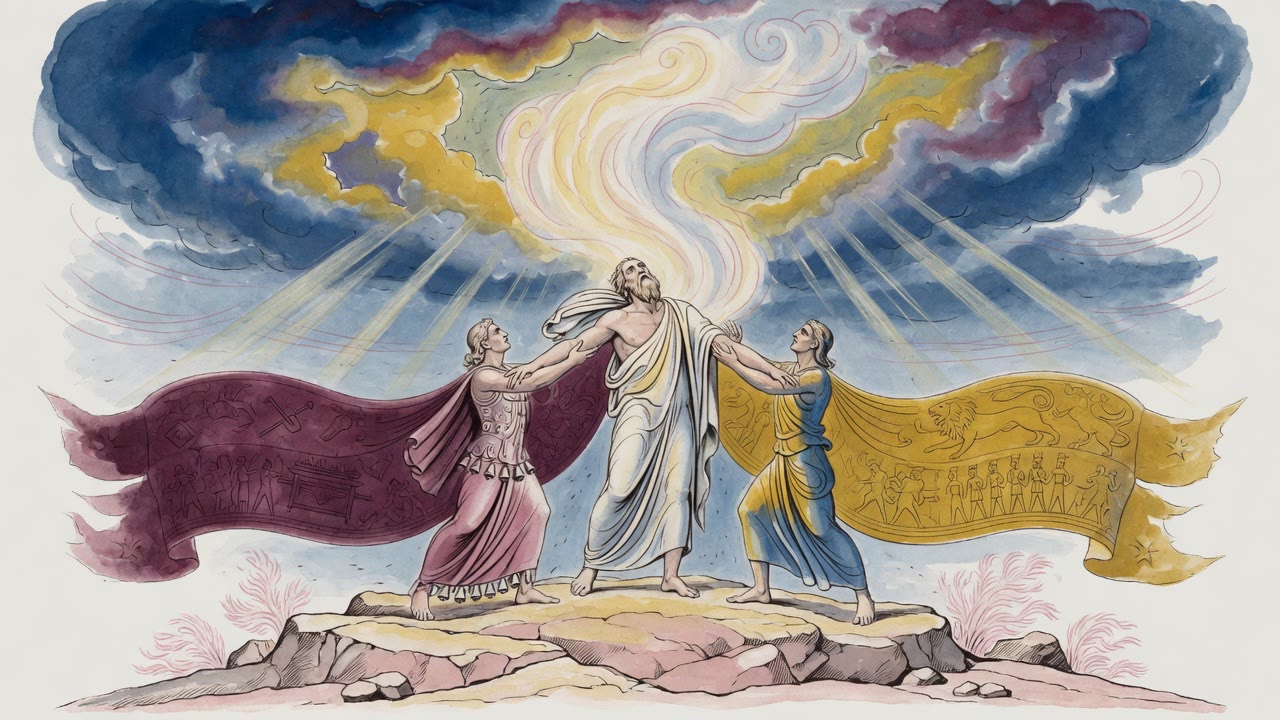
Titus walked out of the Holy of Holies with blood on his sword. Nadab and Abihu had gone in to serve, and the fire kept them.
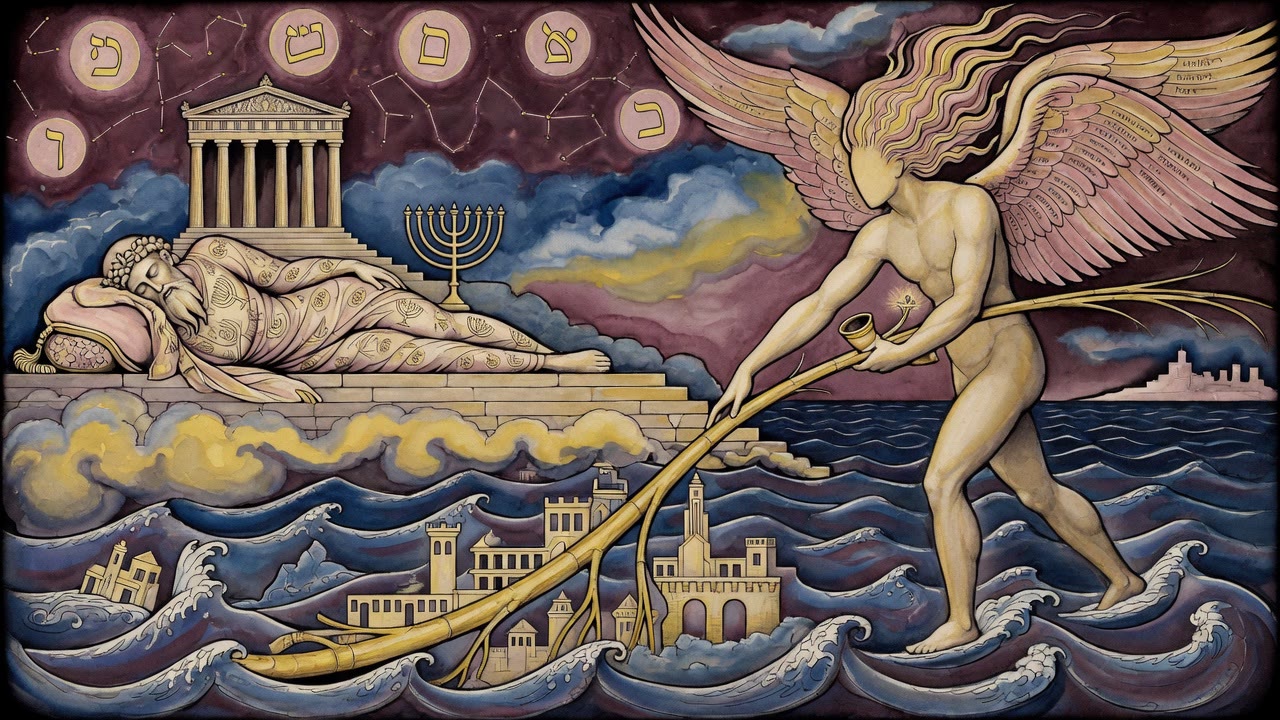
Pharaoh's daughter hung jewels over the bed until they looked like stars. Solomon lay back. The morning offering waited in the court.
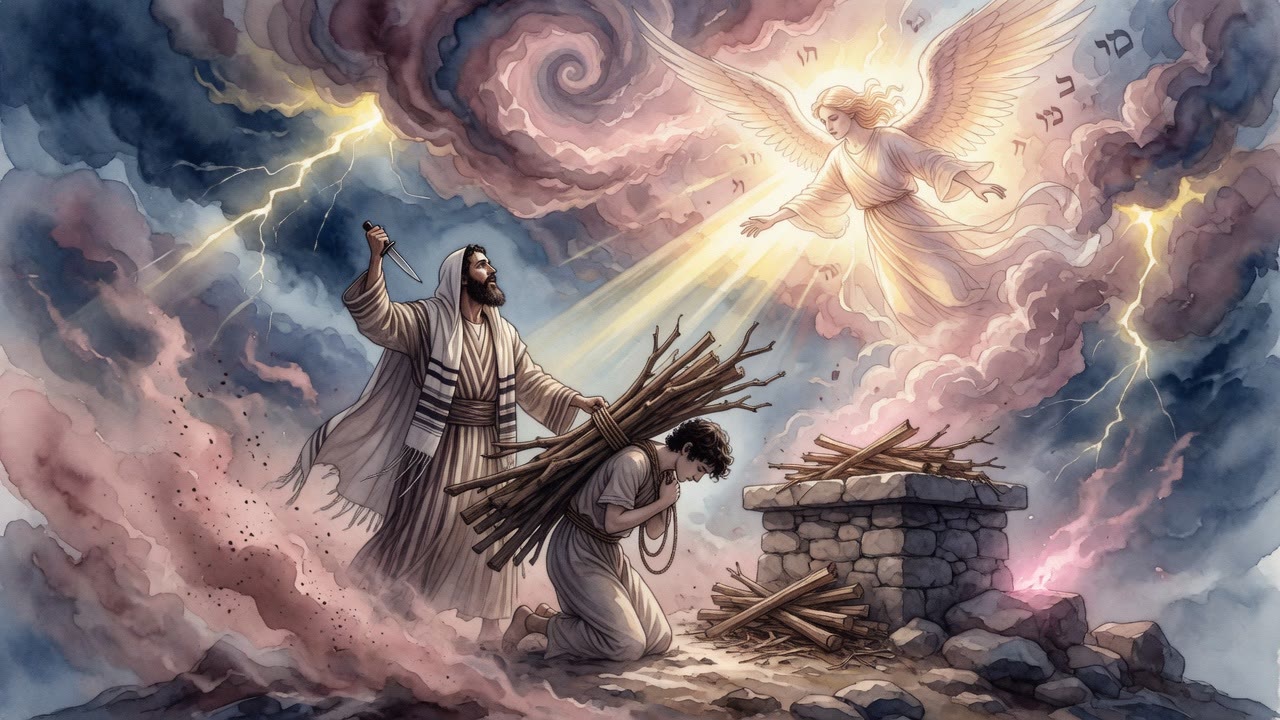
Isaiah's death sentence pushed Hezekiah to the wall, while Shevna carved himself a royal grave and aimed an arrow at the king.
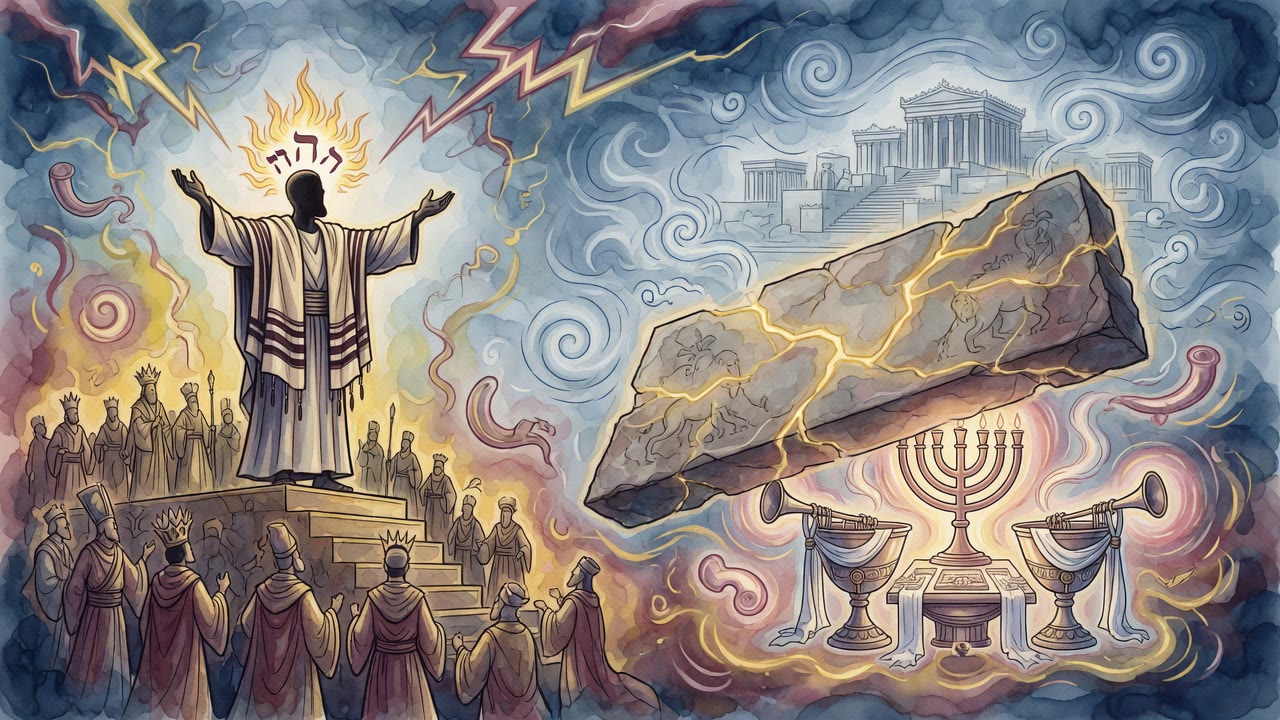
Daniel hid the cups under a stone that killed anyone who touched it. Years later a night guard asked a king for Jerusalem.
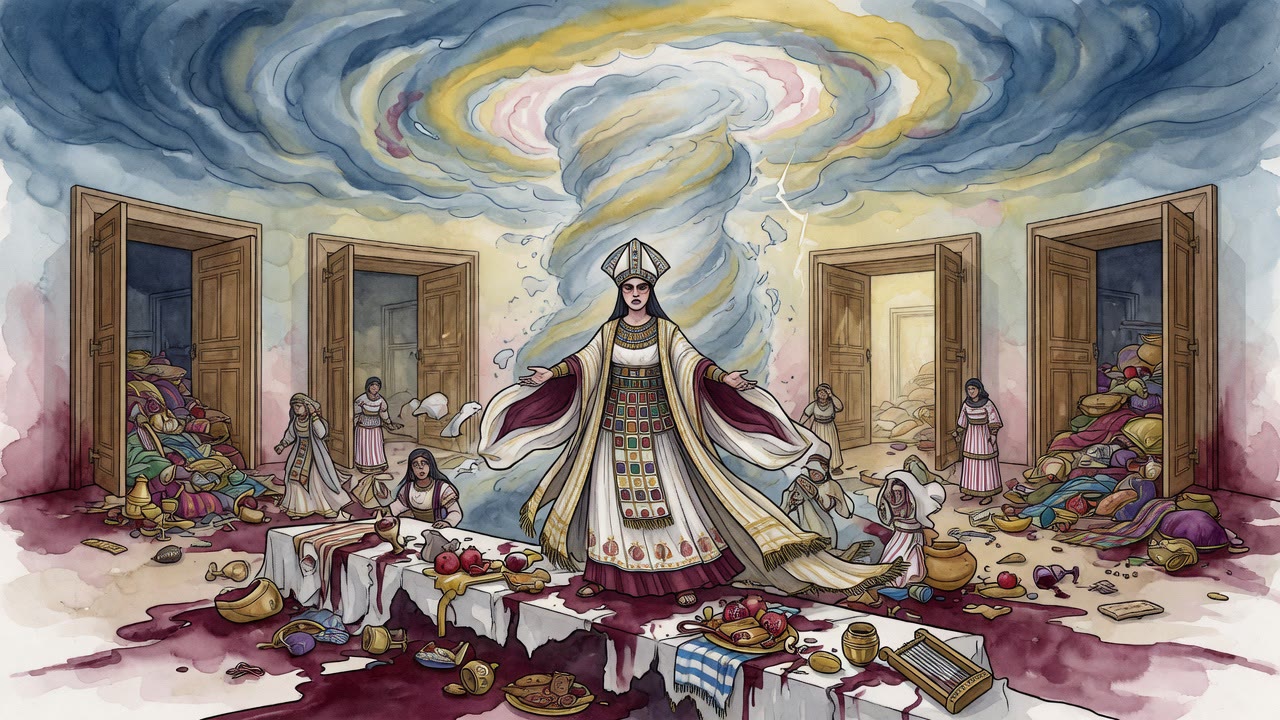
She opened six storerooms before noon and named the bedchamber last. The cloth on her shoulders had once belonged to the Temple in Jerusalem.
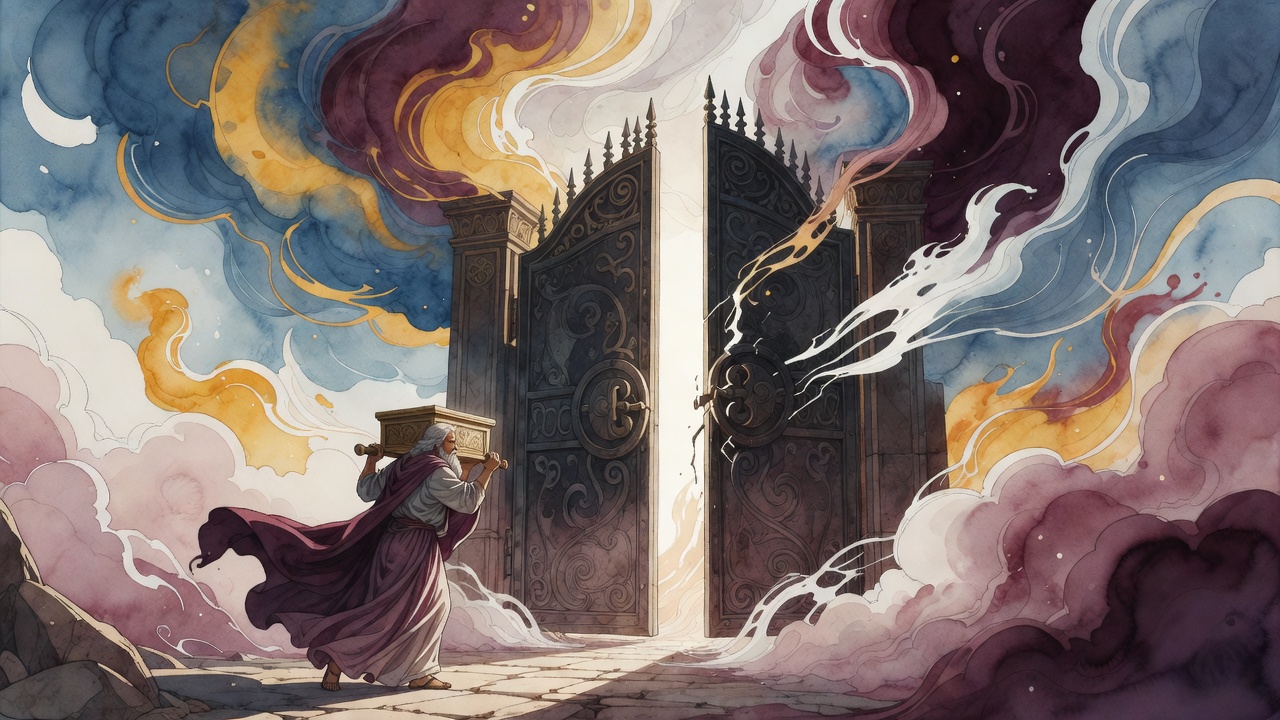
Twenty-four psalms left the gates shut. Solomon brought his father's coffin to the door, named David, and fire filled the House.
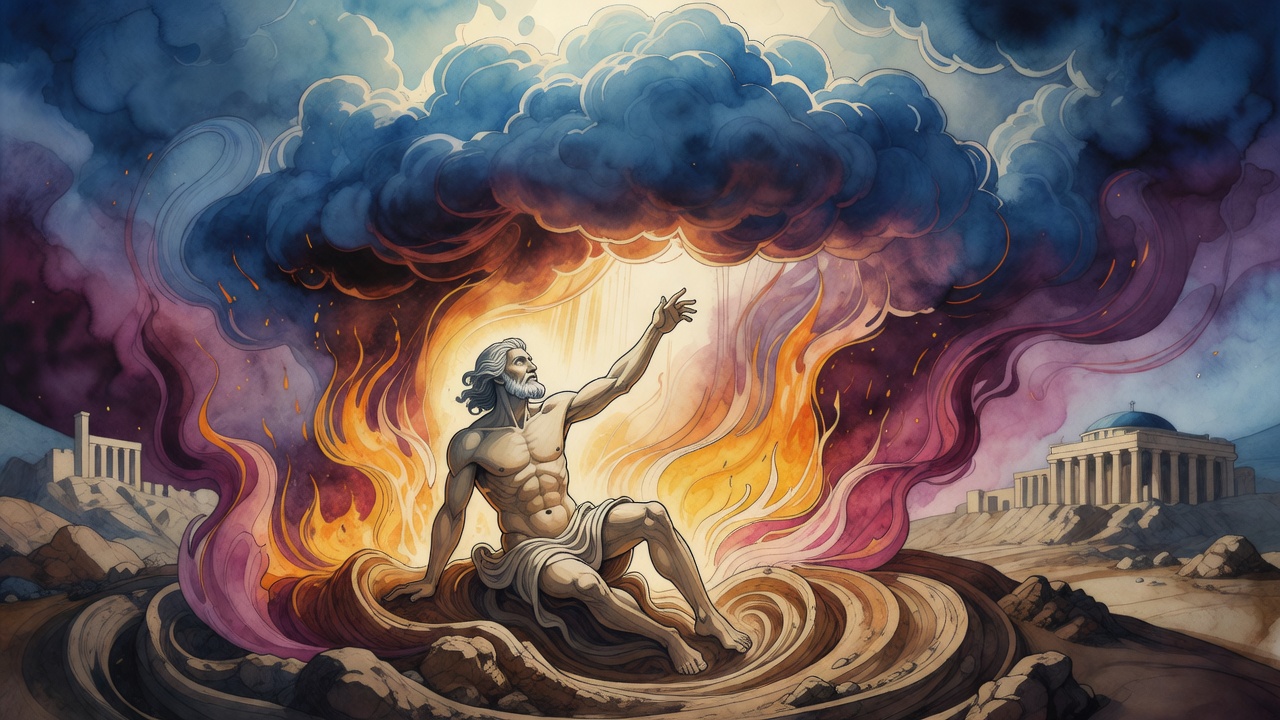
God scooped the dust for the first man out of the one patch of ground where his children would later come to be forgiven, and said, if only he stands.
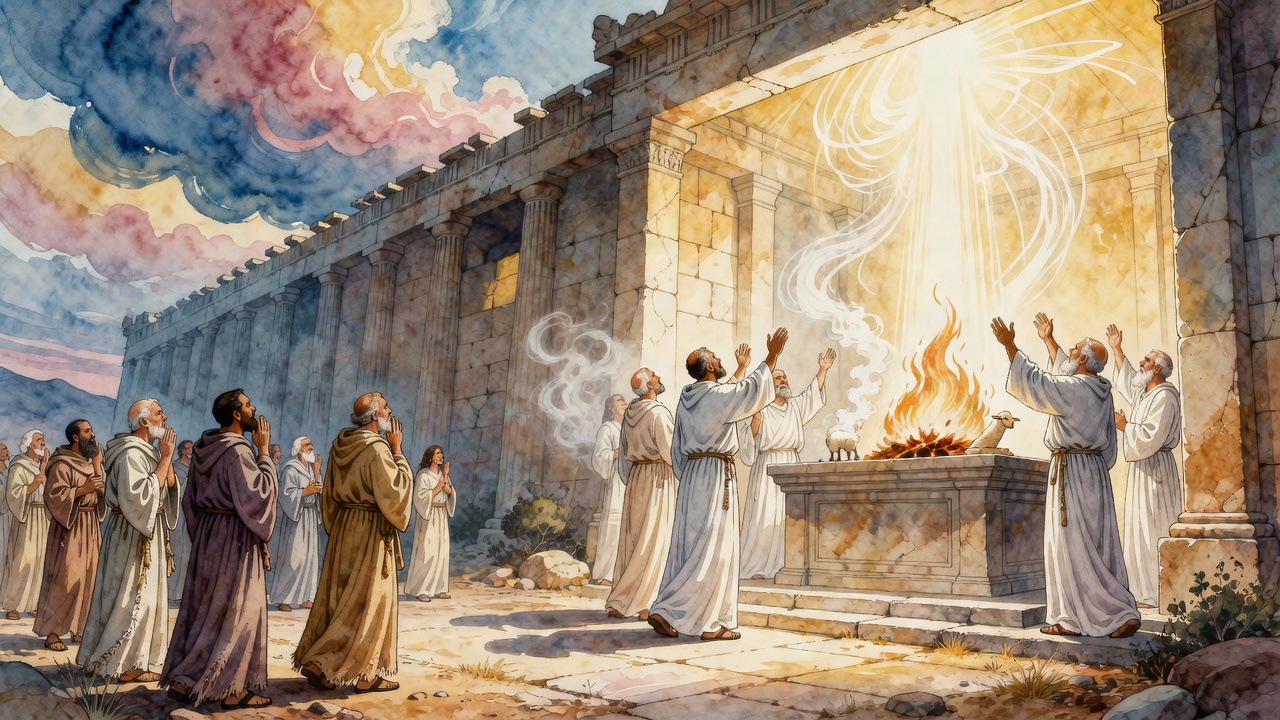
Inside the sanctuary the priest said the four-letter Name out loud. Anywhere else he said a substitute. Korah stood in the camp and watched Aaron do it.
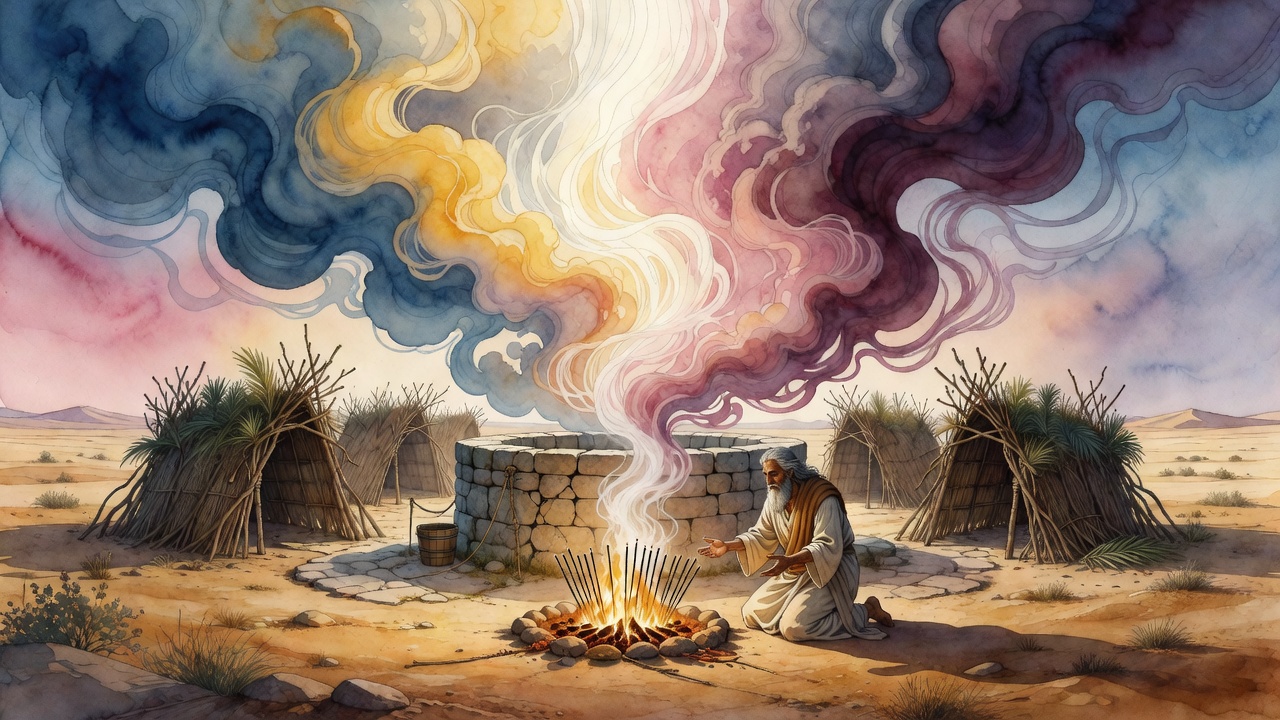
Long before Moses, Abraham built booths and burned seven incense species near Beersheba. Jubilees calls him the first to celebrate the feast.
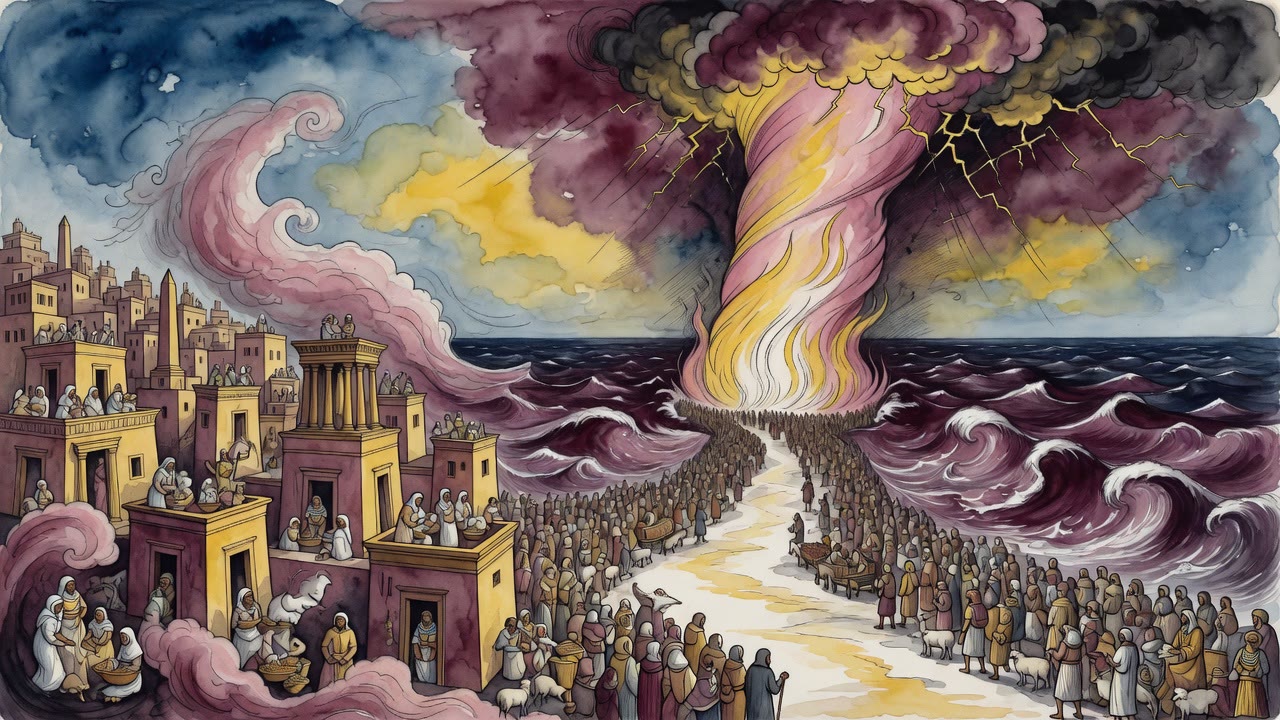
When word of Holofernes spread across Judea, every city fell silent. The priests fasted and the people wept, terrified the Temple would burn next.
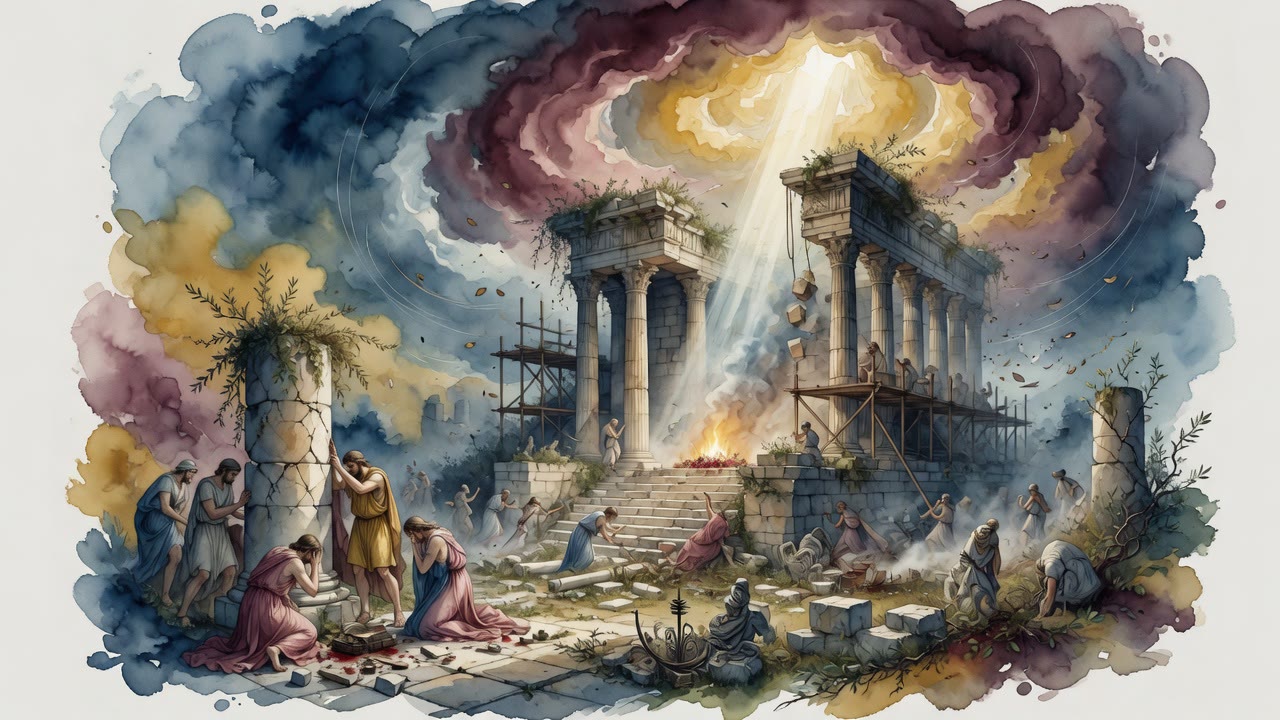
Judah's men had won in the hills. In the Temple courts they found shrubs and a burned altar. One sealed flask of oil had to last eight nights.
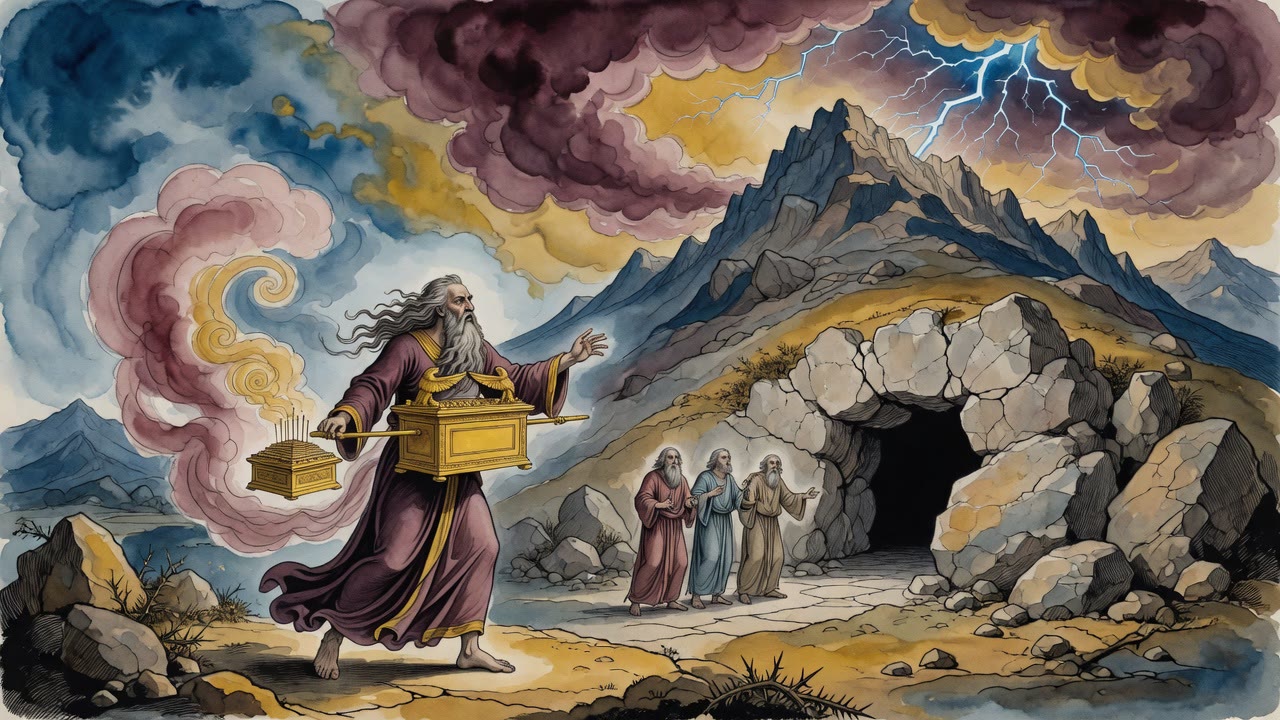
Jeremiah carried the Ark and the Altar of Incense to a sealed cave on Nebo. He told those who tried to mark the entrance they would never find it.
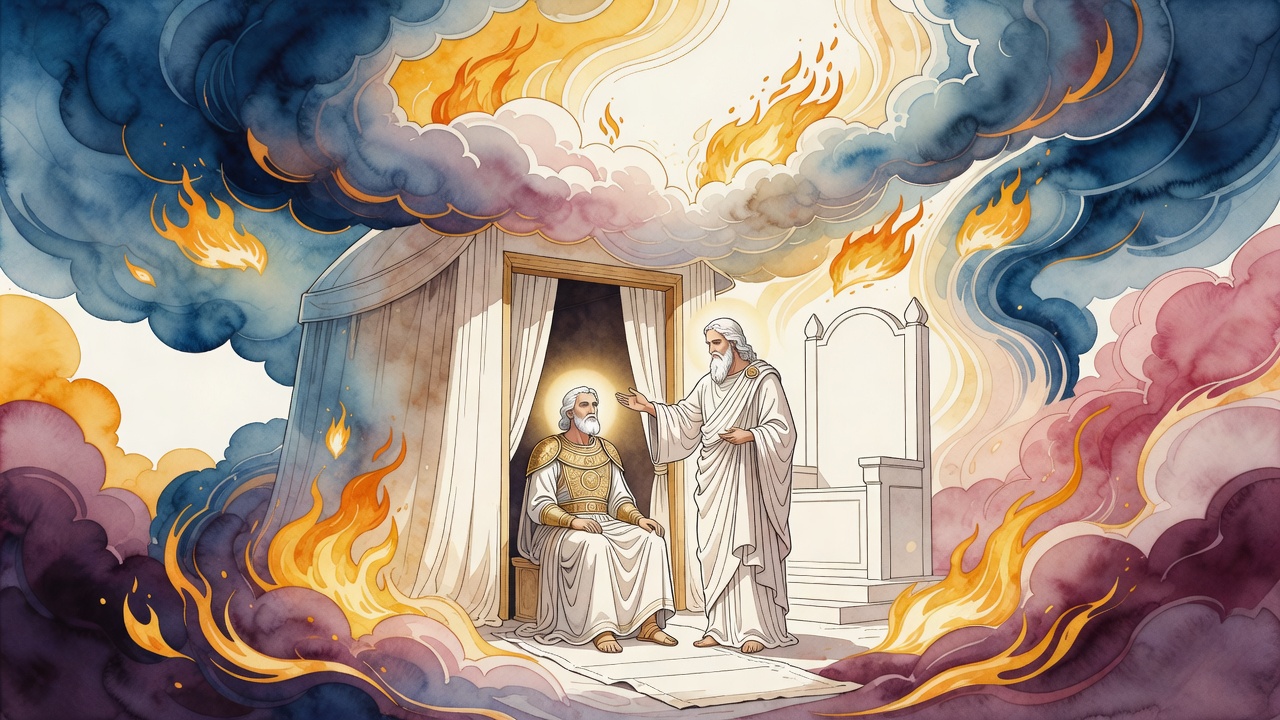
Moses anointed Aaron as High Priest and then told him he could not serve for seven days. He sat at the door of the Tabernacle and watched.
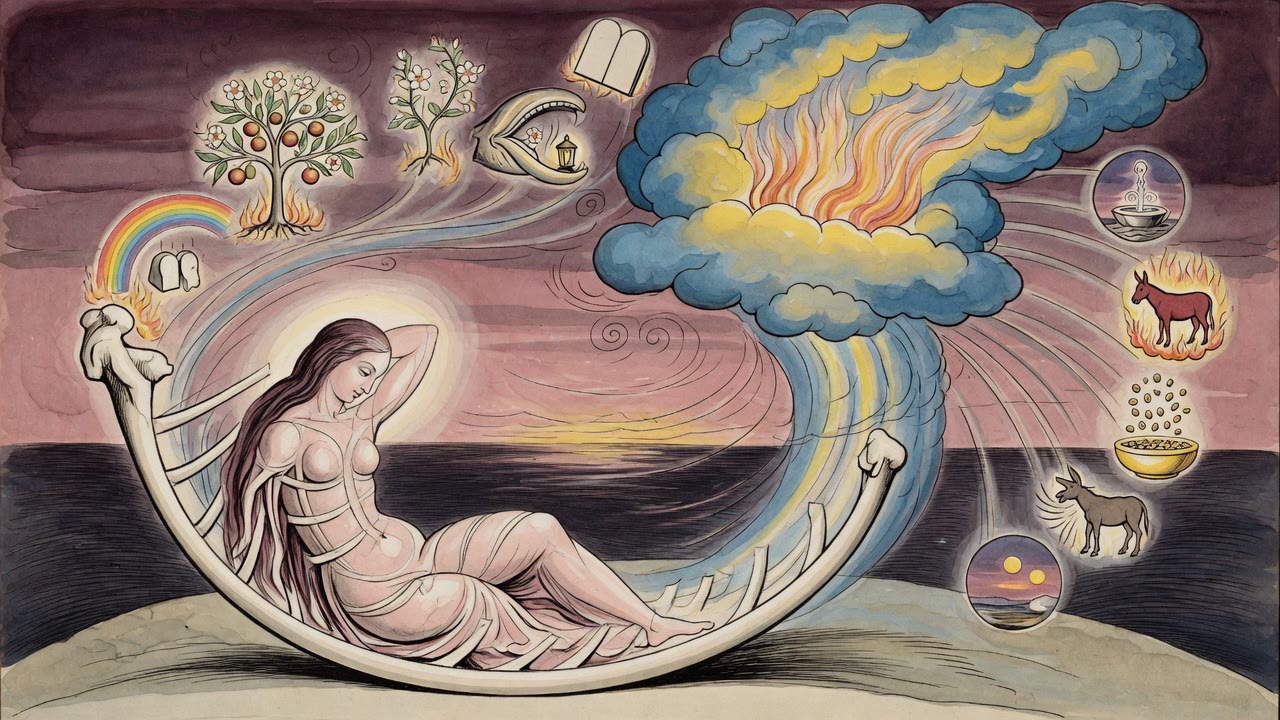
Ahaz carried the infant toward Molekh's furnace. The child's skin already held seven years of fire in a thin smear of blood.
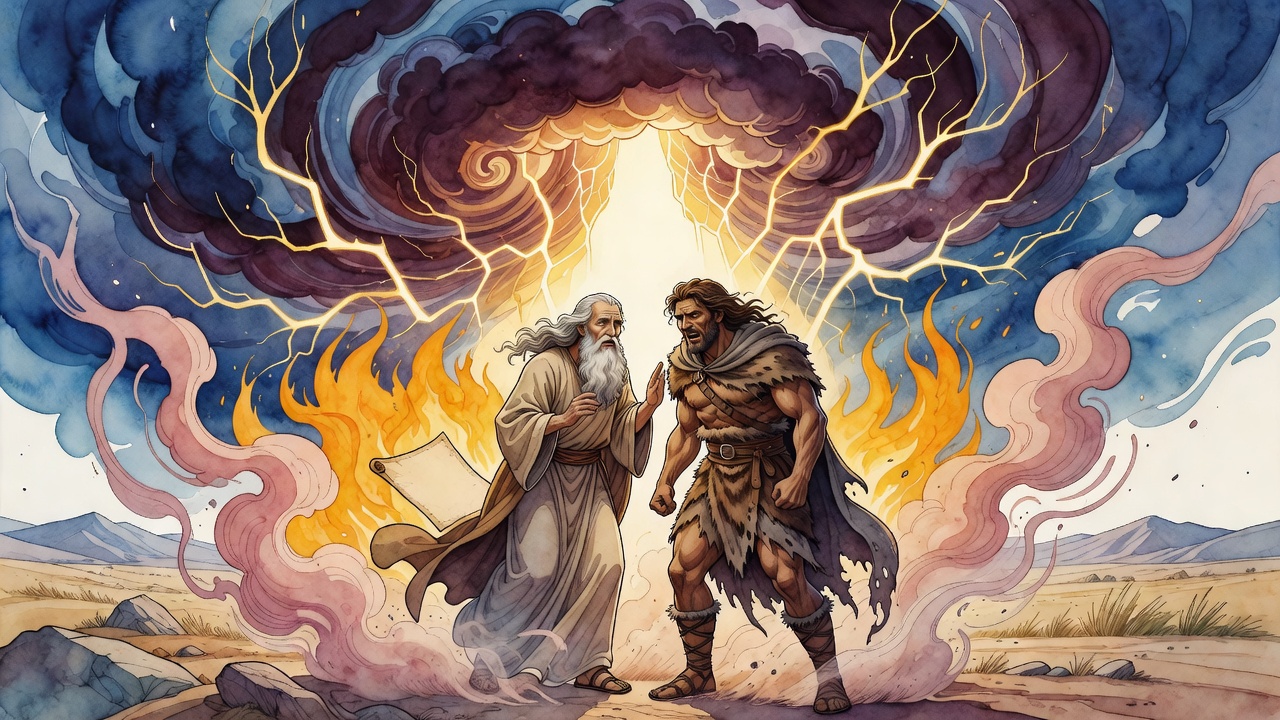
After Jacob fled with the blessing, Isaac tried to comfort Esau. God rebuked him for it. The exchange is one of the most unsettling in midrash.
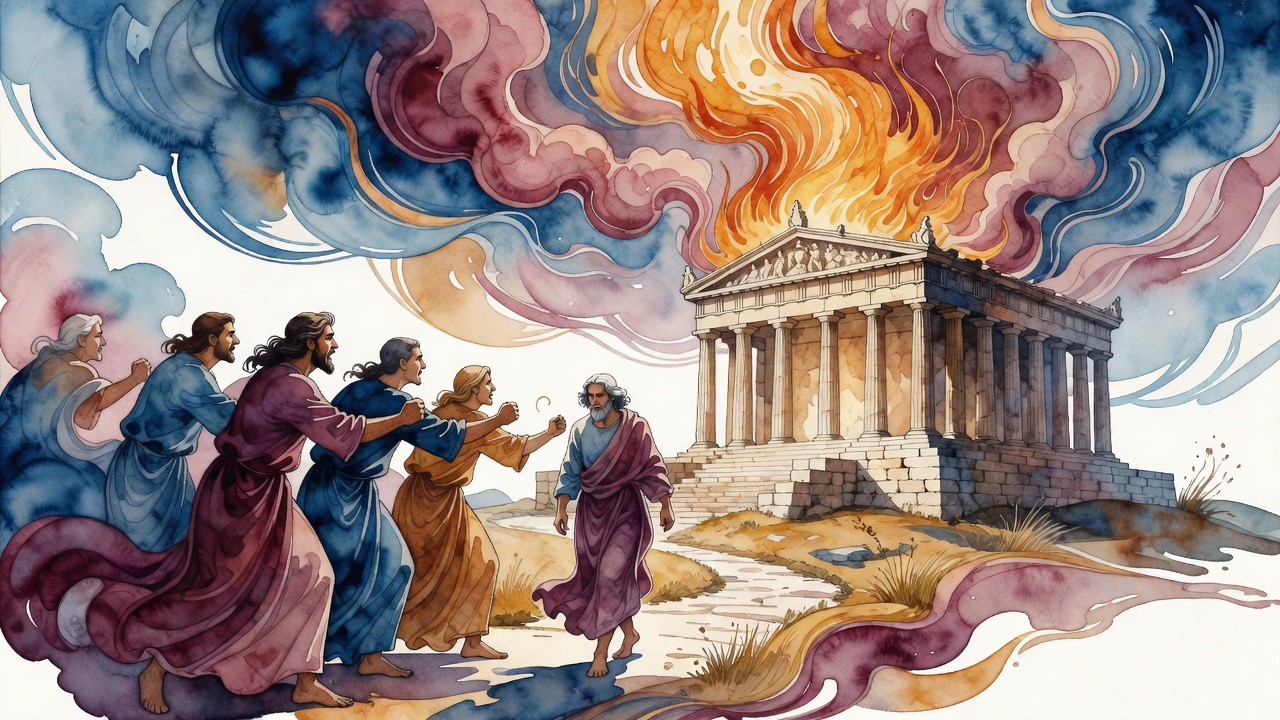
They struck him on the shoulder all the way back to the city. He had already named their crime once. He did not name it again.
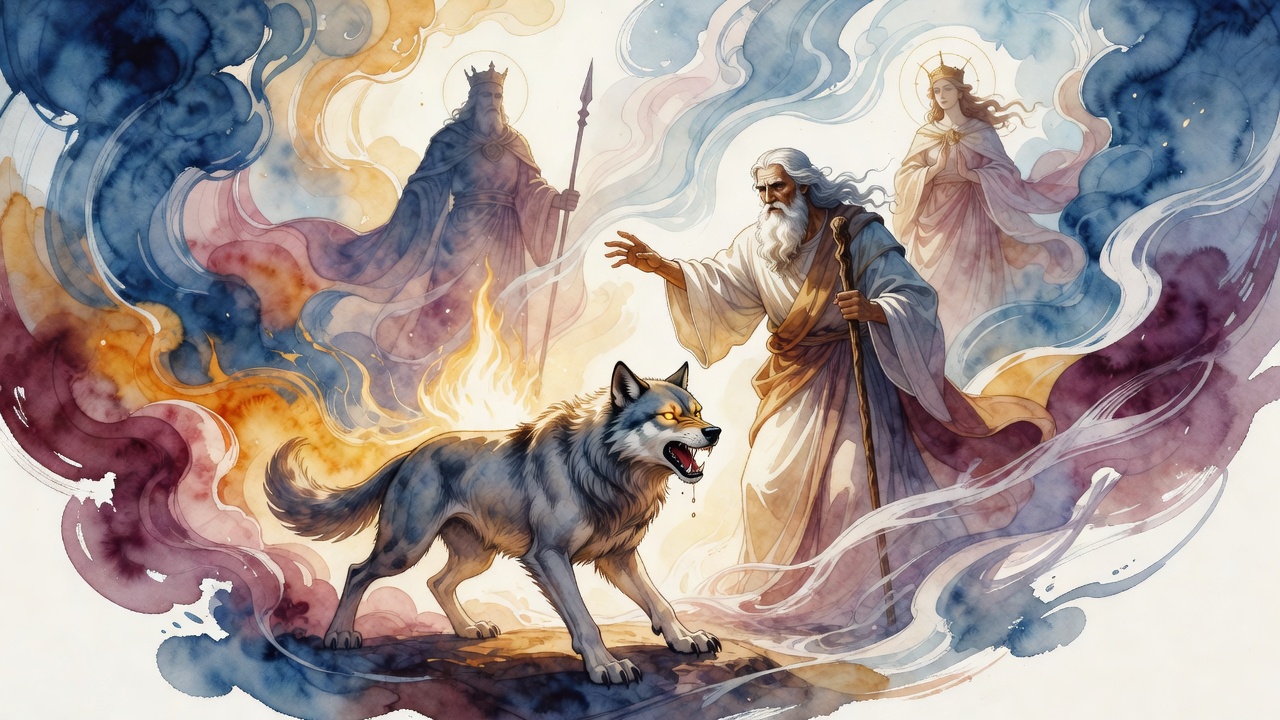
Judah led Benjamin by the hand into the Egyptian's hall. By night the silver cup was in the boy's sack, and his brothers beat him in the road.
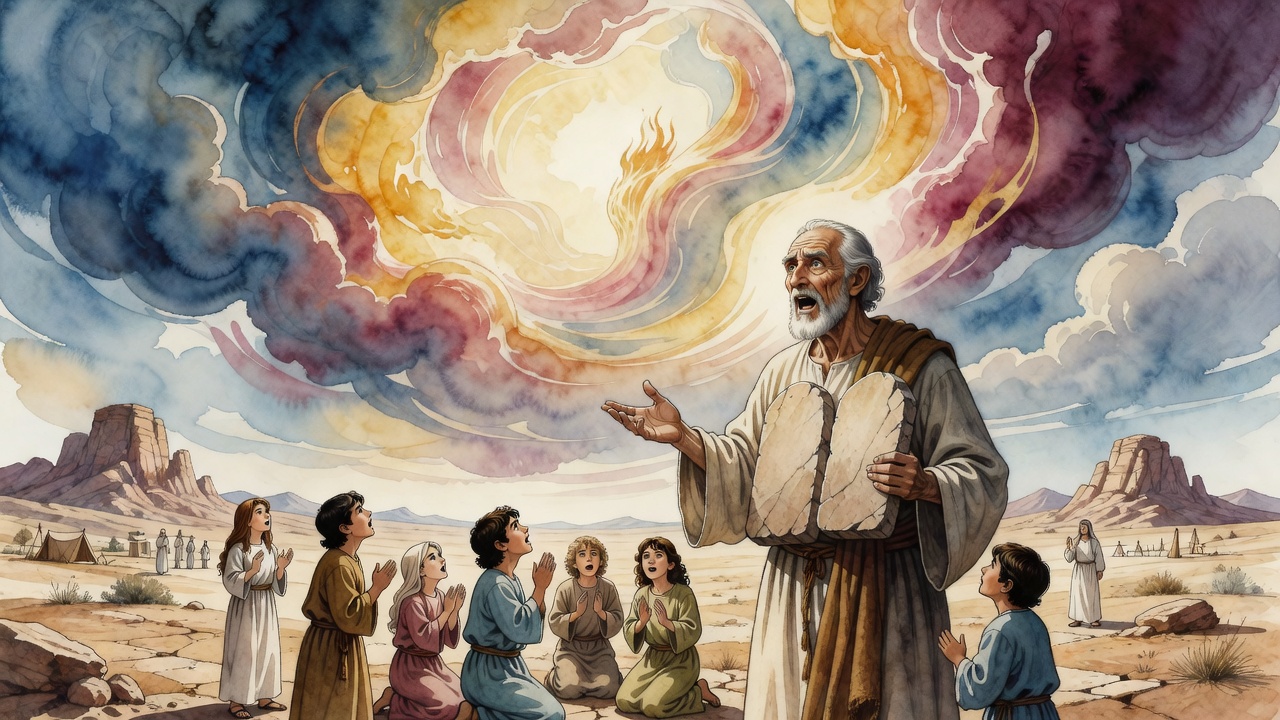
Centuries before the Temple was built, a patriarch warned his children: act like Sodom and your sanctuary will fall. He had read it in the tablets of heaven.
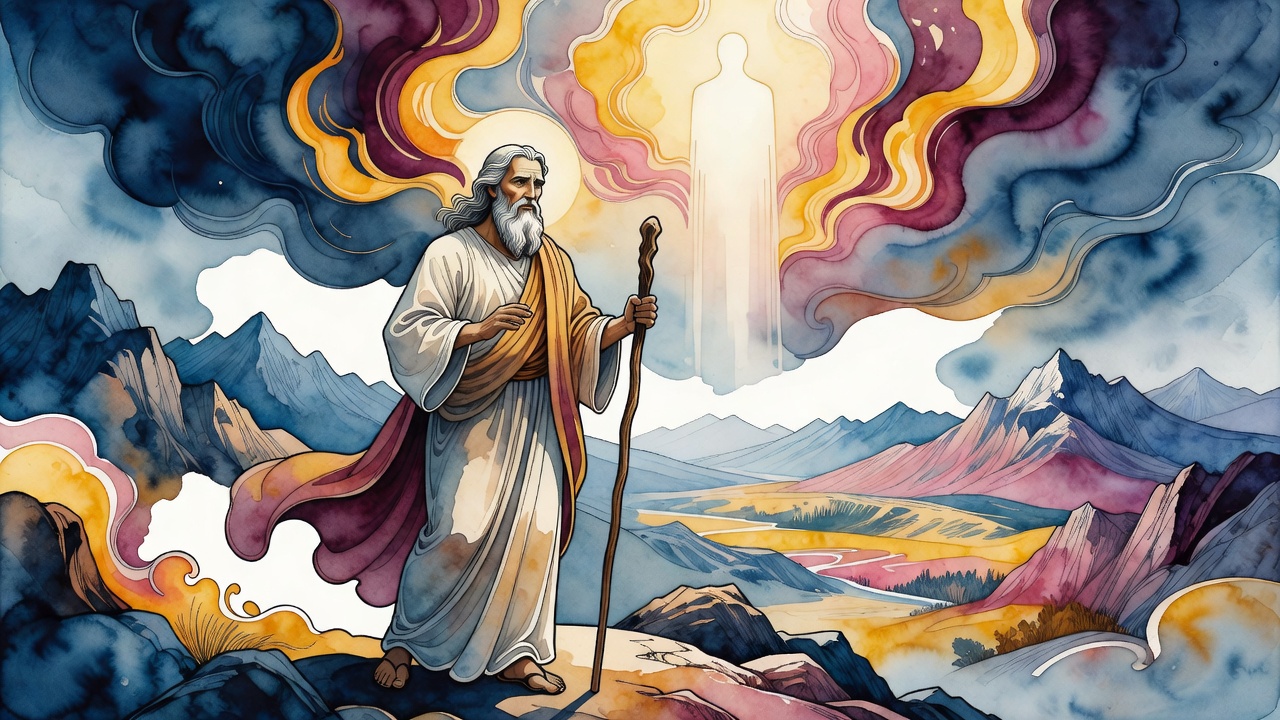
The river was already closed to Moses. He argued like a servant who loves his master and will not go free. God still said no.
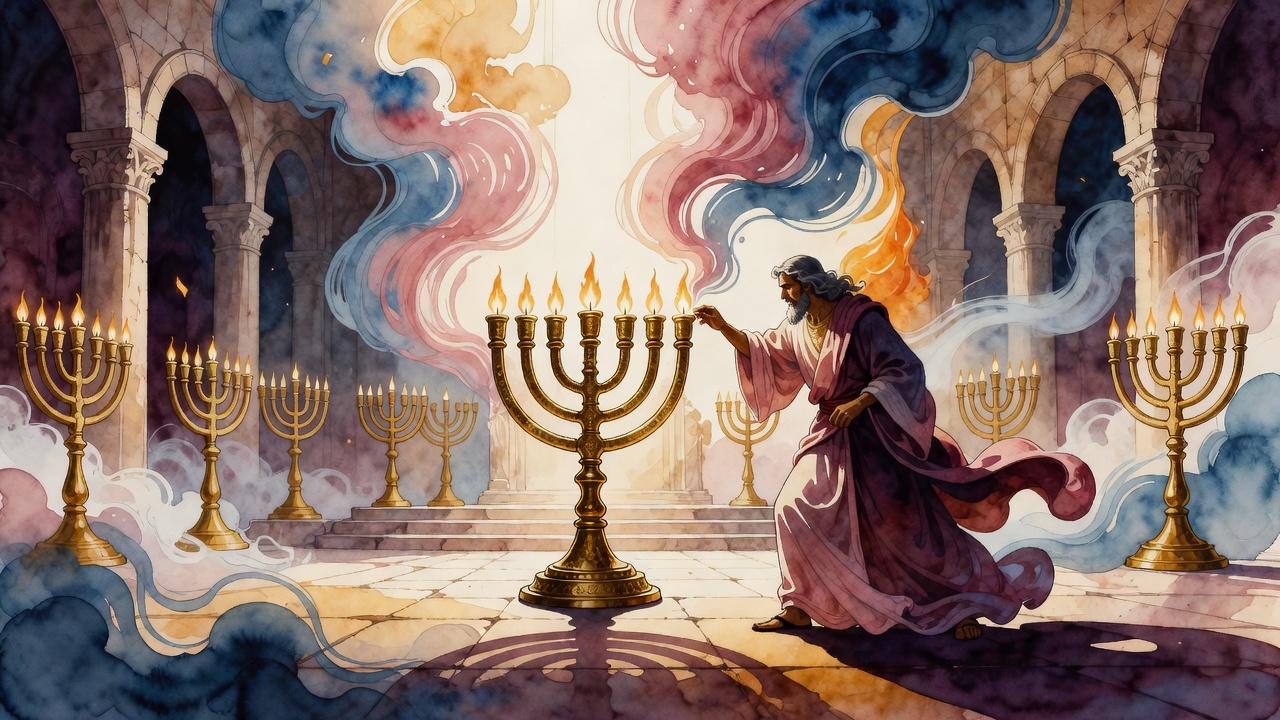
Seventy flames waited in the new sanctuary, five candelabras on the south wall and five on the north. Solomon lit the lamp that had crossed the wilderness.
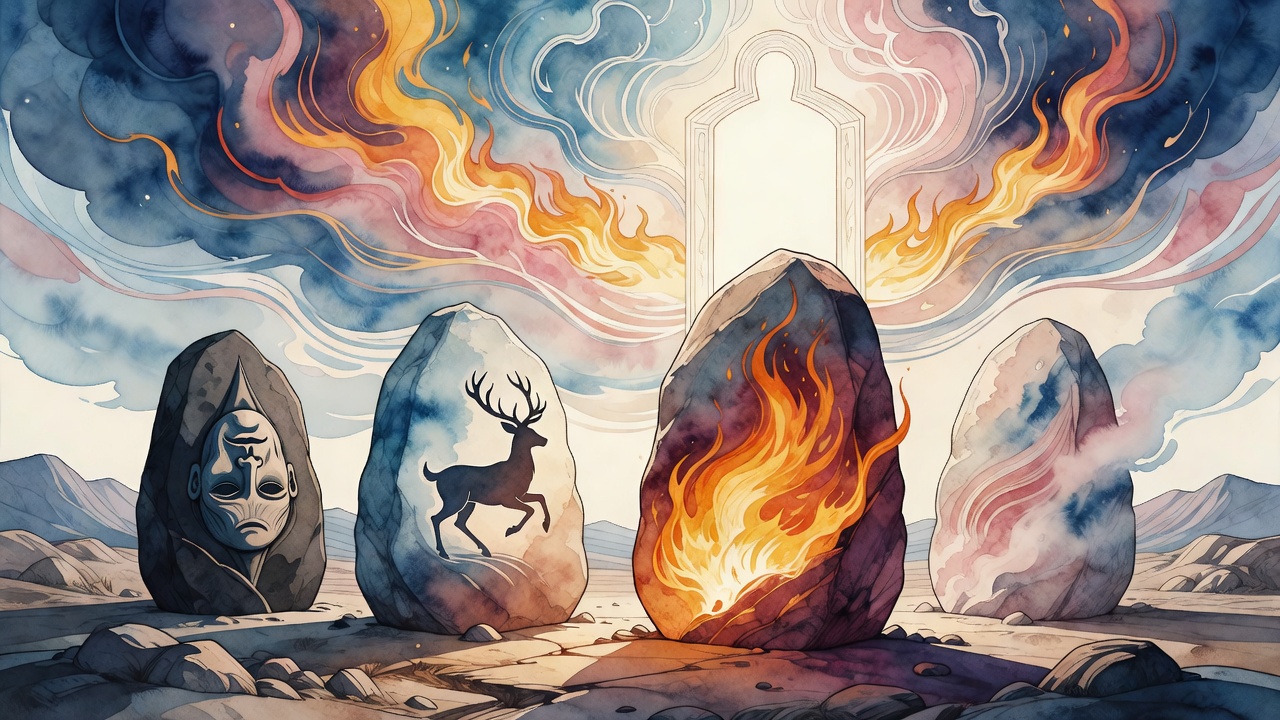
Dan's stone showed an inverted face. Naphtali's held a running deer. Gad's blazed with justice. Each stone said something its tribe could not hide.
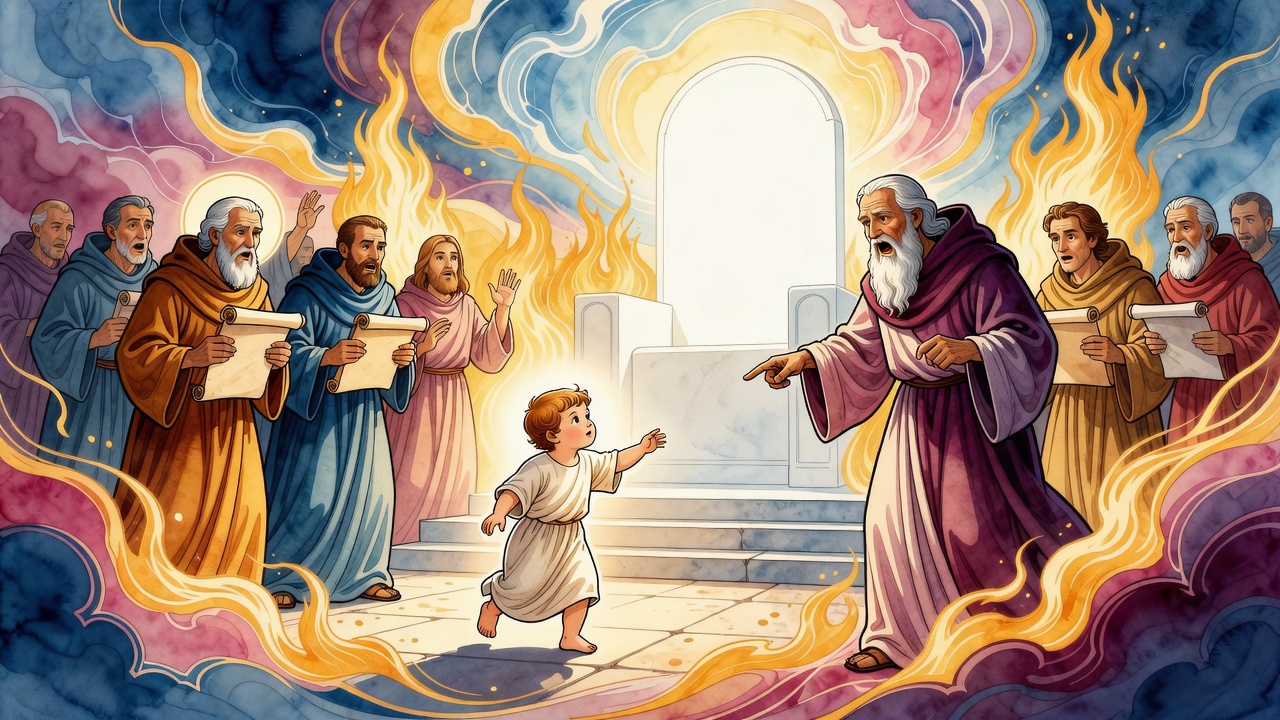
Hannah brought the boy up to Shiloh the day he was weaned. The sacrifice was not finished before the high priest had ordered him killed.
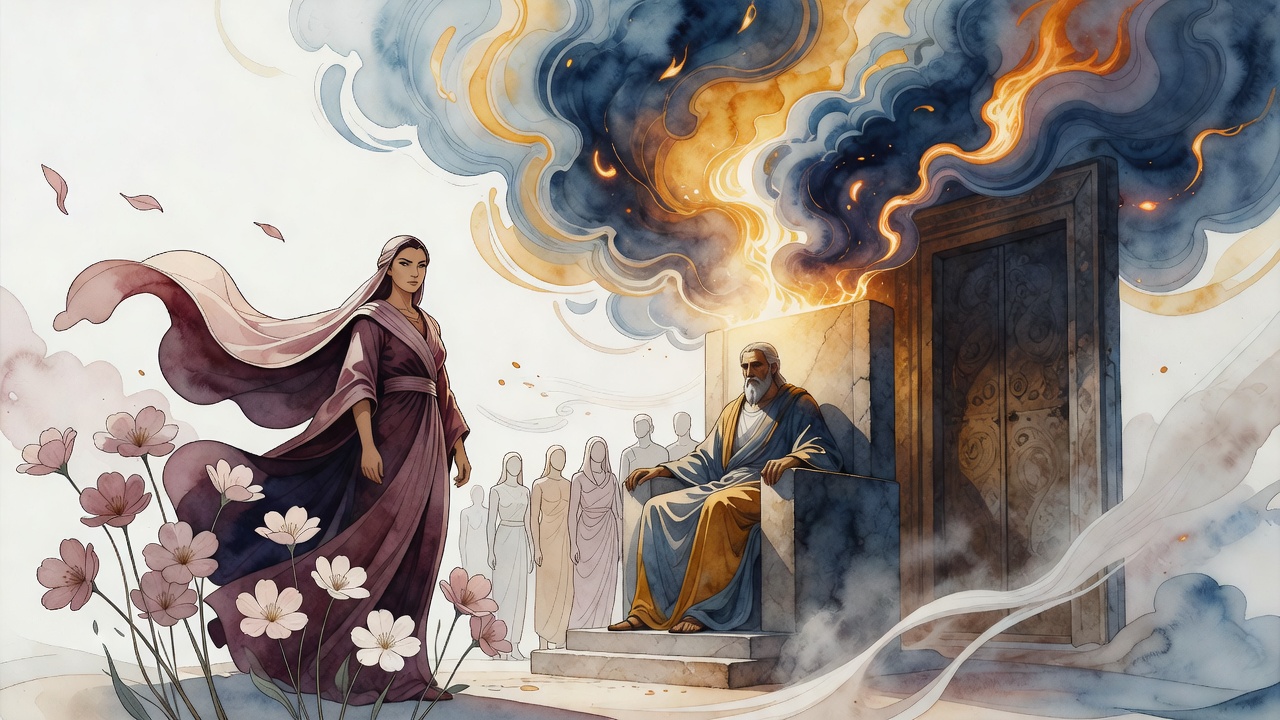
The Queen of Sheba came to find where Solomon's wisdom failed. She brought a gender test, a flower test, and finally a door that would not open.
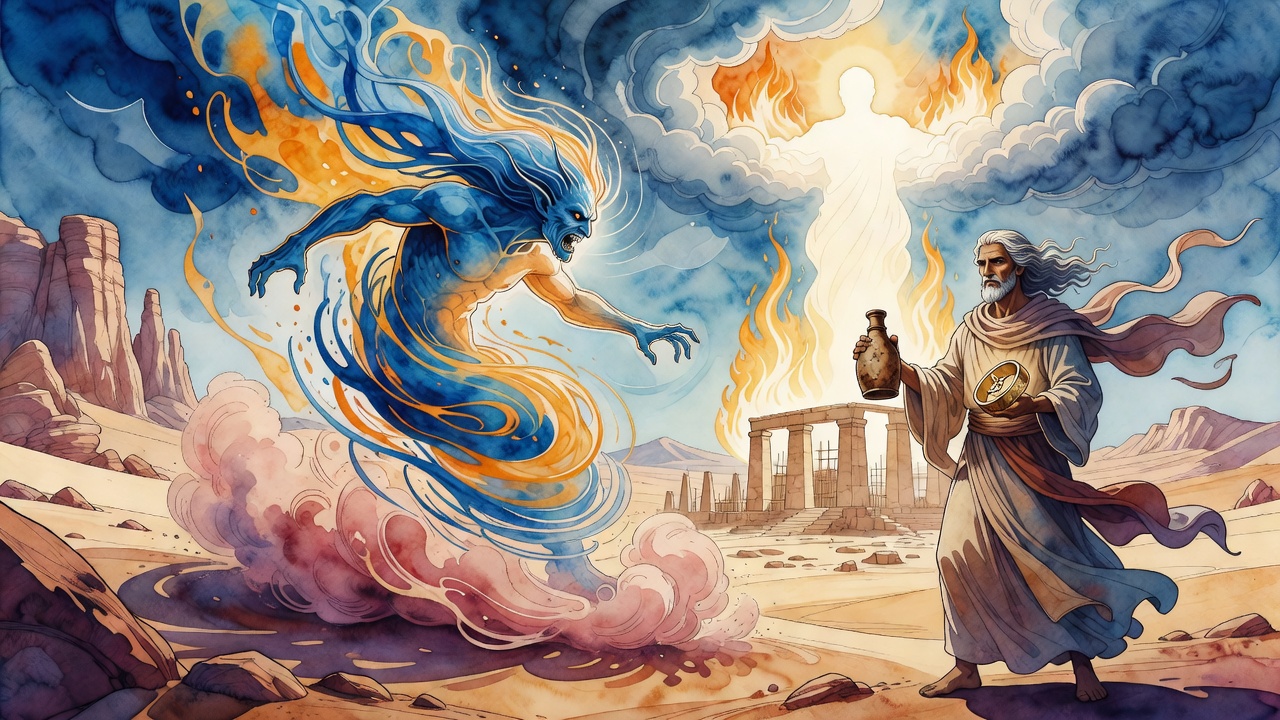
A spirit tore through Arabia and no army could stop it. Solomon sent a servant with a leather bottle and a ring engraved with the divine name.
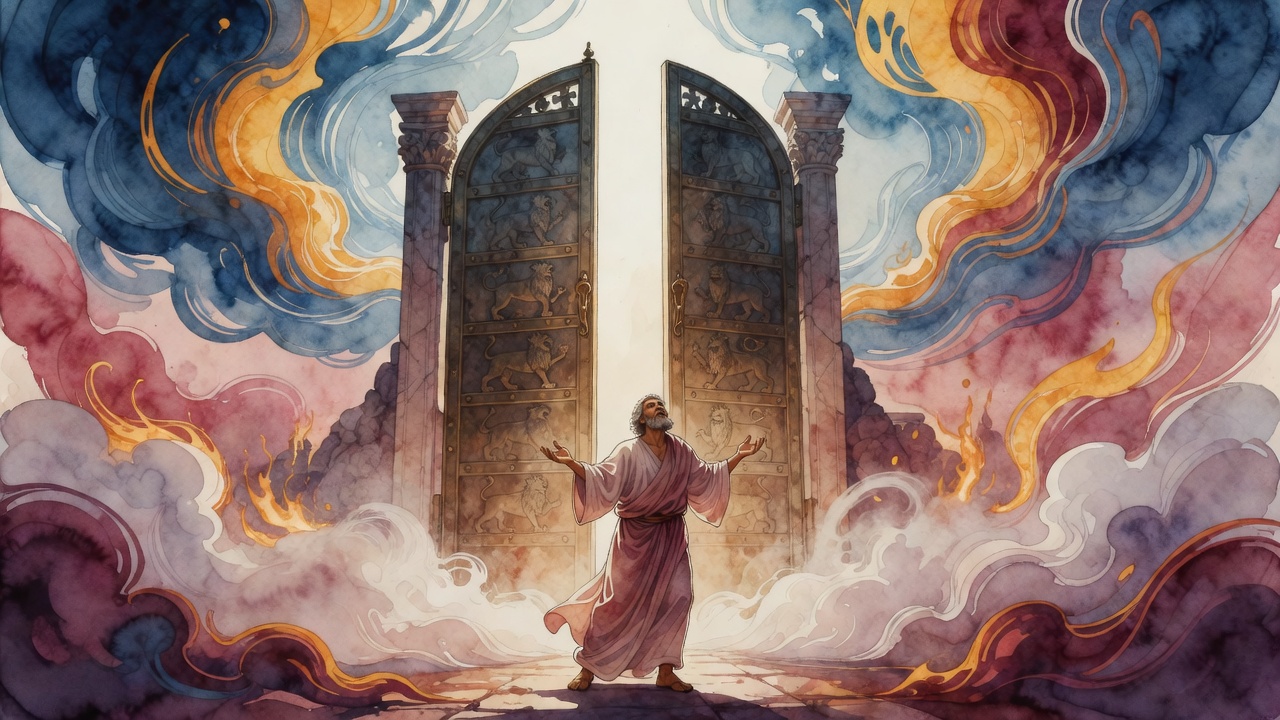
The Temple was complete, the Ark was ready, and the gates refused to open. Solomon prayed until he understood whose name had to be spoken.
