391 myths · Page 4 of 14
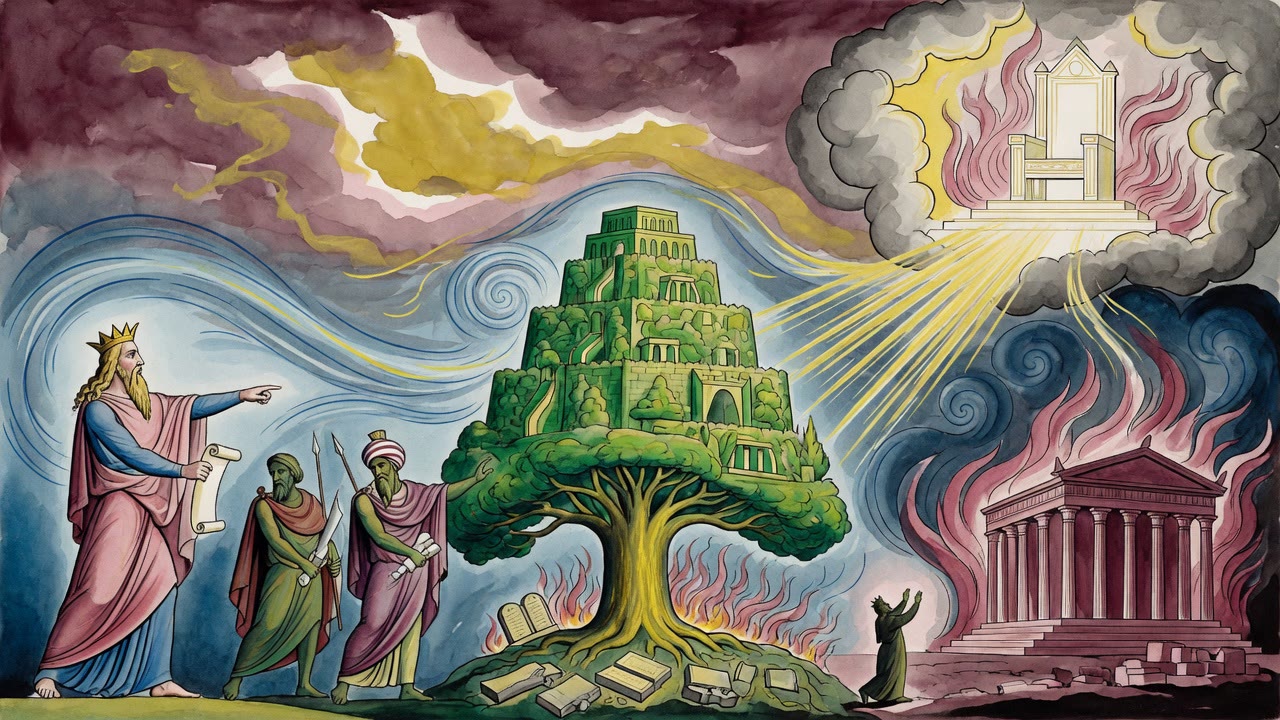
Solomon needed a worm that could split rock without a blade. The king of demons kept the secret under a sealed well on a far mountain.
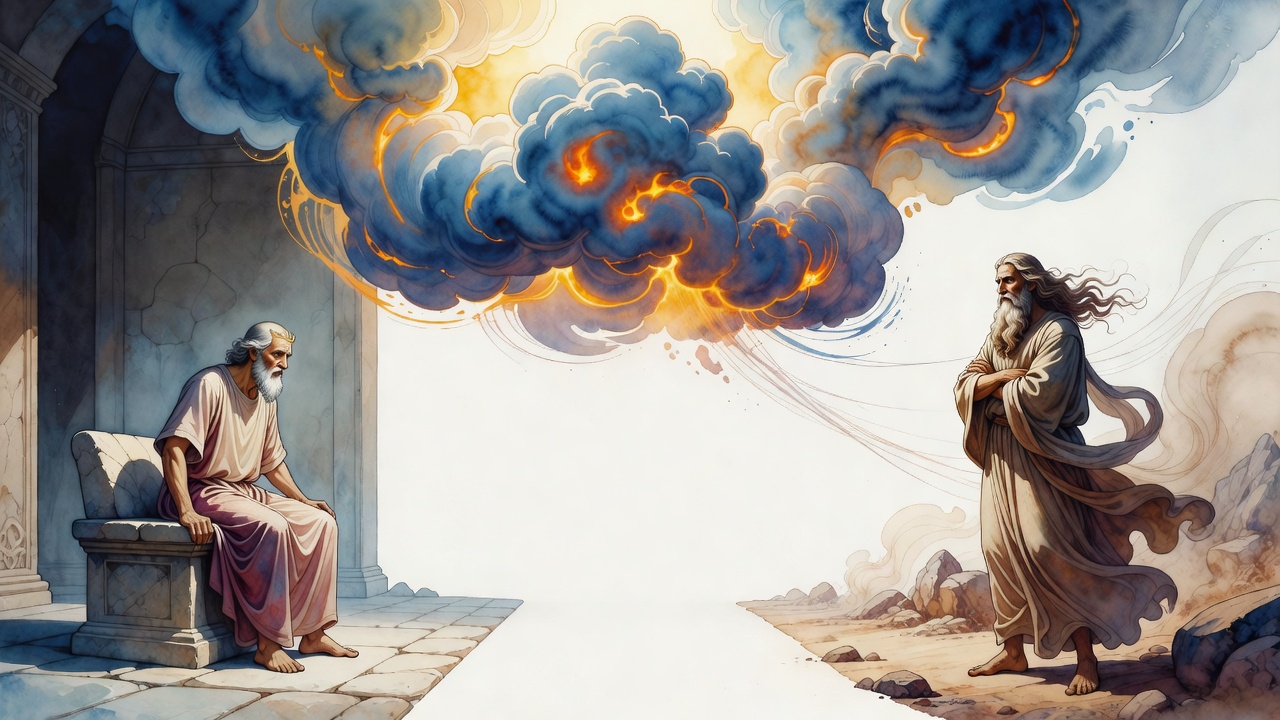
Hezekiah had stripped gold from the Temple for Assyria. Now his own skin peeled, and still Isaiah would not walk to the bed.
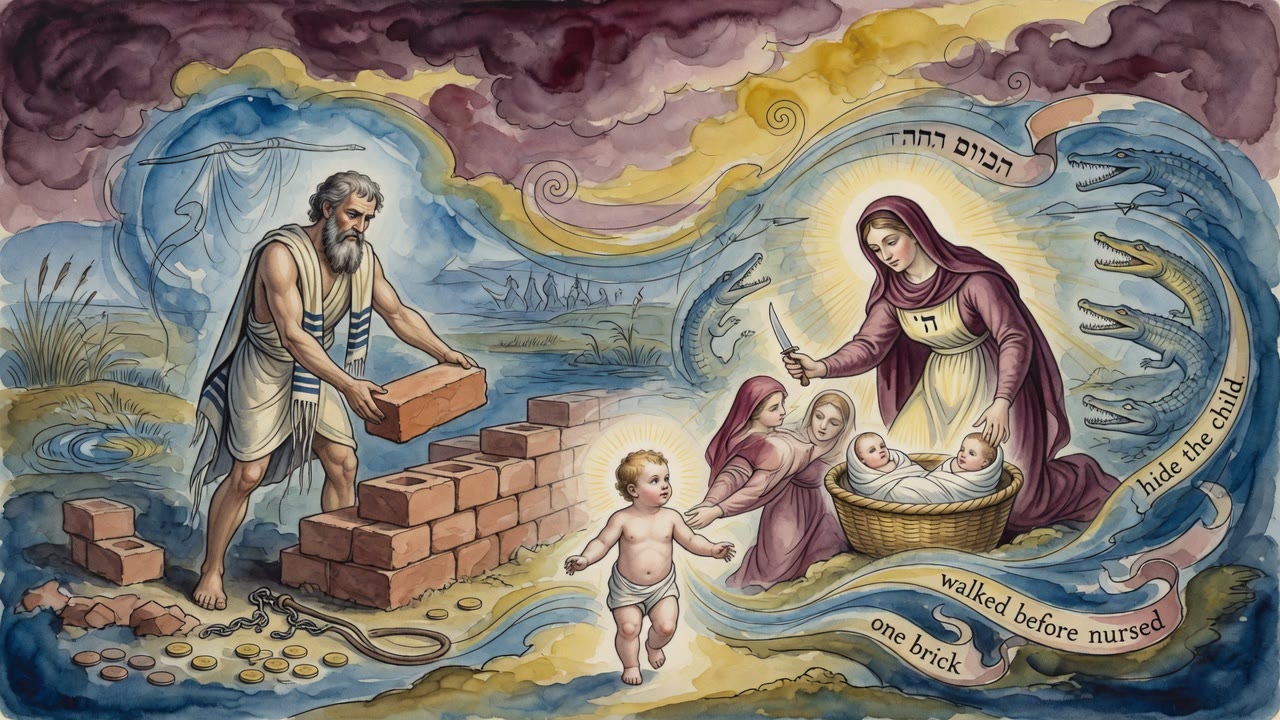
King Amon hunted down every Torah scroll in Judah and burned them. One scroll survived in the Temple wall. His son Josiah wept when he read it.
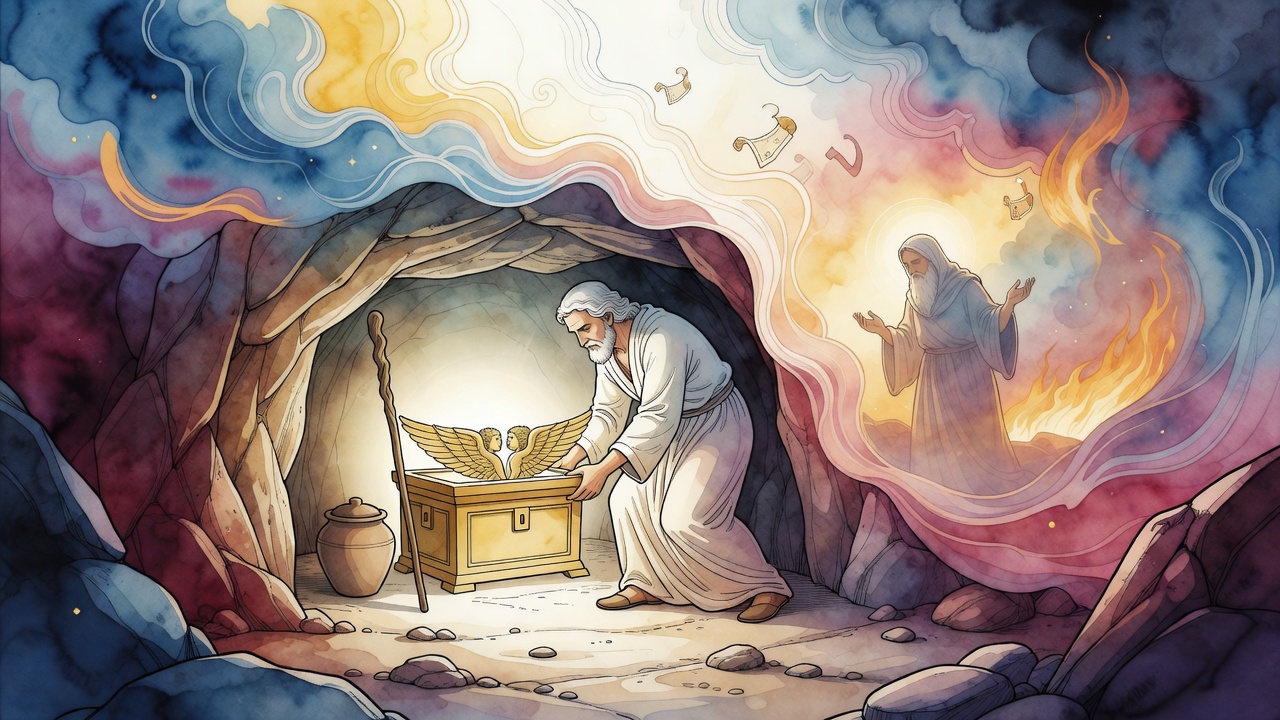
Huldah told him the Temple would fall after he died. He hid the Ark, the manna jar, and the oil where Babylon would find nothing.
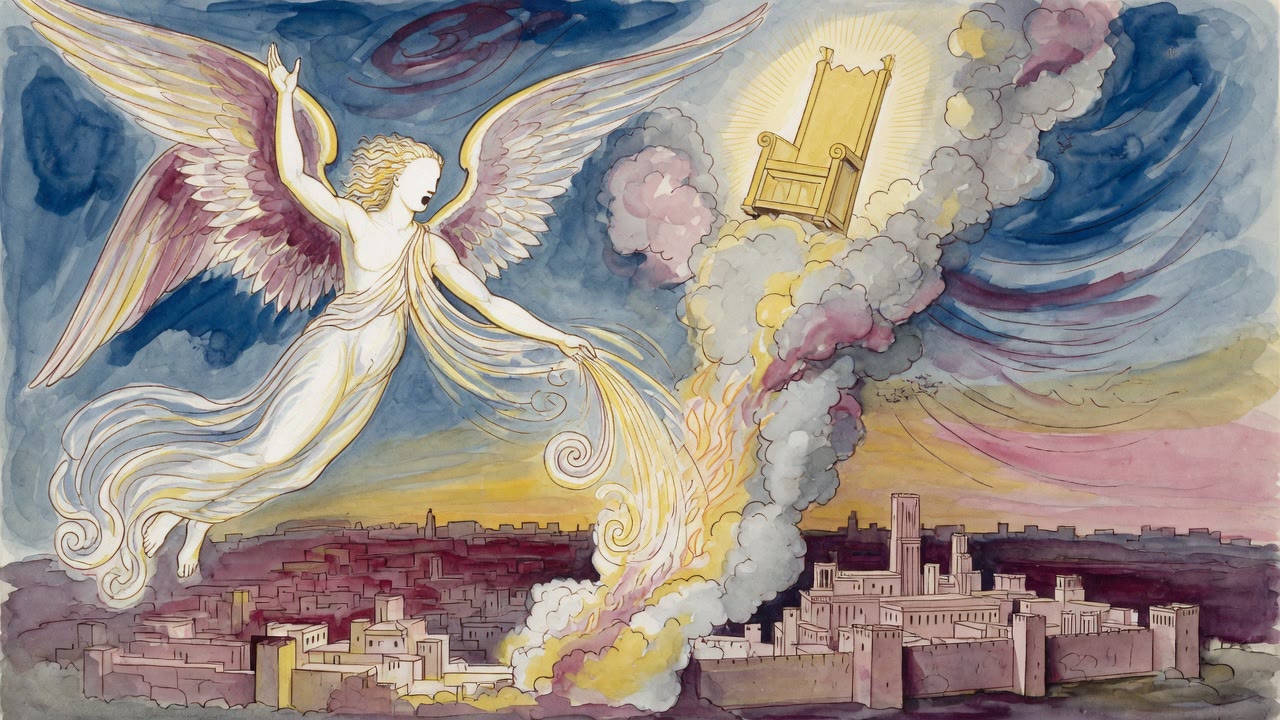
Jerusalem did not fall because Babylon was stronger. It fell after Jeremiah left the city and an angel stood on the wall to invite the enemy in.
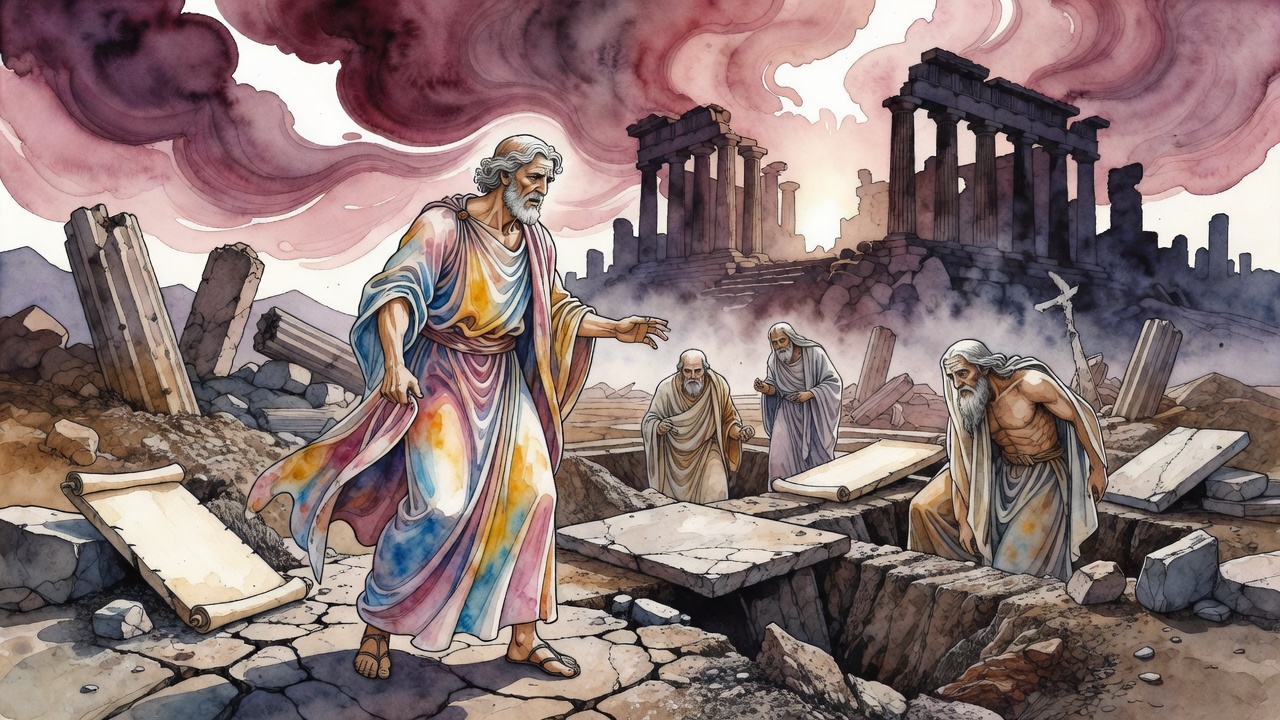
After the Temple fell, God sent Jeremiah to wake the Patriarchs from their graves. Jeremiah lied to them. He feared they would blame him for what had happened.
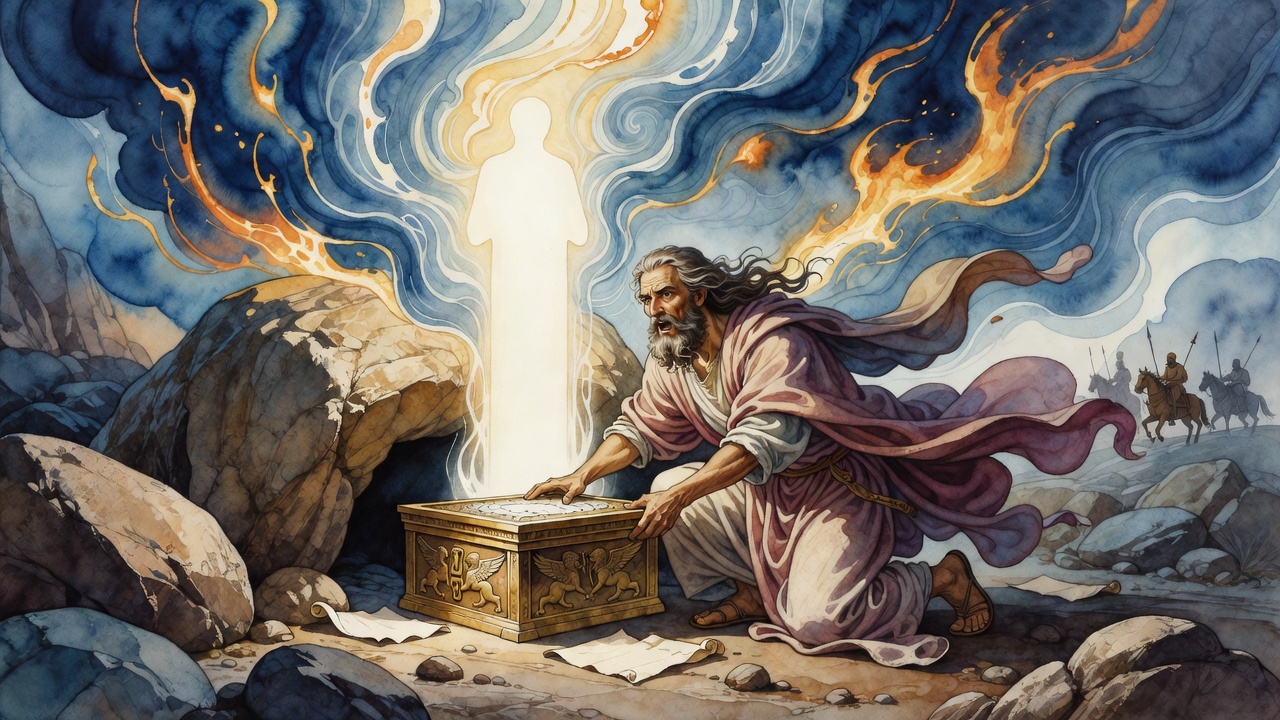
His men tried to scratch the rock so they could find the cave later. Jeremiah turned on them. God would show the Ark when God chose.
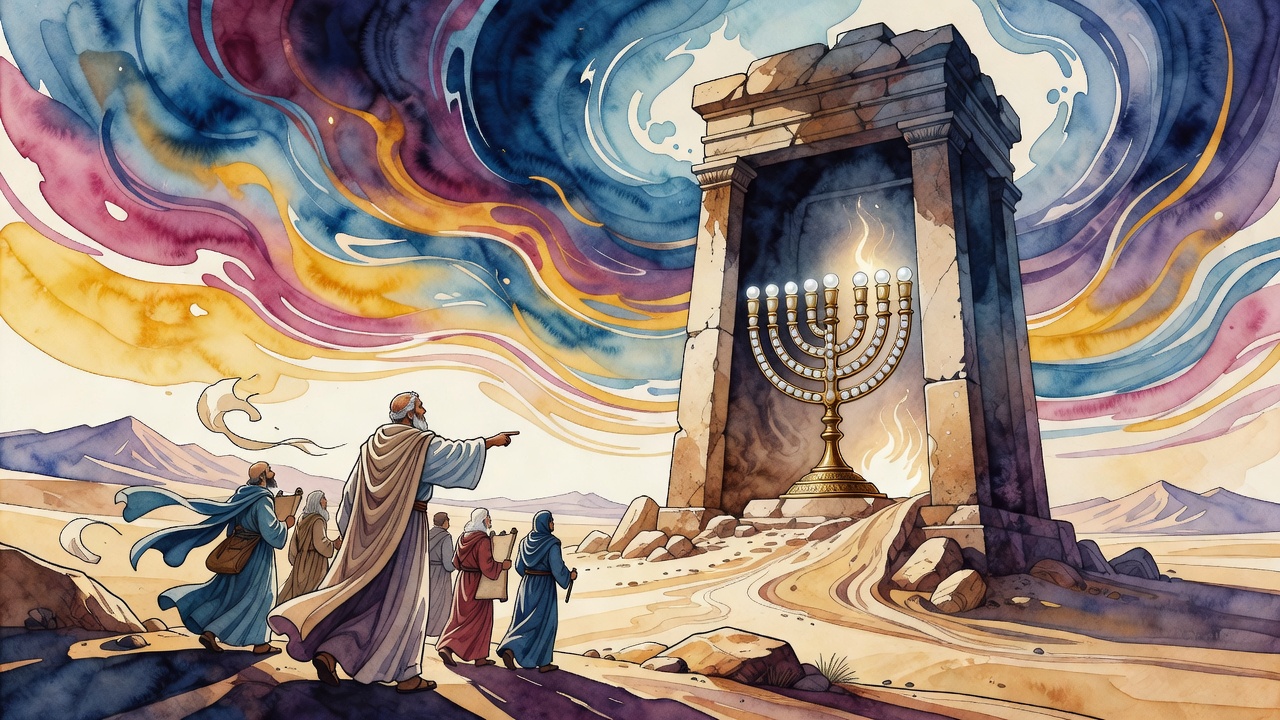
A Levite named Shimur led a group east to Babylon and hid the Temple's greatest treasures in a tower. The menorah (the lampstand) had twenty-six pearls on.
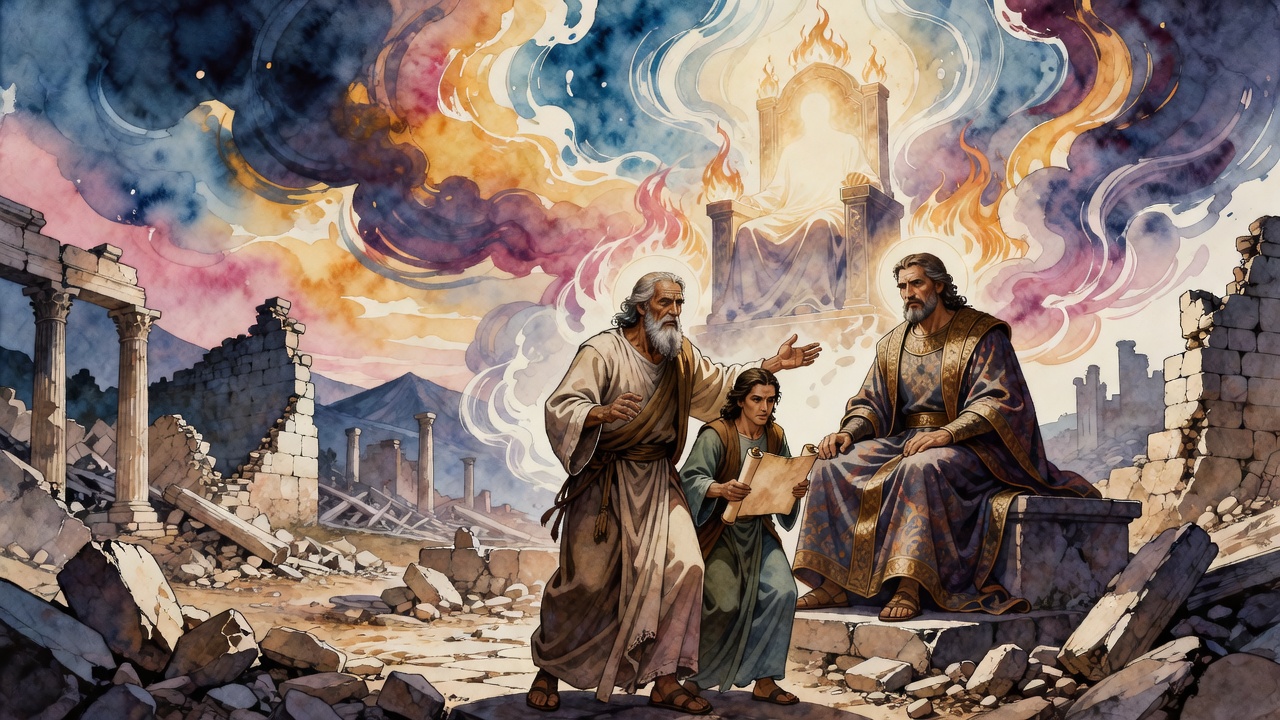
Daniel had outlived Babylon, but Jerusalem was still rubble. Persian officials could find nothing to charge him with, so they made his prayers illegal.
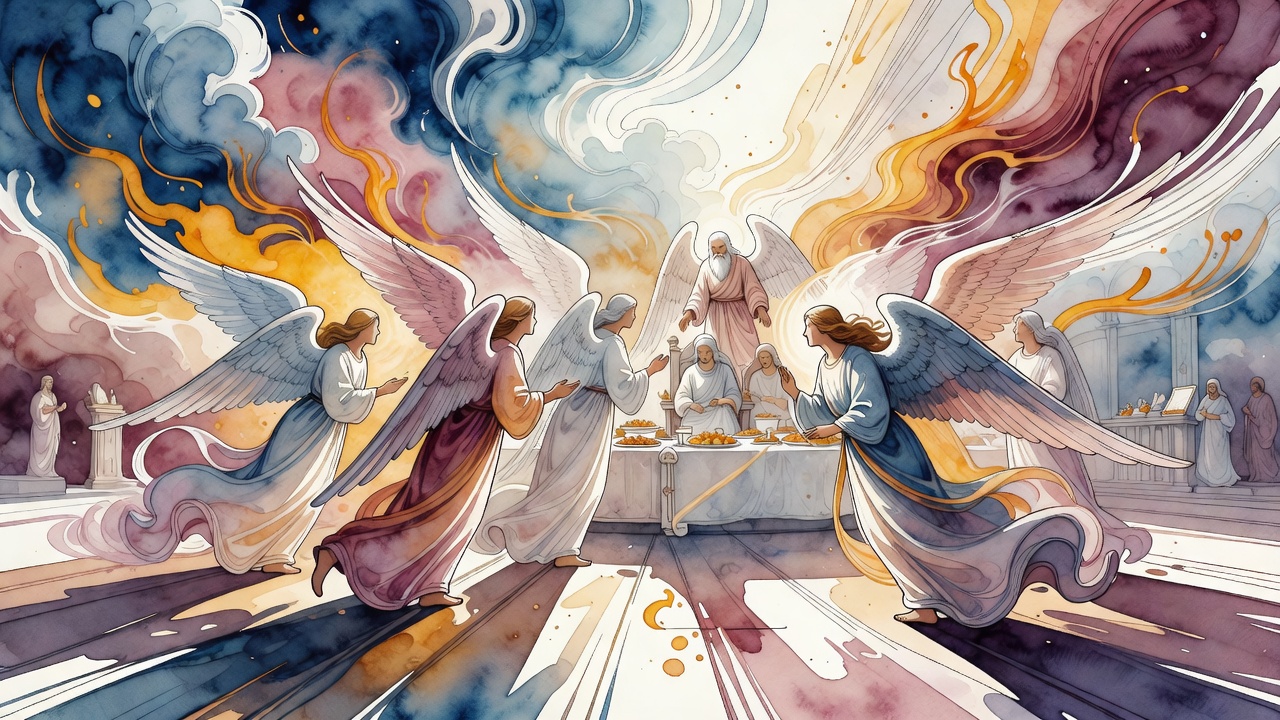
The wine sat in gold cups taken from Jerusalem. Mordecai fasted six days, then ate on the Sabbath. That was when the names arrived.
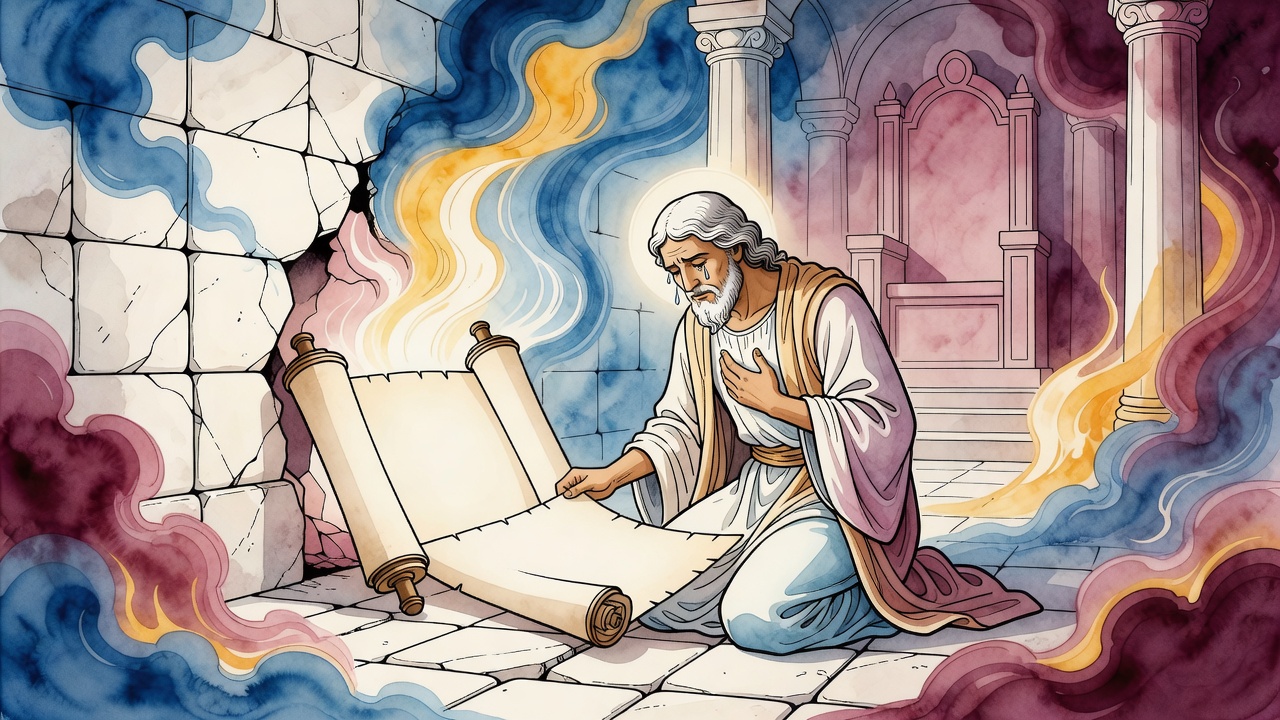
The Torah of Moses had been lost in the Temple so long no one searched for it. When it turned up in the walls, the king who heard it wept.
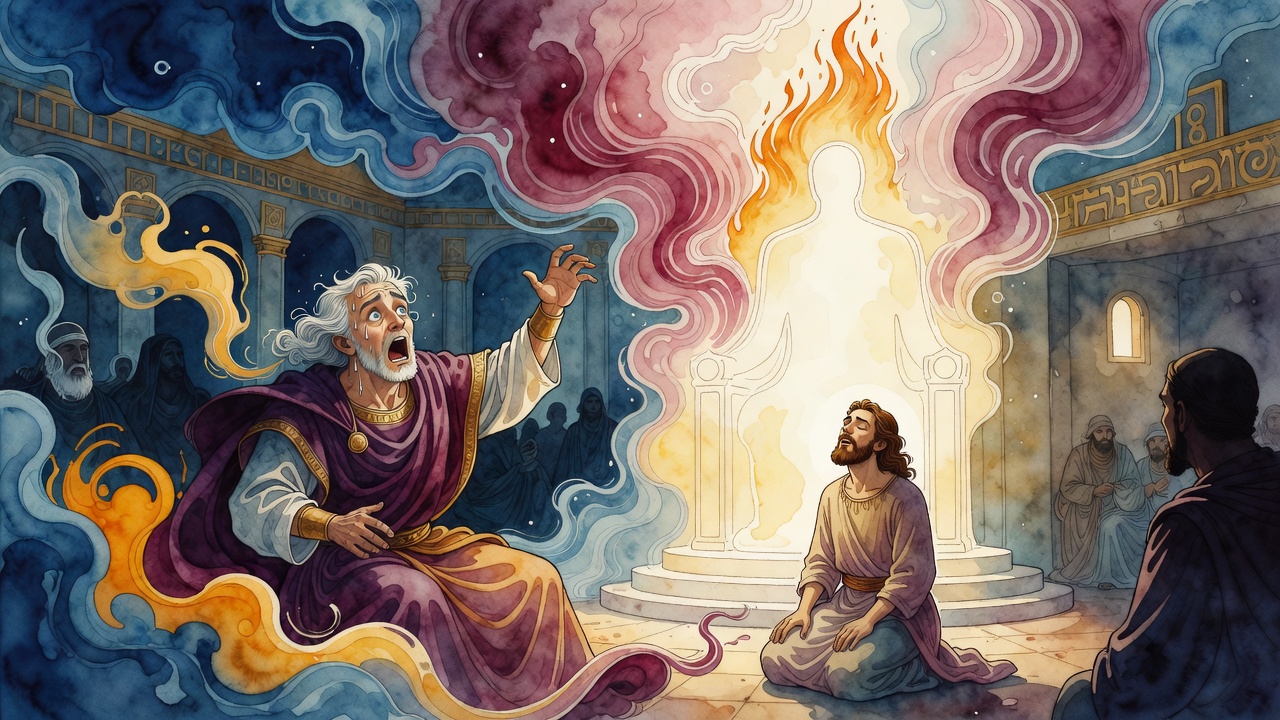
Tell me what I saw, the king said, and then tell me what it means. Otherwise you have all been lying to me and you die this afternoon.
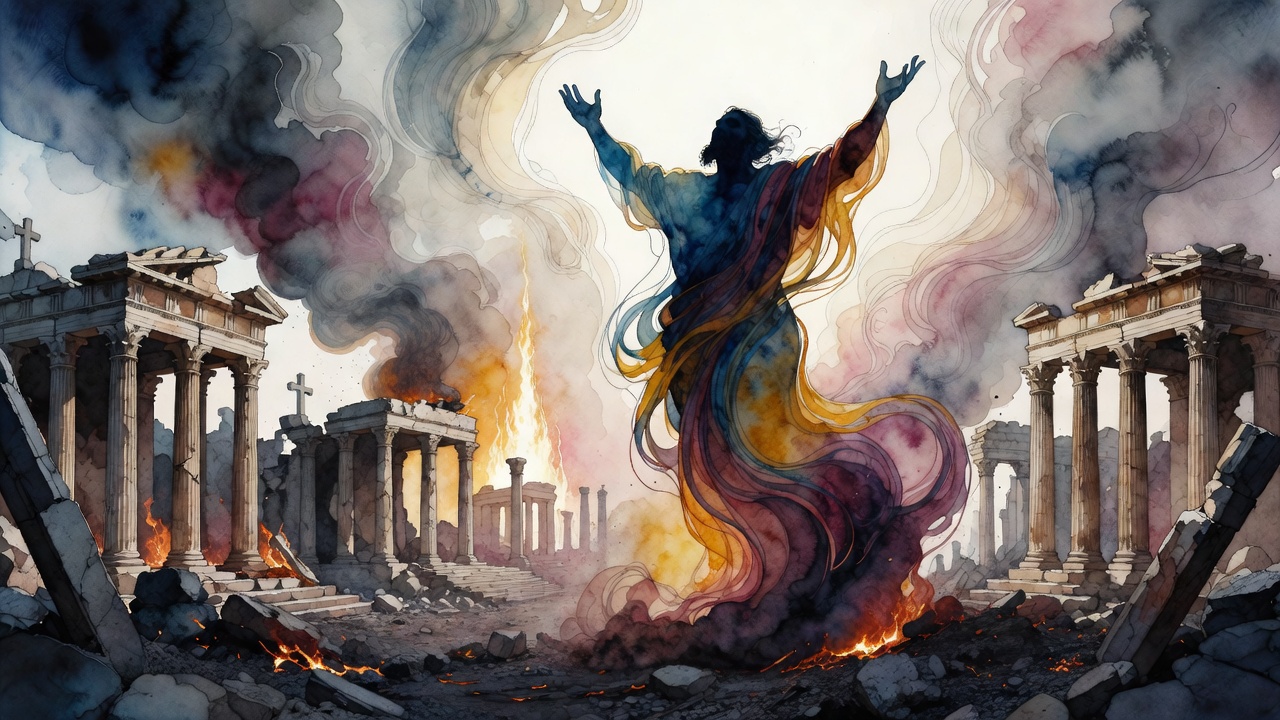
When the Temples burned, Samael celebrated. The Tikkunei Zohar says he did not cause the destruction but moved into the space that human failure opened.
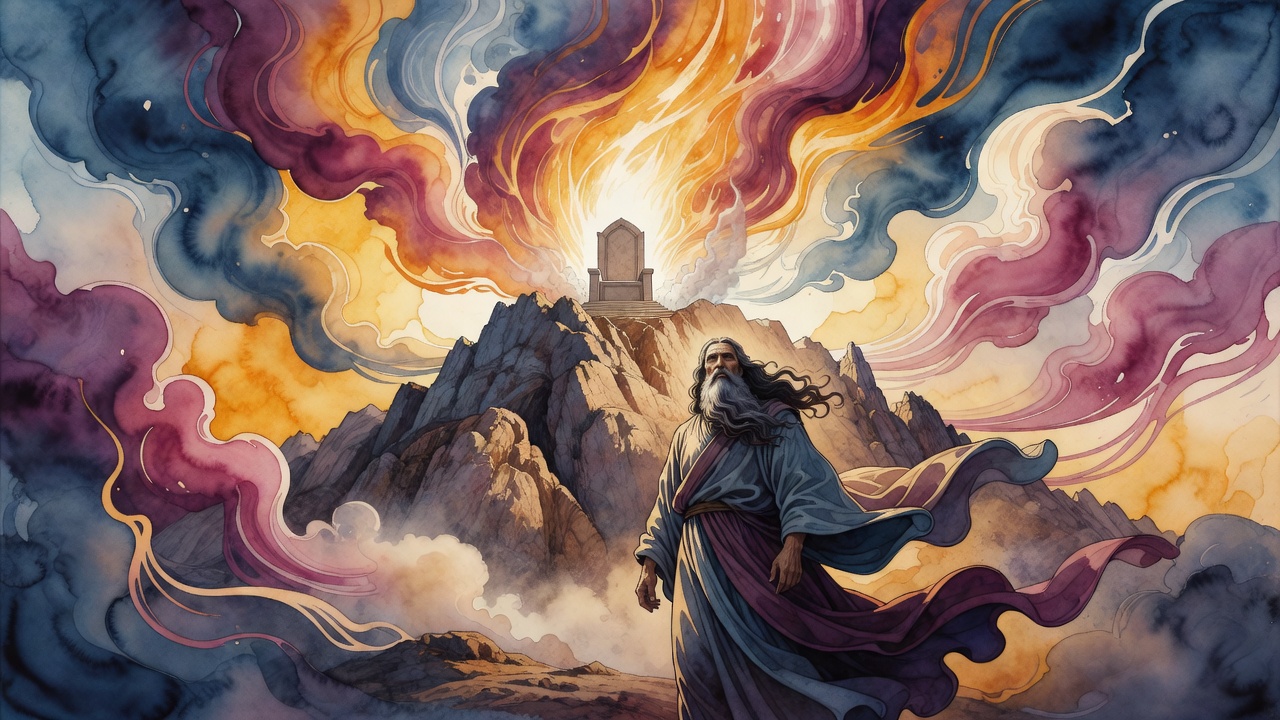
Noah came off the ark and built an altar on the ridge. Shem later called the place Shalem. Abraham, knife still in hand, gave it another name.
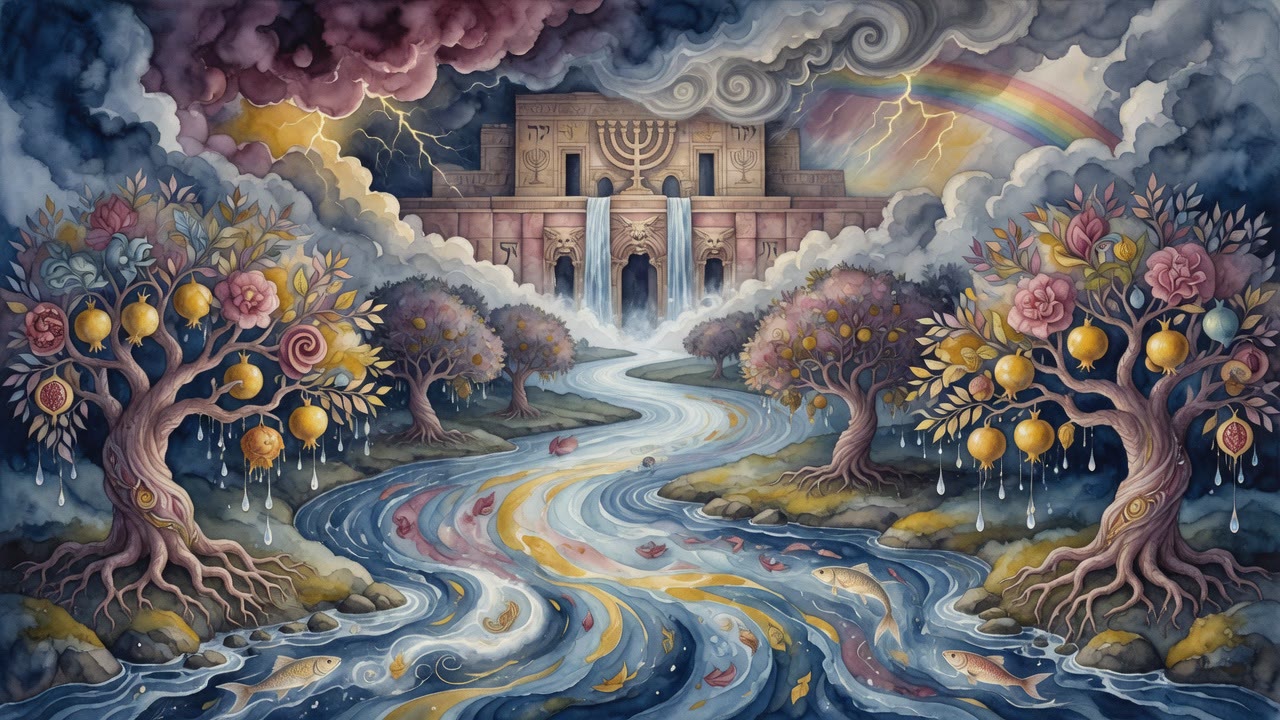
While the earthly Temple burned, Michael never left the heavenly altar, offering Israel's prayers as the high priest who never rested.
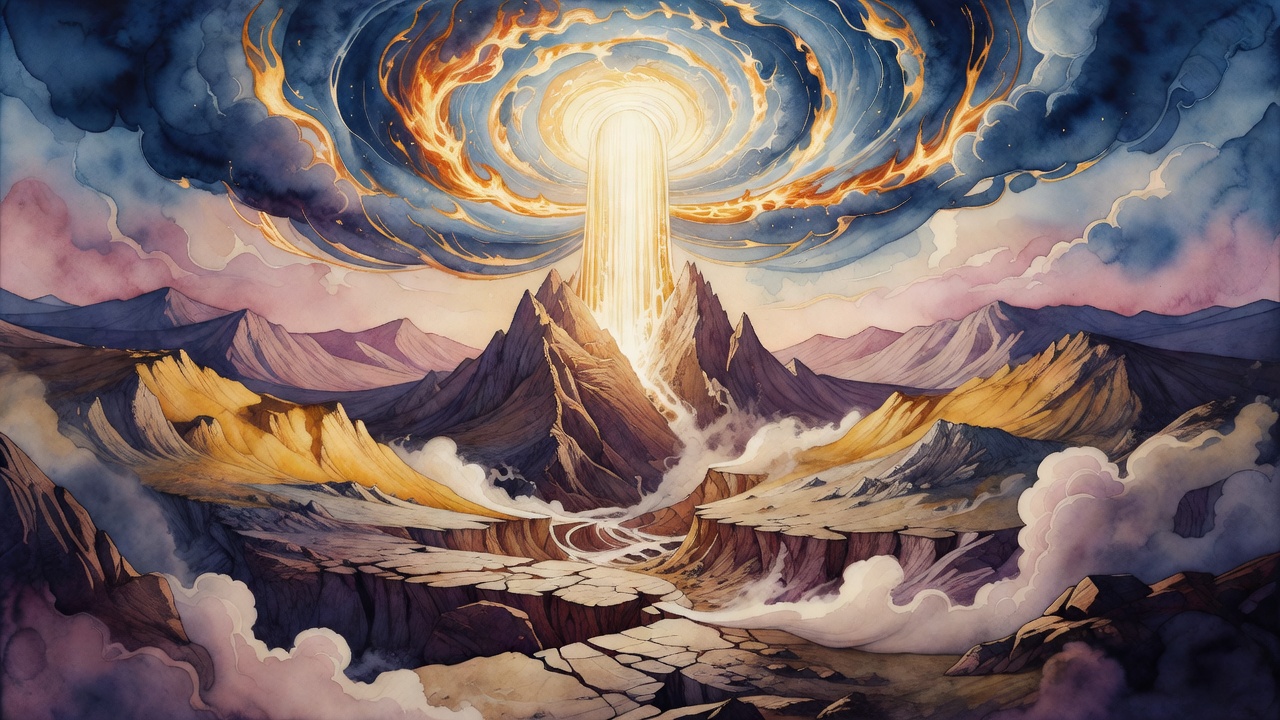
God summoned the surrounding hills and commanded them to merge. What had been a hollow in the earth rose to become the axis of the world.
She kissed the pillars and called from the hill for three years. Nobody climbed up. The innkeeper would not open after dark.
Ahaz meant to give his son to Moloch. The boy's mother rubbed him with the blood of a salamander first, and the fire could not have him.
The earth opened under Korah while the censer was still in his hand. His three sons could not speak. A pillar rose under them in the fire.
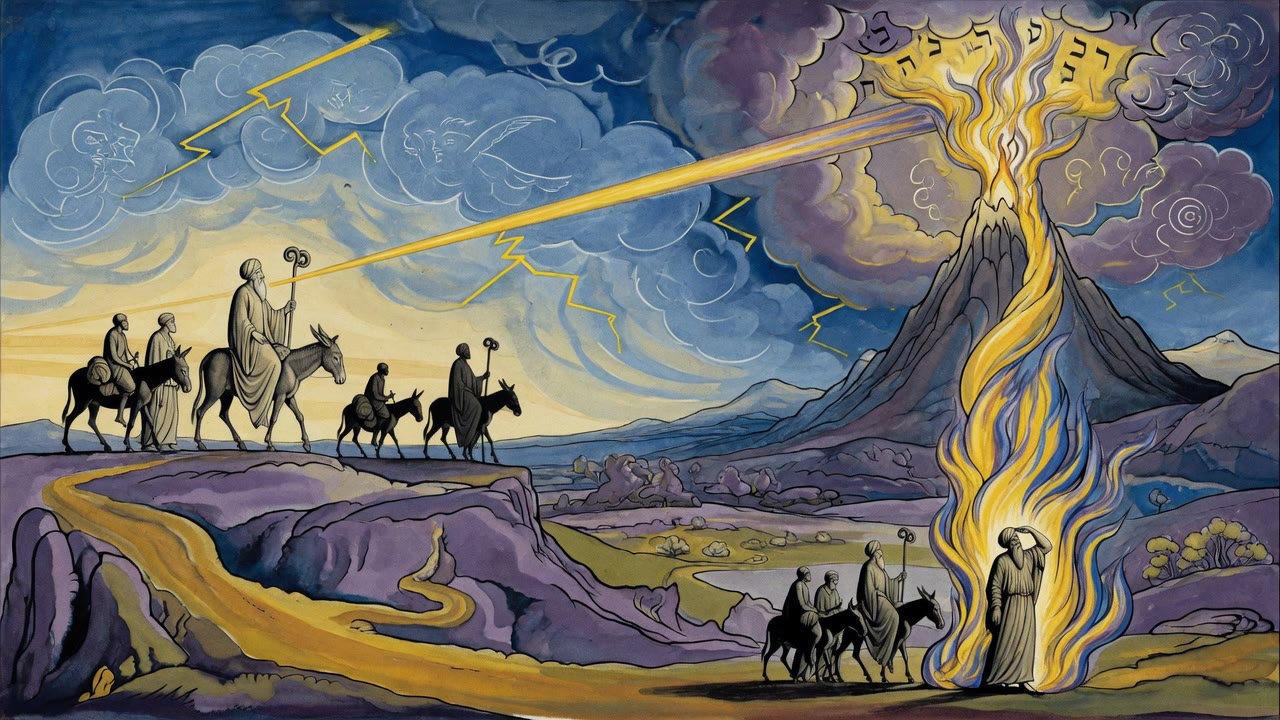
God told Abraham to go to one of the mountains I will show you, without naming it. Three days of walking and a pillar of fire resolved the navigation.
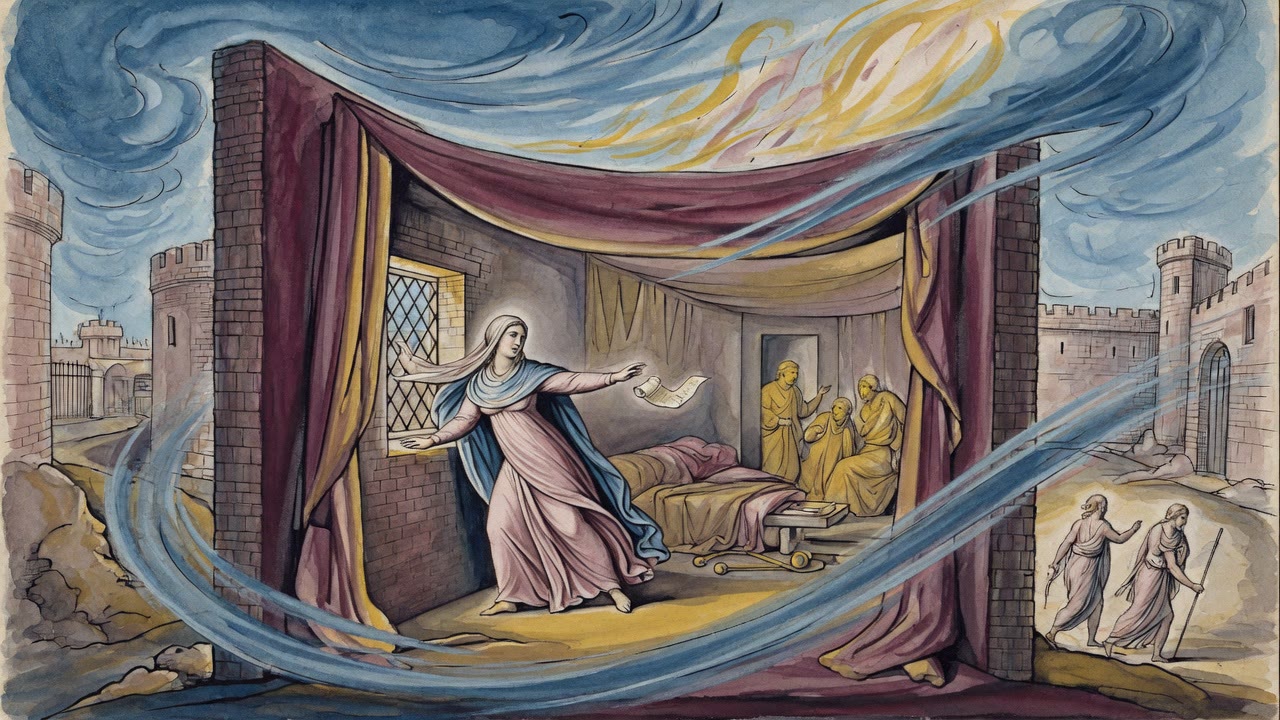
She was twelve and she was being held in the prince's house when she overheard what the men downstairs were planning to do to her family.
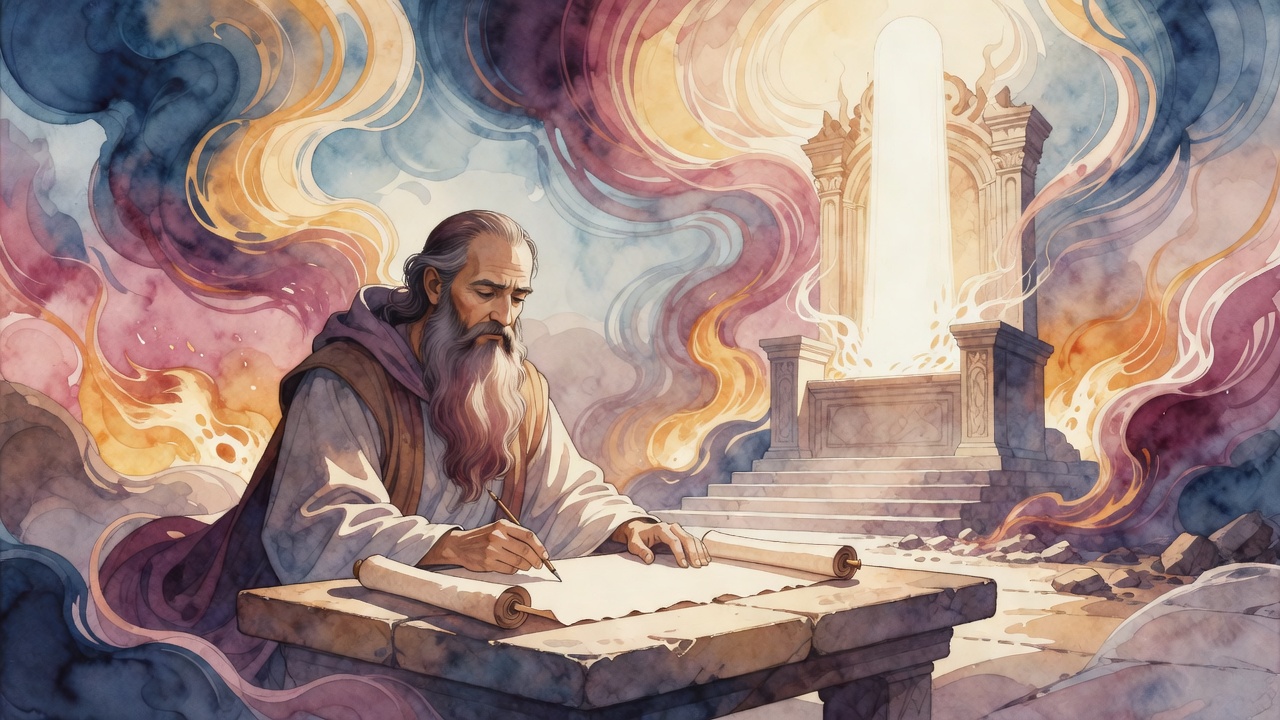
After Babylon burned the Temple, the rabbis refused to let the destroyer's years blur. Rabbi Abbahu counted them to forty-five and proved it twice.
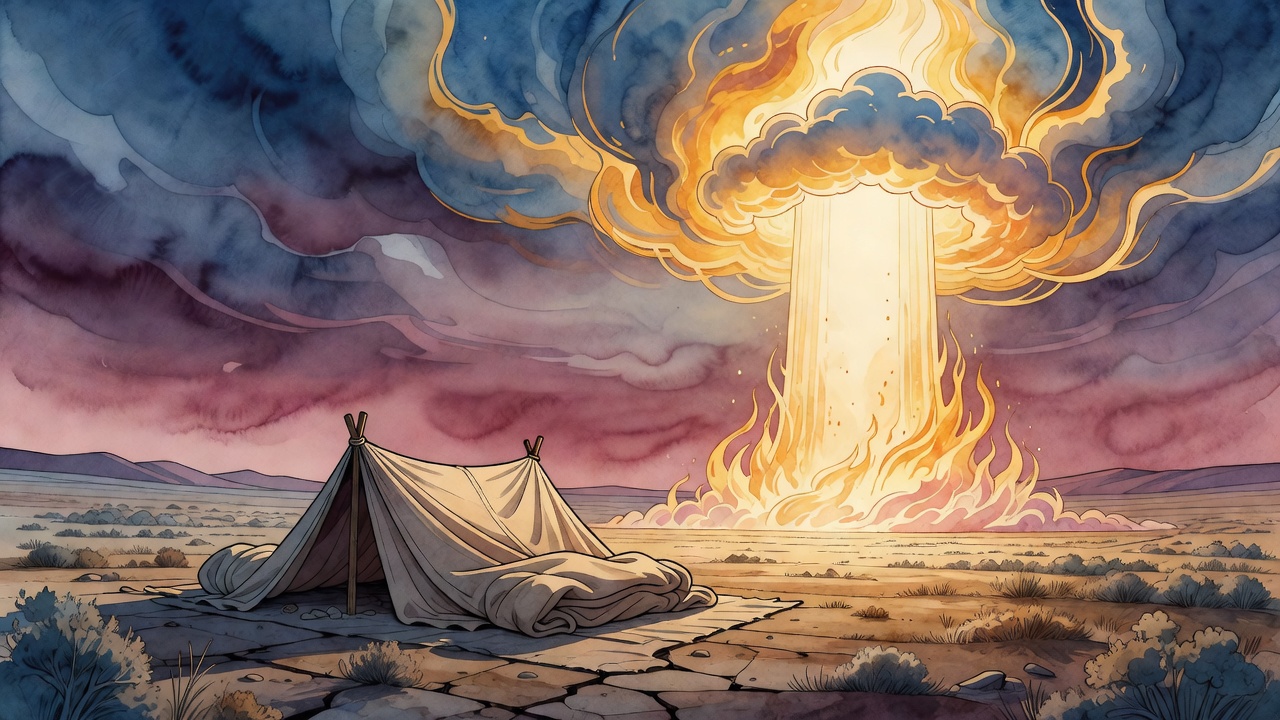
The Tabernacle was finished on the 25th of Kislev and sat folded for months. God held the dedication for Nisan, Isaac's month, to repay an ancient debt.
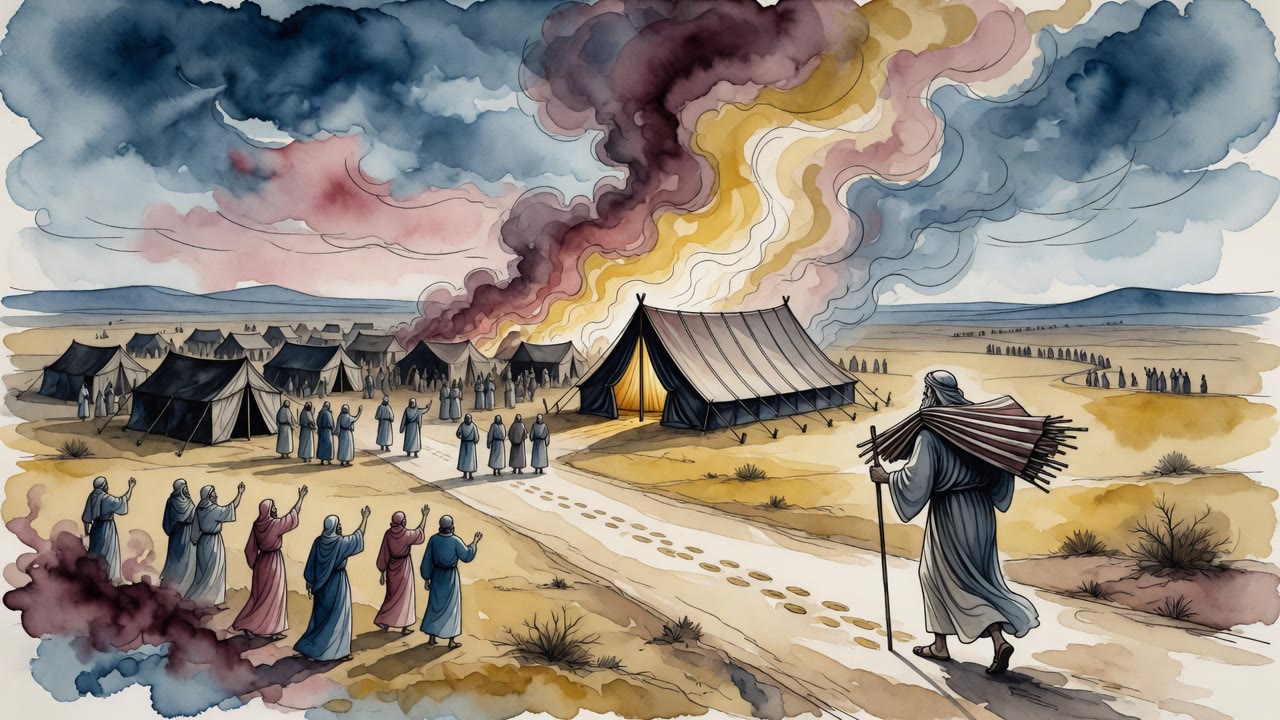
Moses prays 515 times at the Jordan's edge, draws a circle in the dust, and prays until heaven trembles. God finally says: enough, do not continue.
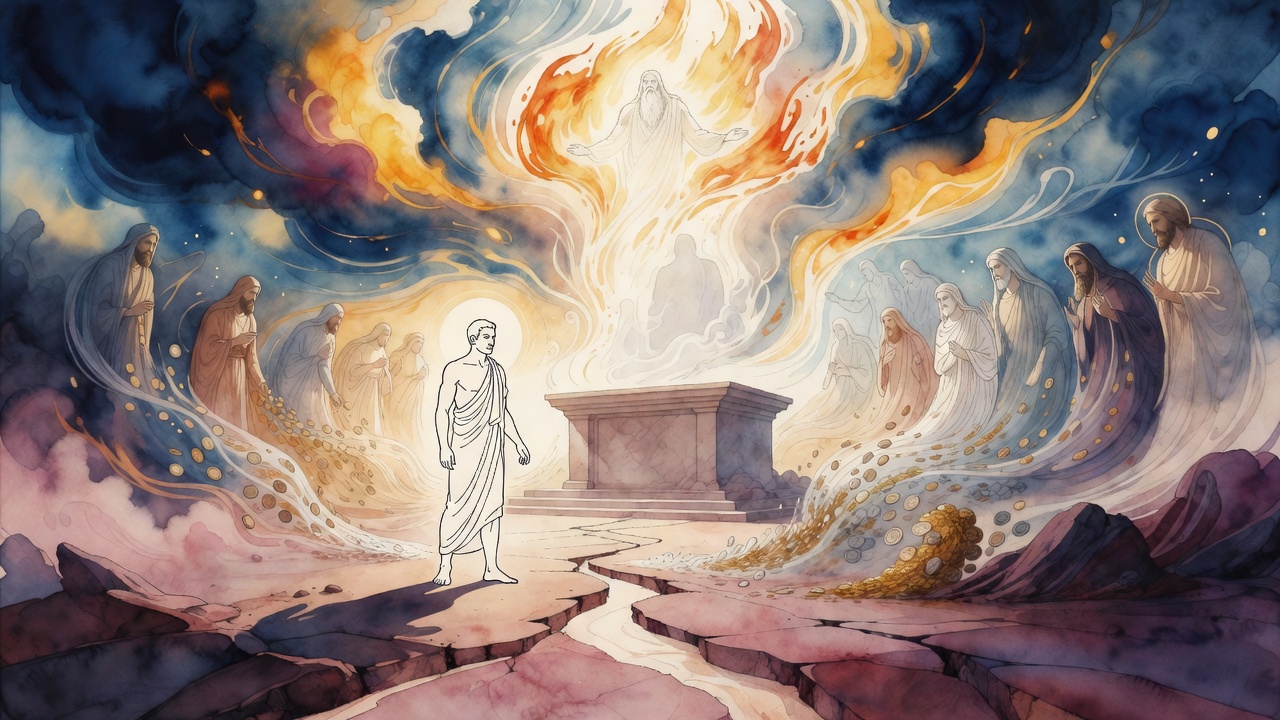
Rachel named him son of my sorrow and died that night. Years later his tribe held the soil where the Temple altar stood.
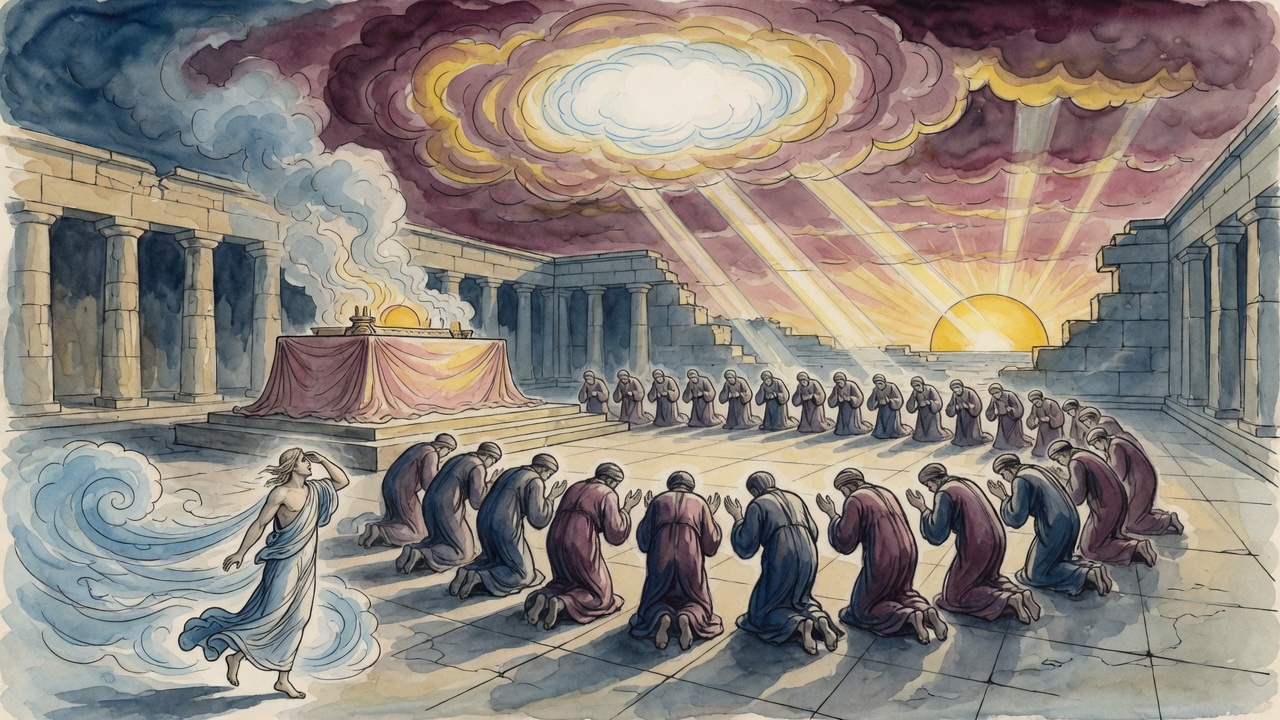
Ezekiel was a priest by a canal in Babylon with no altar to serve. The sky opened over the ditch, and four creatures came out of the fire.
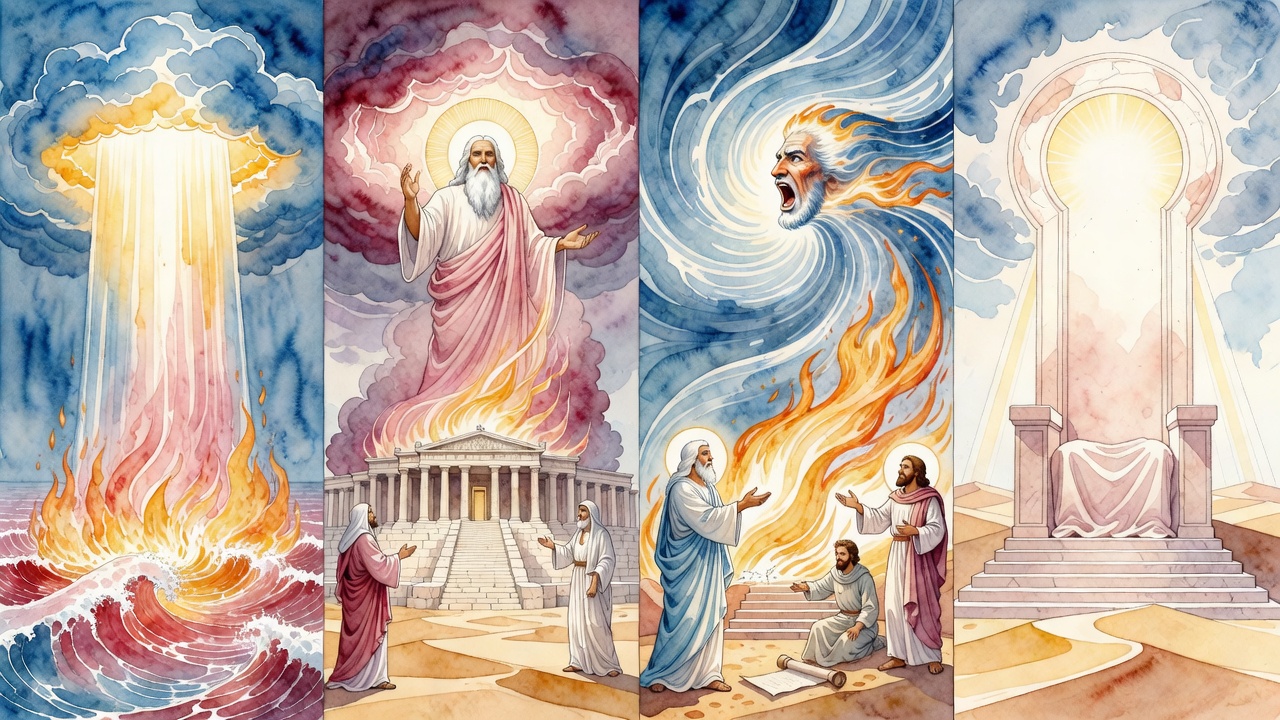
Slaves cried from the brickfields of Egypt. A shepherd appeared among the cherubim. The last fire filled a house so thick the priests could not stand.
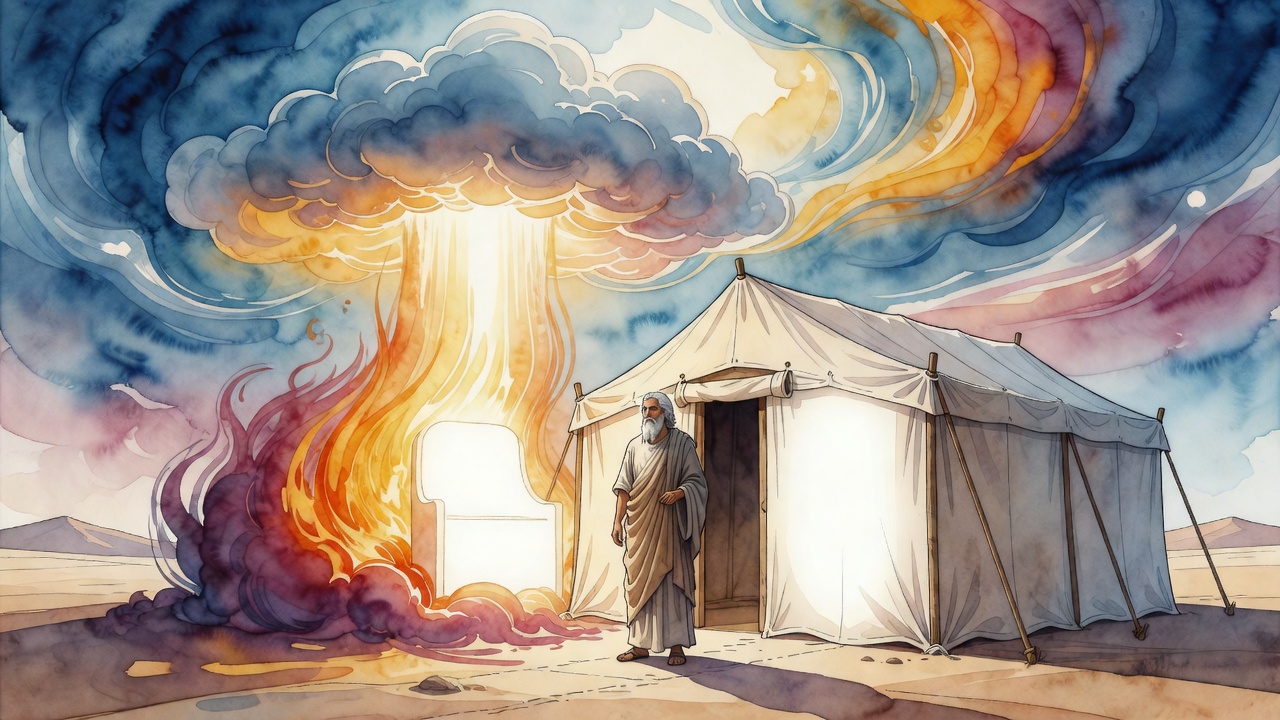
Moses built the Tabernacle and would not enter. He stood at the door until God called, because completing a sacred space does not grant ownership.
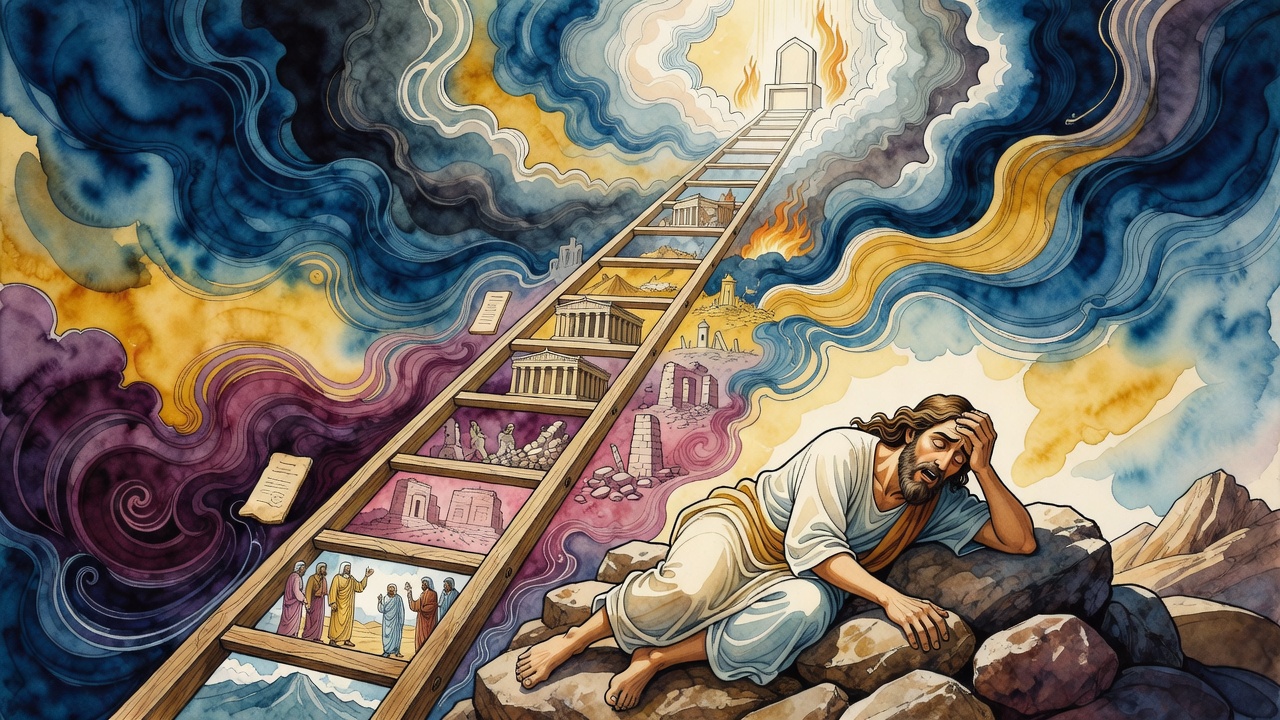
The two angels from Sodom had been shut out of heaven for 138 years. They used Jacob's sleep as the hour they were allowed back up.
Samuel mourned for Saul until the day Samuel himself died. He had made the king and he watched what the king became. The grief was his own making.
