The Night Solomon Slept with the Temple Keys
On the night Solomon dedicated the Temple, his new wife danced eighty dances in the streets while he slept with the Temple keys beneath his head.
Table of Contents
Seven years of cedar and hammered gold, and the night it was finished, Solomon arranged two celebrations.
 Click for full size
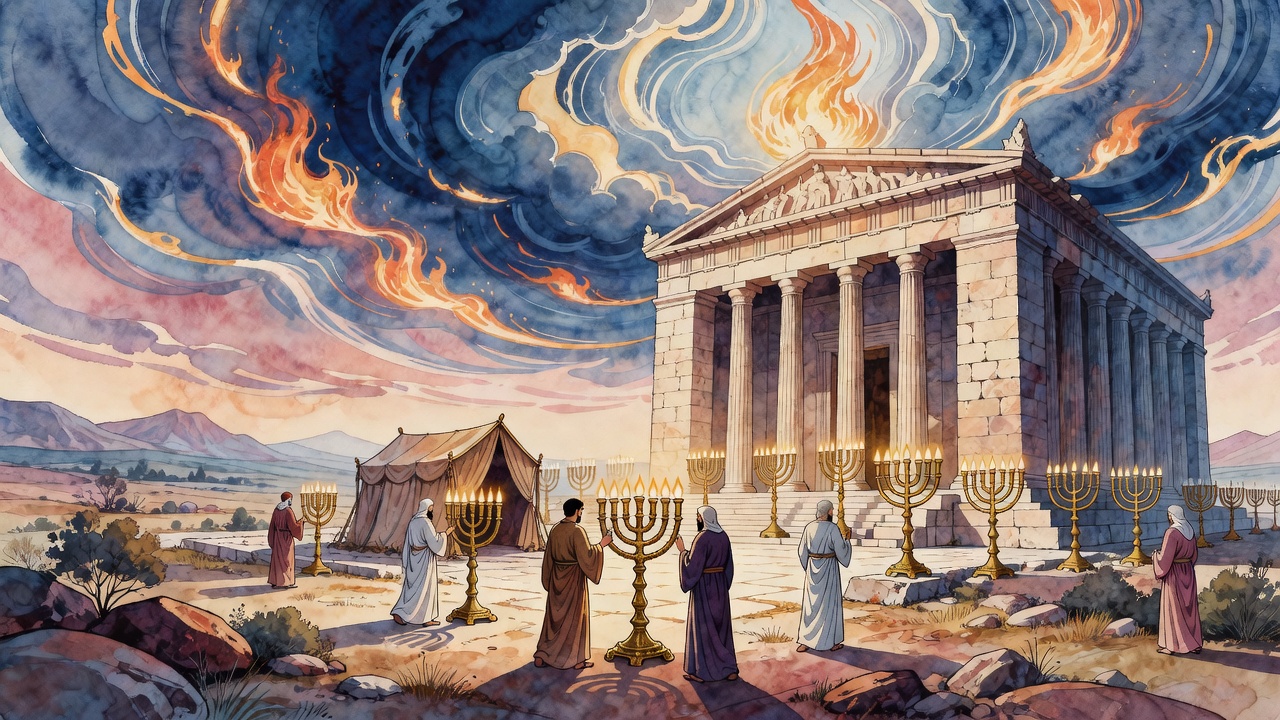
The first was for the House of God. The ark had been carried up through the gates of Jerusalem, the cloud of divine presence so thick that the priests could not stand to perform their duties (1 Kings 8:10-11). The Holy of Holies sealed its darkness around the cherubim and their golden wings. The building was complete, consecrated, ready. Whatever else Solomon had done or would do, he had finished this.
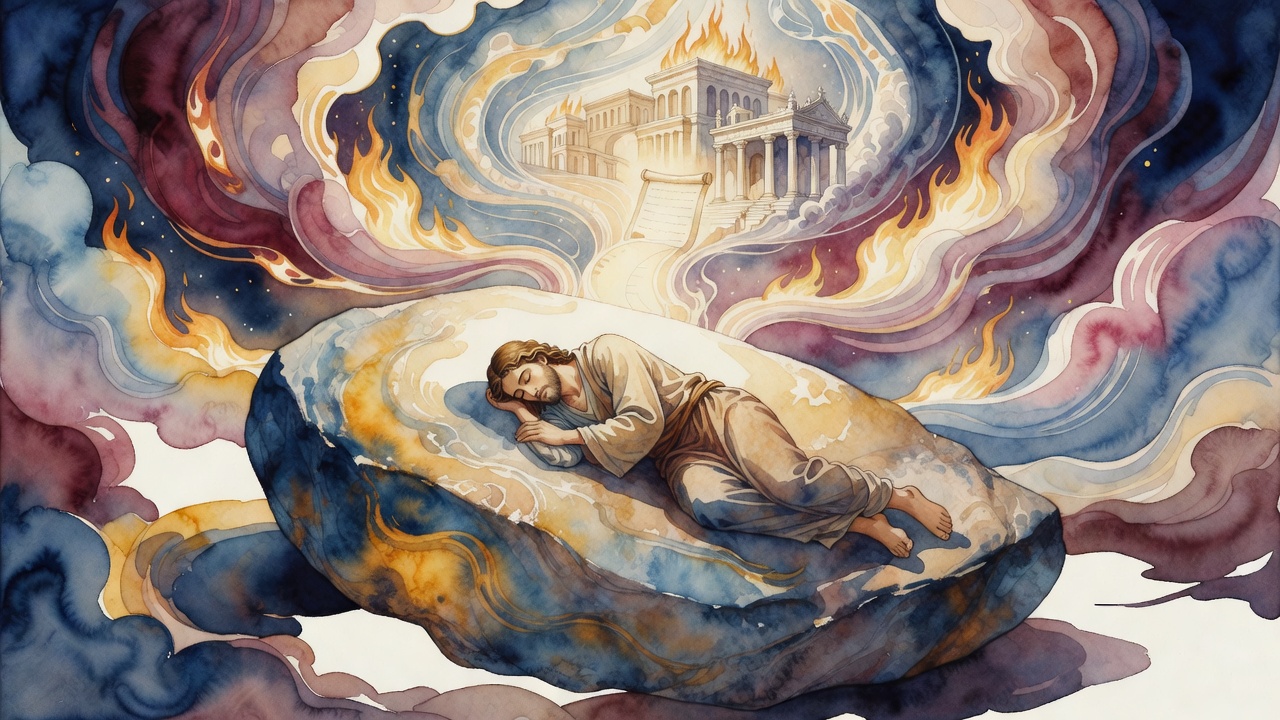
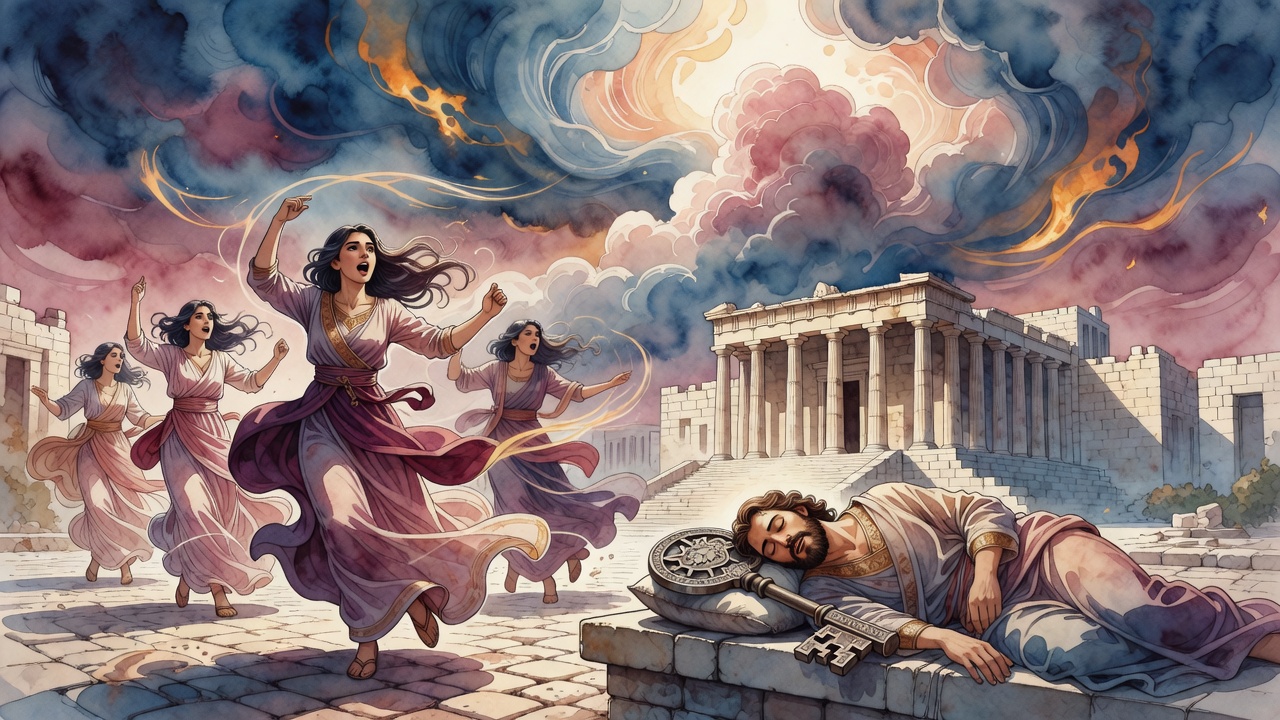
The second celebration was for his new wife. Pharaoh's daughter had come from Egypt as the seal of a treaty, and Solomon had married her, and on the night of their marriage she danced. Not one kind of dance. Eighty kinds of dances, each one different from the last, spinning through the halls while the city outside still rang with hymns to God. Solomon watched until he could not keep his eyes open. He fell asleep with the keys to the Temple tucked under his pillow.
Two Processions, One City, One Night
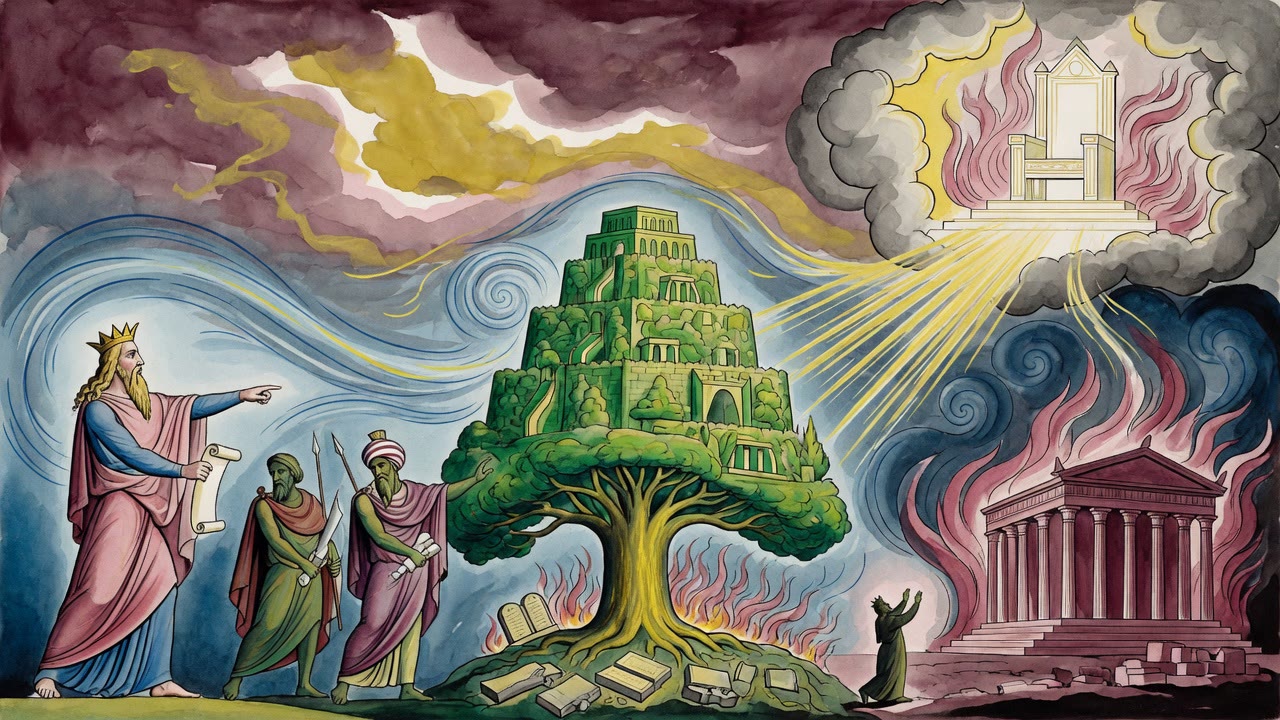
God looked down at Jerusalem and saw both processions moving at once. Two drums. Two sets of singers. Two circles of fire in the same city, one burning at the newly consecrated altar and one burning in the courtyard where the daughter of Egypt was still dancing. The question that hung over the city that night was almost more bewildered than angry: which one of these was God supposed to celebrate?
The answer was neither, separately, because they could not be separated. Solomon had done both at the same time, in the same city, on the same night. The Temple dedication and the foreign wedding had fused into one occasion, and the fusion was the problem. Not the marriage by itself. Not the Temple by itself. The mixing of the two, as if one could dedicate a house to God and at the same moment celebrate an alliance with Egypt with equal fervor, as if both required the same night and the same joy.
The Keys Under His Pillow
Solomon slept until four hours past sunrise. He had the keys. The gates of the Temple could not open until he woke and handed them to the priests. So on the morning after the Temple's first night, the House of God stood locked. The priests waited outside. The daughter of Egypt had danced her eightieth dance, and the king lay sleeping with the instrument of access beneath his head.
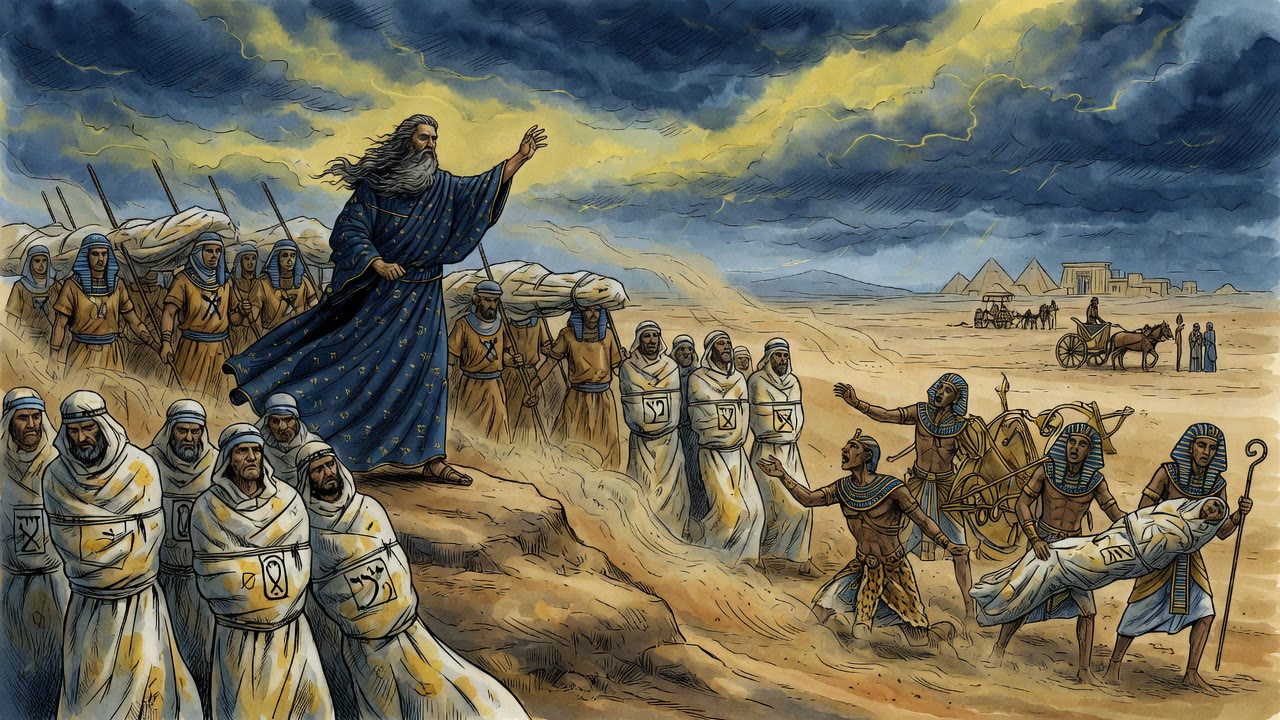
Jeremiah would put it plainly later: from the day Jerusalem was built, God said, it had been a cause of divine wrath (Jeremiah 32:31). The rabbis who read that verse alongside the story of Solomon's wedding night understood why the wrath began at the founding. The city was barely consecrated before its builder split his attention. The complaint was not about stone and mortar. It was about that night, those two drums, those eighty dances, and a man who could not choose between them.
A World That Could Be Unchosen
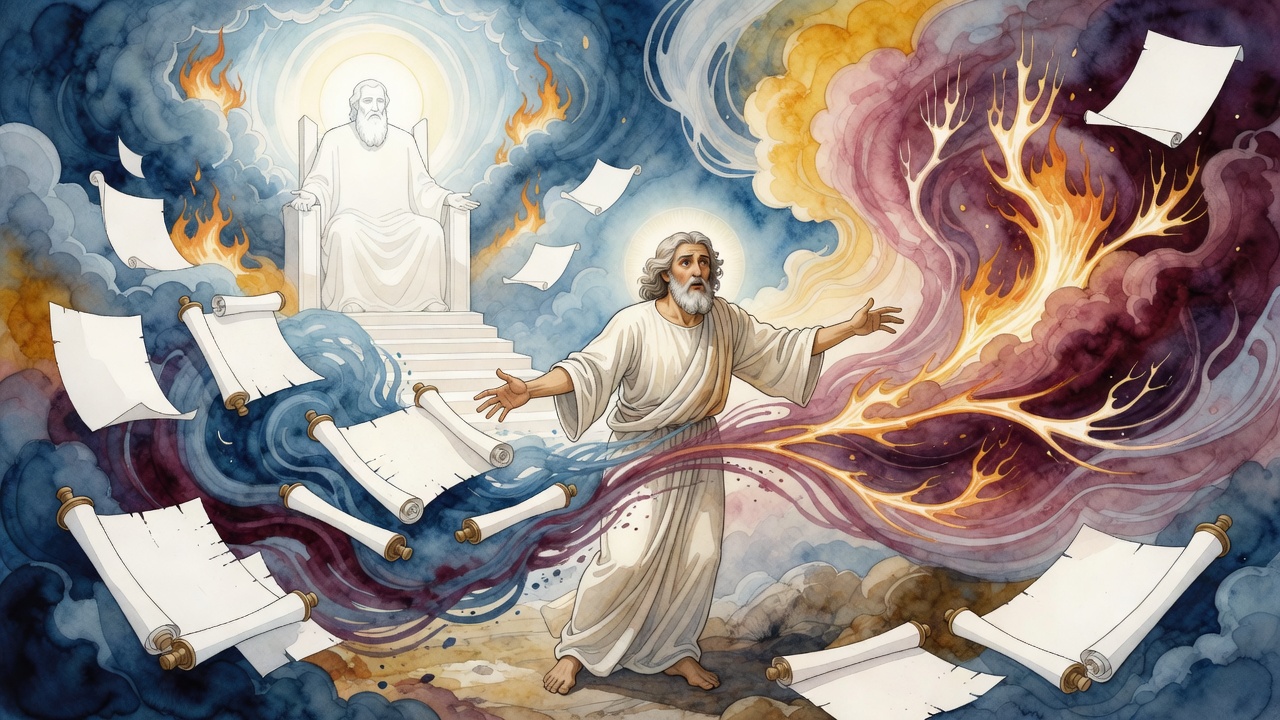
There is an older tradition about the nature of the world itself: that God had built other worlds before this one and found them lacking. Each time, God looked at what had been made and decided it did not please. God discarded each one. Then came this world. This one was kept. The implication runs cold: what has been chosen can be unchosen. The world we inhabit was not inevitable. It was selected, and the selection was not permanent by necessity.
Solomon's own book carries the trace of this danger. He wrote that laughter is confounded, that joy achieves nothing unless it is grounded in something real (Ecclesiastes 2:2). The king who wrote that sentence had arranged, on the very night of the Temple's completion, a celebration of confounded joy. Eighty kinds of dancing and a sleeping king with keys beneath his pillow. The rabbi who read Solomon's condemnation of laughter connected it to exactly this kind of joy, pleasure untethered from the thing it was supposed to honor, celebration that does not know what it is for.
The Flaw Built Into the Foundation
The Temple stood for close to four centuries after that night. Stone by stone, service by service, the building held. But something had been written into its first night that could not be unwritten. The city had been consecrated and divided in the same breath, and the God who had discarded worlds before finding one worth keeping had stood over Jerusalem and nearly made a different choice.
Barely, the tradition says. Apparently this one was still worth keeping.
Solomon slept. The daughter of Egypt danced her eightieth dance. The priests waited at the locked gates. And the keys lay under the head of the man who had built God a house and then, in the first hours of its existence, given the night to something else.
← All myths