Hiding From Saul, David Said That God Had Incited the King
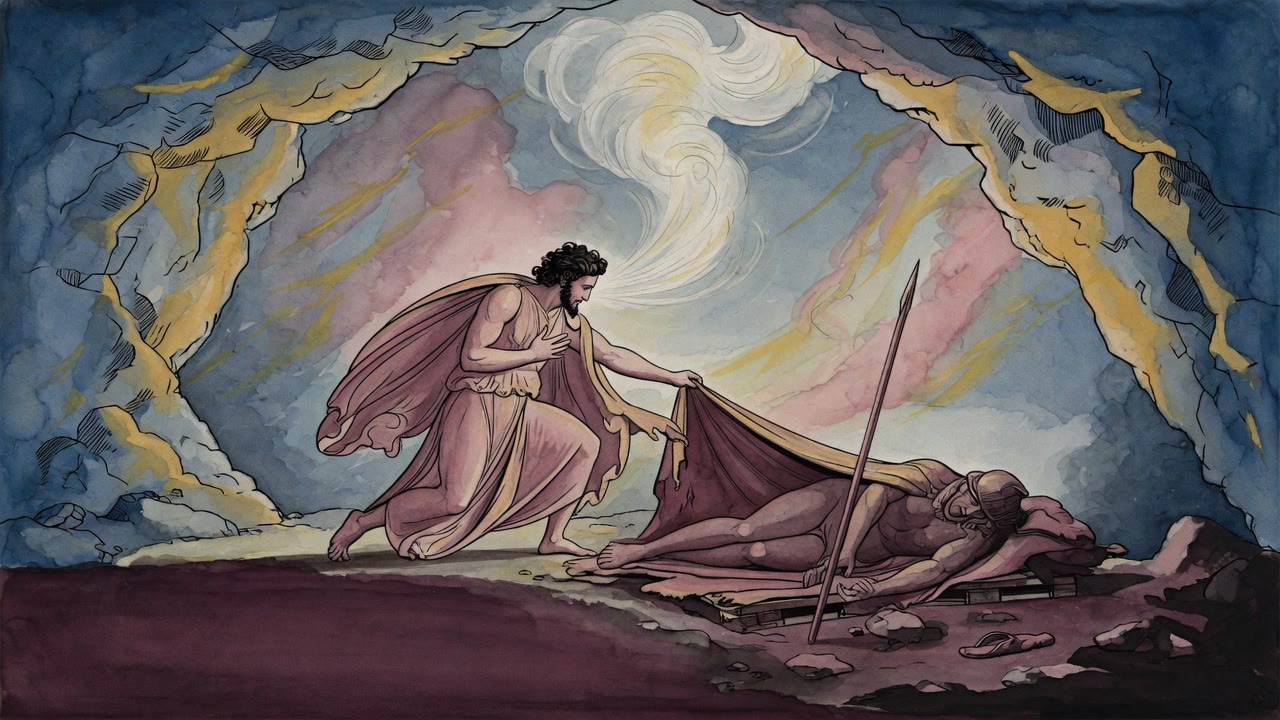
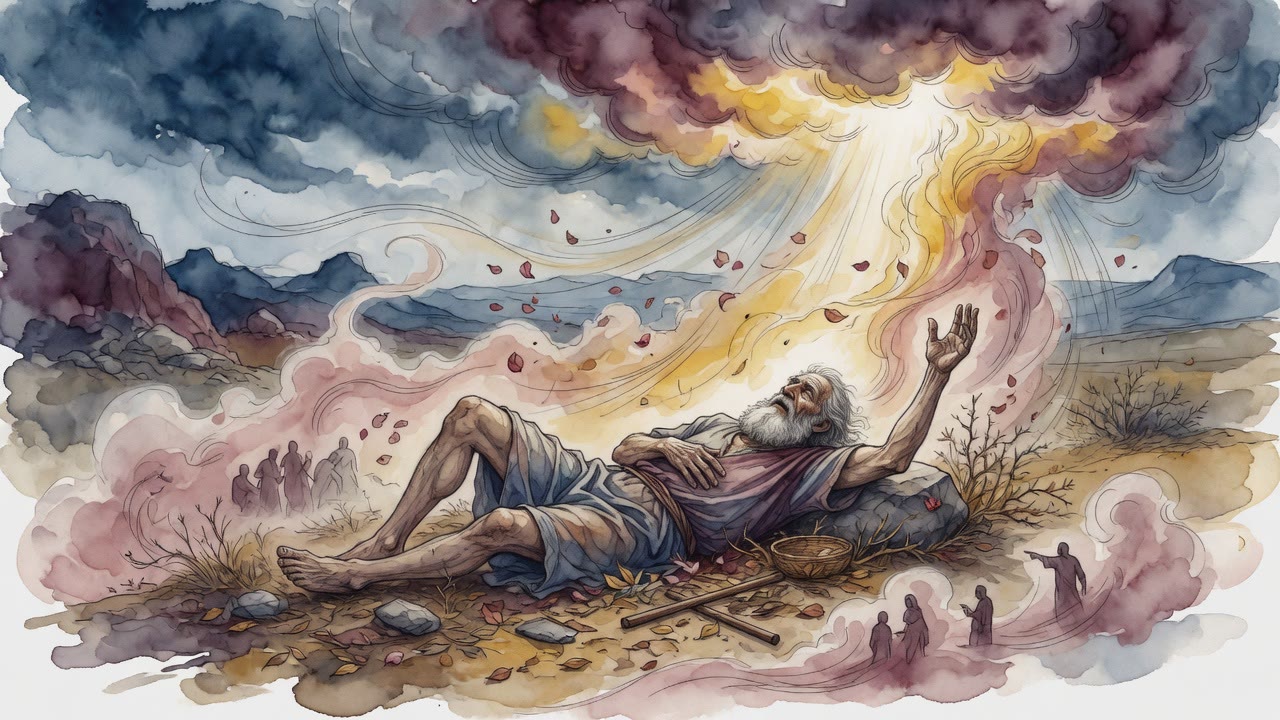
David slipped into the camp at night and took the spear and the water jug from beside Saul's head. At dawn he called across the valley, holding both up.
Table of Contents
 Click for full size
The Legal Term He Chose
David had Saul's life in his hands and let it go. He had slipped into Saul's camp at night, taken the spear and the water jug from beside the sleeping king's head, and retreated to the ridge opposite. At dawn he called across the valley. He held up the evidence of his forbearance. And then he said something that stopped the scene in its tracks.
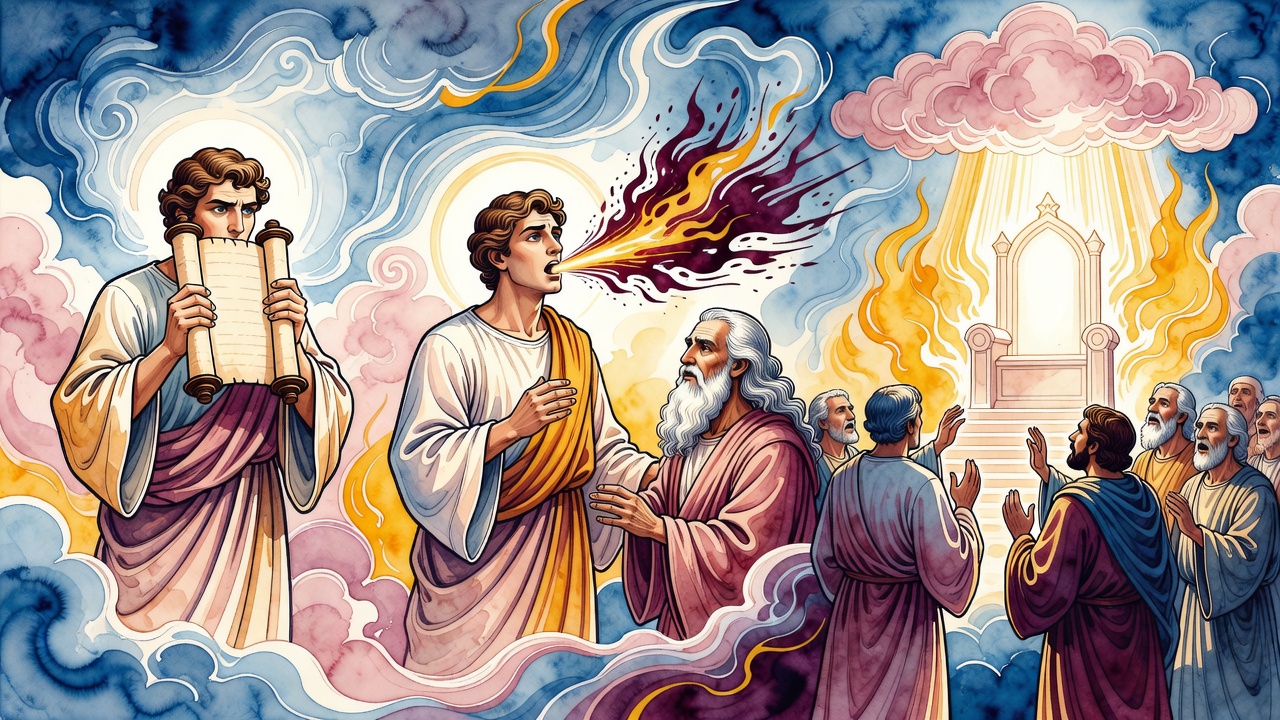
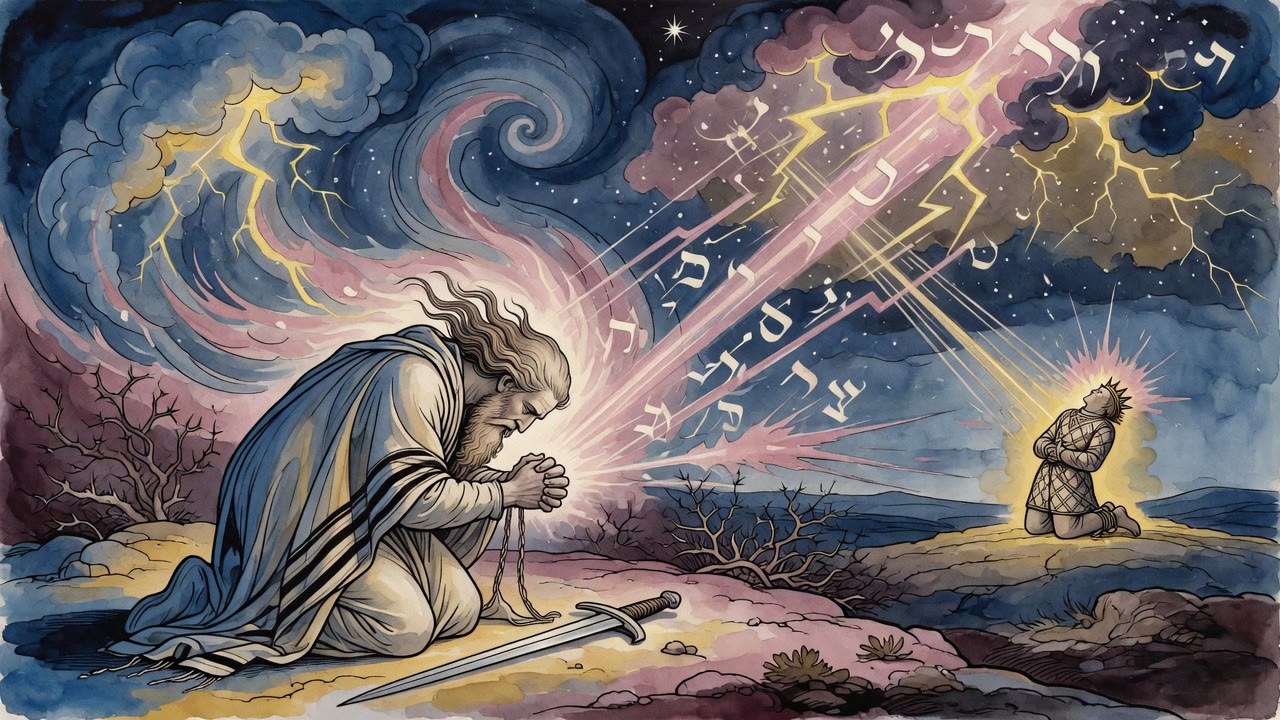
If the Lord has incited you against me, let Him accept an offering. The word David used for incited was hesitecha, the causative form of the root meaning to set someone in motion against another. It was not a polite suggestion. It was a precise term. The teachers of Roman Palestine who read the law of the meisit, the one who leads an Israelite to worship foreign gods, recognized the word immediately. It was the same root used for the crime of incitement in Deuteronomy 13. David had applied a legal category to God's action.
The rabbis noticed, and drew the lesson.
What Incitement Actually Means
The Sifrei Devarim was working through Deuteronomy 13, which describes the meisit with unusual severity. The inciter is not punished through the normal judicial process. He is not given the usual opportunity to have witnesses testify against him, to have his evidence heard in full. The court is instructed to treat his case with particular vigilance because incitement operates through persuasion, and persuasion that leads someone away from God is the most dangerous influence the tradition knows.
What is incitement? The question requires definition. The Sifrei finds the answer in David's own words: incitement is the kind of influence that bends someone else's will in a direction they would not have chosen independently. Saul did not pursue David because of some independent decision to destroy him for rational strategic reasons. Something external operated on him. It entered him. It redirected his judgment. Whether that something was God testing David through Saul's persecution, or the evil spirit that had troubled Saul since the spirit of God departed from him, the mechanism was the same: a will was bent from outside.
Why Saul Lost What David Kept
The tradition asks why God took the kingdom from Saul and gave it to David, given that Saul's public failures were, by most measures, less severe than several of David's later transgressions. The answer it reaches is not about the magnitude of the sin but about the response to rebuke.
Saul sinned and then protected his reputation. He built a monument to himself at Carmel after the victory over Amalek, before Samuel had even arrived to see what he had done with Agag and the cattle. He defended himself, shifted blame, and only when Samuel finally confronted him directly did he admit the transgression, and even then he added: but honor me before the elders of my people. The sin was followed by self-protection.
David sinned and then collapsed. When Nathan the prophet told the parable of the rich man who stole the poor man's lamb and David rose in righteous anger, and Nathan said you are that man, David did not defend himself or shift blame. He said simply: I have sinned against the Lord. The sin was followed by exposure.
The Angel at the Closing Trap
The Legends of the Jews record the moment when Saul had David completely surrounded. The hills had been swept, the valley sealed. There was nowhere left to run. Then a messenger arrived: get back, the Philistines are raiding the land. Saul did not immediately obey. He argued, or at least hesitated, trying to arrange a quick resolution before turning his forces around. The message came again, with more urgency. Saul finally broke off the pursuit and withdrew.
David watched the army turn away from the ridge above him and understood what had happened. The rescue was not strategic. It was not the result of anything he had done. Something outside the scene had intervened, and Saul had been moved in a different direction against his own intention to finish the hunt. David had used the word hesitecha to describe how God moved Saul toward the pursuit. The same word could describe how God moved Saul away from it at the critical moment.
← All myths