Hezekiah Saved Four Books and Buried One
Hezekiah directed his scribes to copy Isaiah, Proverbs, and the Song of Songs. Then he buried a book of cures, and the rabbis praised both decisions.
Table of Contents
 Click for full size
The Copyists in the Palace
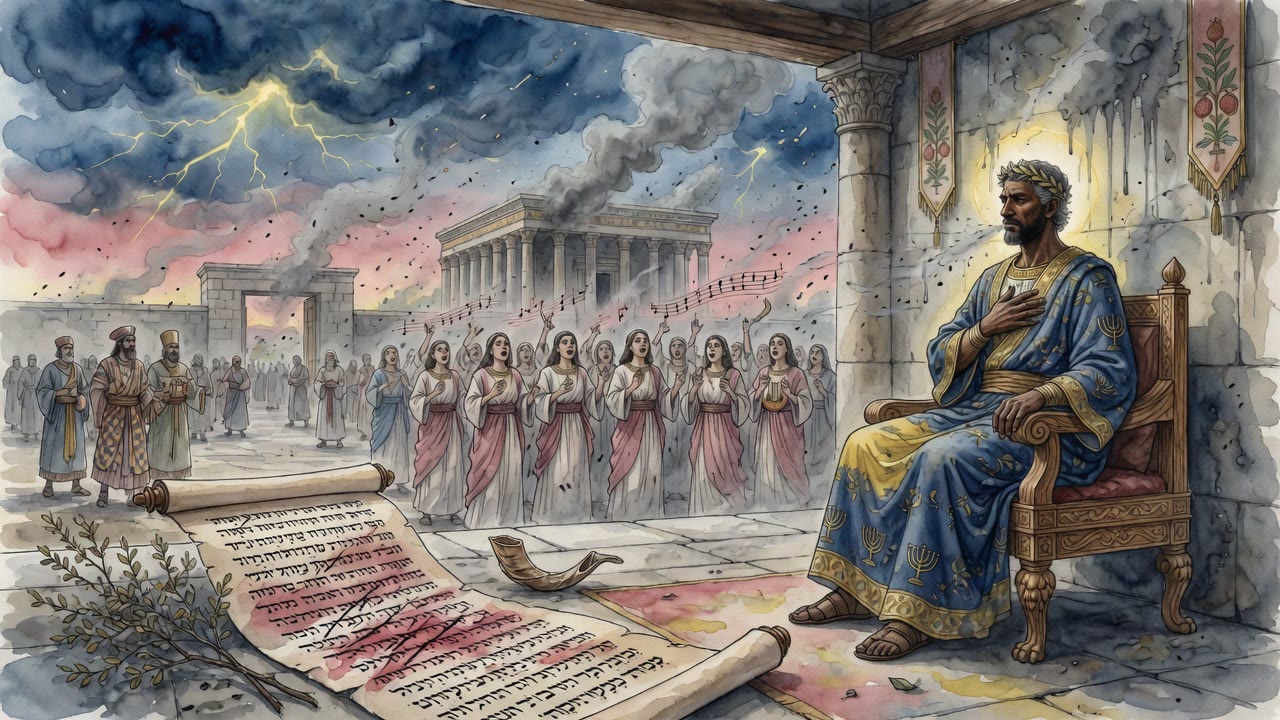
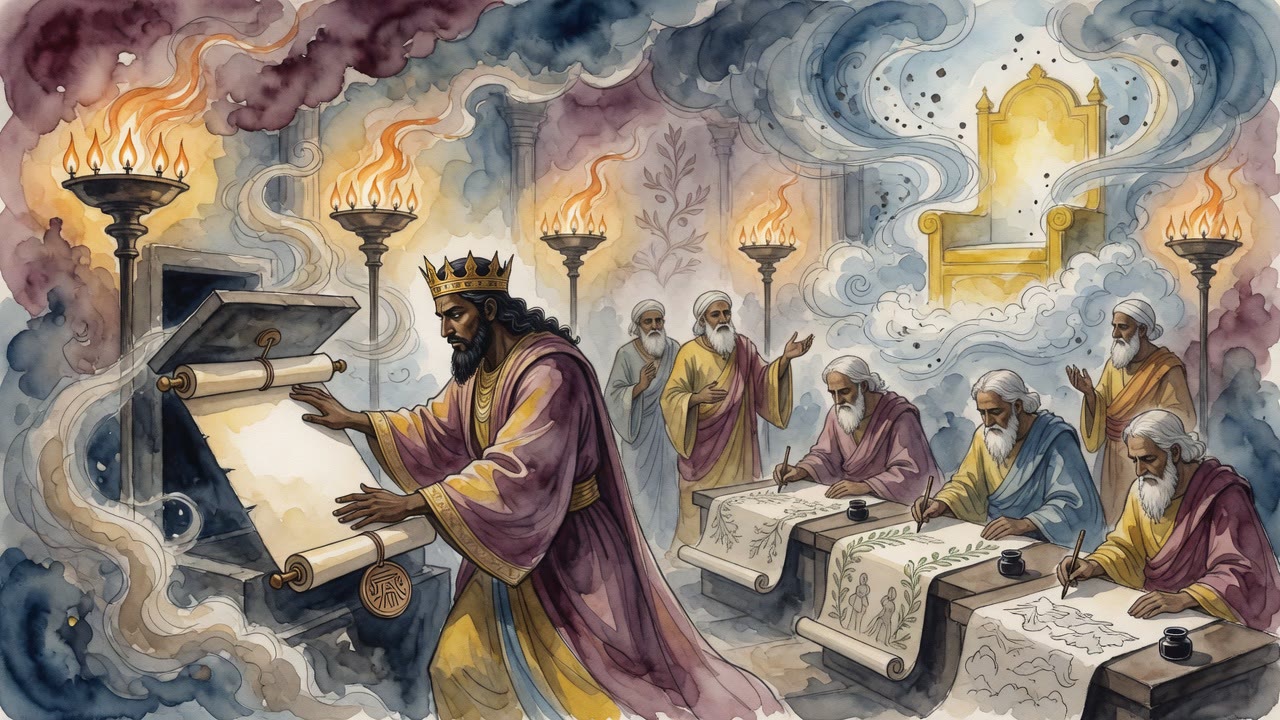
Before the printing press, before multiple copies were the ordinary condition of a text's survival, a book existed in the hands of the people who held it. Lose those people and the book was gone. Hezekiah understood this. He organized his scribes to copy the books that mattered most, making the royal court a center of textual preservation at a scale that only a king's resources could sustain.
The books they copied were Isaiah, the Song of Songs, Ecclesiastes, and Proverbs. These texts existed in the collections of individual teachers and schools, and any one of those collections could be lost to war, fire, or the death of its keeper. Hezekiah multiplied the copies and distributed them. He was not composing. He was insuring.
The Talmud's phrasing in tractate Bava Batra is precise: Hezekiah's men wrote these books. This was a matter of historical record. Isaiah the prophet was alive during Hezekiah's reign. Isaiah composed his prophecies. Hezekiah's scribes ensured they did not disappear.
Why Those Books Were at Risk
Two of the four had been the subjects of debate about whether they belonged in the sacred canon at all. Ecclesiastes contradicted itself, acknowledged the futility of human effort in terms that made some sages nervous, and concluded with a call to fear God that did not fully redeem the bleakness of the chapters before it. The Song of Songs was, on its surface, love poetry about a man and a woman, and while the tradition understood it as an allegory, the literal reading was persistent enough to make its canonical status uncomfortable for some.
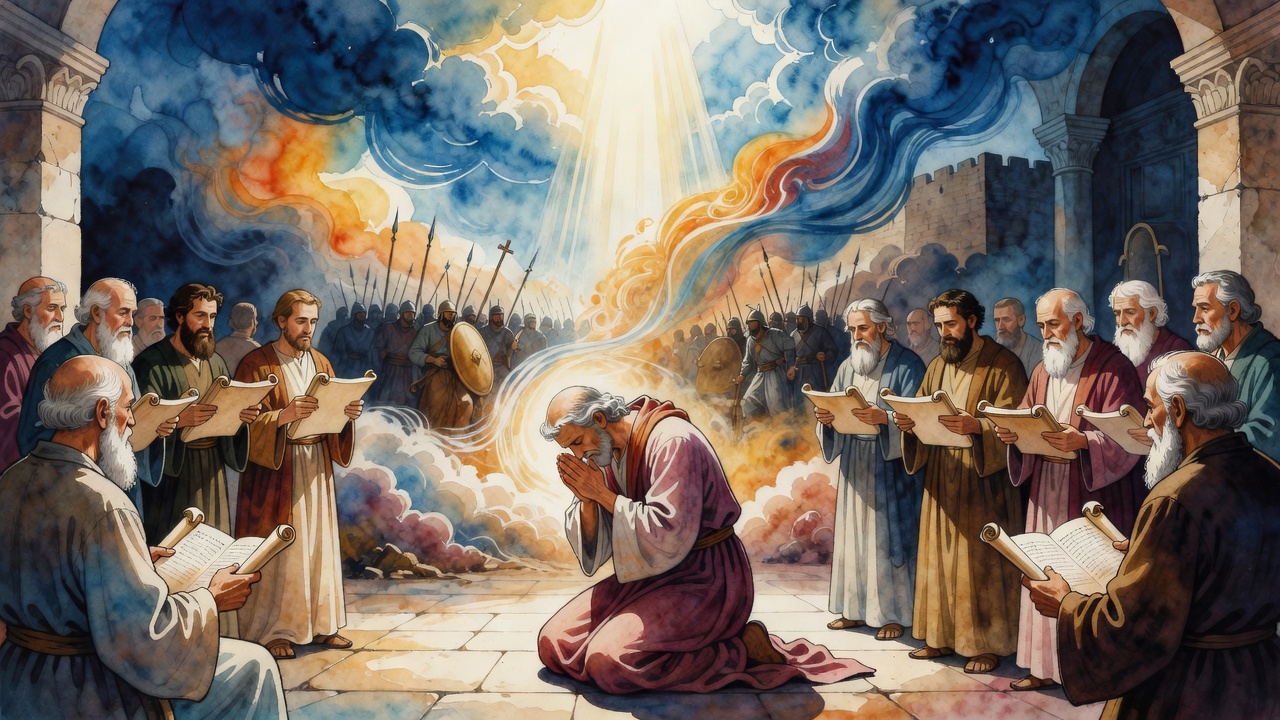
Hezekiah's scribes copied them anyway. A king who had seen his father close the schools and destroy every form of sacred transmission was not willing to let ambiguous texts be quietly left aside. Everything went into the archive.
The Book He Buried
The Sefer ha-Refuot, the Book of Cures, was a medical manual. It contained remedies that worked. It described treatments for ailments and procedures for recovery that the people had been using and trusting. The sages before Hezekiah had approved of it.
Hezekiah hid it. He buried it, removed it from circulation, made it inaccessible to the people who had been relying on it. His reason was simple: the people were trusting the book more than God. When a person fell ill, they reached for the manual before they prayed. The availability of technique had displaced the necessity of faith. The cure was working too well.
The rabbis approved of this too. The Talmud lists the hiding of the book among the acts for which Hezekiah was praised, alongside the preservation of the sacred texts and the reopening of the schools. They were approving, in other words, of a king who deliberately removed something useful because its usefulness was producing a harmful dependence.
The Logic of the Two Acts Together
At first glance the two acts seem opposed. Preserve texts that might be lost. Bury a text that is being used. But the logic is consistent. What Hezekiah was doing in both cases was asking: what does this text do to the people who have access to it? The books of Isaiah and Proverbs and the Song of Songs deepened the people's understanding of their relationship to God. The Book of Cures, whatever its medical value, was weakening the people's sense that God was the ultimate source of healing. Preserve what draws the people toward God. Remove what draws them away from God, even if it is practically useful.
This is a king making theological judgments about information. The rabbis endorsed the judgment not as a precedent for censorship of useful knowledge but as a recognition that Hezekiah had correctly diagnosed what was happening in his kingdom and acted on the diagnosis.
What He Did Not Hide
He did not hide the uncomfortable texts. Ecclesiastes, with its declaration that all is vanity, was copied and preserved. The Song of Songs, which later sages would call the holiest of all texts precisely because of its surface challenge, was preserved. A king who buried the Book of Cures to prevent people from trusting it more than God preserved the most theologically difficult texts in the canon. The logic held: the difficult texts produced questions that drove people toward God. The easy text, the one with practical answers, drove them away.
← All myths