Balaam Was the Last Prophet That God Gave the Nations
Balak paid for a curse. From Peor the hired mouth named a Midianite clan instead. Then the prophetic spirit left him for good.
Table of Contents
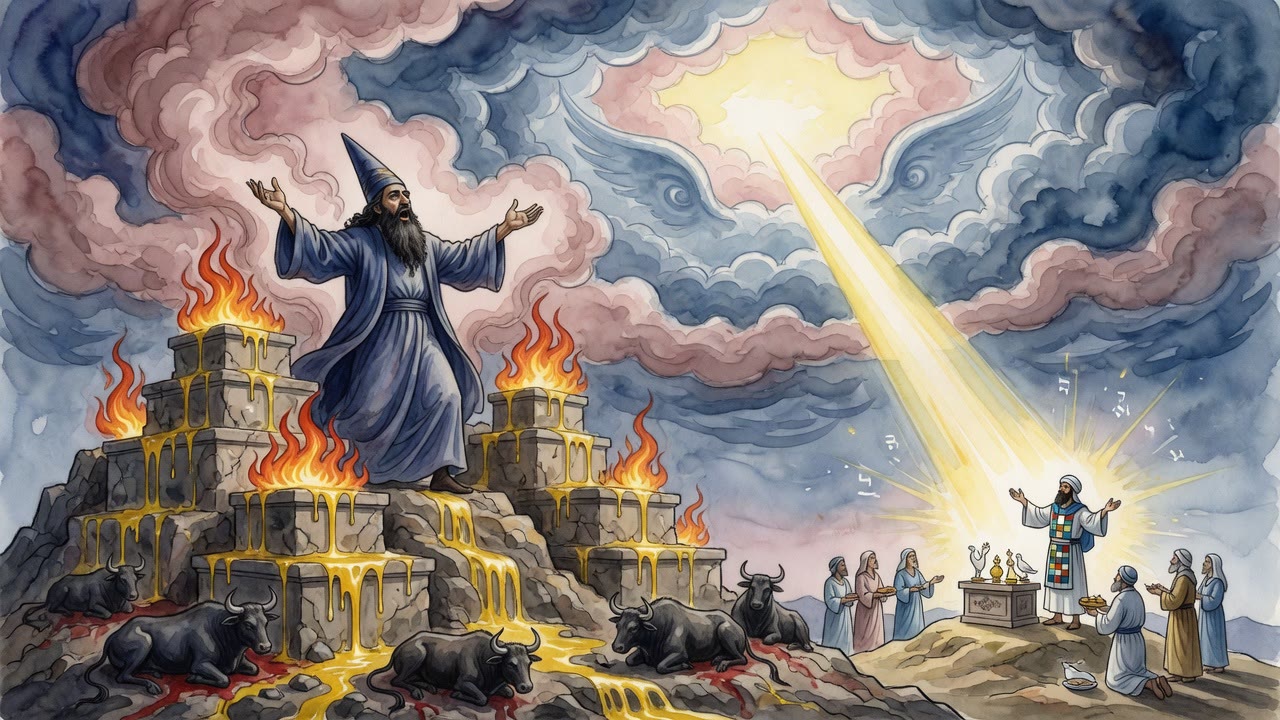
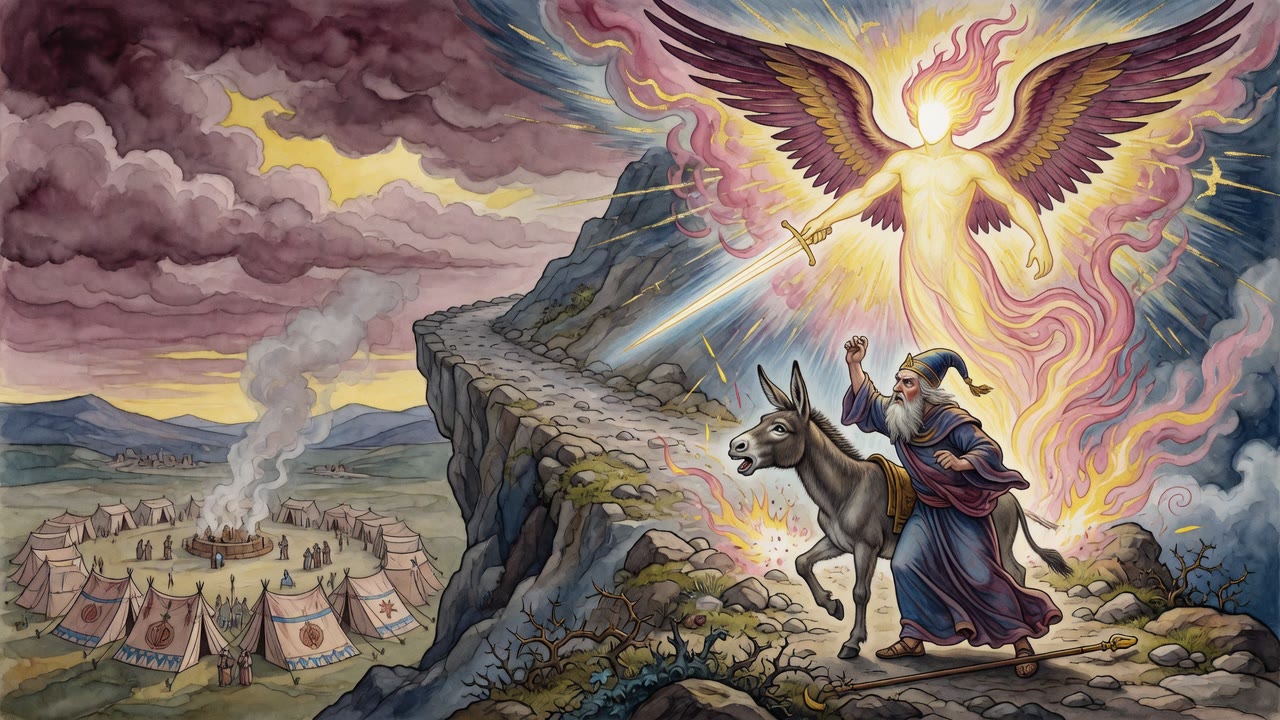
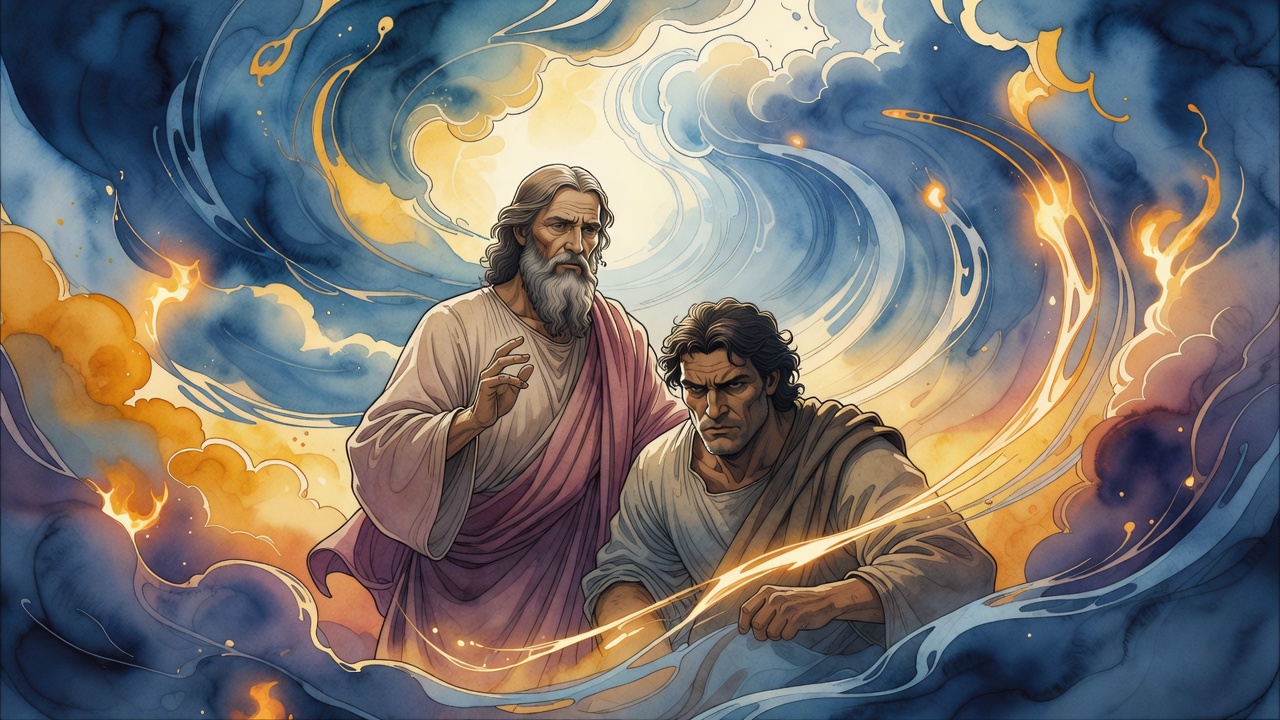
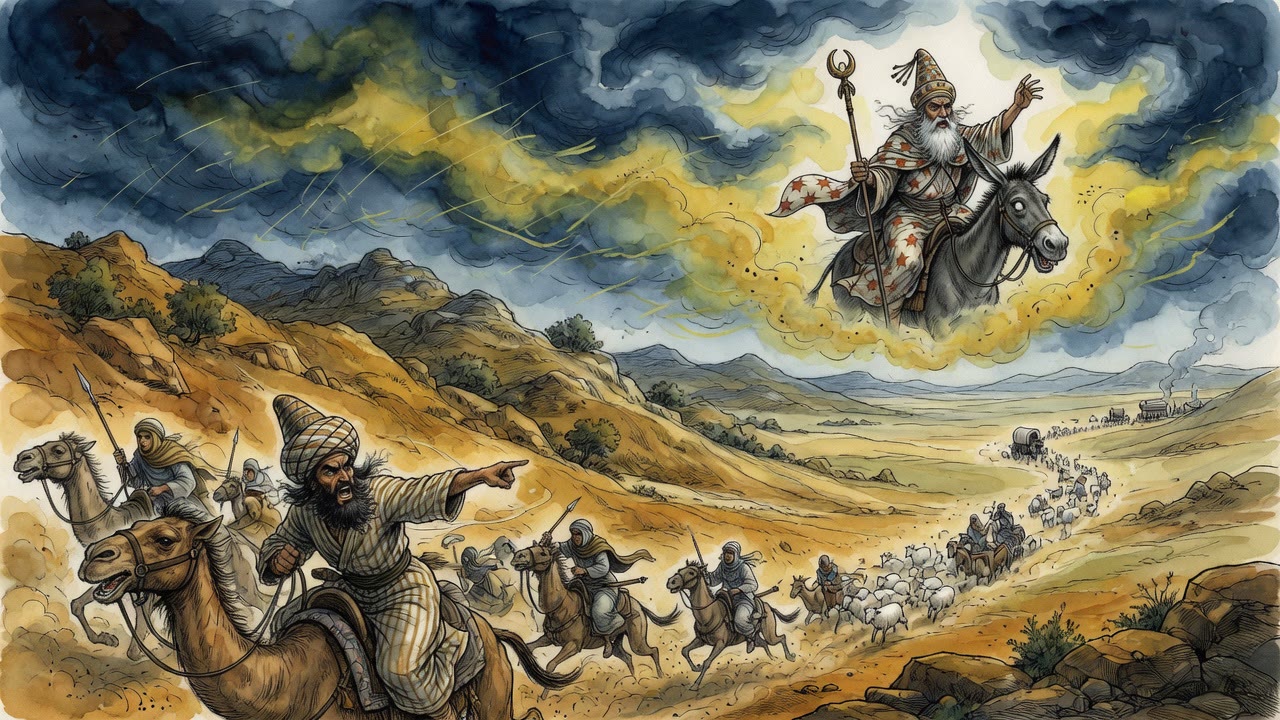
Balaam stood on the bare top of Peor with Balak beside him. The tents of Israel filled the valley below, dark rows on pale ground. Balak had paid for a curse. Balaam opened his mouth.
 Click for full size
Something else came out.
God put a carrying power into that voice. The words did not stop at the edge of Moab. Farmers in countries that had never heard of Israel straightened in their fields. Sailors heard it over water. Every inhabited place on the earth got the same sentence at the same moment, spoken by a man hired to say the opposite.
God Is Not a Man
What the world heard first was a boundary.
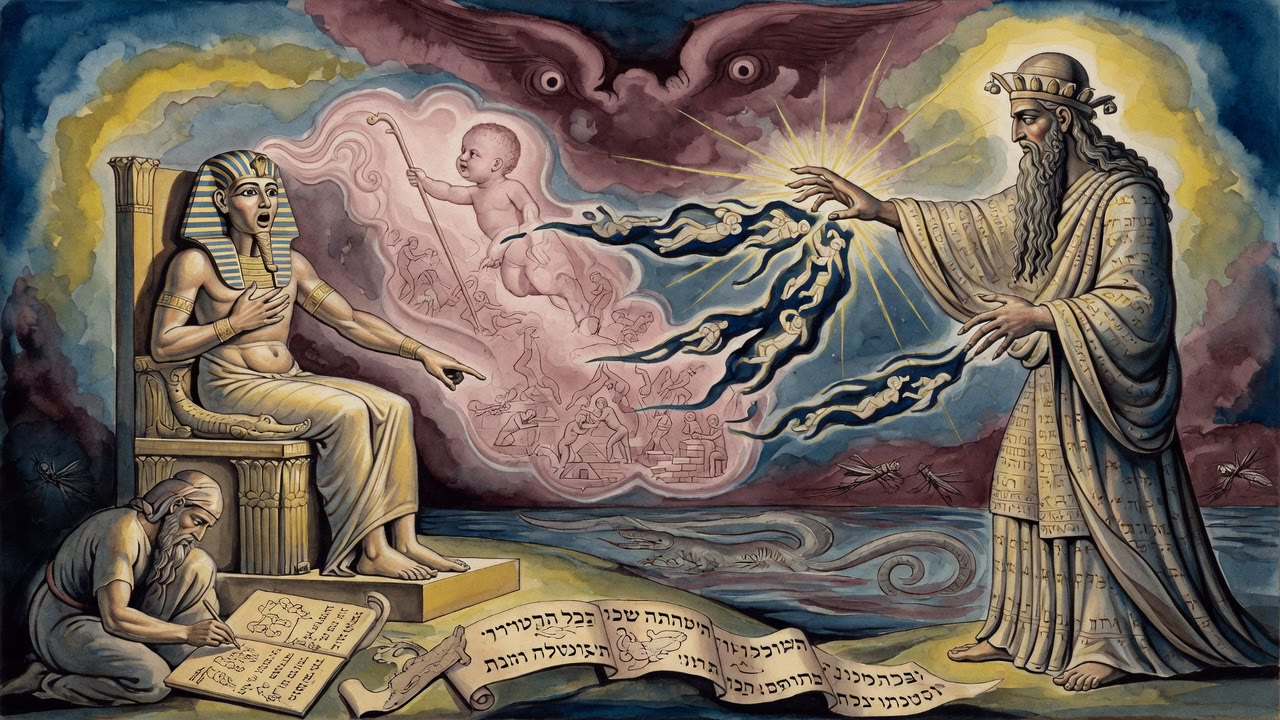
"God is not a man," Balaam said, "and the man who passes himself off as a god is lying. The one who tells you he will vanish for a while and then come back is promising what he cannot deliver. Woe to the nation that listens to him."
Balak had hired a curse and was getting a public warning against impostors, sent to every kingdom that might one day produce one. His face did not move. The money had already changed hands.
He Named the Kenites From the Cliff
Then the sweep opened, and Balaam could not stop it.
He saw David, centuries off, and the wars of that reign. He went further, past every reign, to the last days. Nations came apart. Rome. All of them. Israel standing at the end of it.
All of them but one family.
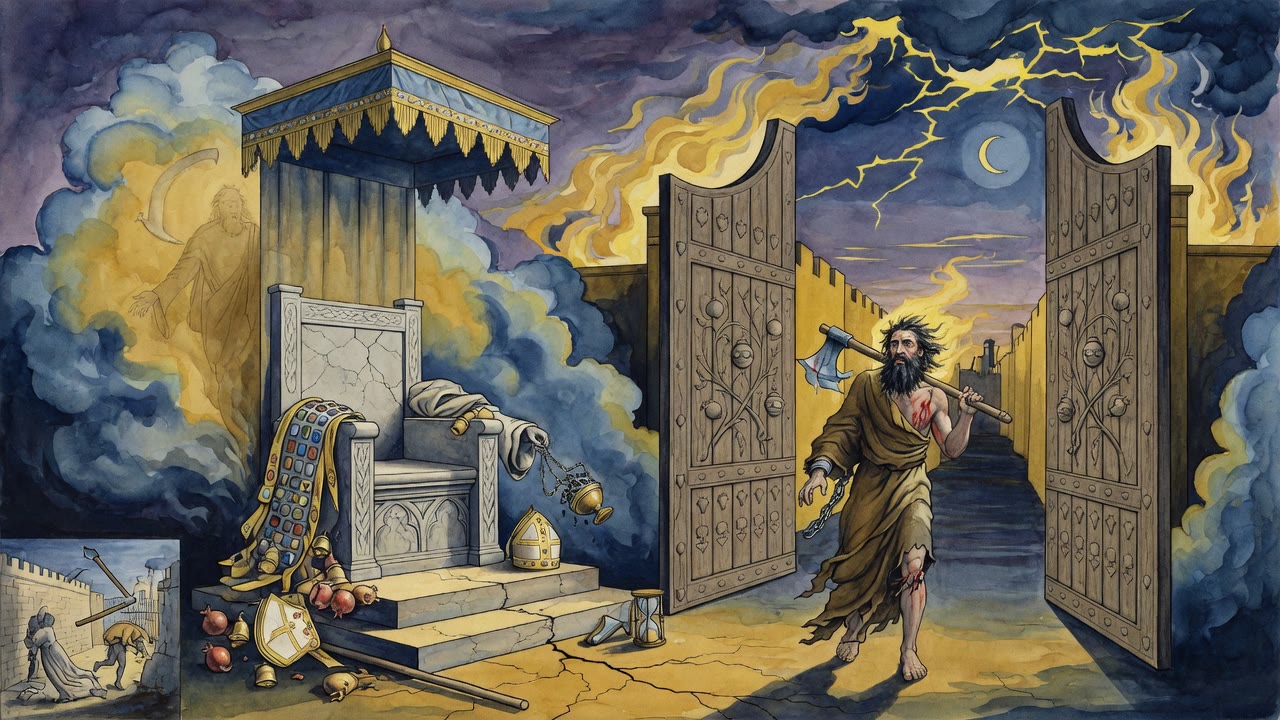
The descendants of a Midianite priest would be spared, Balaam said. They would sit inside Israel's joys and inside Israel's griefs, counted in. The Kenites, the sons of Jonadab, would be the ones to bring news of the Messiah to Israel. First up the road with offerings for the Temple. First to stand in Jerusalem and announce that the city was free.
Balaam had been brought to Moab to break Israel. From the highest ground in the country he named the exact clan that would greet Israel's redemption, and the clan was his own neighbors.
The Girls Who Came Early to the Troughs
The priest in question had been an idol man once. Seven names attached to him over a lifetime, each one a stage. Jether, because the Torah carries an extra section on his account. Jethro, because he ran over with good deeds. Hobab, the beloved. Reuel, the friend. Heber, the associate. Putiel, the one who walked away from idols. Keni, the one who was zealous and who bought the Torah with his life.
The town did not forgive him for the last three.
His daughters had to work around it. They reached the wells before anyone else, in the grey before the shepherds came out, and hauled water up hand over hand until the troughs were full. It never worked. The shepherds arrived, drove the girls off, and watered their own flocks from the troughs the girls had just filled. Then the girls went home empty.
One morning a man nobody knew sat by that well. He had killed an Egyptian and run for his life and had nothing. He got up and drove the shepherds off and watered the flocks himself. Jethro took him in. Moses married Zipporah. The man who would take Israel out of Egypt spent forty years keeping a Midianite's sheep.
That is the family Balaam named from the cliff. The water at the trough came back as a place in the redemption. A stranger got fed and housed by a man his own town had turned on. Generations later the descendants of that man are the advance party at the rebuilt Temple, coming up out of the wilderness with gifts while everyone else is still working out what has happened.
The Spirit Left Him on Peor
Then it stopped.
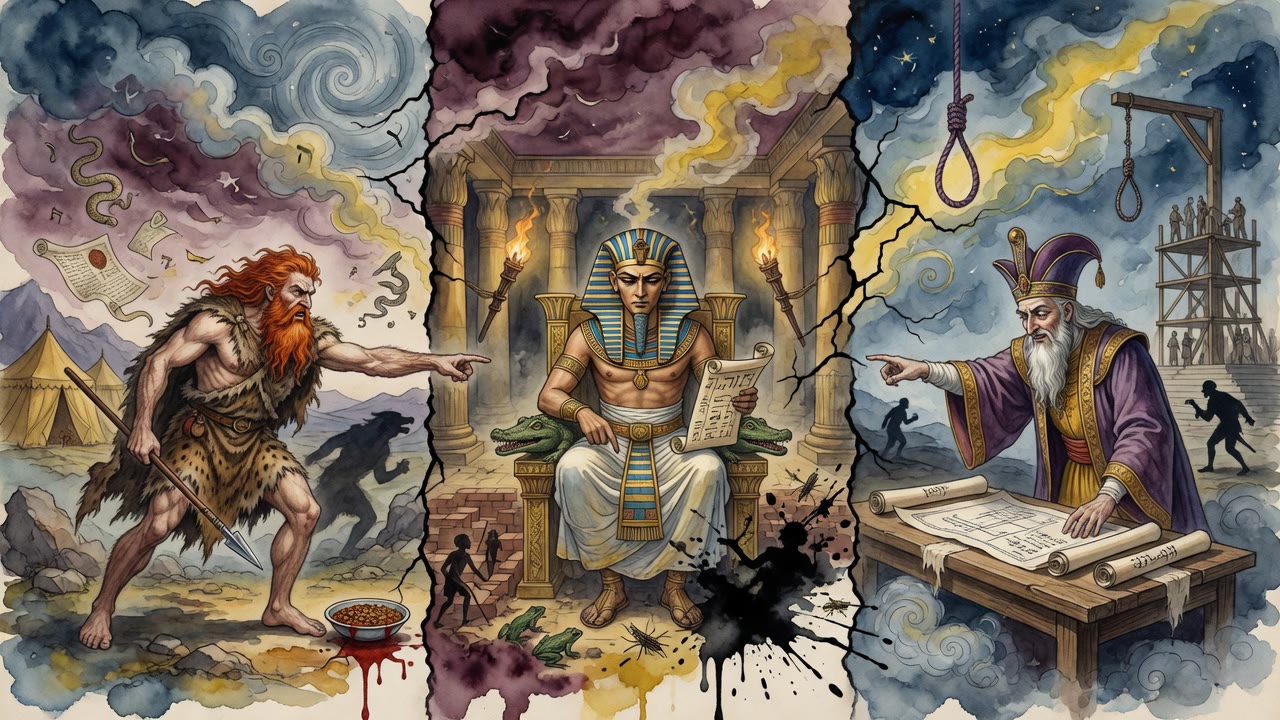
The prophetic spirit went out of Balaam on that hilltop and did not come back. He came down off Peor an ordinary man with a reputation. He went to Moab and then to Midian, and turned to the only trade he had left, which was selling advice on how to hurt Israel by other means.
Moses had asked, once, that prophecy belong to Israel and to no one else. God had held the request open. On the cliff at Peor He granted it, and the way He granted it was by not replacing Balaam. No prophet was ever given to the nations again.
The last thing the last one of them said was where to stand when the Messiah comes. The address he gave was a tent camp in the wilderness of Judah, downwind of the sheep.
← All myths