112 texts · Page 1 of 3
This particular passage is about a time of profound transformation. It paints a picture of people turning towards the Divine—"with all their heart and with all their soul and with ...
We're not talking politics here, but something far older, something almost mythical. Let's turn to the Book of Jubilees, an ancient Jewish text also known as Lesser Genesis, that o...
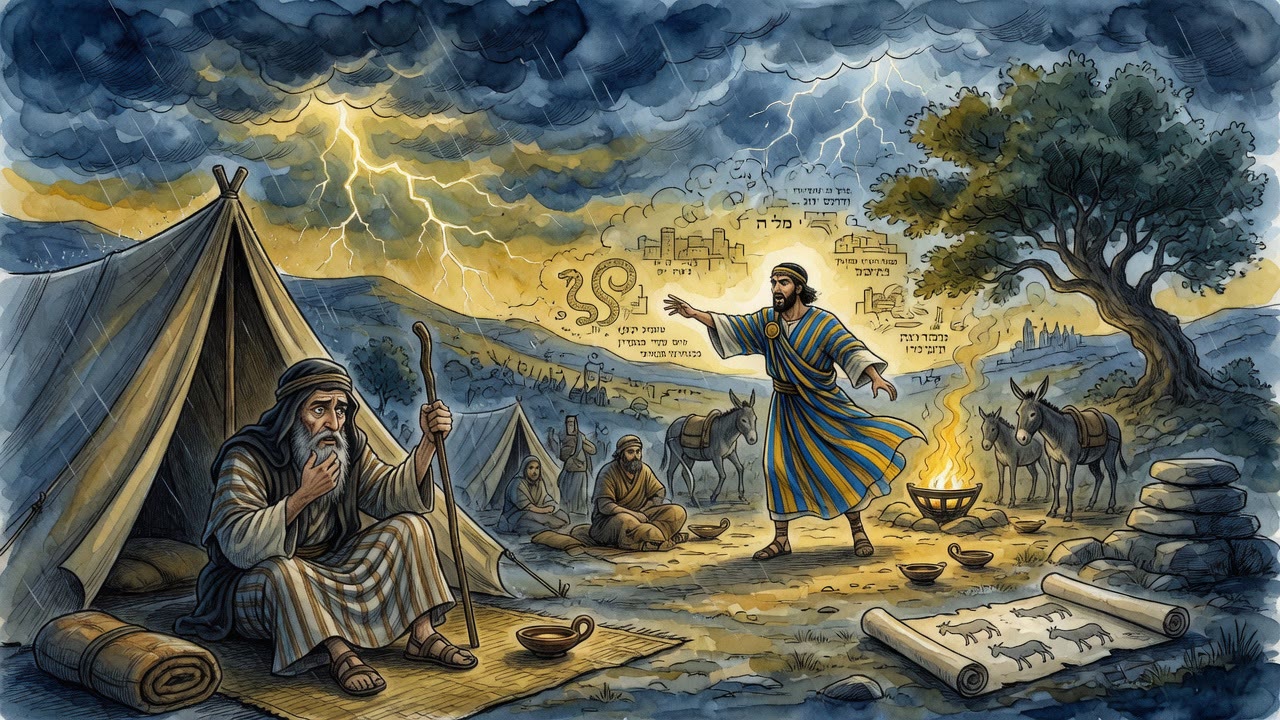
In this ancient text, which some consider to be part of the broader Jewish apocrypha, we find a pivotal moment concerning Abraham, his wife Sarah, and a promise that reshapes the d...
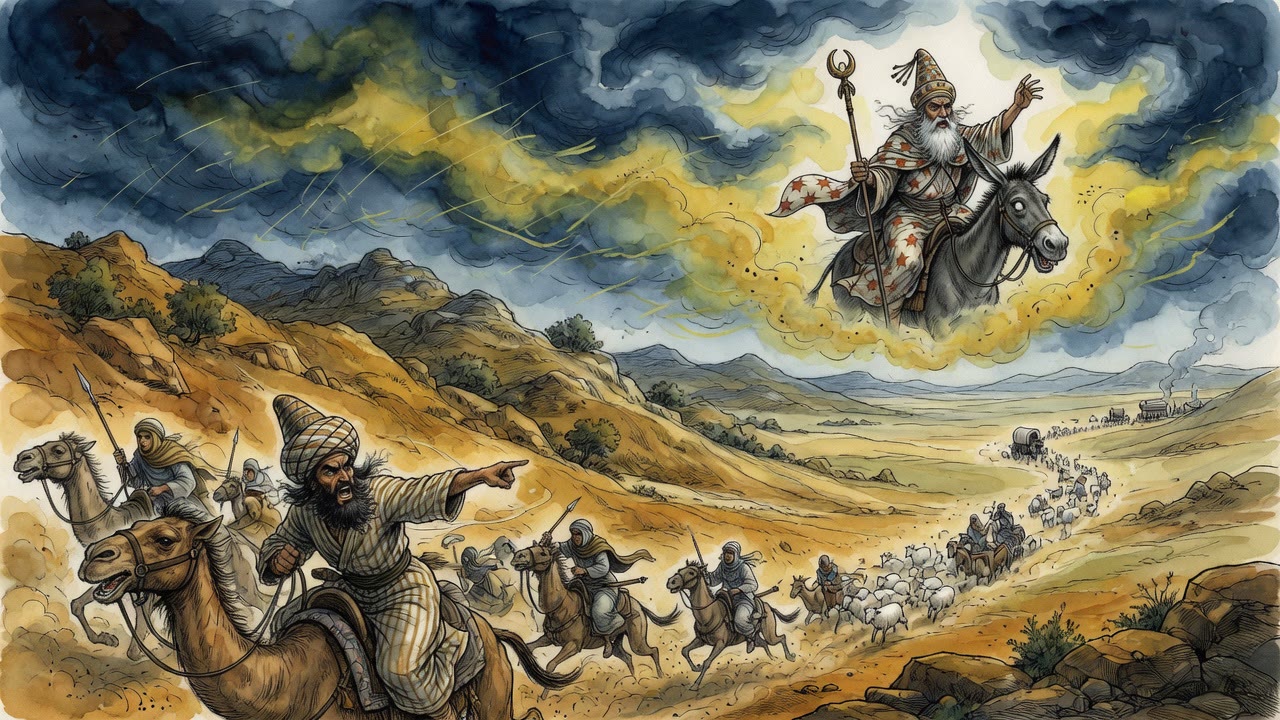
That’s kind of the vibe as we jump back into the Book of Judith. Remember Nebuchadnezzar? Still king, still convinced of his own divine status, and still not thrilled that some nat...
Then you might find inspiration in the story of Judith. But before Judith herself takes center stage, there's a moment of divine imperative, a command echoing through the ages, set...
That’s the feeling you get reading about Holofernes in the Book of Judith. He was that terrifying. We’ve talked about Judith, about her courage and her faith. But to truly understa...
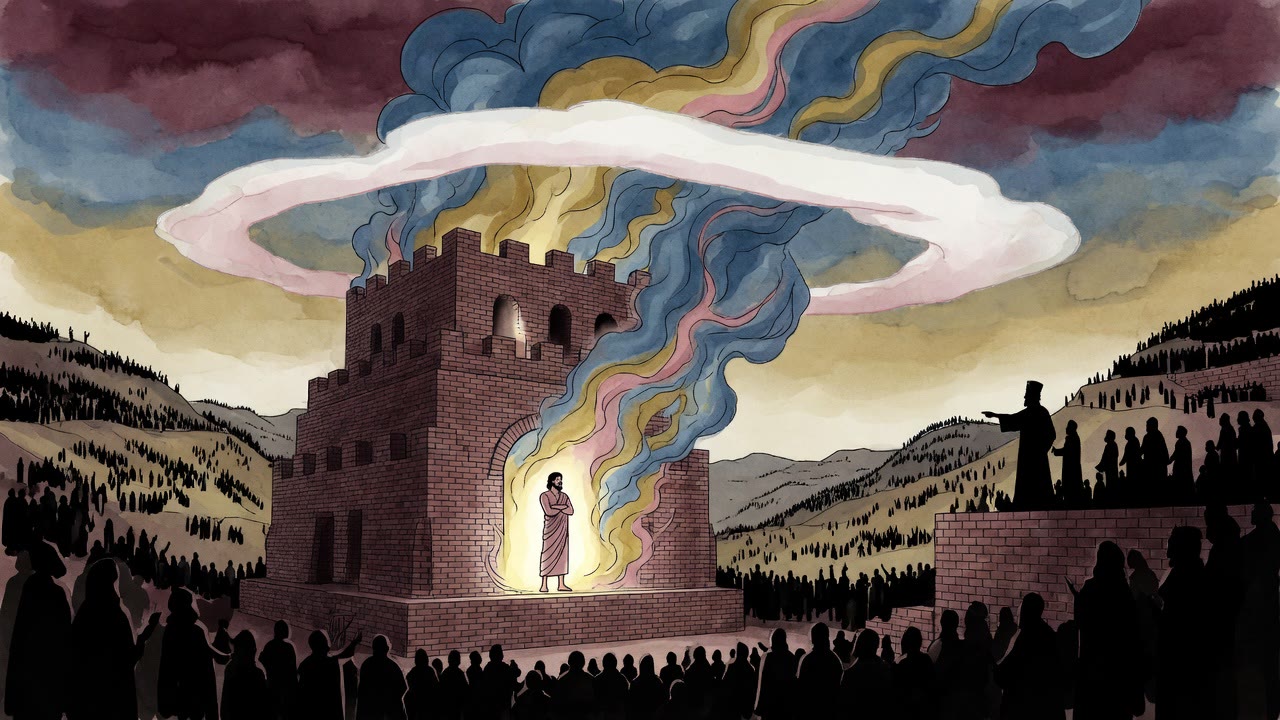
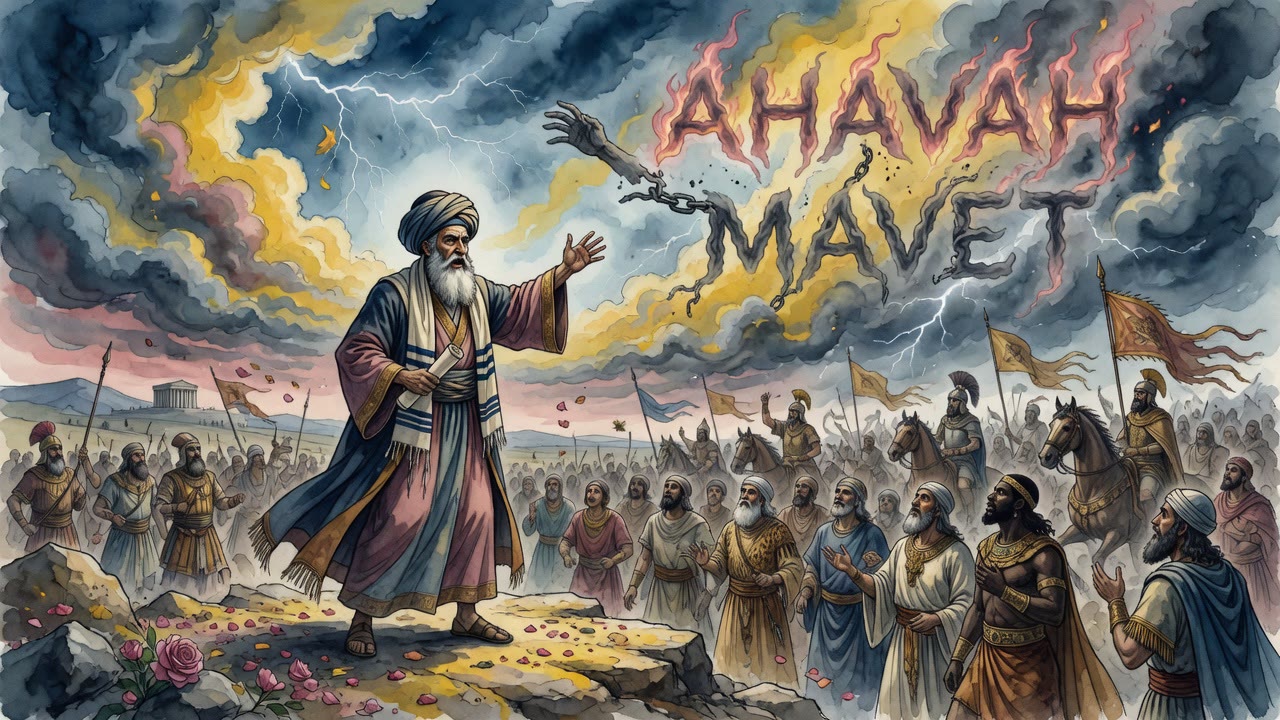
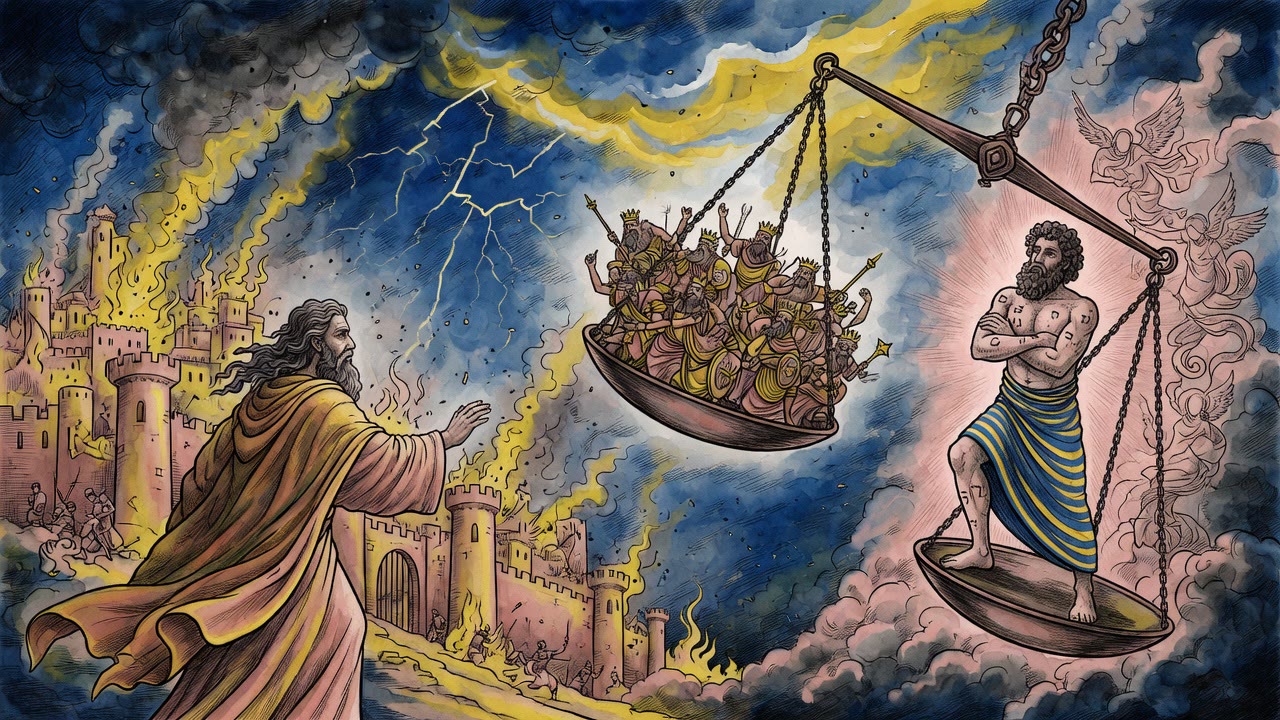
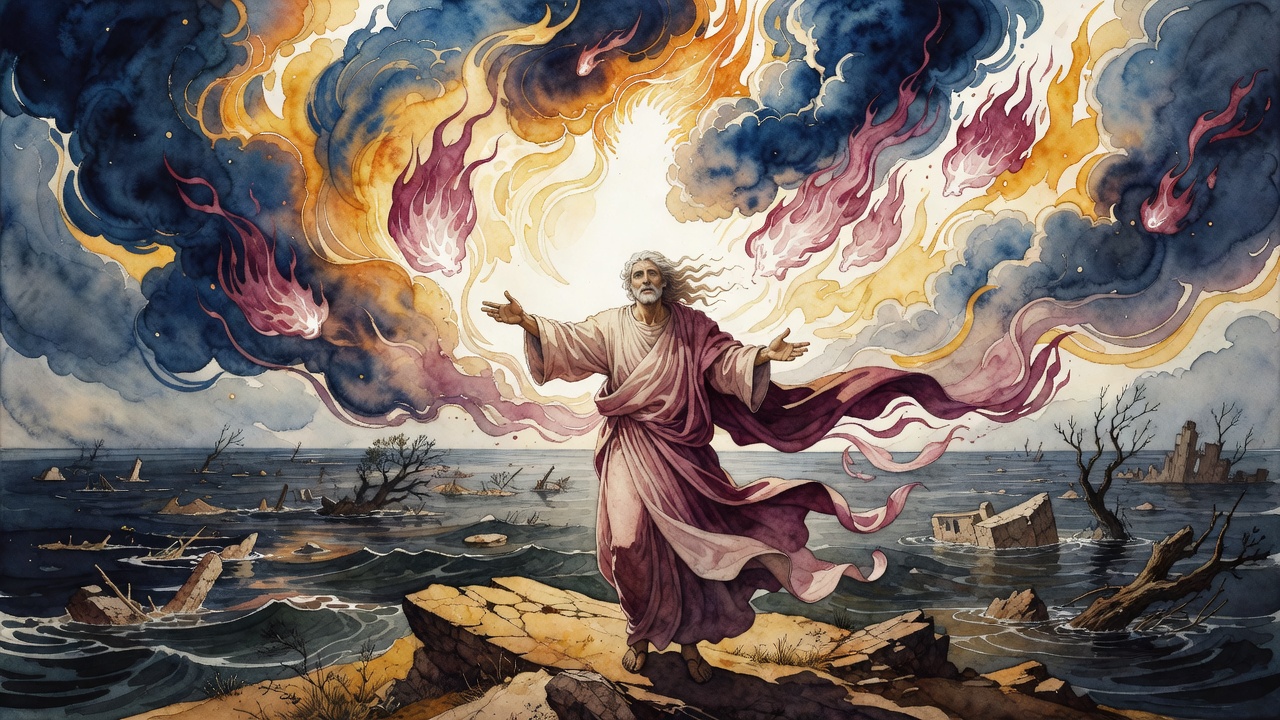
Baruch stood on Mount Zion. The ruins smoked beneath him. And then a voice fell from the height of heaven like a stone. "Stand on your feet, Baruch, and hear the word of the mighty...
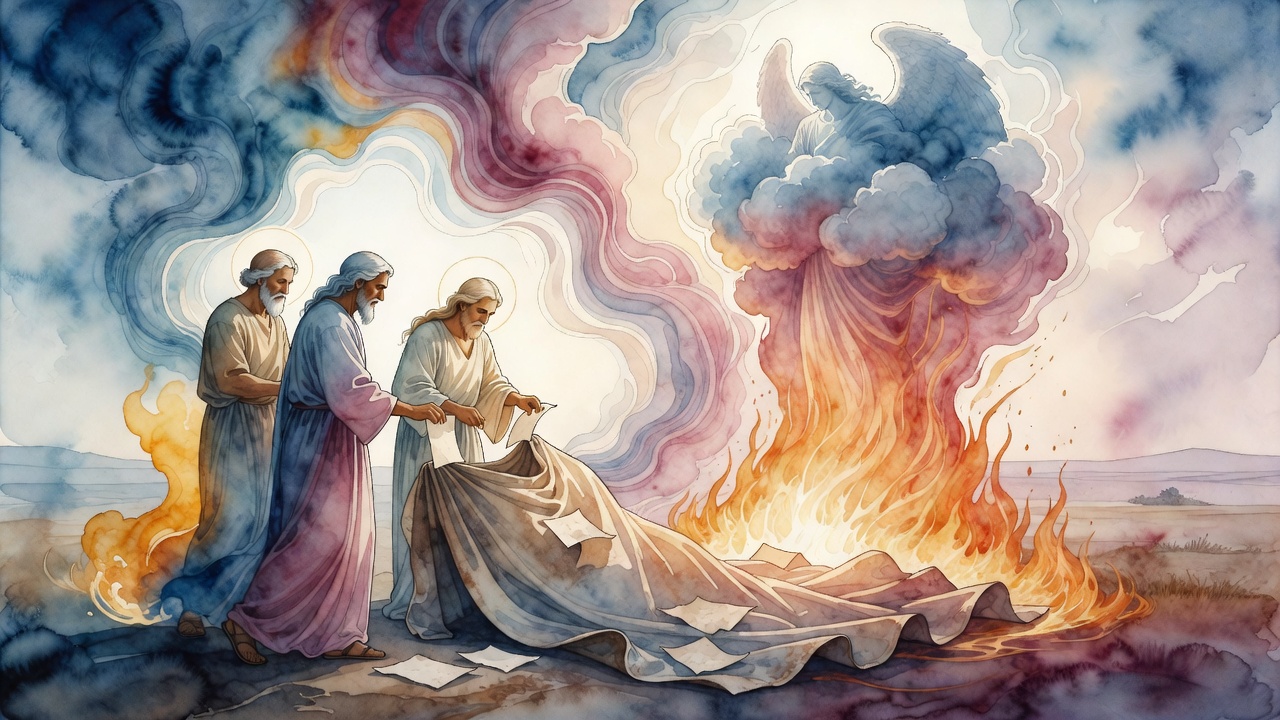
Baruch went to the holy place — the place where the Temple once stood — and sat down on the ruins. The ground where the high priest had once offered sacrifices and placed fragrant ...
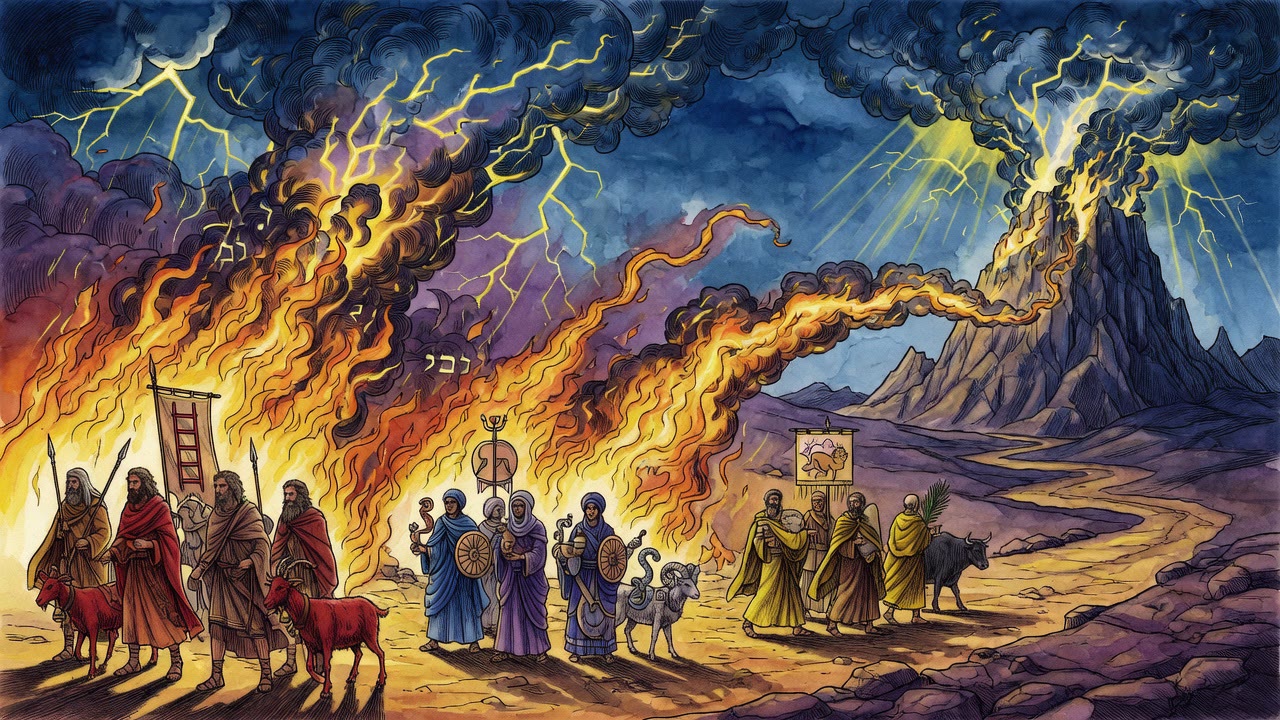
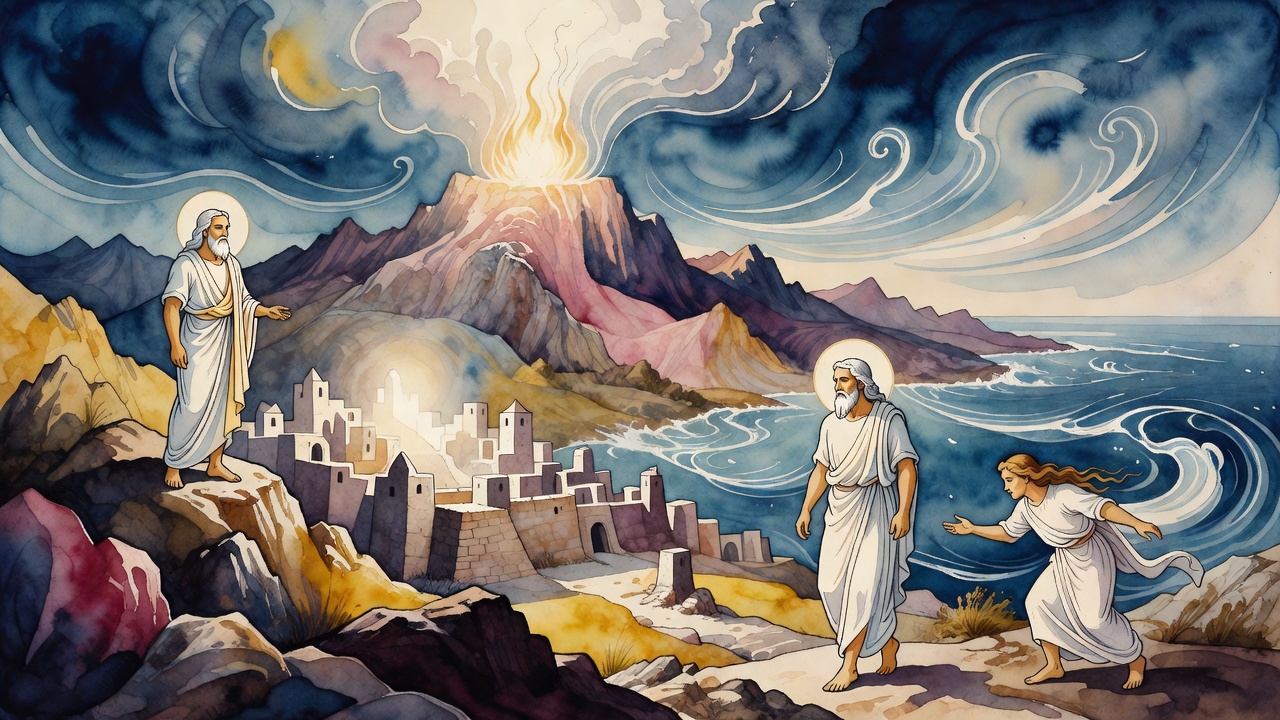
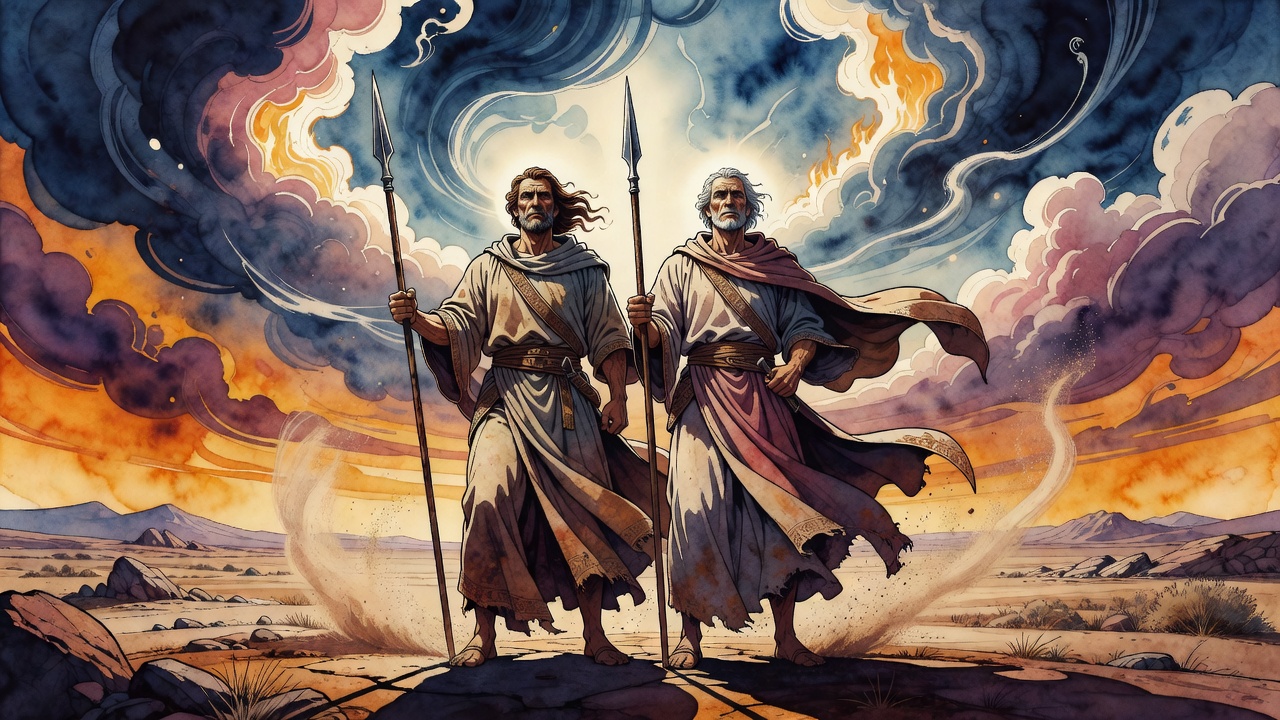
Talk about a wake-up call! He and his people were terrified, convinced a similar fiery doom might be headed their way. Can you blame them? Abimelech, understandably shaken, summons...
Did they just shrug it off? Were they curious? Intrigued? According to the Legends of the Jews, they had some pretty strong opinions, actually. So, the story goes that when they he...
That's just a glimpse of the awe-inspiring power we're about to explore. This isn't just about destruction; it's about the raw, untamed force of the Divine, a power that both terri...
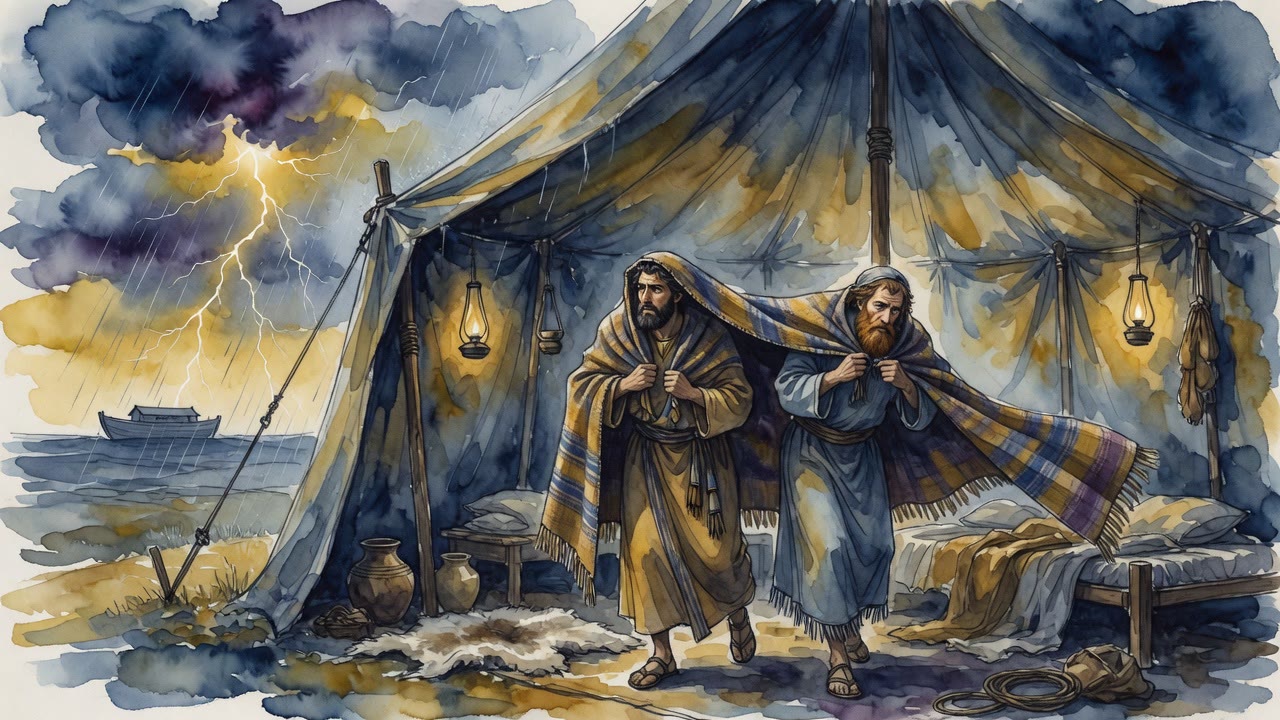
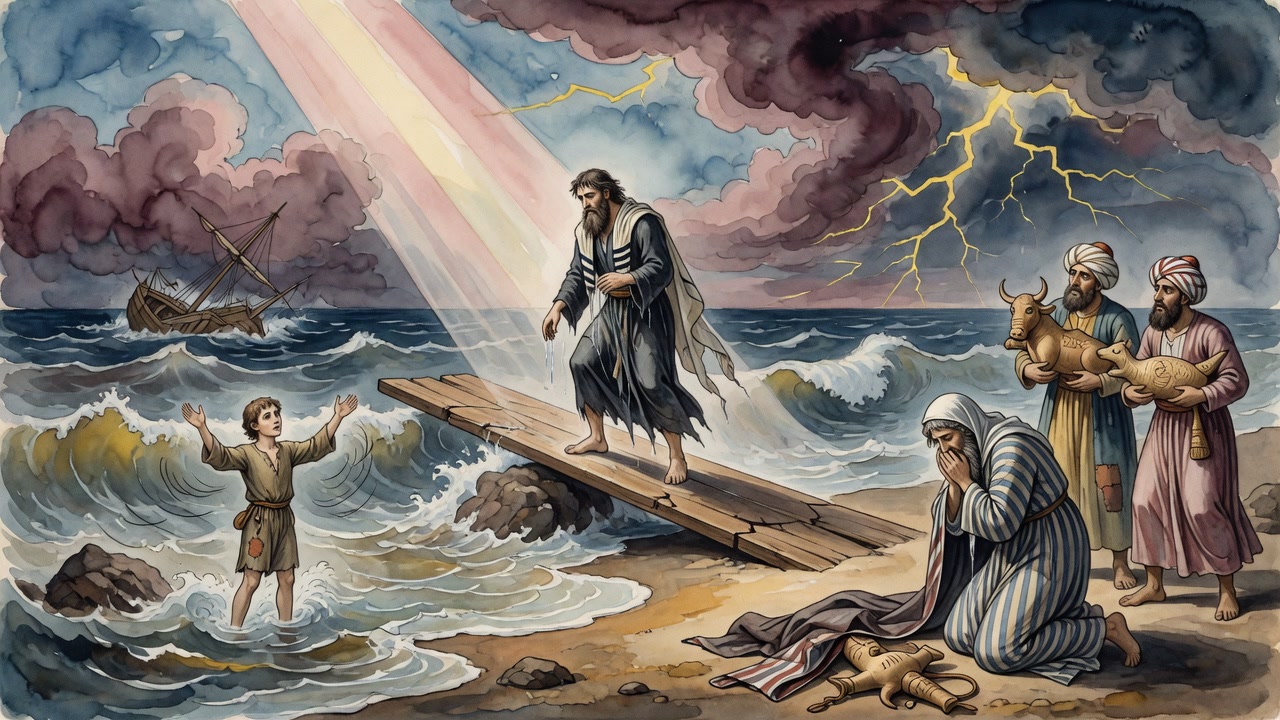
But let me tell you a story about a literal boat, a literal storm, and a prophet named Jonah. Now, we all know the story of Jonah and the whale (or big fish, depending on the trans...
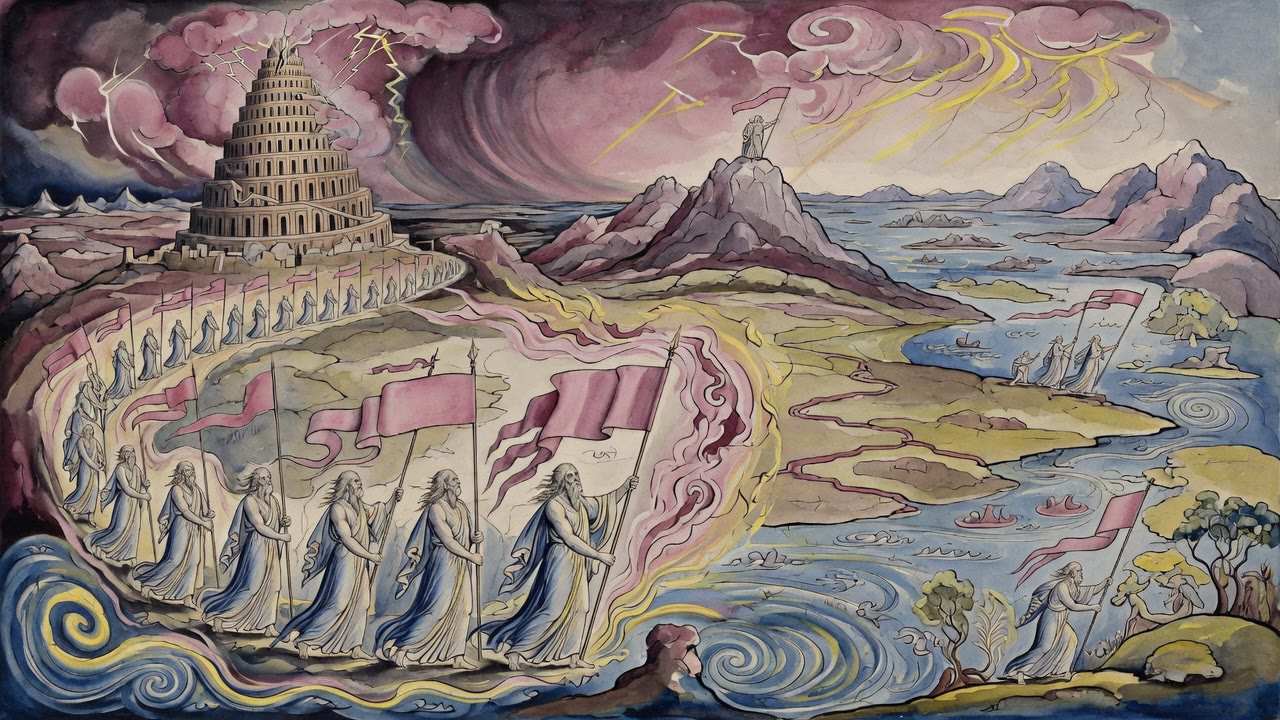
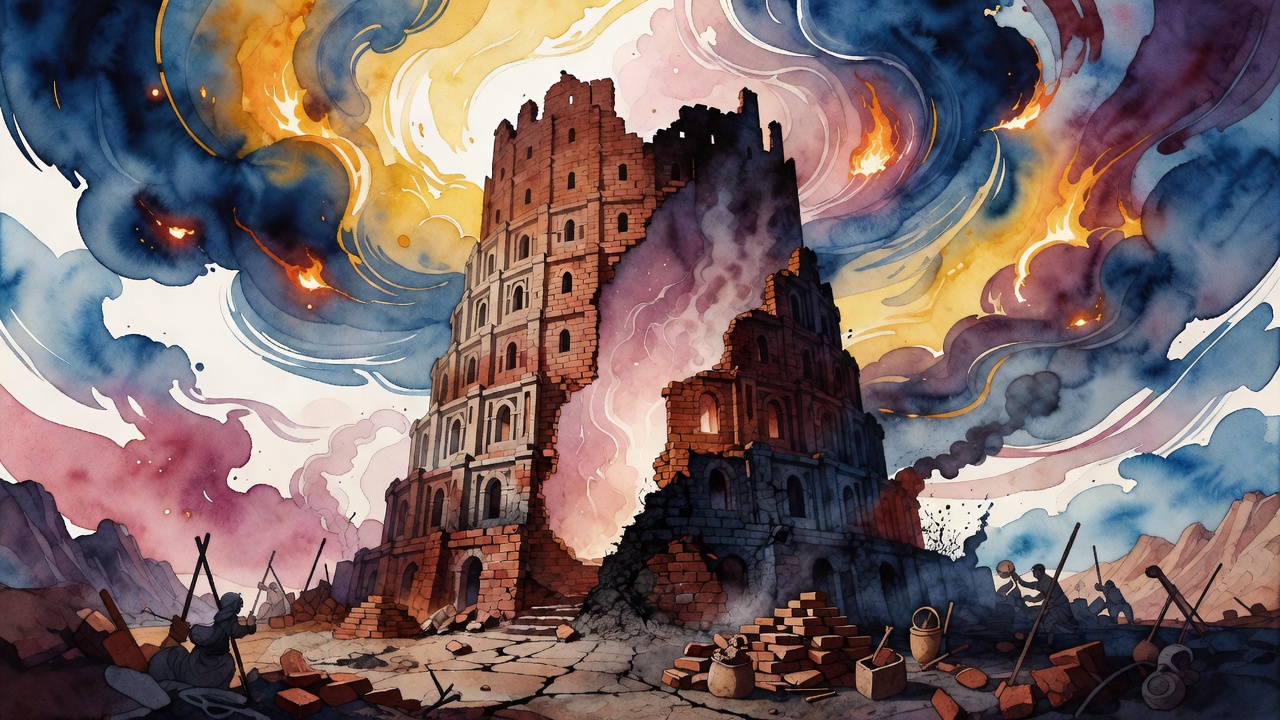
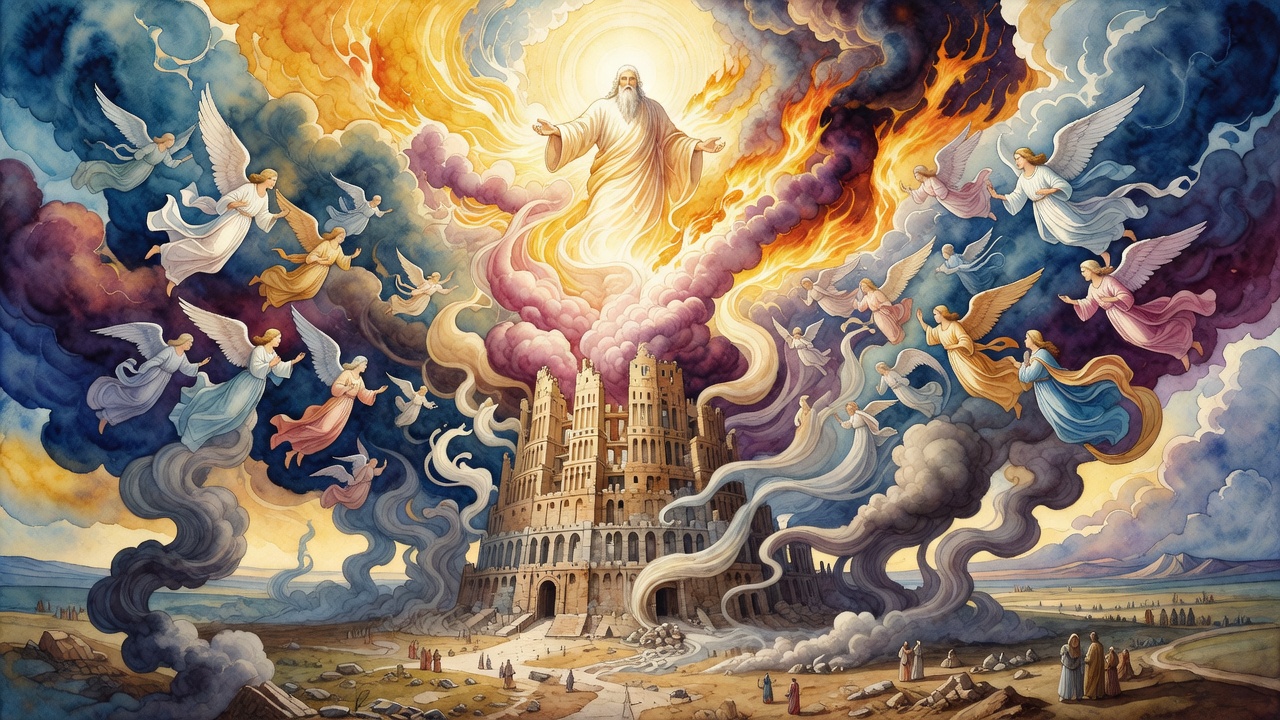
Nimrod wanted revenge on God. That's how Josephus frames the Tower of Babel—not as a confused construction project, but as one man's deliberate act of defiance against the Creator ...
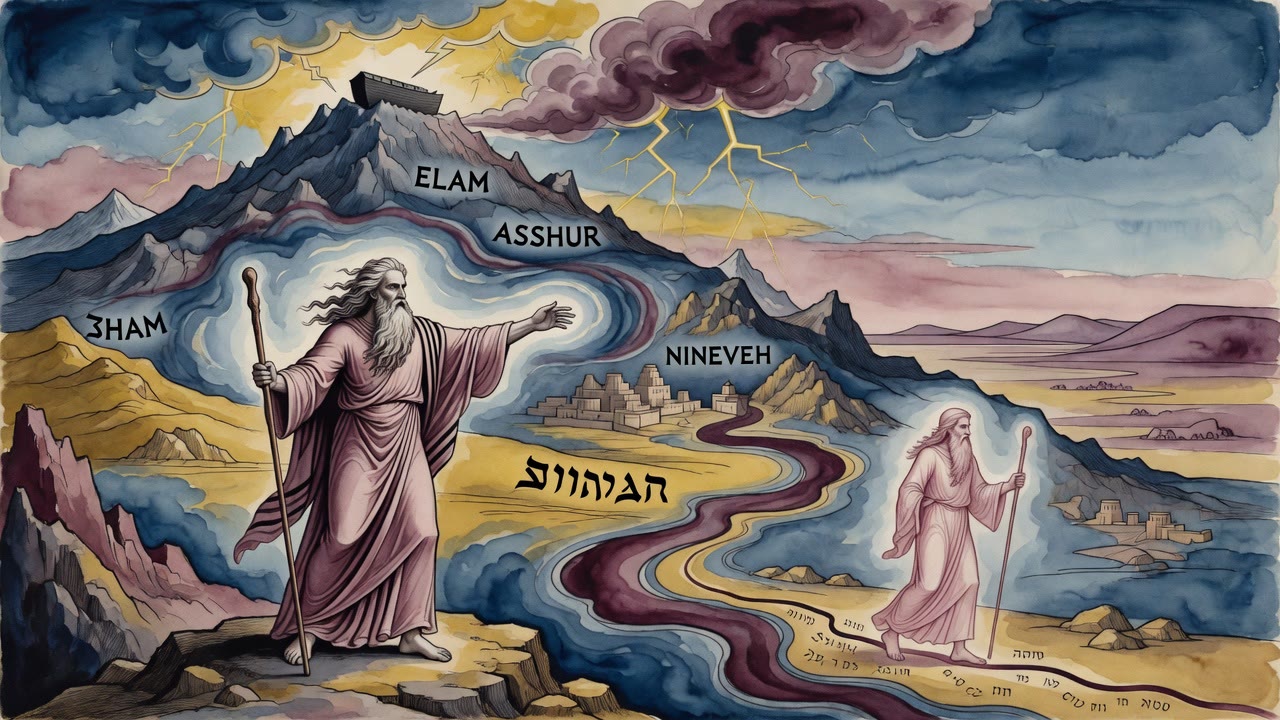
Every nation on earth traces back to one of three men. That's the claim Josephus makes in the Antiquities, and he spends two chapters proving it—mapping the seventy nations descend...
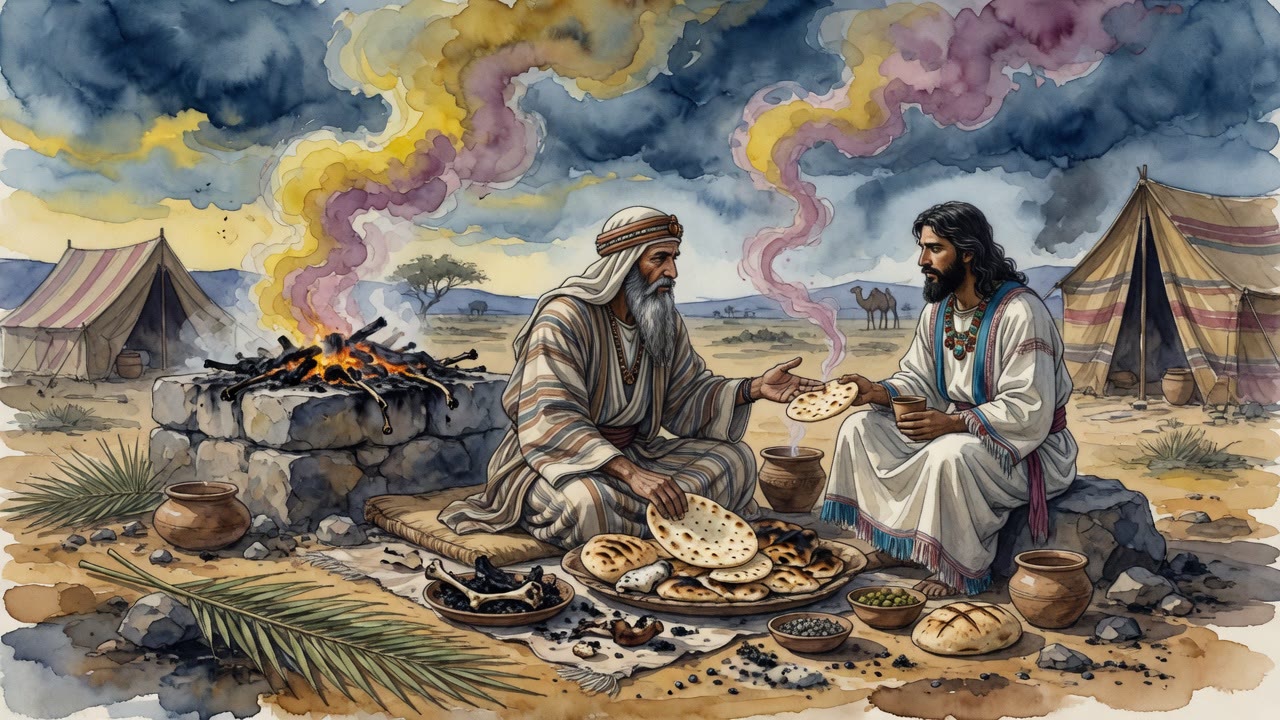
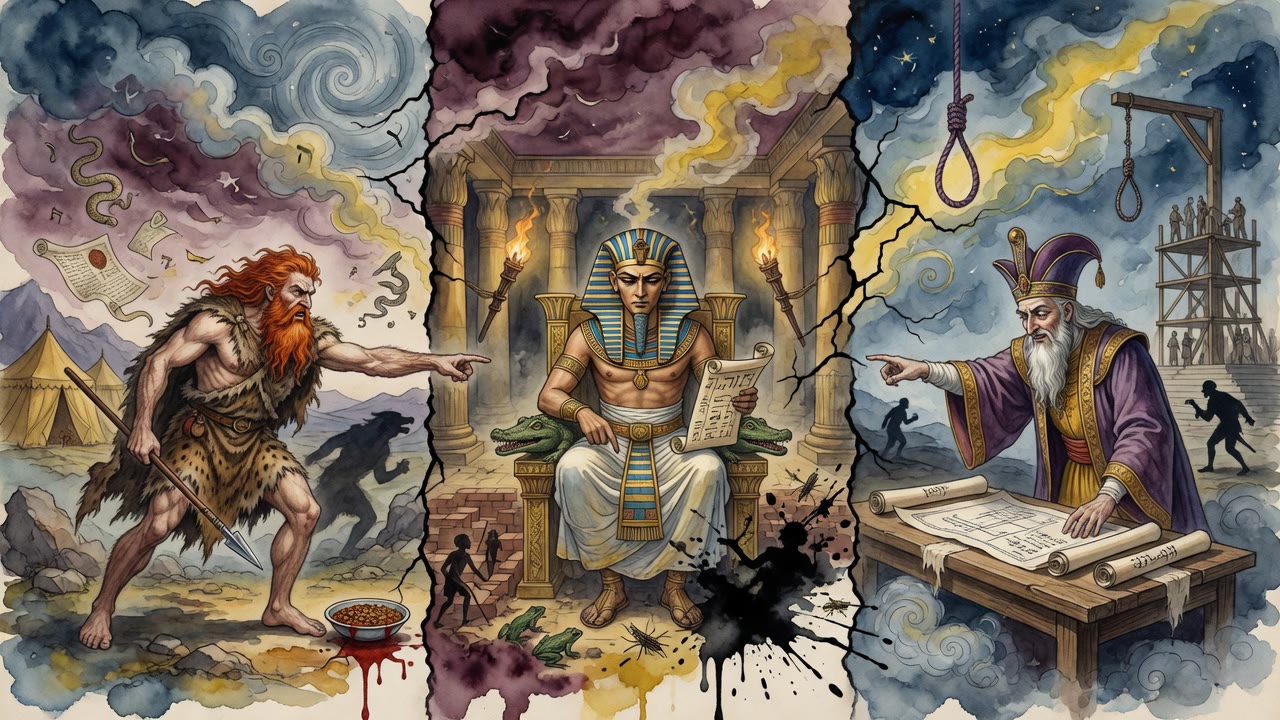
The whole thing started with a bowl of soup. Esau came home from hunting one day—starving, exhausted, still a young man—and found his brother Jacob cooking lentil stew. It was brig...
He paints a picture of a future where the light of wisdom will shine so brightly that even the most unlearned will recognize the greatness of Torah scholars. Imagine a world where ...
That's where things get interesting. See, before anything can exist, there has to be a way to measure it, to portion it out. That’s where the ten sefirot (the divine emanations) co...
And it's precisely where we begin our journey into the depths of Kabbalah, Jewish mysticism. "What should make me believe that there is a Ruler of the world?" That's the question t...
These are the ten emanations of God in Kabbalistic thought, the ten attributes through which the Divine reveals itself to the world. But here's a question that might pop into your ...
Sometimes, the Jewish mystical tradition, especially when we delve into the Sefirot (the divine emanations), can feel a bit like that. There's this text, Kalach Pitchei Chokhmah ("...
Now, before your eyes glaze over, let’s break that down. The Sefirot (סְפִירוֹת) are often described as the ten emanations of God's divine energy, acting as attributes through whic...
It's not just anatomy they're interested in; it's something far deeper. They see the human form, what they call Demut Adam (דמות אדם), as a reflection of something incredibly profo...
Jewish mystical tradition offers a profound, and frankly, pretty comforting explanation. It all boils down to the idea of the breaking of the vessels, a concept explored in texts l...
That feeling, that’s a glimpse into the mysteries of the Sefirot (the divine emanations). In the Kabbalah, the Sefirot (סְפִירוֹת) are the ten emanations of God's divine light, act...
And it all comes down to a fascinating interplay of divine names. In the Kabbalah, the ancient Jewish mystical tradition, everything is interconnected. Nothing is random. Everythin...
It suggests that everything that has happened, is happening, and will happen is interwoven. Nothing is isolated. No action, no matter how small, exists in a vacuum. This idea isn't...
It's a bit intricate, so buckle up! Our journey centers on Zeir Anpin, often visualized as the "Lesser Countenance" or the "Son" in Kabbalistic symbolism. Think of it as the active...
For centuries, mystics and scholars have grappled with the Sefer Yetzirah (ספר יצירה), the "Book of Formation," a foundational text of Jewish mysticism. It’s a slim volume, but pac...
Rabbi Yonathan taught a striking principle about eclipses. Both solar and lunar eclipses, he declared, were given as signs — but not for Israel. They were relegated entirely to the...
The Torah states in (Exodus 12:16) that "all labor shall not be done" on the festival days. The Mekhilta asks a pointed question: who exactly is covered by this prohibition? The an...
The Torah permits certain food preparation on festival days with the phrase "only what is to be eaten by all souls." The Mekhilta records a debate about exactly how far this permis...
Rabbi Akiva agrees with Rabbi Yossi HaGlili that animals are included in the festival food-preparation permission — but he reaches this conclusion through a different textual mecha...
(Ibid. 19) "In your houses": What is the intent of this? I might take (13:7) "in all of your boundaries," literally (i.e., even if the chametz is not yours); it is, therefore, writ...
(Exodus 13:5) states, "And it shall be, when the Lord brings you to the land of the Canaanite, the Hittite, the Amorite, the Hivvite, and the Jebusite." That is five nations. But J...
Rabbi Yoshiyah tackled a question about the scope of the commandment of first fruits, bikkurim. (Deuteronomy 26:2) commands, "Then you shall take of all the fruits of the earth." R...
The Torah's prohibition against possessing chametz during Passover seems absolute. But the rabbis of the Mekhilta identified important exceptions based on two principles: domain an...
The Torah commands that firstborn animals must be consecrated to God. But what happens when the ownership of the animal is complicated? The Mekhilta parses the language of the vers...
The Mekhilta cites one of the most arrogant speeches in all of Scripture to illustrate the hubris of empire. The king of Assyria declared: "My hand found, as a nest, the wealth of ...
The Mekhilta observes that the nations surrounding Israel relied on one consistent tool to guide their decisions: divination. The evidence runs through multiple books of the Torah ...
King David makes a remarkable claim in the Mekhilta: every nation on earth praises God in its own way, but David's songs are more pleasing to God than all of theirs combined. This ...
R. Shimon b. Elazar says: When Israel do the will of the L–rd, His name is exalted in the world, as it is written (Joshua 5:1) "And it was, when all the kings of the Emori heard, e...
The Mekhilta takes the worldwide rejection of idolatry at the Red Sea and projects it forward into the future. What happened momentarily at the sea — when all nations opened their ...
The Mekhilta offers a vivid and unsettling analogy for divine power over the nations. Picture a man holding eggs in his hand. He tilts his hand just slightly, barely a movement, an...
When the manna melted each morning under the desert sun, it did not simply evaporate. According to the Mekhilta DeRabbi Yishmael, the melted manna formed streams that flowed all th...
Amalek's attack on Israel was not a matter of geography or convenience. Rabbi Yehudah teaches that Amalek actually bypassed five other nations to reach the Israelites. He had to cr...
The Mekhilta comments on God's designation of Israel as "a holy nation" (Exodus 19:6), connecting it to the verse in (1 Chronicles 17:21): "And who is like Your nation, Israel, one...
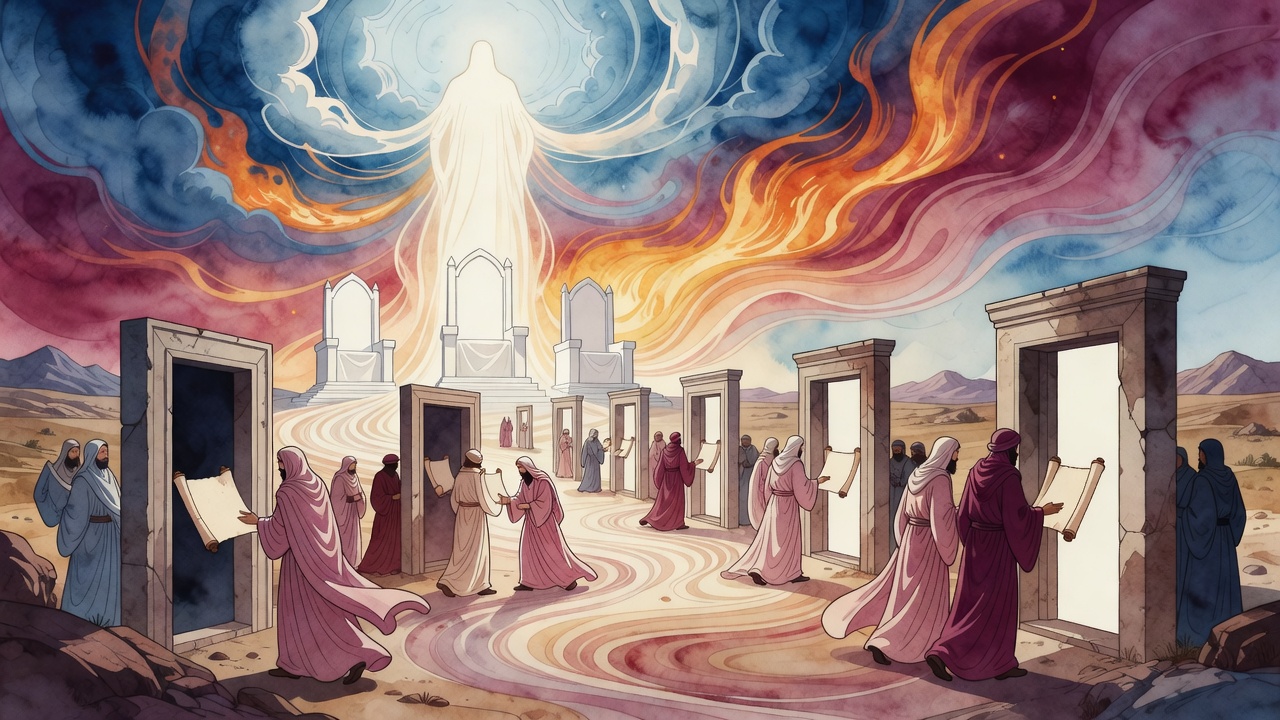
Before offering the Torah to Israel, God first approached every other nation on earth. The Mekhilta DeRabbi Yishmael explains that this was not because God expected them to accept....
R. Yossi says: Why "other gods"? Not to give a pretext to the nations of the world to say: If they were called by His name, they would be effectual. Behold, they were called by His...