Esau the Swordsman Piled Wealth That Came Back to Israel
Jacob's mouth hit the dirt seven times. Esau's men watched with swords on their hips. The gold in the tents was already spoken for.
Table of Contents
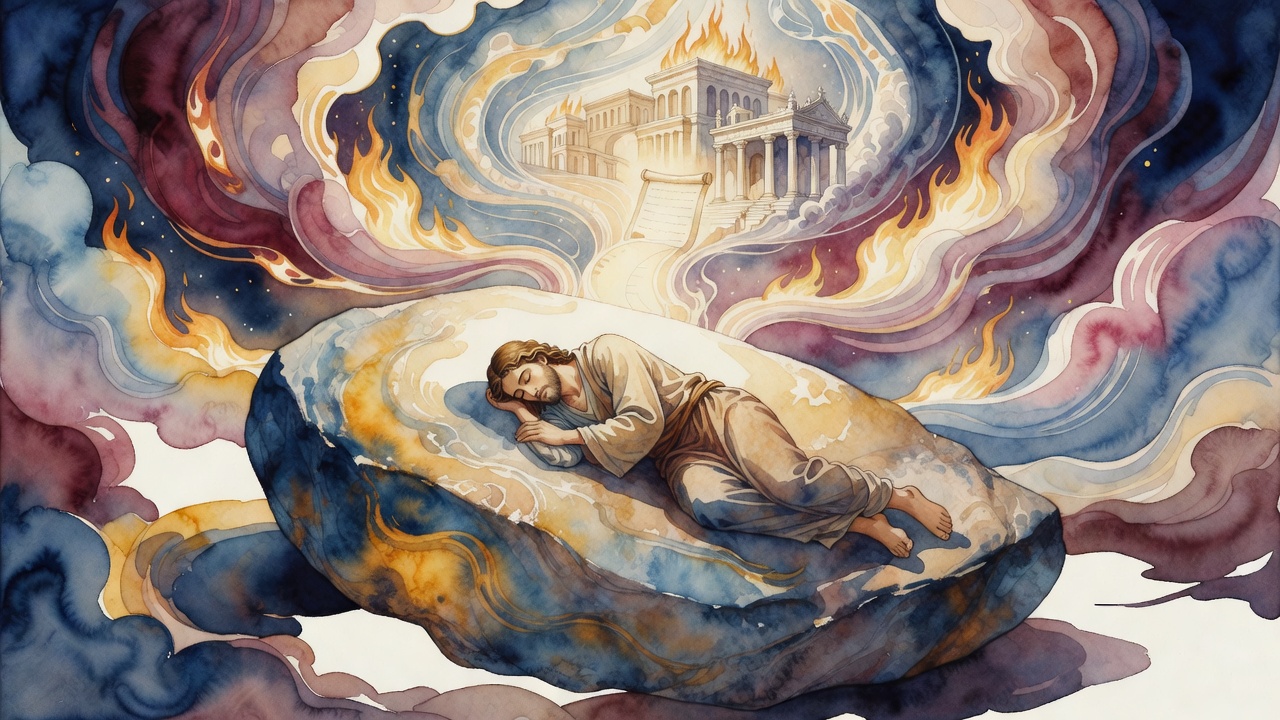
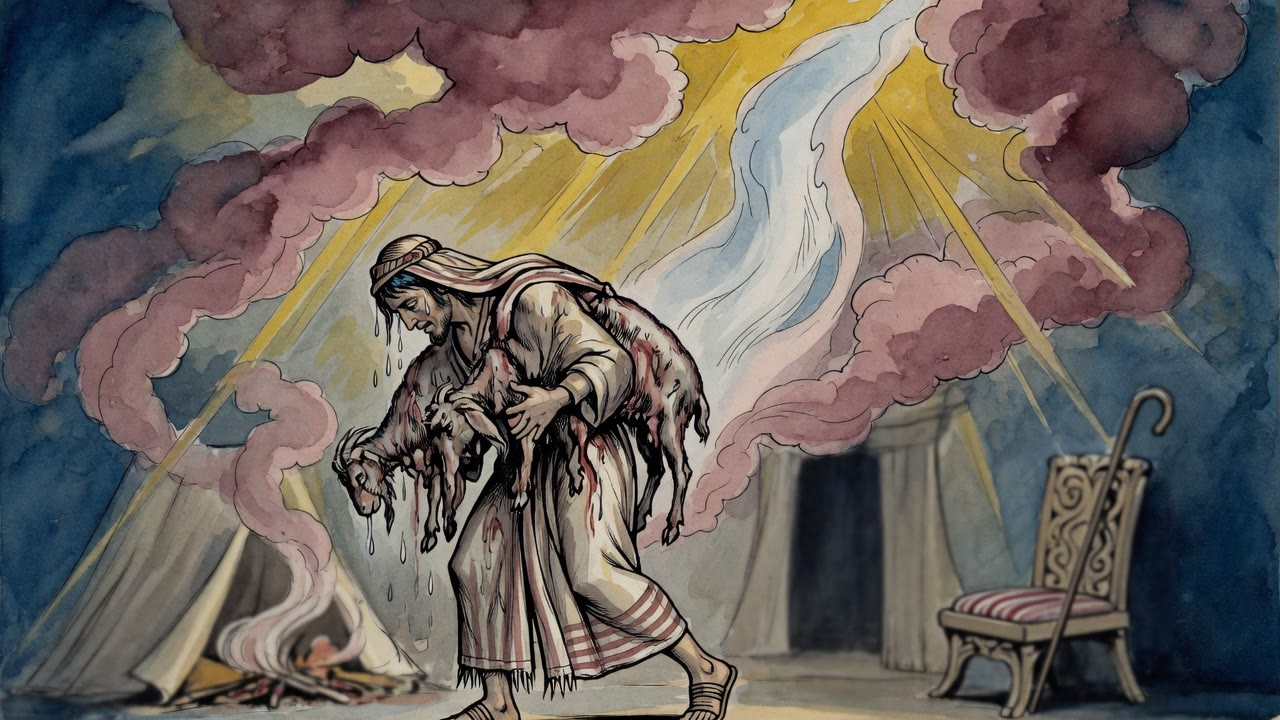
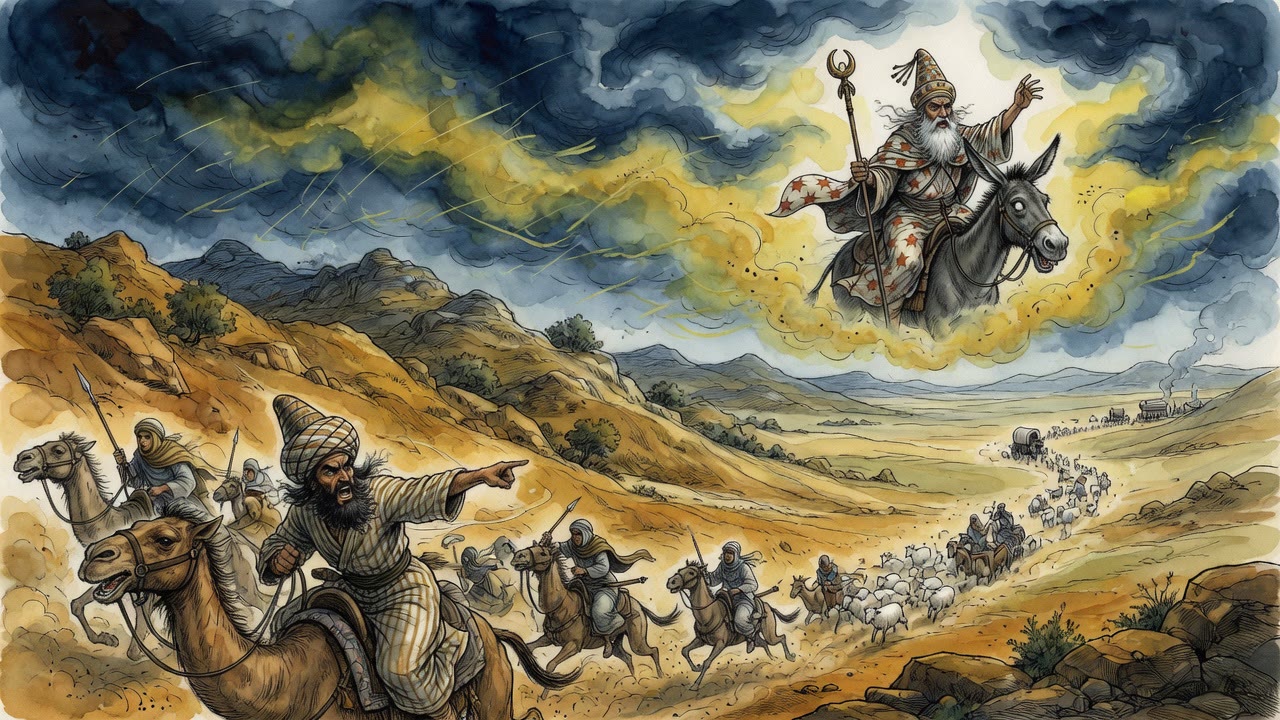
Jacob went down in the dust of Seir until his mouth tasted grit. He got up. He walked. He went down again. Seven times, with Esau's four hundred men watching from the slope, swords on their hips, the heat sitting on the camp like a lid. Esau had come with a force. Jacob had come with goats, camels, and a line that named him servant.
 Click for full size
The hip the angel had wrenched the night before still would not take his weight cleanly. Israel was his new name. He used it on no one in that hour. He used "your servant Jacob," and he used it again.
The Blessing That Named the Sword
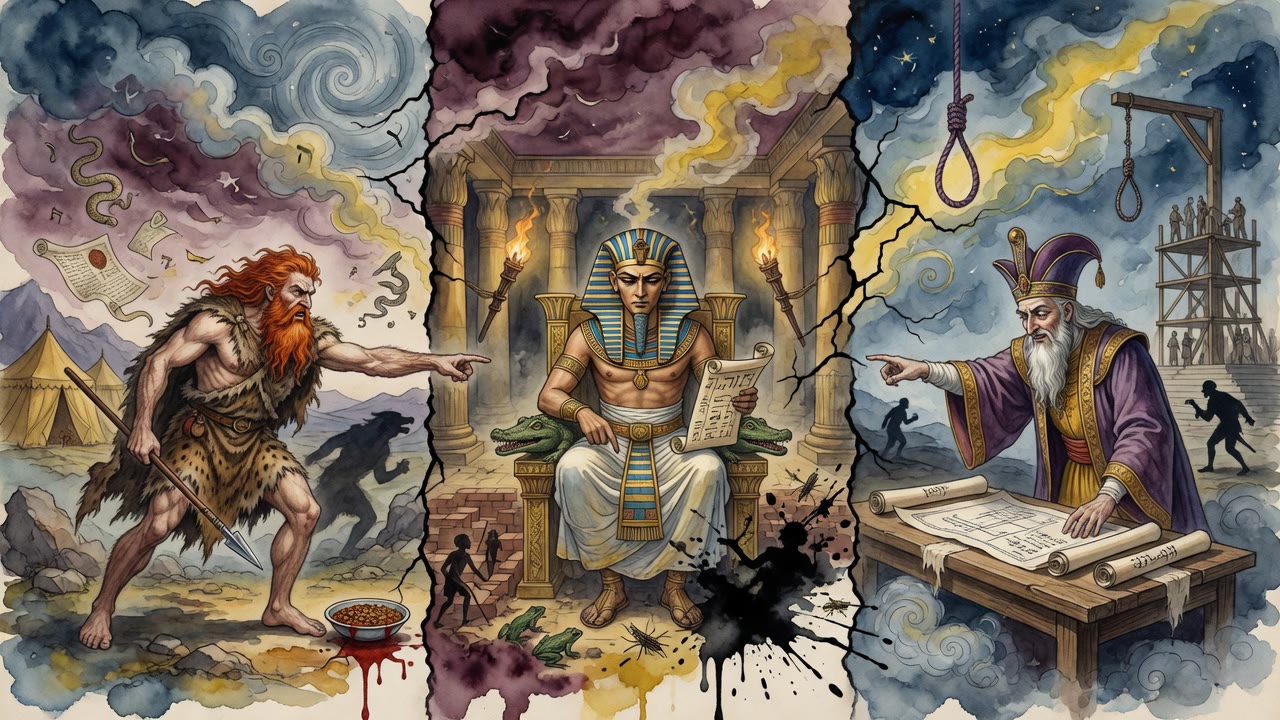
Isaac had already said what Esau's life would be. By your sword you shall live (Genesis 27:40). When Jacob's hold on the blessing loosened, Esau would tear free and live by the blade. Esau took that as a trade he could work. He lent at interest. He took tribute. Coin stacked in chests and grain stacked in pits, and the men who collected for him did not ask whose the pile would be in the end.
He thought the sword kept what it gathered.
Jacob knew that blessing as well as Esau did. That is why he lowered himself in the dirt instead of standing on the new name. A swordsman with four hundred behind him does not need a speech. He needs a brother who will not look like a rival today.
Two Borrowers at the Door
A man in Israel stood in his courtyard with two palms out toward him. One palm belonged to his own people. One belonged to a foreigner. The lender looked at the notes he could write. From the Israelite he would take no neshekh (נשך), no bite of interest. From the foreigner he could take a bite and call it business. He sent his brother away. He took the foreigner's silver and wrote the increase into the loan.
He died fat and childless. The royal house opened his ledgers and poured the silver into the treasury. The king built platforms, bathhouses, benches, even latrines for the poor who used to wait at that door. One who increases his wealth through usury and interest amasses it for the sake of one who is gracious to the indigent (Proverbs 28:8). The coins went where the lender would have hated them to go.
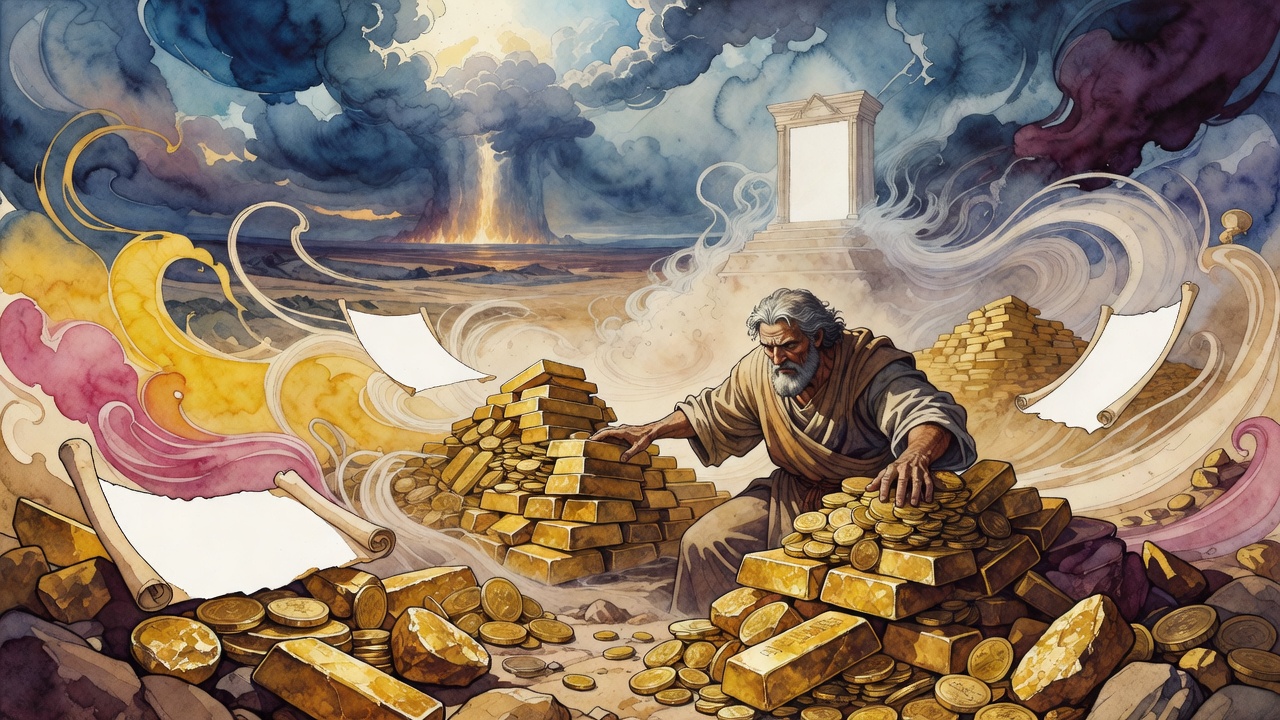
Esau's own pile was the same kind of pile, only larger, stretched across years of sword and interest. Soldiers would empty it. Roads would drink it. Israel would take what was left, because they will plunder their plunderers and loot their looters (Ezekiel 39:10). The swordsman piled wealth in those tents. He was not going to keep it.
Your Servant Jacob
Before the seven bows, Jacob had sent messengers ahead. "So said your servant, Jacob." The words left his mouth and made a spring go cloudy. A righteous man who falls before the wicked is like a muddied spring and a ruined fount (Proverbs 25:26). The water can go dark for a while if the righteous man stoops and makes it so. Jacob stooped on purpose. He muddied his own name rather than let Esau's sword decide the hour.
The angel had said he had striven with God and with men and prevailed. The men on the slope had not yet agreed. Jacob's forehead hit the dirt again. Esau watched, and the watching was the point. A brother who will bow seven times is a brother you do not have to kill today.
Jacob rose with grit on his teeth. He still had to close the last yards on a bad hip, under four hundred eyes, carrying a peace he had packed in animals.
What the Sword Could Not Keep
Esau came down off the slope. For a breath the swords stayed in their sheaths. The two brothers met in the open, and the gold stayed in the tents behind Esau as if it had always been his. Jacob did not reach for it. He had not come for chests. He had come to walk away with his household still breathing.
Each lowering of his body had been a deposit against a debt that would come due later. Esau would gather. Empires would gather. Tax men would stand at gates with Esau's face behind them. Jacob's children would wait, and then the wealth would come back to Israel. The gold in those tents was already moving, even while Esau sat on it and felt rich.
Both brothers left the field thinking they had won the hour. Esau kept the sword. Jacob kept the limp and the future. Only one of those holds.
← All myths