57 myths · Page 2 of 2
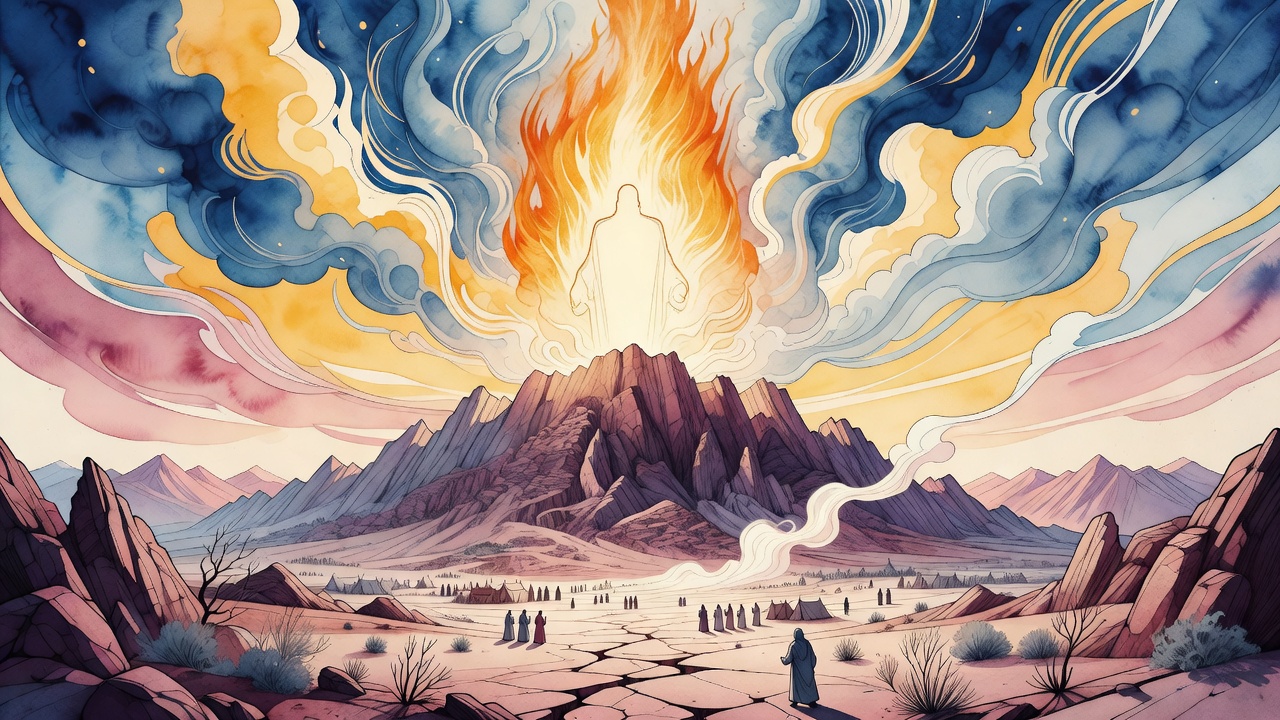
No bird sang. No ox lowed. A voice without echo said I am the Lord your God, and even the nations at the mountain's rim shook.
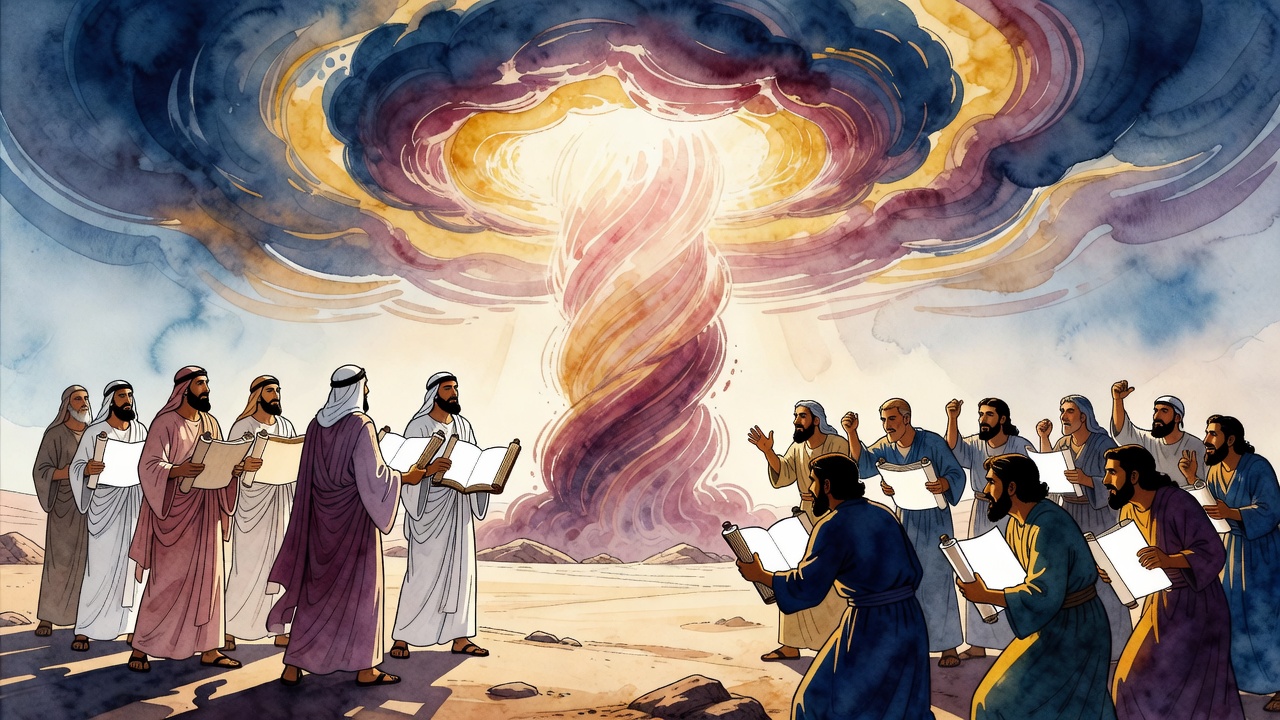
Before Sinai, the nations demanded to know why Israel was chosen. God asked for family records. Only Israel could open pure books of descent.
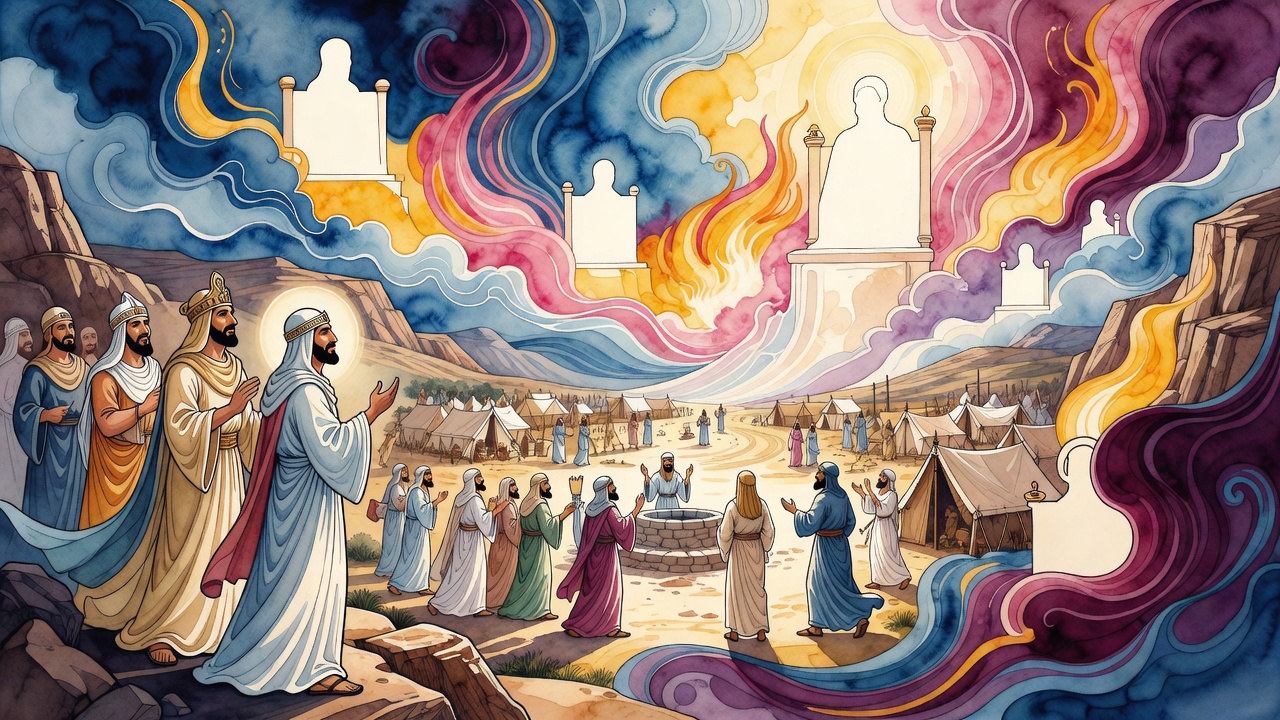
The black stone sat in the temple like a woman. It had not stopped Sihon. Moab's kings watched Israel camp and counted the fields.
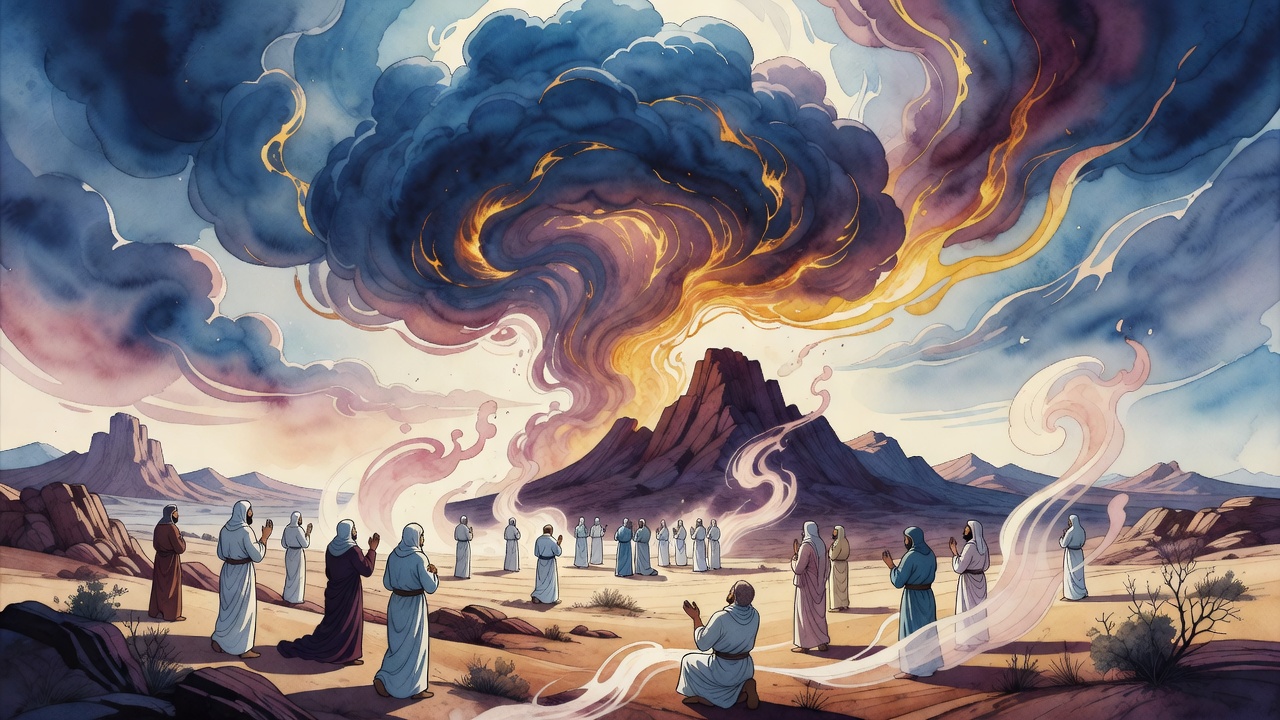
God measured the earth before Sinai. Nations refused, Israel accepted, and only the living received laws of food and a call to be holy.
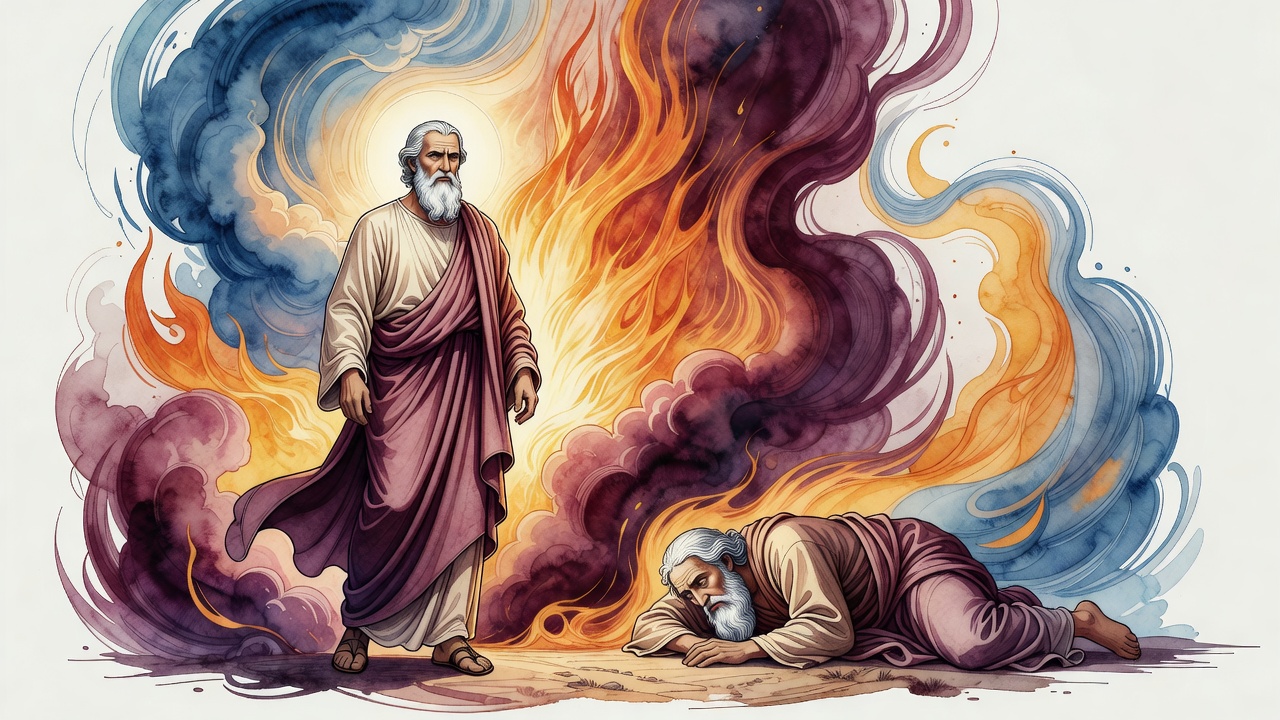
Balak had paid for three curses. Each one came back a blessing. Bilam wiped the dust from his mouth and pointed at the road into camp.
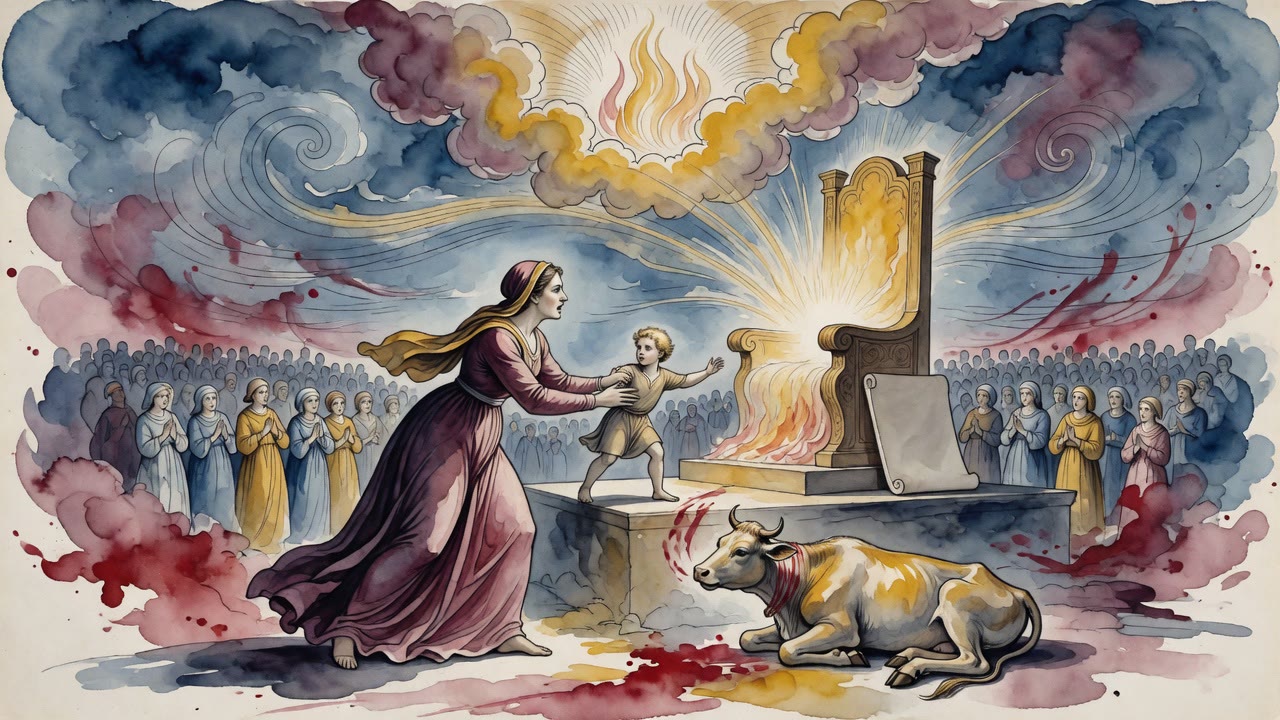
The onlookers told each other she had come to have the boy killed. She heard them. Then she stood up and told the judge he had kicked her.
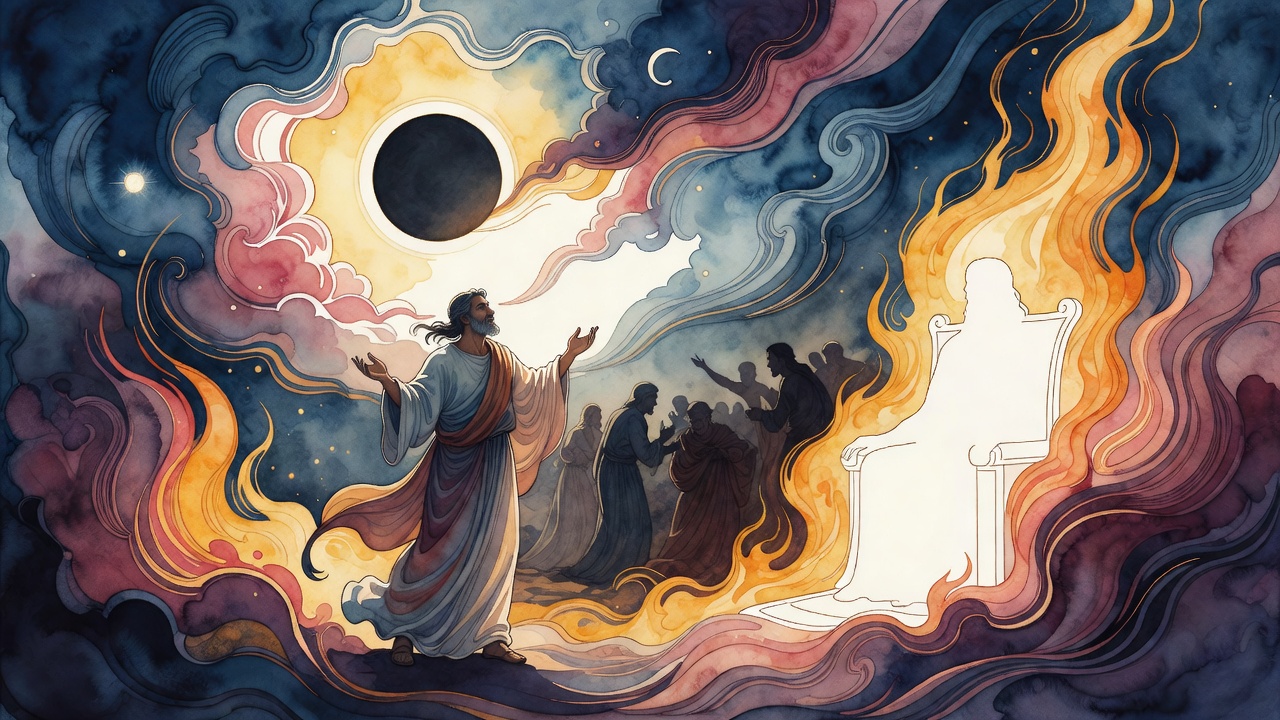
Darkness slid across the sun and nations read omens, but Rabbi Yonathan taught eclipses as signs for them, not for Israel under the Name.
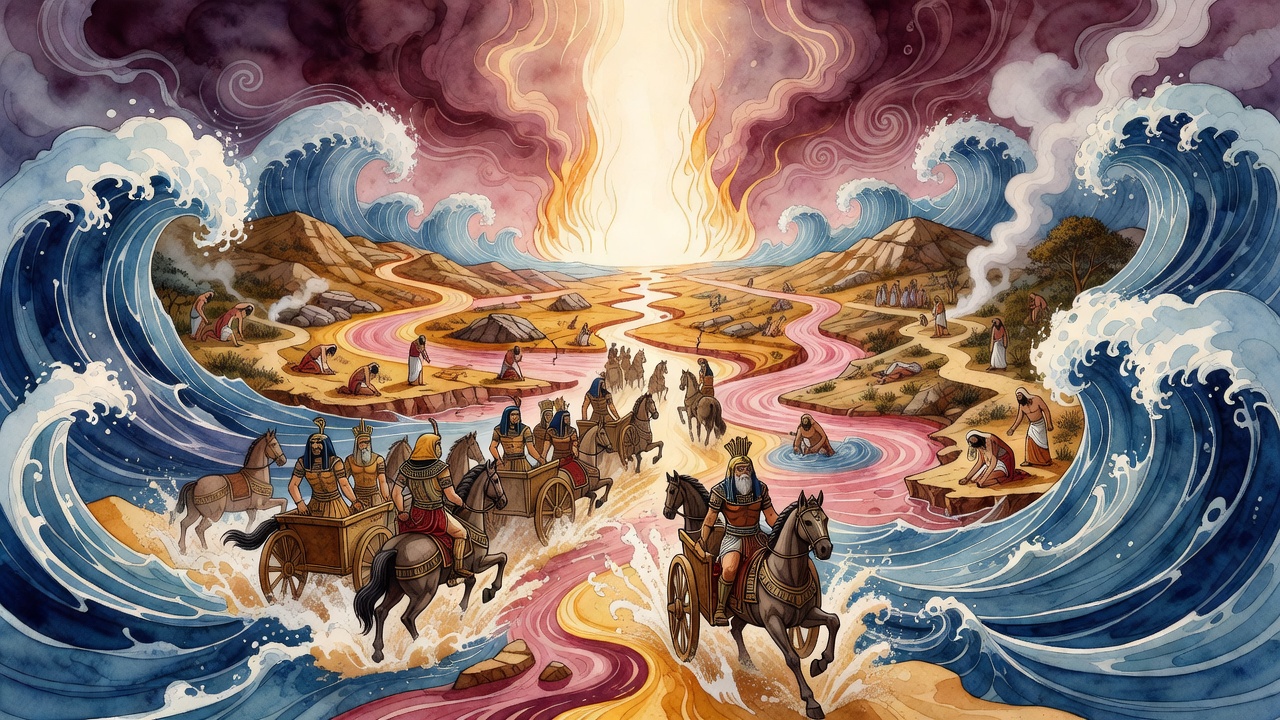
The drivers who once whipped Hebrew backs raced their horses down the dry seabed as if it were a road. Then the water came back and broke the chariots.
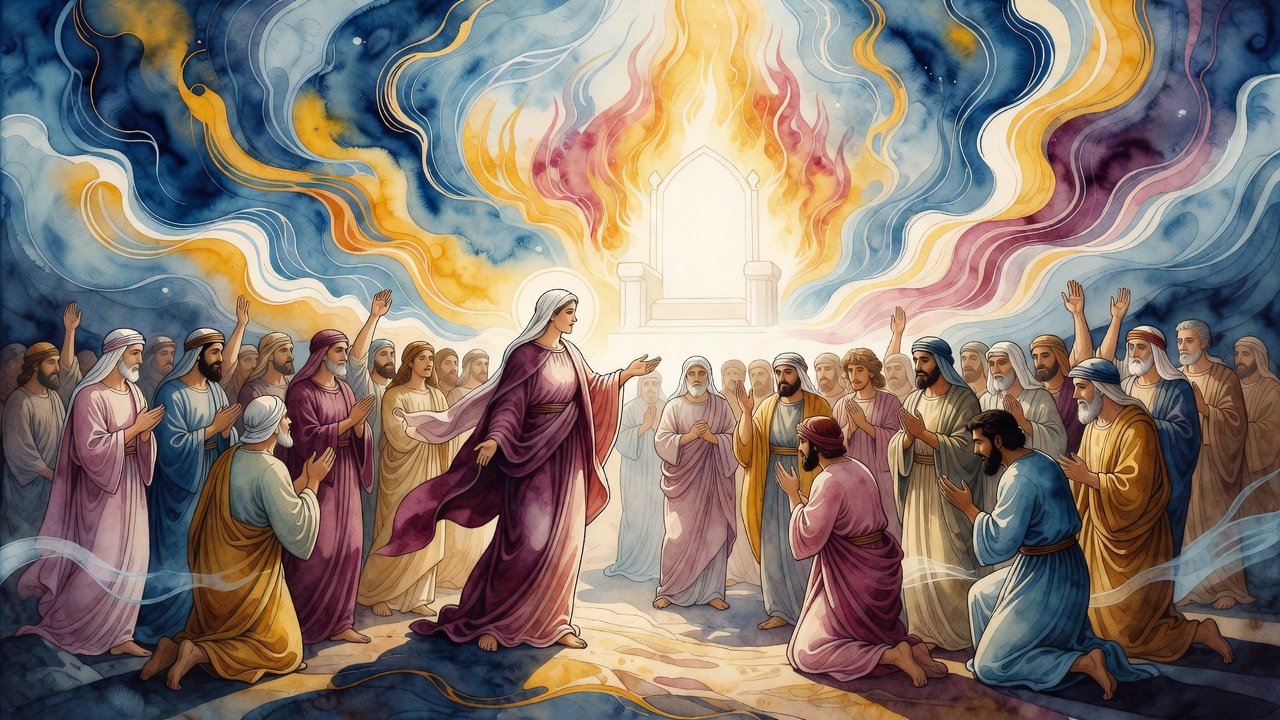
At the weaning feast the nations called Isaac a foundling. Sarah nursed every infant in the room, and the boy's face turned into Abraham's image.
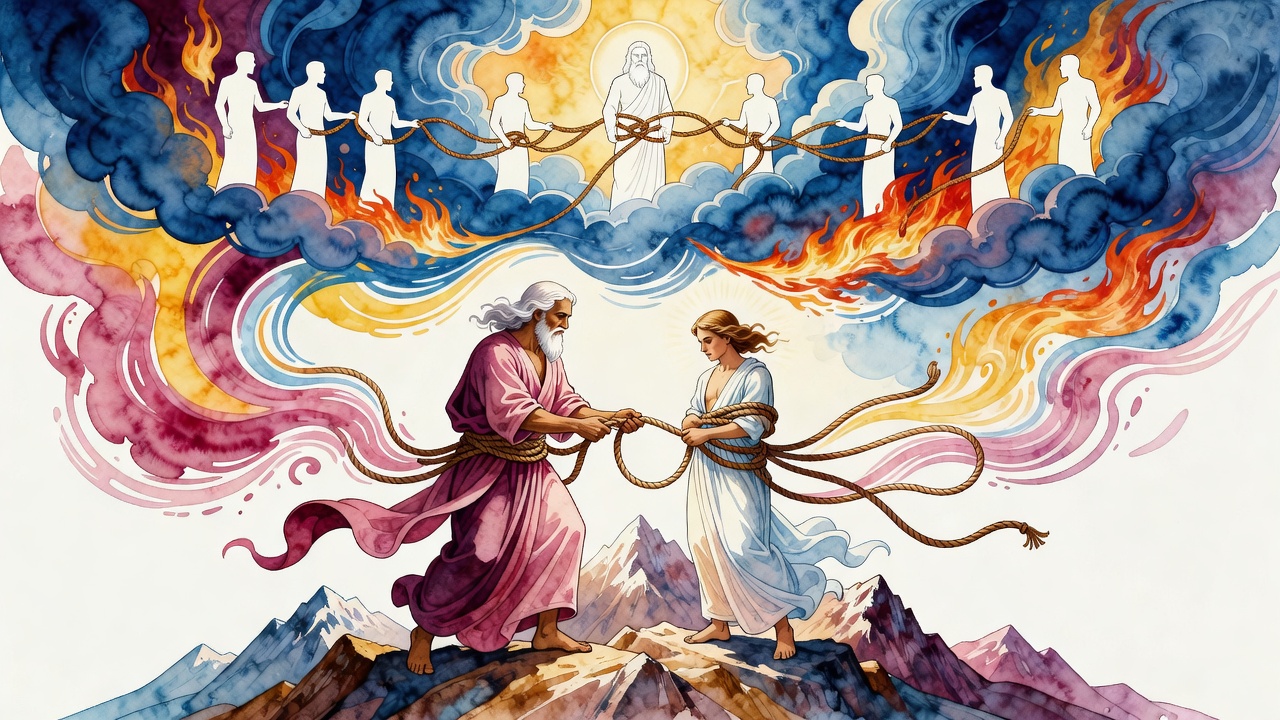
Before he tied the first knot Abraham hid the boy, afraid that someone who had come to stop him would throw a stone and leave a mark on the offering.
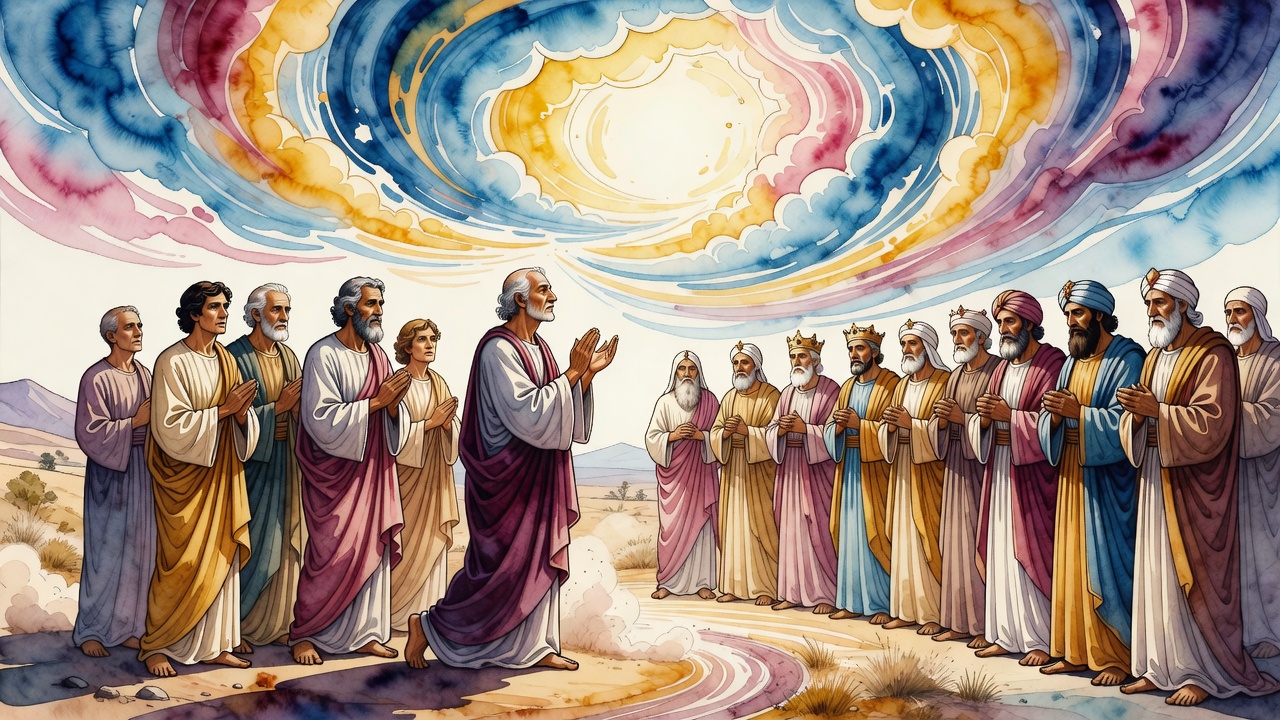
Fathers and sons look the same until Abraham prays old age into the world. When he dies, foreign kings stand in a row and call him the lost captain of the ship.
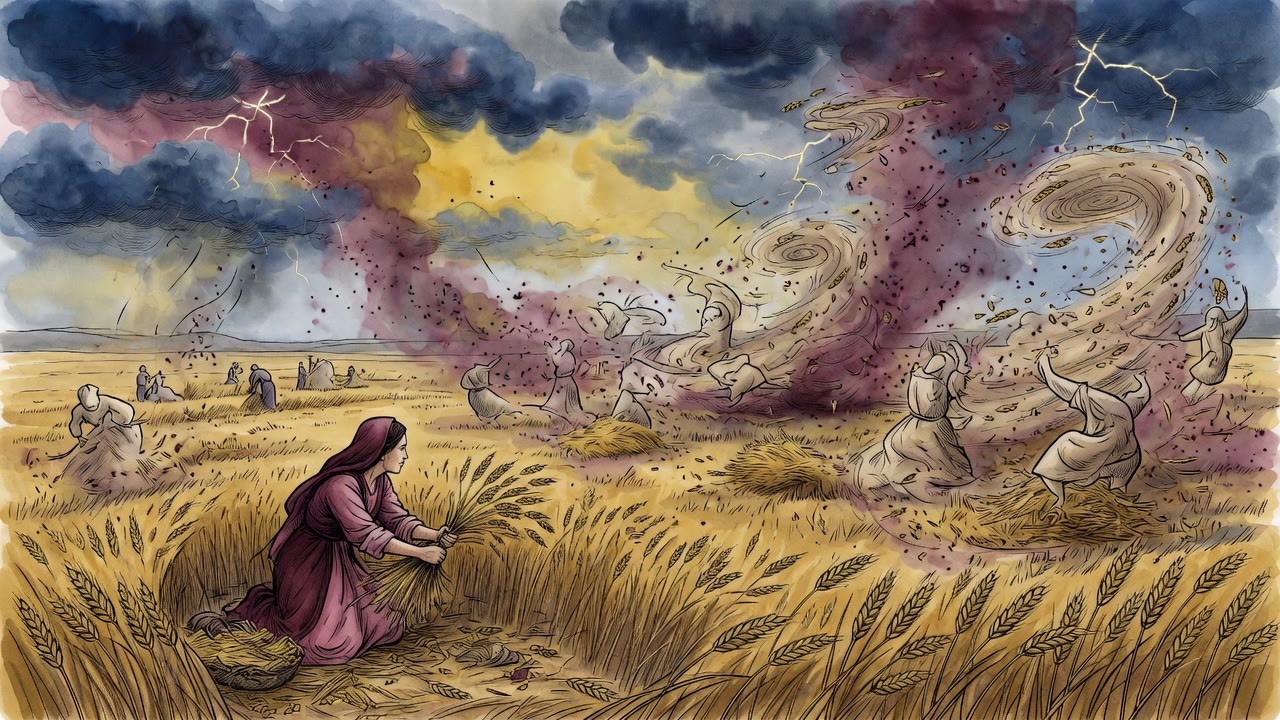
Stubble shouted that the field was sown for it alone. Straw answered. Chaff claimed the glory. The wheat said wait for the floor.
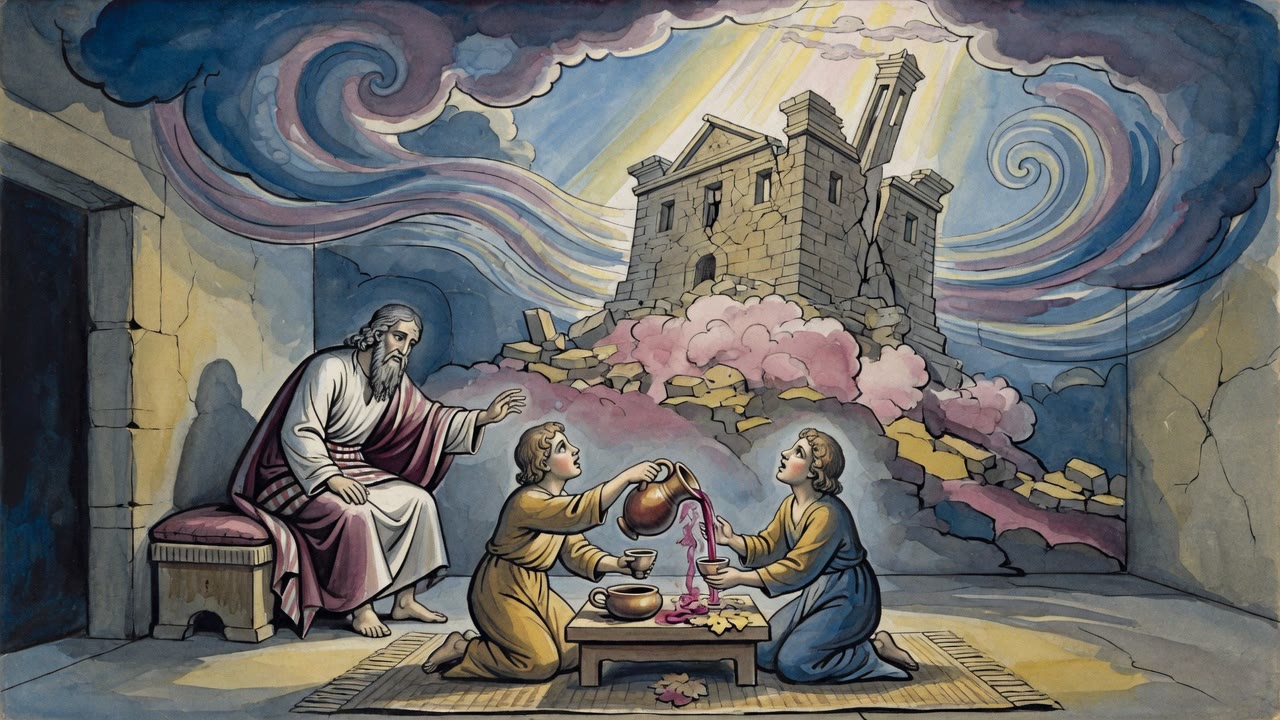
Heaven and earth failed as collateral. The patriarchs failed too. At Sinai God took Israel's children as bond for the Torah while nations refused the gift.
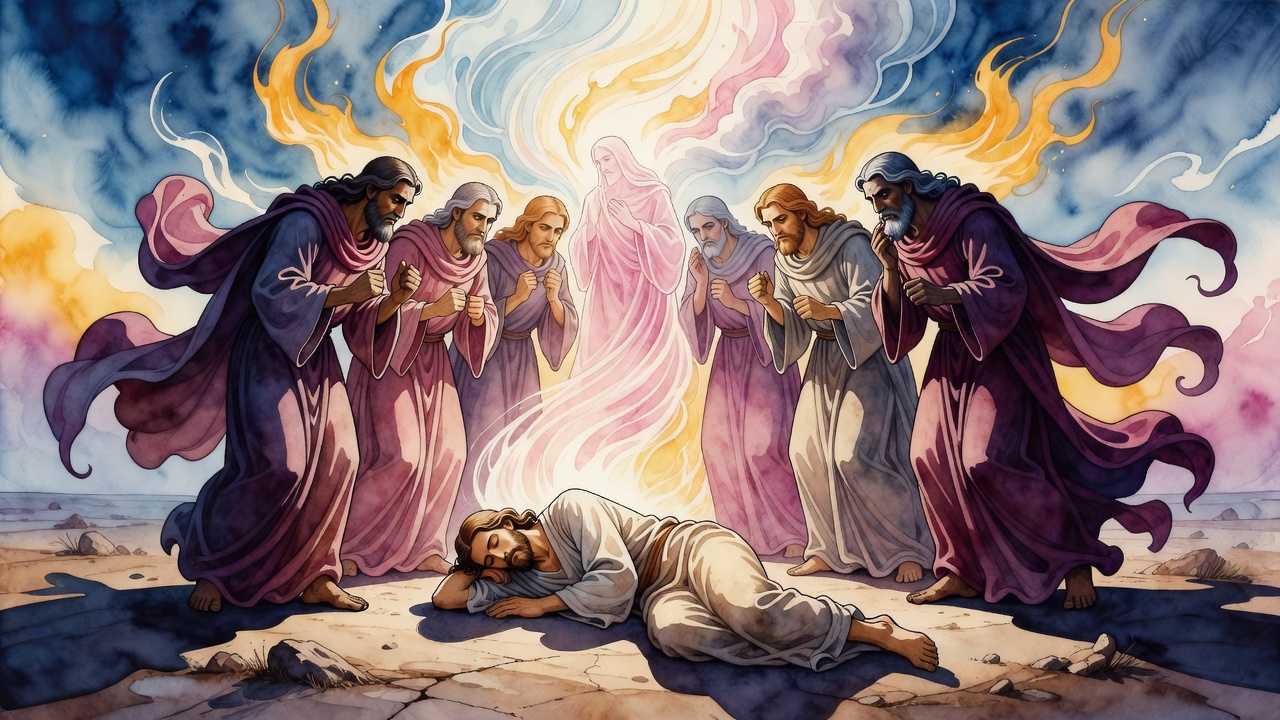
Jacob slept on bare ground while the guardian princes of the nations plotted above him, and God stepped between them and His favorite.
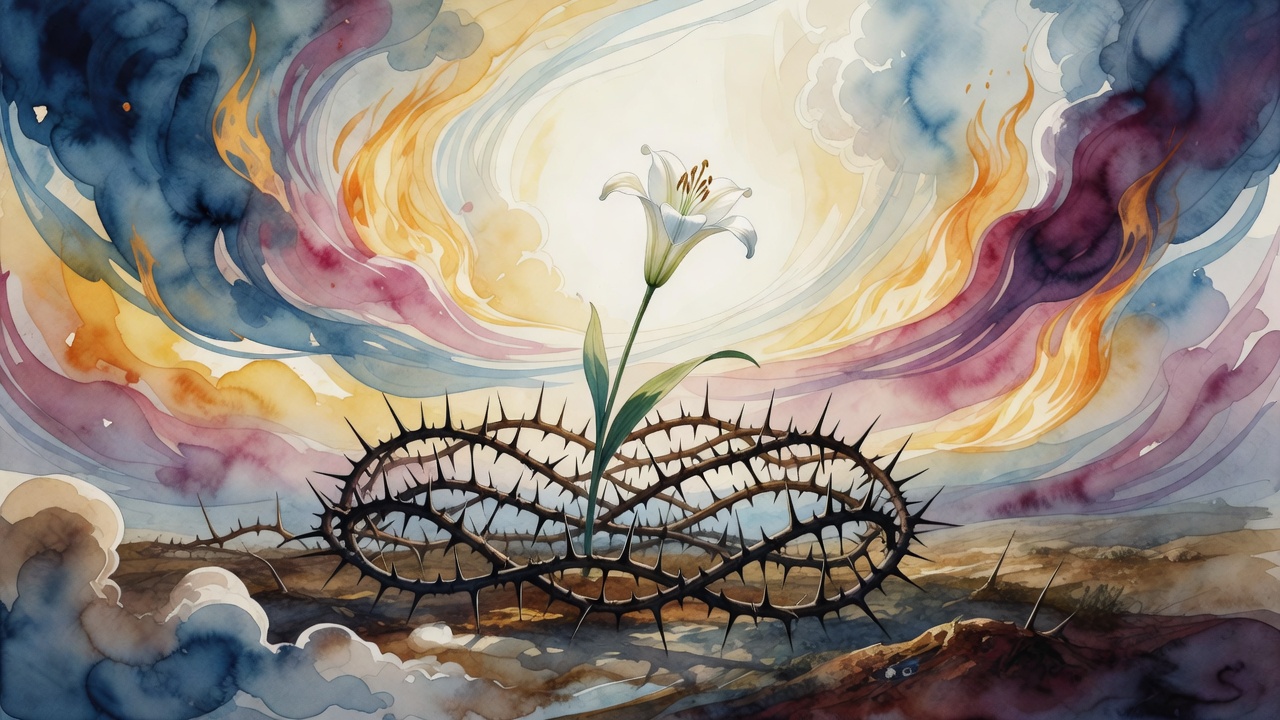
The north wind bent the flower until the thorns bit the stem. The stalk still pointed up. A tax collector's knock did the same work.
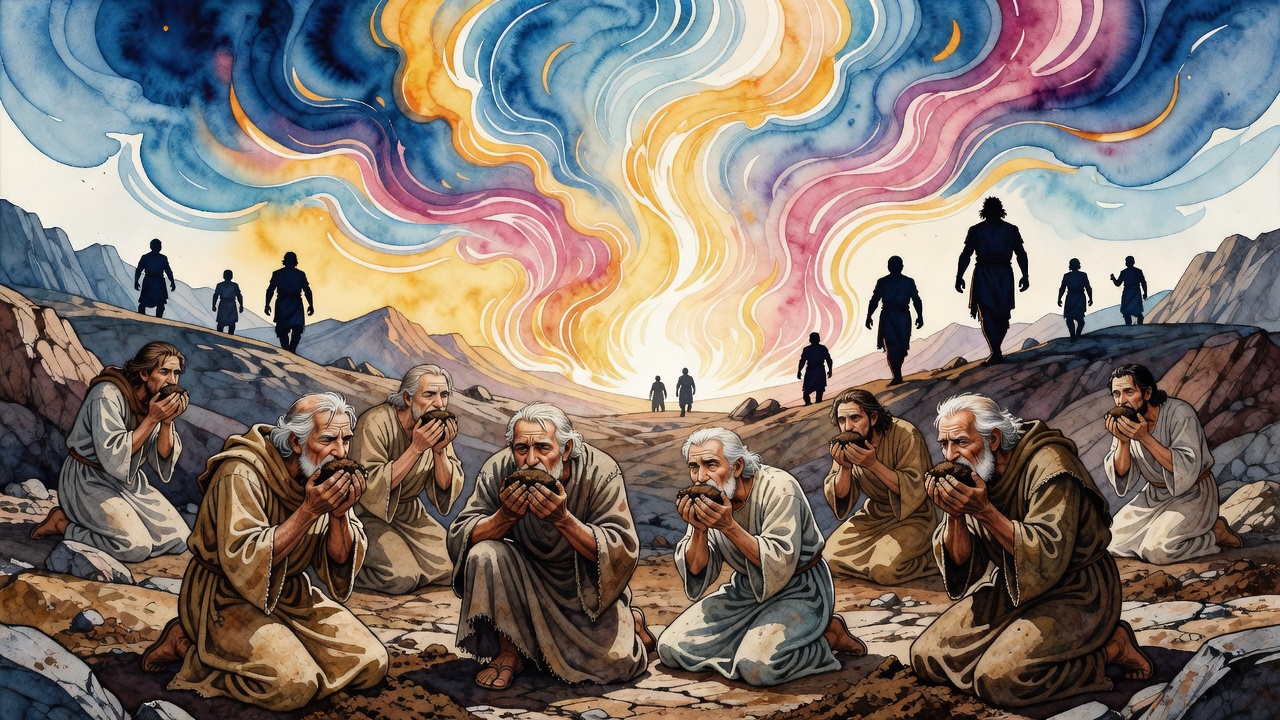
They pressed soil to their tongues and named each field by taste. When Esau's children took the ridges, mastery of the ground meant nothing.
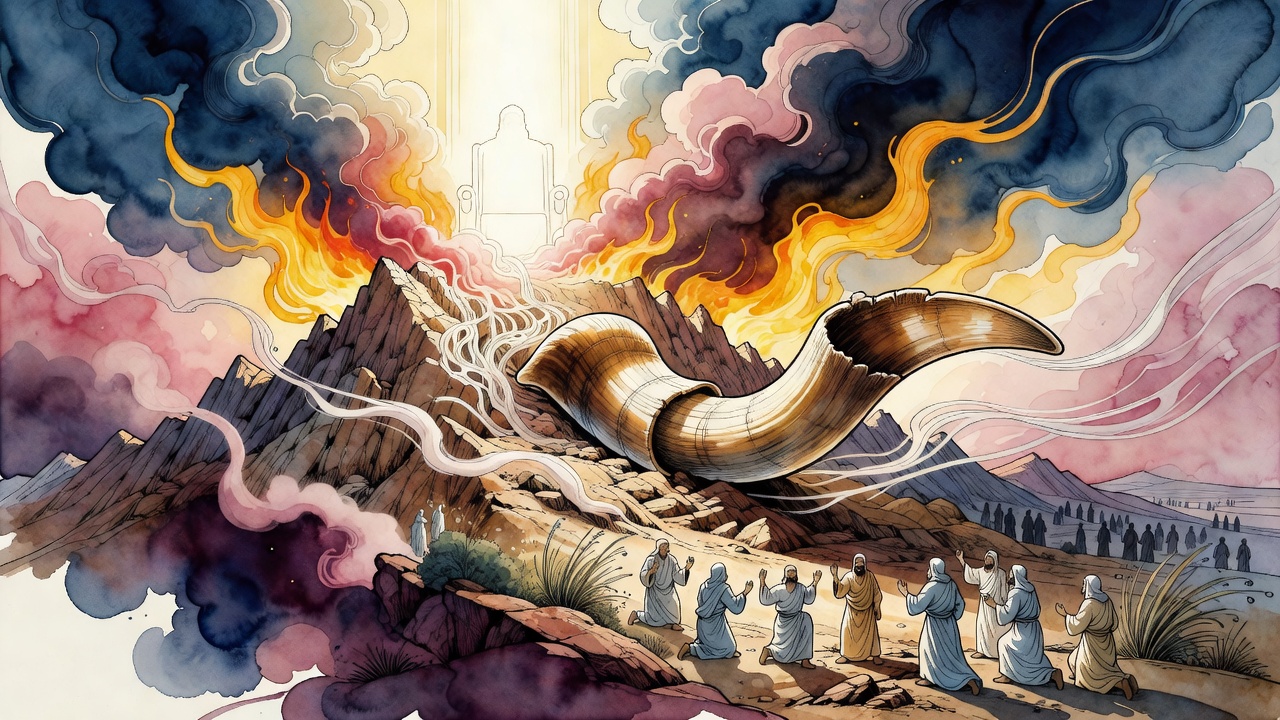
The horn at Sinai did not fade. It climbed until the camp shook. Israel said yes before anyone finished counting the cost.
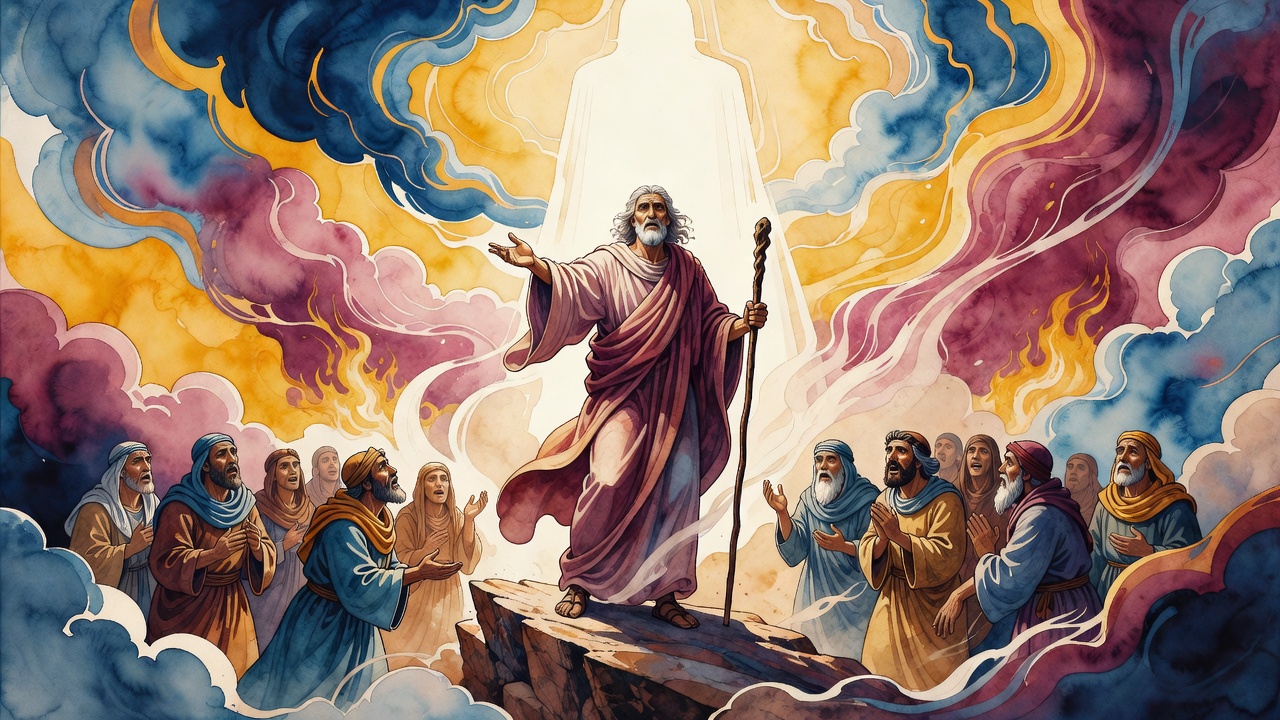
The peoples asked Balaam why Israel alone brought sacrifices of peace. He answered that they had accepted the Torah they once refused.
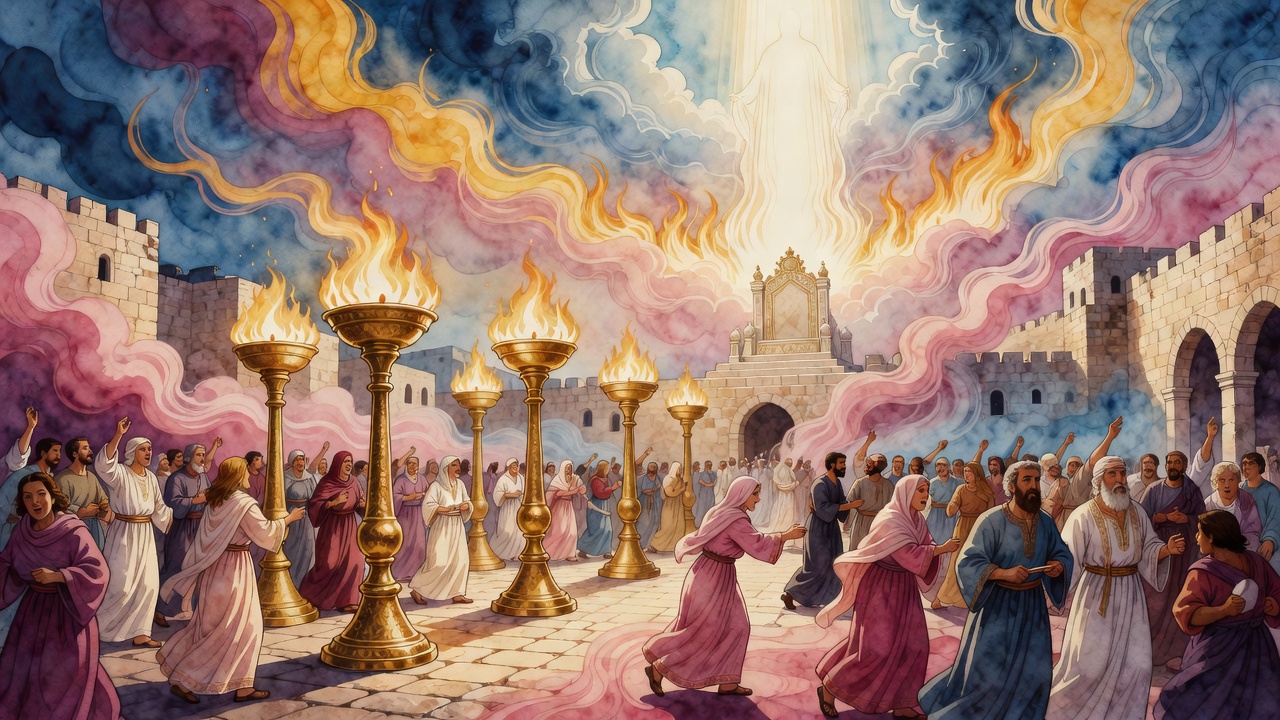
Four golden lampstands made Jerusalem glow at the water drawing. Beyond that joy, God Himself will teach Torah by heart.
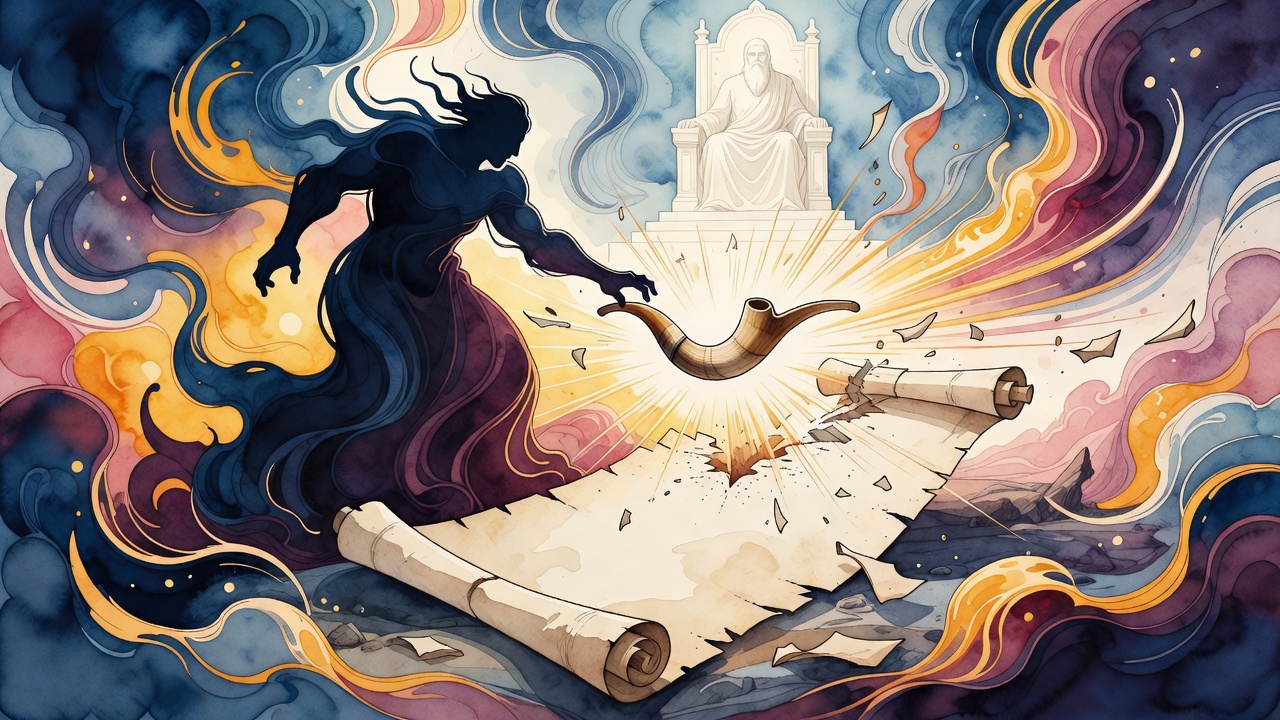
Ha-Satan had the year's unpaid vows stacked by name. Then a ram's horn rose in a shaking hand, and the pages would not stay in order.
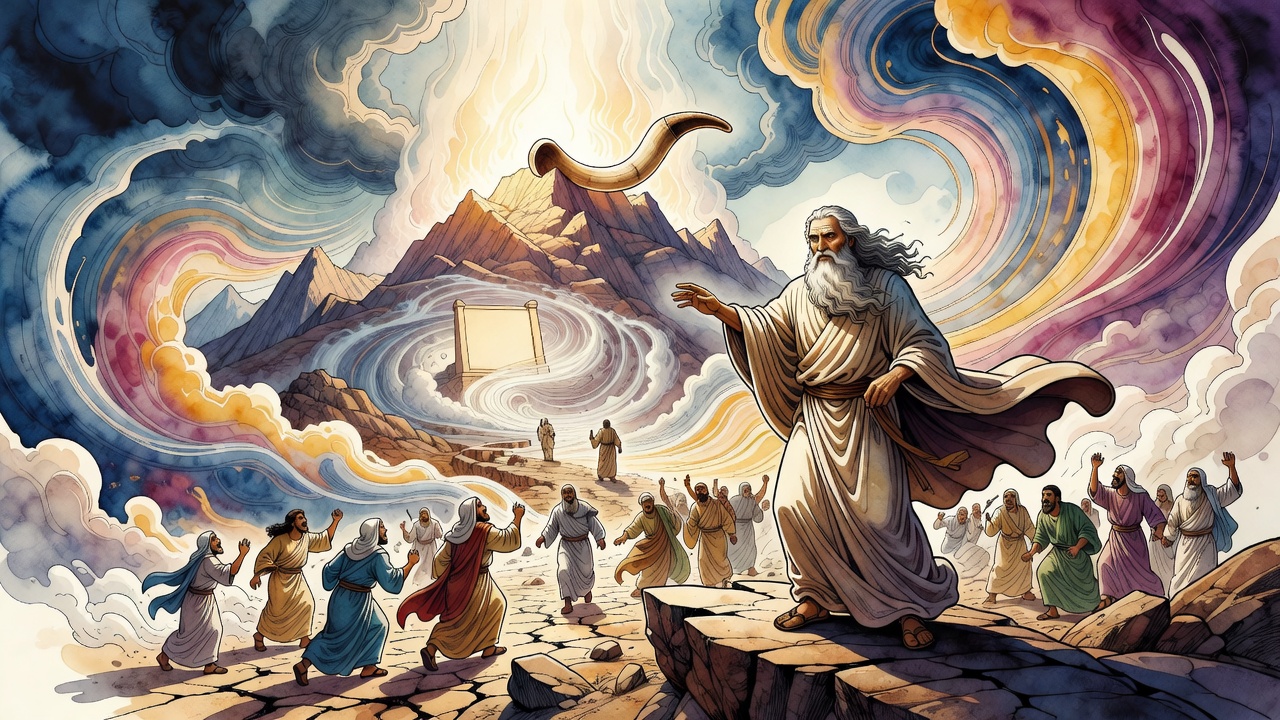
Morning thunder shook the earth until nations fled to Balaam. He said it was Torah, not flood, while Sinai's shofar (a ram's horn) grew louder and Moses.
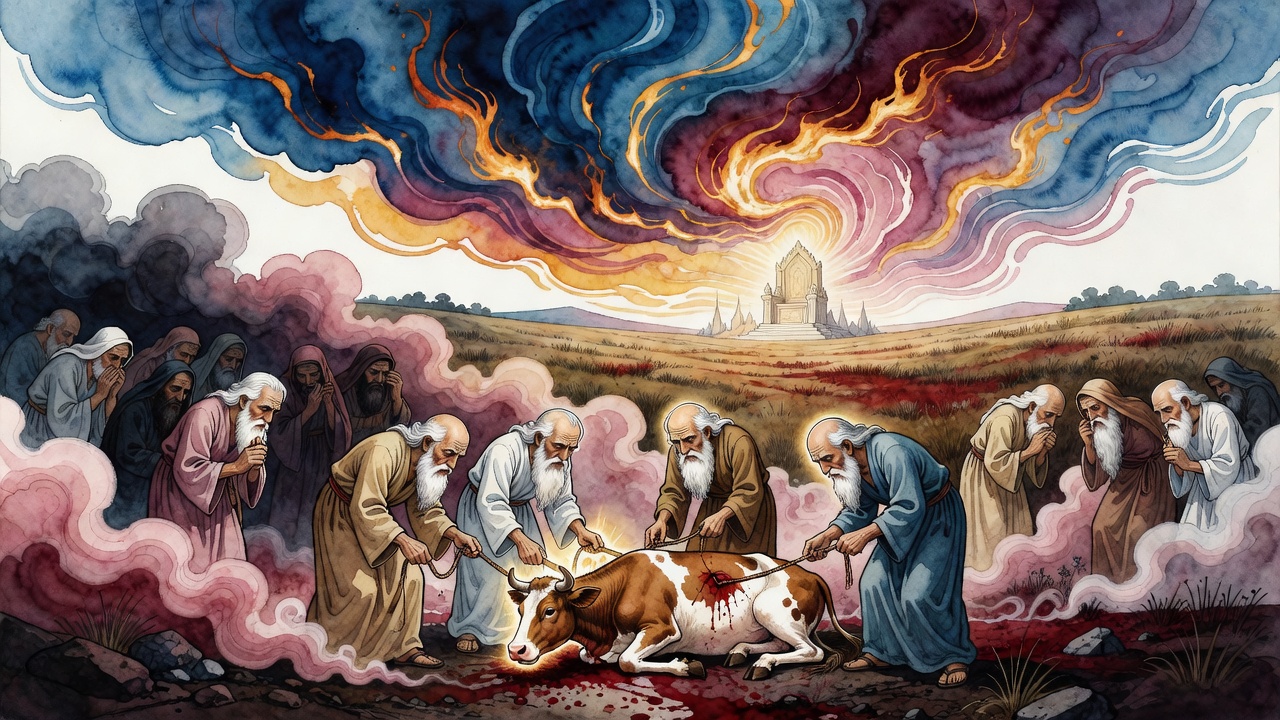
The corpse lay between two towns with no killer named. Elders stretched cords across the field. On the ridge, foreign mouths already had a question.
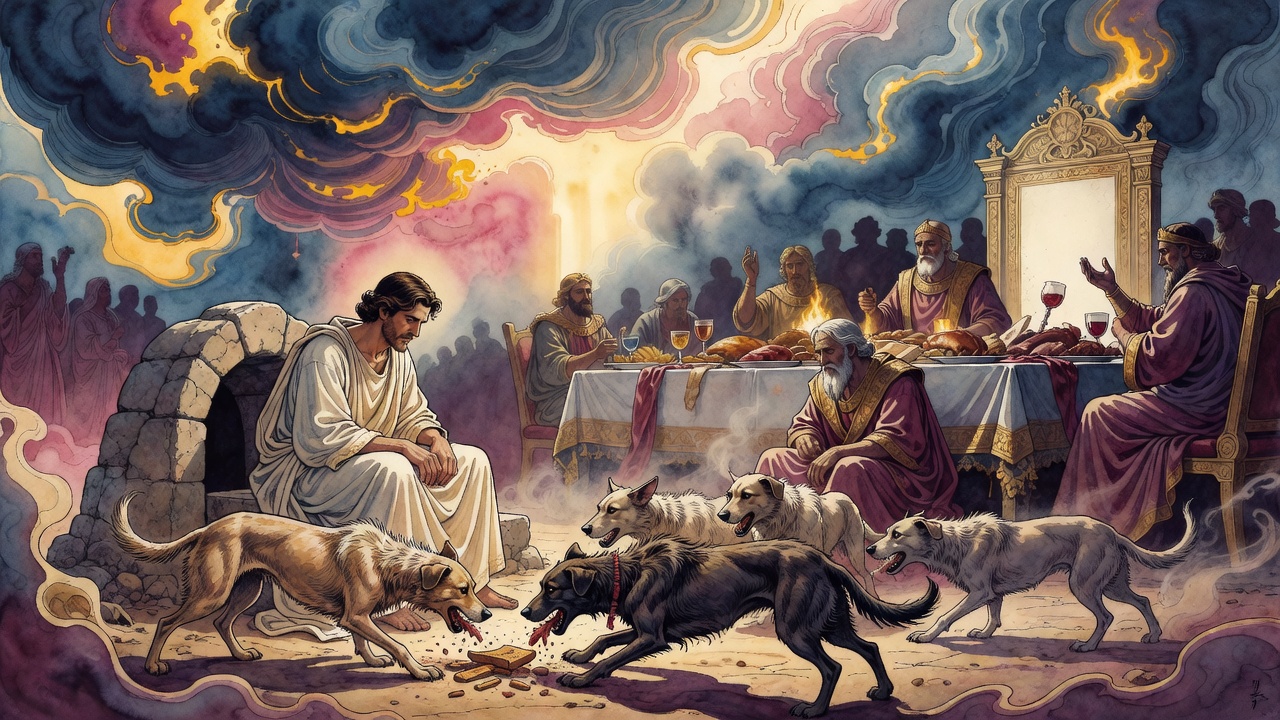
Seated by the kennel at a king's feast, Israel watches nations chew the world's peace, then learns joy from the dogs' portion and waits for Messiah's sun.
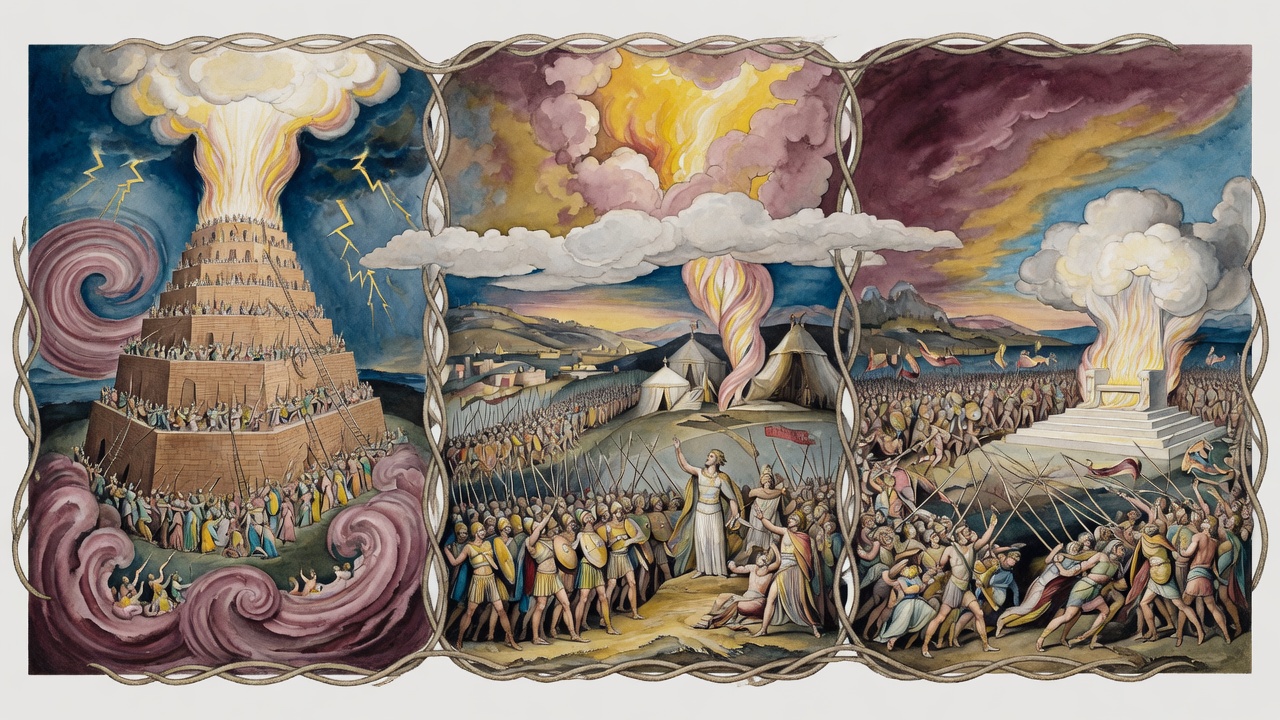
Jericho's walls were already dust. The kings of Canaan put their mouths together and came for Joshua as if they were one.
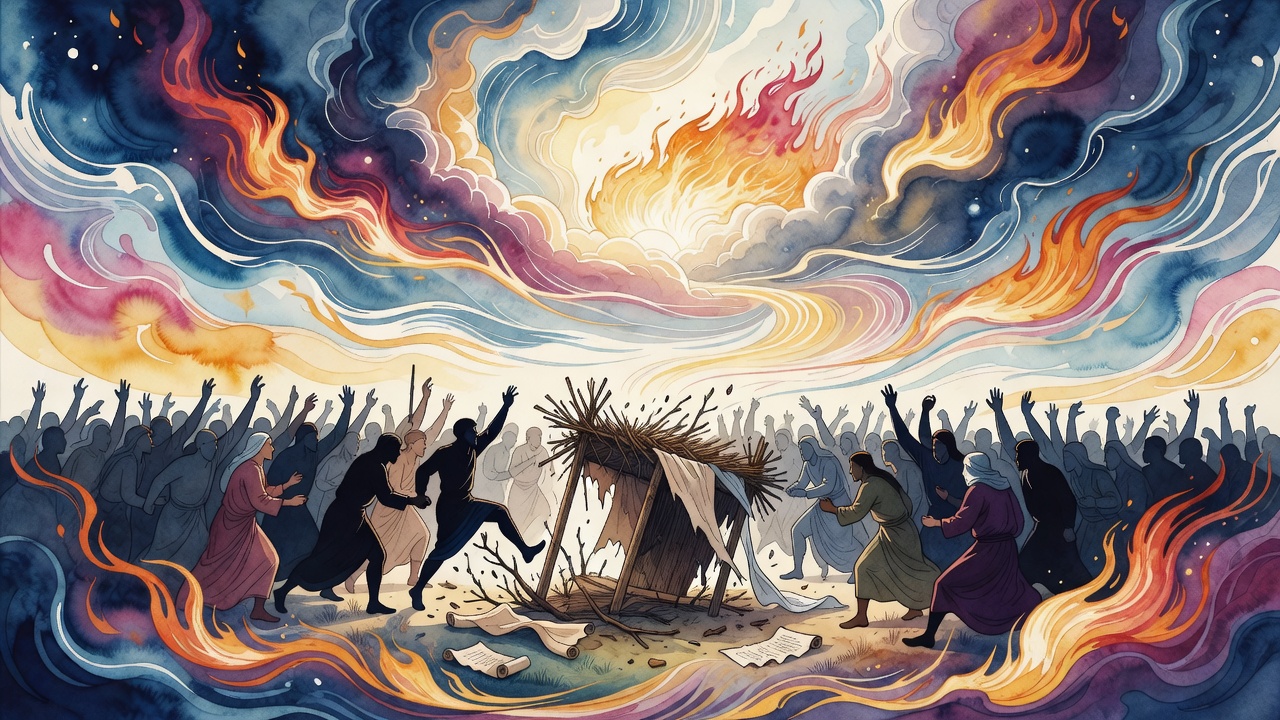
At the final reckoning the nations crowd in for Torah's wages, kick apart the one booth God grants them, and the whole account falls to a single line.
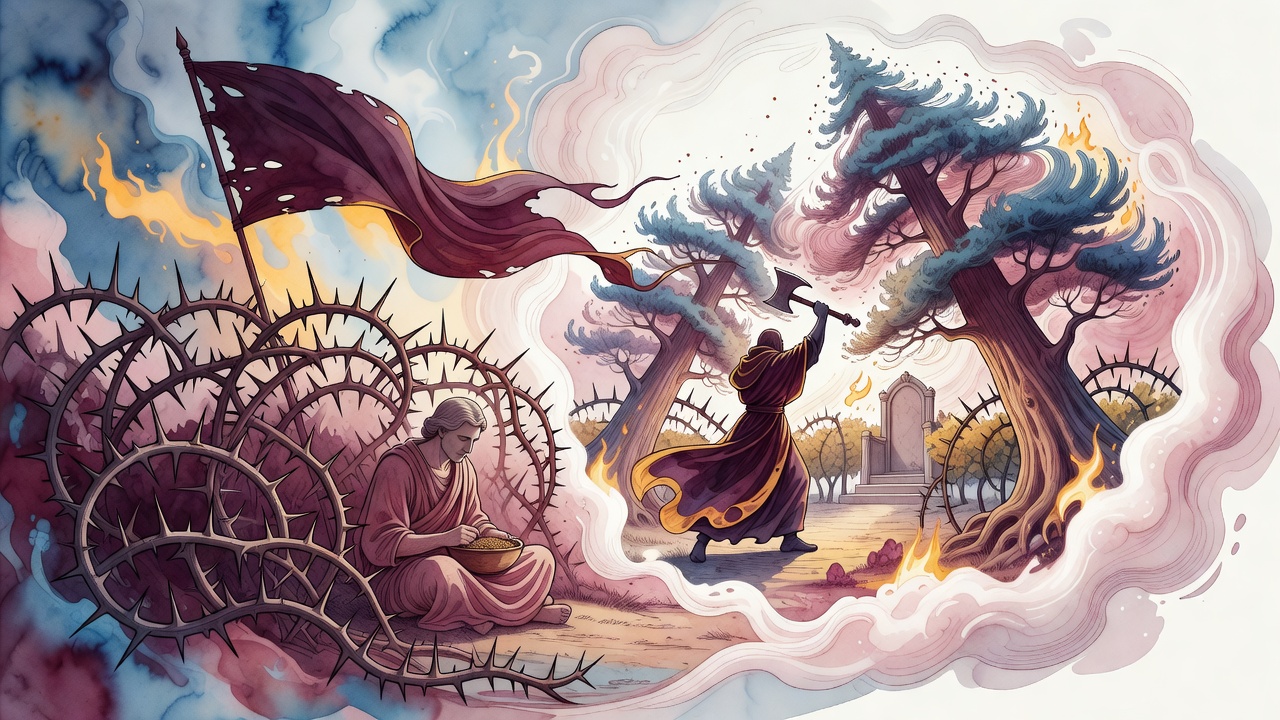
A king fells his cedars but keeps the thorns that hedge his vineyard, while Daniel eats only pulse ten days to refuse the king's table.
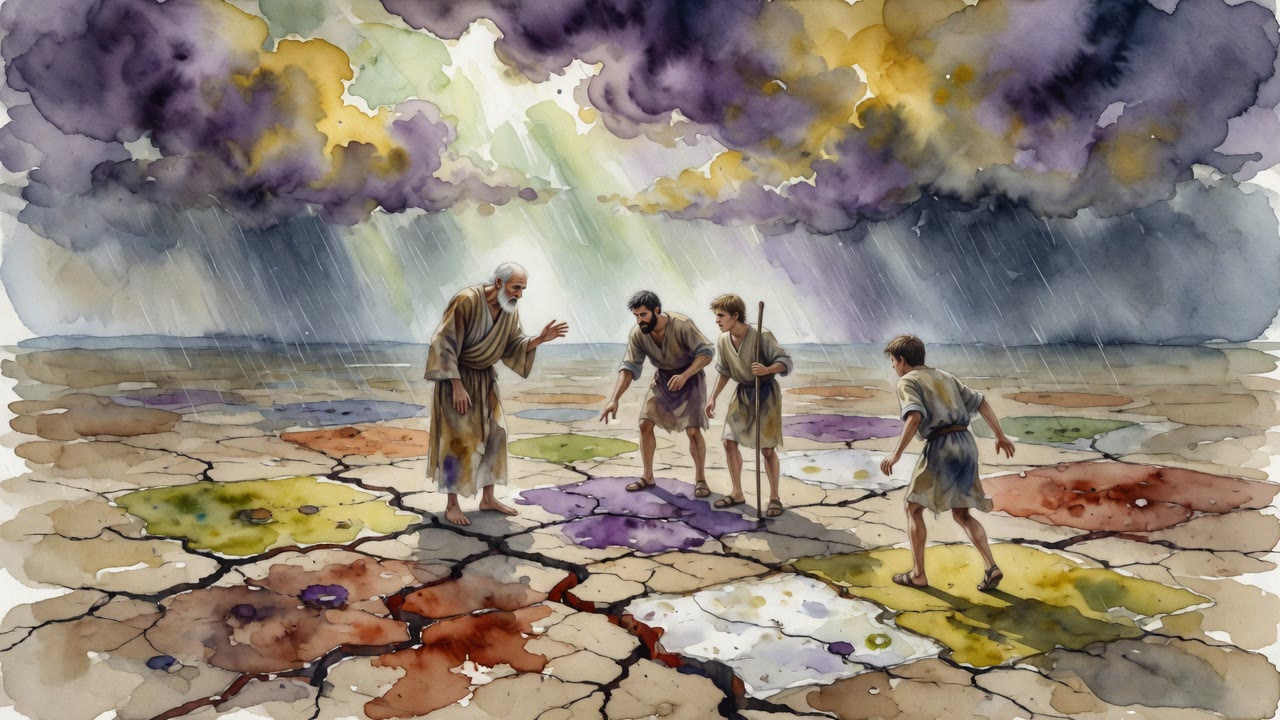
Noah drew the drained earth into lots and bound his sons with a curse. The first man to break that oath did it out of distaste for cold water.
