Solomon Was a Cook Before He Was a King Again
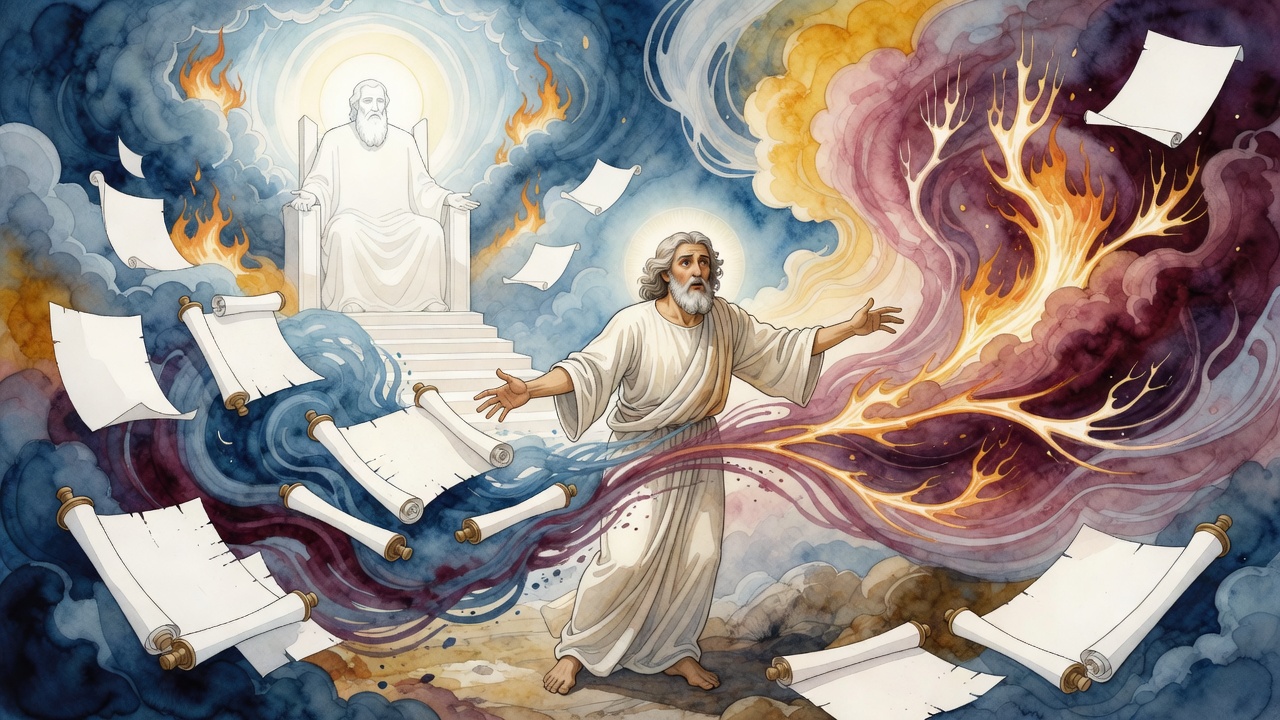
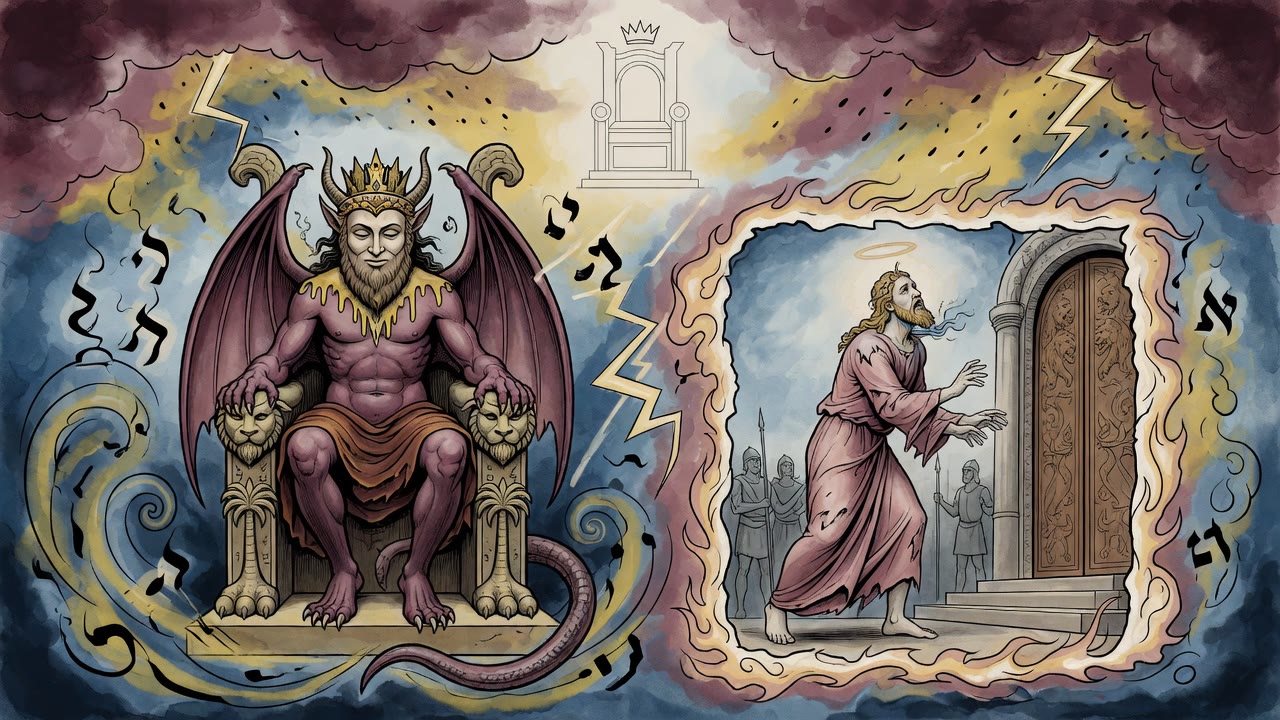
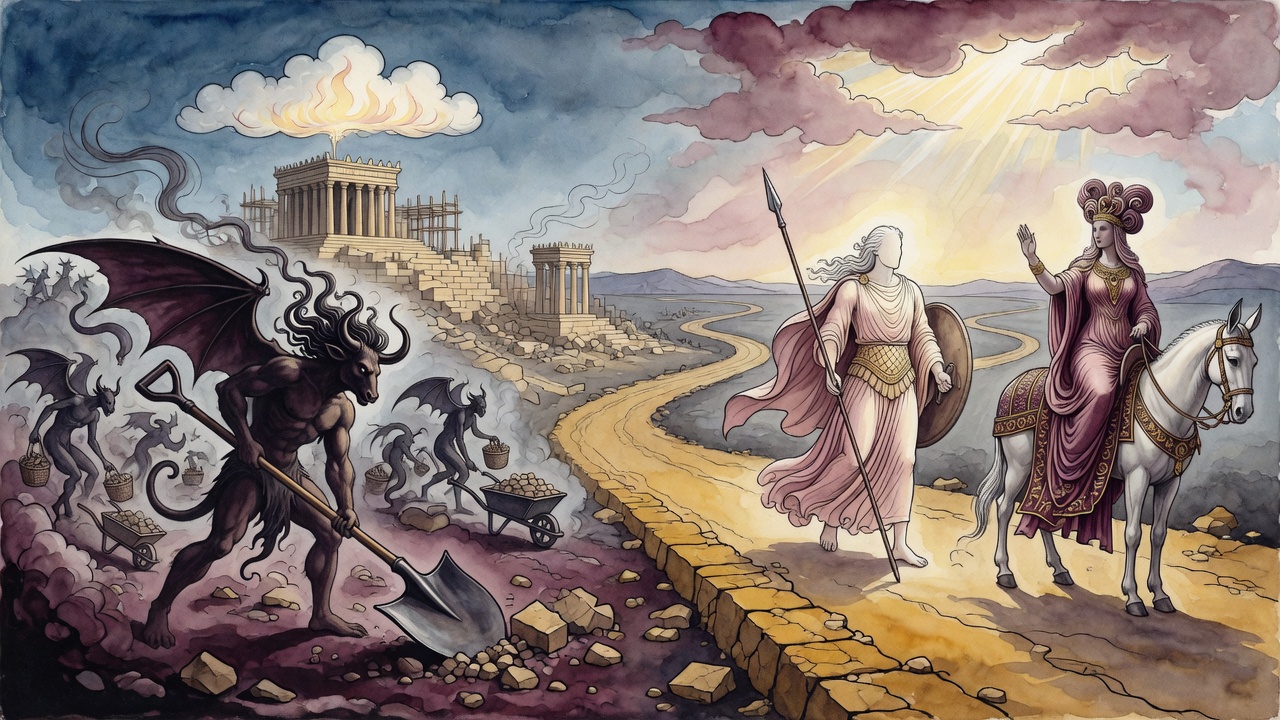
Asmodeus wore Solomon's face and ruled his throne. Solomon wandered for three years telling people his name while they laughed.
Table of Contents
 Click for full size
The King Nobody Believed
Solomon had a name but no throne, a face but no crown, a history that no one he met had any reason to believe. He wandered from city to city telling people he was the king of Israel. They laughed. A beggar claiming to be the wisest monarch alive, walking without retinue or ring or any object of proof, repeating the same absurd claim in every town, was not credible by any standard a reasonable person would apply.
This went on for three years.
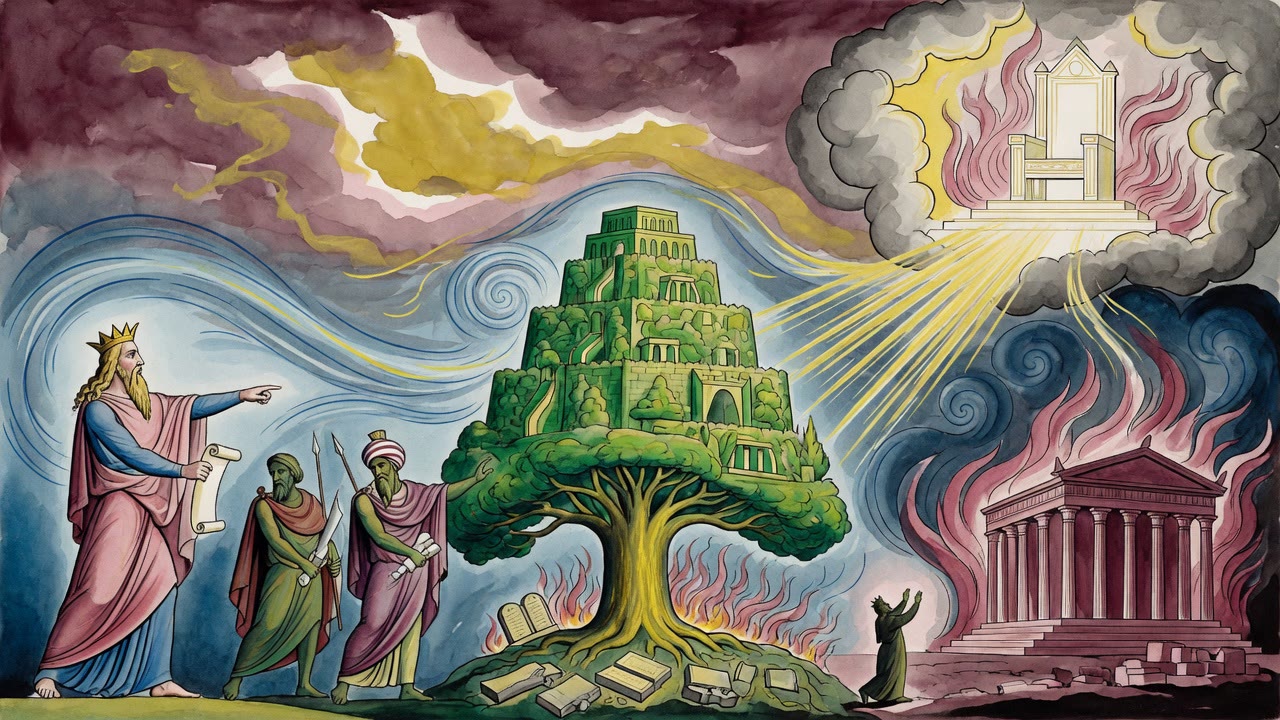
The tradition is explicit about why. Asmodeus, king of the demons, had been Solomon's captive for years. When Solomon violated three prohibitions that Deuteronomy laid down for kings, too many horses, too many wives, too much accumulated gold and silver, the divine response was not a warning. It was a removal. Asmodeus was freed, put on Solomon's appearance, sat on Solomon's throne, and ruled Israel while the real king walked the earth unable to prove who he was. The punishment fit the sin exactly: Solomon had placed his confidence in the visible markers of power, and the visible markers were stripped away and given to someone else.
What Three Years on the Road Looks Like
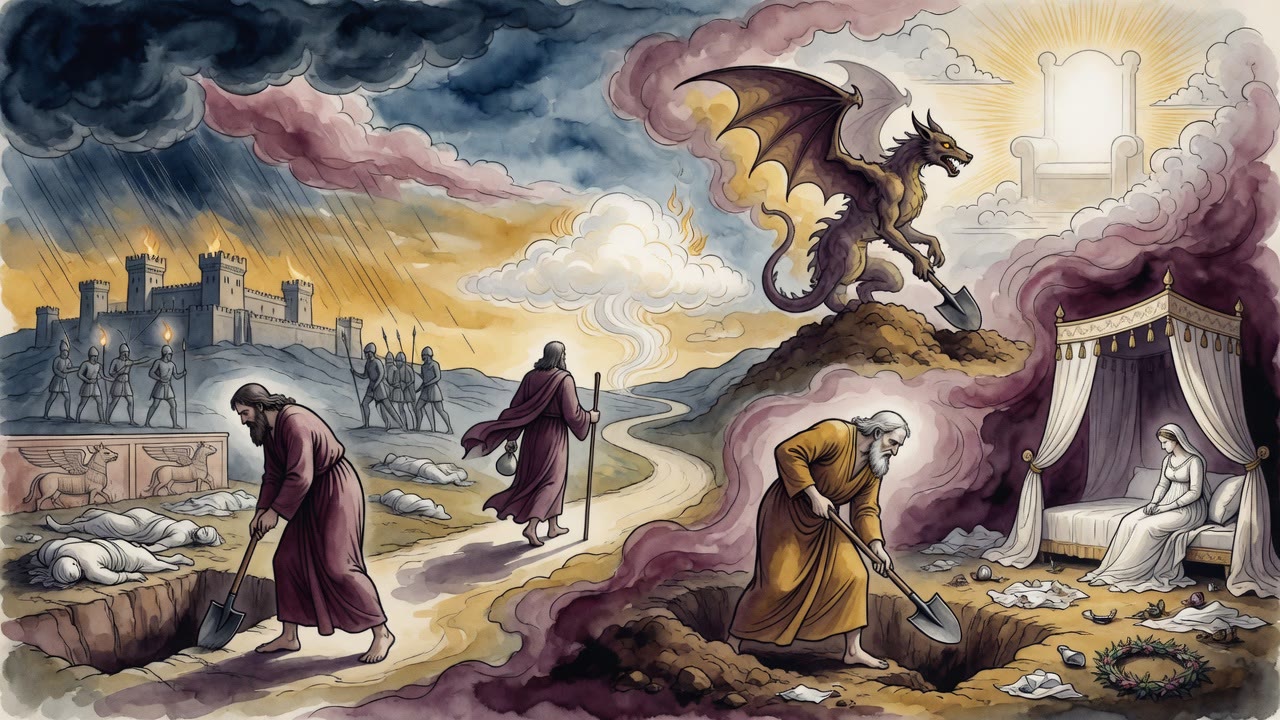
The wandering was not comfortable suffering. Solomon was humiliated, repeatedly and completely. He begged for food. He told his story and watched people dismiss him. He arrived in Ammon and ended up working in the palace kitchens, cooking for a king who did not know who he had hired. He worked with his hands, in a servant's role, in a foreign kingdom, under a name that no one there would have recognized even if he had used it.
He caught the eye of the king's daughter, Naamah, who either saw something real in him or simply loved him. When her father found out that she had married the cook, he ordered both of them into the desert to die. They wandered further. Solomon fished to stay alive, opening his catch each night to eat, surviving on what the water provided.
The Fish and the Ring
One evening he cut open a fish and found inside it the ring engraved with the divine name, the ring that Asmodeus had taken from him at the moment of the dispossession. The moment he held it, his authority returned. The exile was over. Not because anything around him had changed, not because anyone had finally believed his story, but because the object that carried his legitimate power had come back to his hand.
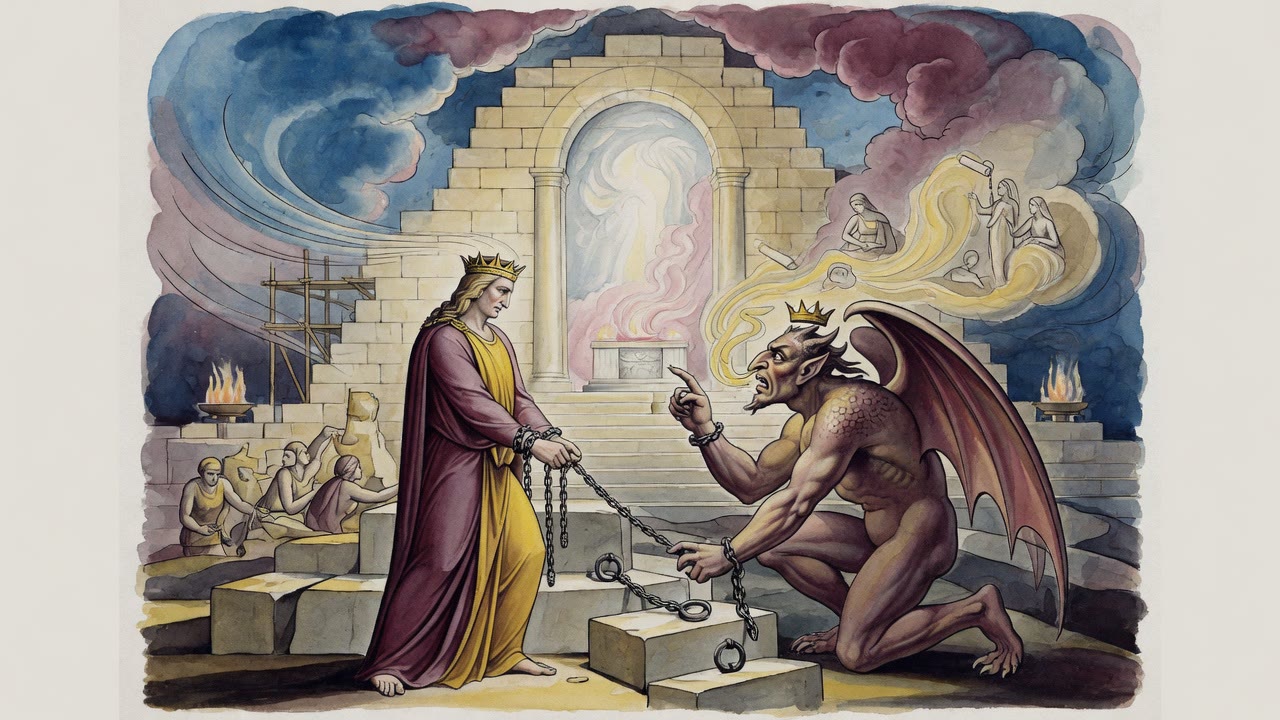
He made his way back to Jerusalem, appeared before the court with the ring, and confronted Asmodeus. The demon could not maintain the disguise against the name. He fled. Solomon sat again on his own throne and faced what three years of wandering had done to his understanding of himself.
What the Exile Was For
The tradition does not present this as arbitrary punishment. The three violations, too many horses, too many wives, too much wealth, were not incidental excesses. Each one represented a category of misplaced trust: military power instead of divine protection, political alliance instead of covenant faithfulness, material security instead of reliance on God. Solomon had quietly replaced the conditions of righteous kingship with the conditions of ordinary imperial power, and the exile was the lesson that demonstrated what ordinary imperial power actually meant without the ring: nothing.
He had told people his name for three years and been laughed at. That was the curriculum. By the time the fish returned his ring to him, he had learned what it meant to have authority that rested entirely in something he could not manufacture, could not protect by his own effort, and could lose in a moment.
← All myths