Miriam Hidden in the House of David's Genealogy
Caleb read illness and awakening in her name. Two words in Chronicles carried the whole arc of Miriam's life into the house of David.
Table of Contents
The genealogy in the fourth chapter of Chronicles is the kind of list that drives readers into the next page. Dozens of names, fathers of sons, sons of fathers, the household of this man and the sons of that woman, all of it dense and dry and apparently going nowhere. Caleb the son of Hezron appears there. Miriam does not appear there at all.
 Click for full size
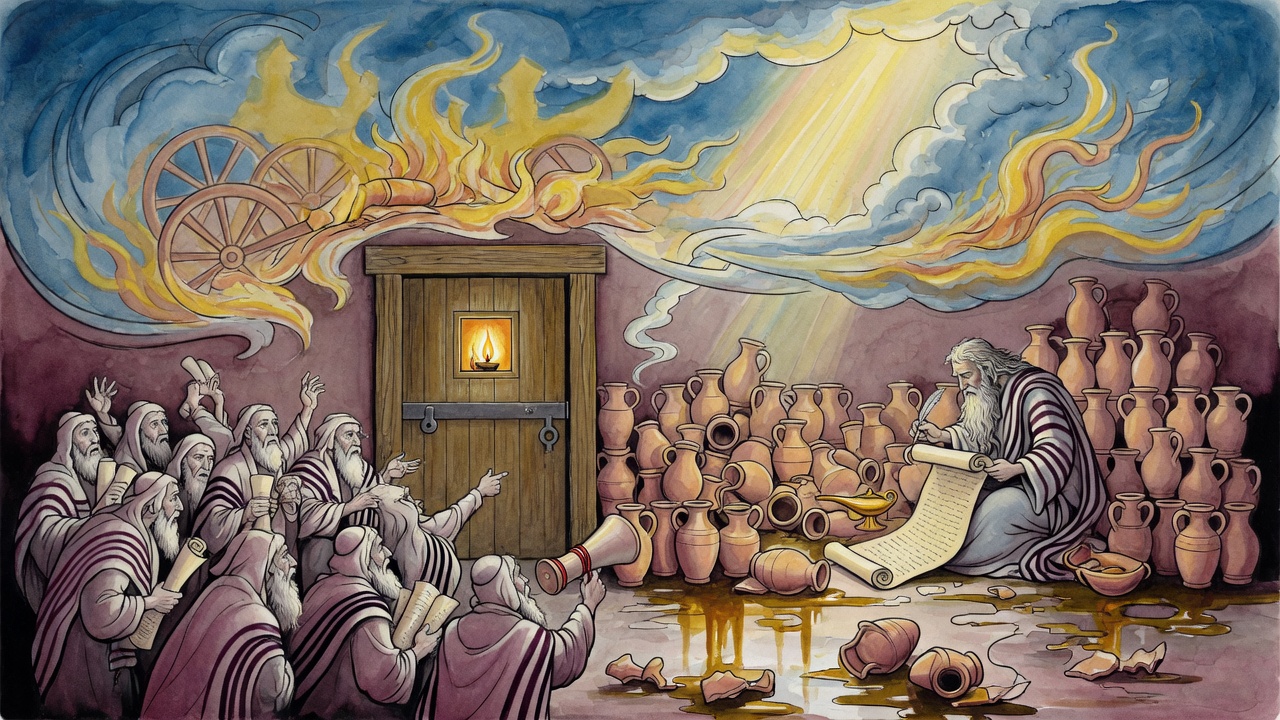
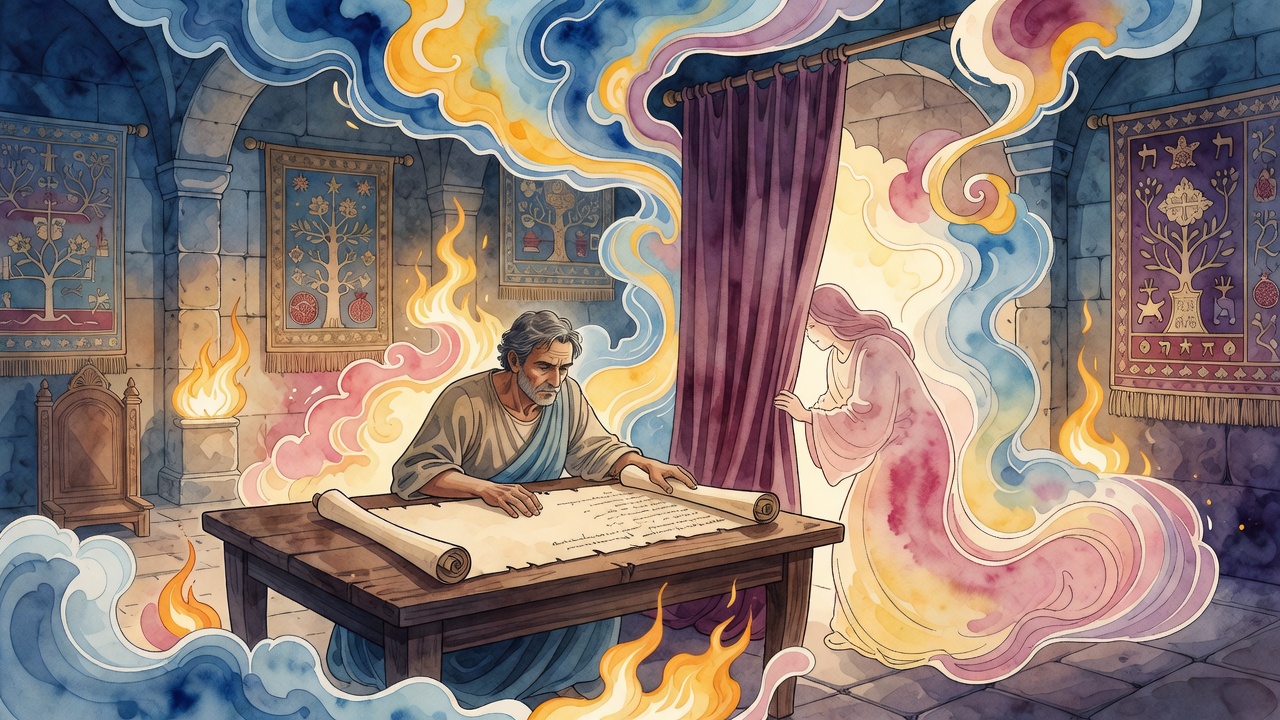
But a sage reading it refused to skip it. He looked at the name Ashchur, father of Tekoa, and stopped. Ashchur. The word encoded a darkness, hushcharu, the blackening that fasting works on a face. This was not a new person. This was Caleb, the one who had blackened his face with fasting until the skin pulled tight. Father of Tekoa did not mean he had a son by that name. The verb taka meant to peg, to stake, the way you drive a tent peg into the ground. Caleb had pegged his heart to heaven.
Two Names for One Life
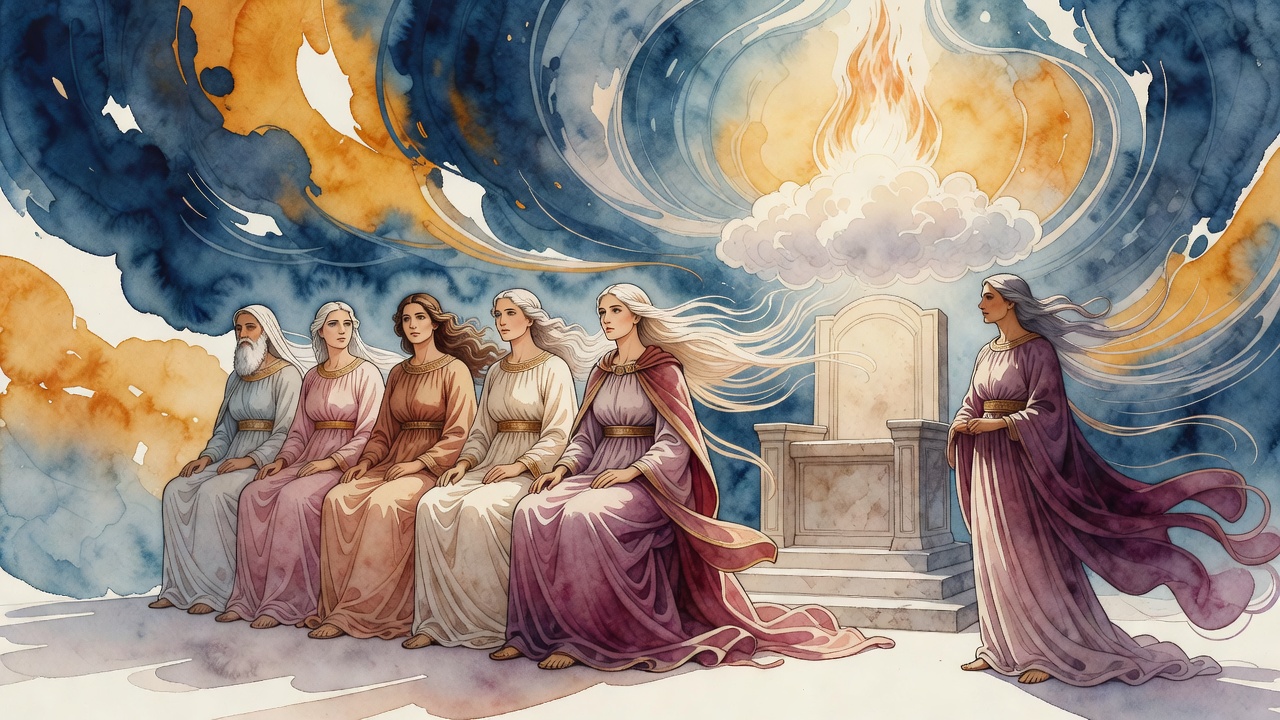
And Ashchur had two wives. Chelah and Na'arah. The sage kept reading. Chelah sounded like cholah, the sick one. Na'arah sounded like the verb to wake. Two wives. The same woman, twice. Miriam had been like two wives to Caleb, who had been like a father to her (1 Chronicles 4:5-8). The genealogy was not recording two women. It was recording one woman in two states: the period when she was sick, and the period when she was not.
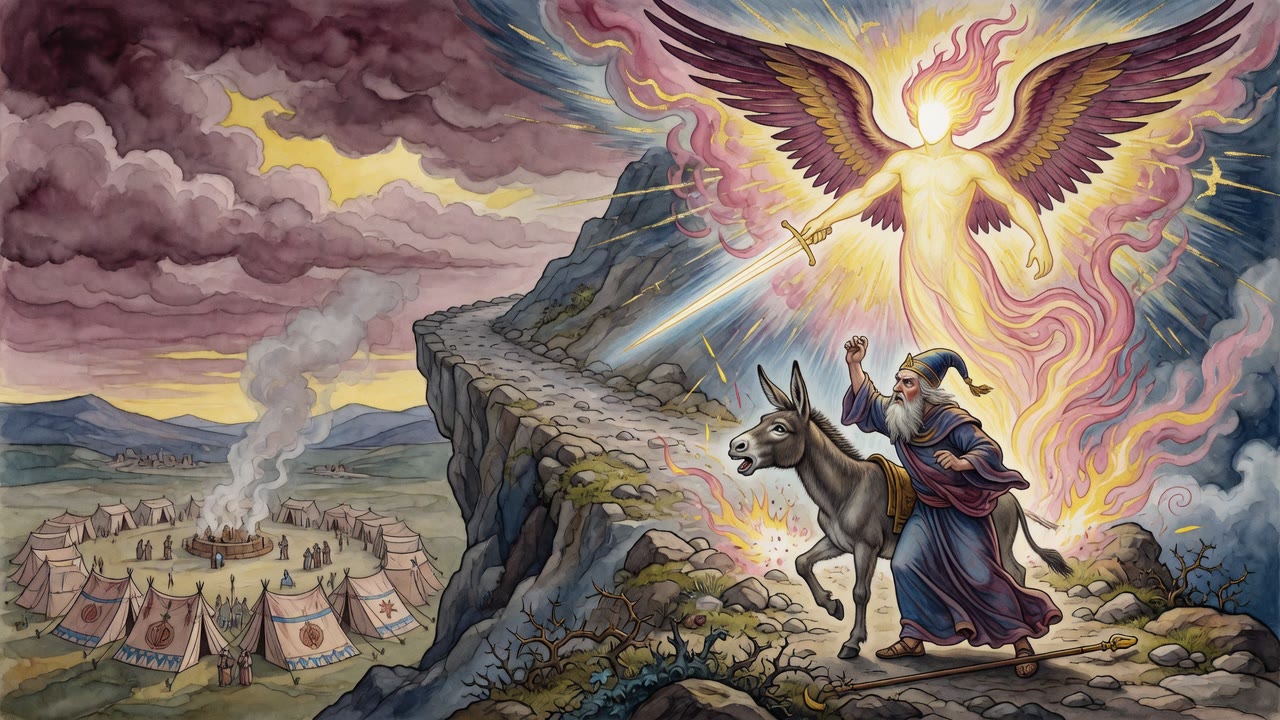
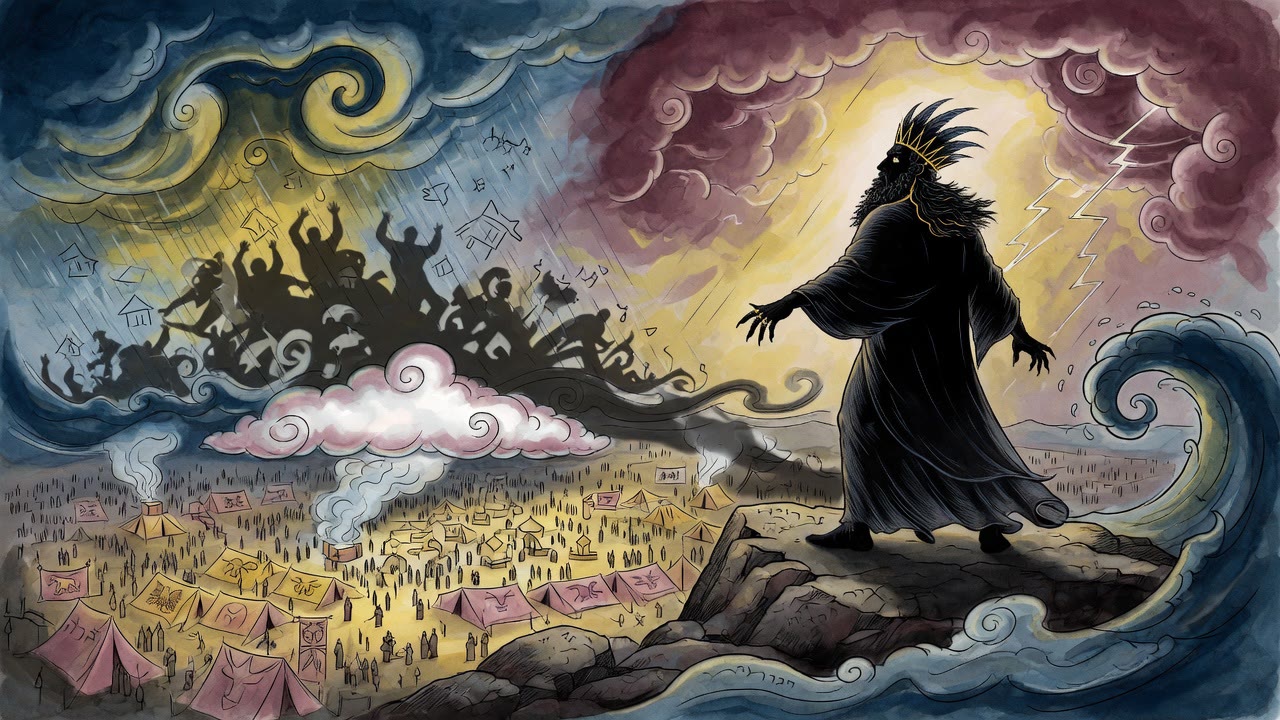
The illness was not obscure. Numbers 12 named it plainly: tzara'at (צָרַעַת), the skin affliction that sent her outside the camp for seven days while the whole nation waited, the pillars of cloud and fire standing still, half a million people holding in place because Miriam was outside the boundary (Numbers 12:15). Then she was healed and the nation moved. The genealogy compressed all of that into two syllables. Chelah. Na'arah. Sick. Awakened.
What Her Brightness Did
The names around hers in the list encoded more. Tzereth meant vexation: her face had been so bright it made the other wife envious. Tzochar meant midday, because her face shone like noon. Ethnan meant a gift a man brings his wife, because when men saw Miriam's brightness they went home stirred and brought their wives presents. Her luminosity moved through other households. It changed what men did when they returned from watching her.
A supporting figure does not appear this way in a genealogy: compressed into illness and healing, encoded in envy and noon-brightness, her existence rippling into other marriages. The names preserved her the way a scar preserves the shape of a wound.
The Moment of Careless Speech
Rav Asi made a harder argument. A person does not engage in lashon hara (לָשׁוֹן הָרַע), in malicious speech, until they have first denied that any authority stands above their own words. He cited the verse: with our tongue we will prevail, our lips are our own, who is lord over us (Psalms 12:5).
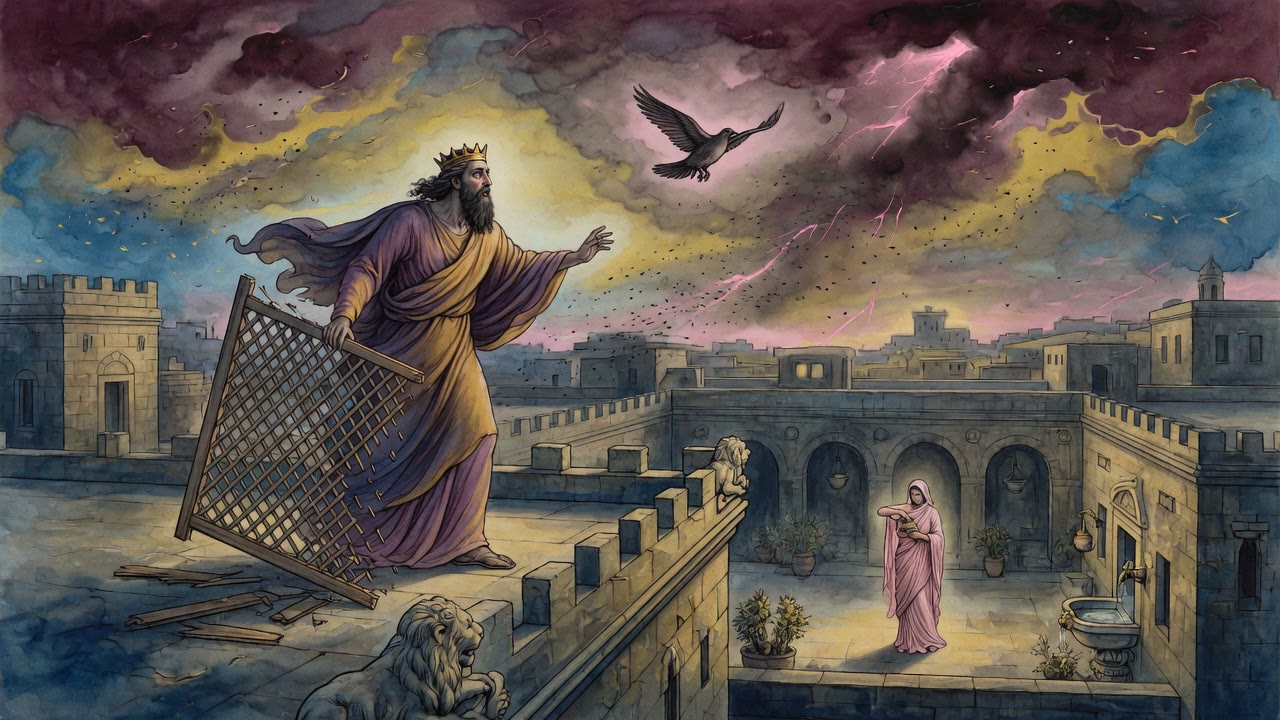
Then he brought Miriam in. Rabbi Shimon pointed to the same episode: Miriam's speech was not malicious. She had spoken to Aaron out of concern for Moses's wife, worried that Moses had separated from her wrongly. Her intention was the opposite of wound. And still, the affliction fell on her, and she stood outside the camp. If this happened to Miriam, who had no malice in her, what waited for the speaker whose tongue moved with actual poison in it?
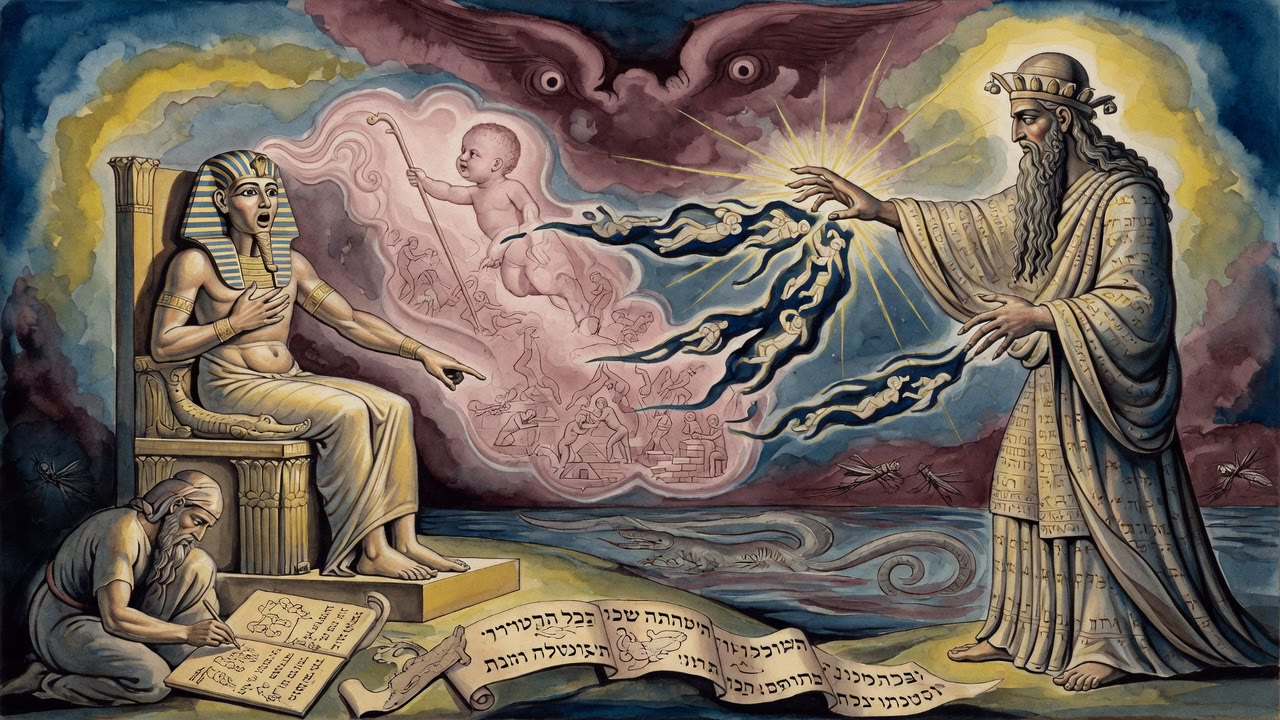
The warning only functioned because her righteousness was beyond argument. She was the one who had stood at the bank of the Nile watching the basket drift (Exodus 2:4). She was the one who ran to find a wet nurse the moment Pharaoh's daughter opened the bulrushes. She led the women in song at the sea, a drum already in her hands, packed for a miracle she had not yet seen. Her credit was absolute. That was why the case worked.
The Examination
When a priest examined the afflicted, the examination was precise. The priest looked at the parts of the body visible when a person stood in an ordinary posture, the way a man carries himself among other men, or the way a woman holds herself while weaving or nursing a child (Leviticus 13:12). The examination was not designed to find the hidden. It was designed to see what the surface already showed.
God examined Miriam the way the priest examined skin. The affliction was real. The seven days outside the boundary were real. And then the healing was real, and the nation moved, and Chelah became Na'arah, and the genealogy in Chronicles carried both states forward because neither one could be dropped from the record of her life.
From the Drum to the Throne of David
The line from Miriam to David was not coincidental. Caleb, who had been like a father to her, carried her line forward in the genealogy, and the genealogy ran toward David. The house of David grew from women who had acted before outcomes were known. Miriam waited at the river without being told to wait, only knowing that the basket had gone in and had not come out. Ruth said your people shall be my people before she knew what that would cost.
Both stood at a threshold without a promise. Both acted anyway. The sage reading Chronicles found Miriam's name compressed into two words, sick and awakened, tucked into a list nobody reads. He found it because he would not skip the list. The tradition kept it there because the woman who carried the drum at the sea was not the sister of the story. She was its source.
← All myths