Nathan Walked Toward the King With a Story
The prophet did not name the sin. He asked the king to judge a rich man who stole a poor neighbor's only lamb. David called for death.
Table of Contents
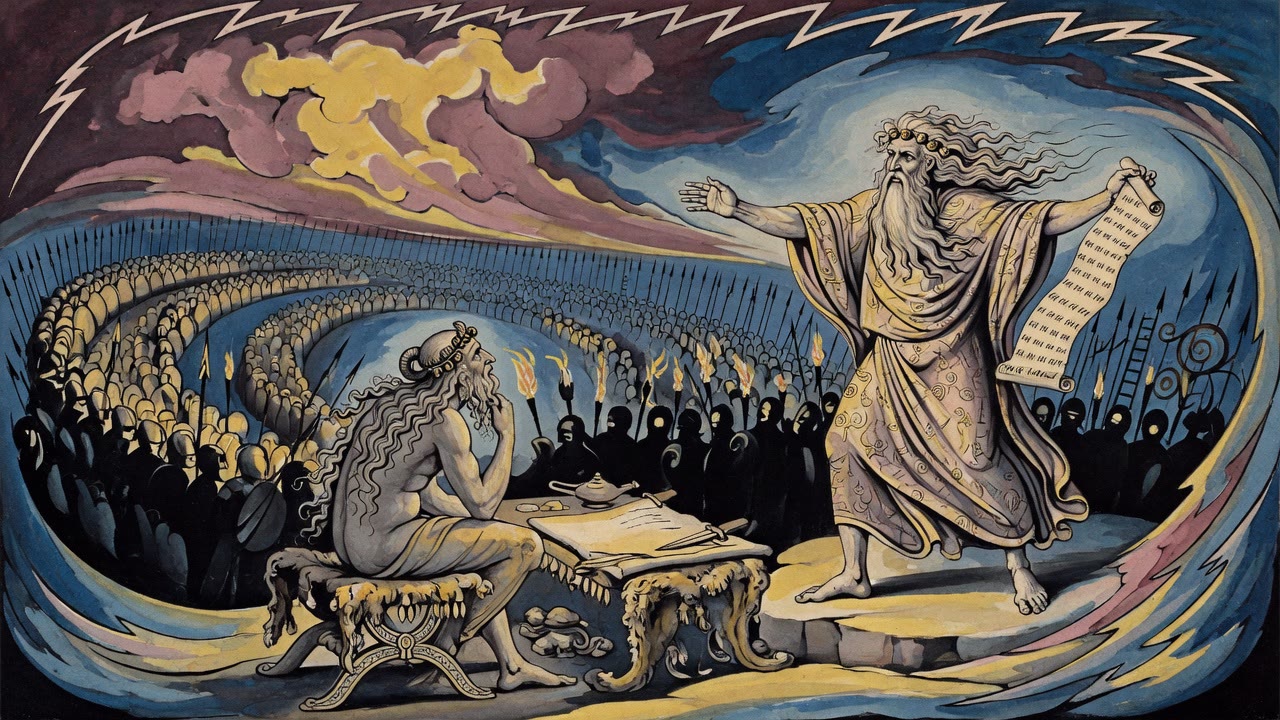
Nathan woke with God's complaint still in his mouth. The woman on the roof. The letter Uriah had carried to his own death. The marriage after the mourning days. A son already born. God was angry at David, and He had said so in the prophet's sleep.
 Click for full size
Nathan was a prudent man. He knew what kings do when a prophet walks in with a naked charge. Passion runs faster than justice. David had armies. David had just shown what he would arrange for a man who stood in his way.
Nathan did not take the charge into the court. He took a story.
Uriah Would Not Go Home
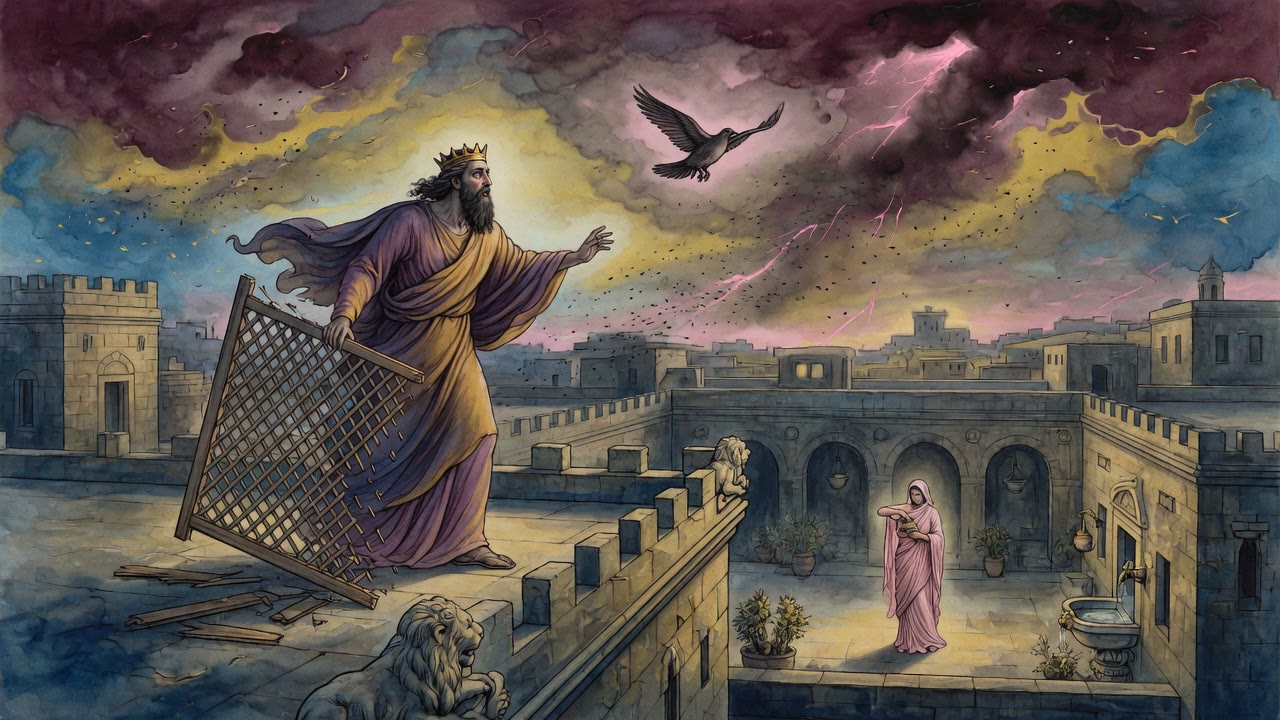
It had begun on a roof. Late, David looked down and saw Bathsheba bathing. He sent for her. She conceived. By the law of their fathers, a woman caught in adultery could be put to death, so she sent word that the king should hide what they had done.
Uriah was at Rabbah, armor-bearer to Joab. David called him back, asked about the siege as if that were the point, then sent meat from his own table and told him to go home to his wife. Uriah slept at the palace gate with the other guards. He would not take a bed while the army slept on the ground in an enemy's country.
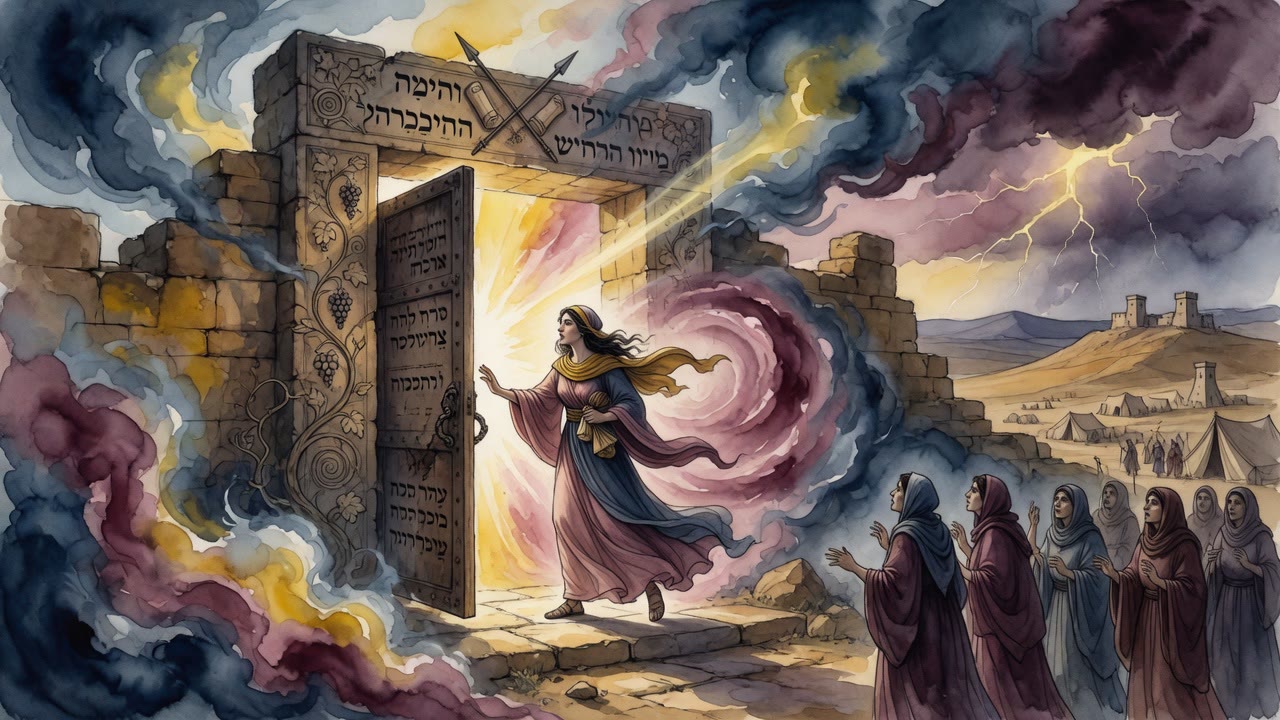
David kept him another night and poured wine until Uriah staggered. Still he lay down at the gate. In the morning David wrote to Joab, sealed the letter, and put it in Uriah's hand. Set him where the wall is worst. Let his partners fall back. Joab did it. The Ammonites poured out. Uriah's companions retreated as they had been told. Uriah held the ground, killed several, and went down in the middle of them.
When the messenger added that Uriah was dead, David grew calm. He told Joab that such losses were the nature of war. Bathsheba mourned the counted days. Then David took her. A son was born. God was not pleased.
Two Men Lived in One City
Nathan came as if he needed a judgment. Two men in one city, he said. One rich. One poor. The rich man had flocks and herds until the hills were loud with them. The poor man had nothing except one ewe lamb he had bought and raised.
The lamb grew up with his children. It ate from his plate. It drank from his cup. It lay in his arms. He loved it the way a man loves a daughter.
A traveler arrived at the rich man's house. The rich man would not take from his own flocks to feed the guest. He sent for the poor man's lamb, took her, and made her ready for the table.
Nathan stopped. He waited. He had not said David's name.
David Passed Sentence on a Stranger
The king heard a case of cruelty and his face changed. This was the heat that had made Israel love him, the heat that rose when a powerful man crushed a weak one.
"This man is wicked," David said. "He shall restore the lamb fourfold. He shall also die for it."
He had given both penalties. Restoration was not enough. He wanted blood for a lamb he had never seen.
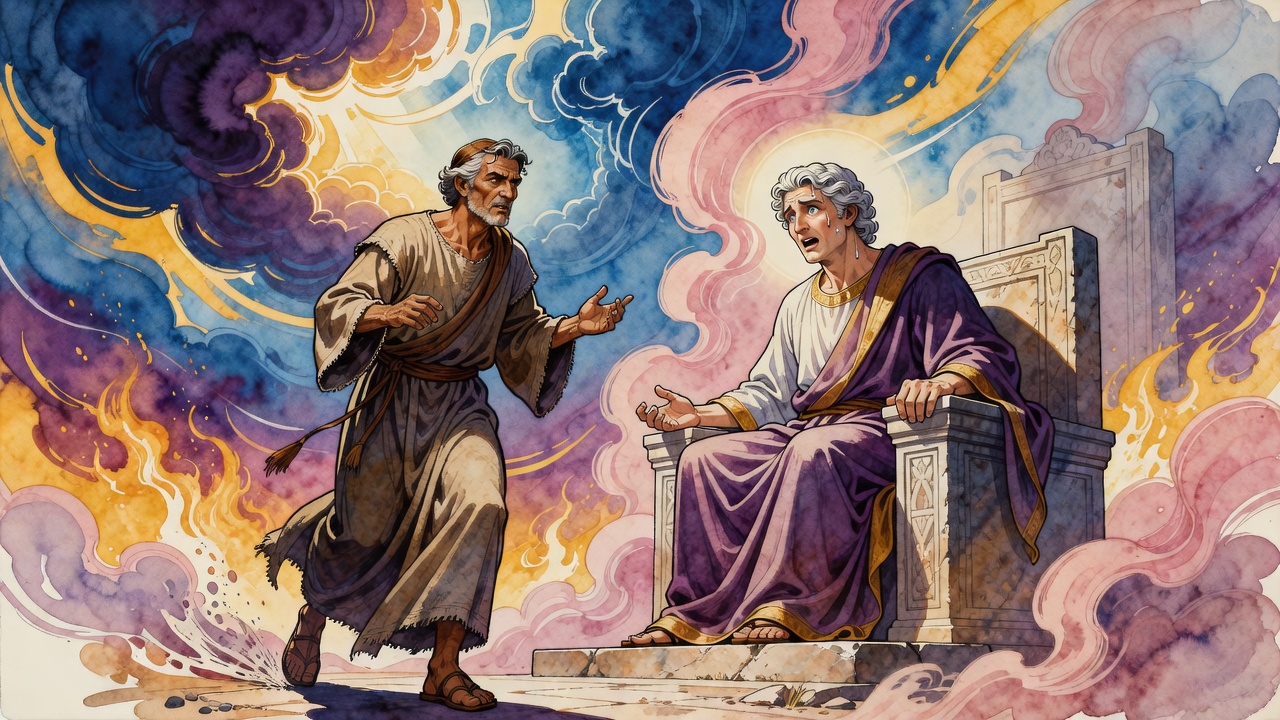
Nathan stood. He did not kneel. He did not soften the next sentence. He had come to stand forth against David, and he did it on his feet.
You Are the Man
"You are the man," Nathan said. "You ought to suffer those punishments by your own sentence" (2 Samuel 12:7).
Then he laid out what God had done for David and what David had done with it. God had made him king over the army of the Hebrews. God had delivered him from Saul. God had given him wives in the lawful way. And David had taken another man's wife and sent her husband to the front of the wall so the Ammonites would finish the work.
The secret would not stay secret. One of David's own sons would force his wives. The same son would try to take the throne. The child born of this would soon die.
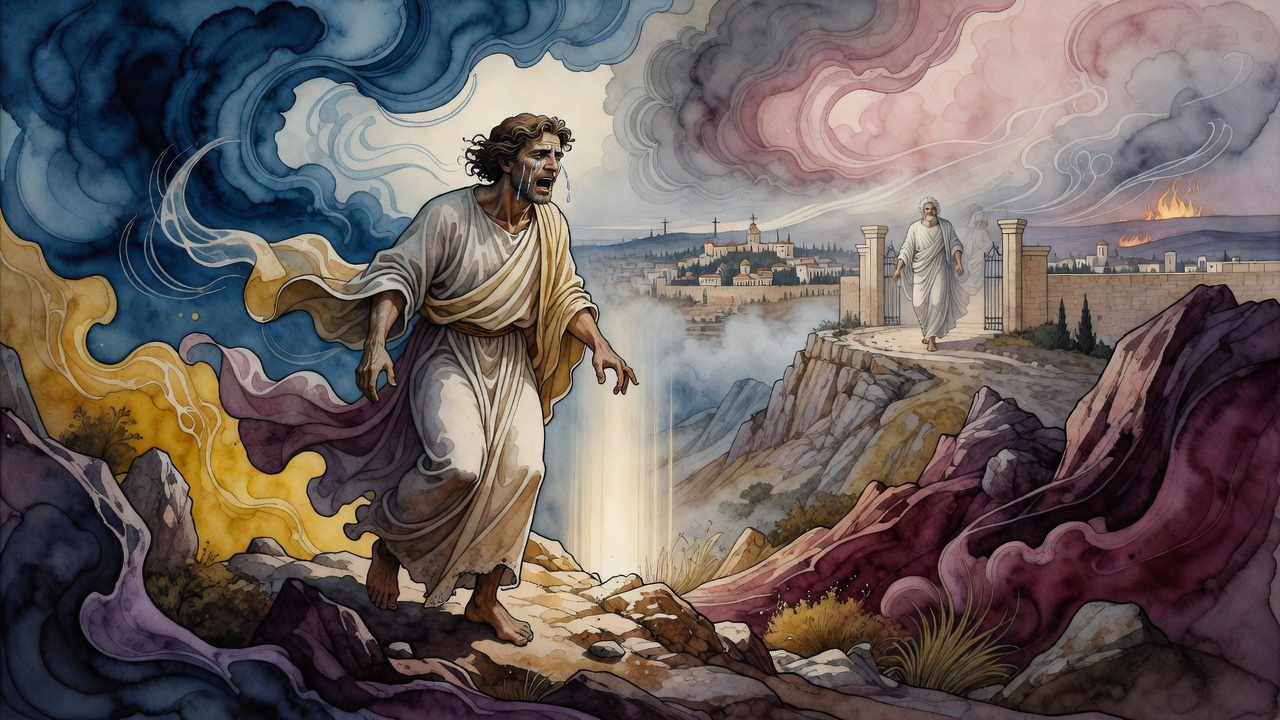
David's mouth opened. Tears came.
"I have sinned against the Lord."
God had compassion then. Nathan told him he would not die. The kingdom would stay. The child would not.
Nathan Went Home
He had delivered the prophecy. He left the palace. Behind him David sat with a verdict he could not appeal, because he had spoken it himself before he knew the defendant's name.
The child sickened. David would not eat for seven days. He lay on the ground in sackcloth and asked God to let the boy live. On the seventh day the boy died. The servants were afraid to tell him. He saw their faces and understood. He rose. He washed. He put on a white garment and went into the tabernacle.
Nathan was already gone. The work in the court was finished. He had walked toward the king with a story about a lamb, and he had left with a confession.
← All myths