Lot Was the Link the Patriarchs Could Not Be
Lot chose Sodom and seemed to step out of the covenant. The rabbis found a hidden thread running from his fall all the way to King David.
Table of Contents
 Click for full size
The Man Who Walked Away
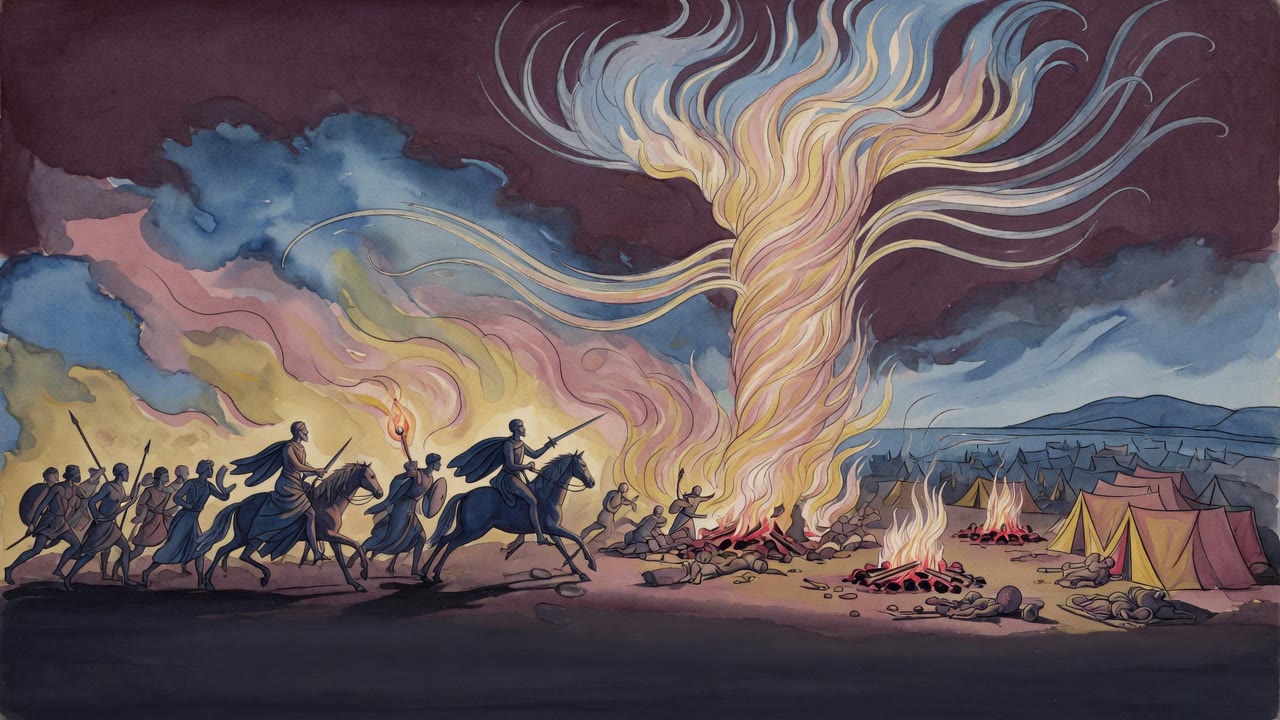
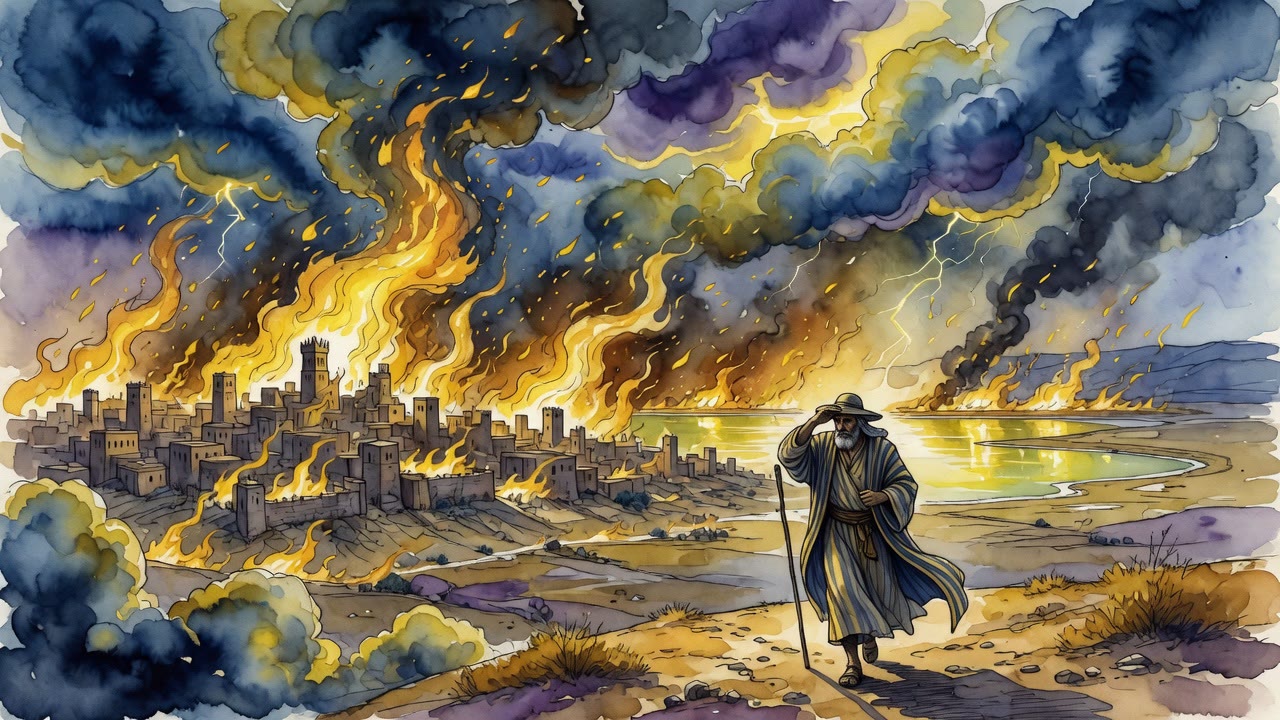
Lot walked away from Abraham. He chose the Jordan plain because it looked like the garden of God and Abraham chose Canaan. The story appears to divide cleanly: one man takes the covenant road, the other takes the road that leads to Sodom. By the end of Lot's narrative he is in a cave with his daughters, the city he chose is ashes, his wife is salt, and his two sons born in the cave are the ancestors of Moab and Ammon, the nations Israel will spend centuries fighting.
That is the surface of it. Bereshit Rabbah will not leave it there.
The Inheritance He Claimed Too Soon
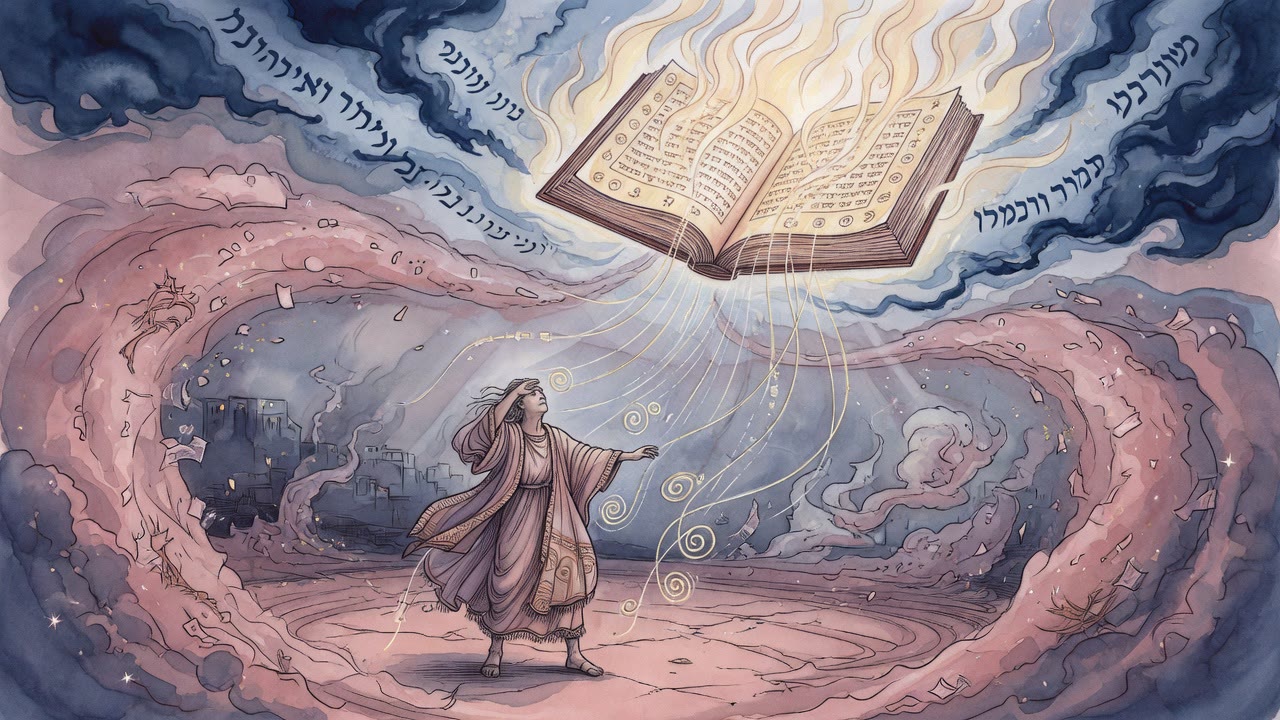
The quarrel between Abraham's shepherds and Lot's shepherds was not, in the rabbinic reading, about grazing rights. It was about inheritance. Abraham's animals were muzzled so they would not eat from other people's fields. Lot's animals grazed freely. When Abraham's shepherds objected, Lot's shepherds had an answer ready: God had promised the land to Abraham's descendants, Abraham had no child yet, Lot was his heir, and the land was therefore already Lot's.
This was the error: treating the promise as already settled when the promise had not yet been fulfilled. God's response was immediate and devastating. The verse that records the dispute says the Canaanites and Perizzites were then living in the land (Genesis 13:7). The land belongs to them now, the tradition says God was answering. When I give it to Abraham's descendants, I will give it to his actual descendants, not to the man who decided in advance that the promise applied to him.
How Lot Learned to Be Hospitable
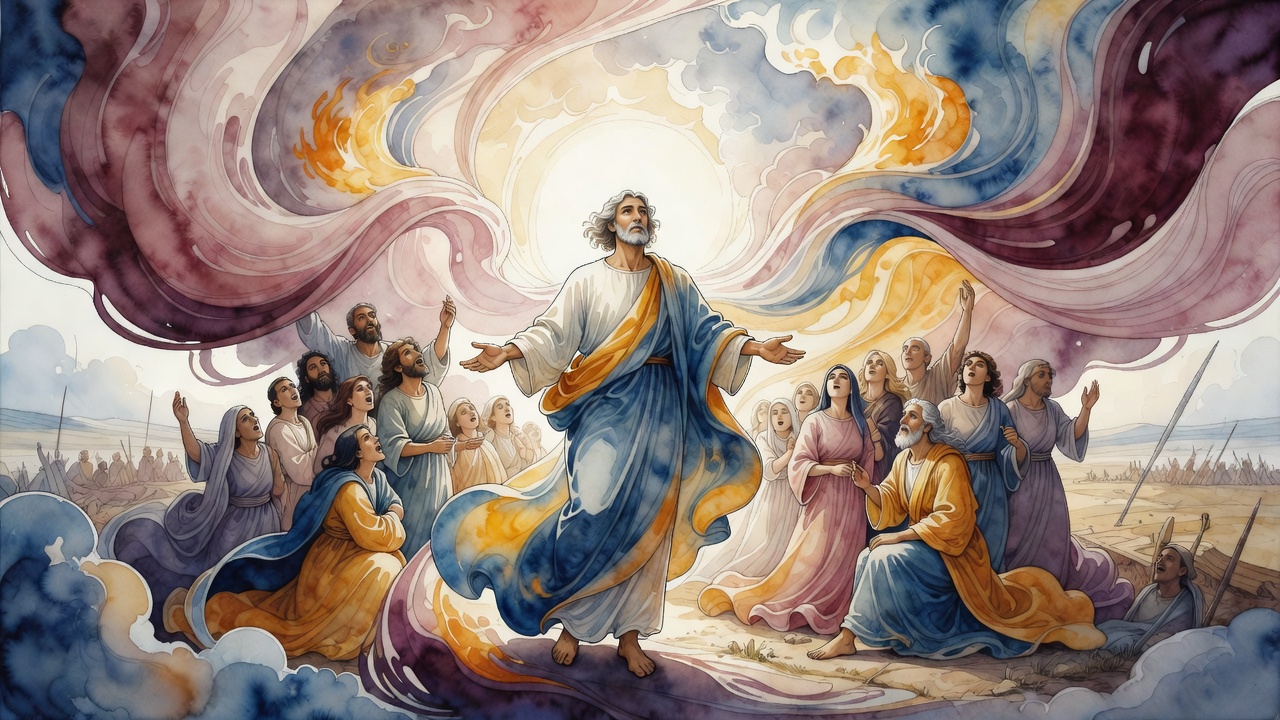
Pirkei DeRabbi Eliezer, c. 8th century CE, looks back at Lot's years in Abraham's household and finds something worth keeping. Lot had learned hospitality there. When the angels arrived at Sodom's gate, Lot's instinct was Abraham's instinct: rise, bow, press the guests to come inside, feed them. He did not arrive at this behavior naturally. He had watched it practiced, absorbed it, and reproduced it in a city where it was illegal to do so.
This was not nothing. It was everything. The angels were sent to destroy Sodom, but Lot's hospitality placed him in a category that required extraction rather than destruction. Lot had taken one thing from Abraham's world with him into Sodom, and that one thing was enough.
The Cave and What Came Out of It
The Book of Jubilees reads Lot's separation from Abraham as a source of grief: Abraham's heart was pained that his nephew had departed from him (Jubilees 13:12). The grief was not merely personal. The separation broke something in the household structure that had been holding Lot's better instincts in place. In Abraham's presence, Lot was the man who bowed to angels. Outside it, he was the man who settled near Sodom and then inside it.
Bereshit Rabbah 52 cites a verse from Proverbs about a brother who has been wronged being harder to persuade than a city under siege (Proverbs 18:19). The tradition applies this to Lot's behavior toward Abraham, the way he let his shepherds argue for an inheritance that was not theirs and gave them no correction. He had committed a subtle betrayal, and the consequence of that betrayal was that he carried it into Sodom without a corrective force nearby.
Moab, Ruth, and the Hidden Thread
Lot's daughters made choices in the cave that are among the most disturbing in the Tanakh. The tradition generally does not read them as sinners. They believed, genuinely, that they were the last people alive, that the world they knew had ended in the fire that had consumed every city they could see from the hillside. What they did, they did in the dark of a world they understood to be over.
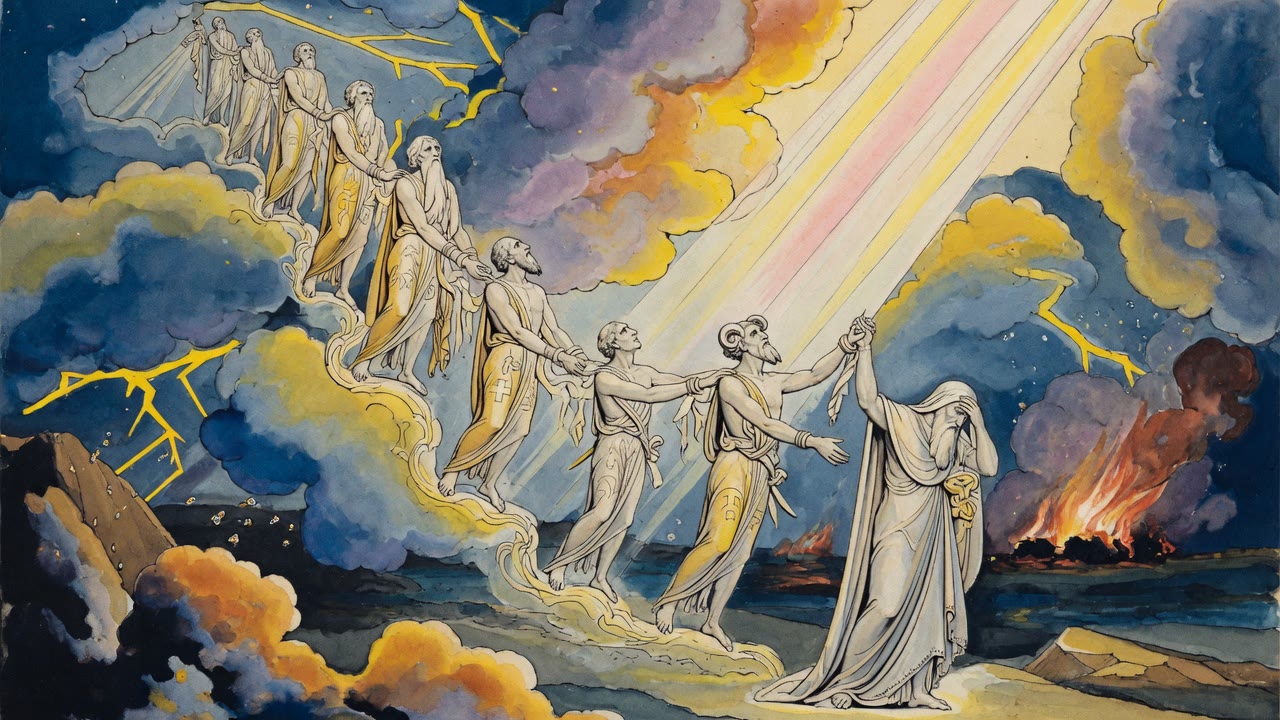
From those choices came Moab. From Moab came Ruth. From Ruth came David. The most broken and shameful branch of the patriarchal story produces the dynasty on which the entire future of Israel's covenant rests. Lot was the link the patriarchs could not be because no patriarch could have taken the road Lot took, and the road Lot took was the only road that led through Moab.
← All myths