Hagar Was Pharaoh's Daughter and She Named the God Who Sees
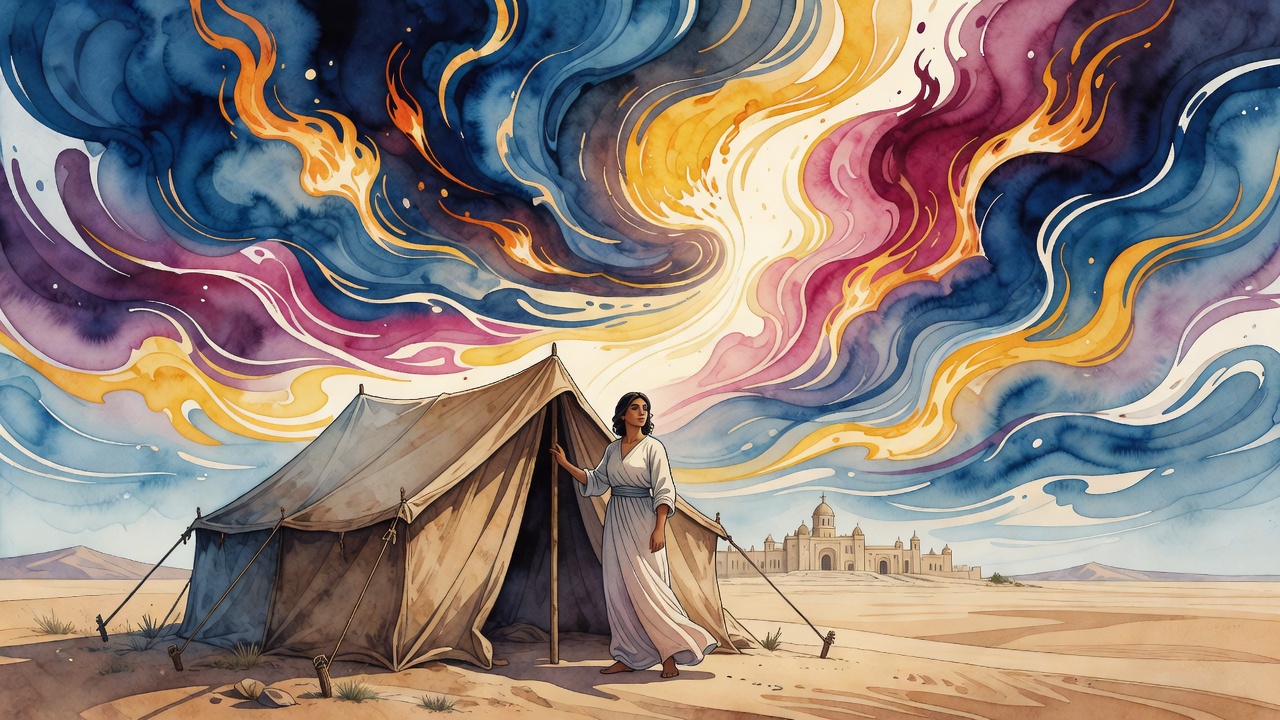
Pharaoh handed his own daughter over to Sarah as a slave. He would rather see her carrying water in a tent than crowned in another man's harem.
Table of Contents
 Click for full size
The Daughter Pharaoh Gave Away
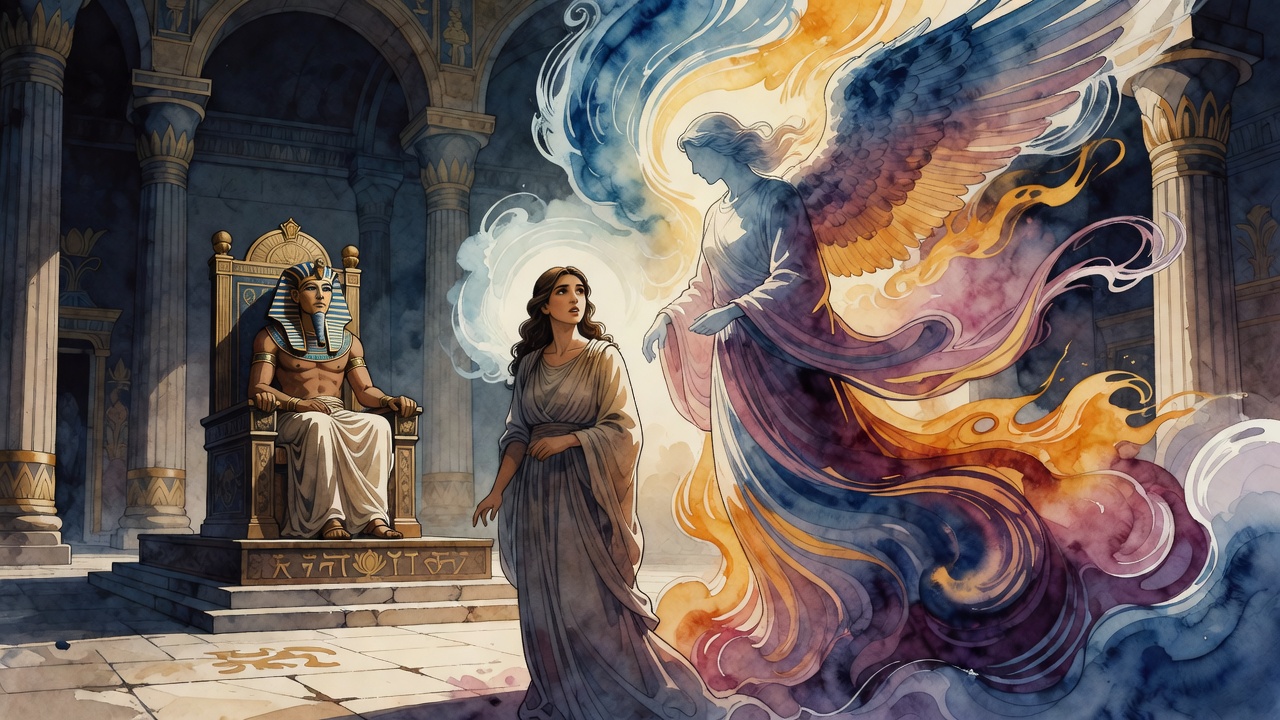
Pharaoh had taken Sarah into his house and could not keep her, and the paying began. Gold went out to Abraham, and silver, and diamonds and pearls, sheep and oxen, men slaves and women slaves. Pharaoh moved the two of them into rooms inside the palace grounds. Then he sat down and wrote out a marriage contract for Sarah and deeded her everything he owned in gold and silver and slaves, and the province of Goshen on top of it, the strip of ground her descendants would one day be living on because it had been signed over to her.
And he gave her his own daughter.
Hagar was a king's child. Pharaoh handed her across as a household slave, and his reason was not sentiment. He would rather watch his daughter fetch and carry in Sarah's tent than watch her sit as a queen in some other man's harem.
The Face She Could Not Stand In Front Of
Years later an angel found Hagar alone at a spring in the wilderness and asked where she had come from and where she was going, and she gave an answer with a strange shape to it. She said she was running from the face of her mistress.
Not from her hand. From her face.
Sarah had not driven her out with a whip. Hagar had looked at her, at the whole royal and unbending presence of the woman, and had started shaking and could not stop. Some people leave what is good because they hate it. Some leave because standing next to it every day tells them, without a word being spoken, exactly what they are. Hagar had grown up in a palace and had never in her life been made to feel small the way she was made to feel small in that tent, and one morning she walked out of it into open country with a child inside her and no water.
The Name She Gave
At the spring she stopped running.
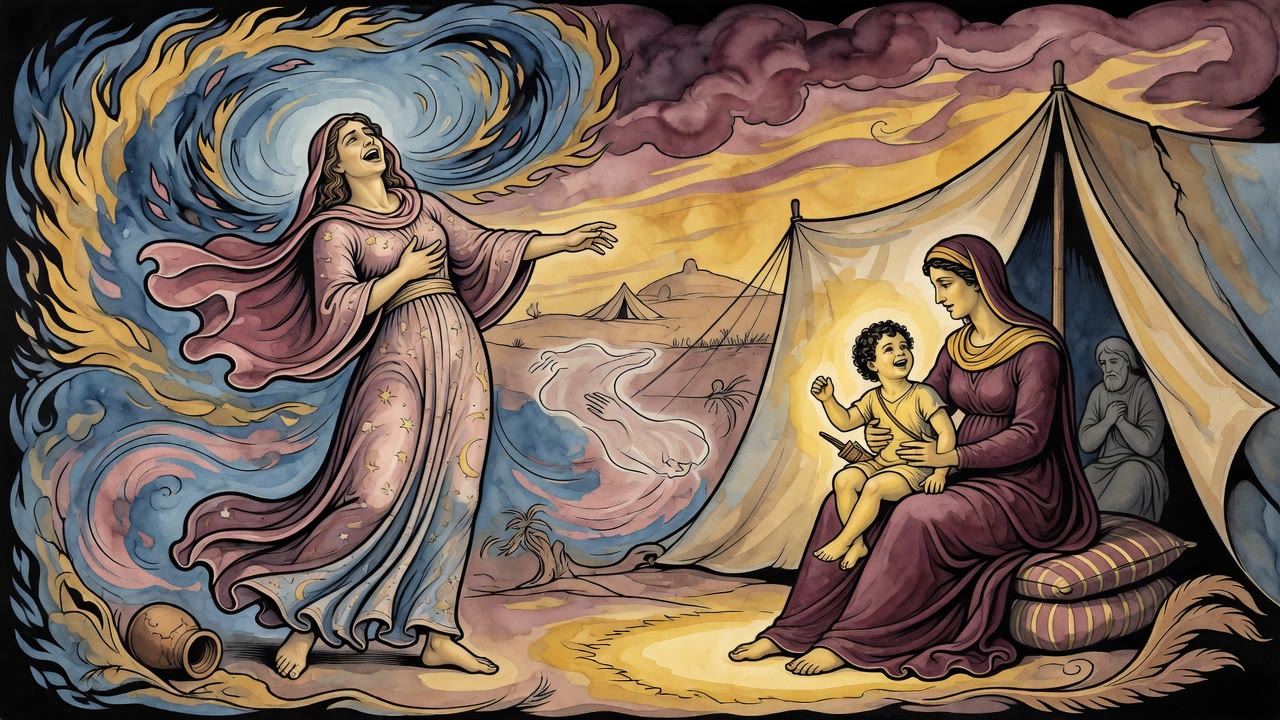
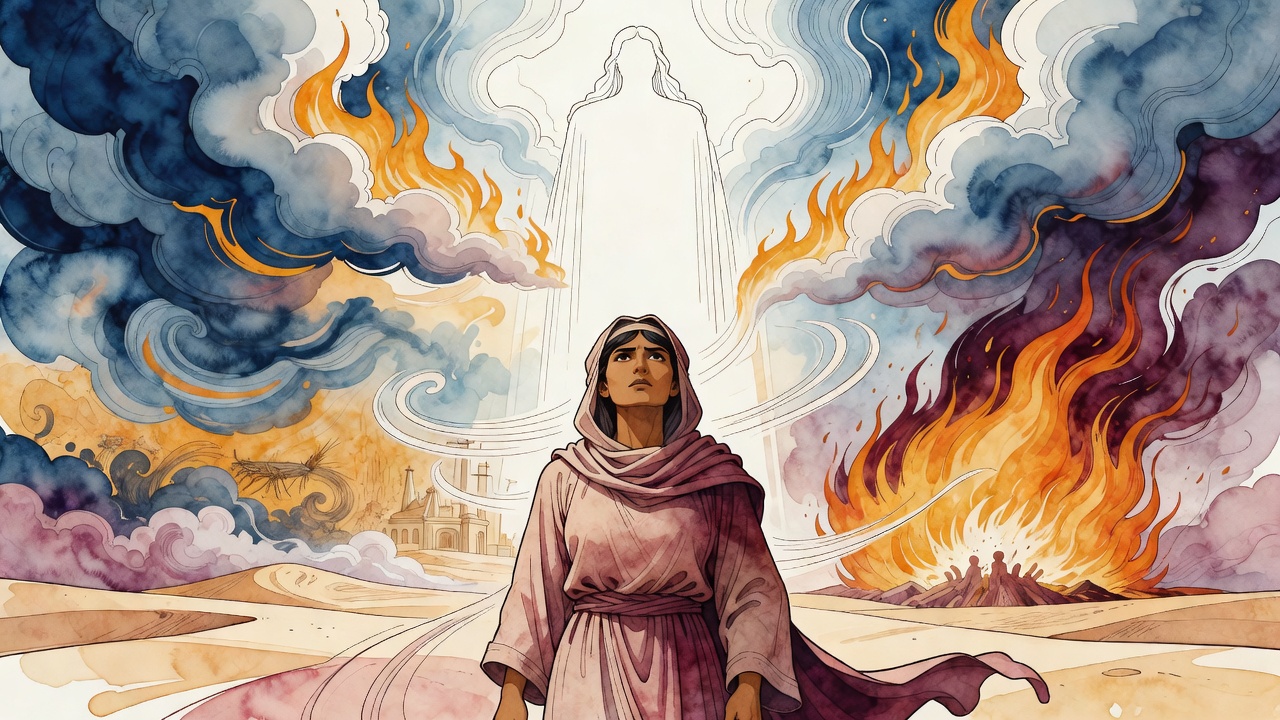
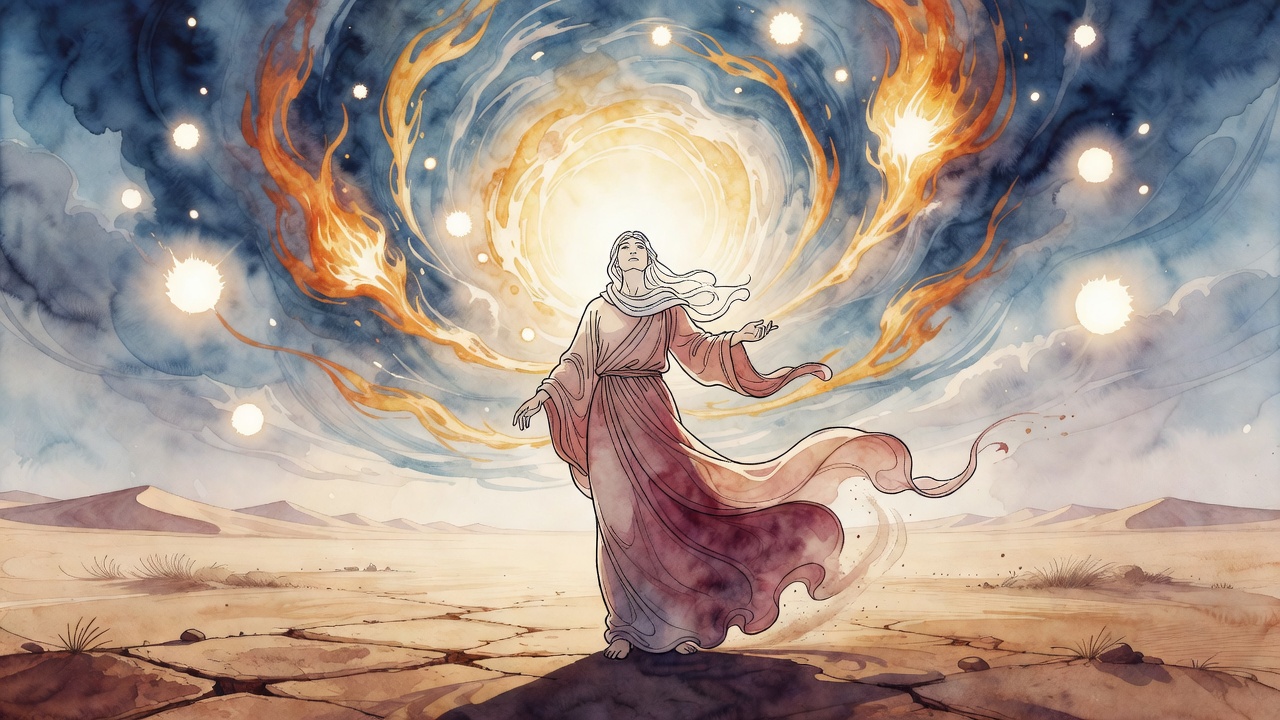
The glory of the Shekhinah (the Divine Presence) opened in front of her, and she stood inside it and gave thanks aloud to the One whose Word had just spoken to her. What she said was not a prayer anyone had taught her. She said: You are the One who lives and is eternal. You see, and You are not seen.
A slave gave God a name in the desert, and it stuck. She had run away from a face she could not bear to look at and had been stopped by a face nobody looks at, and the difference was that this one had already been looking at her the whole way out of camp.
Then she went back.
Bread and a Bottle of Water
The second time she left, Abraham was awake before the sun.
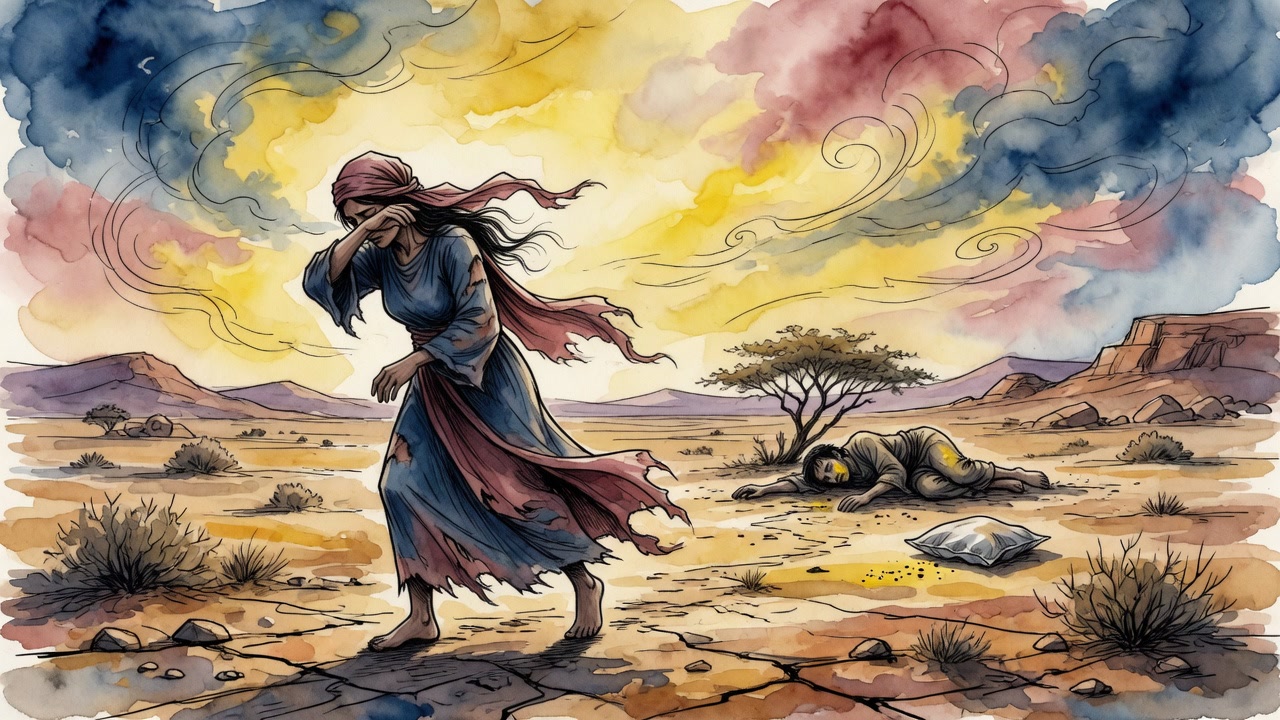
He took bread. He took a bottle of water. He set them on Hagar's shoulders and on the boy's, and he sent her away, and she went out into the wilderness of Beersheba and walked until the country stopped giving her anything to walk toward.
The water in the bottle ran out.
Ishmael thirsted first, the way children do. He slowed, and then he could not go on at all, and then he went down in the sand and did not get up. Hagar picked him up. There was an olive tree standing there and she carried him to it and put him in the shade under it, because it was the only thing in that landscape that could be given to him.
A Bowshot Away
She did not sit with him.
She walked off the distance a good archer can send an arrow, and she turned around, and she sat down facing her son with all that ground between them. She had a sentence for it and she said it out loud with nobody there to hear: let me not see the death of my child.
Then she sat and wept.
The woman who had named the God who sees but is not seen had put herself far enough away that she would not have to watch. She kept her eyes on him anyway, across a bowshot of sand, under an olive tree, in a country with no water in it, waiting to be found again by the only one in the story who had never once looked away.
← All myths