When Jacob Left, Laban's Well Went Dry in Three Days
Jacob rolled the stone off Haran's well alone, and the water rose to meet him. Twenty years later Laban found only a dry hole.
Table of Contents
 Click for full size
Jacob Rolled the Stone Alone
The stone covering the well's mouth was wider than a man's reach. Jacob moved it alone.
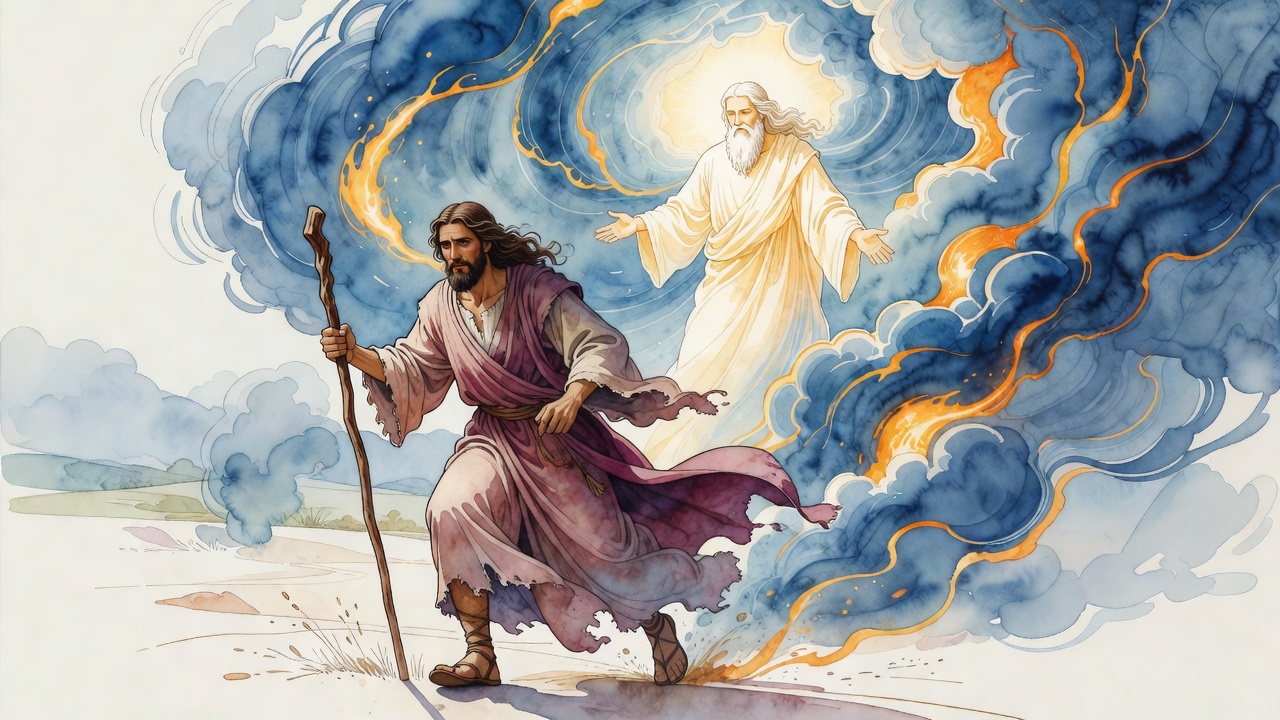
He had just arrived outside Haran, dusty from weeks of walking. The shepherds already there told him the same thing they told everyone. Wait. The stone was too heavy for one household. Custom required them to pool their labor, wait for the other flocks, move the stone together, water everything, put it back. Jacob did not wait. He walked to the edge, gripped the stone with both hands, and rolled it back.
The water came up. Not slowly. It rose to meet him, the way a river rises in spring (Genesis 29:10). The shepherds stood back.
Laban Held On for Twenty Years
For the next twenty years, the well outside Haran overflowed.
Laban understood the numbers even if he could not explain them. His nephew arrived. The well improved. His flocks multiplied in patterns that defied ordinary breeding. The striped and speckled animals appeared in numbers that did not match the season. Fields that had been ordinary became reliable. Whatever Jacob tended, the yield increased. Laban was not a man who questioned good fortune. He was a man who held onto it.
He held on for two decades. He changed Jacob's wages ten times, each change an attempt to cap the blessing at a value he could afford. It never worked. The blessing was not in the wage. It was in the man.
The Spirit Named Gilead
What came to Jacob was not a plan. It was a direction. The ruach hakodesh (רוח הקדש), the holy spirit, opened something in him. God would bring help to his descendants in the land of Gilead, in a future time not yet arrived, in the days of the judge Jephthah (Judges 11:29). Jacob did not know the full shape of what was coming. He knew where he was supposed to go.
He set his face toward Gilead.
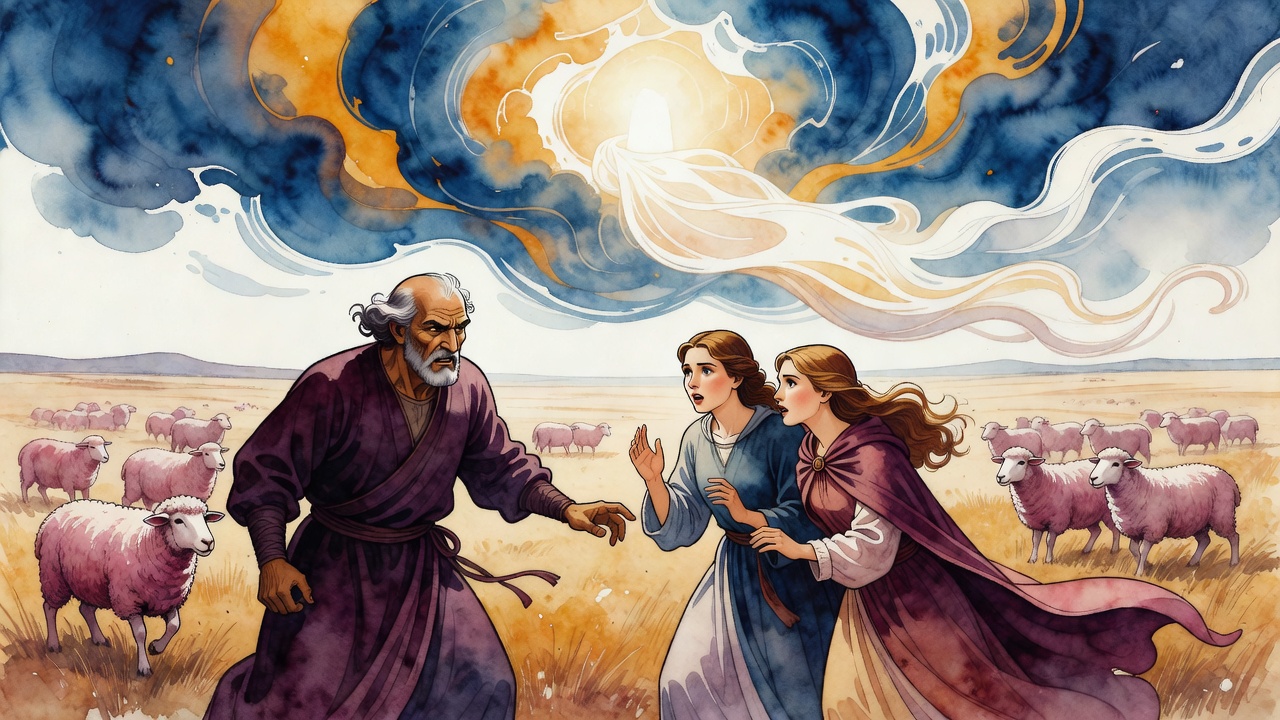
He called Rachel and Leah into the field and told them the truth. The God of his father had been with him here. Their father had changed his wages ten times, but what was owed to him had come to him anyway. And God had now said, go back to the land of your birth (Genesis 31:3). The women did not protest. They had watched their father's accounting for twenty years.
While Laban was away shearing his flocks, Jacob loaded everything. Wives, children, servants, camels, flocks. He forded the Euphrates and turned south toward Gilead. He did not send word ahead.
Someone Went to the Well
Three days passed before anyone in Haran noticed.
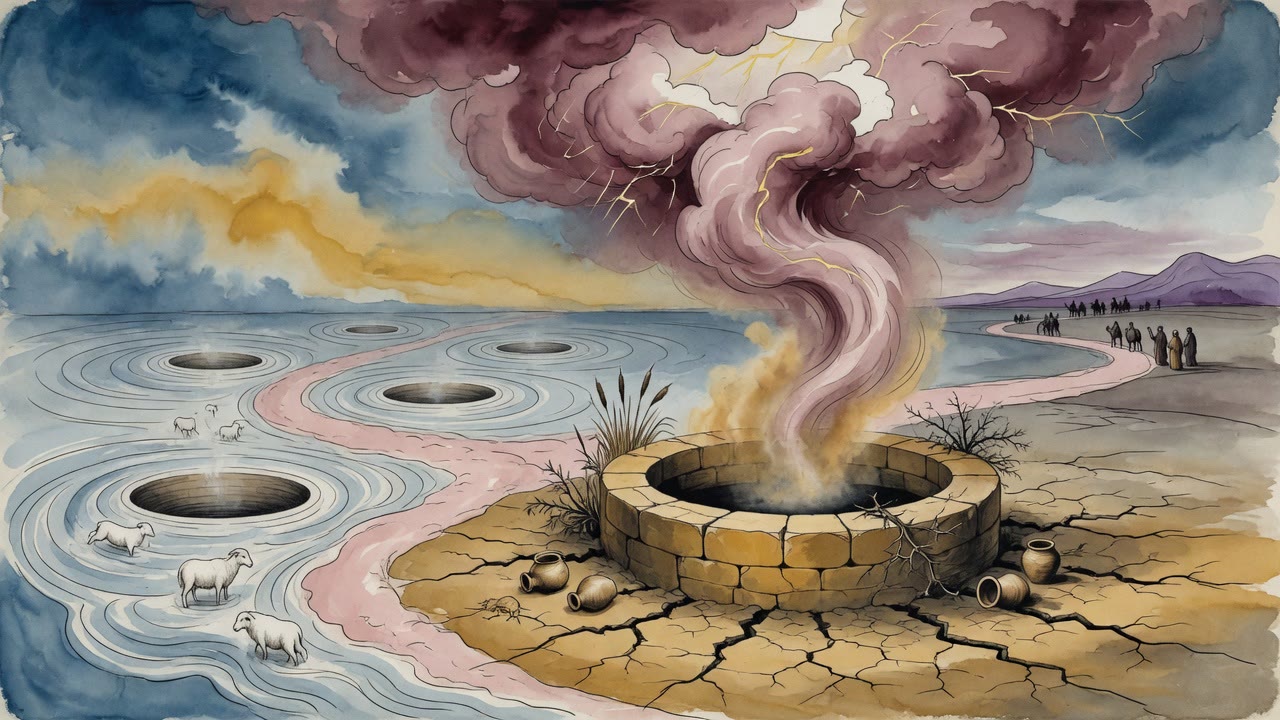
Then someone went to the well.
The water was not low. It was gone. The shepherds tried again the next morning. Nothing. They waited a third day. The stone sat beside a dry hole. They went to Laban.
Laban already knew, in the way a man knows something he has been refusing to think about. The well had overflowed since Jacob came. It stopped when Jacob left. The blessing had not been on the land. It had been on the man, and the man was already days south, driving his flocks toward a country Laban had no claim on.
The Heap on the Ridge
Laban assembled his kinsmen and rode hard for seven days. He caught up to the caravan in the hill country of Gilead, the land the holy spirit had named. He arrived with enough men to make a show of force. The night before he reached Jacob's camp, God appeared to him in a dream.
"Do not speak to this man, neither good nor bad. Do not interfere" (Genesis 31:24).
He interfered anyway, in the only ways still permitted. He accused Jacob of stealing his household idols. He gave speeches about how much he had loved his daughters and grandchildren. He asked why Jacob had not let him say goodbye. Jacob, who had spent twenty years watching Laban's mouth and Laban's hands at the same time, stood in the hill country and answered every charge without flinching.
They built a pile of stones on the ridge. Laban named it in Aramaic, Yegar-sahadutha, the heap is witness. Jacob named it in Hebrew, Mizpah. A boundary between two men who would never stand close again. Then Laban turned north toward Haran, and Jacob turned south toward Canaan, and the zechut (זכות), the accumulated merit that had made the well run for twenty years, traveled on with Jacob.
The stone sat beside an empty mouth. The water did not come back.
← All myths