Rabban Yohanan and the Three Keys God Never Delegates
Two students reached Arav with one request. Hanina put his head between his knees. The prayer came back fluent, so the boy would live.
Table of Contents
The boy was burning, and the father who had bargained for Yavneh could not cool him.
 Click for full size
Rabban Yohanan ben Zakkai had escaped Jerusalem in a coffin. He had asked Vespasian for an academy when the Temple fell. He had rebuilt learning from ash. Then his son fell gravely ill, and all of that history counted for nothing in the room where the child labored for air.
He sent two students to Rabbi Hanina ben Dosa with a single instruction. Pray for my son. Hanina was not a court rabbi. He was not a legal authority. He lived in the village of Arav, far from the prestige of Yavneh, and was known for exactly one thing. When he put his head between his knees and prayed, the answers came.
Two Students to Arav
The two students walked. Arav was not Yavneh. No benches. No ranks. A house at the edge of a field, and a man who could fold himself small.
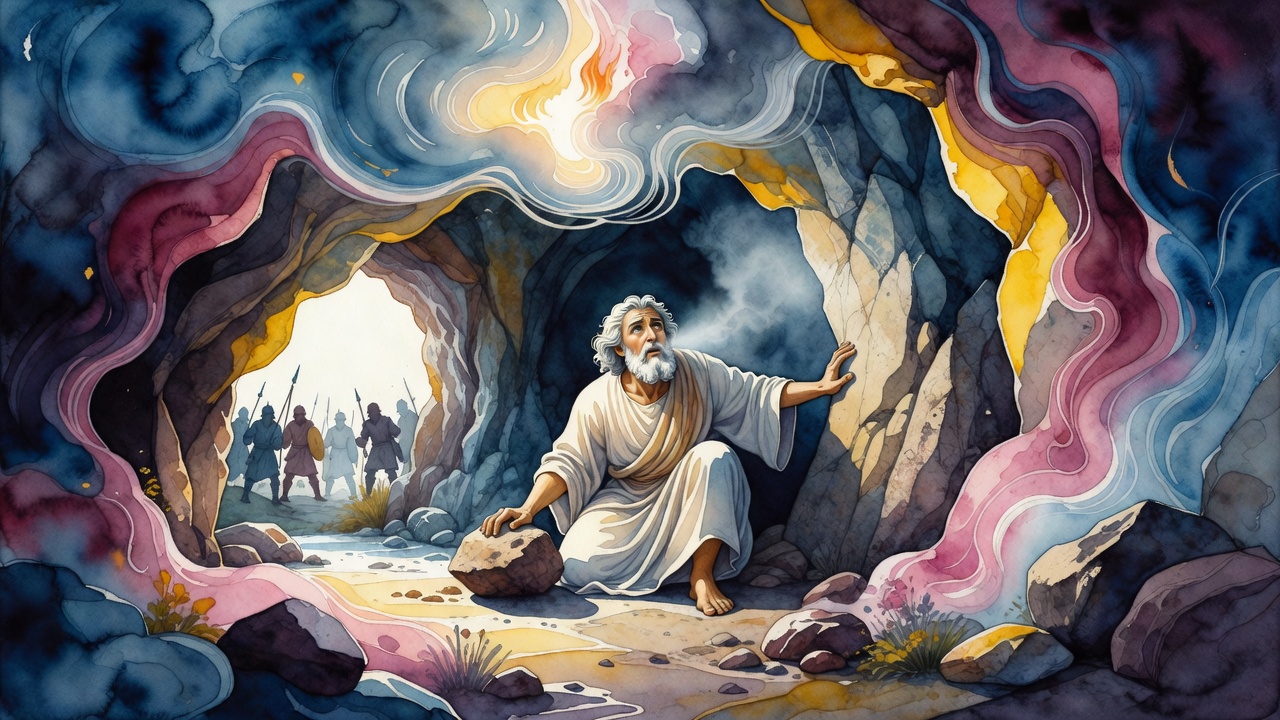
Hanina heard the request. He did not ask who the father was. He put his head between his knees, the posture of a prayer that has no audience, and he stayed there until the words ran. The students waited in the doorway with dust on their sandals and a name in their mouths they were afraid to say too loudly.
When he lifted his face he already knew. If the prayer came back fluent, it had been accepted. If it stumbled, it had not. The prayer had flowed. He sent them home with confidence. The boy would live.
The Prayer Came Back Fluent
They had not even left Arav when he told them the verdict. The students ran. Yohanan's son recovered. Breath returned to a chest that had been failing in the house of the generation's father.
Yohanan's wife heard who had done it. She looked at her husband, the greatest Torah scholar alive, and asked the question the house could not swallow. Why could he not do what this obscure village healer could do? If he was the head of the academy and the leader of the generation, why send two students down a road?
A Servant and a Minister
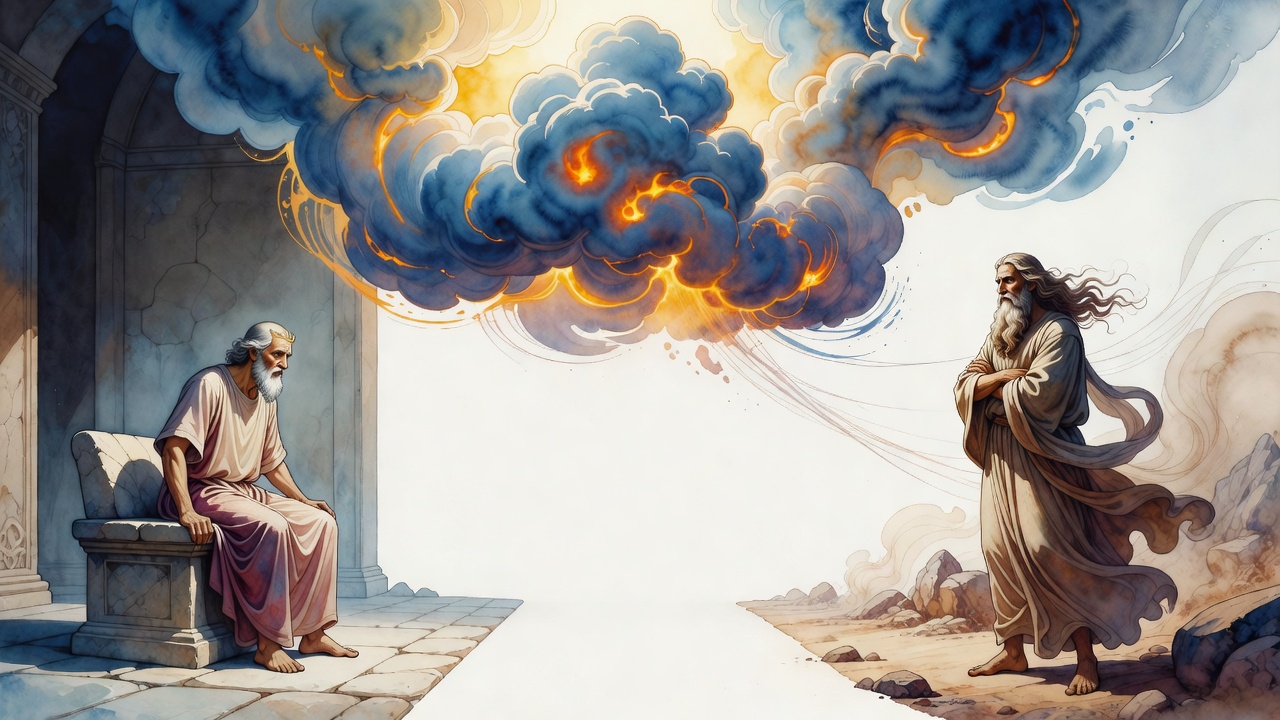
Yohanan's answer was precise. "Hanina is like a servant who can enter and leave the king's chamber at any hour. I am like a minister who must wait for a formal audience."
The servant's access is different, he said. Not better. Different. And right now, access was what was needed. Rank could rebuild an academy. Rank could bargain with a general. Rank could not walk into the inner room without being called.
He had spent his life building the institution that would preserve Torah after the destruction. Hanina had spent his life in prayer so direct that the answers arrived before he had finished asking. Both men were necessary. Yohanan was the greater scholar. When the door of healing was needed, he sent for the man who lived where the door was.
Three Keys That Stay in Heaven
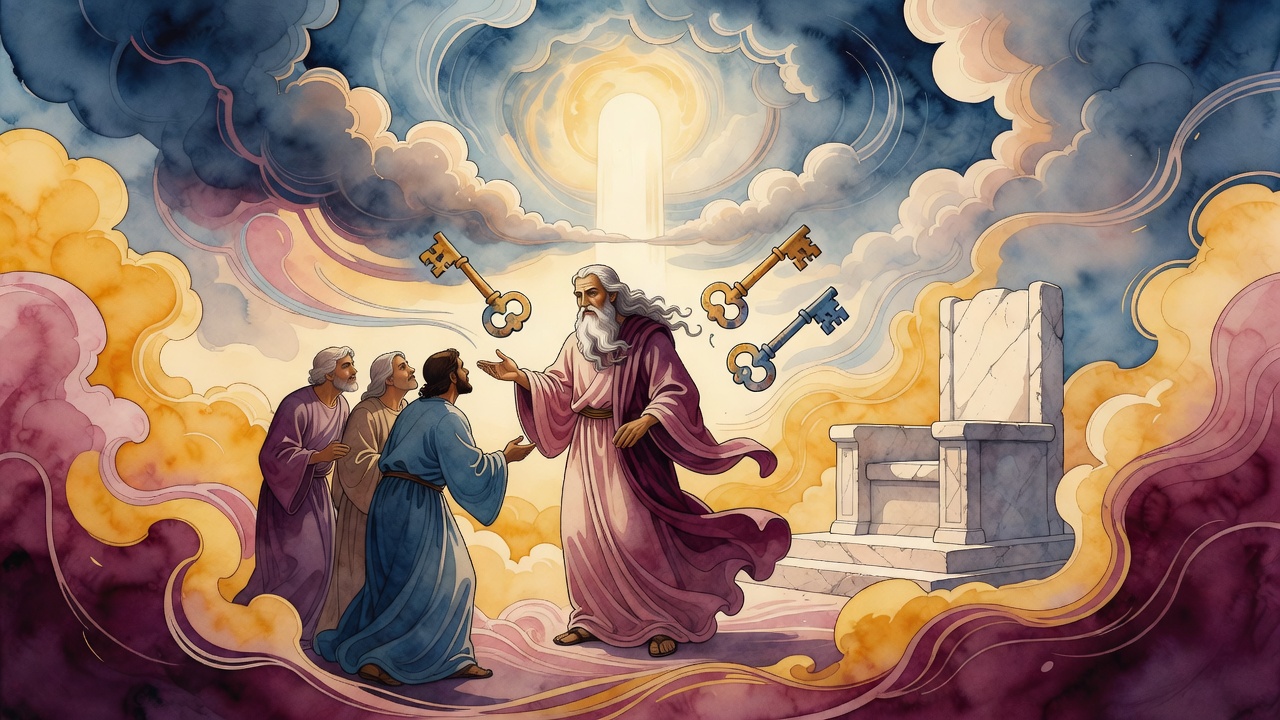
Yohanan named a teaching the house already knew, because the sickroom had just proved it. Three keys are in the hand of the Holy One and were never handed to a messenger. The key of rain. The key of childbirth. The key of the revival of the dead.
Not to a prophet. Not to an angel. Not to the greatest sage who ever lived. A judge can decree. A prophet can warn. A healer can restore what sickness took, if he is allowed to knock. The locked rooms where rain is given or withheld, where a womb opens or stays closed, where a body returns from death, have one keybearer, and the keybearer does not share.
Teachers in the Land of Israel wanted to add a fourth, the key of sustenance, because a living mouth has to eat. Yohanan left it off. Rain is itself sustenance. The key that waters the fields is the same key that feeds the world.
Hanina had not turned those keys. He had entered and asked. That was the servant's gift. Yohanan could not even do that, not in the hour his own son needed air. He sent the students anyway. Sending them was the prayer he had.
He Got Off the Donkey
On another day Yohanan was riding a donkey on the road, and Rabbi Eleazar ben Arakh walked behind him. Eleazar asked to be taught a chapter of Ma'aseh Merkavah (מעשה מרכבה), the Work of the Chariot. Yohanan refused at first. The sages had taught that the Chariot is not given unless the student is wise and understands of his own mind.
"Let me speak before you," Eleazar said. "Speak," Yohanan said. When Eleazar opened the Chariot, Yohanan got off the donkey. It is not right, he said, that I should hear the glory of my Maker while I am riding.
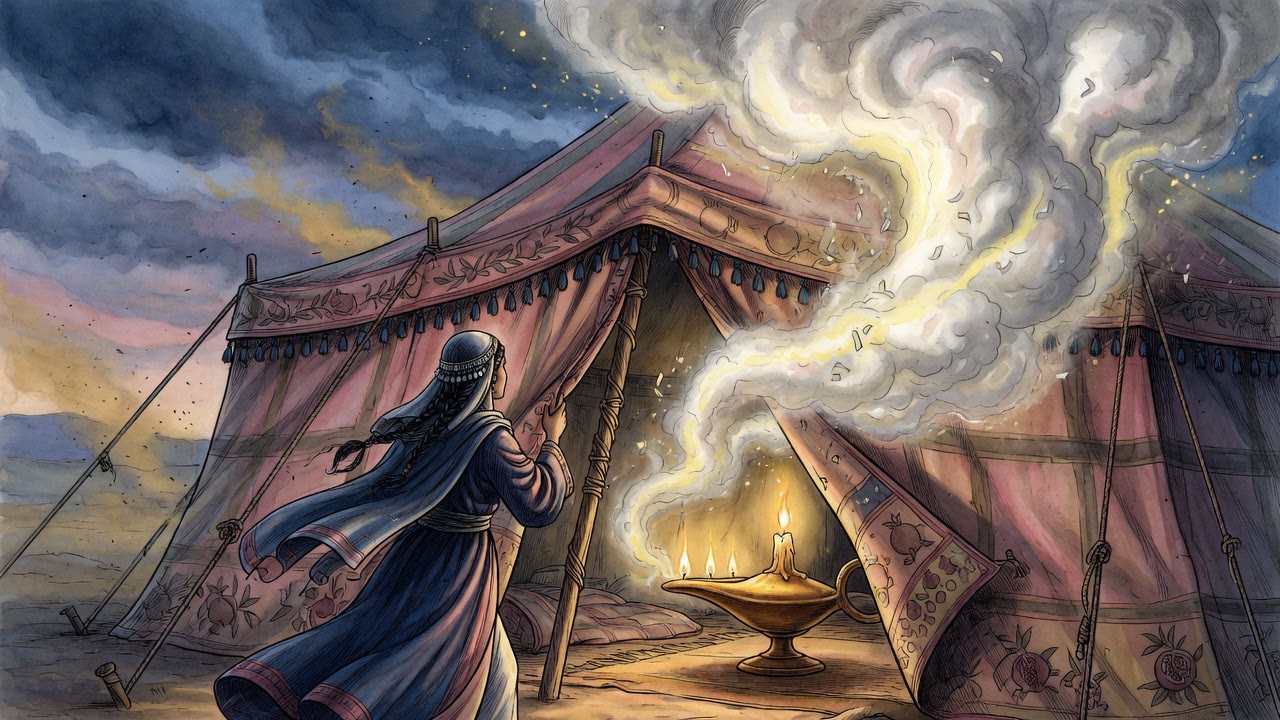
They sat under a tree. Fire came down from heaven and surrounded them. Ministering angels leapt before them like members of a wedding party rejoicing before a groom. An angel answered from inside the fire. "As you have spoken, Eleazar ben Arakh, so is the Work of the Chariot." The trees opened their mouths and sang. When Eleazar finished, Yohanan stood and kissed his head.
The man who had sent two students to Arav was the same man who would not stay on a donkey when fire came down. Rank knew when to step off. The three keys stayed in heaven. The boy, in Yavneh, was breathing.
← All myths