126 myths · Page 2 of 5
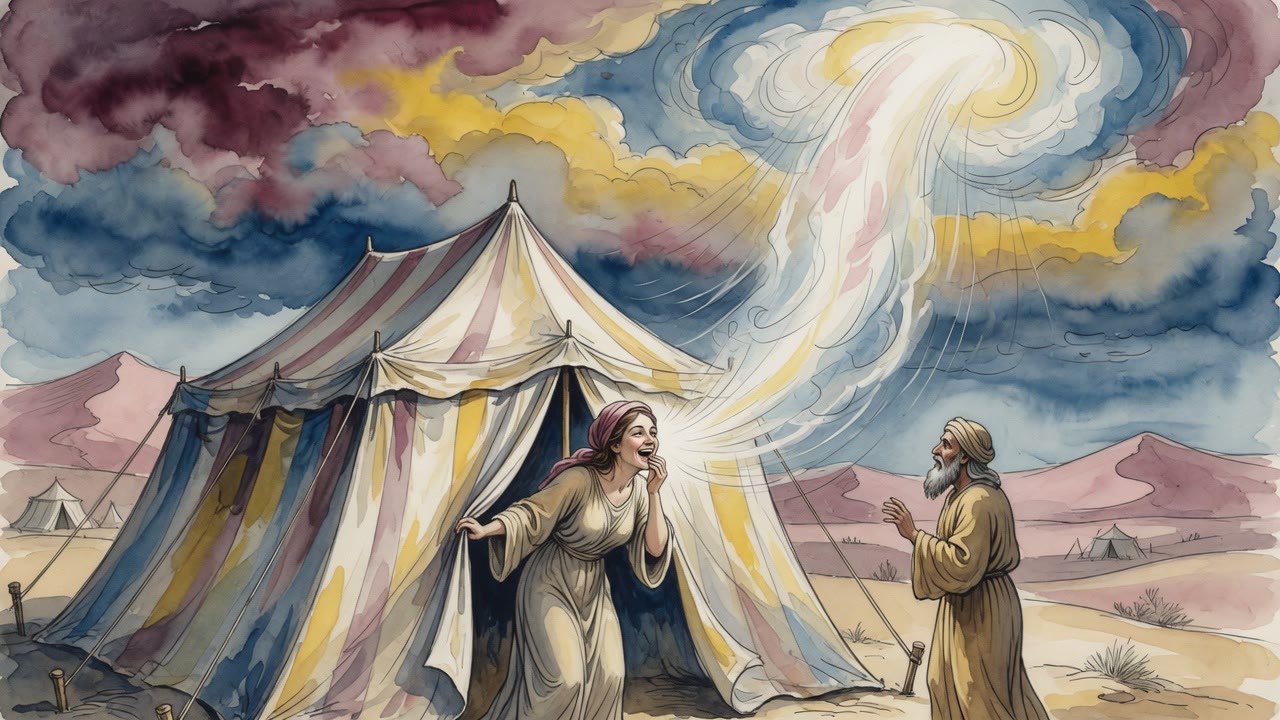
Three visitors promised her a son. She laughed inside the tent and then denied the laugh. The voice that answered her sent no angel.
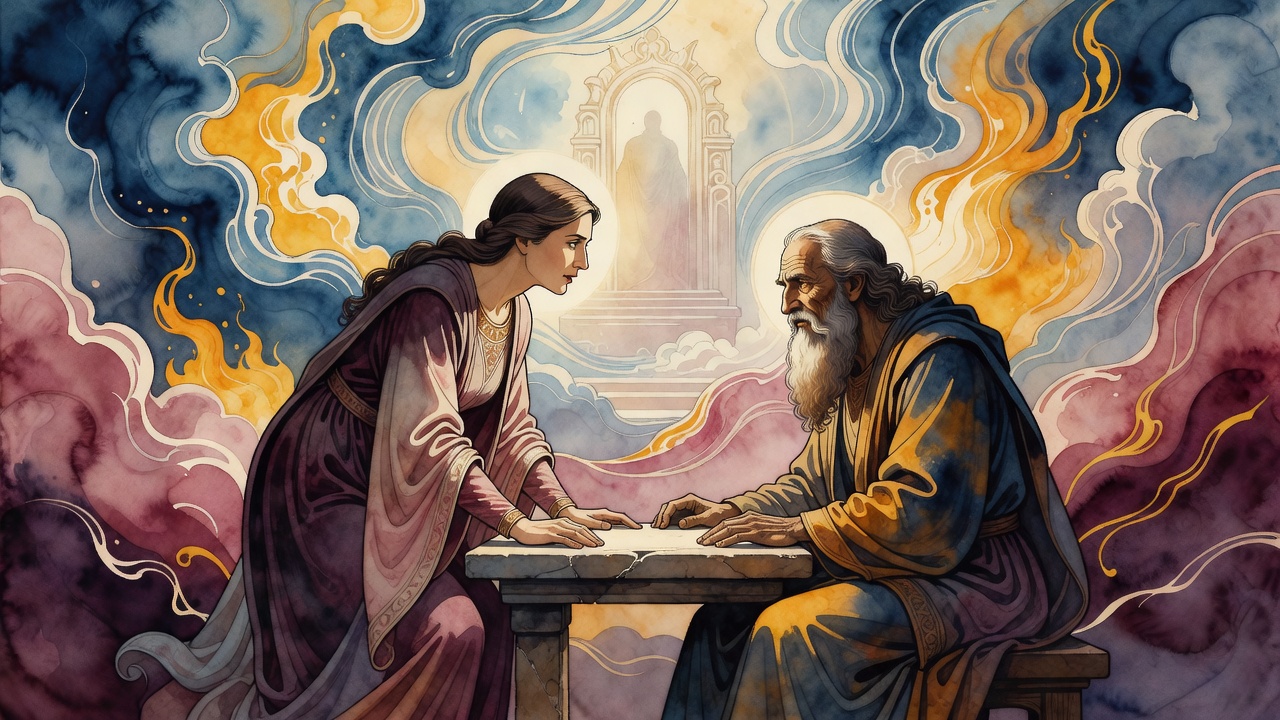
A pious couple split up, childless. He married a wicked woman and his piety thinned. She married a wicked man, and in that house words were weighed.
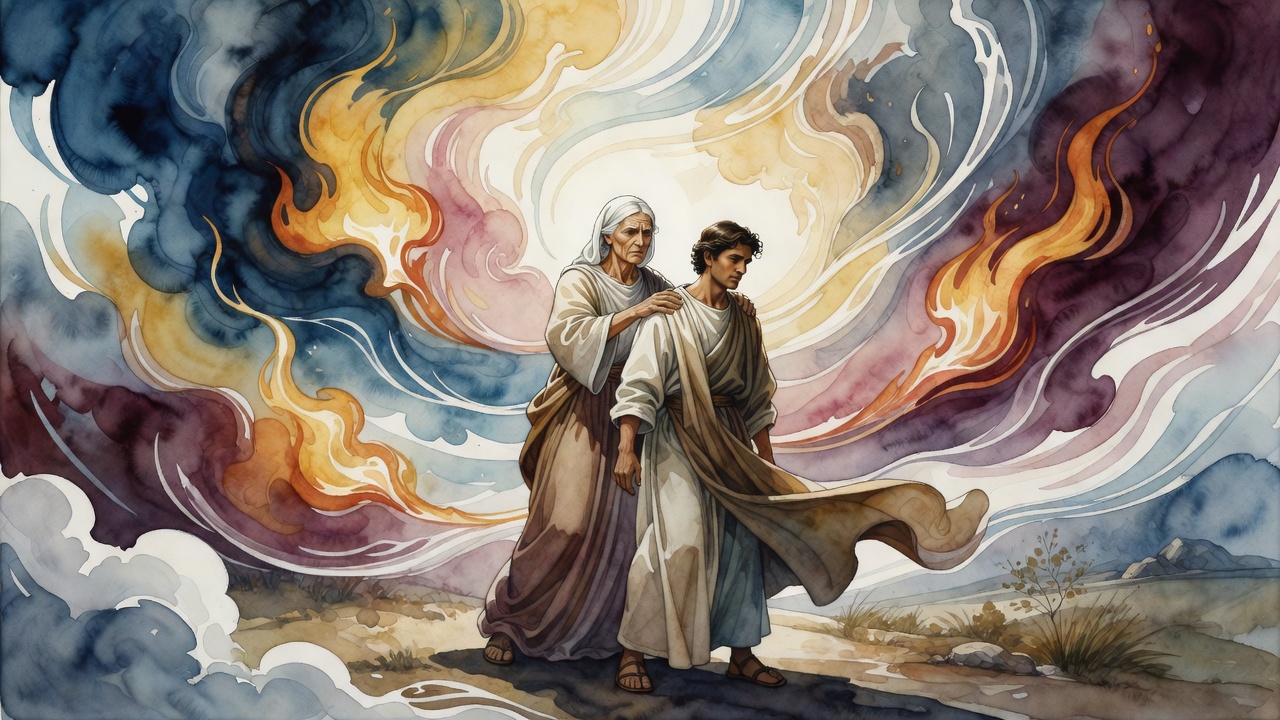
Rebekah laid hands on Jacob, dressed him in priestly garments, and sent him from Esau. Her warning became prophecy at Jacob's burial.
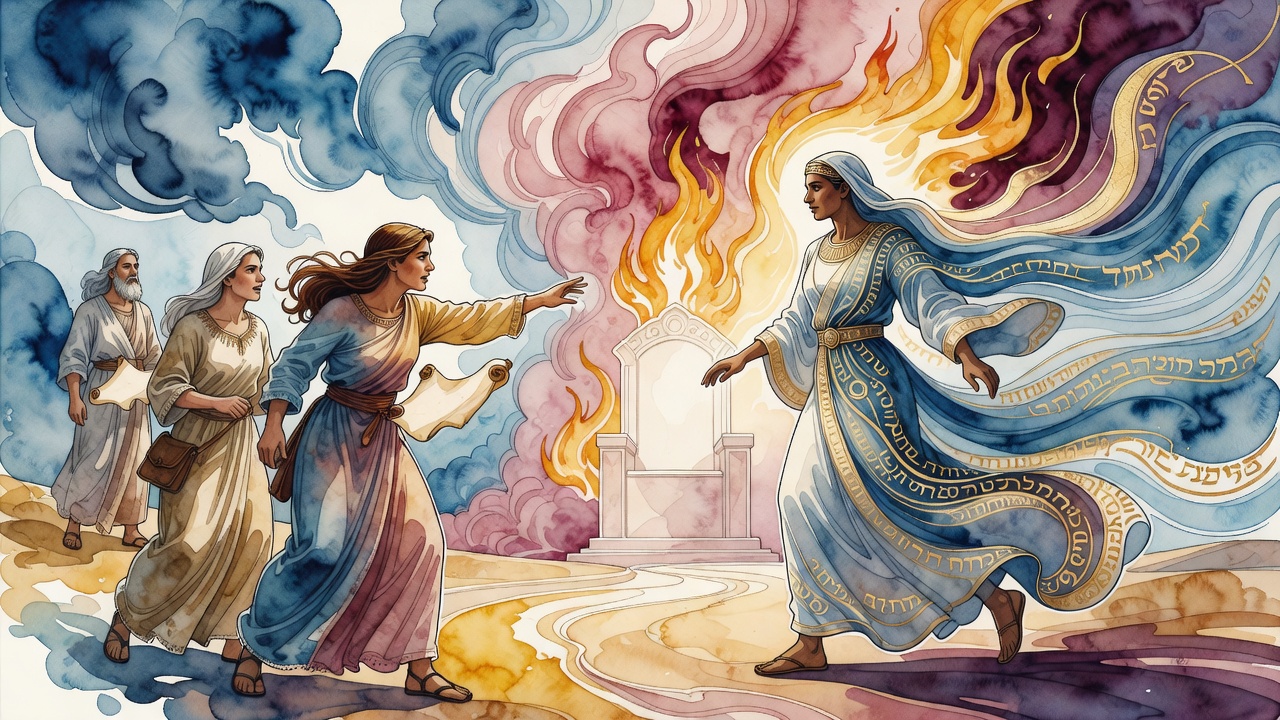
Dinah warned Jacob through a maid from Shechem's house. Her hidden daughter Asenath crossed Egypt with her lineage written in gold.
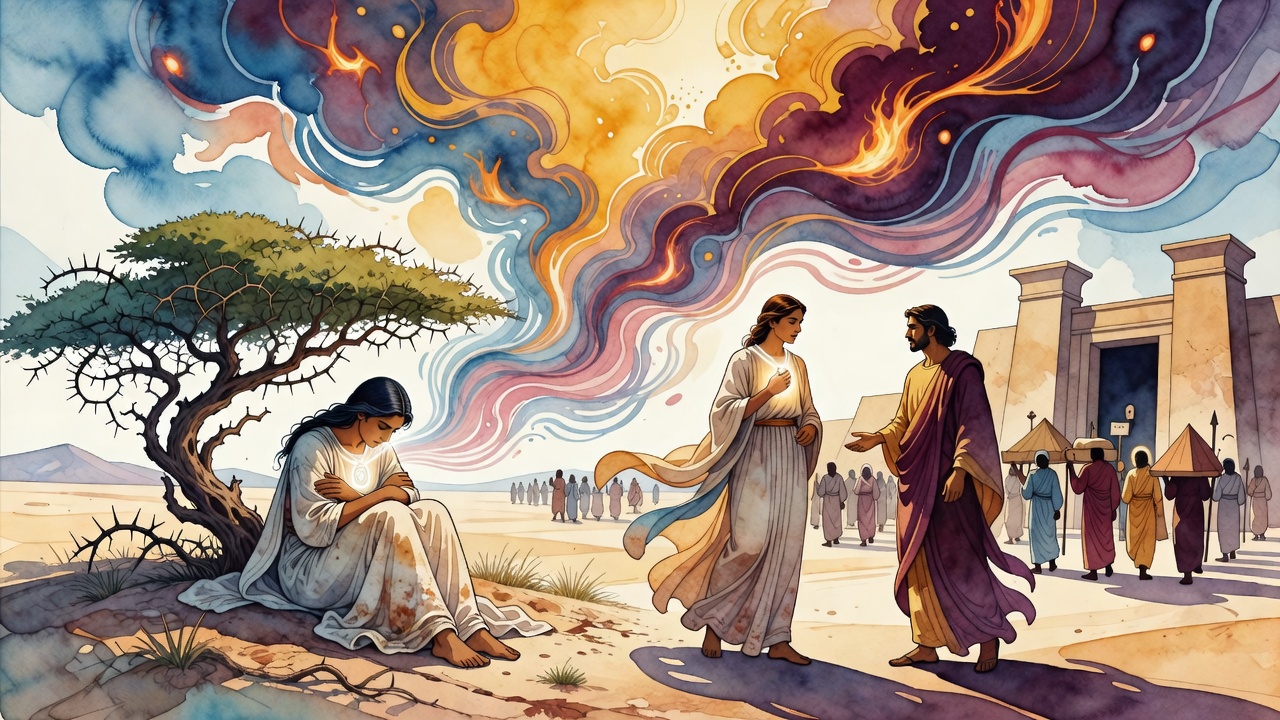
Jacob hung the Holy Name on Dinah's baby and left her under thorns. Years later the plate at her neck stopped Joseph's hand.
Korah's men stopped at the tent. On's wife sat in the doorway with her hair uncovered. Inside, her husband slept and did not hear them.
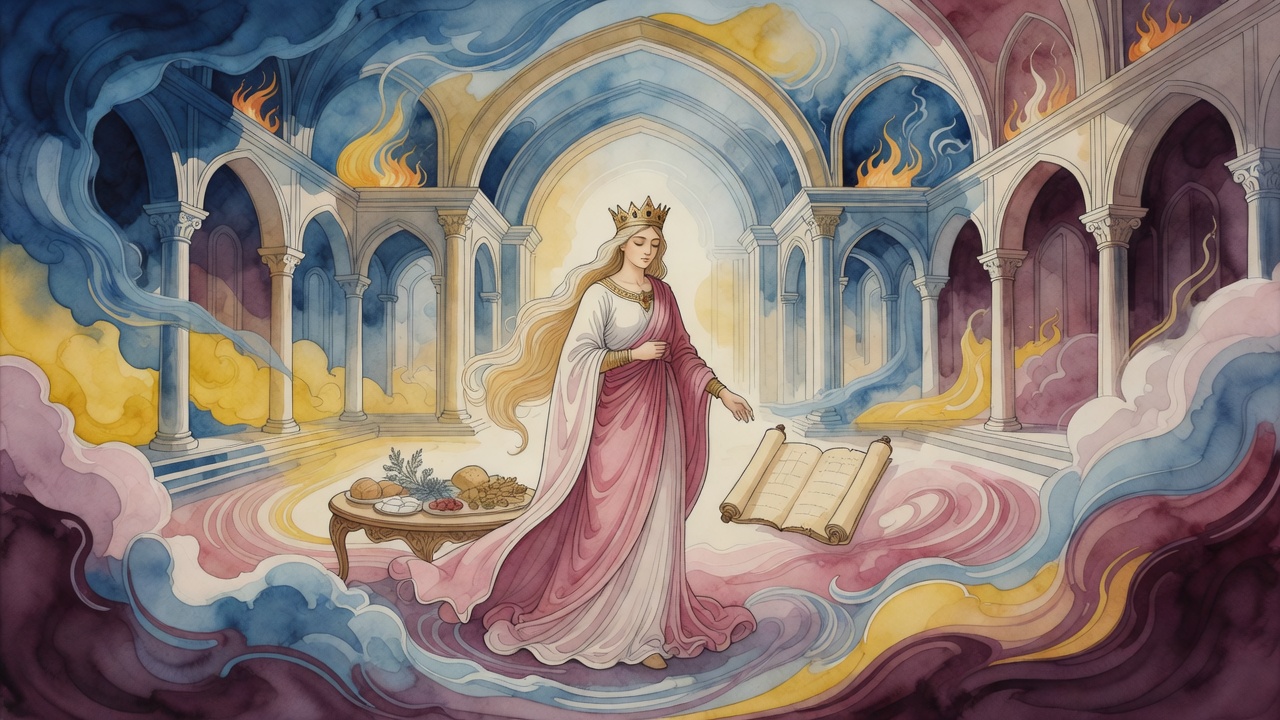
Mordecai hid Esther for four years. The king made it a killing offense to hide a woman, so Mordecai brought her out and the palace took her.
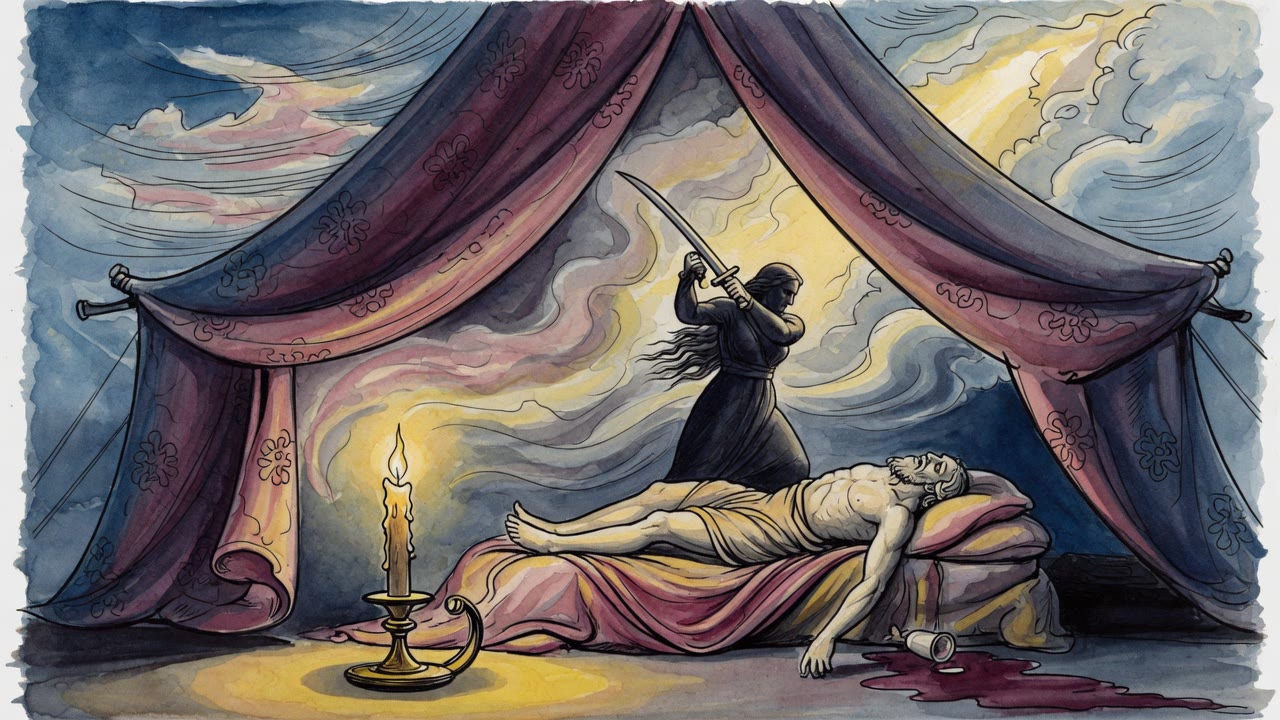
Bagoas shut the tent from the outside and went to bed. The general who had swept the known world lay drunk, his sword hanging from the bedpost.
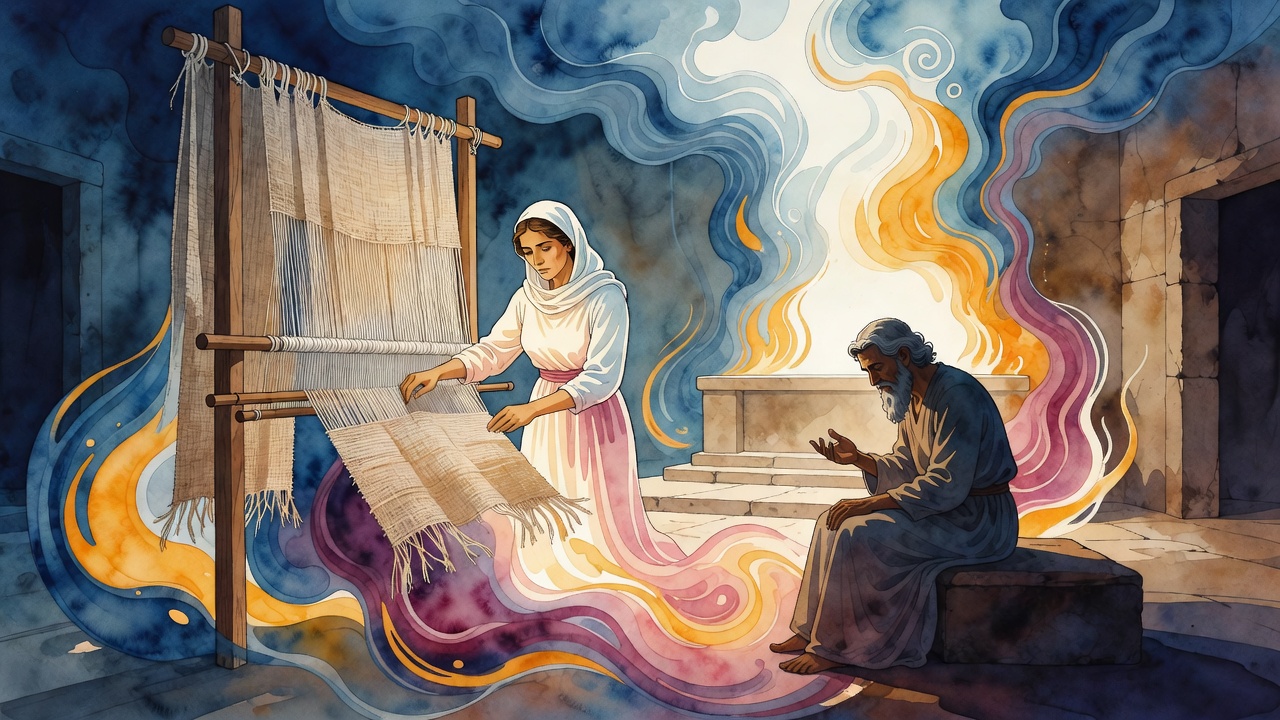
A kid cried in their house in Nineveh. Blind Tobit called it stolen. Hannah asked him where all his charities had gone.
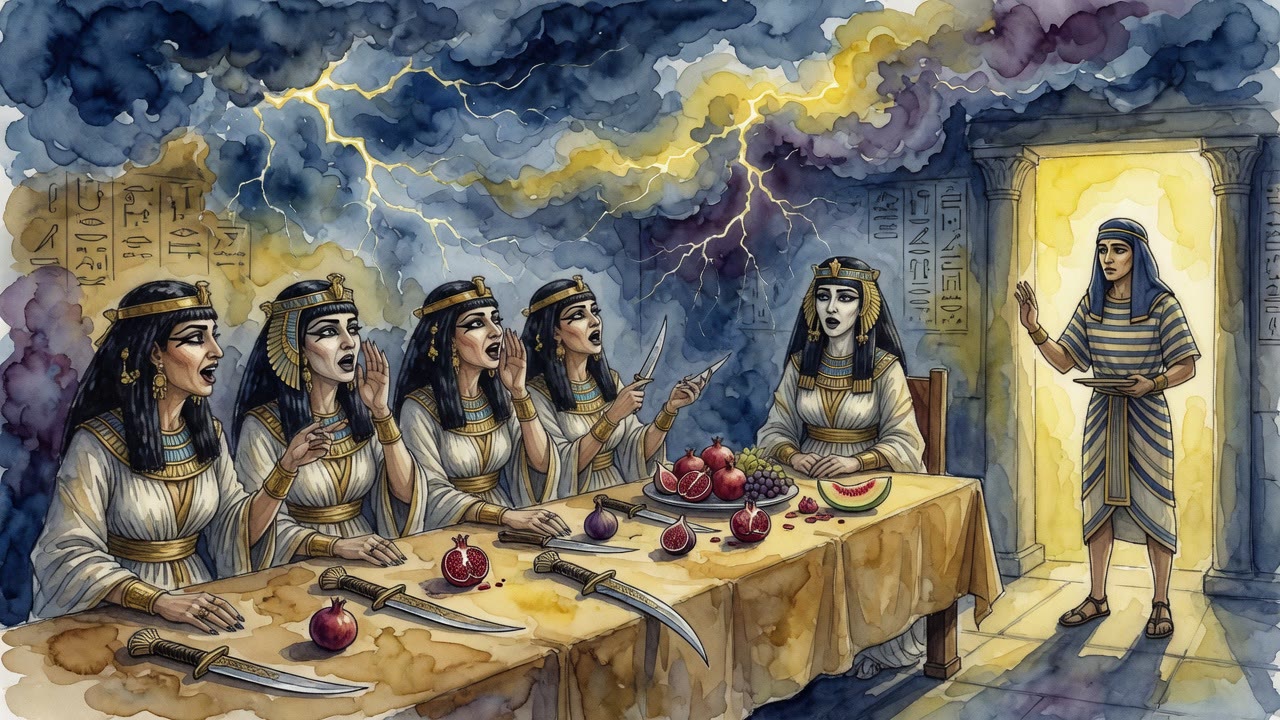
Egyptian noblewomen mocked Potiphar's wife for obsessing over a slave. She gave each guest a knife and an apple. Then Joseph walked in.
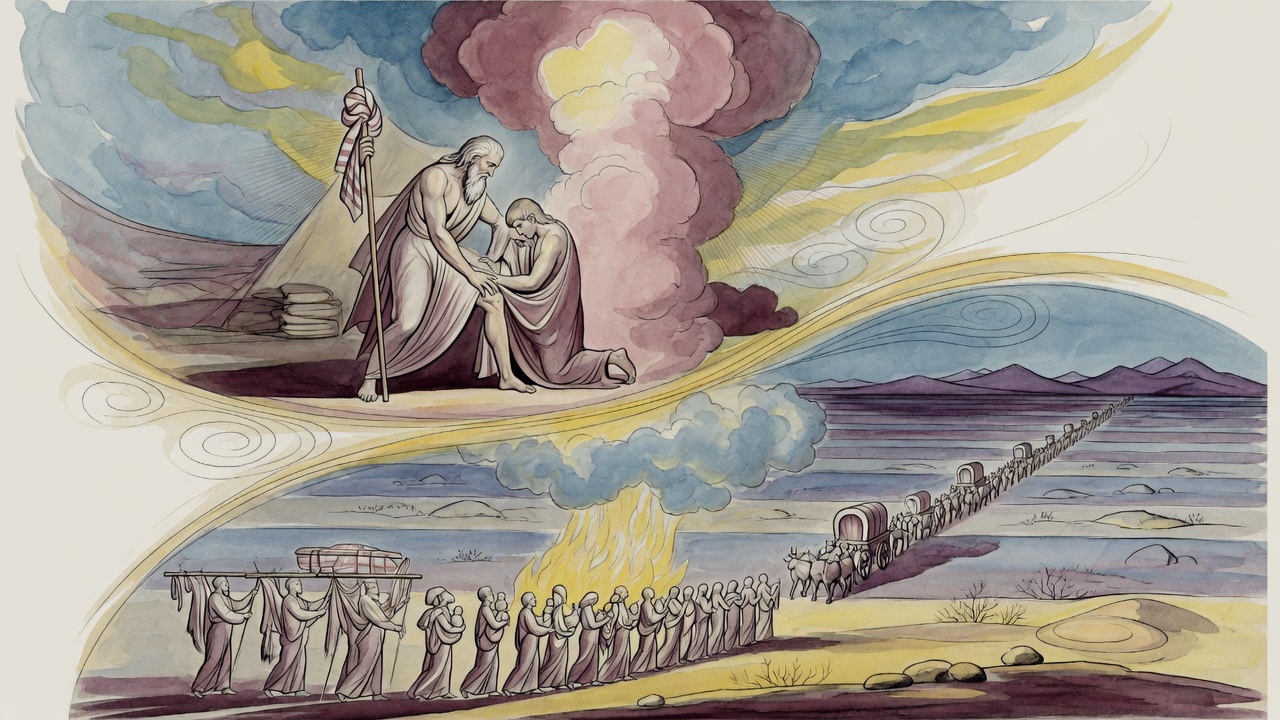
At a night lodging on the road to Egypt, God came for Moses. Zipporah grabbed a flint knife and did what needed doing before anyone else understood the danger.

The well that followed Israel through the wilderness did more than quench thirst. It filled the camp with rivers, orchards, fragrant herbs, and healing water.
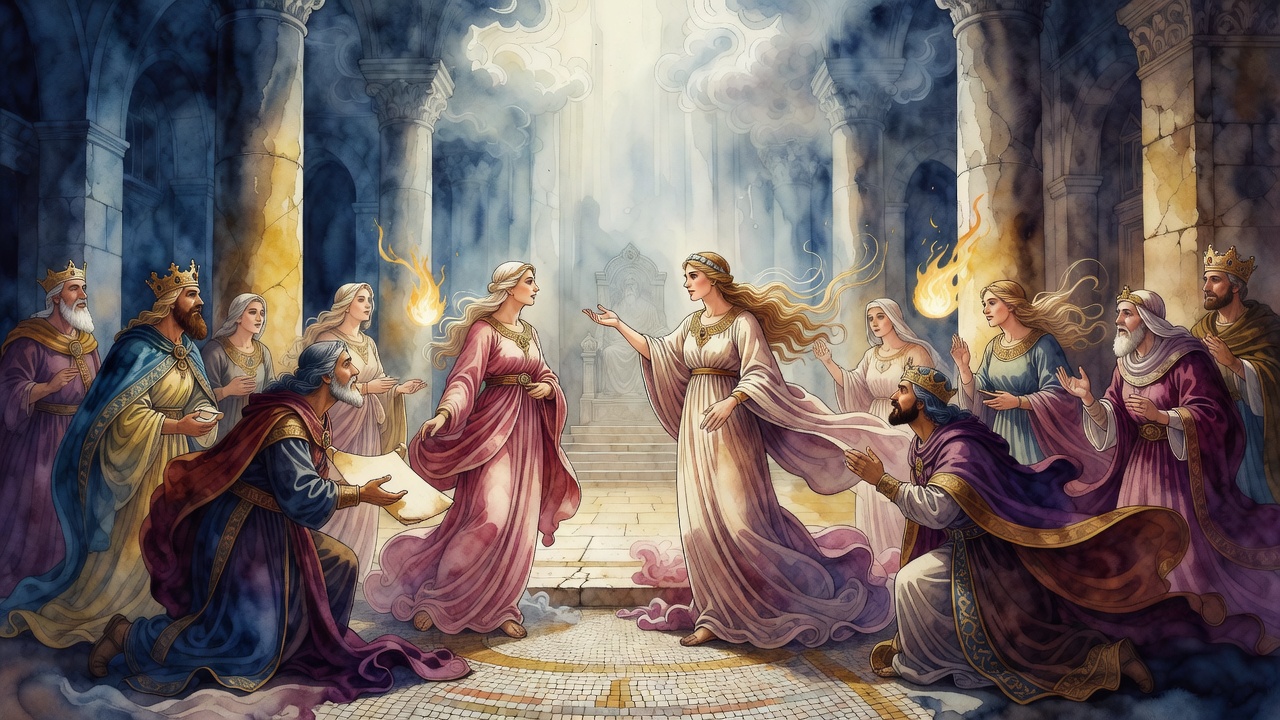
The court had already closed. A woman of Asher was still inside the palace, and she spoke for a man already condemned to die.
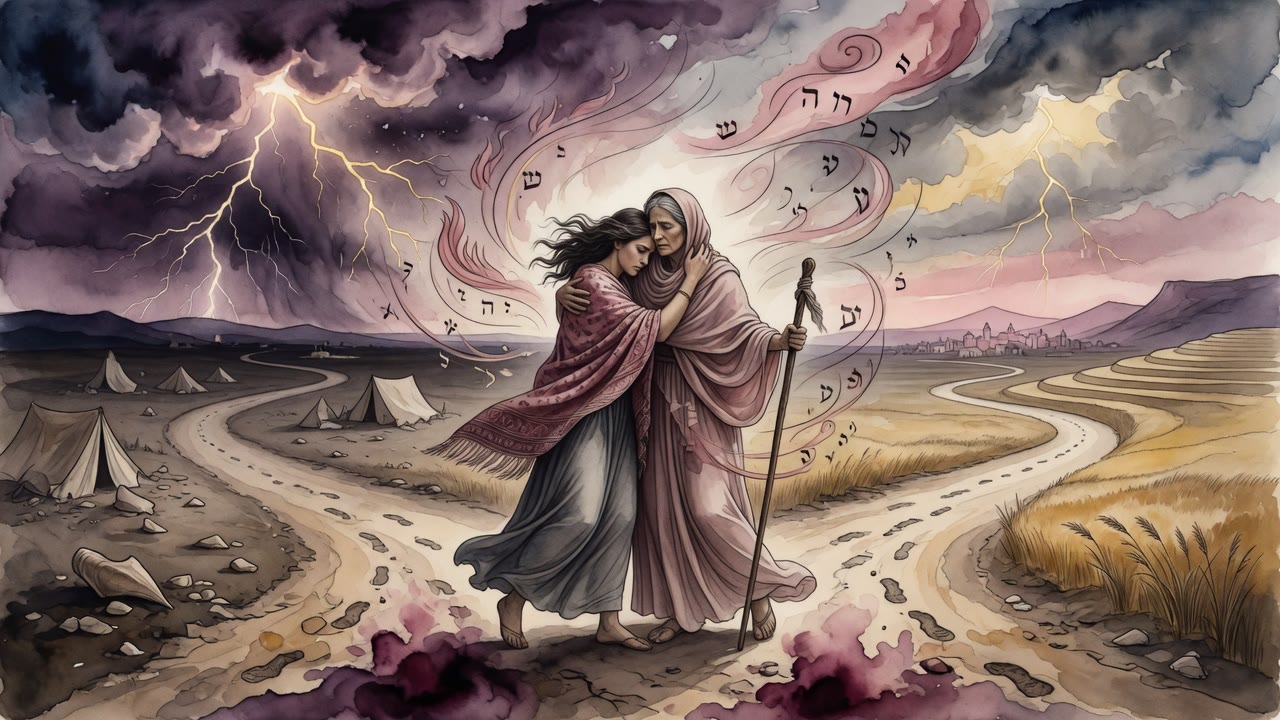
Ruth gleaned only two stalks at a time even when starving. Boaz watched her restrain herself and understood that he was looking at something extraordinary.

Israel fasted seven days before heaven moved, and heaven did not move for their sake. Deborah won the war. Then the gift went out of her mid-verse.
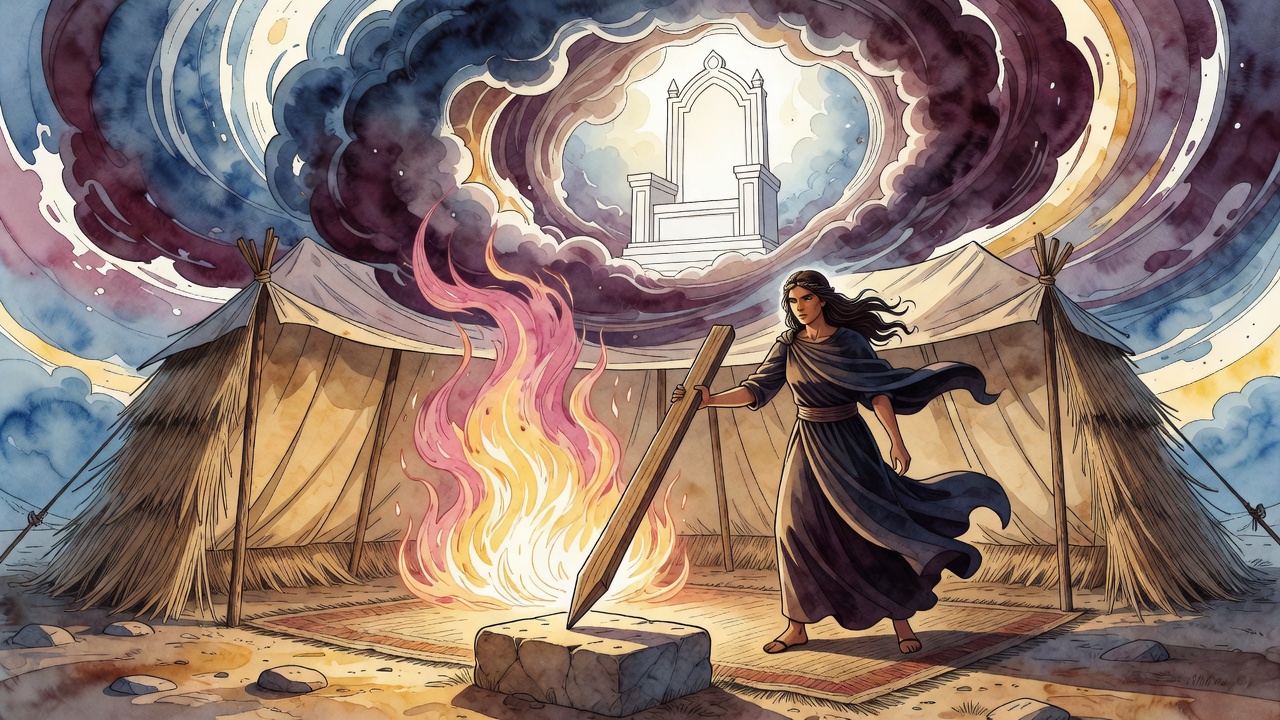
Sisera fled the battlefield and entered Jael's tent. Before she picked up the tent peg, she prayed three times and each prayer was answered before she finished.
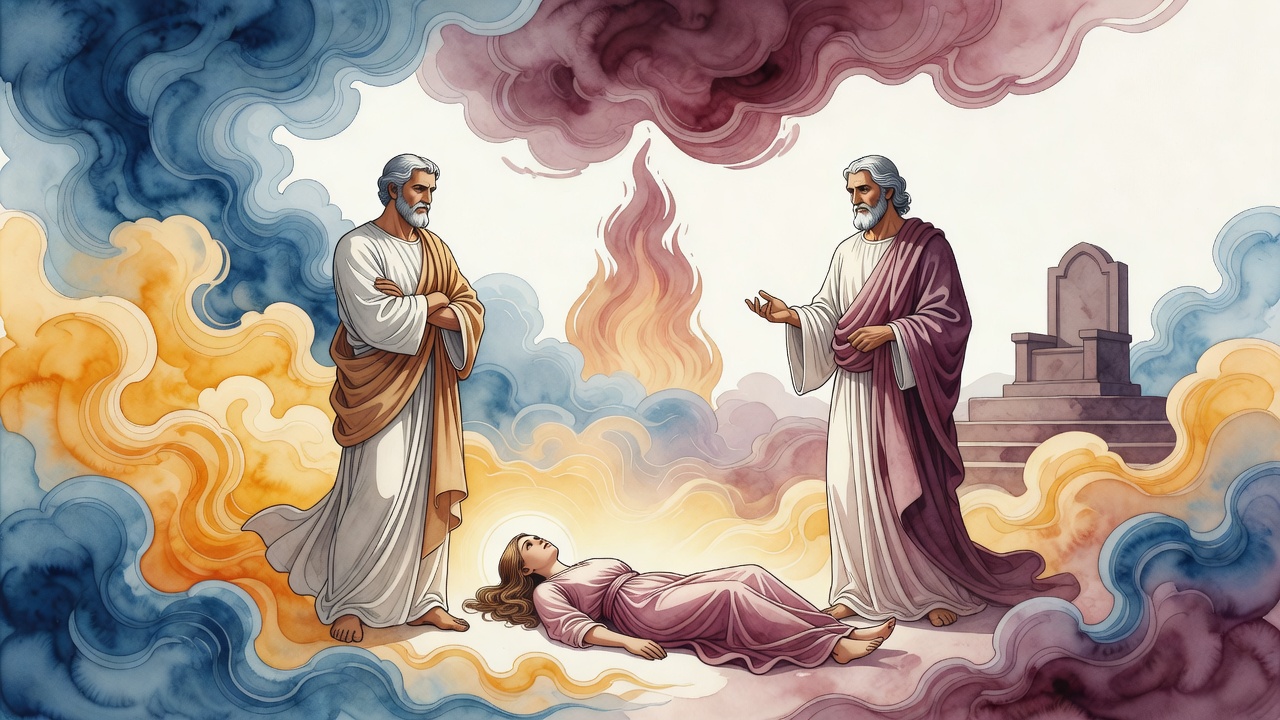
She came out with tambourines to meet her father. The high priest could have undone the vow. Neither man would walk first.
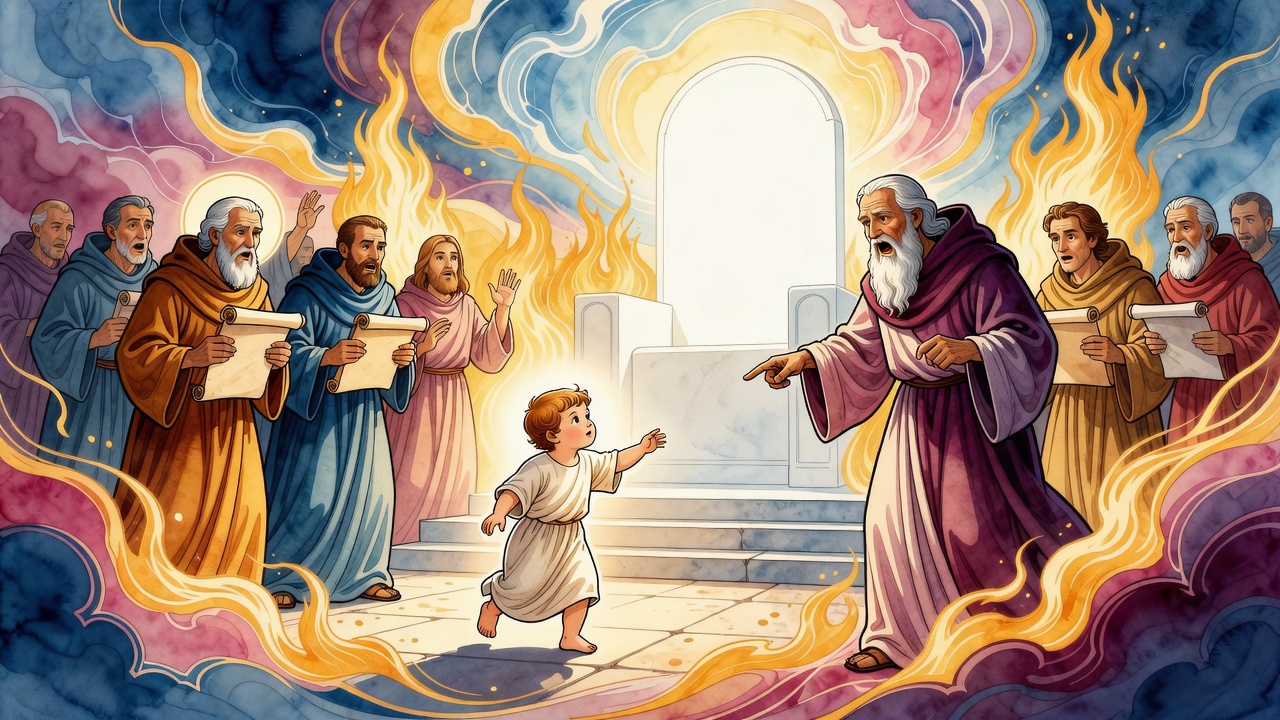
Hannah brought the boy up to Shiloh the day he was weaned. The sacrifice was not finished before the high priest had ordered him killed.
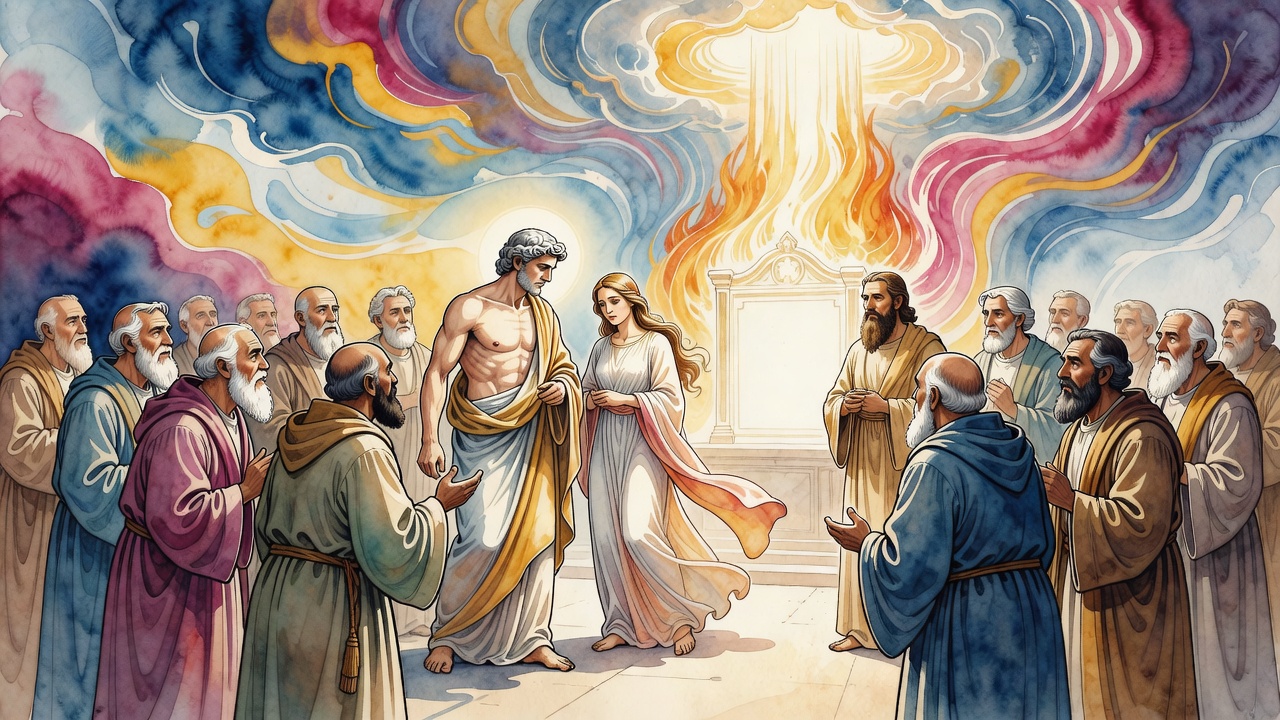
David's sin with Bathsheba was real. The rabbis did not look away. But they also asked why God would allow the most righteous king to fall this far.
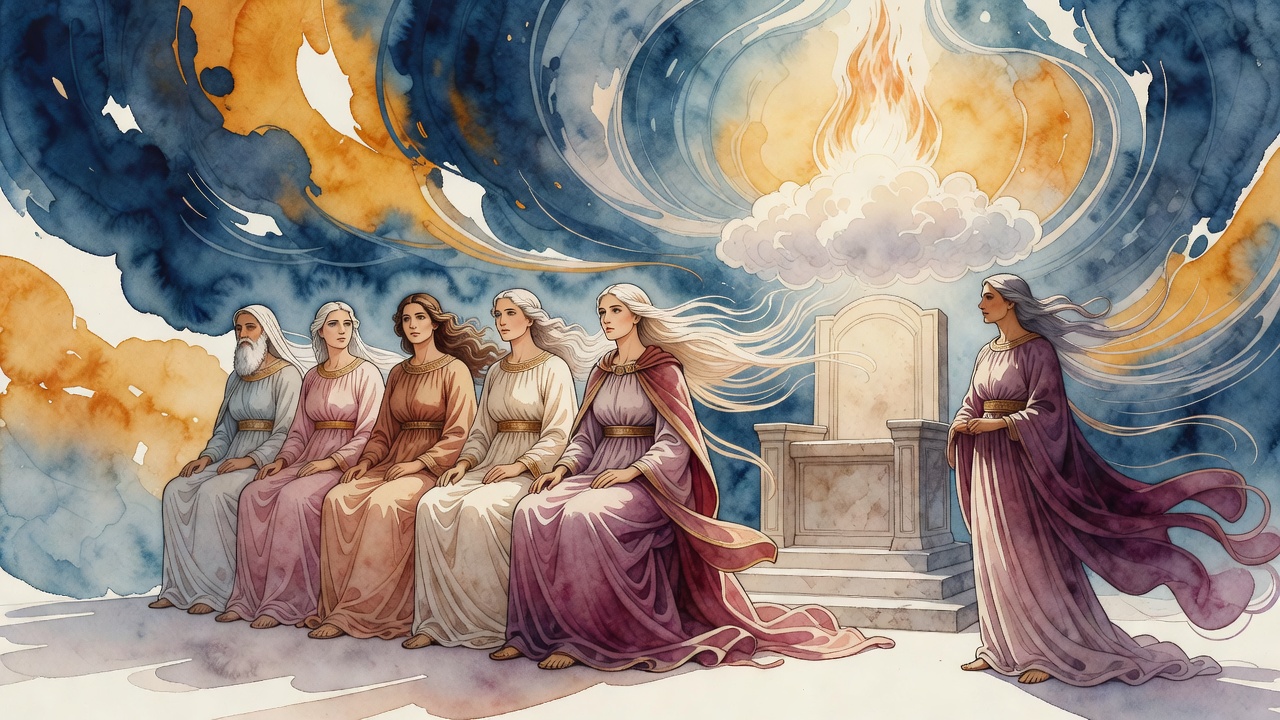
David rode out with four hundred armed men to wipe out one household. A woman met the column in the dark holding a lamp and a legal question.
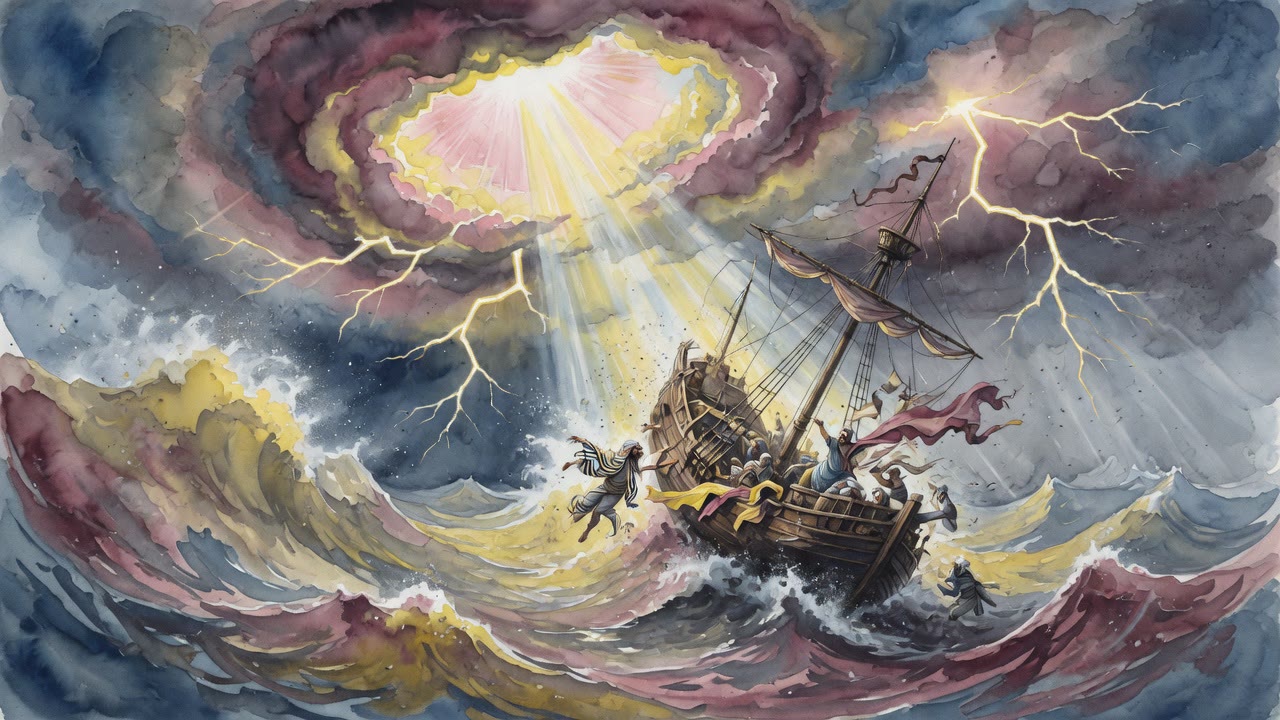
They had already stacked the wood. Tamar sent Judah his ring, his cord, and his staff, and did not speak his name.
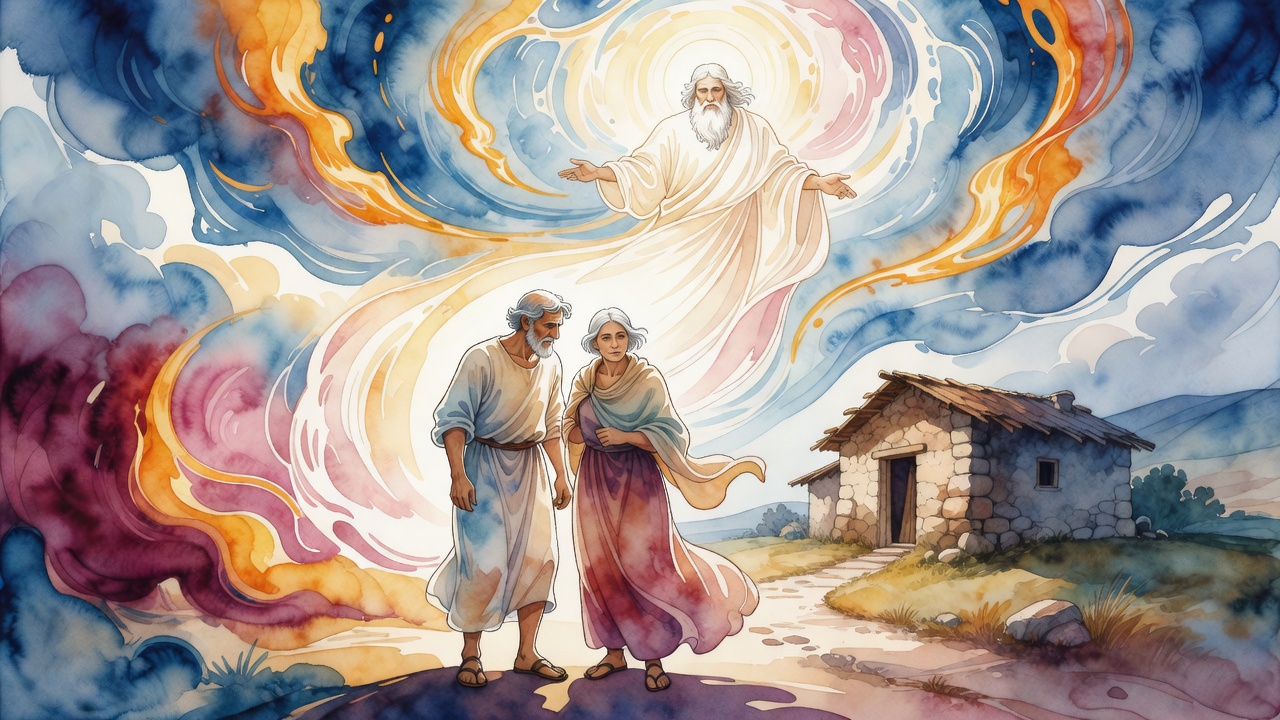
A stranger offered a destitute laborer the timing of seven good years. The wife said spend them on charity. Elijah came back to see what they had done.
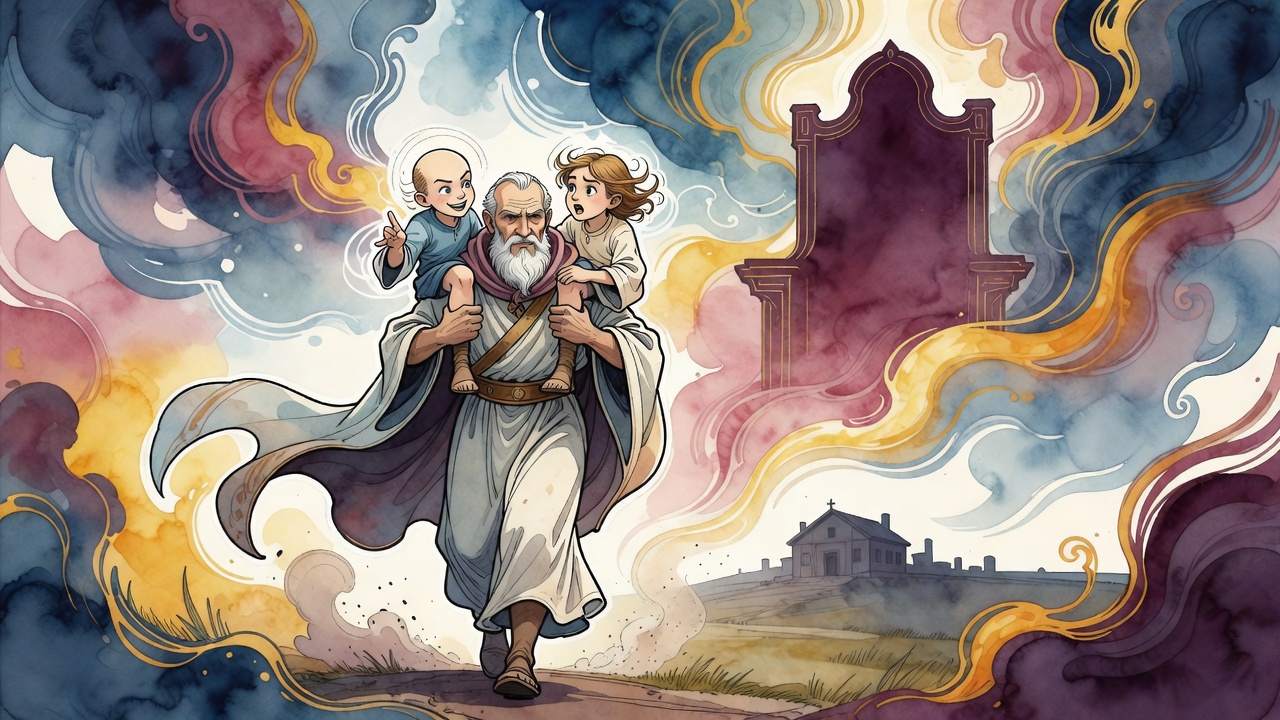
Isaiah pushed him into the marriage. The king already knew what his sons would be, and he found out how right he was on a walk to the house of study.
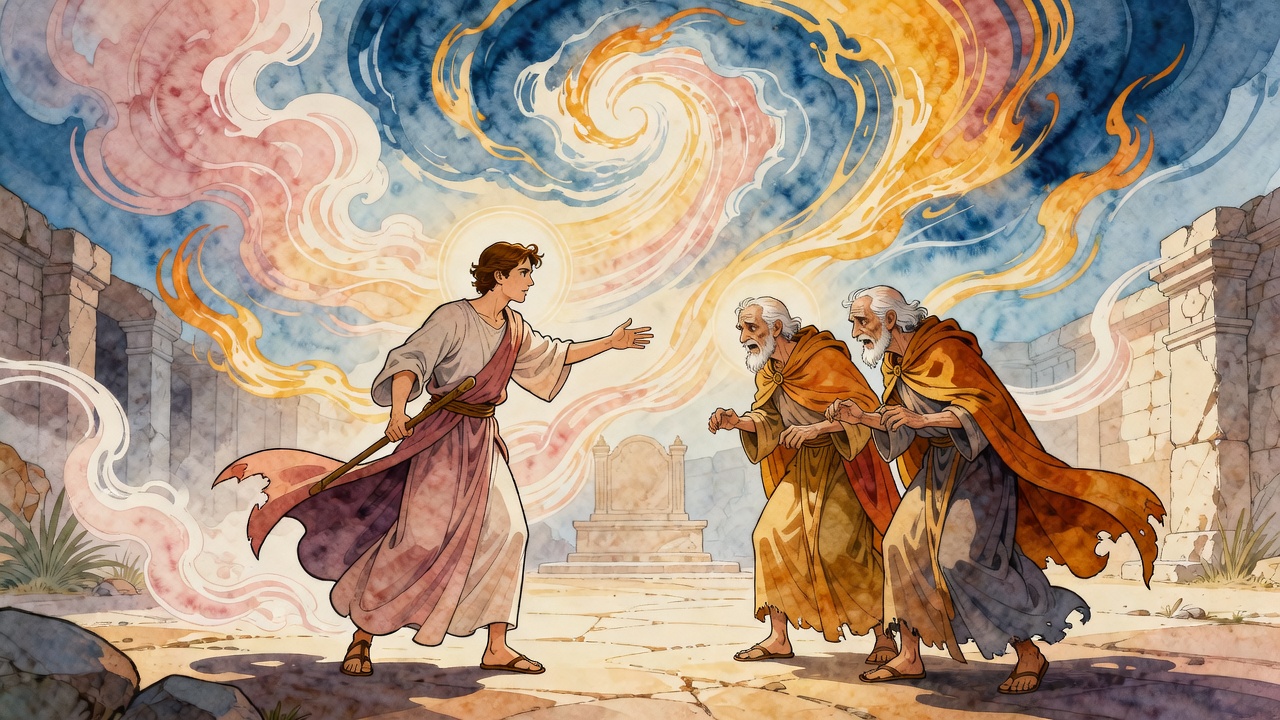
Two elders condemned a righteous woman with false testimony. A young man with no standing interrupted and asked each elder which tree they had stood under.
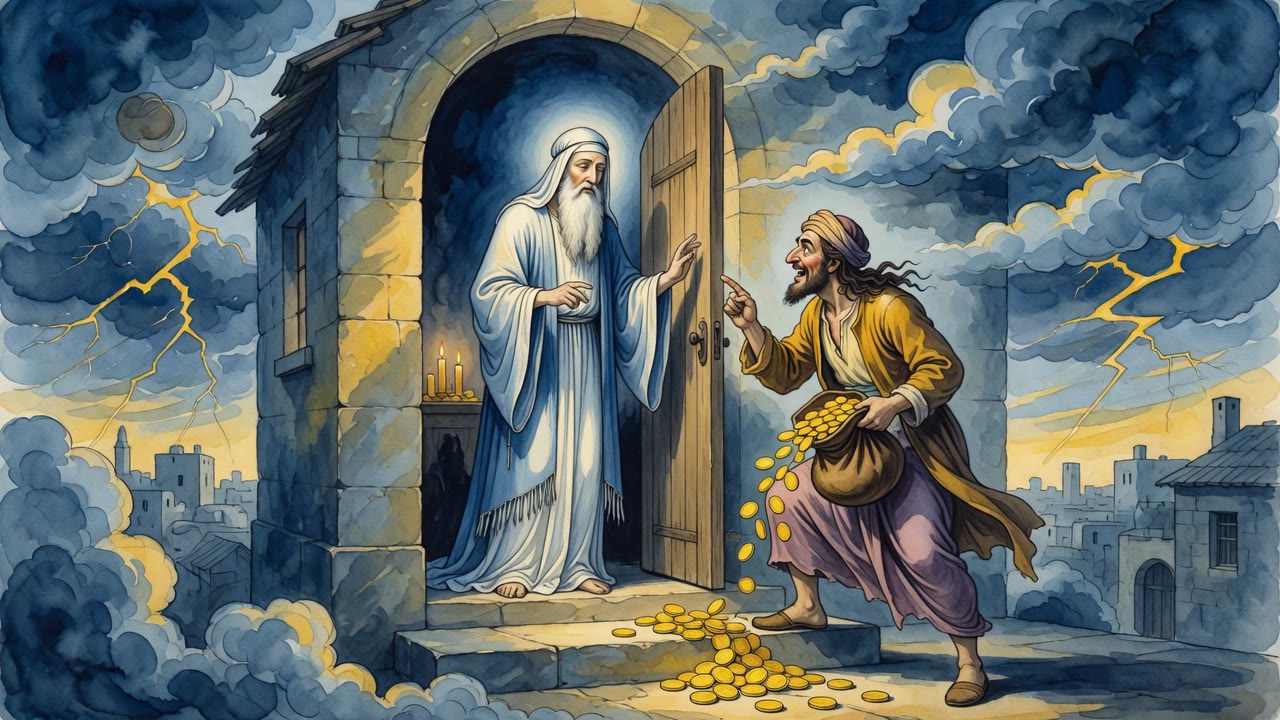
Ahasuerus did not lose Vashti because he hated her. He lost her because the men were comparing women and he wanted the room to admire him.
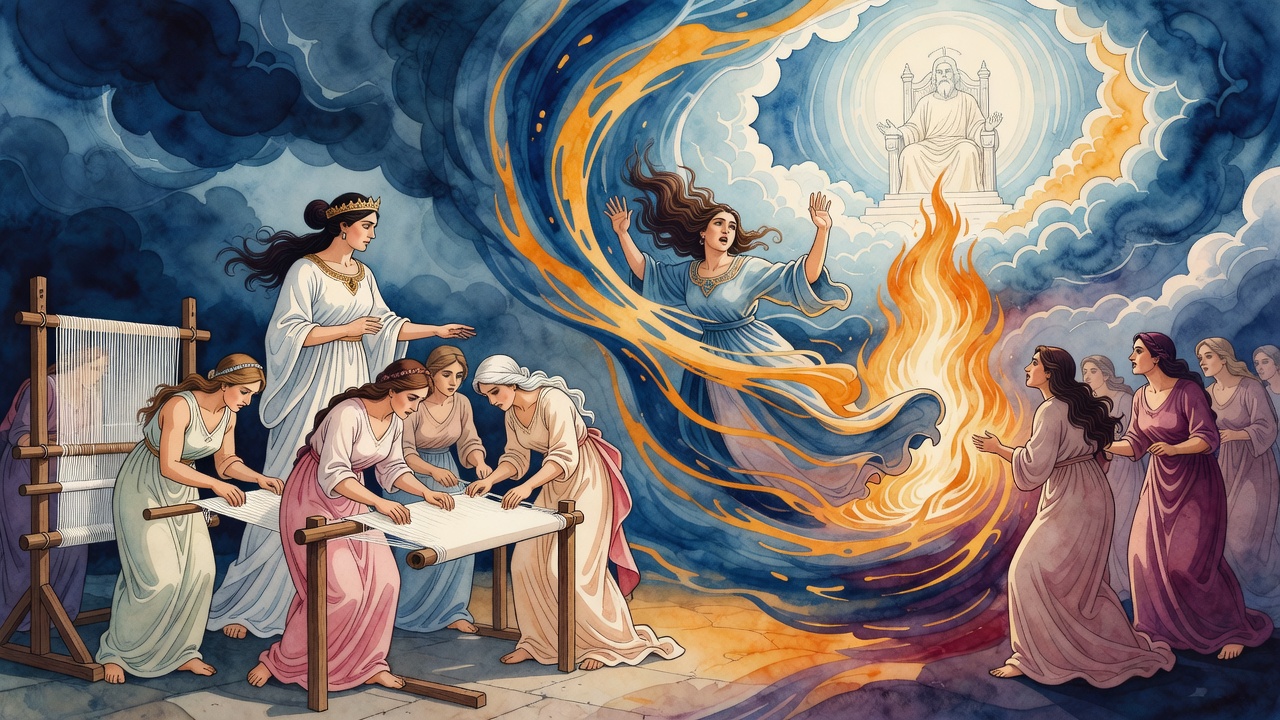
Every Sabbath Vashti stripped Jewish women and forced them to weave. When her own humiliation came, it came on the seventh day.
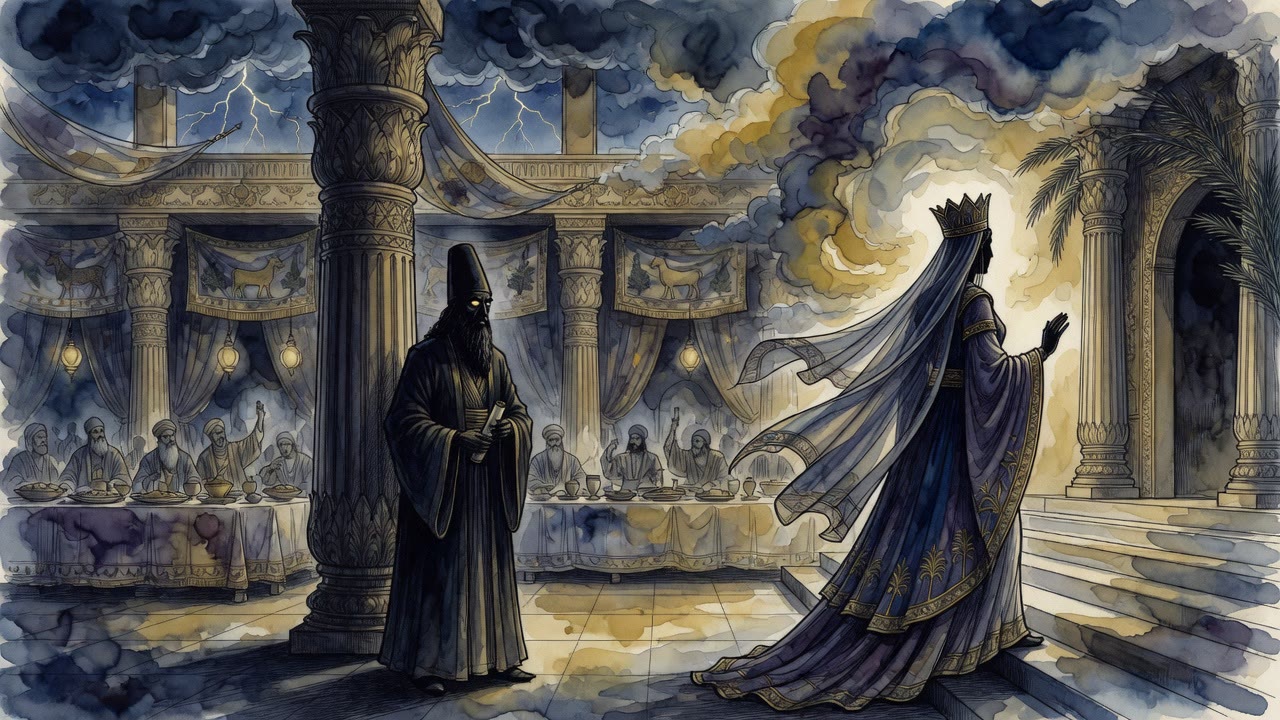
Vashti would not walk into a hall where Daniel stood. He had read her father's ruin off a wall in Babylon, and he was not finished with her house.
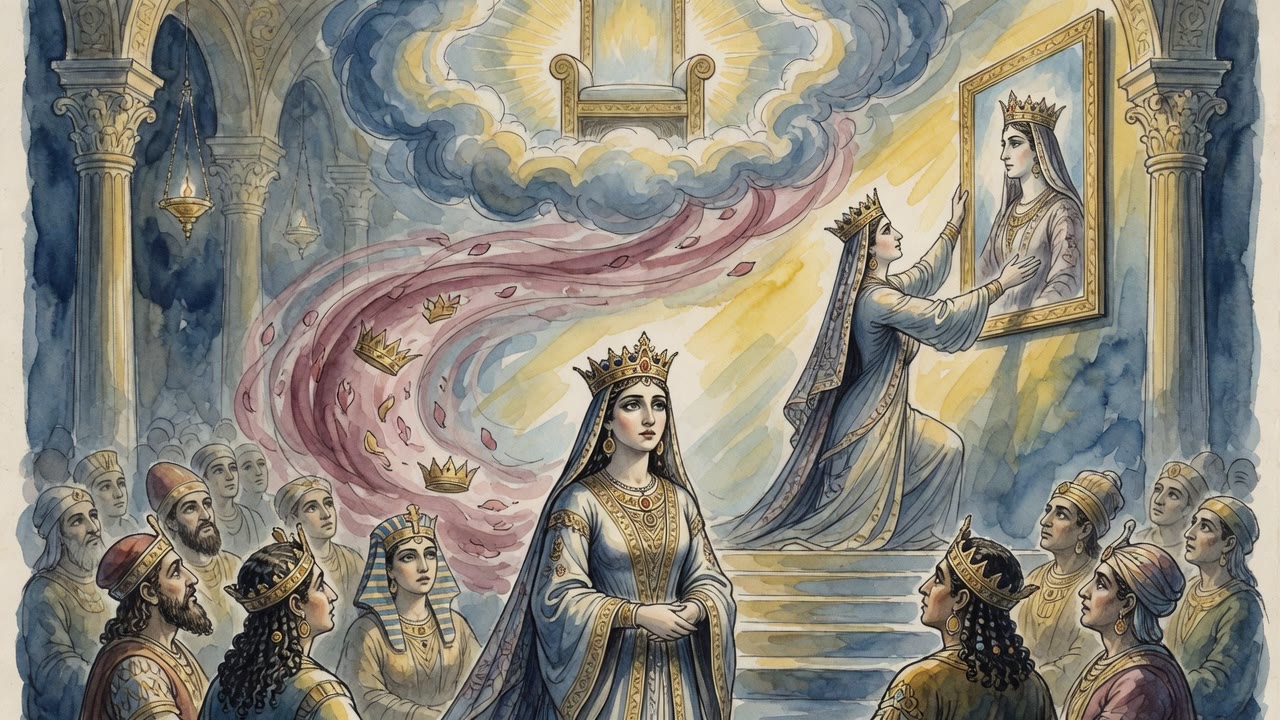
Hegai could hang if the king found the new girl unprepared. Esther would not touch the creams or the royal food, so he buried her in jewels.

Pharaoh handed his own daughter over to Sarah as a slave. He would rather see her carrying water in a tent than crowned in another man's harem.
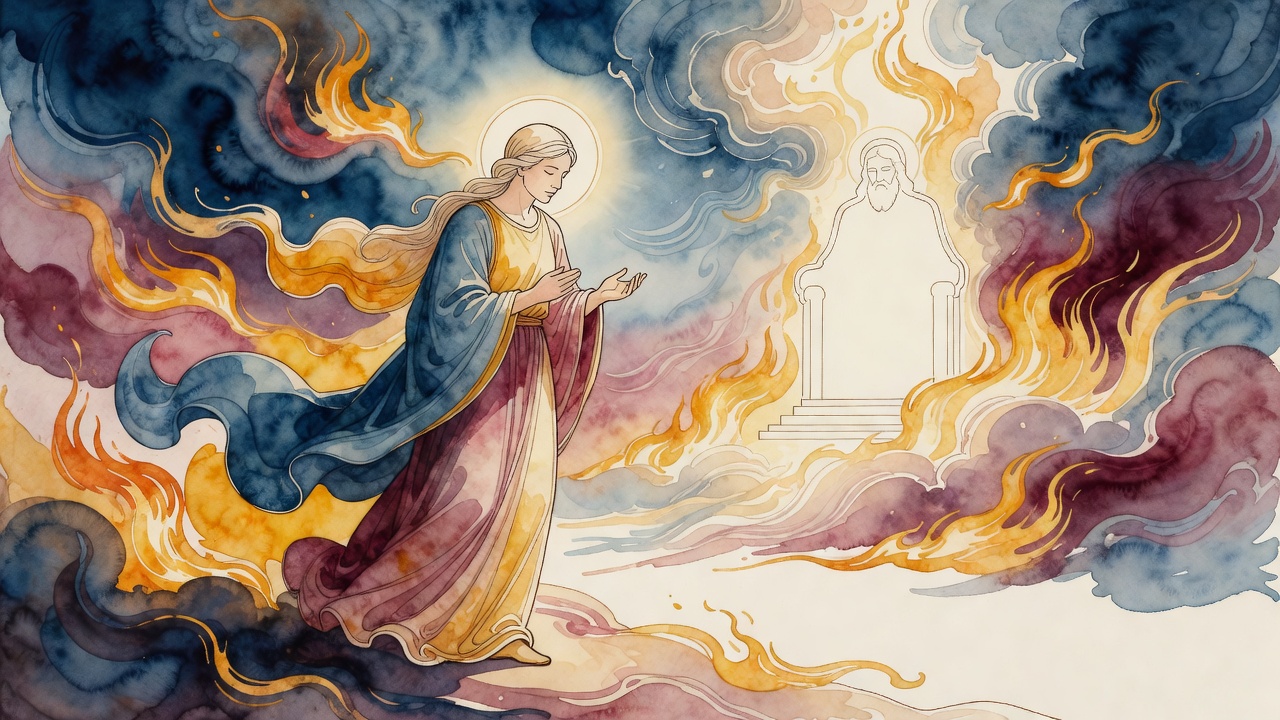
She was ten years old when the sea split and fifty when she asked to be let in. In between she ran a house on the wall of Jericho.
