Miriam Was Struck With Tzaraat, but Aaron Said the Same Thing
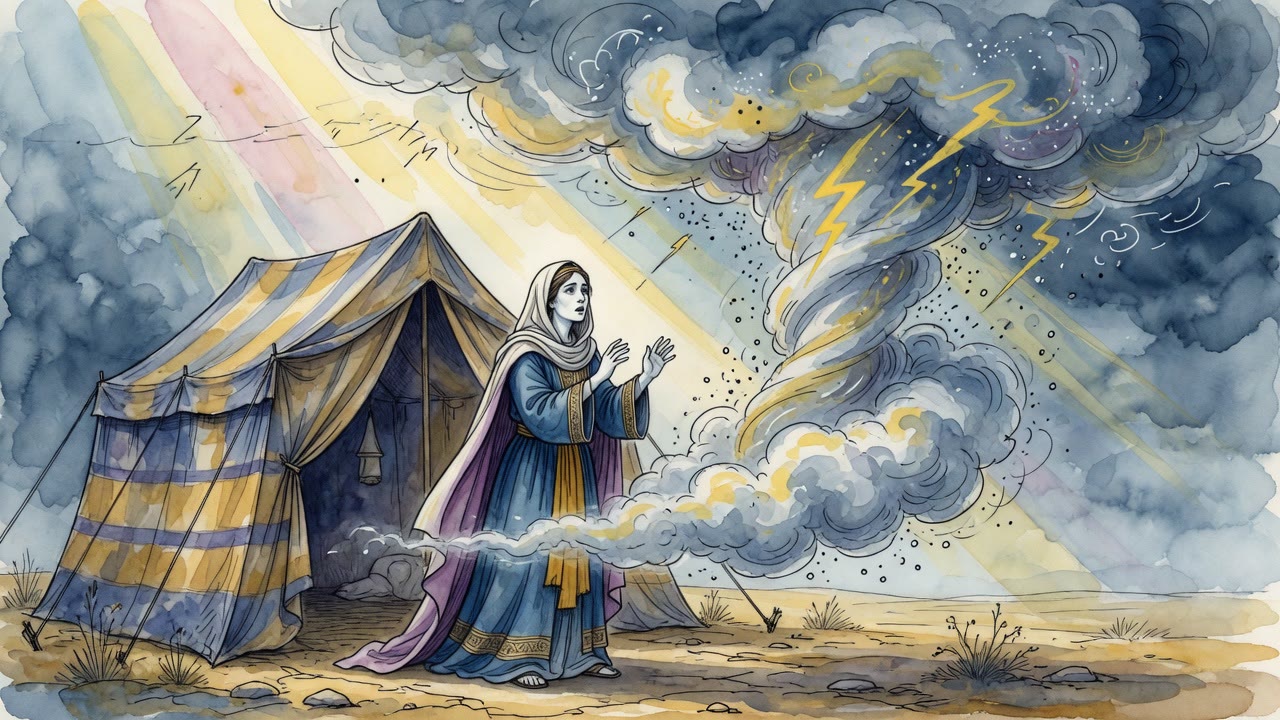
They kept their voices low outside the tents. Nothing happened while the cloud stood there. Then it lifted, and Aaron saw white spreading on his sister's skin.
Table of Contents
 Click for full size
The Words Spoken in the Cool of Evening
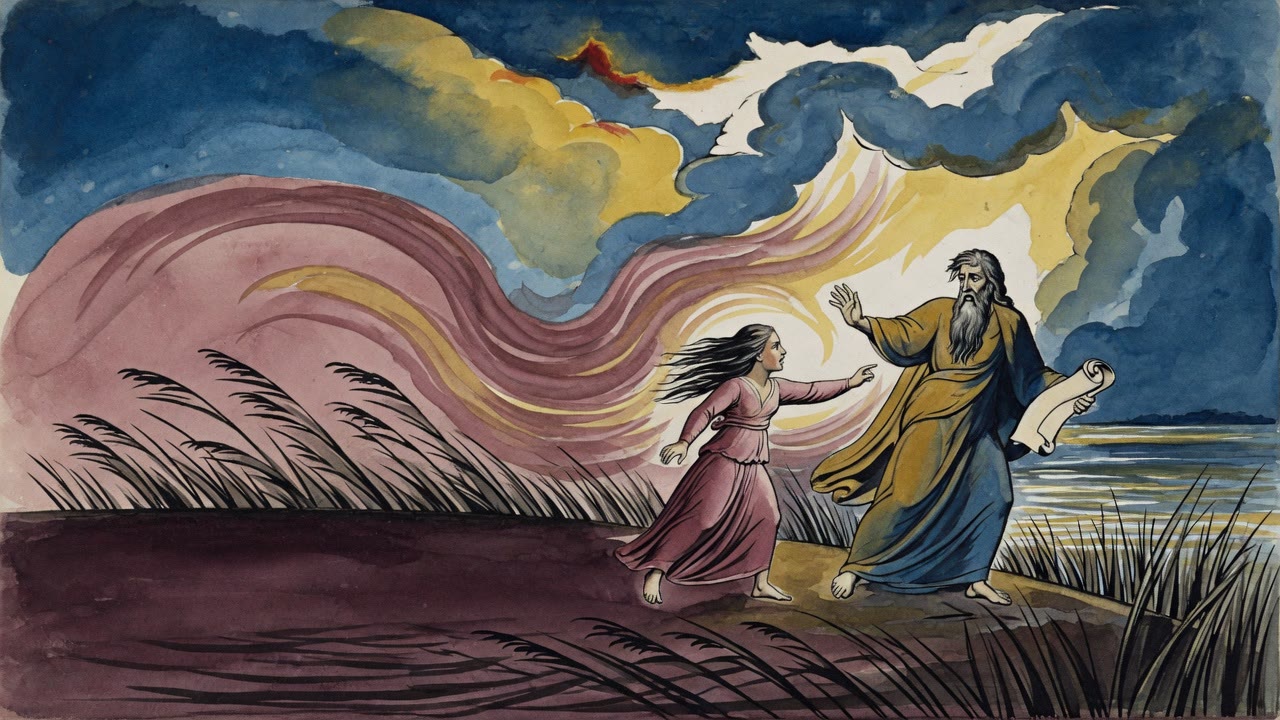
They kept their voices low, the way people do when they are saying something they would not say to your face. Miriam spoke first, in the long shadow of the tents, with her brother Aaron standing close enough to hear and close enough to agree. The subject was their youngest brother, and the woman he had married, the Cushite, and the strange cold that had crept into his marriage like frost into a field.
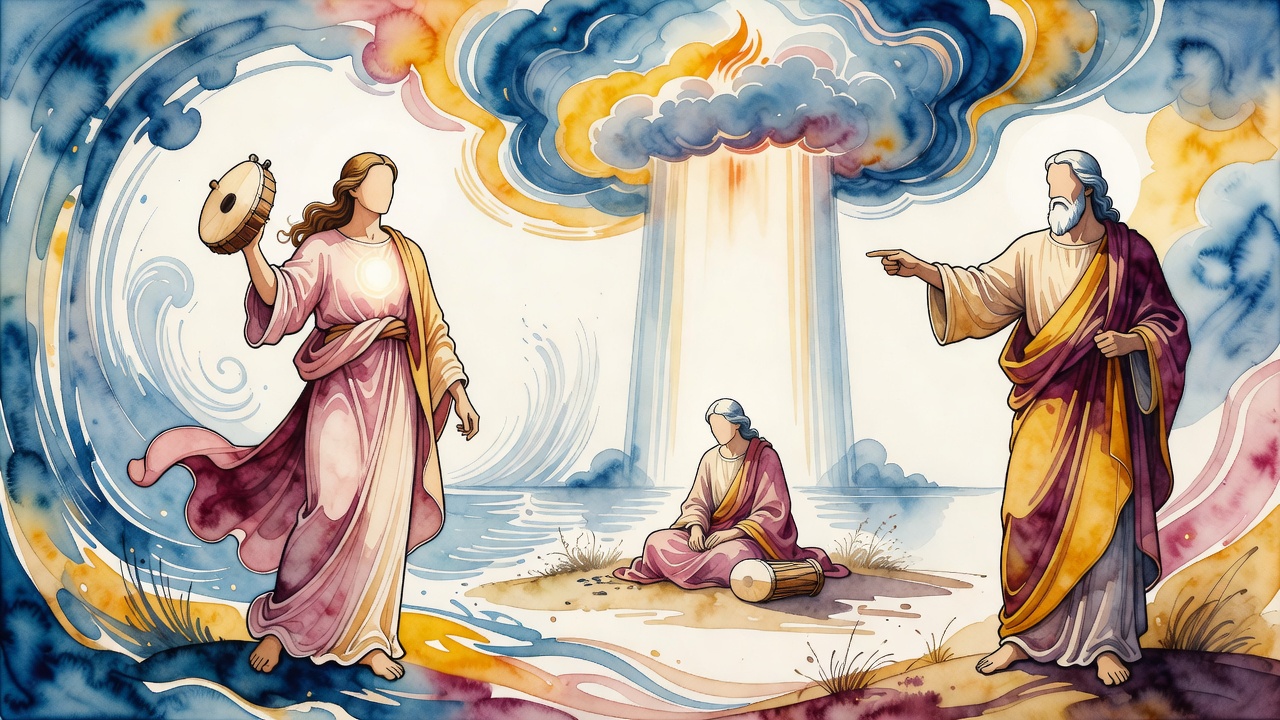
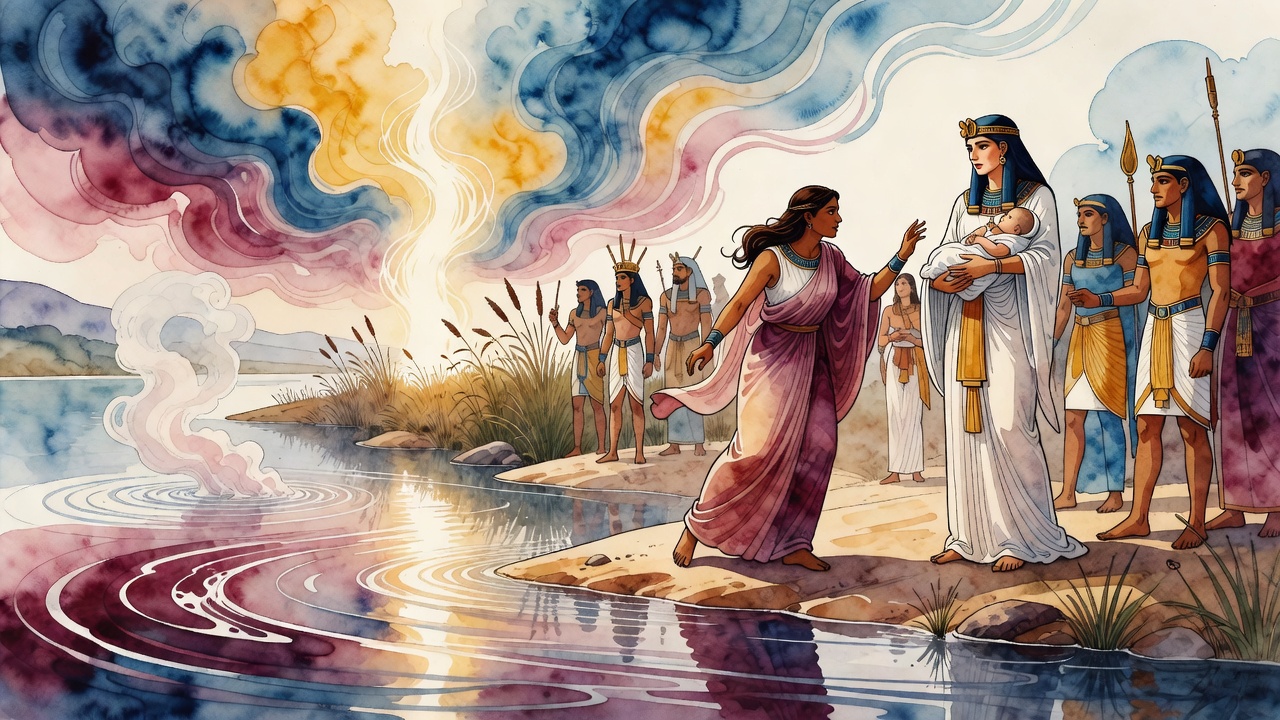
Miriam had not come to this complaint as a stranger throwing stones from outside the camp. She had stood among the reeds long ago and watched a basket drift, a girl guarding a baby she loved more than her own breath. She had taken a timbrel in her hand on the far shore of the sea and led the women in singing while the water still hissed behind them. She had earned the right, she believed, to worry out loud.
So she said what she thought she saw. Her brother had drawn away from his wife. The voice that spoke to him in the cloud had pulled him so far up that he no longer came back down to the ordinary warmth of a husband and a bed. Miriam thought she was defending the abandoned woman. Therefore she widened the charge, and Aaron widened it with her.
Had He Spoken Only Through One Mouth
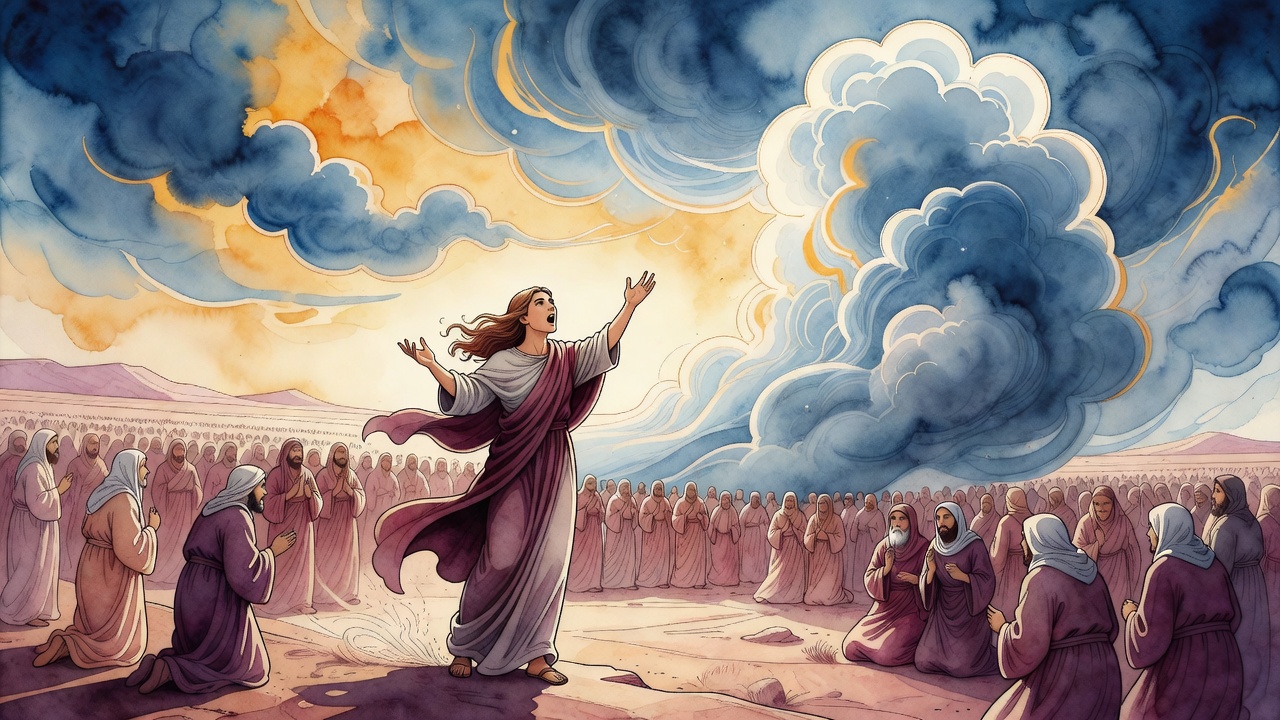
The real question came out next, the one underneath the first one. Was their brother the only one God ever spoke through? Had the cloud never settled over Miriam, whose songs the whole nation still hummed? Had it never rested on Aaron, who carried the names of the tribes over his heart in stones of fire? They were prophets too. They were older. Who had decided that the youngest got the mountain and the burning bush and the face-to-face, while they got the dust and the marching?
Their brother heard it, and said nothing. He was the gentlest man on the face of the earth, and gentleness has no answer for a sister who loves you and is wrong about you at the same time. So he let it stand. But the words did not vanish into the evening air. They rose.
Out, the Three of You
The summons came as a single sound. Not three calls, one for each of them, but one utterance that split into three and found each ear at once, a thing no human mouth can shape and no human ear is built to catch. The cloud at the door of the tent had spoken, and the command inside the sound was plain. Out. The three of you. Now.
They went, the two who had whispered and the one who had been whispered about, stumbling toward the Tent of Meeting while the rest of the camp froze in place. The pillar came down and stood in the doorway like a wall of standing smoke, and the voice came again, no longer gentle.
It did not strike first and explain later. It spoke. It named the difference between an ordinary prophet, who meets the holy in riddles and night-visions, and this one brother, to whom the words came clear as a man speaking to his friend. Then it asked the question that pinned them both to the ground. How were they not afraid to speak against him?
The Cloud Lifts and the Skin Turns
The presence did not punish while it was still among them. Mercy held the anger back the way a hand holds back a flung stone. As long as the cloud stood in the doorway, nothing happened to their bodies. They felt only the heat of the rebuke and the silence after it.
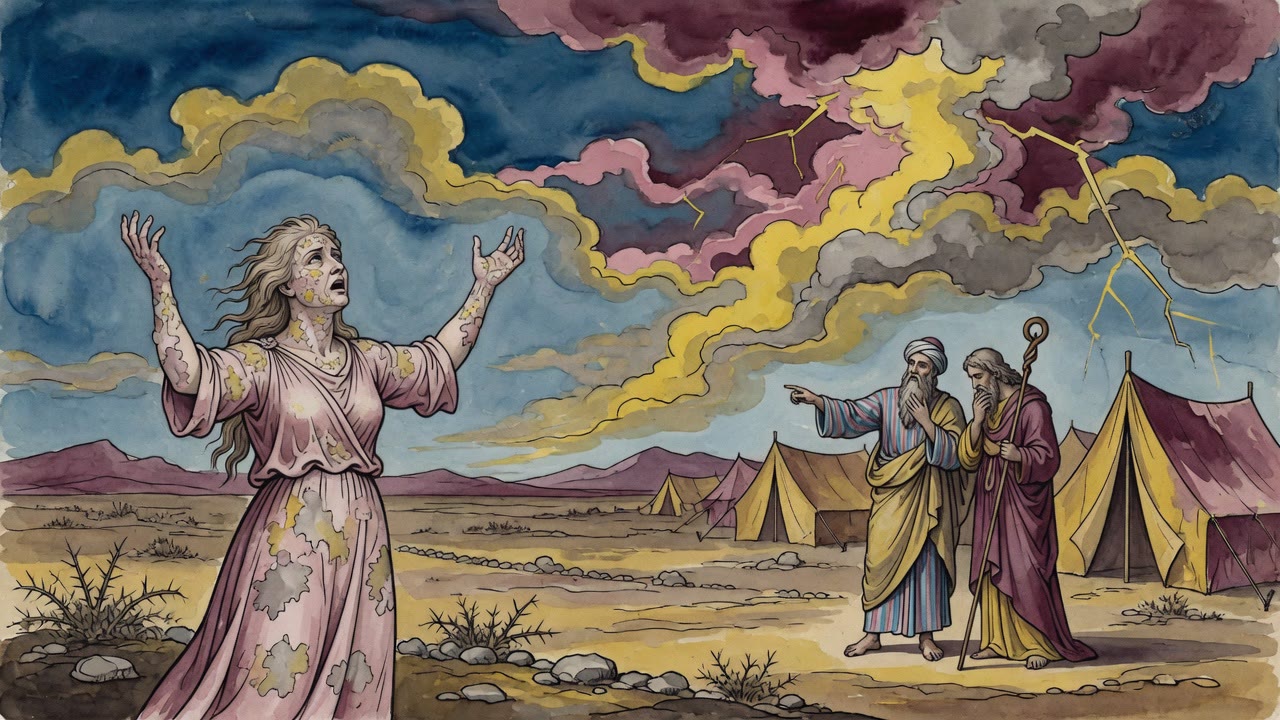
Then the cloud lifted off the tent and was gone. And the moment the protection left, the thing that had been waiting arrived. Aaron turned and looked at his sister, and the breath went out of him. Her skin had gone white. Not pale with fear, white. White as the snow that caps the far mountains, white as ash, the bloom of tzaraat (a withering affliction of the skin) spreading across her face and her arms while he watched.
He had said the same words. He stood there whole. She stood there ruined. He had leaned toward the complaint and she had carried it, and the difference between leaning and carrying was now written across her body for the whole camp to read.
Shut Outside, and the Nation Waited
Aaron broke. He turned to his brother, the gentle one, the wronged one, and begged him not to let the punishment hold. Do not let her be like a stillbirth, he pleaded, like a child born with half its flesh already eaten away. He did not pray himself. He had no standing left to pray. He sent the man he had spoken against to do the asking for him.
And the brother did. Five words, no more, lifted up toward the cloud that had already gone. A short cry that asked nothing for himself, only healing for the sister who had wounded him. The cry was heard, but not without a cost. A daughter shamed before her father bears the shame seven days. So would she.
They shut Miriam outside the camp. Past the last tent, past the cooking fires, alone in the open with her white skin and her silence. And here is the turn no one ordered and no one wrote down as a law. The whole nation stopped. The cloud did not move. The march did not begin. Six hundred thousand people stood still in the wilderness and waited seven days for one woman to come back, because the girl who once watched a basket among the reeds was not going to be left behind by the people she had helped carry out of the water.
← All myths