Miriam's Seven Days and the Arithmetic of Shame
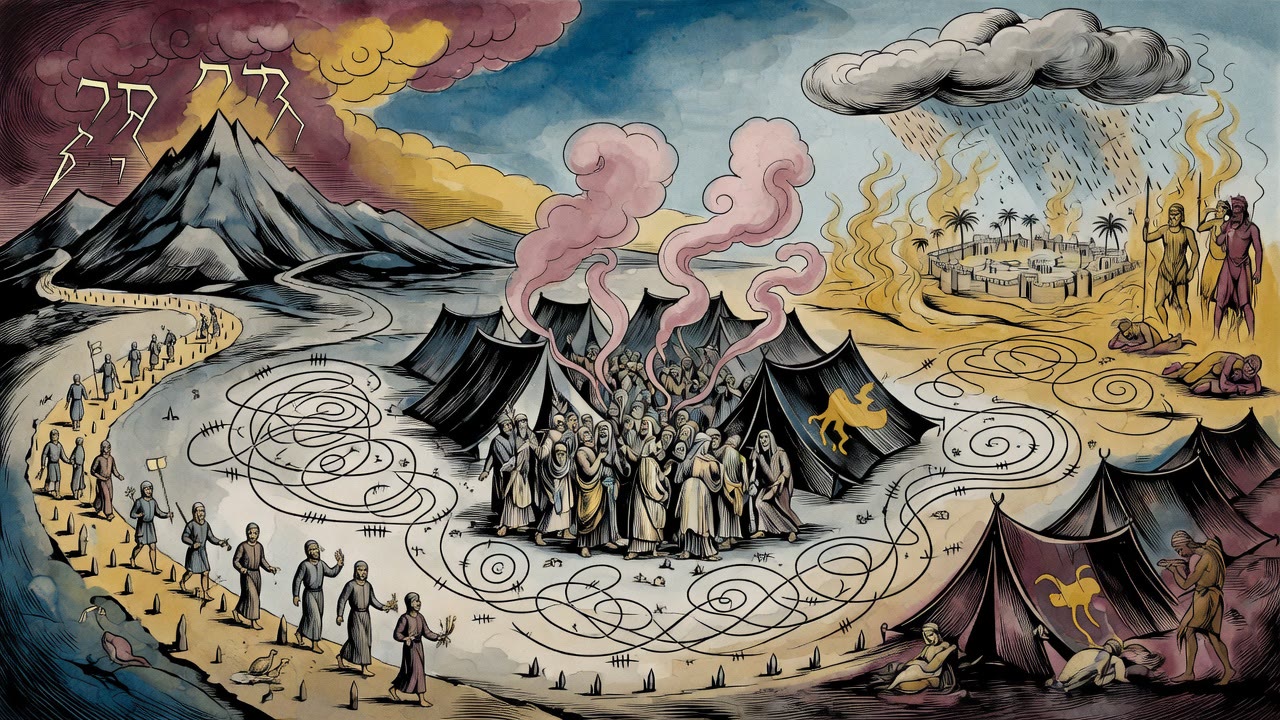
A sister speaks against Moses and the cloud withdraws. The whole nation waits seven days in the wilderness until shame finishes its work and Miriam can return.
Table of Contents
 Click for full size
The Grief That Started It
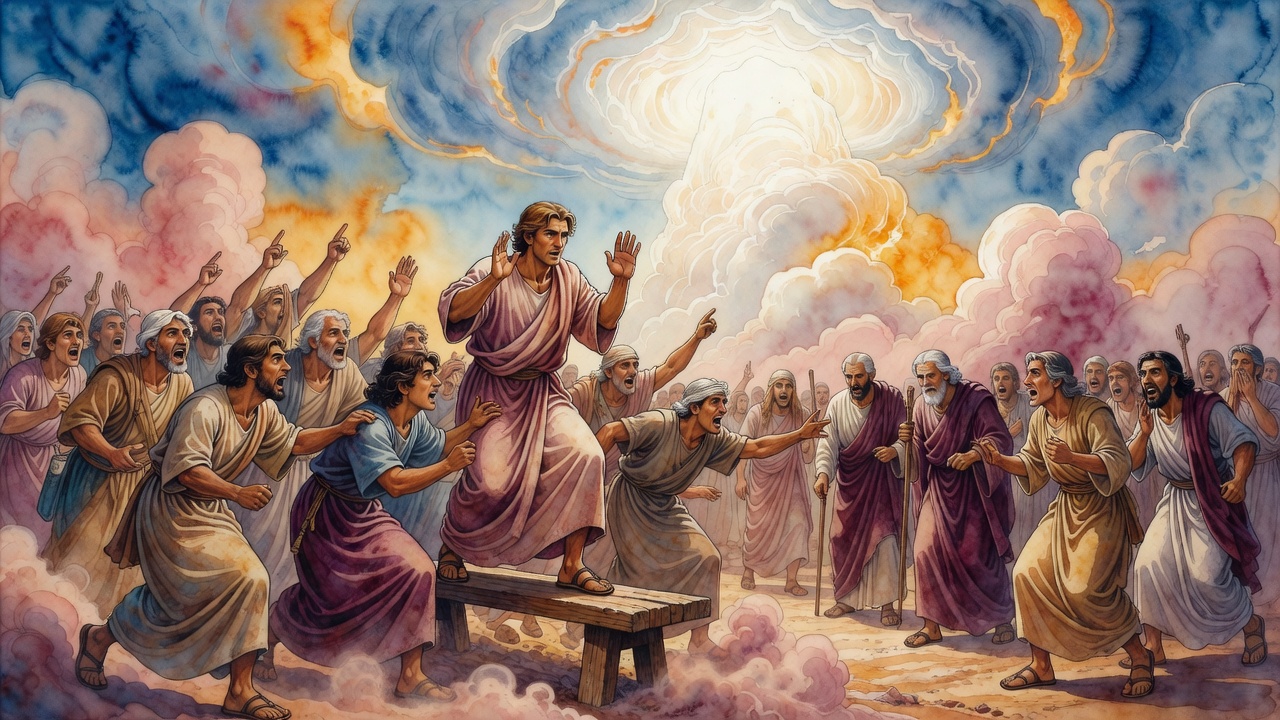
The seventy elders have just received the spirit of prophecy. People are celebrating, calling out to their mothers with the news. Zipporah hears the celebration and thinks of wives instead of mothers. "Happy are their mothers," she says. "Woe to their wives." She has watched it happen to her own husband when he was called into that kind of service. Moses received the Torah and became bound to divine speech, and since that binding he has separated from her. The prophecy that filled seventy men with joy has already cost Zipporah something she cannot recover from the outside.
Miriam hears Zipporah's grief. She carries it to Aaron. The conversation that follows may have begun in compassion, one sister concerned for a sister-in-law, but compassion is not protection against what compassion says when it leaves the mouth as judgment. They speak about Moses and his Cushite wife. They ask whether God has spoken only through Moses. Has God not spoken through them as well?
The tradition names what left that tent: lashon hara, evil speech. The wrong was not asking the question. The wrong was asking it about Moses, the man concerning whom God says there is no other like him in all the earth, one who speaks face to face rather than in riddles and visions. Criticizing Moses is not like criticizing a leader who can be corrected by better counsel. It is touching the central pipe through which the covenant runs.
The Cloud Left the Tent
God's response is immediate and precise. The pillar of cloud withdraws from the Tent of Meeting. God calls Moses, Aaron, and Miriam out to the entrance. All three stand at the threshold of the place where God rests in the camp. Then God speaks directly about the difference between Moses and every other prophet. Other prophets receive visions. Moses receives speech. Direct, unmediated, mouth to mouth.
When the cloud lifts, Miriam is white with tzaraat (a withering affliction of the skin). Aaron looks at her and sees it at once. His cry is immediate: "do not let her be like one already dead, flesh already half consumed when it comes out of the womb." He uses the image of a stillborn infant. This is not a metaphor for something bad. It is a precise request that the affliction not progress to where it cannot be reversed.
Aaron also says what he could have said before the conversation happened: "we have sinned foolishly." He is not only asking for mercy for Miriam. He is naming the act for what it was. The tradition notes that Aaron included himself in the confession even though Miriam received the affliction. He spoke too. He stood inside the wrong even if God chose to strike differently.
Moses Draws a Circle
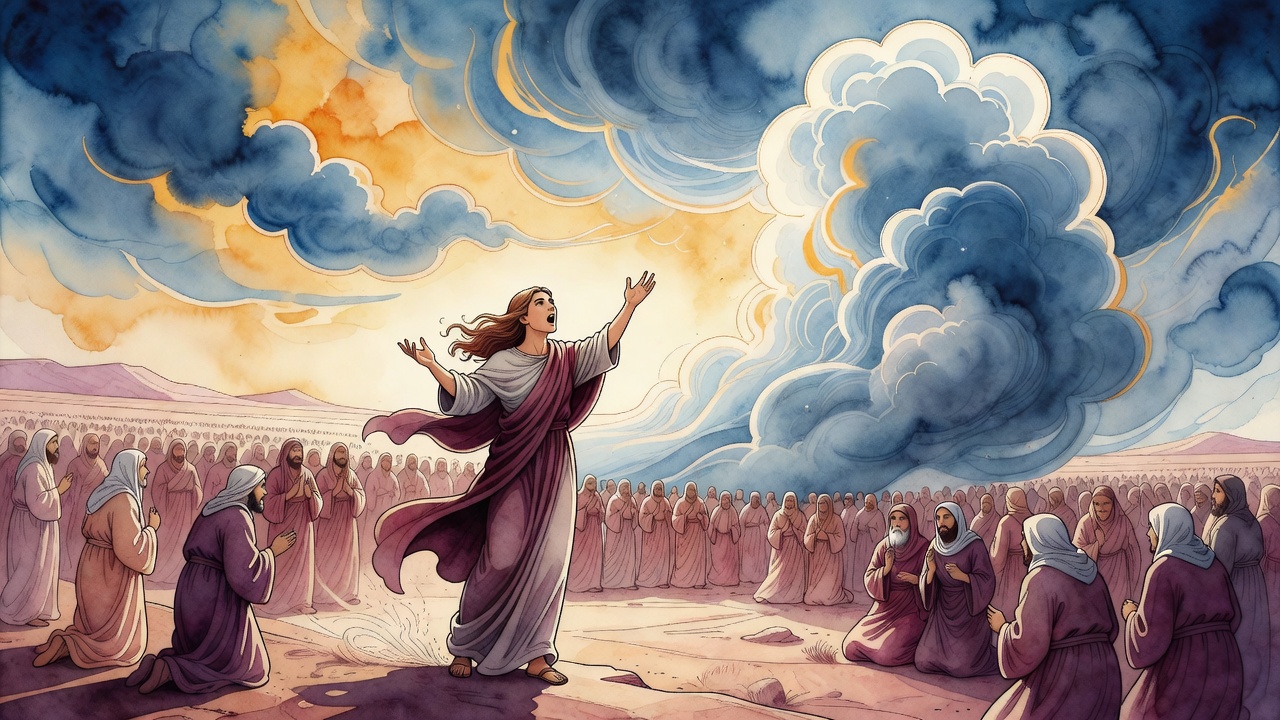
Moses prays in five Hebrew words. El na refa na la. God please heal please her. The prayer is stripped down to the essential request without ornament or bargaining. The tradition preserved several readings of why Moses kept it short. He did not want to seem to plead excessively while the Shekhinah (God's indwelling presence) was still present and offended. He did not want Israel to wait longer than necessary. He prayed what was sufficient and stopped.
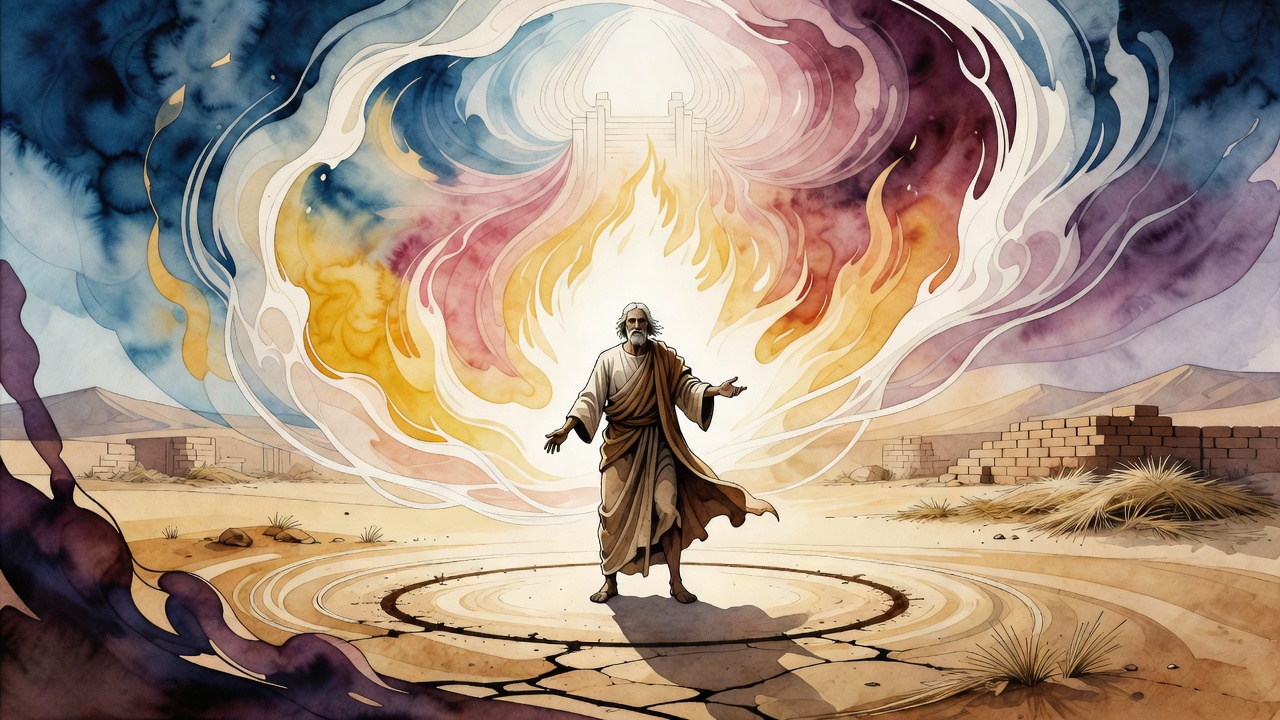
The tradition adds that Moses drew a circle and refused to leave it until God answered. The image of a man drawing a line around himself and standing inside it until Heaven responds connects Moses to a much later figure, Honi the Circle-Drawer, who will do the same during a drought. The gesture is the same: a man who has run out of words but has not run out of faith, standing inside the smallest possible space and insisting that God fill it.
Israel Waited Seven Days
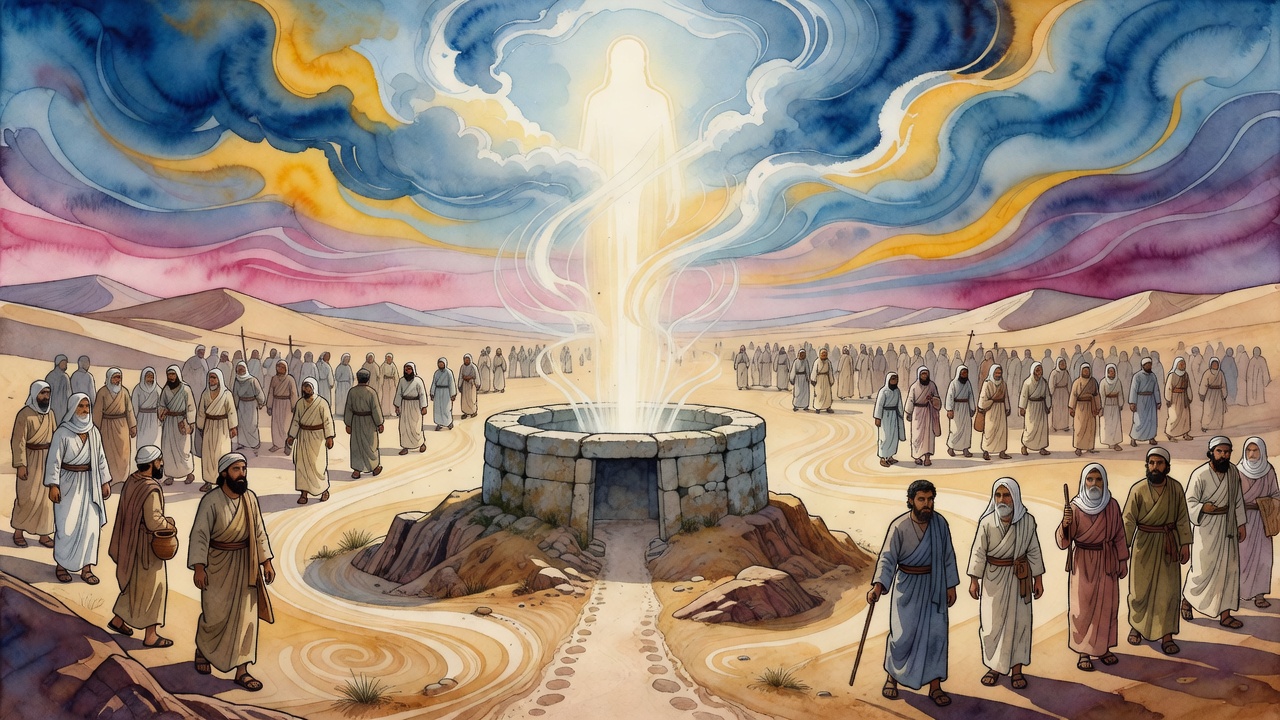
Miriam is sent outside the camp for seven days. The Ark does not move. The cloud does not lift to signal the march. The entire congregation of Israel sits in the wilderness and waits for her. The tradition asked why. If tzaraat required seven days outside, Israel could have continued marching and come back for her. Why stop?
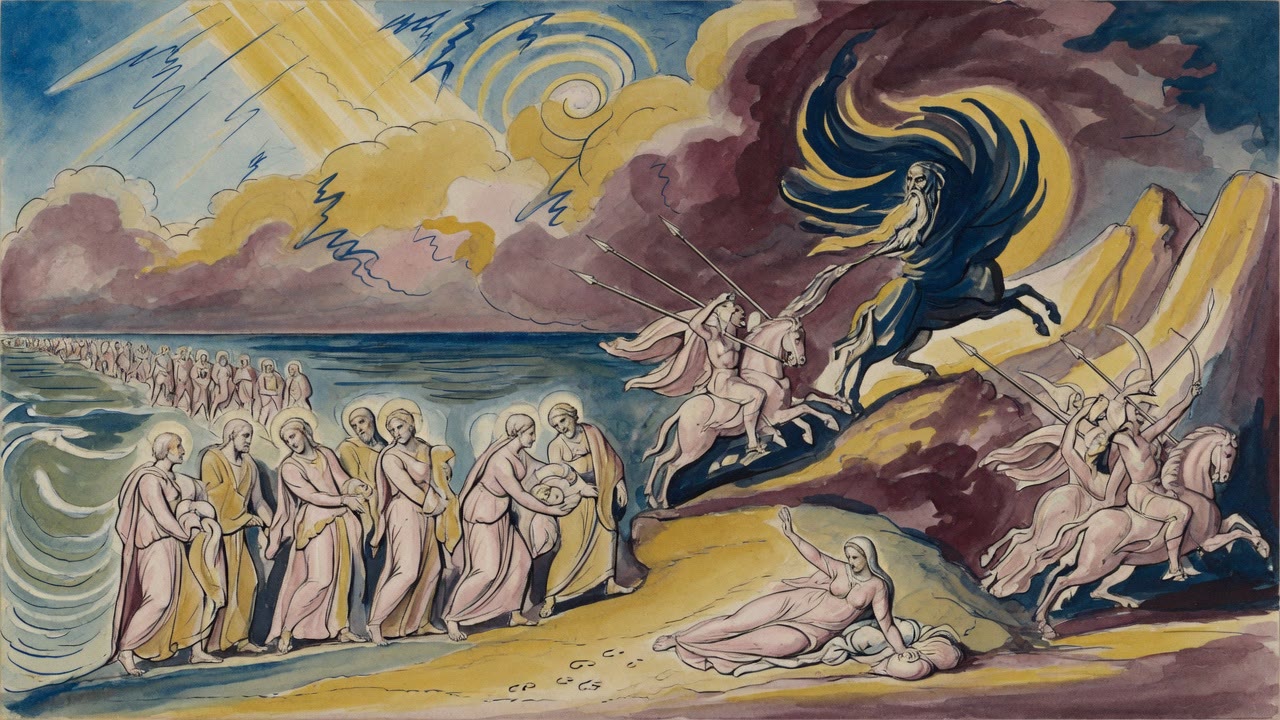
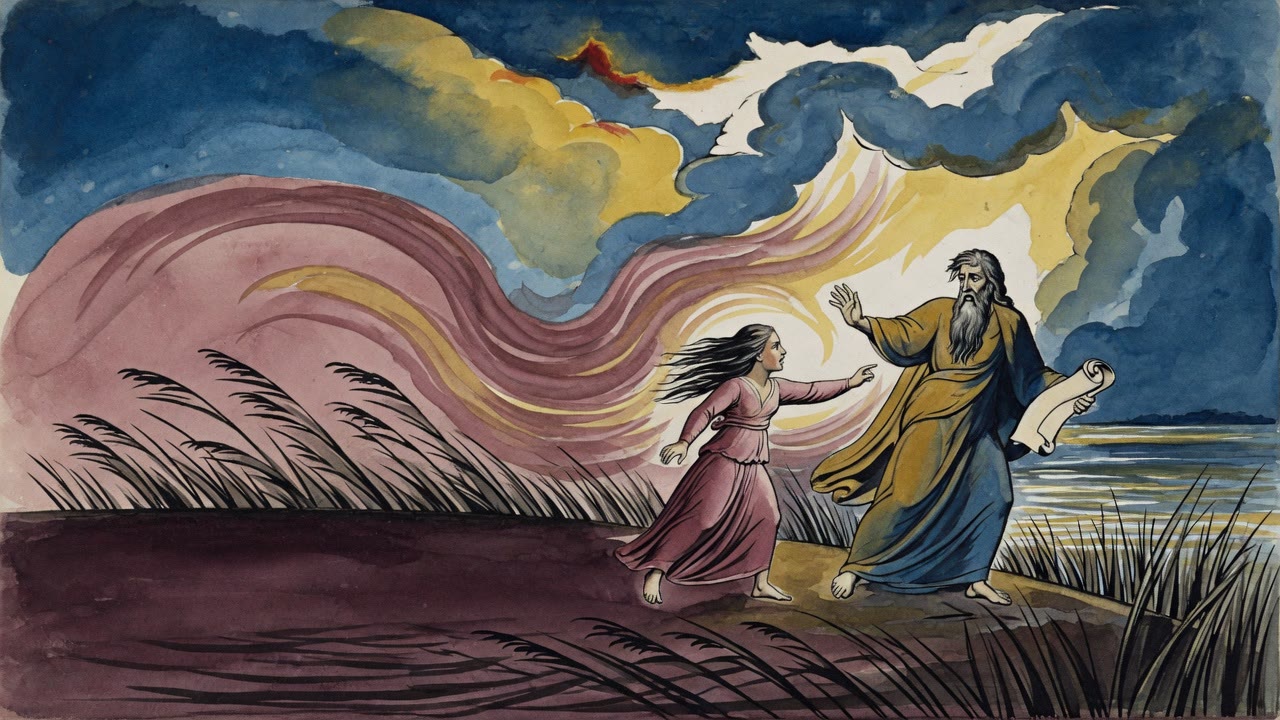
The answer the sources gave turned on what Miriam had done years before, a different riverbank, a different kind of waiting. Miriam stood at the edge of the Nile and watched a basket floating in the reeds. She waited to see what would happen to her baby brother. She stood in the risk of that hour, neither fleeing nor intervening, only watching and staying. That watching was an act of loyalty that the nation now owed back to her. Israel waited seven days in the wilderness because a girl once waited for Moses on the Nile. The arithmetic of shame is also the arithmetic of debt.
← All myths