434 related texts · 4 related myths · Page 1 of 10
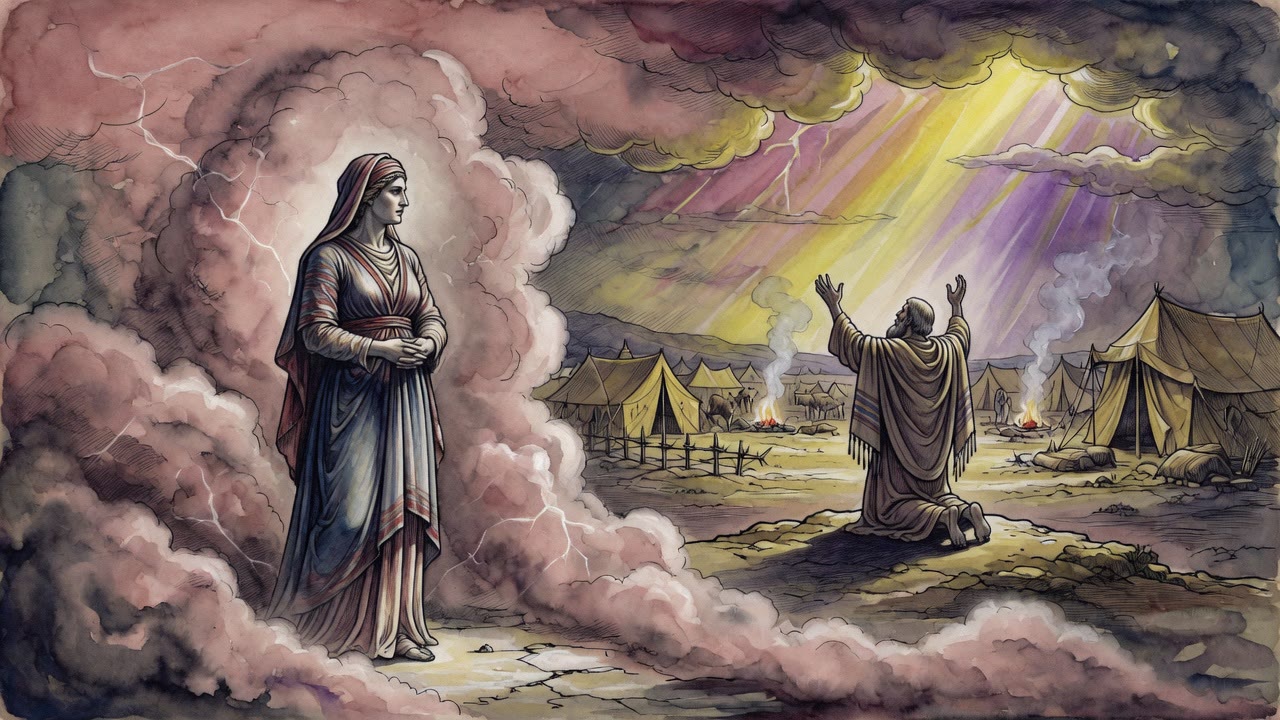
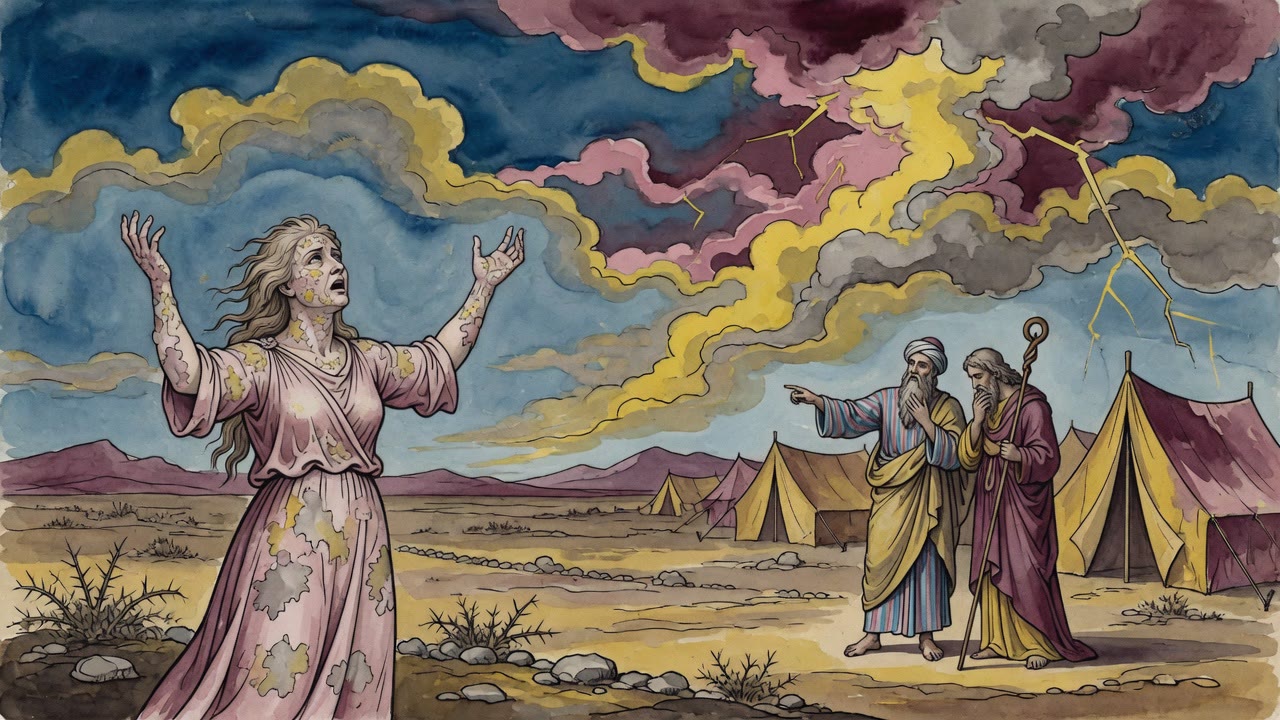
Specifically, Bamidbar Rabbah 7 explores the verse in (Numbers 5:2), "Command the children of Israel, that they send out of the camp every leper, and every one that hath an issue, ...
Rabbi Yosei HaGelili, a sage known for his sharp insights, challenges us to consider just that. He points to a time when things were different for the Israelites, a time of purity ...
When the Torah describes the ear-boring of a Hebrew bondsman who chooses to remain in service, it says "his ear" shall be pierced. But which ear, left or right? The Mekhilta determ...
The Torah instructs in (Exodus 12:22), "And you shall take a bunch of hyssop," referring to the bundle of hyssop used to apply the blood of the Paschal lamb to the doorposts in Egy...
The Nazirite vow was one of the most demanding spiritual commitments in ancient Israel: abstaining from wine, avoiding cutting one's hair, and staying away from contact with the de...
Leviticus 15 deals with bodily discharges, a topic the Targum Jonathan handles with surprising clinical specificity. The Hebrew Bible says a person with an issue becomes unclean. T...
The verse in question, from Bamidbar 7:16, speaks of a he-goat offered as a sin-offering. But what exactly was this sin-offering meant to atone for? The Sifrei Bamidbar tells us it...
Originally, it was the firstborn sons who were meant to serve in the sanctuary. But, as Ginzberg tells us in Legends of the Jews, when the Israelites succumbed to idolatry and wors...
“For this our heart suffers; for these our eyes are dim” (Lamentations 5:17).“For this our heart suffers.” Rabbi Simlai said: The Holy One blessed be He gave great suffering to thi...
The verse says, "And a clean man shall take." Now, Sifrei Bamidbar immediately pounces on that word "take." Why is it significant? The text points out that the same word, "taking,"...
In Jewish law, this creates a state of ritual impurity, or tumah. It's a pretty unsettling thought, isn’t it? So, how do we atone for this accidental transgression? Well, Sifrei Ba...
A kabbalistic manual preserved in Kitzur Shalah (an abridgment of the early seventeenth century ethical-mystical work Shenei Luchot HaBrit by Rabbi Isaiah Horowitz) describes the p...
It might seem harsh At first, The verse that sparks this discussion is from (Numbers 5:2): "Command the children of Israel, and they shall send out from the camp every leper and ev...
At the end of a Nazirite's vow of dedication, the Torah commands a specific act: shave the head, and do it "at the door of the tent of meeting" (Numbers 6:18). Read literally, that...
It might seem morbid, but understanding these rituals offers a fascinating glimpse into the values and beliefs of our ancestors. to a passage from Sifrei Bamidbar, a collection of ...
They didn't just pull these ideas out of thin air. They wrestled with the Torah, teasing out nuances and building a complex system. And one place we see this wrestling match in act...
That there are eleven days between one menstrual period and another is a law from Moshe at Sinai. Its explanation is that the law transmitted to Moshe at Sinai is like this: From t...
R. Yossi b. R. Yehudah says: From half the altar northwards is regarded as north, and from half the altar southwards is regarded as south. And this tells me only that the north of ...
Midrash on the death of Aaron "I lost the three shepherds in one month" (Zecharia 11:8); and thus, in one month, Aaron, Miriam, and Moses died. Miriam died on the 1st of the month ...
The rabbis taught that Jerusalem was not like other cities. Ten laws applied to her alone, each one a small clue to her strange status. A mortgaged house there was never permanentl...
“Turn away, impure, they called to them. Turn away, turn away, do not touch, because they were loathsome, and also wandering; they said among the nations: They will not continue to...
Sifrei Bamidbar turns to Purifying a Nazirite Who Broke Their Sacred Vow. " This refers to someone who began their Nazirite vow in a state of purity, but then became ritually uncle...
It's fascinating to see how even the smallest details in the Torah, when unpacked by our Sages, can offer such profound insights. to Bereshit Rabbah 31, a section of the ancient Mi...
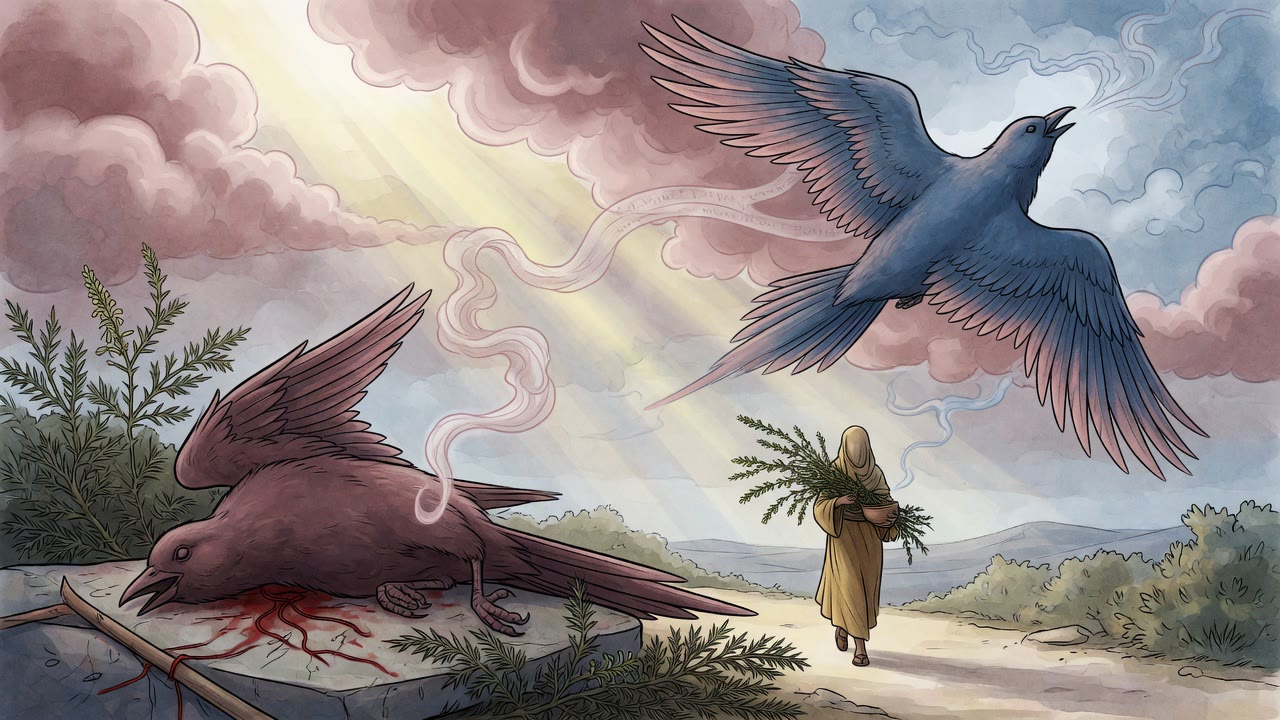
(Lev. 14:2:) “In the day of his cleansing.” [With what?]20Lev. R. 16:7. With (according to vs. 4) “two live clean birds.” How is his offering different from all [other] offerings? ...
It concerns Moses, the ultimate liberator, and some truly wild accusations leveled against him. Josephus, in his work Against Apion, addresses these very claims, specifically those...
Jehoram, king of Jerusalem, started his reign by murdering all his brothers. Then he married Athaliah, daughter of Ahab, and she taught him to worship foreign gods. It went downhil...
The Kabbalists of Safed developed an immersion practice that turned the ritual bath, the mikveh, into a map of divine names. A person preparing for the mikveh was not merely washin...
Rabbi Nathan found a specific legal scenario embedded in the verse "let all of his males be circumcised." The phrase excludes a particular case from preventing a master's participa...
It even has laws about it. The passage It focuses on a verse in Numbers (31:24), specifically dealing with the aftermath of battle: "And you shall wash your garments on the seventh...
One today, all thanks to a seemingly simple verse in Deuteronomy. (Deuteronomy 14:11) states, "Every clean bird you may eat." Okay, straightforward enough. But The Sifrei Devarim, ...
It’s a perspective that illuminates ideas about purity, holiness, and the very special status of the Garden of Eden. The passage in question focuses on the period after a woman giv...
Book of Judith turns to Judith Offers the Spoils of War at Jerusalem. Well, the Book of Judith gives us a glimpse. The story's climax, Judith's daring assassination of Holofernes, ...
God pronounced three curses. One for the man. One for the woman. One for the serpent. And with those three curses, the world as it had been ended forever. To Adam, God said: "Since...
It wasn't just about hammering tent pegs and hanging curtains. There was a whole ritual, a consecration, full of wonder and divine intervention. One of the most fascinating aspects...
This particular midrash (rabbinic interpretive commentary), or interpretive commentary, grapples with a powerful phrase: "death of the son." But what does it truly mean? It’s not a...
The ancient rabbis grappled with this too, especially when it came to ritual purity. What happens when someone becomes ritually impure and doesn't take the necessary steps to purif...
The schools of Hillel and Shammai disagreed even about how to kindle a candle. On Chanukah, Shammai said: begin with eight lights on the first night and remove one each evening, so...
Jacob's vow at Bethel is, in the plain Torah text, a conditional prayer: if God keeps me and feeds me, then the Lord will be my God (Genesis 28:20–21). The Targum Pseudo-Jonathan r...
The recipe for the holy anointing oil is exact and extravagant: five hundred minas of myrrh, two hundred and fifty of sweet cinnamon, two hundred and fifty of sweet calamus, five h...
The spices were weighed. The oil was gathered from the twelve tribes. But the mixture itself required something the Torah calls "the work of the perfumer." Targum Pseudo-Jonathan p...
Targum Pseudo-Jonathan on (Exodus 40:9) takes a small detail, anointing the tabernacle with the consecration oil. And reaches forward across centuries. Anoint the tent and everythi...
Our starting point is the phrase: “Because you defied My directive.” This, the text suggests, echoes in the fate of humanity itself. But how? Well, the verse "The Lord will not sta...
In the story of Abram and the King of Sodom, found in Bereshit Rabbah (Genesis Rabbah) 43, we see a masterclass in ethical leadership and selfless action. After Abram's victorious ...
It all starts with the verse, "May your garments be white at all times, and may the oil on your head not be lacking" (Ecclesiastes 9:8). What does that even mean? Is it literally a...
(Ecclesiastes 10:1) puts it bluntly: "Dead flies spoil and froth a perfumer’s oil; a little folly is weightier than wisdom, than honor." It's a powerful image, isn’t it? How someth...
Kohelet Rabbah turns to The Fool's Toil Exhausts Him Because He Cannot Find the Way. The first interpretation presented is They don’t seek help, they don’t try to understand. And “...
Take, for instance, the humble hyssop. Hyssop – that little plant we read about in the story of the Exodus. It doesn't seem like much, but according to Shemot Rabbah, it's a key to...
A passage from Shir HaShirim Rabbah, a commentary on the Song of Songs, that grapples with just that. It all starts with a verse: "By the fragrance of your good oils, your name is ...