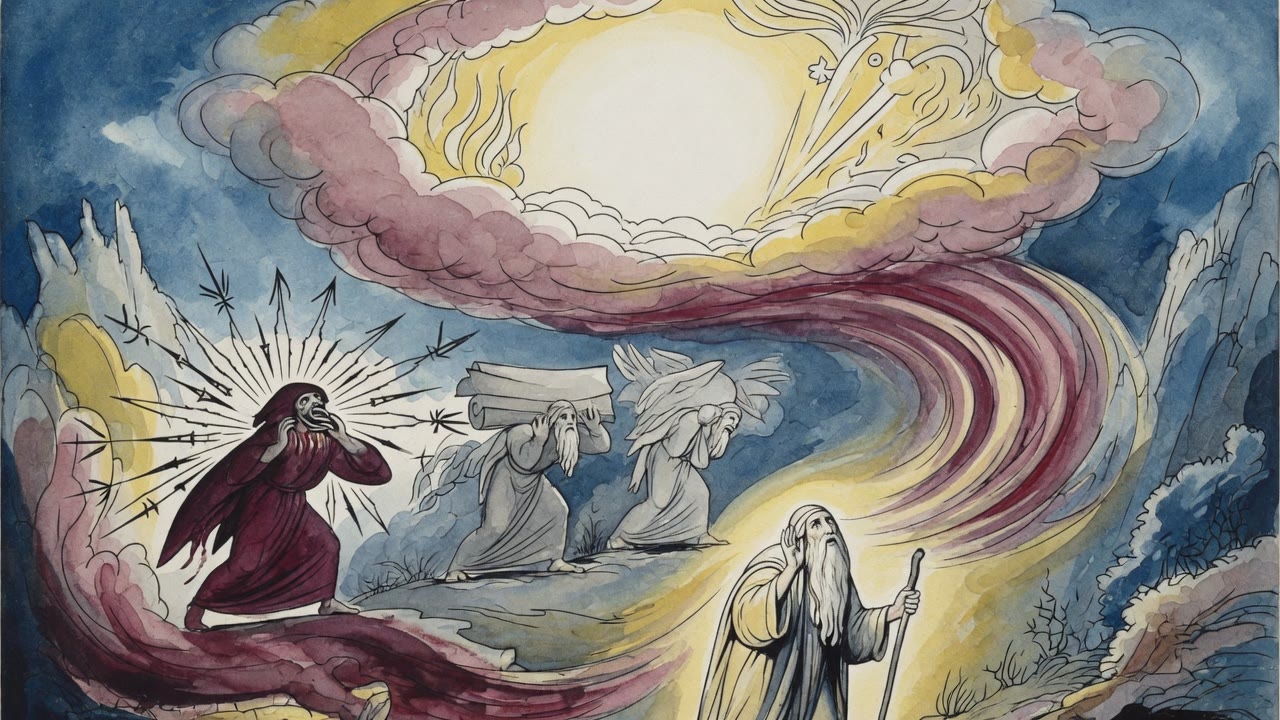
When Miriam's Song Became a Warning About Speech
Miriam led the women with timbrels after the sea closed. Then she spoke against Moses and spent seven days shut outside the camp with a skin disease.
Table of Contents
 Click for full size
The Prophetess at the Sea
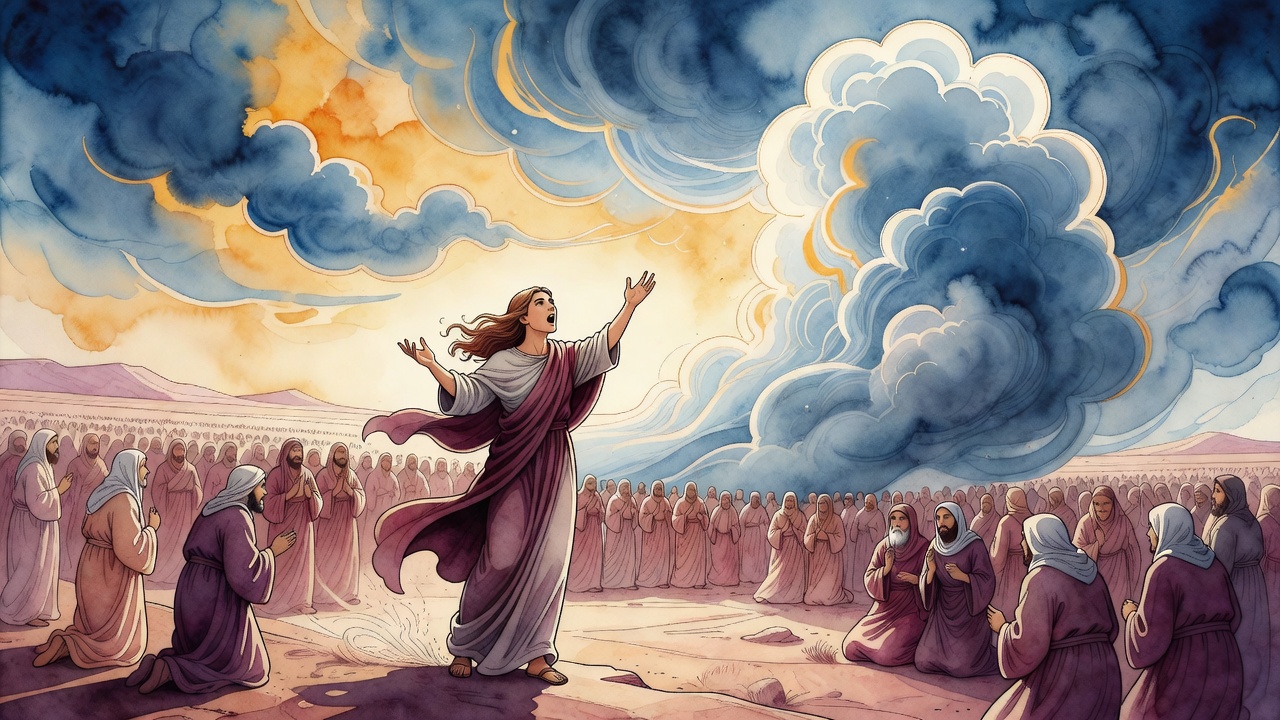
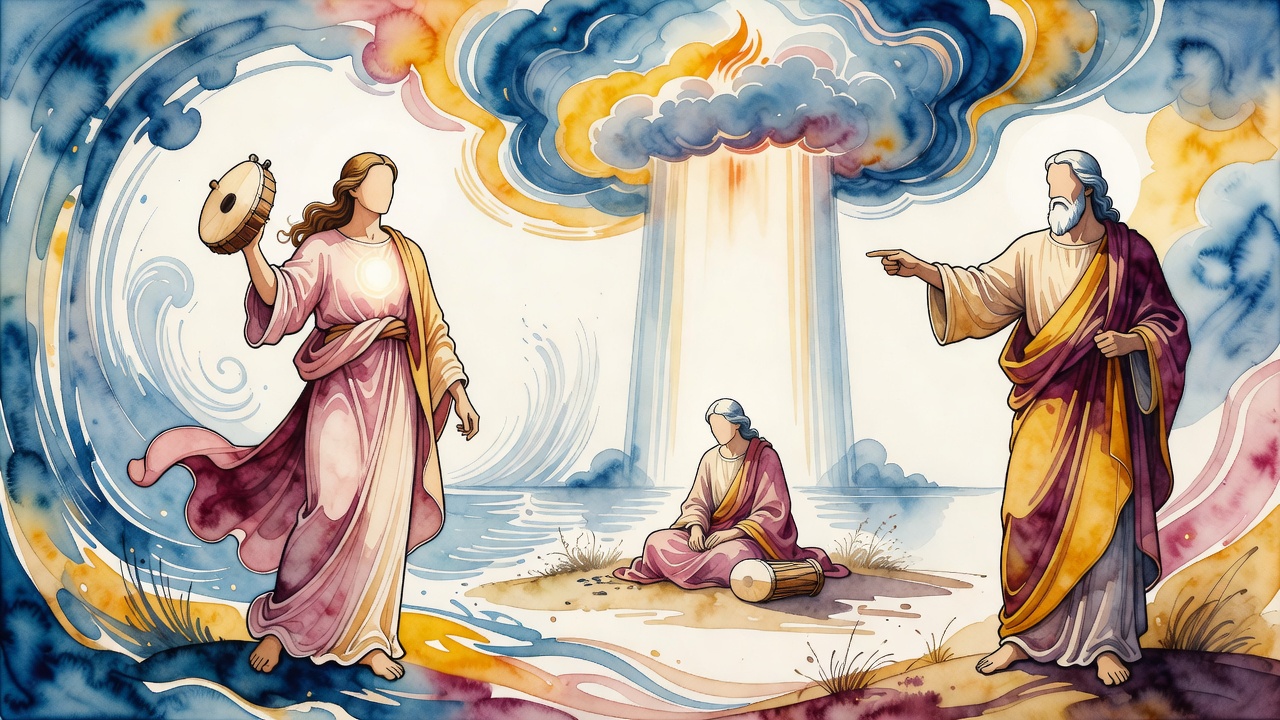
Miriam took the timbrel in her hand after Egypt drowned. The sea had just closed over the chariots and the horsemen, and Israel stood on the far bank with wet feet and the smell of salt water still on them. Miriam did not wait for the moment to settle. She gathered the women, distributed timbrels, and led the song.
Exodus named her a prophetess at that moment. The title was not honorary. She had already saved Moses as an infant, stationed herself at the river to watch the basket, and arranged his return to his own mother when Pharaoh's daughter pulled him from the water. Prophecy and quick perception and the ability to act at the edge of danger: these were already in her before the sea parted.
Devarim Rabbah used a parable to say what that height meant for what came later. A noblewoman praised a king returning from war and was raised to a high place in the council. Later the same noblewoman caused disruption in the king's administration and was banished. The height of the starting place made the fall more instructive, not more shameful. A great person falling teaches what a small person falling cannot.
The Problem of Speaking Against a Brother
Miriam and Aaron spoke against Moses on account of the Cushite woman he had married. The text of Numbers is brief about the content of what they said, but Devarim Rabbah was interested in the escalating logic of what speaking against family members costs.
Rabbi Yohanan read Psalm 50:20 and traced the movement of gossip from the outside inward. If a person gets into the habit of speaking against someone outside the community, it becomes easier to turn that tongue against someone within the community. If it becomes easy to speak against someone in the community, the tongue will eventually turn against a mother's son, one's own kin. Miriam's speech against Moses was not random. It was the end of a movement that began further out and worked its way toward the closest relationship.
The Priest Who Could Not Examine His Own Sister
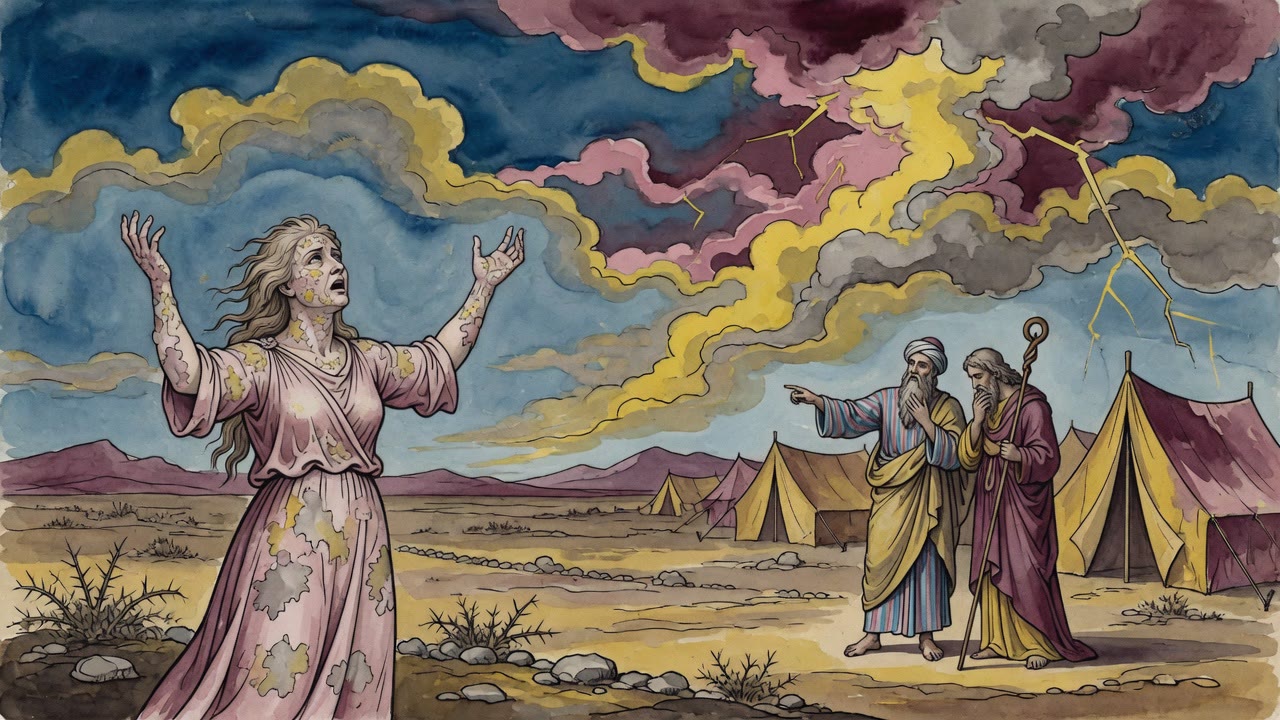
When Miriam's tzara'at appeared, Aaron had to step aside. Jewish law placed the diagnosis of tzara'at in the priest's hands, and Aaron was a priest. But the same law held that a priest could not examine a relative. He was disqualified by kinship from the very act his office required. His sister's affliction stood outside his ability to evaluate or certify, and so the community had to wait.
Devarim Rabbah found instruction in the disqualification. The command in Deuteronomy to remember what God did to Miriam was not aimed at Miriam's shame. It was aimed at the priest who might be tempted to look away when a relative needed judgment. The law was designed to prevent that looking away by removing the priest entirely from the situation. Remember Miriam meant: remember what happened when speech went where it should not have gone, and remember that even priests cannot exempt themselves or their families from what the law requires.
Moses and the Physician's Ultimatum
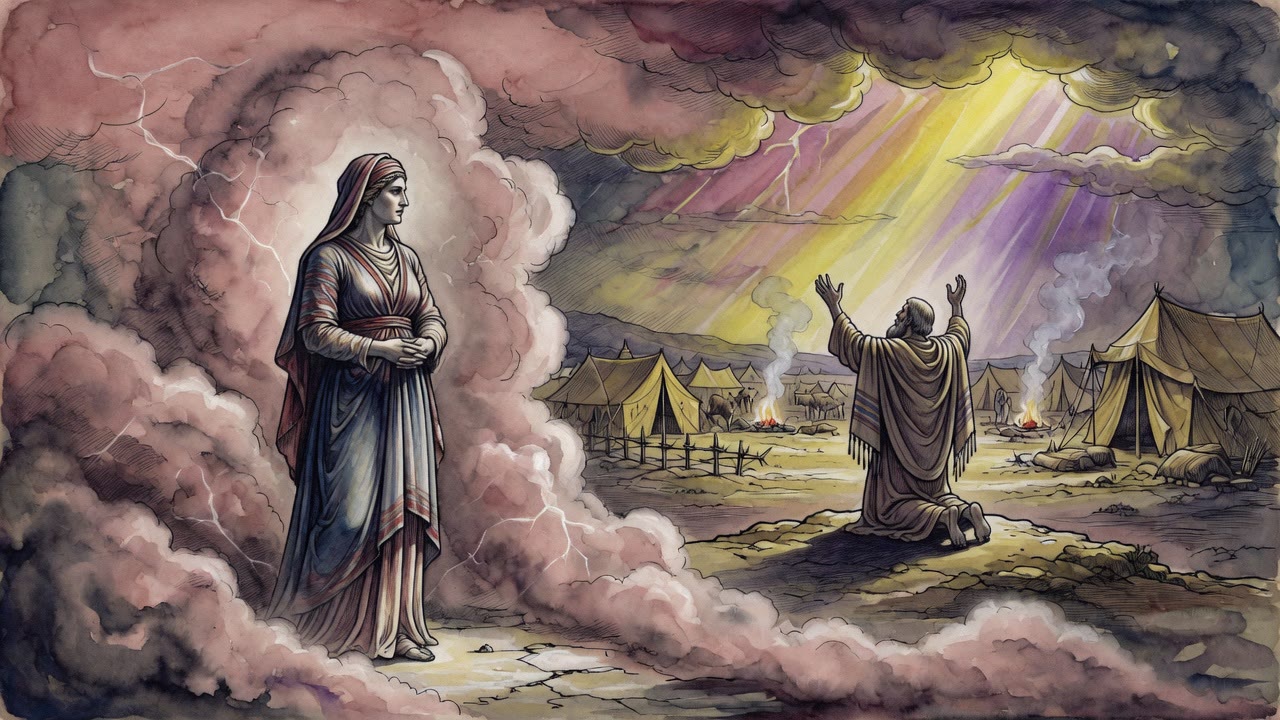
Moses cried out to God when he saw his sister's condition: God, now, heal her now. The doubling of the word now was not impatience. The rabbis heard it as a conditional. Heal her now; if You do not, I will.
Devarim Rabbah read this as Moses invoking a role God had given him. Moses said: You have already made me a physician. The ability to heal was not Moses claiming independent power. It was Moses reminding God of a commission already given. If the healing did not come from above, then the healing would come through the channel already designated for it. The ultimatum was not defiance. It was Moses understanding that his role did not end at the edge of his sister's illness.
God answered before Moses had to test the claim. Seven days of quarantine, and then Miriam returned. The people waited the full seven days before moving the camp forward. The prophetess who had led song at the sea and the nation that had followed her had to stand still together until the time was complete.
← All myths