Moses Heard What the Angels Could Not Bear
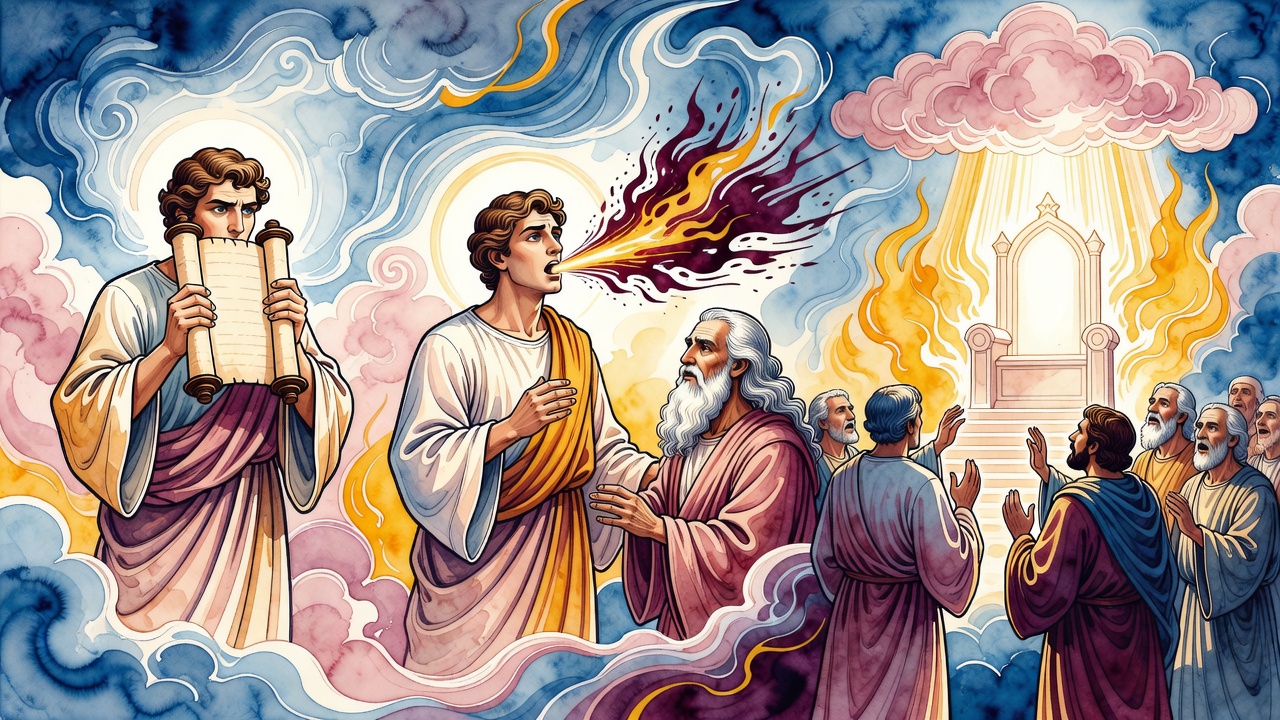
Six hundred thousand people backed away from Sinai saying the voice would kill them if it spoke again. Moses was told to come closer.
Table of Contents
 Click for full size
Israel Stepped Back From the Mountain
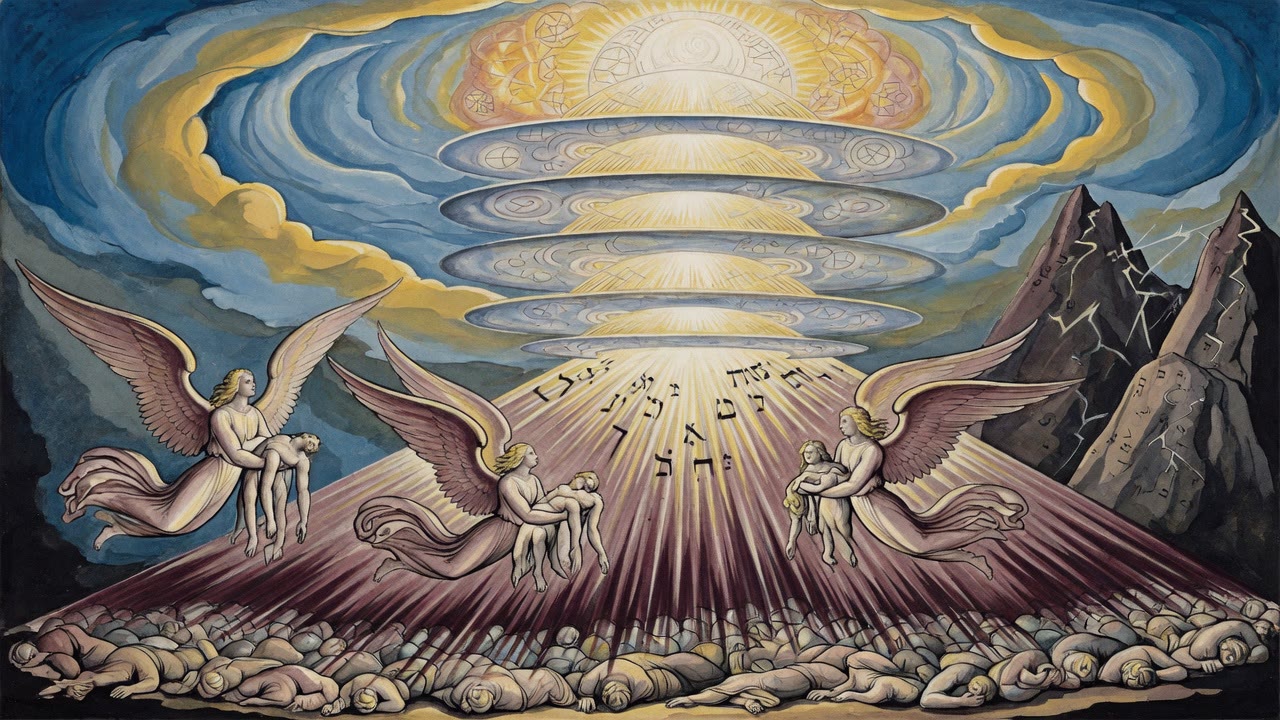
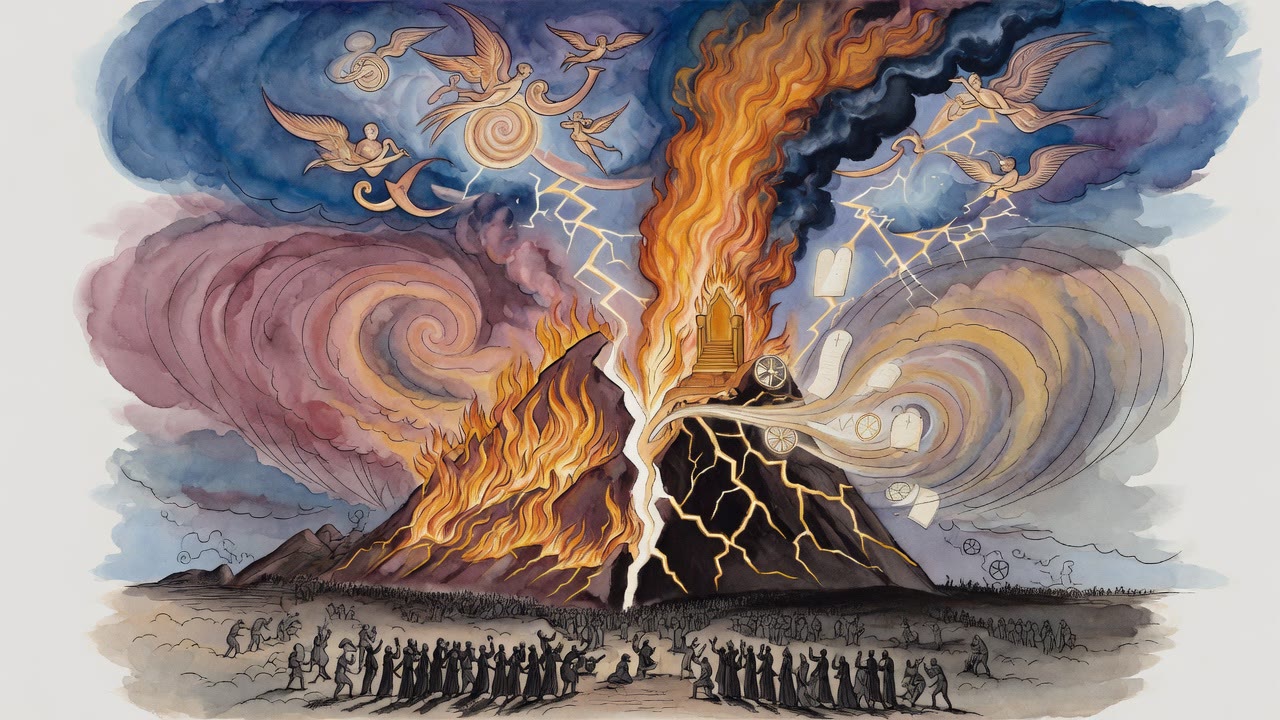
Sixty myriads of them stood at the foot of the mountain, and the voice came out of the fire, and they could not take it.
They said so out loud. If we hear the voice of the Lord our God any more, we will die. That was not a turn of phrase. Six hundred thousand grown men and their households had just been addressed directly by the One who made them, and it had very nearly finished them, and they moved back down the slope and asked for somebody to stand in between.
They got somebody.
Come Close and Hear
Come close, Moses was told. Come close, and hear.
So he walked toward the thing an entire nation had just fled from, and he went in, and the voice spoke to him. Later it called him by name out of the Tent and he answered it and came out unmarked.
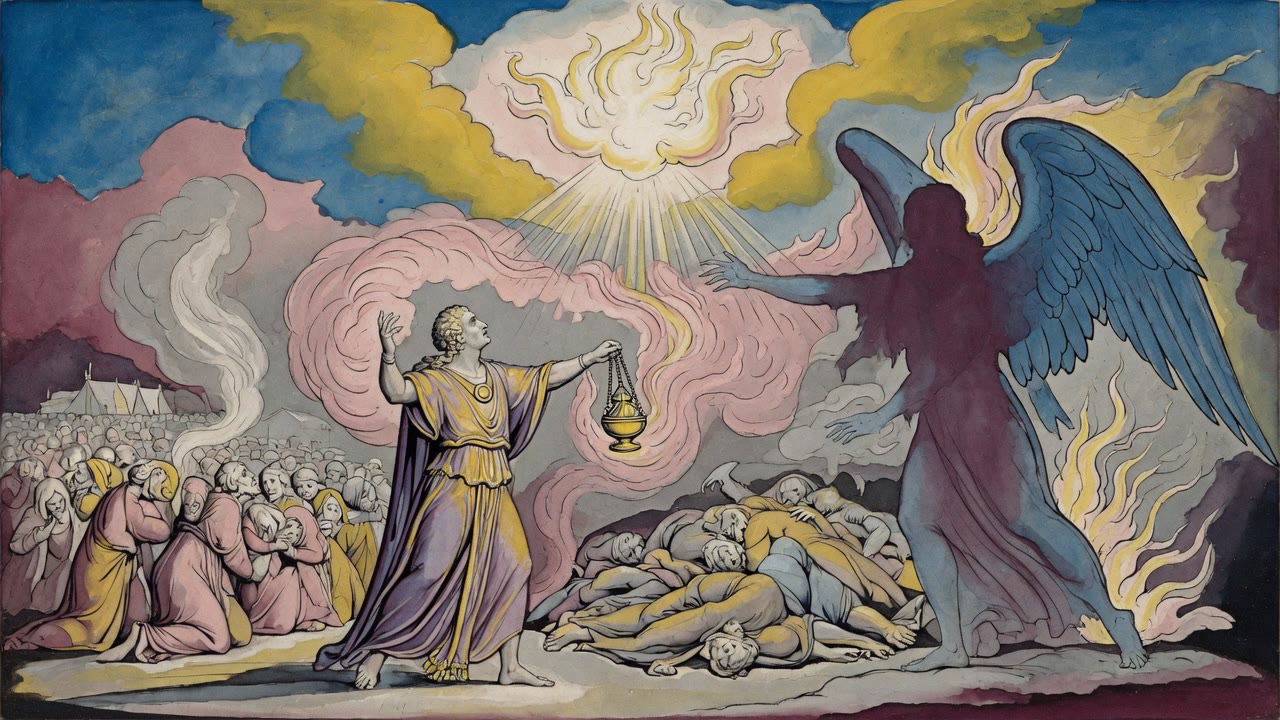
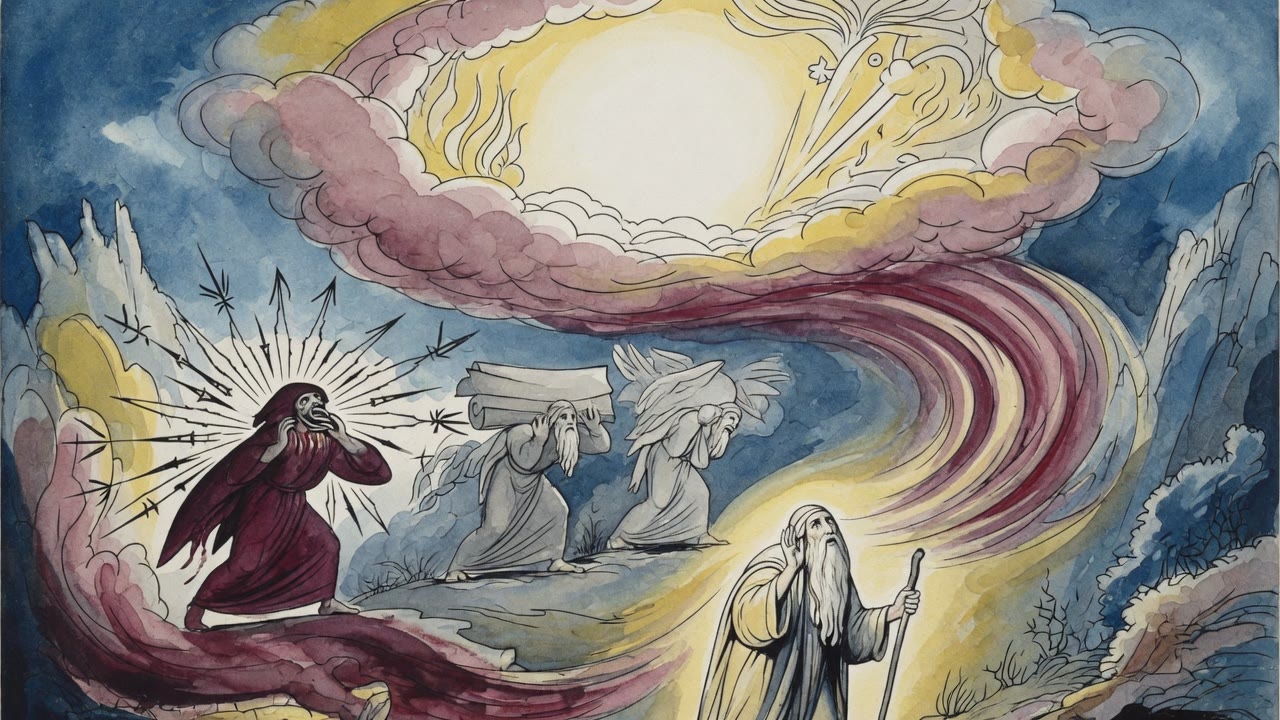
The ministering angels cannot do that. A thousand thousands serve at the Throne, and when the Lord gives voice in front of His army the whole camp of God shakes at the sound of it. Hearing is all they can manage, and hearing costs them.
Moses heard what sixty myriads could not survive and what the angels can only endure by trembling. He heard it standing up. Mighty in strength are the doers of His word, and there was never anyone mightier at it than Moses.
A Prophet Is Called an Angel
An angel brought Israel out of Egypt. That is how it is written, and there was no angel in it. There was a man with a staff and a bad tongue.
Prophets are called angels. Haggai is named the angel of the Lord outright. The angel who came up from Gilgal to Bochim and stood in front of the weeping people was Phinehas. When the wife of Manoah ran to her husband and told him a man of God came to me and his face was like the face of an angel of God, very terrible, she did not mean the man had wings. She meant he was a prophet, and she was right.
An angel is a message with a body attached to it. That is the entire job. Which makes the man standing in front of a congregation something other than a man being listened to. He is a delivery in progress. Anyone who fouls that delivery has not merely been rude.
Miriam's Drums and Doeg's Report
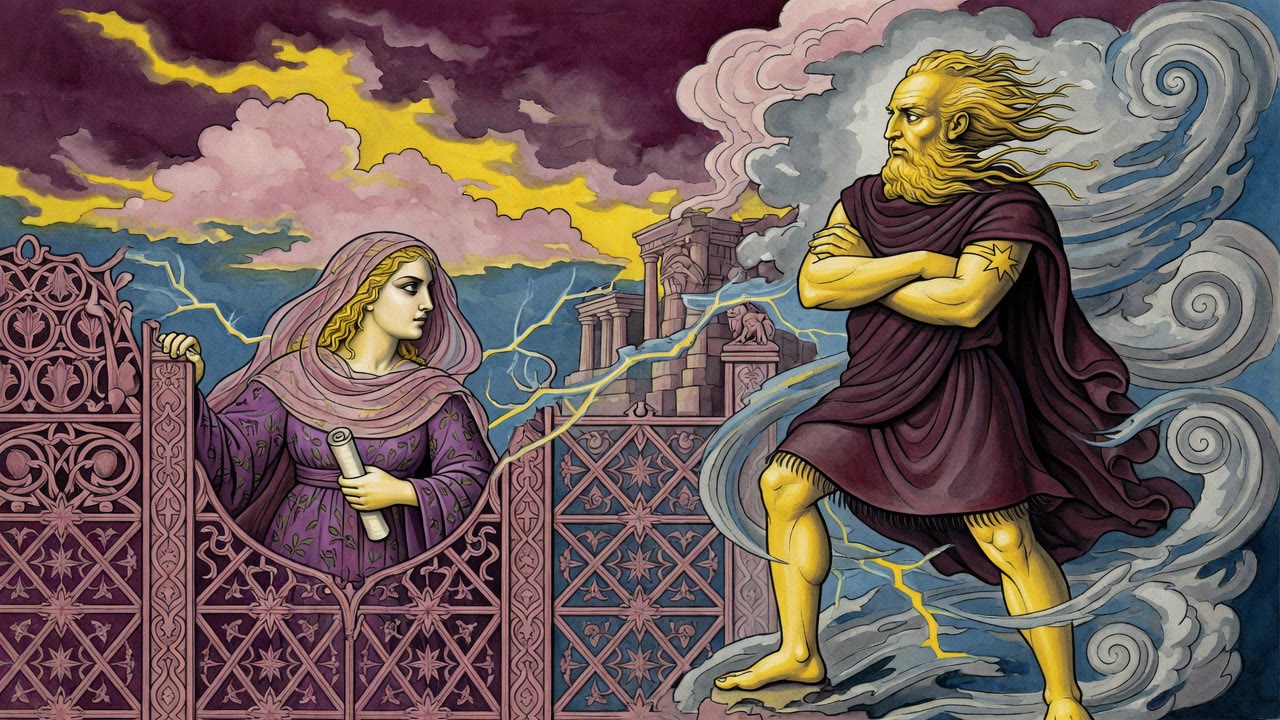
Miriam talked about her brother. She and Aaron spoke against Moses, and by the end of it she was standing outside the camp, leprous, white as snow.
The work of her hands went with her. She had come up out of the sea with a timbrel in her hand and the women behind her, drumming, and that was what her hands had made in this world. The voice that came out of her mouth about a righteous man cost her the drums.
Doeg the Edomite stood among Saul's servants and reported something he had watched. I saw the son of Jesse come to Ahimelech at Nob. That was all of it. One accurate sentence, handed to a frightened king.
Eighty-five men who wore the linen ephod were killed for that sentence, and the town of Nob was put to the sword behind them, and Doeg never had to explain himself, because a report is not a weapon and everyone agrees it is not a weapon.
Do not be rash with your mouth, and do not let your heart hurry to bring out a word. A man pledges generously where the whole room can hear him, gives stingily when the time comes, and then tells the prayer leader who arrives to collect that there was a mistake, he did not know what he was saying. Why should God be angry at your voice and ruin the work of your hands? Because the voice already left the room. Nothing brings it back in.
Even Moses Reached the Edge
Zophar the Naamathite, who was no comfort to Job whatsoever, put the question flatly. Can you find out the deep things of God? Higher than heaven, what can you do? Deeper than Sheol, what can you know? Longer than the earth, broader than the sea.
And the man who went up to the highest heaven and took the Torah out of God's own hand did not find it out either. Moses hit a wall. Not a rebuke, not a failure of nerve. The thing has no far side to reach.
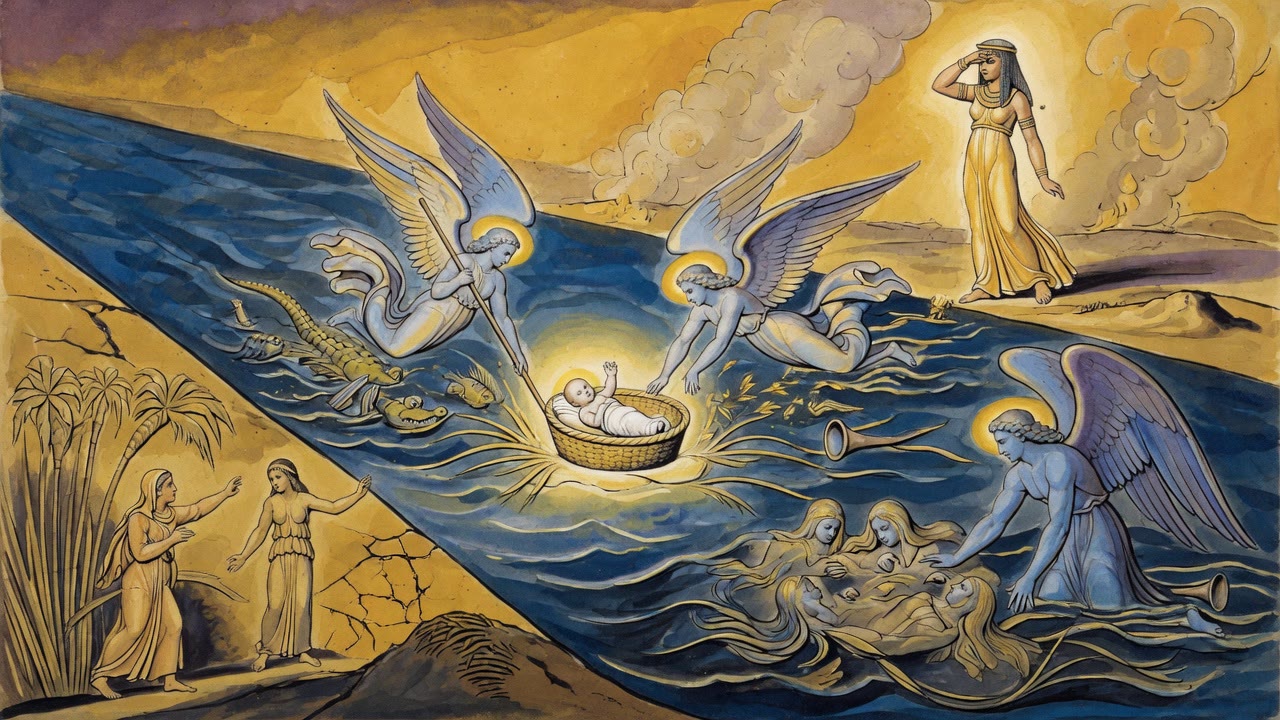
So at the water, when the angels came forward to speak against Israel while the sea was still standing up on both sides, He would not permit them. The pillar of cloud that had been travelling in front of the camp swung around and stood behind it, and the angels stayed behind the cloud. Then a crowd of former slaves with wet feet opened their mouths and sang.
Who can speak the mighty acts of the Lord, who can make all His praise heard? Nobody has managed it. The ones who had just walked through the seabed sang anyway, and they were the only ones allowed to go first.
← All myths