The Souls Who Sat in on Creation and the Four Who Flunked the Test
Righteous souls advised God before creation. God built extra understanding into Eve. Four humans stood before the divine and failed to use any of it.
Table of Contents
 Click for full size
The design meeting before the first day
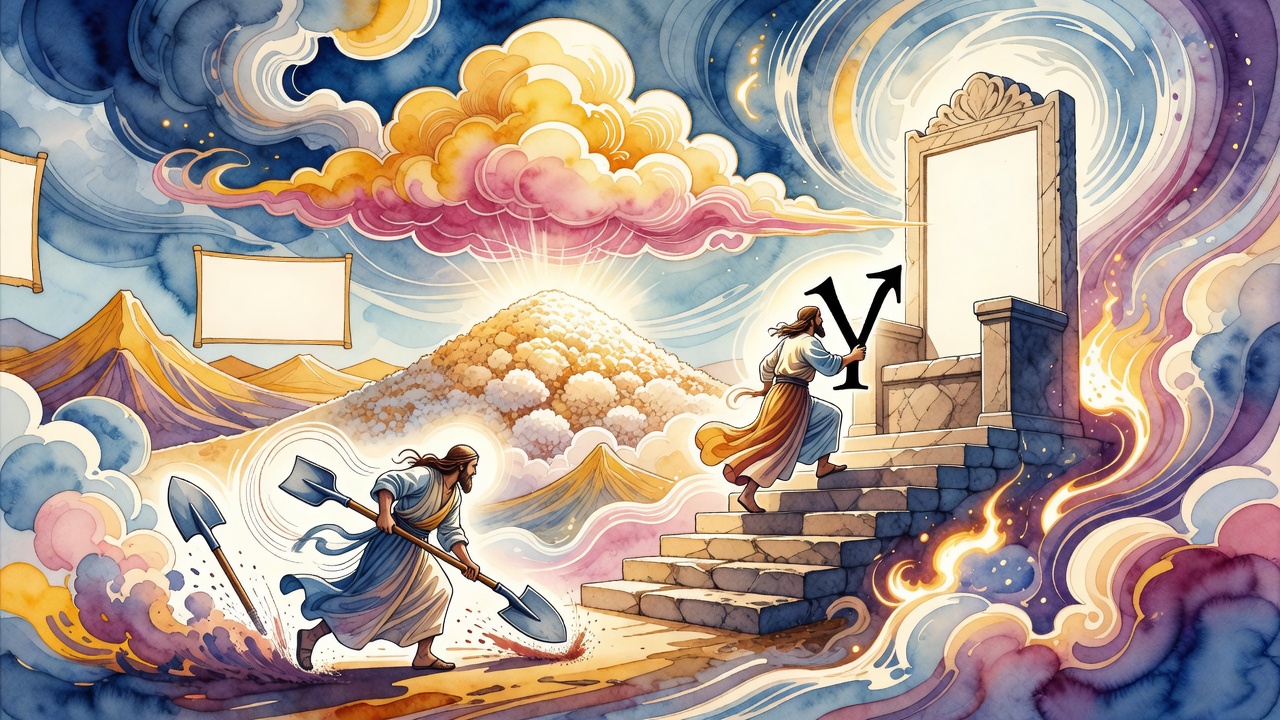
Before anyone existed to make choices, the choices were already being considered. God, reading I Chronicles 4:23, the verse about potters and plantings and the king's work, heard in it a description of the righteous souls present at the creation of the world. Potters, the rabbis said, because God formed Adam from the soil. Plantings, because God planted a garden in Eden. Boundaries and enclosures, because God set the sea back behind its limits.
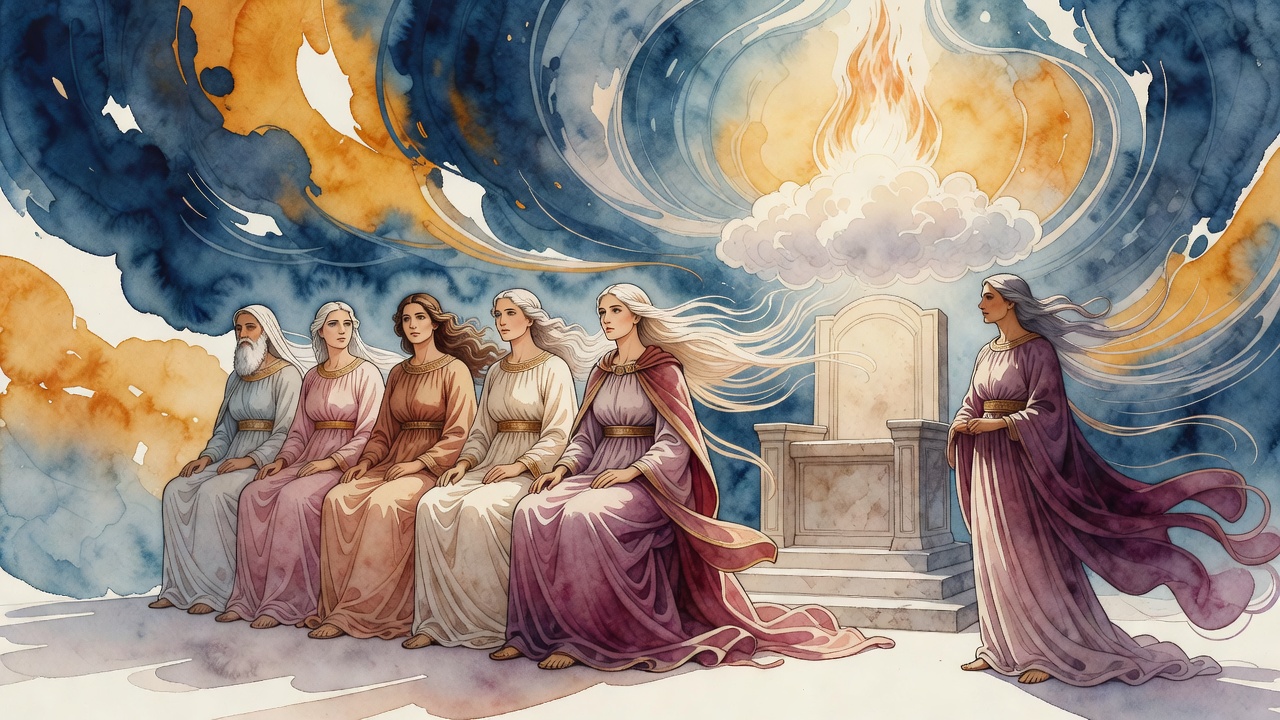
Rabbi Yehoshua read those three images as three tasks and those three tasks as three witnesses. The souls of the righteous, not yet born, not yet living, were already there in the counsel chamber while the universe was being drafted. They sat beside the King of kings while justice was written into the structure of matter, while mercy was pressed into the soil before Cain ever lifted his hand against Abel.
They were not there because God needed advice. The building had already been planned. They were there because the world had to be built with the values that the people who would later inhabit it were going to embody. Justice was not added to creation afterward. It was in the blueprint. The architects were the very people who would later have to live by the rules they had helped devise.
The extra layer God built into Eve
When God constructed Eve from Adam's rib, the rabbis noticed a grammatical anomaly in the Hebrew. The word vayivneha, and he built her, carries a verbal root associated with understanding, binah. God did not just form Eve. He built into her an extra capacity for discernment that Adam did not have in the same measure.
The rabbis made this claim carefully. They were not describing a hierarchy. They were describing a specialization. A woman ripens into understanding faster, the midrash said. She reads a room before the men in the room know there is something to read. She tracks what is happening in a household across multiple timescales simultaneously. God's extra architecture was not a gift without purpose. It was a preparation for the particular difficulties of maintaining life across generations.
The extra understanding was built in before Eve heard a word spoken to her, before she stood in the garden, before she encountered the serpent. It was structural. Whether she used it well was still her choice.
Four humans who stood before the divine and did not recognize what they saw
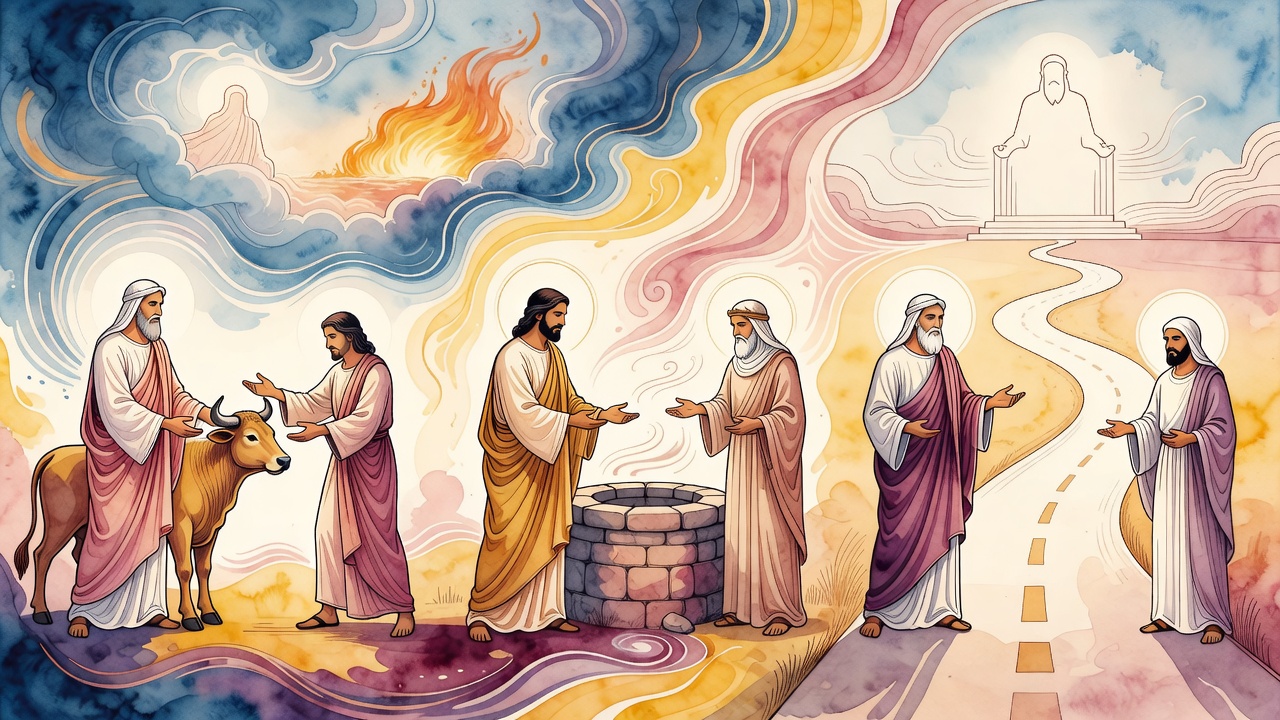
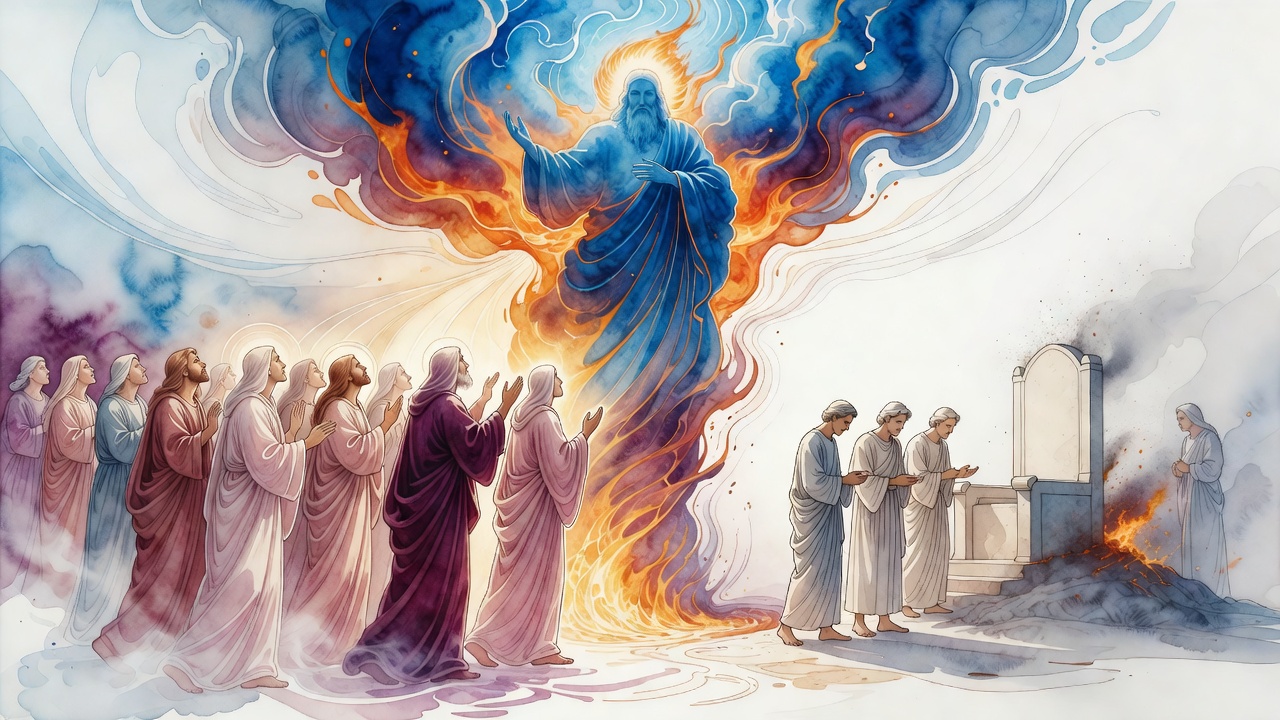
Then came the failures. God appeared to humans in recognizable form, in moments that were tests of exactly the discernment he had built into them, and four different people did not pass.
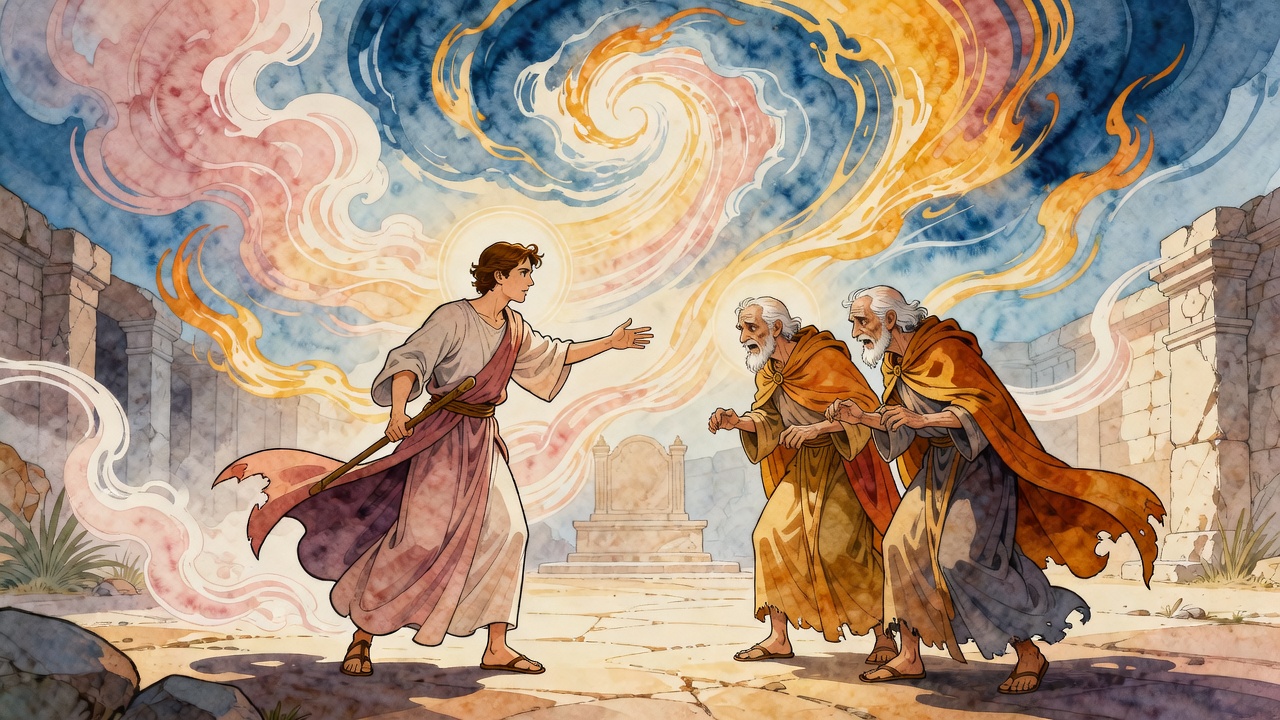
The rabbis remembered them. Not by one comprehensive list but by accumulated example. A person standing before an angel or a divine presence and missing what the encounter meant. Answering the wrong question. Flinching at the wrong moment. Being so caught up in the surface of the interaction that the deeper reality of who they were speaking with passed them by entirely.
What made the four cases memorable was not the failures themselves but the contrast the rabbis drew between them and the righteous souls who had sat in on creation. Those souls had been present at the design. They had advised on justice and mercy. They had, in some spiritual sense, helped build the very discernment that was now being tested. The four who failed were not ignorant. They had access to the same tradition. The failure was not a deficit of intelligence. It was a failure to be present in the moment the presence arrived.
The gift was never the whole of it
Bereshit Rabbah held all three of these passages as one argument. God consulted the righteous before creation because the world needed to be built toward human values. God built extra discernment into Eve because that discernment would be needed. God tested humans with divine encounters because the capacity for recognition, once built in, had to be exercised or it went dormant. The gift was never the whole of it. The use of it was.
← All myths