Sarai's Yod, the Spice Cloud, and the Shovel of the Wise
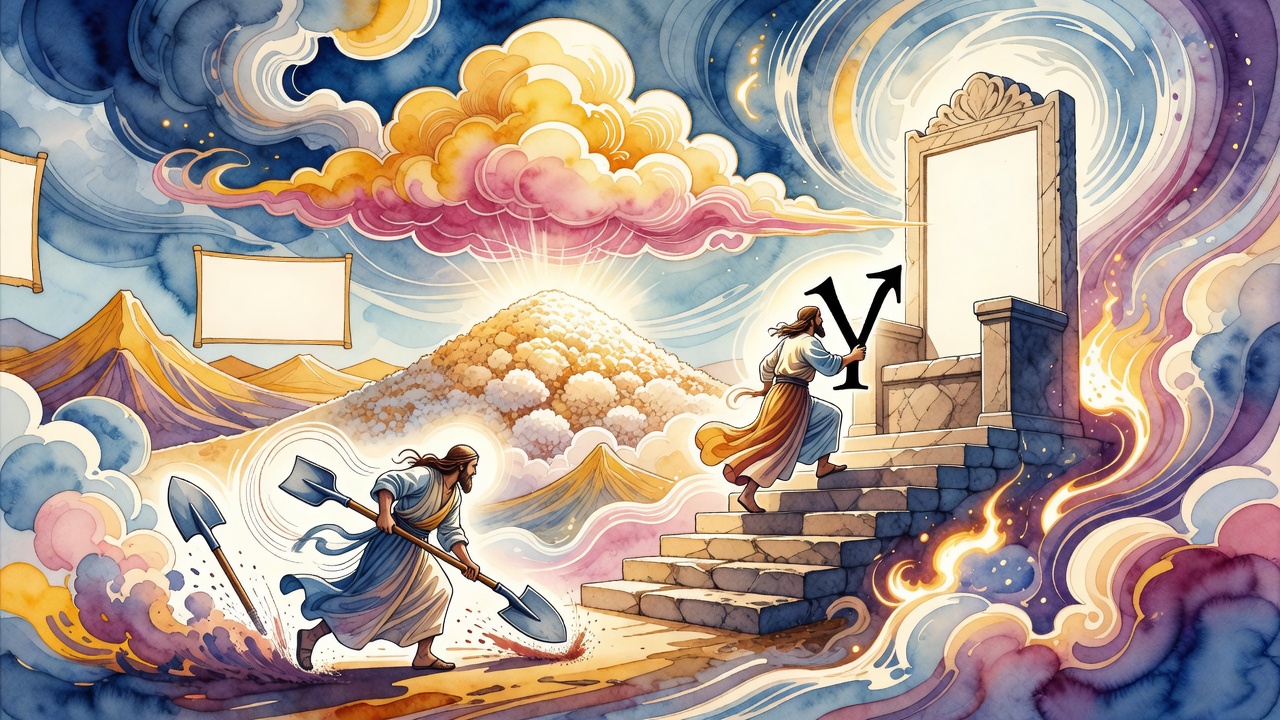
The letter cut from Sarai's name climbs to the throne to argue. A spice cloud floats above the manna. A wise man doubles his speed with two shovels.
Table of Contents
 Click for full size
The Letter That Would Not Be Discarded
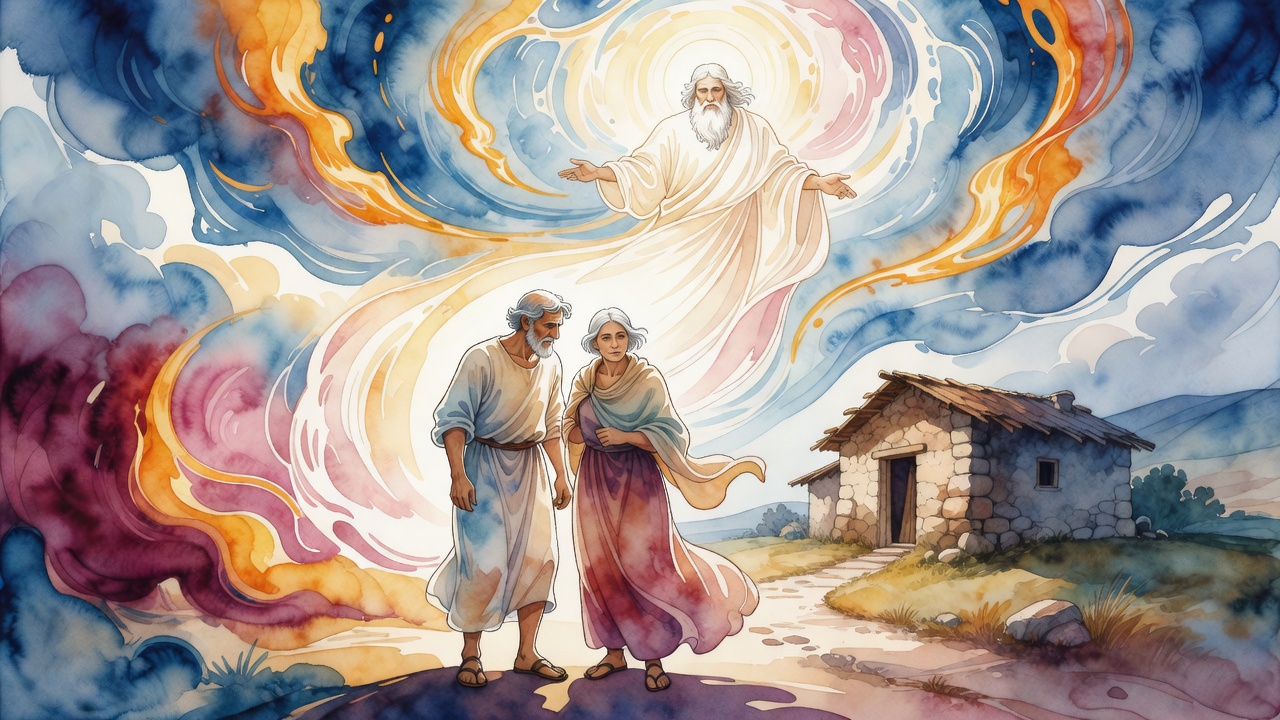
When Abram became Abraham, the exchange was clean. A breath of air, the letter heh, landed in the middle of his name, and the patriarch stood taller. When Sarai became Sarah, something was lost. The yod, the smallest letter in the Hebrew alphabet, the same letter that opens the name of God, was shaved off the end of her name. It fell.
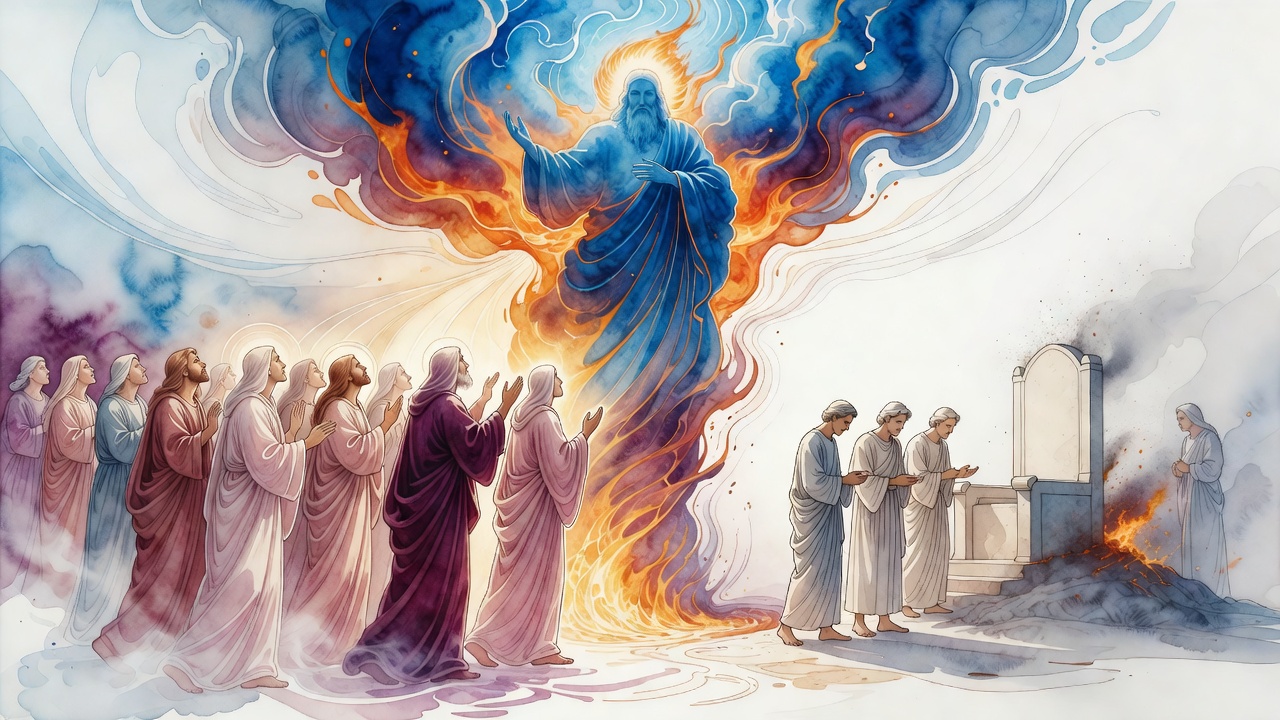
Rabbi Yehoshua ben Korcha watched it fall, and then watched what happened next. The yod climbed. It climbed until it stood before the throne, and there it argued its own case. "You removed me from a tzaddeket," it said. From the wife of Abraham. From a righteous woman.
God answered the way a parent redirects a child who has run out of patience. Before, the yod stood at the end of a woman's name, at the end of a word. Now it would stand at the beginning of a man's name, and not just any man. Generations would pass. Moses would take a young aide named Hoshea bin Nun and write a fresh yod onto the front of his name. Hoshea would become Yehoshua (Numbers 13:16). Joshua. The one who would lead Israel into the land that Abraham had looked across from every high hill.
The letter Sarai lost is the letter Joshua carried into Canaan.
The Scent That Came with the Manna
The Song of Songs uses spices the way a painter uses color. Myrrh, spikenard, cinnamon, calamus. Shir HaShirim Rabbah worked through each name the way a perfumer works through a formula, stopping at every ingredient to ask what it signified in the life of the people.
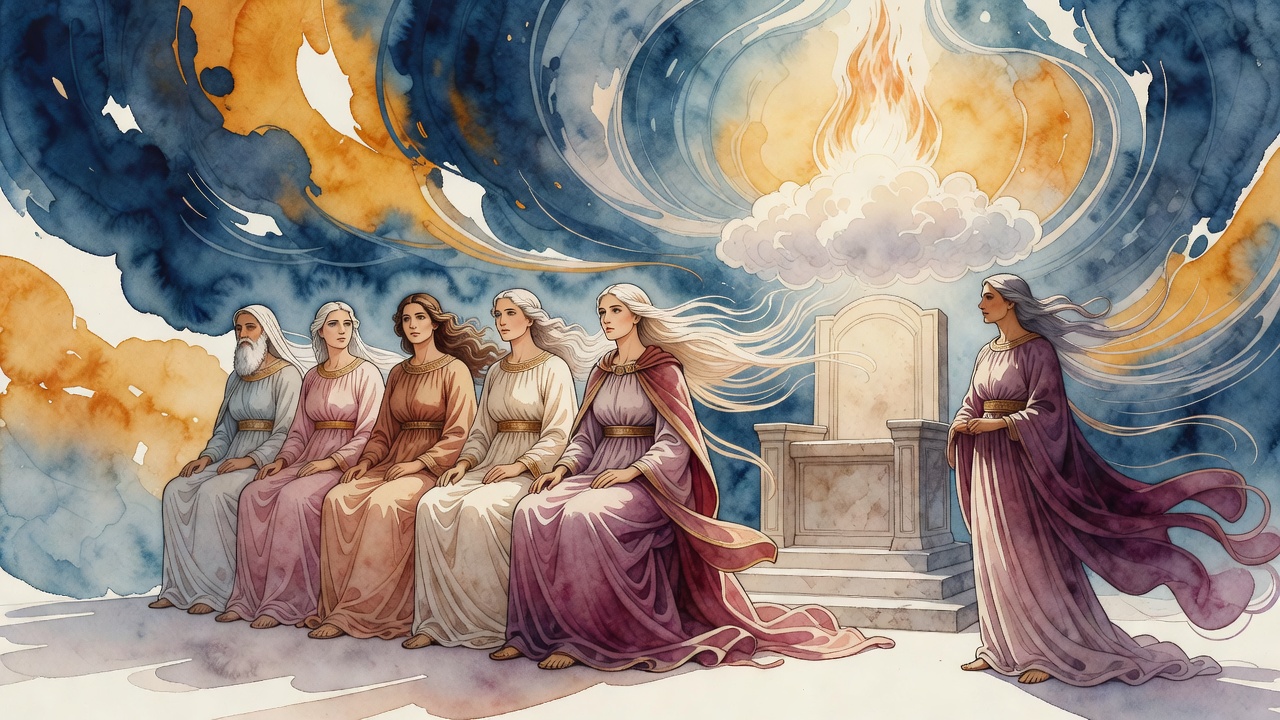
When the commentary reached the phrase about nard and saffron, it paused on the manna. The manna that fell in the wilderness was not merely food. The text in Numbers 11:8 says the people ground it and it tasted like cakes baked in oil. But the nof, the floating vapor, the mist above the thing, carried all the spices of the Song. Anyone who passed a jar of manna and inhaled could smell, at once, every perfume the Song named. The desert was a spice market no one could see.
The rabbis did not find this fanciful. They found it precise. The body was fed by bread; the soul was fed by fragrance. Two forms of nourishment falling at the same time from the same place. The wilderness, in this reading, was not a punishment or an interruption. It was a table set with two courses.
The Fool and the Wise Person at the Mountain of Dirt
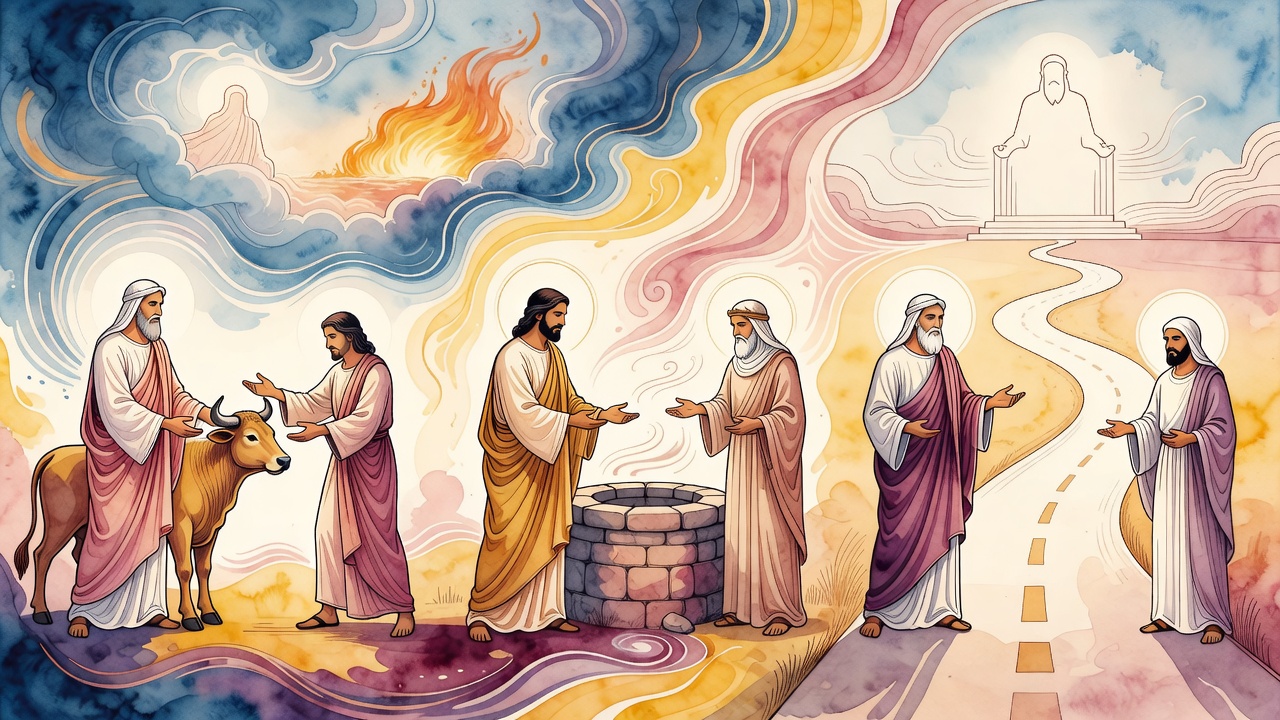
The third teaching arrives without warning, as the sharpest ones often do. Picture two workers standing in front of a mountain of dirt. Their task is to move it. The fool looks at the mountain, drops his shovel, and sits down. "Too much," he says. "I cannot move all of this." The wise person picks up a shovel and starts.
But the wise person does not use one shovel. He carries two buckets, one in each hand, and he walks back and forth at double the pace. He does not calculate the mountain against his strength. He only asks how much he can carry on this trip, and then on the next trip, and then the one after that. And at the end of the day, the mountain is smaller, and the wise person is still moving.
Shir HaShirim Rabbah placed this parable inside a commentary on learning Torah. The Torah is the mountain. The fool sits down because he knows he will never finish it all. The wise person asks only what he can carry today. The tradition is not finished in one lifetime, but that does not mean it cannot be carried. It means it is carried one trip at a time, two buckets at a time, for as long as a person walks.
True Beauty Is What God Asked For
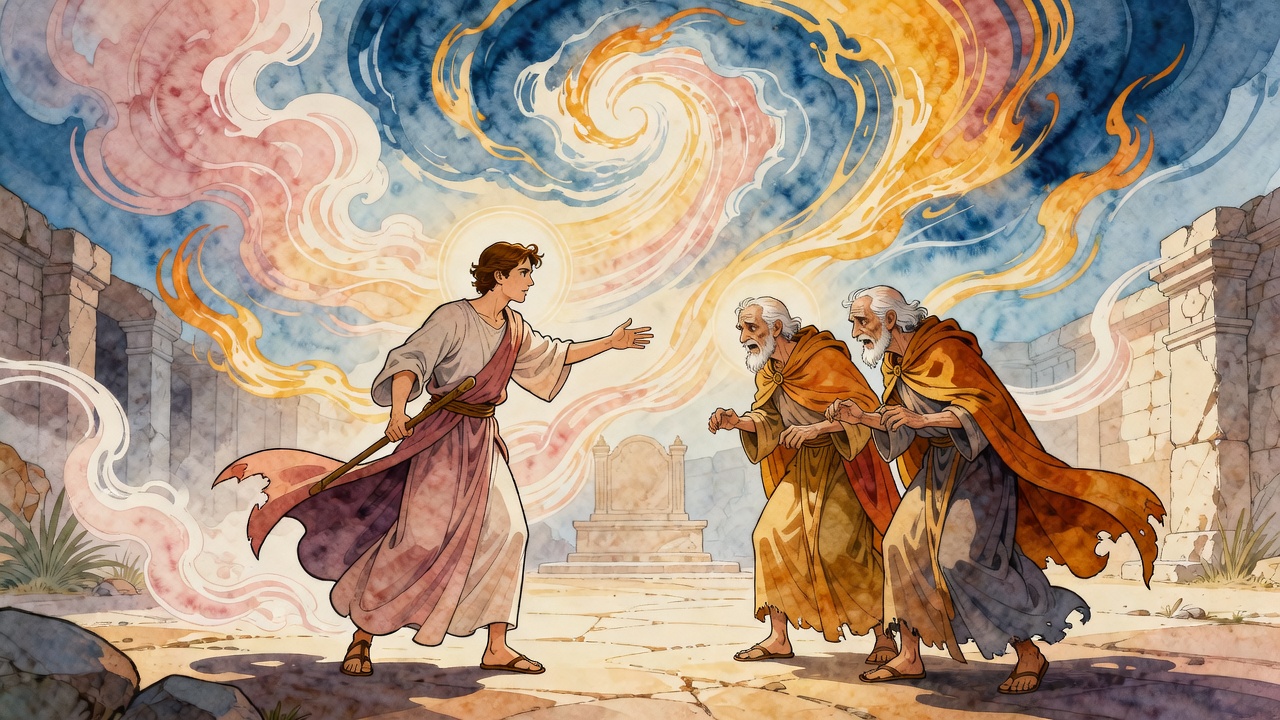
The final piece ties the others together. What is beauty? The Song of Songs is saturated with physical description. Eyes like doves. Hair like a flock of goats. Cheeks like pomegranate halves behind a veil. And Shir HaShirim Rabbah read every one of those images as a portrait of a people doing what God asked.
True beauty, the rabbis concluded, is wholeheartedly fulfilling the will of God. Not performing the act for a reward. Not completing the requirement to satisfy an auditor. Doing the thing with the whole heart, because the thing is worth doing. The woman in the Song is beautiful because she is present. She is not divided. Her eyes go one direction and her feet go the same direction, and her heart goes with both.
The yod argued for itself because it knew its own worth. The spice cloud rose without being asked. The wise worker picked up both buckets because the mountain was real and the work was real and there was no reason to wait. Three small images, one reading. What makes a person beautiful in the eyes of heaven is the same thing that makes wheat beautiful in the field. It is the readiness to be used for what it was made for.
← All myths