Eve and the Wife Who Made a Wicked Man Righteous
A pious couple split up, childless. He married a wicked woman and his piety thinned. She married a wicked man, and in that house words were weighed.
Table of Contents
The noblewoman came with an accusation sharp enough to draw blood.
 Click for full size
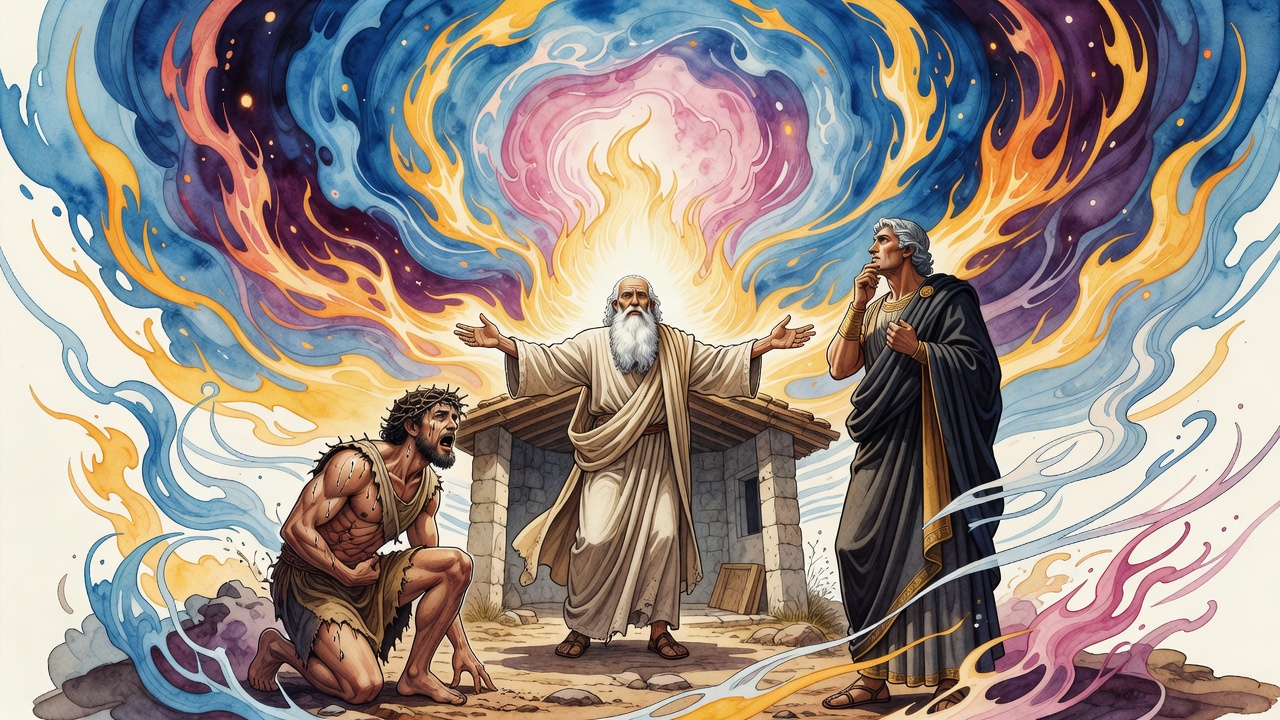
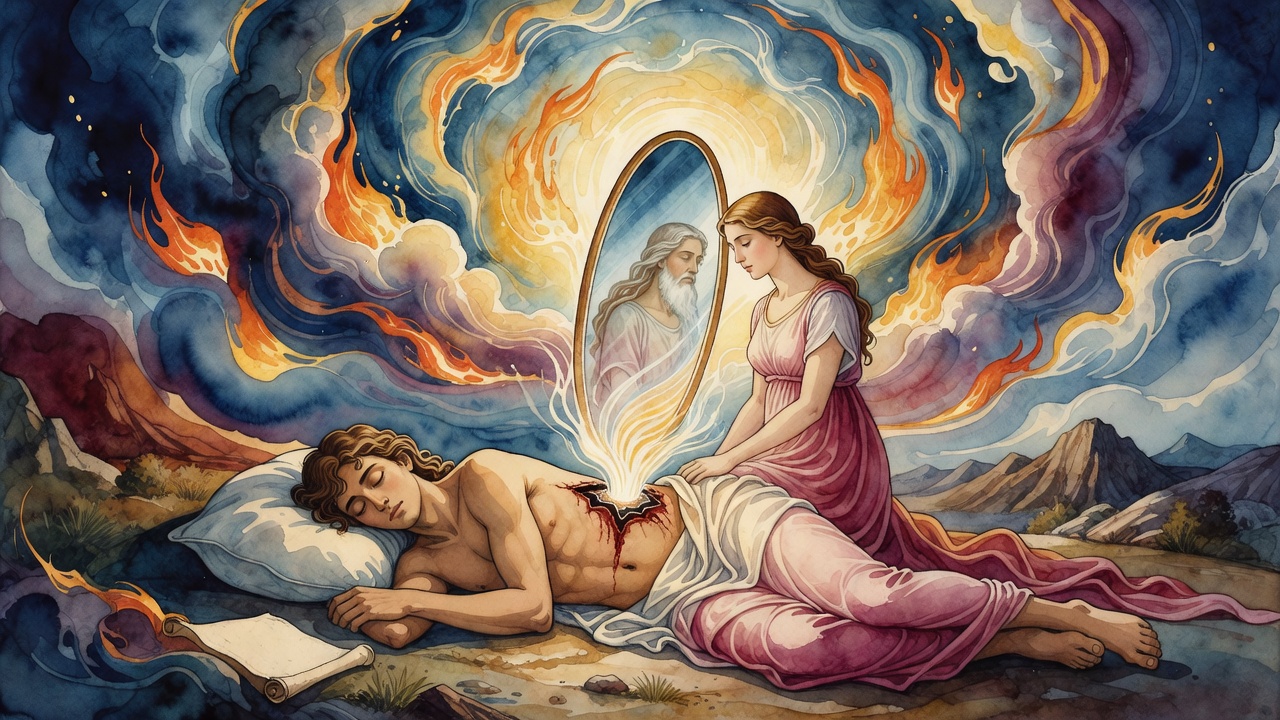
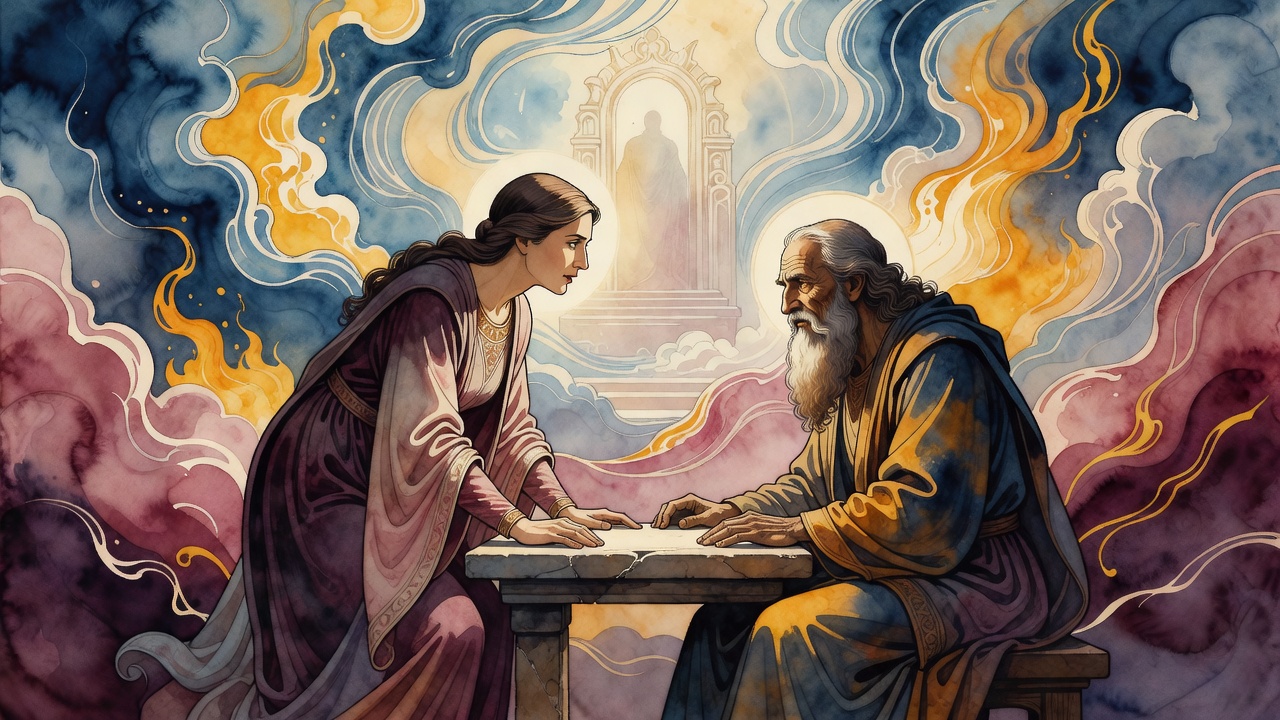
Rabbi Yosei was standing before her, and she did not soften the question for him. Why did God take from Adam while he slept? Why remove a rib without asking? A man lying unconscious, a bone taken from his side, a woman fashioned from what he had not agreed to surrender. If the first marriage began there, then the first marriage began with theft.
The Charge of Theft
The rabbi answered with money, because money makes a legal charge stand still. Suppose someone gave a woman an ounce of silver in private, he said, and she returned a pound of gold in public. Would the owner shout that he had been robbed? Adam lost one measure from his body. He received a partner, flesh of his flesh, life beside his life. The loss had become gain before the sleeper opened his eyes.
The noblewoman did not retreat. A clever answer is not the same as a finished answer. If the exchange was so generous, why hide it? Why the dark room, the heavy sleep, the quiet taking? Let the man remain awake. Let him hear the decree. Let him hand over the rib himself.
Now the answer left the courtroom and entered the body.
The Woman Made Twice
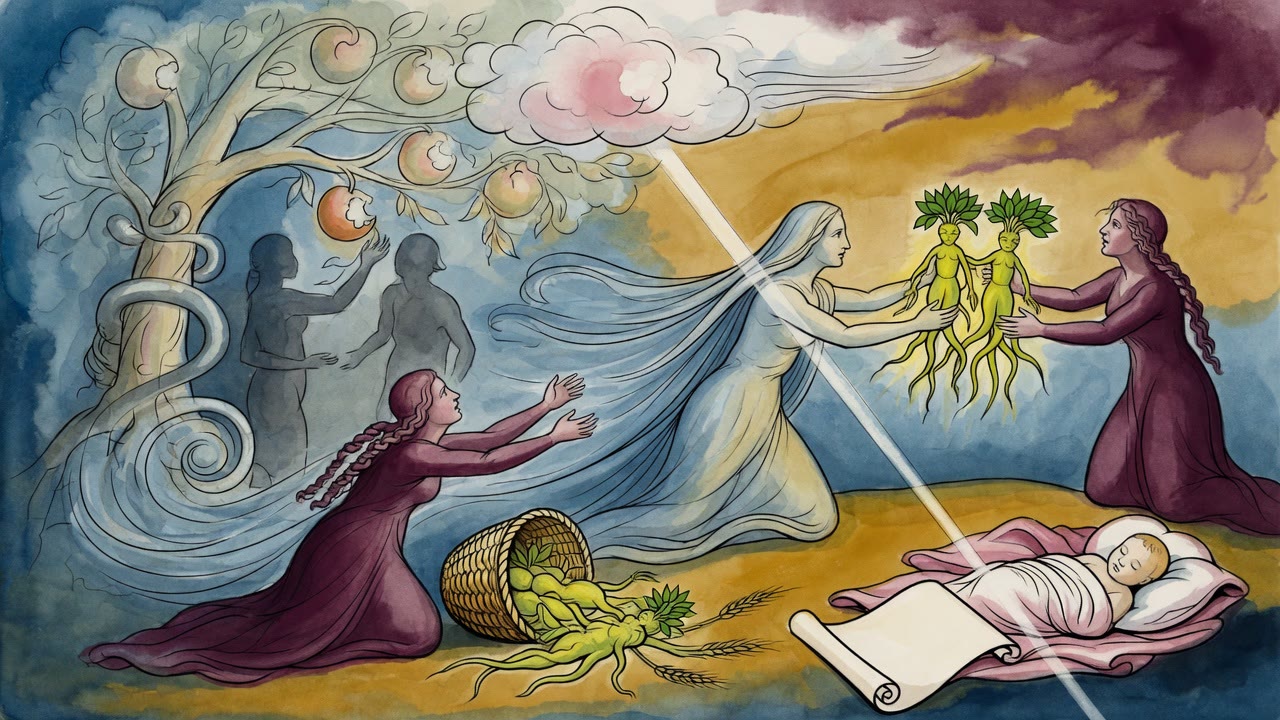
The first time Eve was formed for Adam, the work was too raw. Blood, viscera, the fresh shock of flesh newly opened. Adam woke into the sight of her as an unfinished nearness. She was not strange enough yet. She was too much himself, too recently removed, too close to the wound.
So God took her away and fashioned her again.
The second time, Adam rose into distance. The woman before him was no longer the exposed place where he had been cut. She stood apart enough to be met. His mouth could finally say the sentence he had not been able to say before: bone of my bones, flesh of my flesh (Genesis 2:23). Not a stolen part. A presence.
The noblewoman had her own proof ready. She had once been promised to her mother's brother. They had grown in the same house, under the same roof, through the humiliations of childhood and the small shames of being known too early. By the time marriage was possible, familiarity had done its damage. He went and married another woman, less beautiful than she was, because the other woman still carried the power of distance.
She did not say it gently. She had lived the argument.
The House Turned Around
Then the room widened from Eden to every house after Eden. A pious man and a pious woman had no children. Their pain became a verdict against themselves. What use were they to the Holy One if no child came from them? They separated, not because their righteousness failed, but because their hope had.
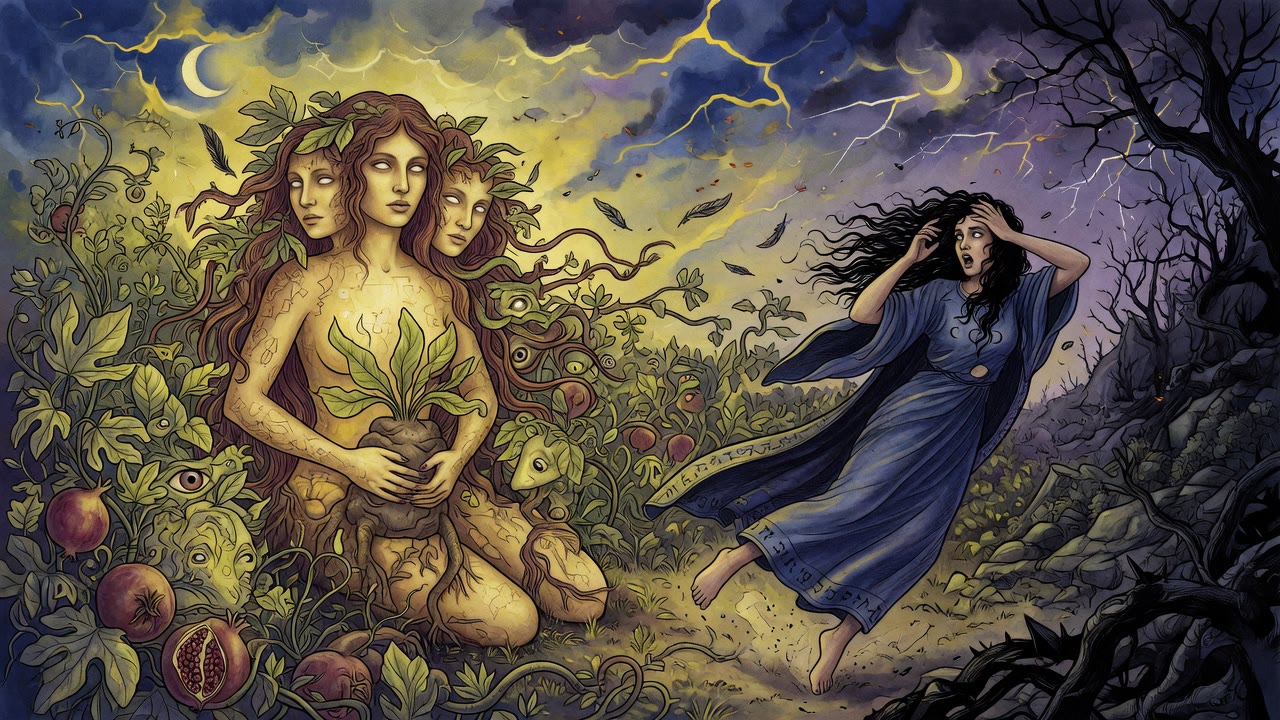
The man married a wicked woman. Under her roof, his piety thinned. His prayers grew smaller. His speech changed first, then his habits, then the whole climate of his life. He became wicked.
The woman married a wicked man. Under her roof, the opposite happened. His roughness met a resistance that did not shout and did not flatter. Meals were set down differently. Words were weighed. The house refused to organize itself around his worst impulses. Slowly, the man who had entered as wicked became righteous.
Everything flows from the woman. The sentence is blunt. It does not ask permission to be modern, polite, balanced, or easy. It looks at the household and names the hidden source of its weather. Law may give one person authority. Daily life gives another person the power to make righteousness breathable or impossible.
The Mother in the Prison Room
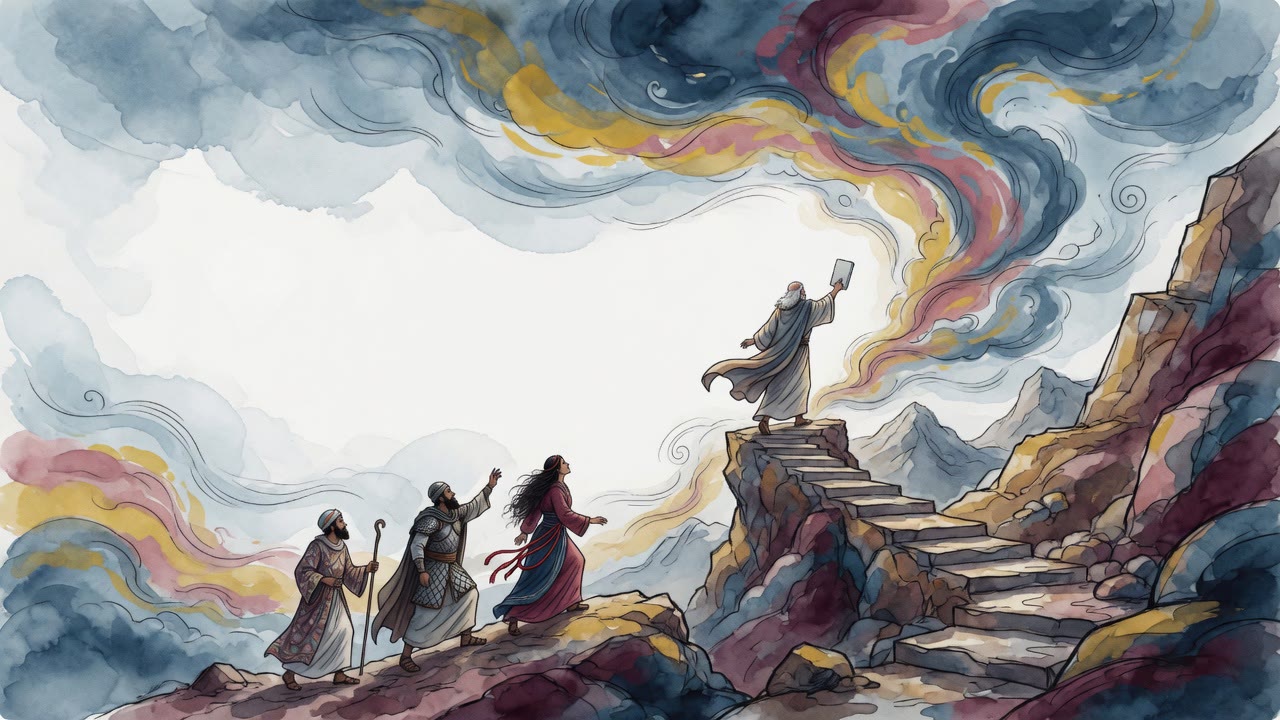
That power did not remain in Eden or in one rabbi's chamber. It followed Jewish memory into a prison room where a king tried to break a mother through her sons. The order was simple: eat what the law forbade. The instruments were rods and sticks. The king had soldiers, walls, metal, time.
Hannah had seven sons.
One son after another was placed before force. One son after another learned, in the hardest possible hour, what kind of house had formed him. The mother could not stop the blows. She could not soften the king. She could not make the prison door open. She could give her children the one thing the king could not issue by decree: a spine.
The first woman in Eden had to be made with enough otherness to stand across from Adam. The noblewoman had to stand across from Rabbi Yosei and refuse an answer that came too easily. The pious woman had to stand across from a wicked husband until his wickedness could no longer own the room. The mother in the prison had to stand across from a king who mistook torture for mastery.
The king held the rods. The mother held the house that had already been built inside her sons.
← All myths