51 myths · Page 1 of 2
Each story names the sources it was written from.
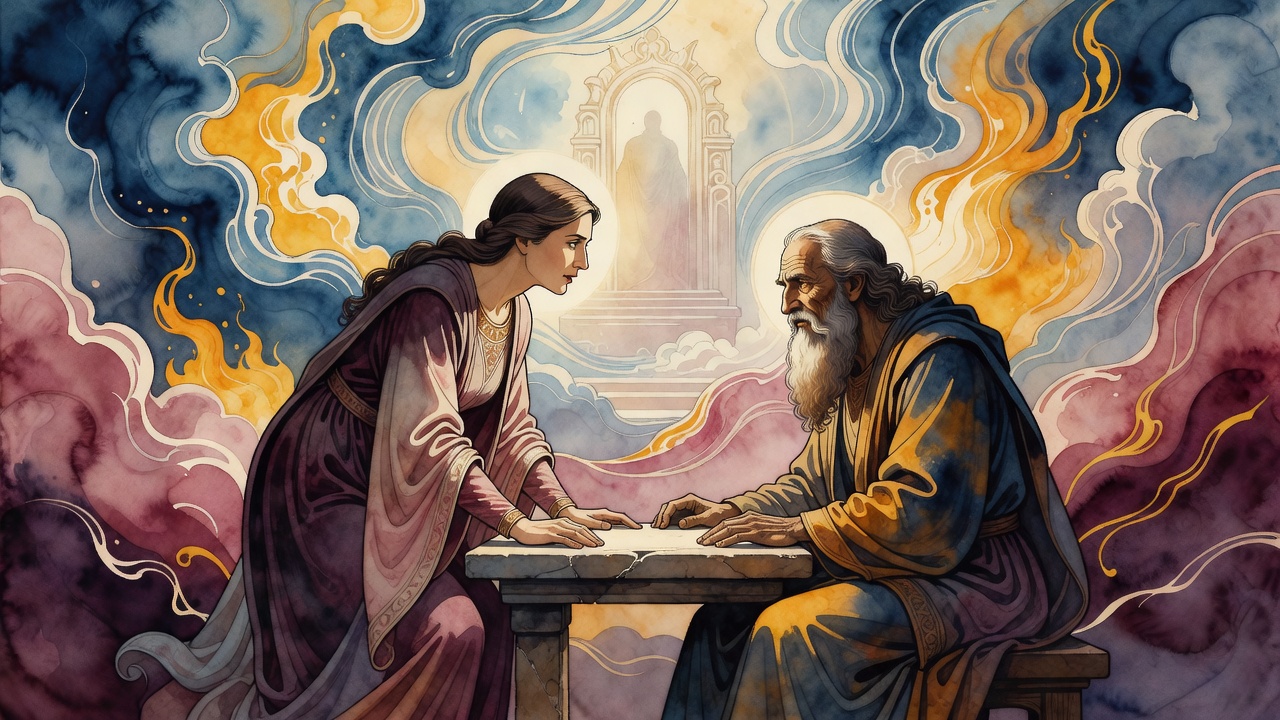
A pious couple split up, childless. He married a wicked woman and his piety thinned. She married a wicked man, and in that house words were weighed.
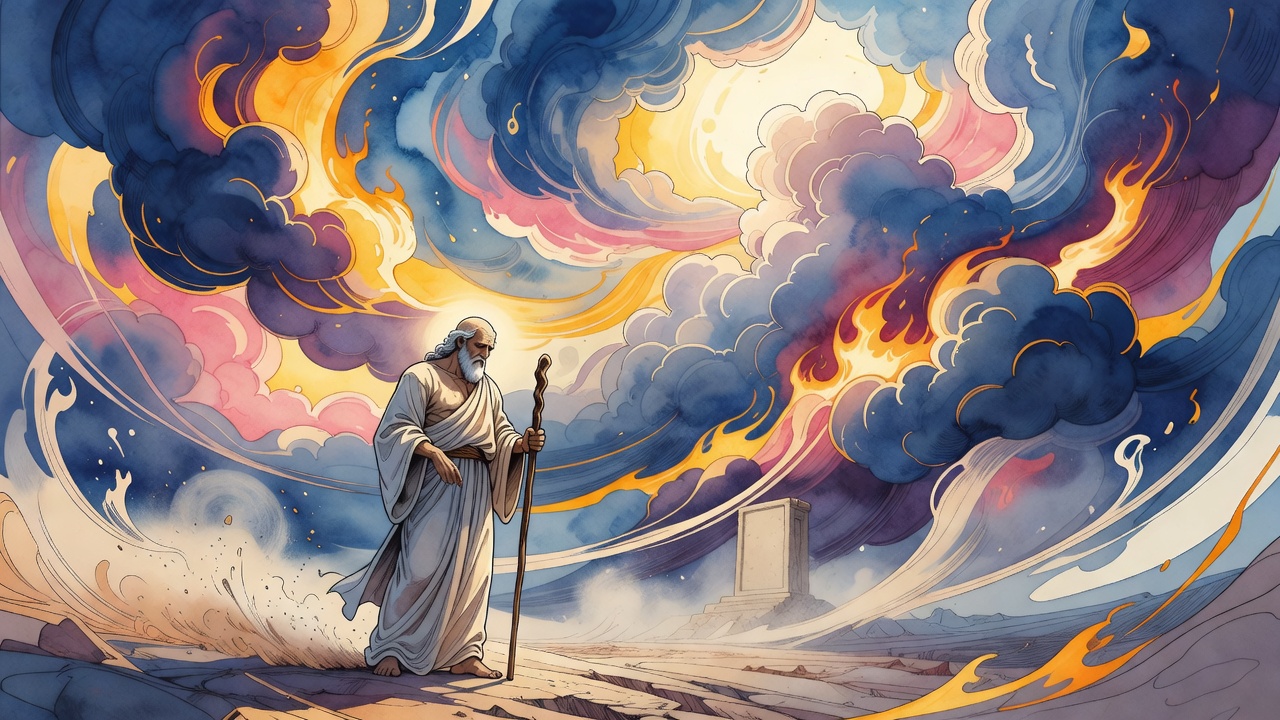
Noah delayed marriage until God commanded him. He did not want children born under a flood decree, but survival carried its own grief.
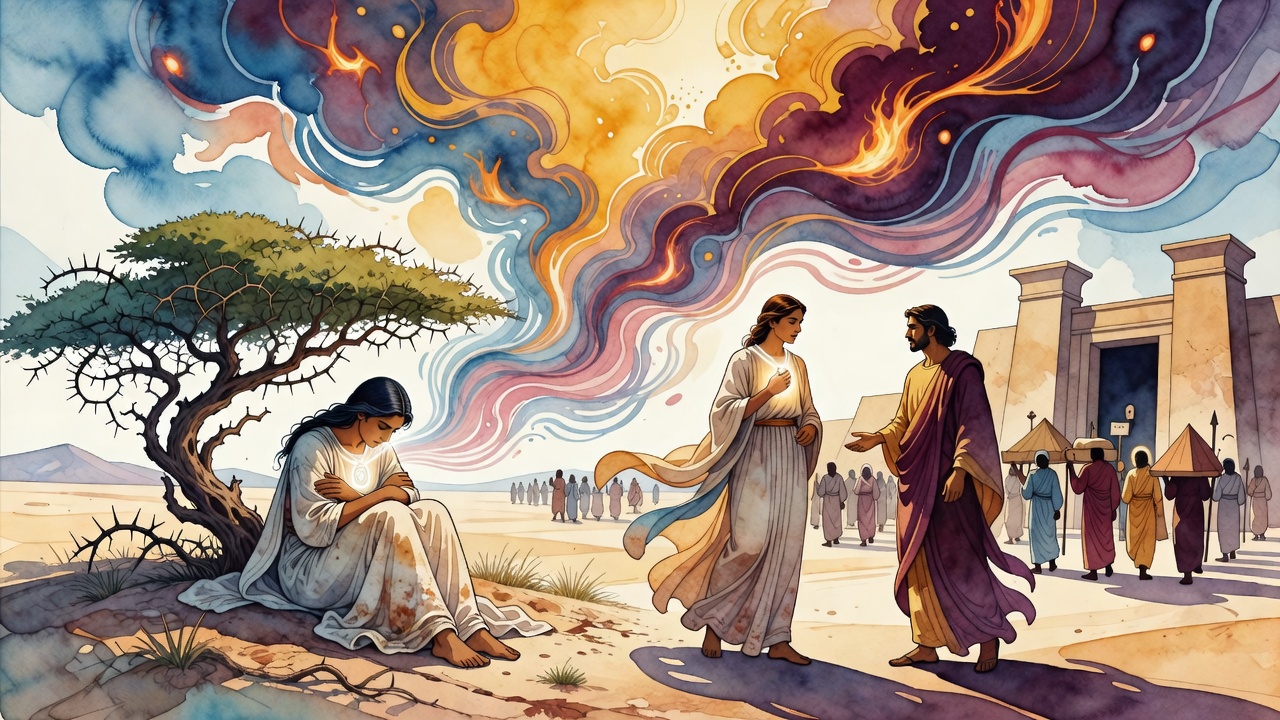
Jacob hung the Holy Name on Dinah's baby and left her under thorns. Years later the plate at her neck stopped Joseph's hand.
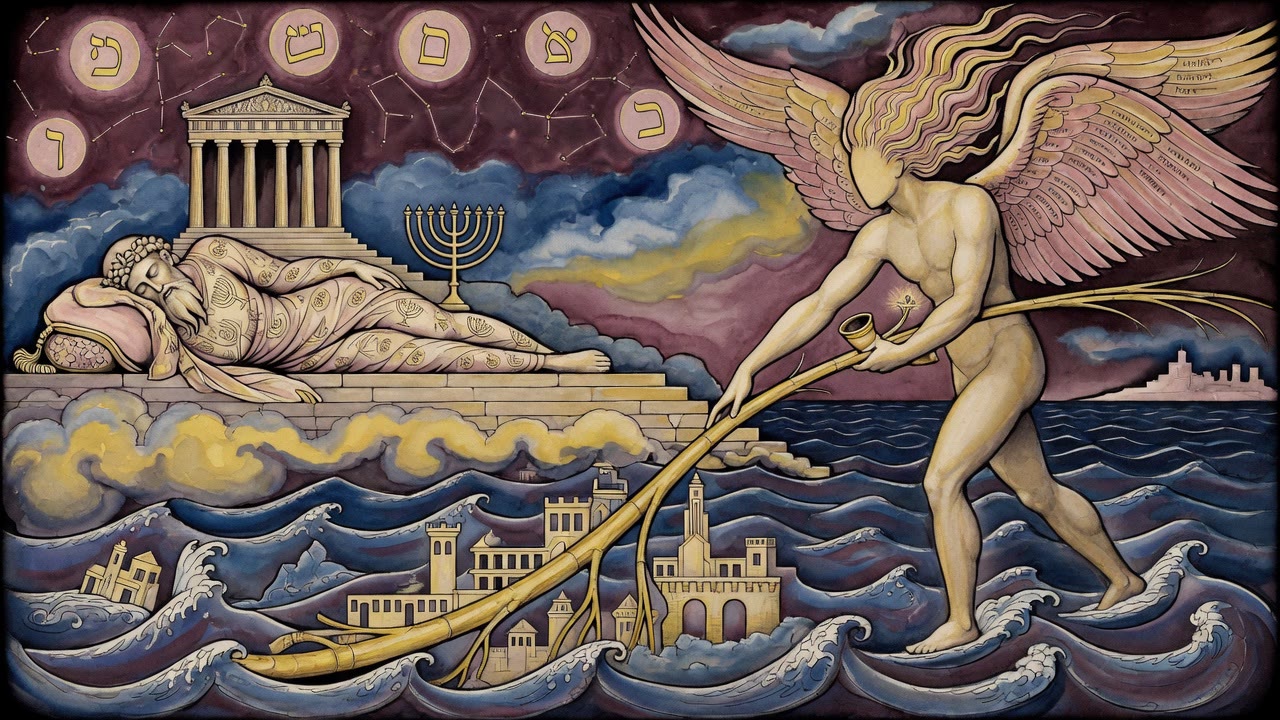
Pharaoh's daughter hung jewels over the bed until they looked like stars. Solomon lay back. The morning offering waited in the court.
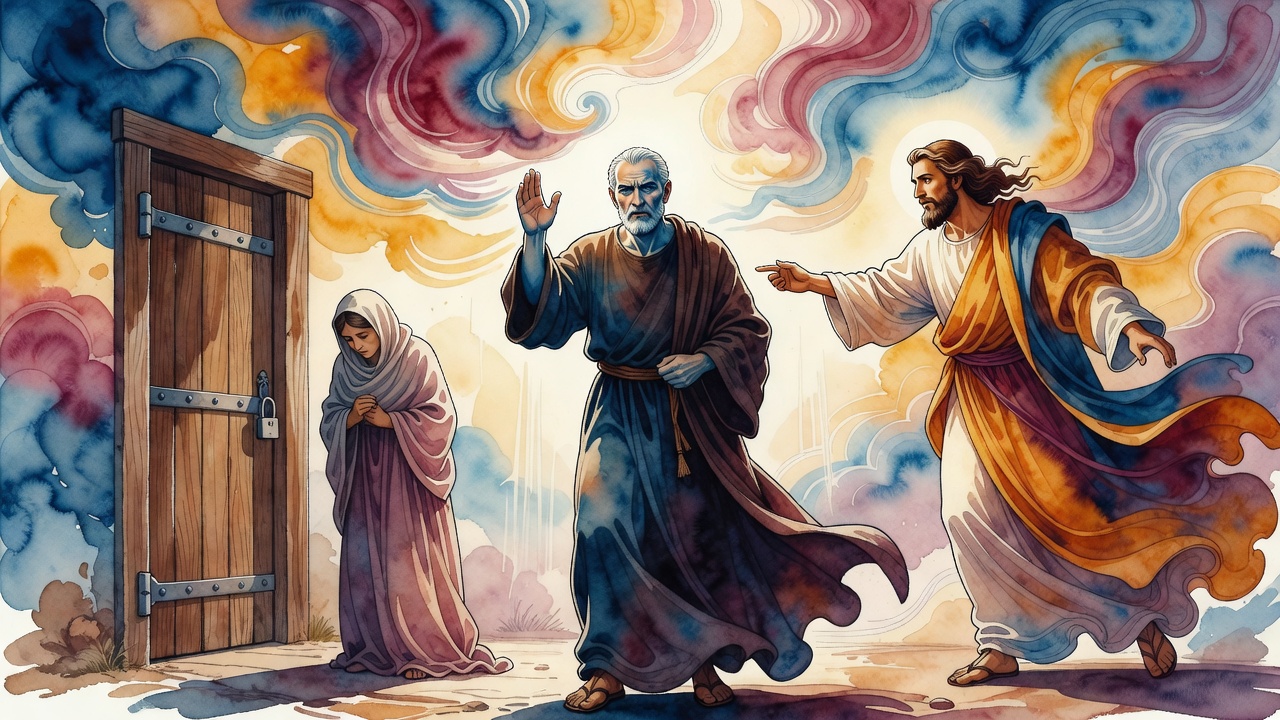
Inside, the bread sat covered and the cups waited. He swore she would not cross the threshold until she spat in Rabbi Meir's face.
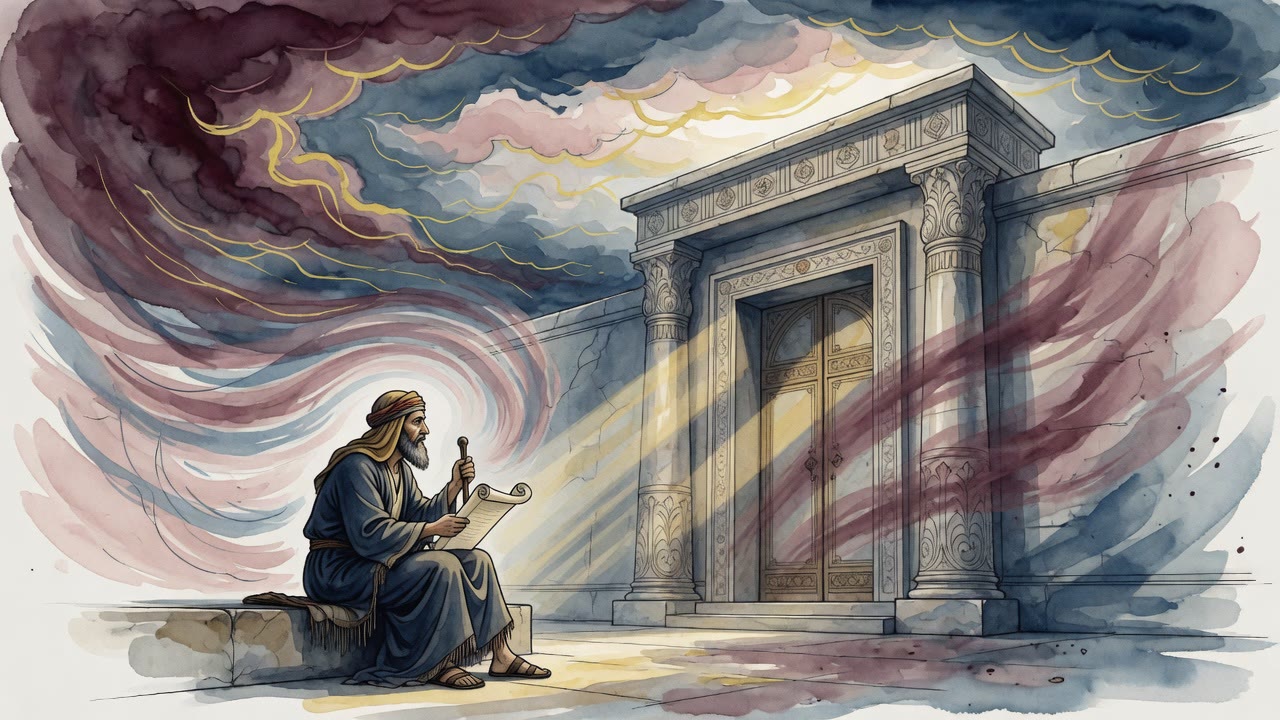
Mordecai waited outside Esther's palace not as a distant guardian but as husband and Torah teacher, until danger forced her toward the king.
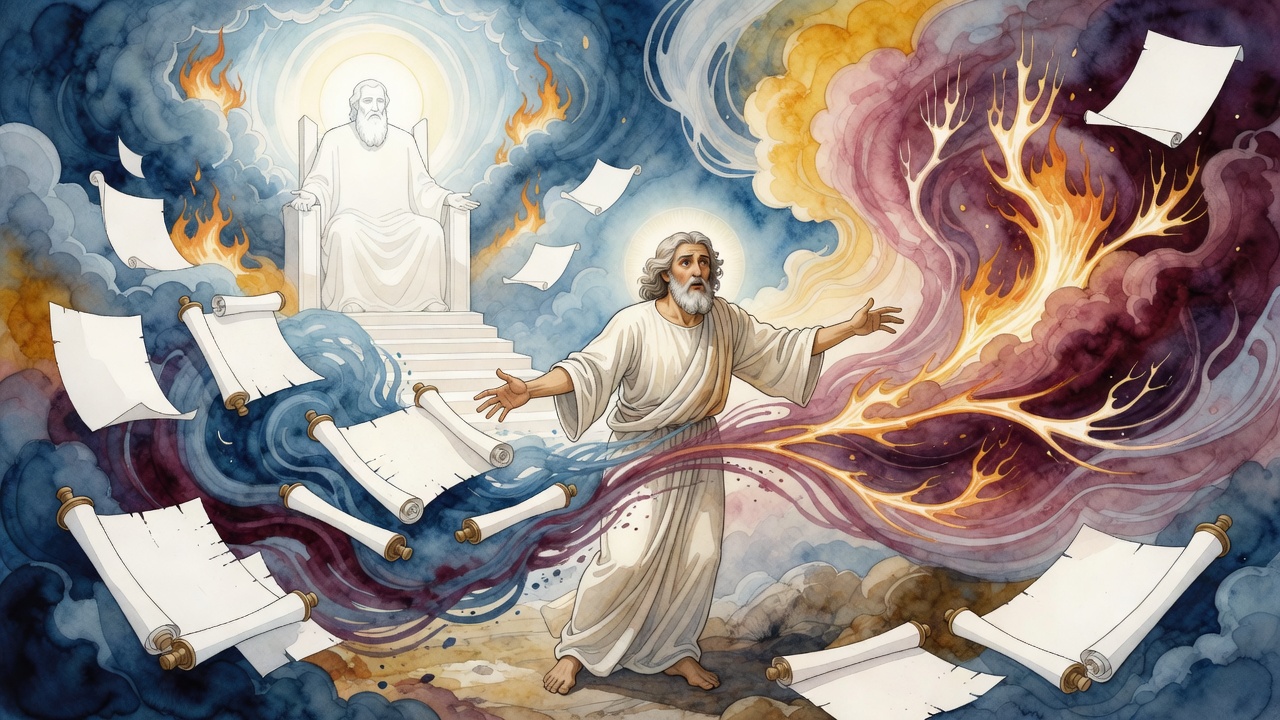
The scribes waited. Solomon reached for a verse he had known at dawn. By night the next word was gone, and the crown answered nothing.
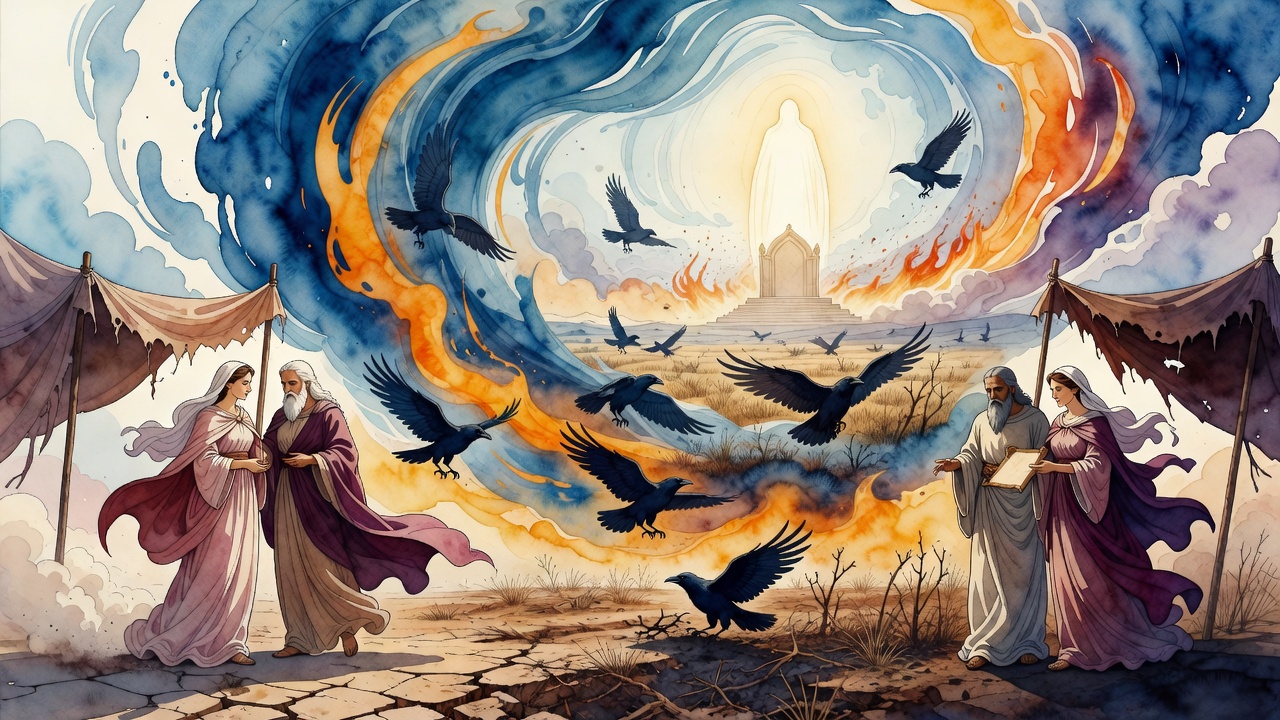
Terah married twice in the years Mastema's ravens stripped the fields bare. The hungry world he survived was the one he passed on to Abraham.
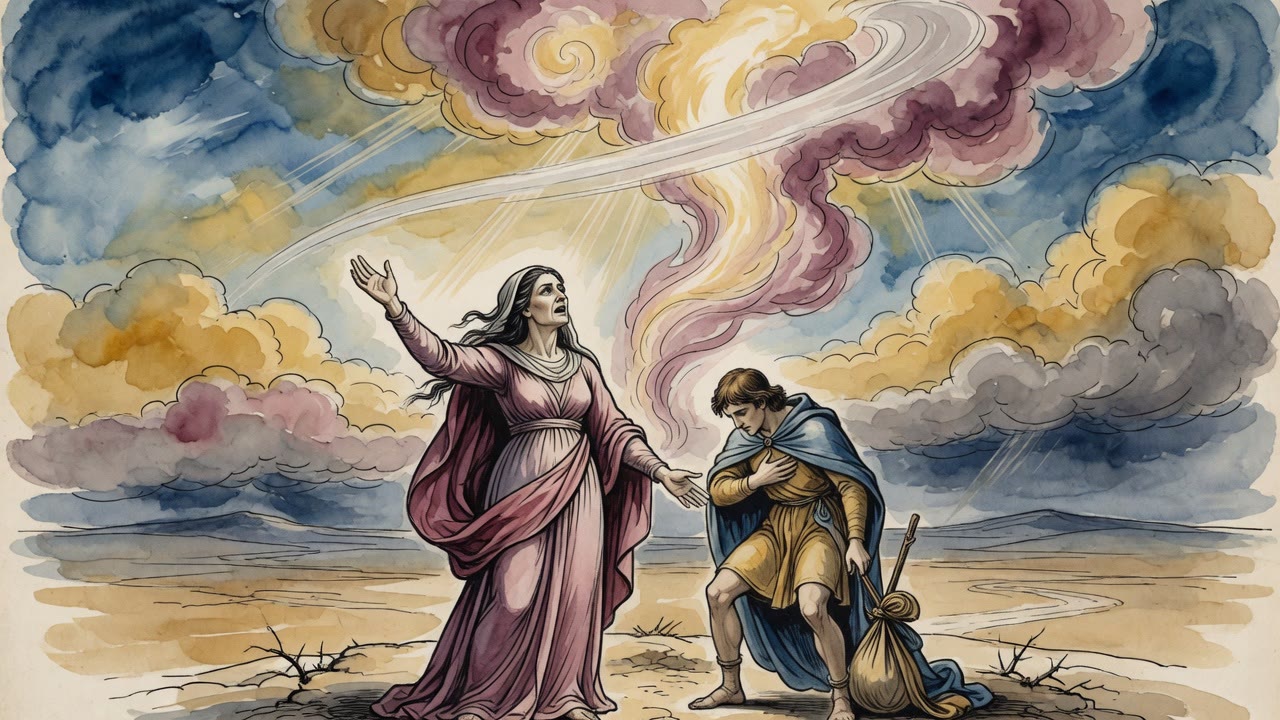
Esau's wives had made the tent bitter for years. Before Jacob left for Haran, his mother made him swear the words out loud, palms already opening.
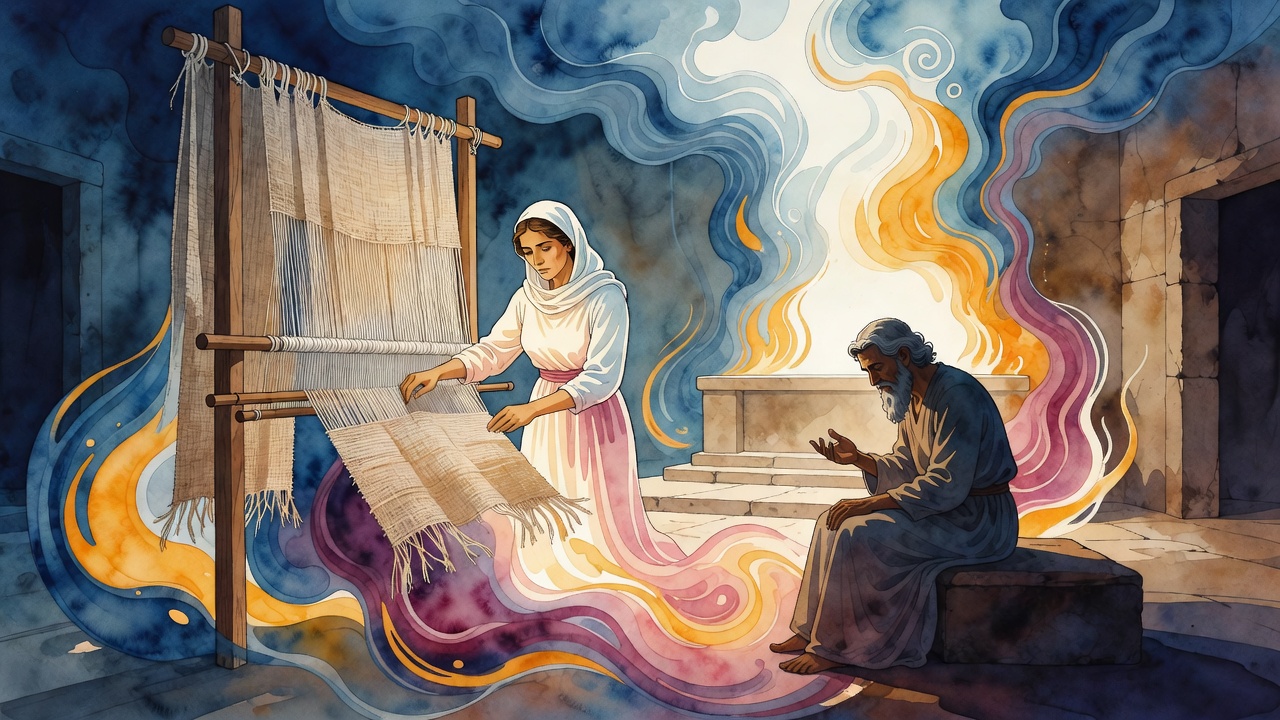
A kid cried in their house in Nineveh. Blind Tobit called it stolen. Hannah asked him where all his charities had gone.
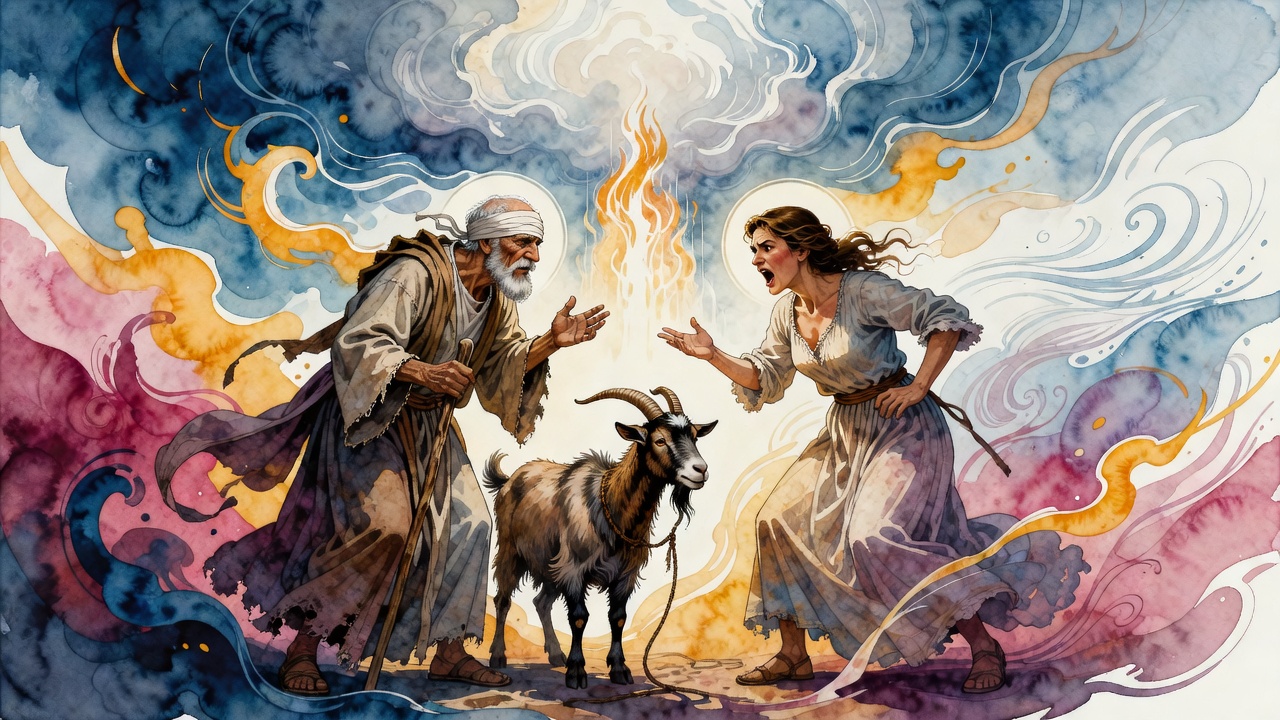
The kid cried in the dark house. Blind Tobit told Hannah to take it back as stolen. She asked where his alms had gotten him.
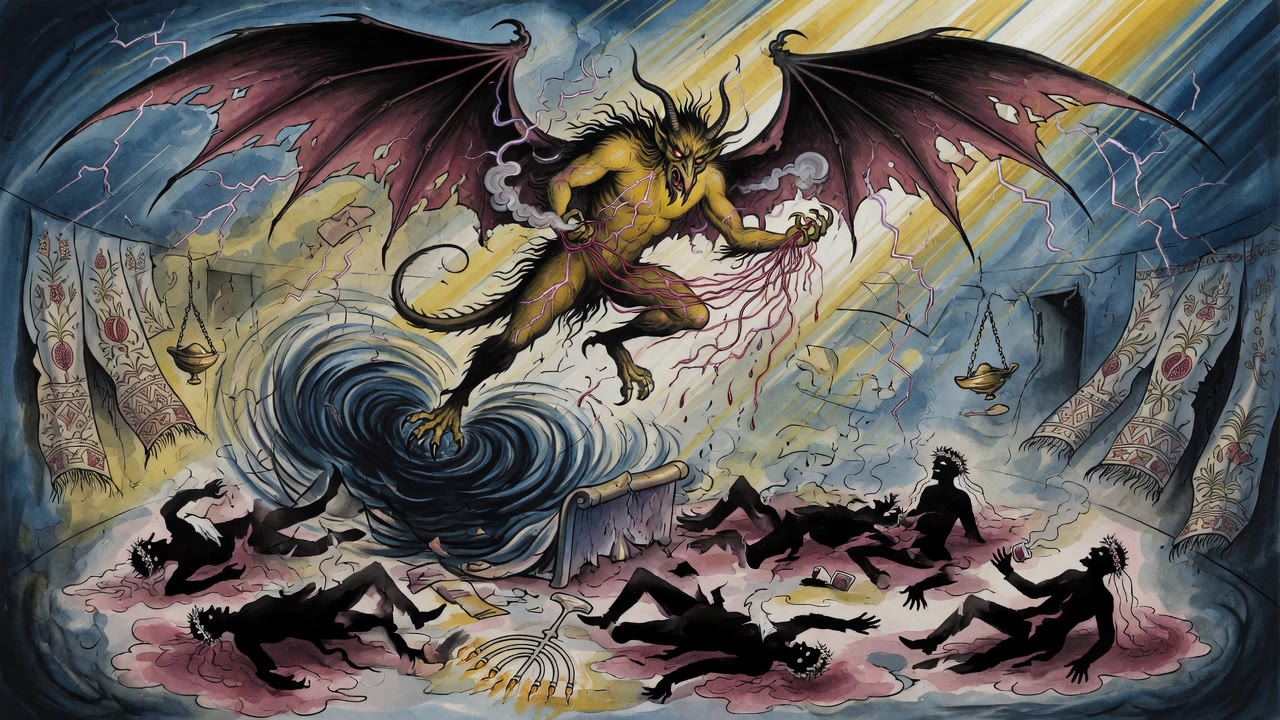
The maids would not call her Sarah. They called her Trouble. Seven wedding nights had ended with a body, and none of them were hers.
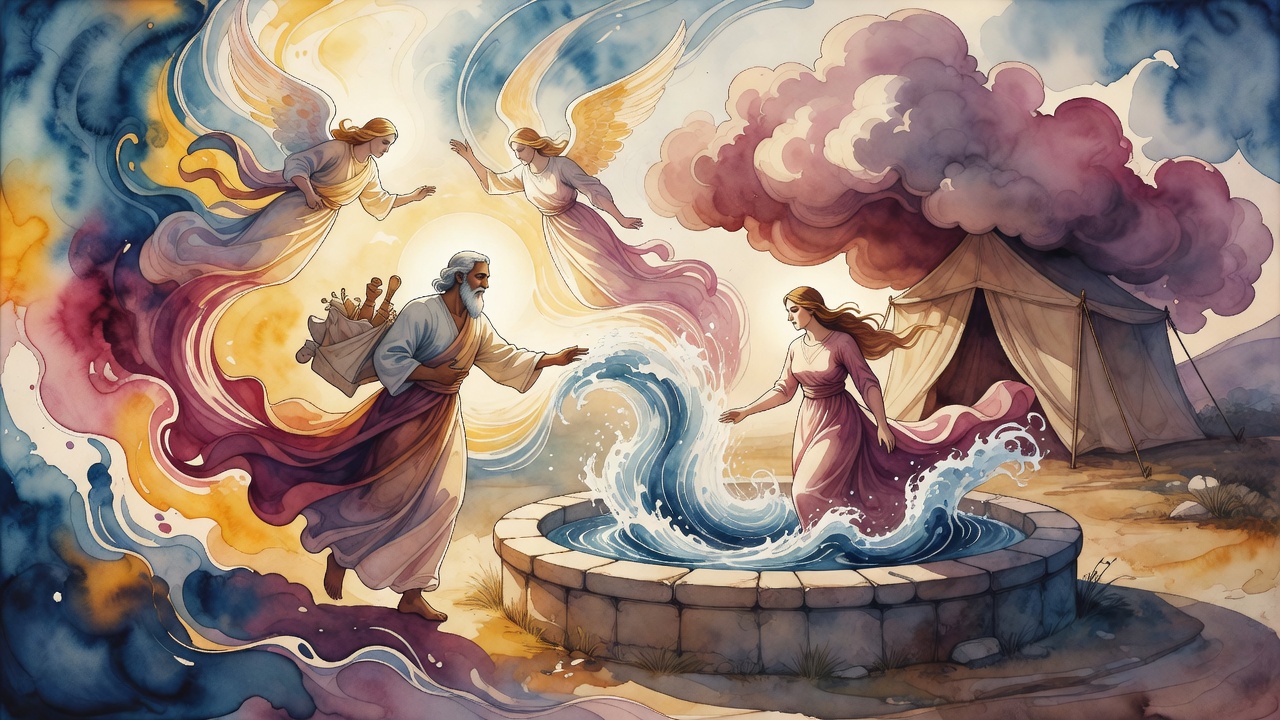
He put the nose-ring on her face before he asked her name. The two bracelets weighed out the exact price of a marriage contract nobody had negotiated.
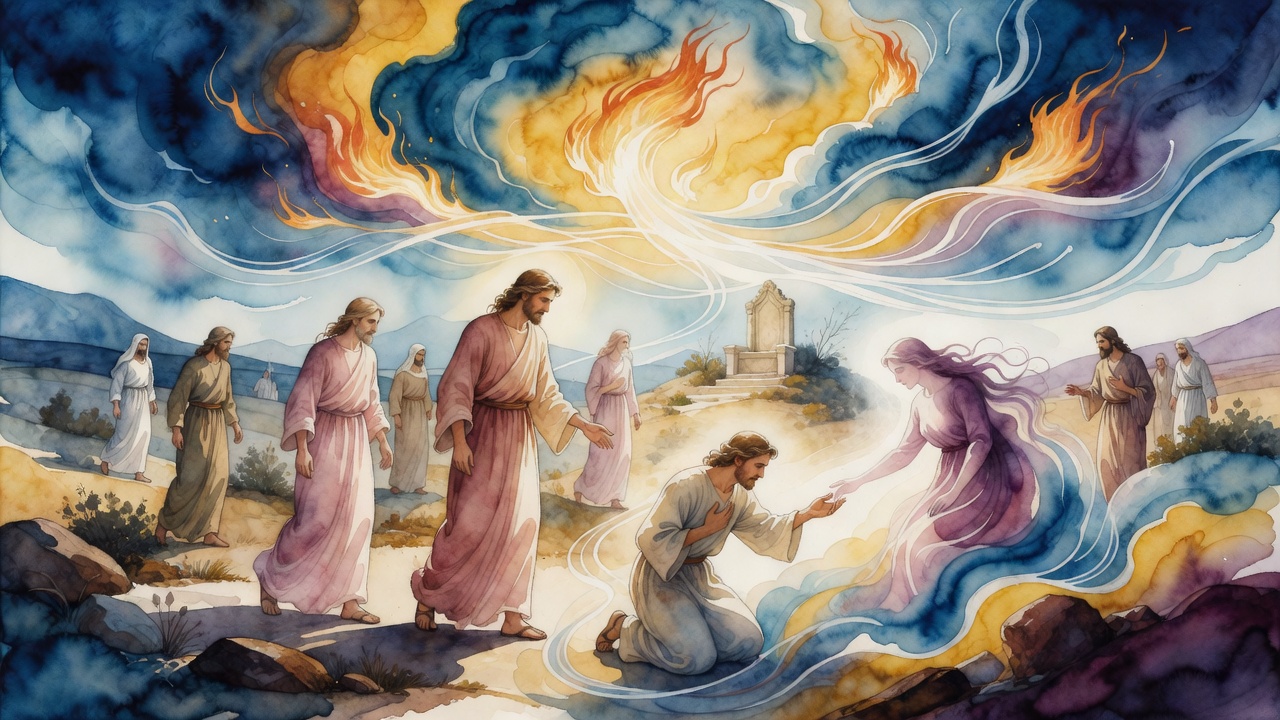
In the year Joseph was sold, Jacob was too broken to arrange marriages. His sons had to find their own wives in grief's shadow.
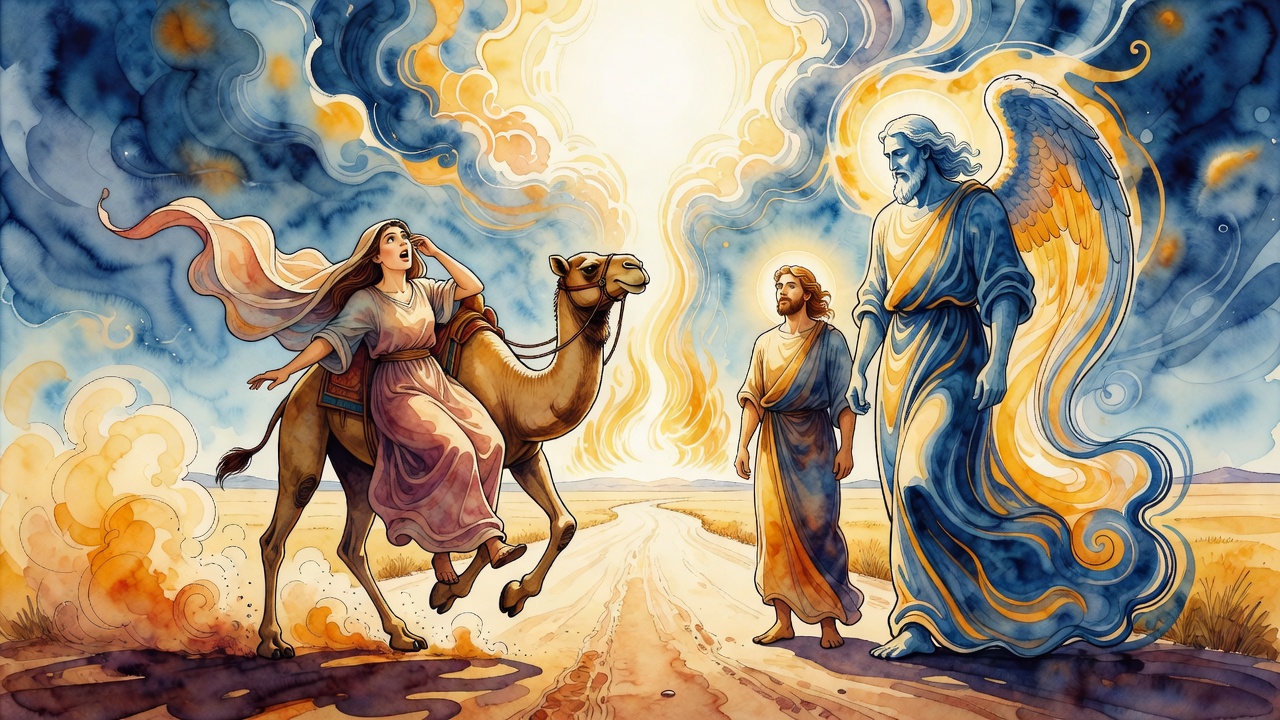
Rebekah looked up on the road to Canaan and saw an angel walking with Isaac. Then the holy spirit showed her the son she was going to bear.
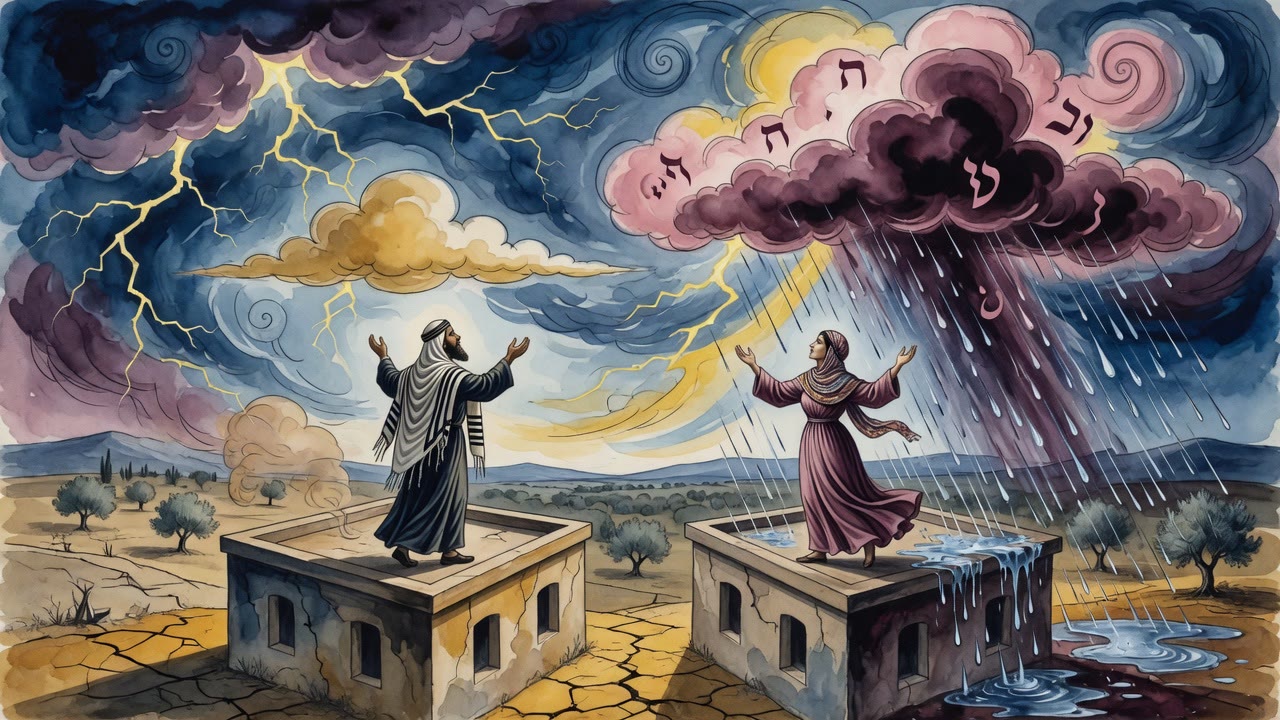
Two scholars walked out to a field to beg a man for rain. He would not return their greeting, so they followed him home to find out why.
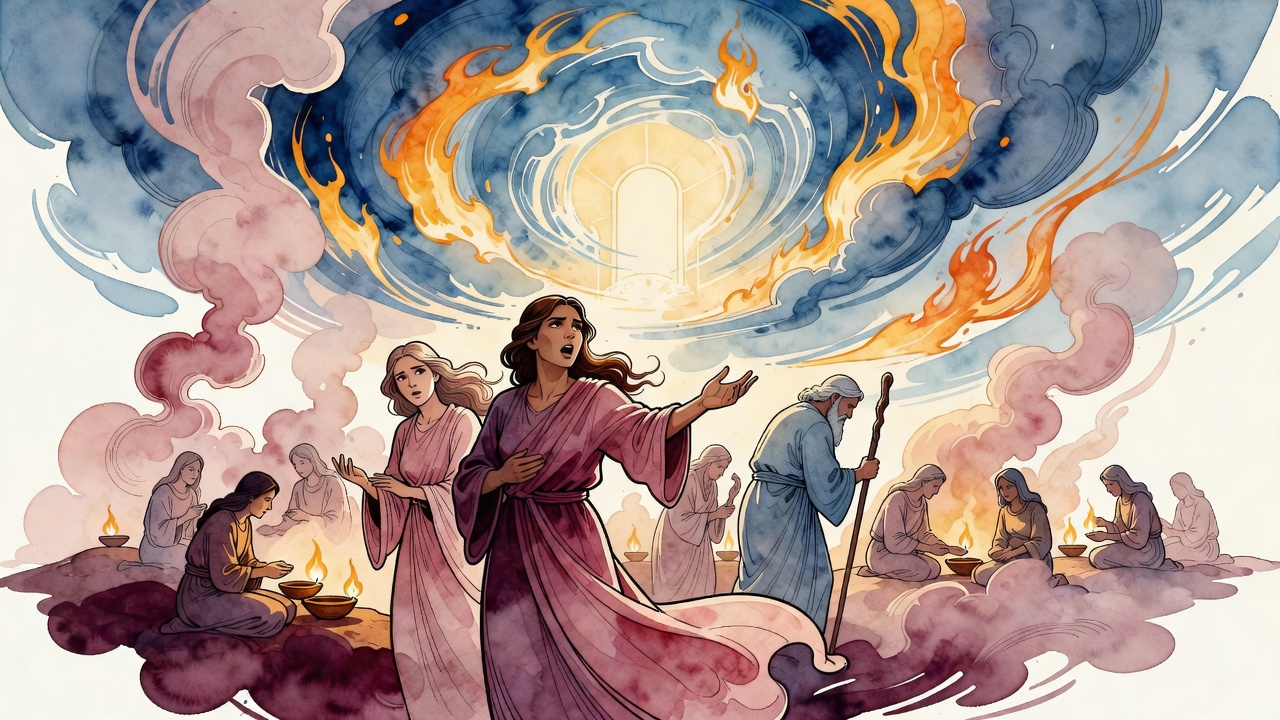
Women lit lamps for new prophets. Zipporah told Miriam to bless the wives with woe. Moses heard the charge and kept his mouth shut.
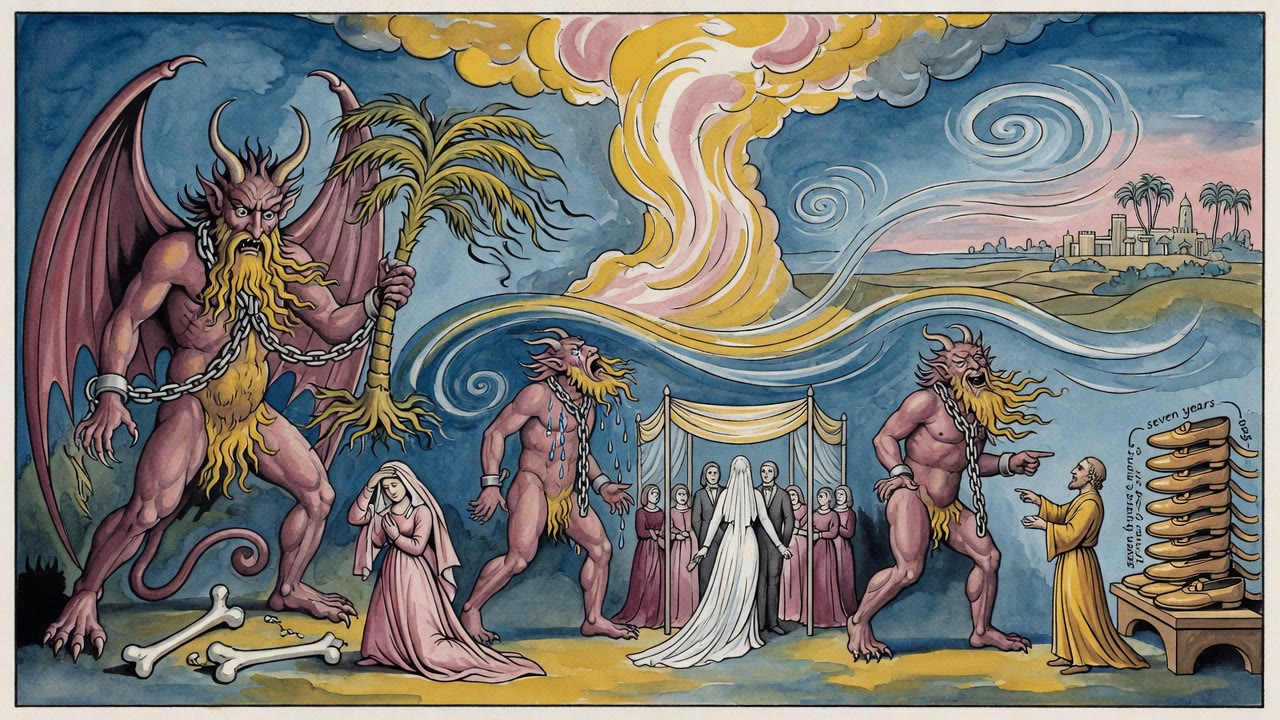
Seven grooms had married Sarah and died before morning. On the eighth night her father sent a maid to look. She found them asleep.
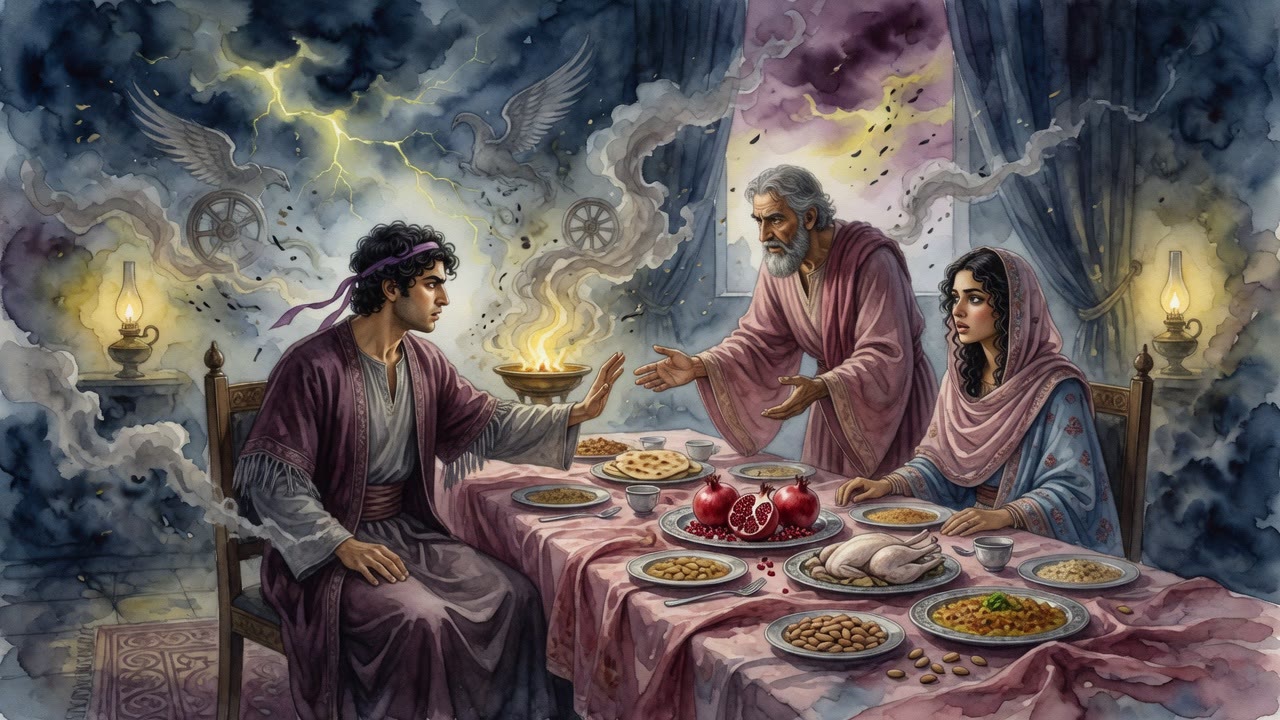
Seven grooms had died in that house on the wedding night. Tobiyyah sat before the food and would not lift a cup until the deed was sealed.
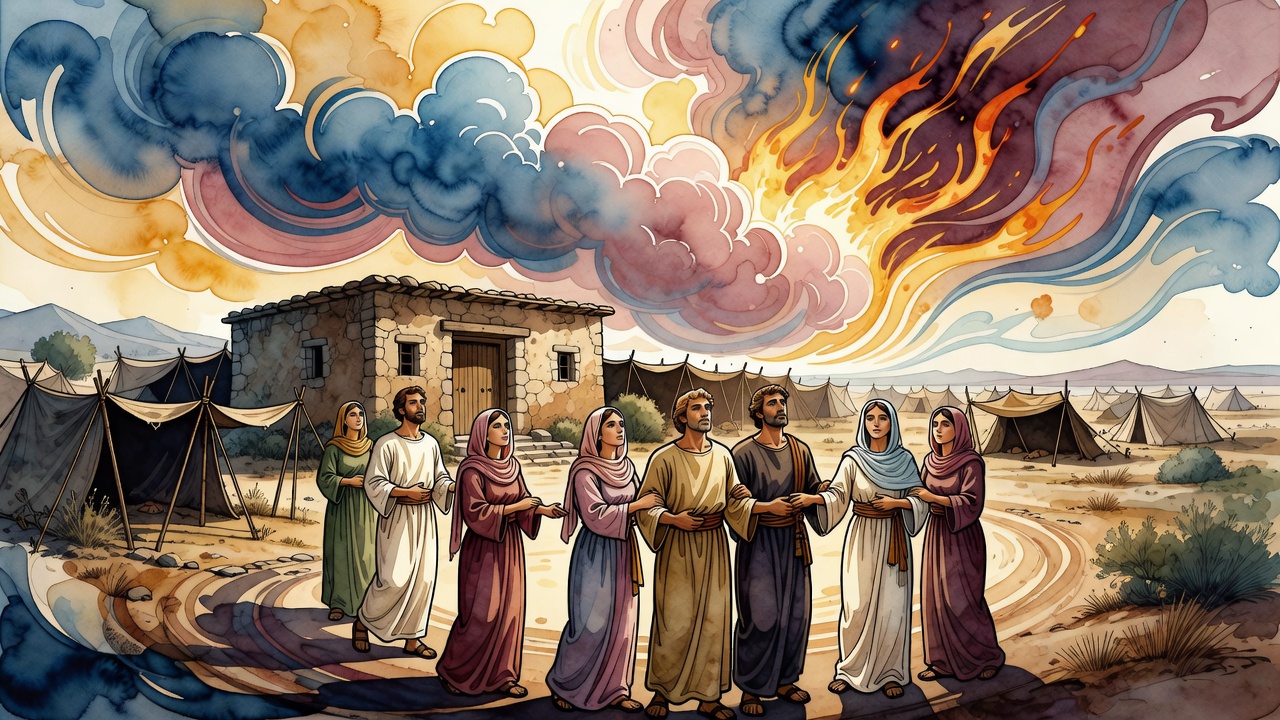
The list said daughters, then named only Dinah. Before the wagons rolled to Egypt, the sons took wives from inside the tents.
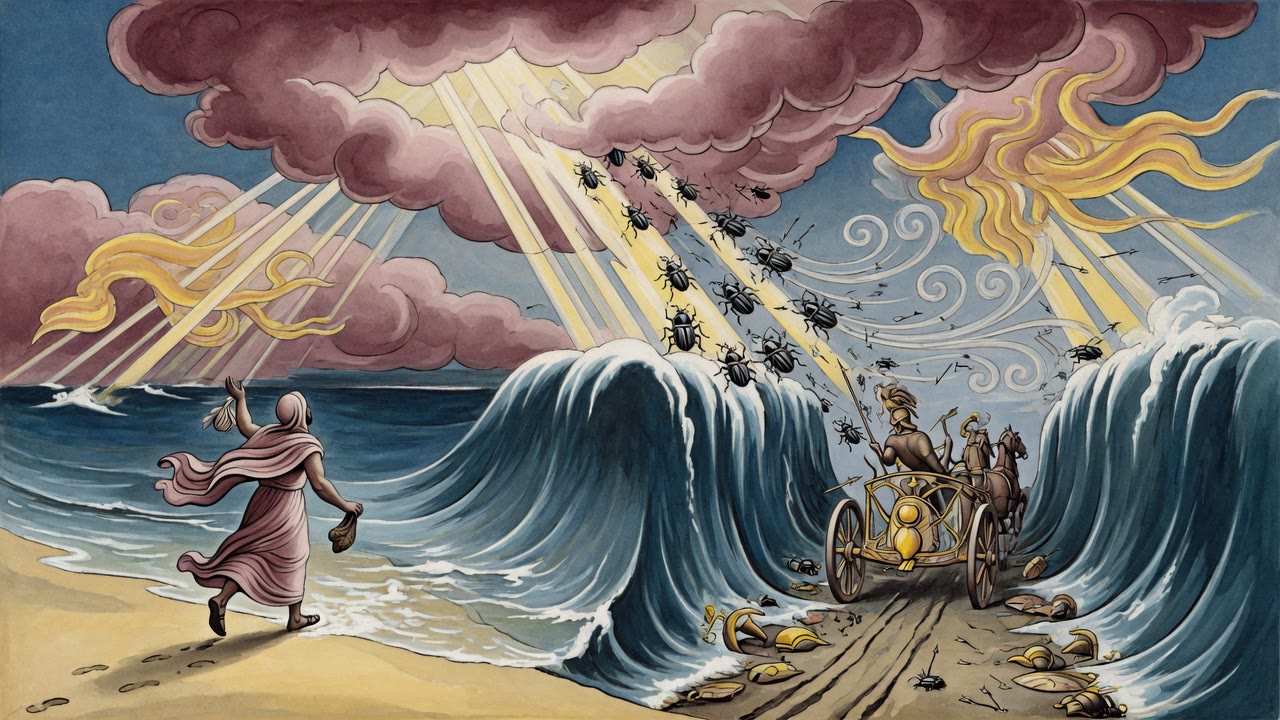
The wrong sister woke in the tent. Jacob recoiled. Heaven had already counted her tears against a match to Esau, and would not waste them.
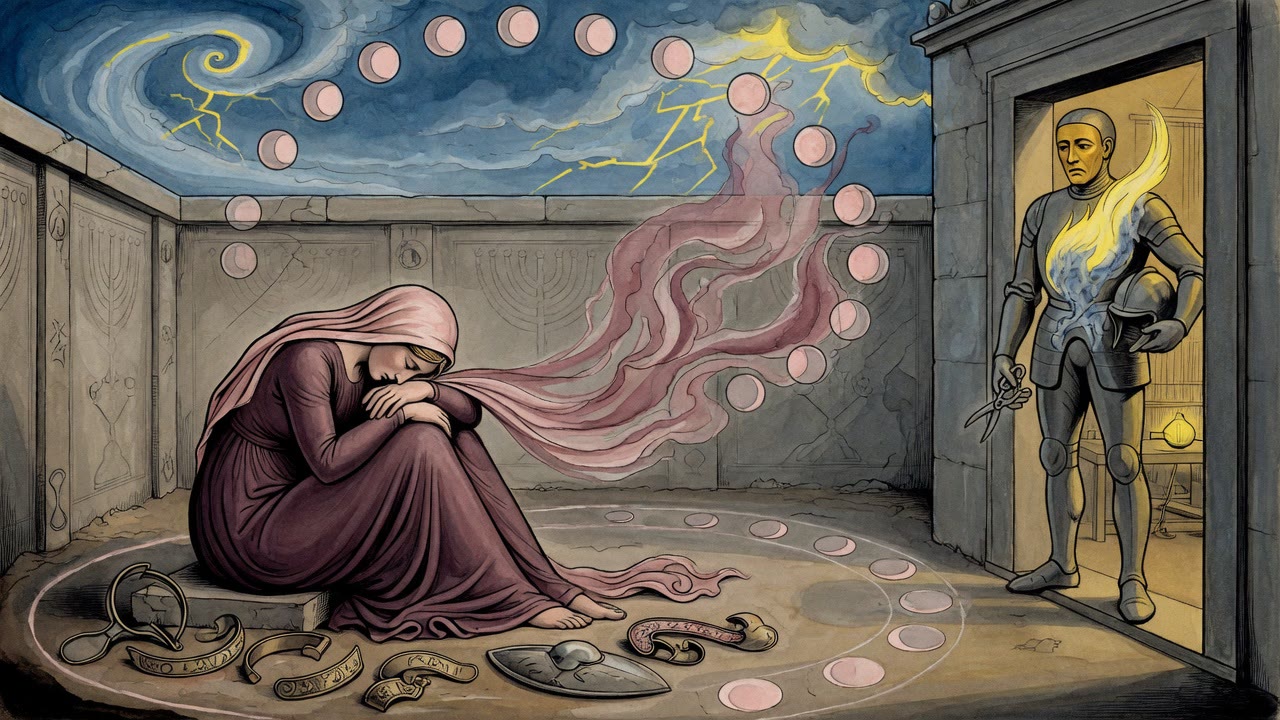
Matched from the cradle to Esau the hunter, Leah cried her eyes tender. Rachel laughed at Jacob's quiet fame until barren fear found her.
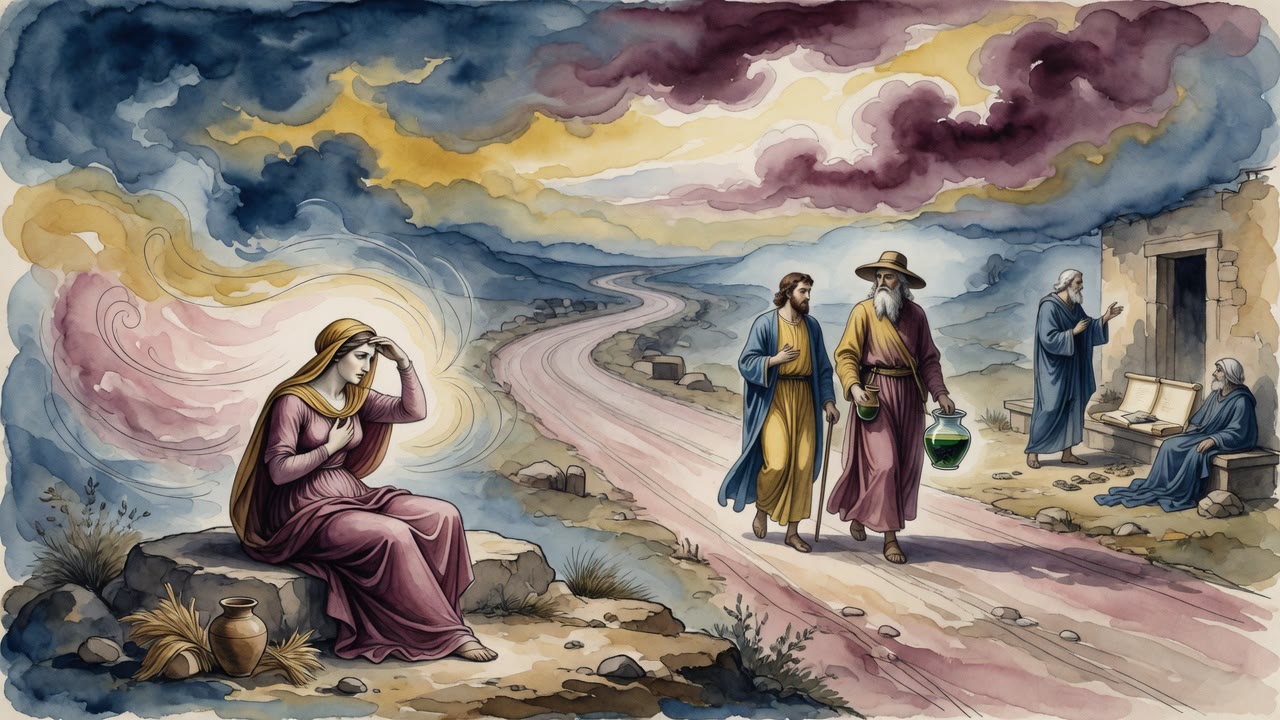
Tobiyyah reaches Ecbatana with Raphael hidden beside him. Raguel weeps for joy, then warns that seven grooms died before they could touch Sarah.
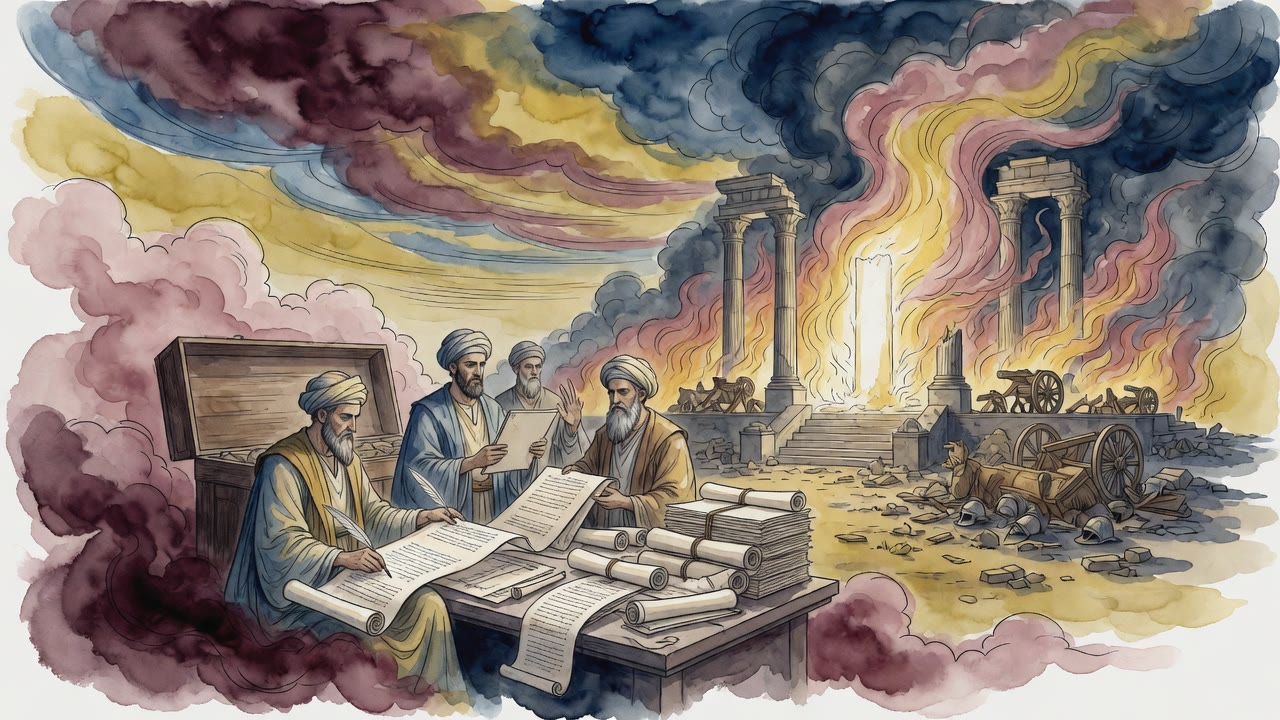
A father unrolled a genealogy by lamplight and would not bless the match until witnesses named every generation. Then the city burned.
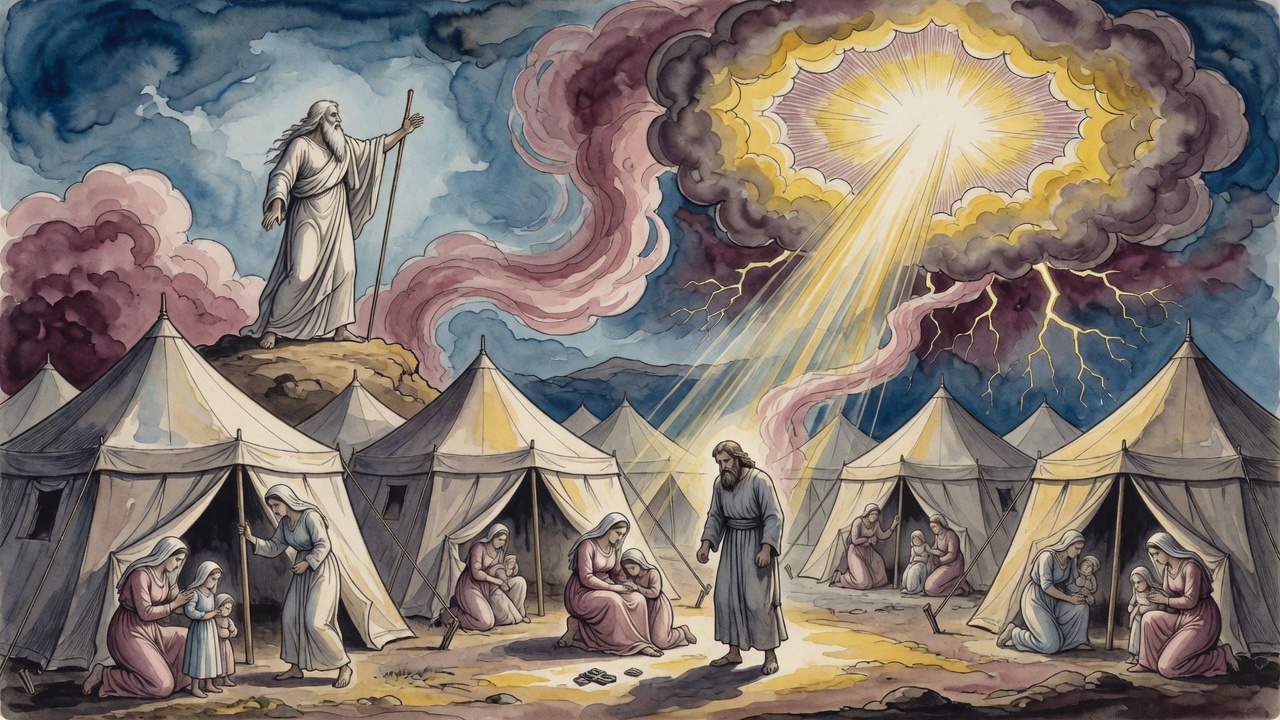
One man had a wedding arranged with his mother's sister. Moses cancelled it in public, and that night the man sat in his doorway and cried.
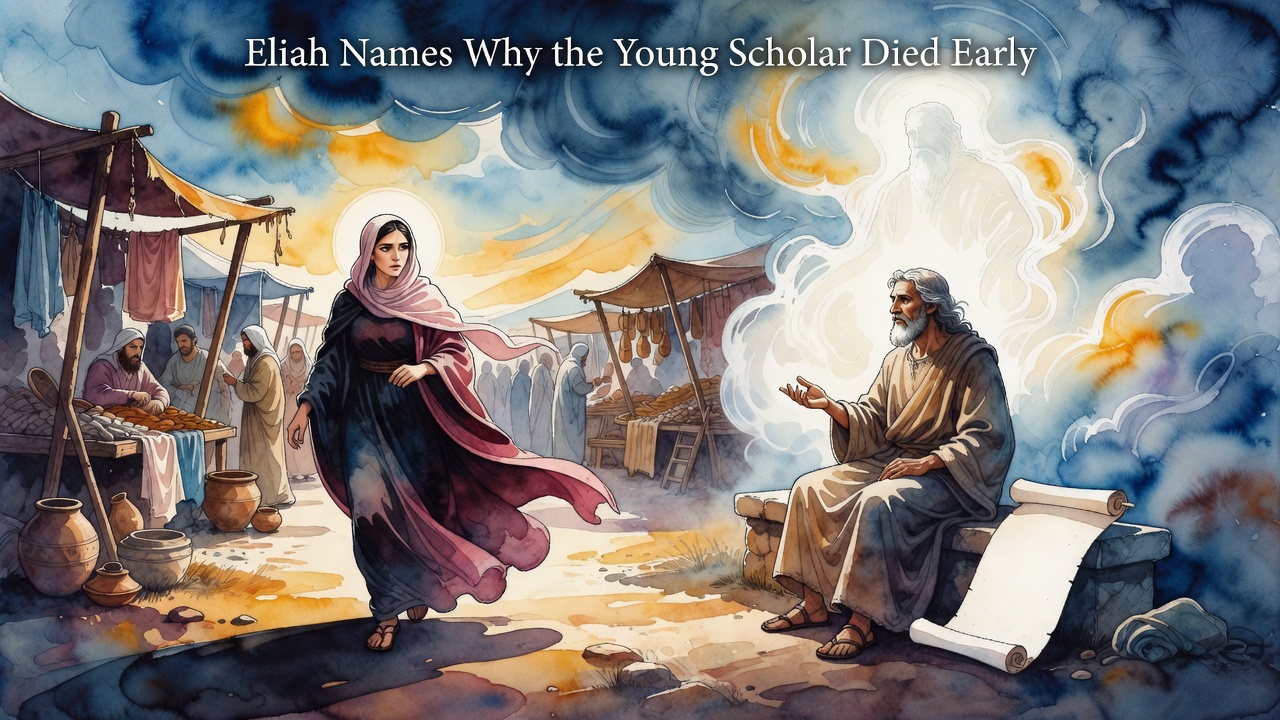
Not one of her husband's colleagues would answer her. Then a man sat down in her courtyard and asked two questions about her marriage bed.
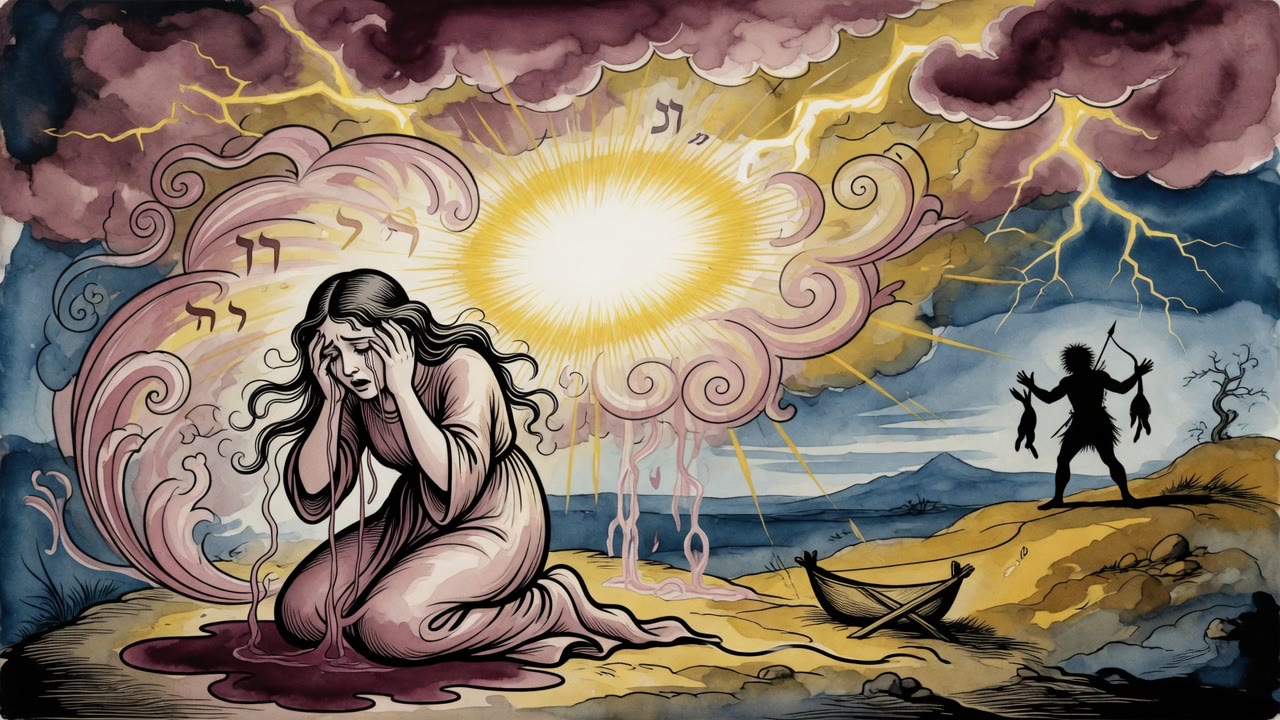
A soldier brought a captive into his house, cut away her war beauty, and watched desire cool while she sat and mourned her father and mother.
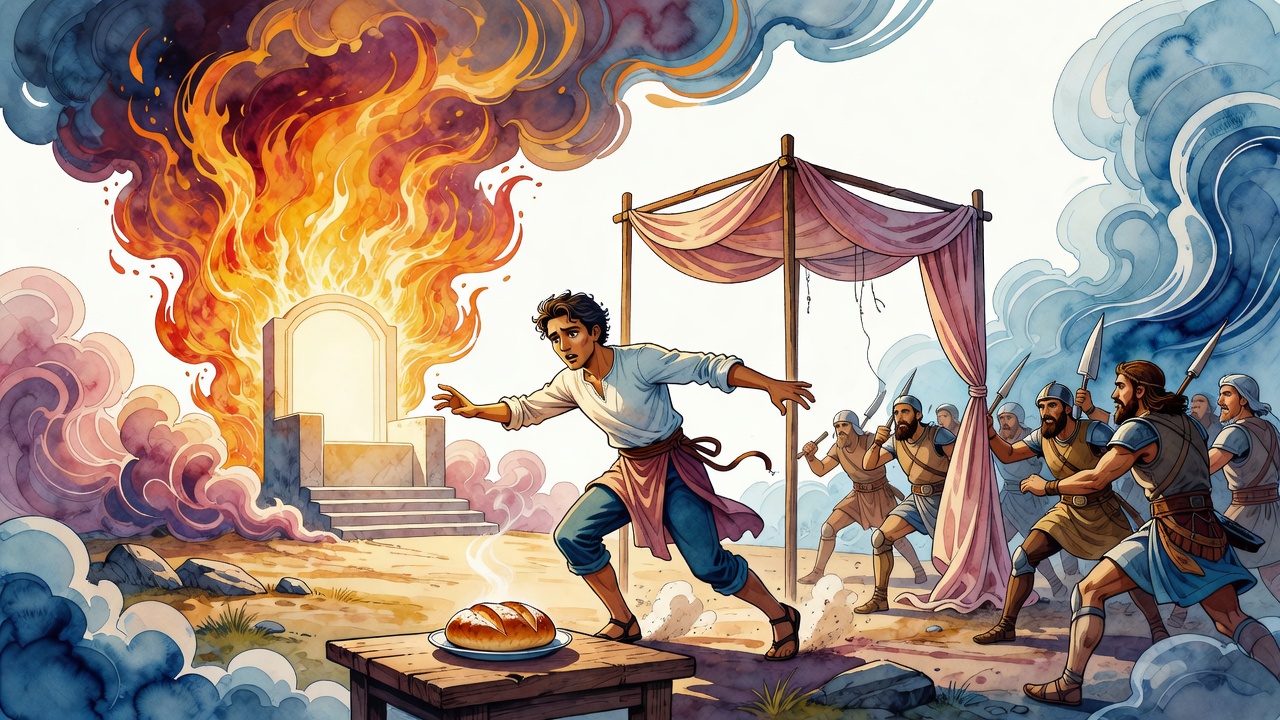
A man finishes the wedding canopy and is pulled toward muster. The Torah sends him home for a year. One battle begins at a table with warm bread.
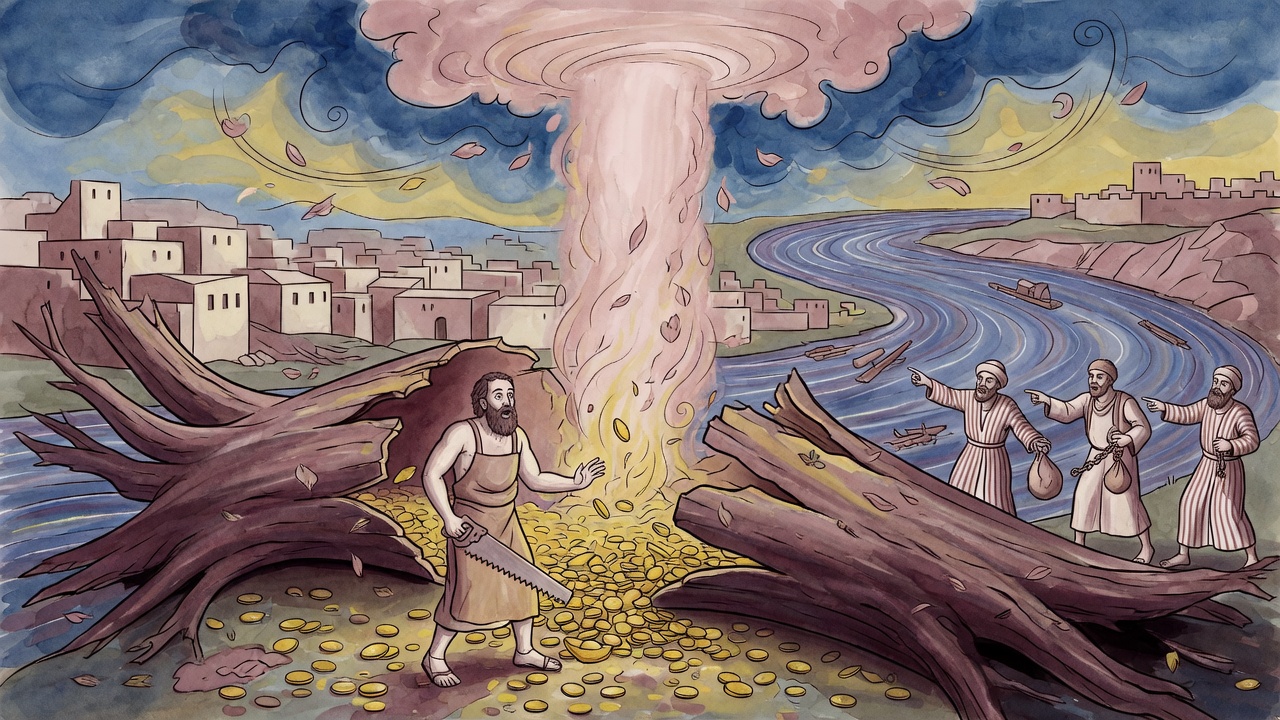
A neighbor stole the carpenter's purse and died on the road. Years later Abraham bought a beam. The saw found the sack inside the wood.
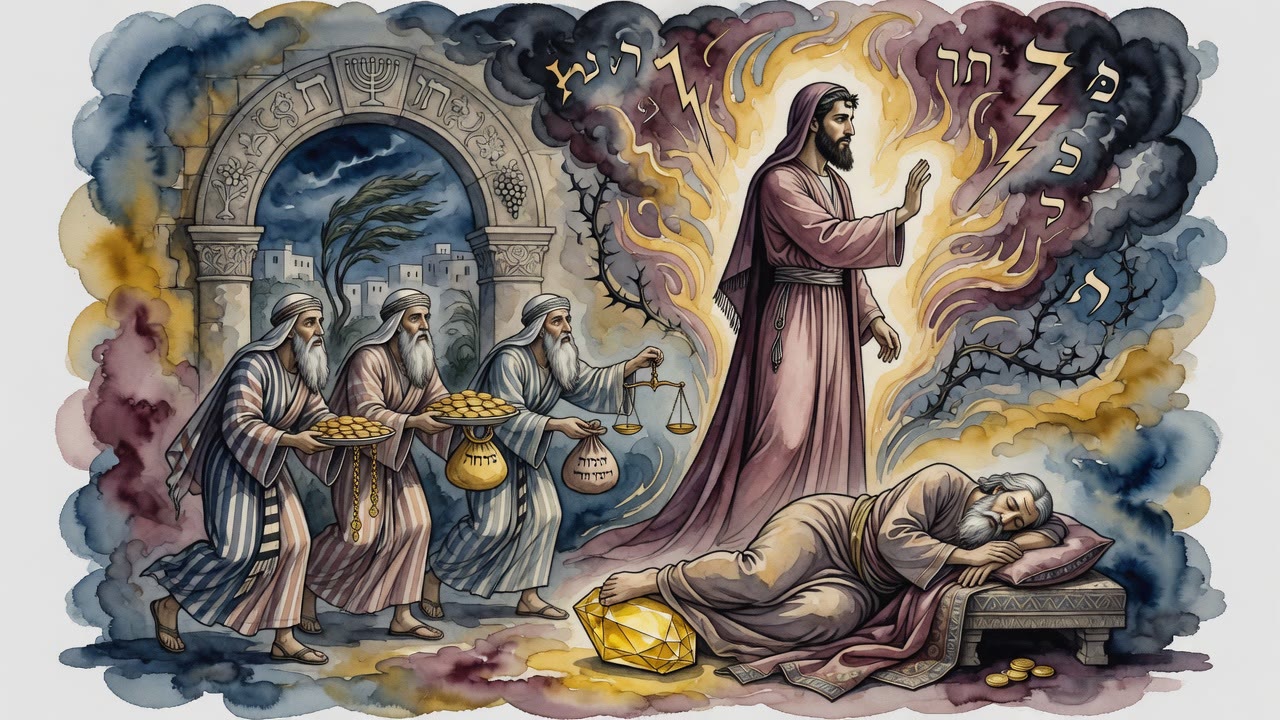
Two Hittite wives had made Isaac's camp bitter for decades. Then Esau stood near enough to the tent to hear the rule he had already broken.
