Simeon and Levi Burned Shechem and Heaven Approved
Jacob rebuked his sons for the slaughter at Shechem. A heavenly record reached a different verdict. Both accounts survived.
Table of Contents
 Click for full size
The Argument That Never Resolved
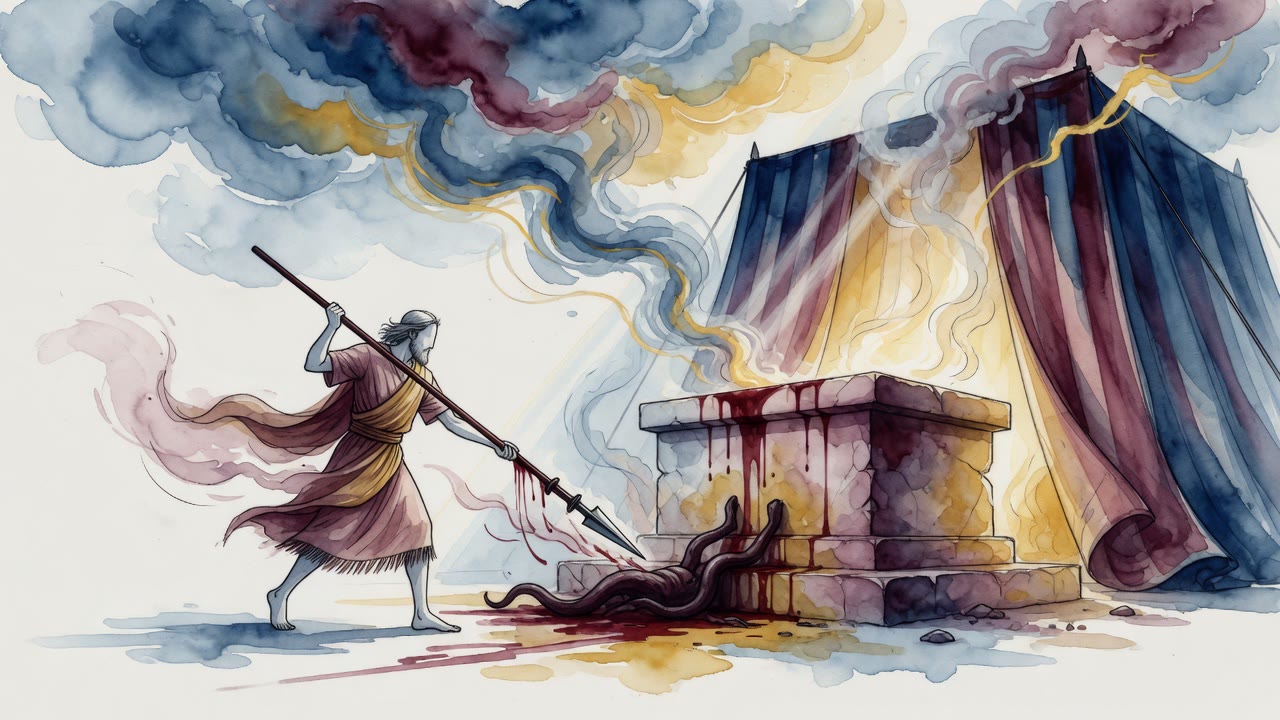
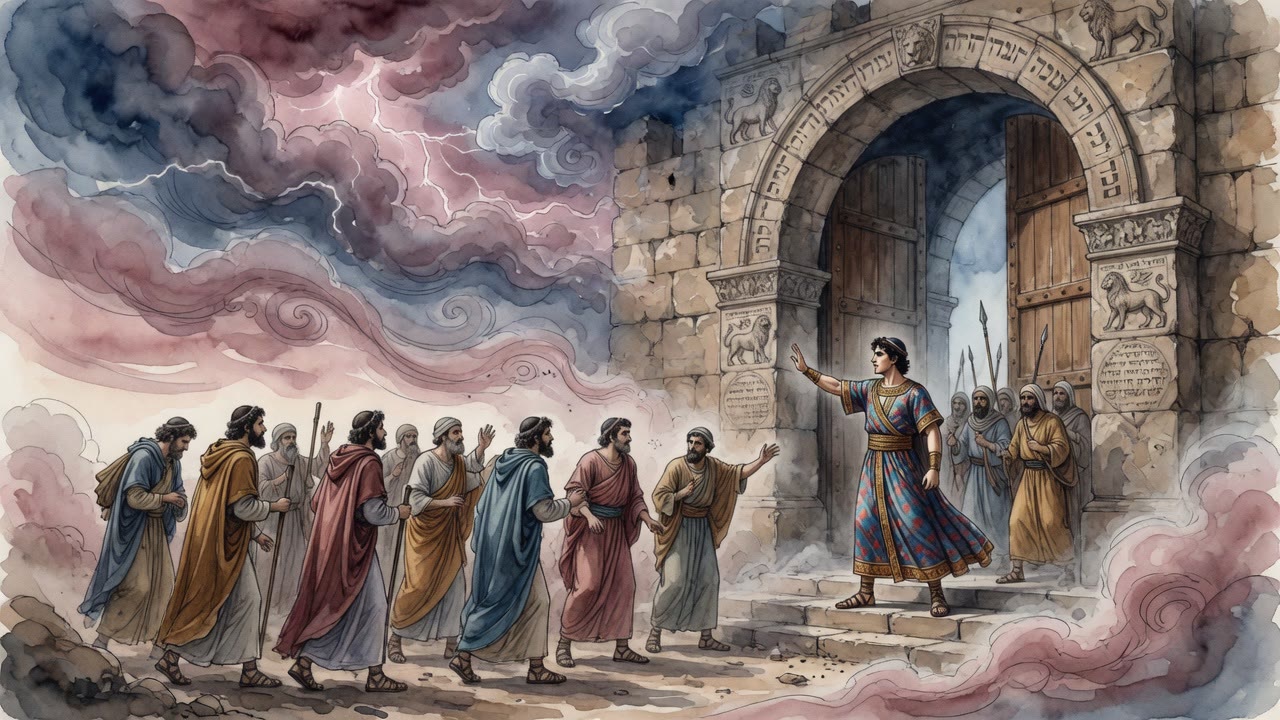
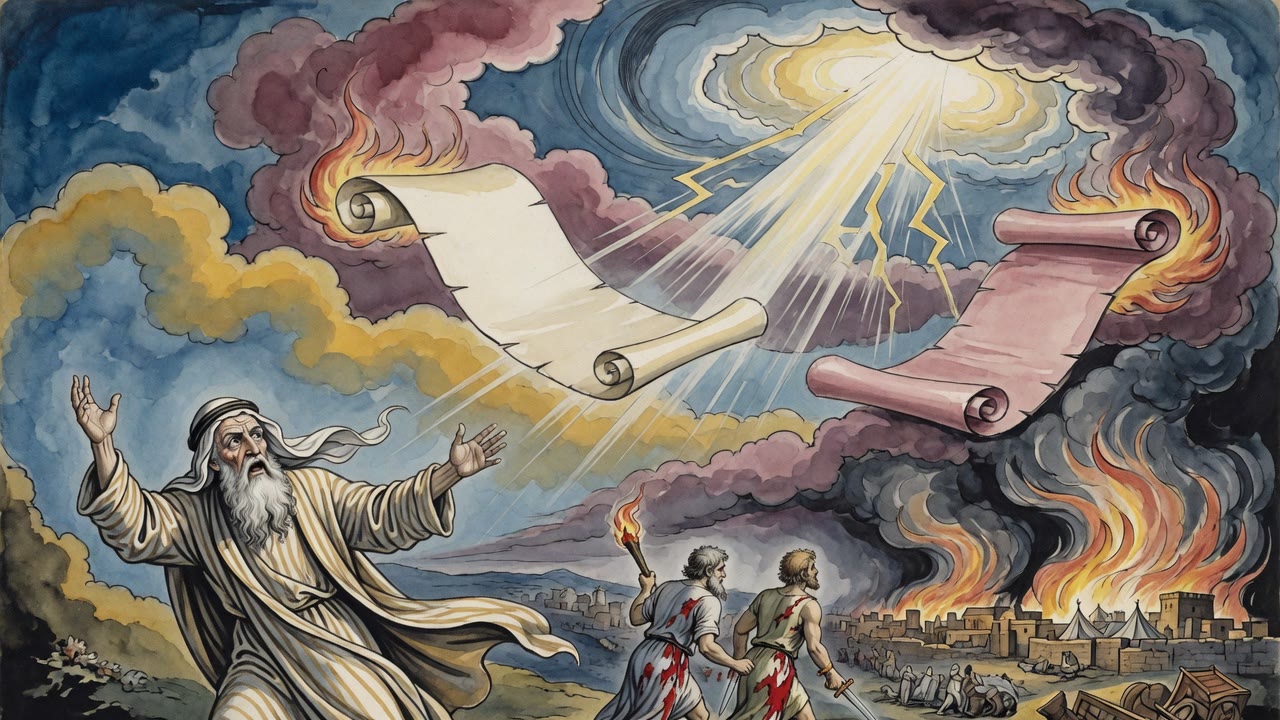
When Simeon and Levi came back from Shechem, their father met them with fury. Their hands and garments still carried the work of the city. They had deceived the men of the place into circumcising themselves, then waited three days while those men lay immobilized by the pain of the wound, and on the third day they walked in among the helpless and killed every male they found. They had taken the women and the children, seized the flocks and the herds and the donkeys, and burned what they could not carry away. Jacob named for them what they had done: made his name a stench among the Canaanites and the Perizzites, the peoples of the land in whose midst he was only a sojourner, and endangered the whole household. He and his few against nations who could gather and strike them down to a man.
They answered him with a single question. "Should our sister have been treated as a harlot?"
The Torah ends the scene there. The question hangs in the air with no reply. No narrator steps in. No verdict is offered. Jacob does not speak again, and the brothers do not lower their eyes. Both positions remain, set against each other and never reconciled.
What Heaven Wrote Down
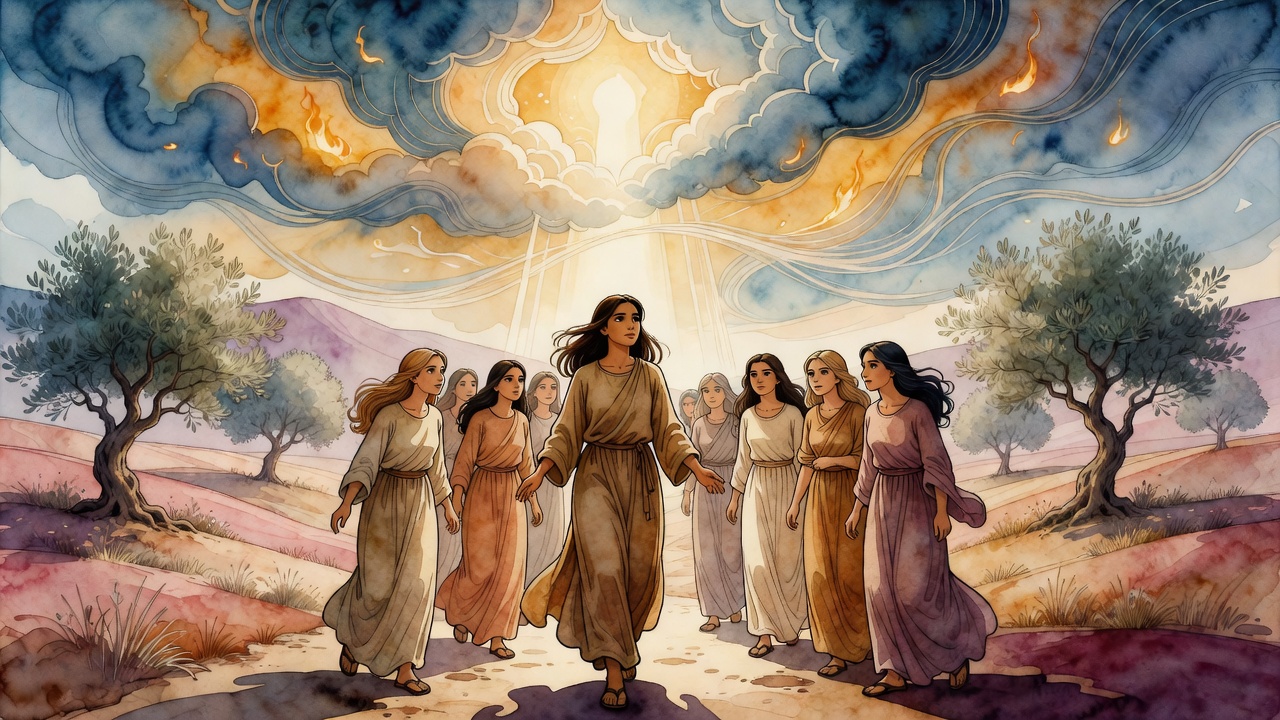
Dinah was twelve years old. The tradition that preserved her story did not soften this, did not make her older to make the marriage talk less obscene. She had gone out to see the daughters of the land, the way a young girl does, curious about the women of the city and their dress and their festivals. And Shechem the son of Hamor saw her, and carried her off, and lay with her, and defiled her. Then he wanted her for a wife, and his father came down to Jacob's encampment to negotiate, as though what had been done to the girl were a contractual irregularity to be settled with a bride-price and good terms between two houses.
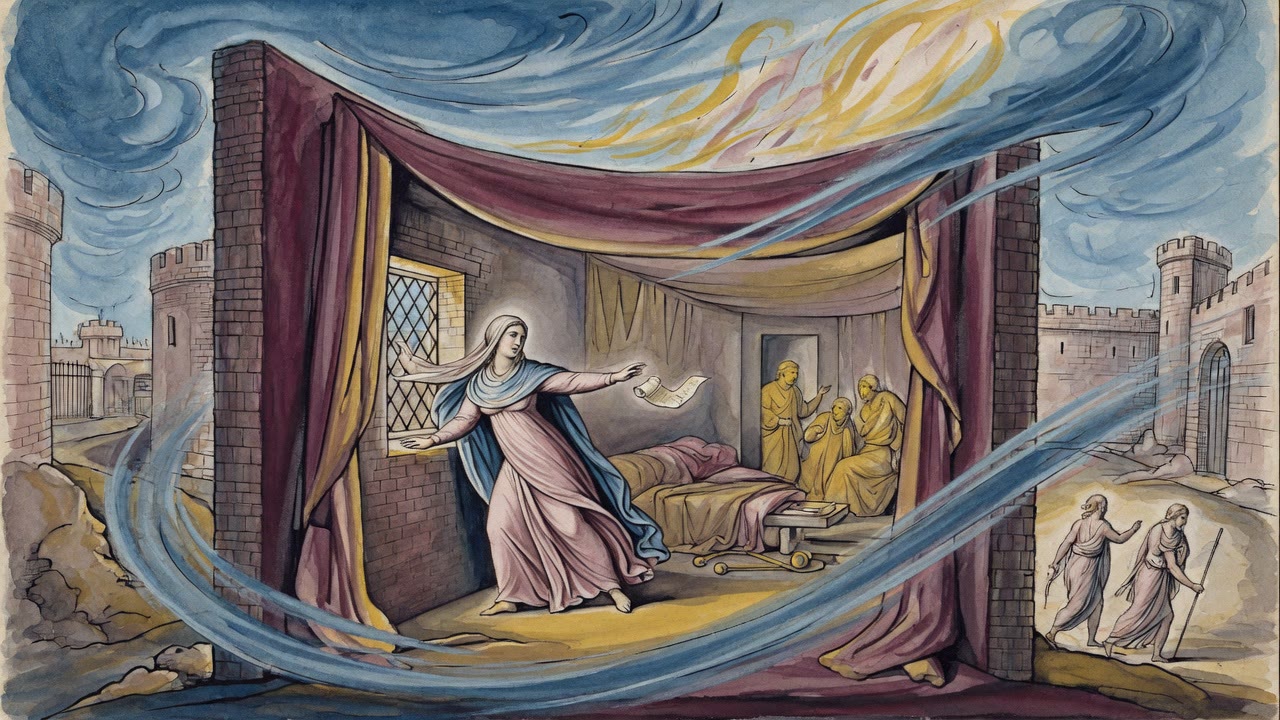
What the heavenly account recorded was something other than what Hamor proposed. Written before the events occurred and preserved on the tablets that the angels read, the verdict ran this way: on the day that Jacob's sons killed Shechem, a writing was inscribed in heaven in their favor. Not a legal finding of justifiable homicide. Not a grudging acknowledgment that the provocation had been great. A writing of righteousness. Levi and Simeon were set down in the record as men who had defended the covenant against defilement, and the ink of that judgment did not waver where Jacob's voice had broken.
The Law Behind the Violence
The text that preserved this verdict understood the act in terms of a law that had not yet been written. Israel had not yet stood at Sinai. There was no code, no book of ordinances on earth that prohibited what Shechem had done or named the penalty his killers chose. But the prohibition existed in heaven before it existed on parchment. The defilement of a daughter of Israel, given or taken by a man of the nations without marriage in the way that was set out, was written in the heavenly records as an act deserving of death.
So Simeon and Levi had enacted a punishment whose law was real even though it had not yet been transmitted to earth. They struck according to a statute no man had handed them, one inscribed where they could not read it, and the tablets ratified what their swords had done before any human court could have weighed it.
The Verdict That Could Not Be Spoken on Earth
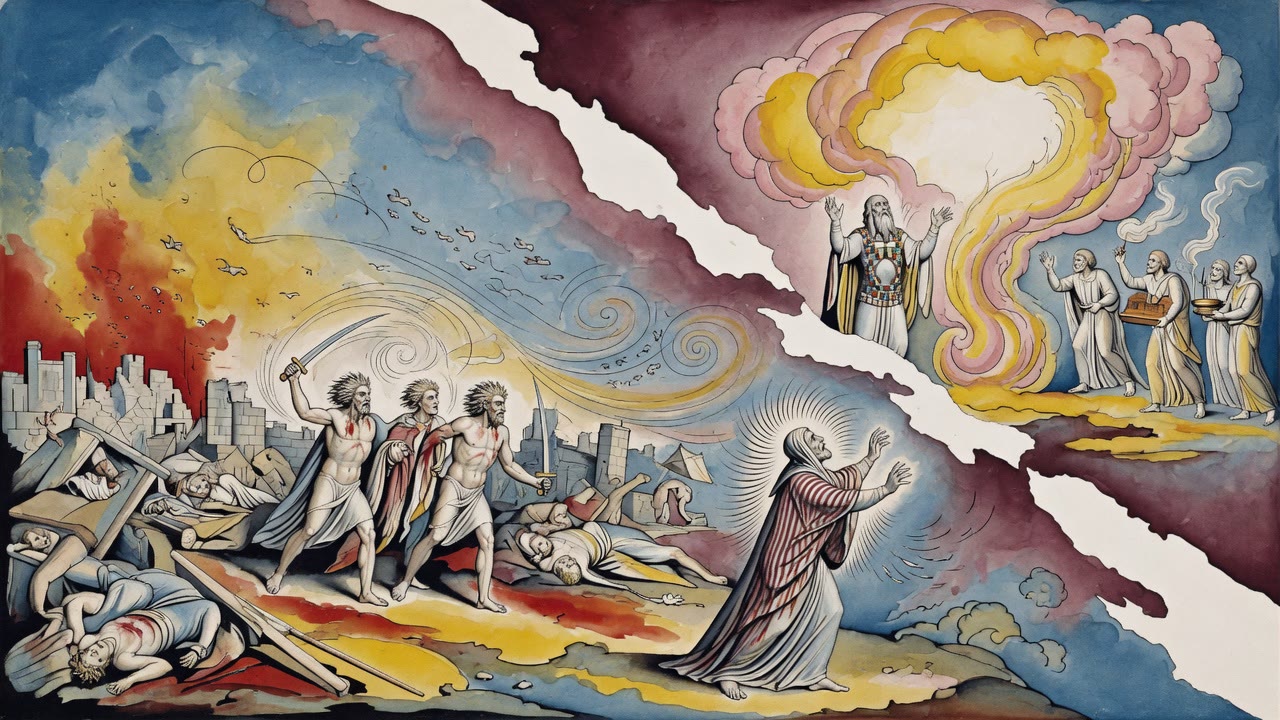
Jacob was right that the act endangered the family. The household was small, the land was full of armed peoples, and a single massacre could have brought them all to ruin. The sons were right that the act was demanded by the outrage done to their sister, that a daughter of the covenant could not be left in the bed of a man who had seized her like spoil. The tradition held both truths at once. It refused to collapse them into a single tidy lesson.
So the heavenly tablets carried the judgment that the earthly father could not bring himself to speak. Jacob, standing among the smoke and the captured cattle, could see only the danger and the stain on his name. Heaven, reading from a record older than the deed, wrote righteousness beside the names of his two sons. The father's rebuke and the angels' approval were both preserved, and neither was allowed to silence the other.
← All myths