Judith Called on Simeon's God to Crush the Proud
She rose from the floor with dust on her mouth. The name she had used was Simeon, the son who walked into Shechem with a sword.
Table of Contents
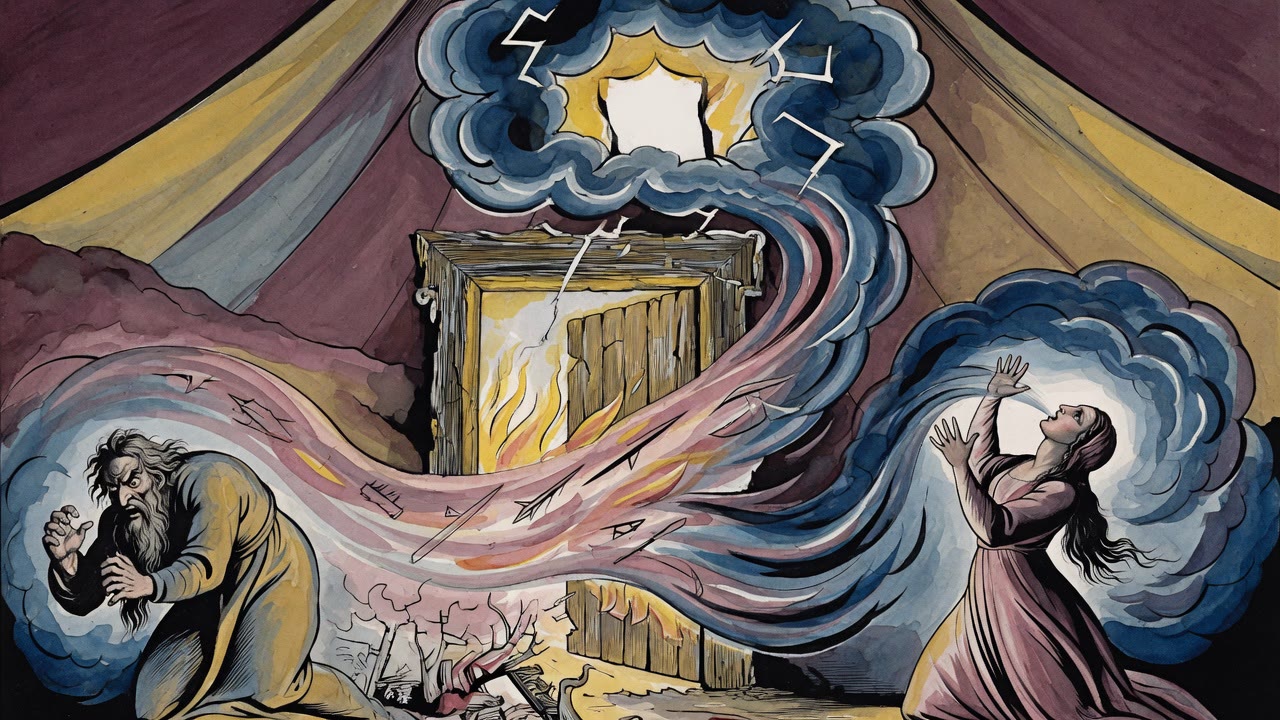 Click for full size
Dust on Her Mouth
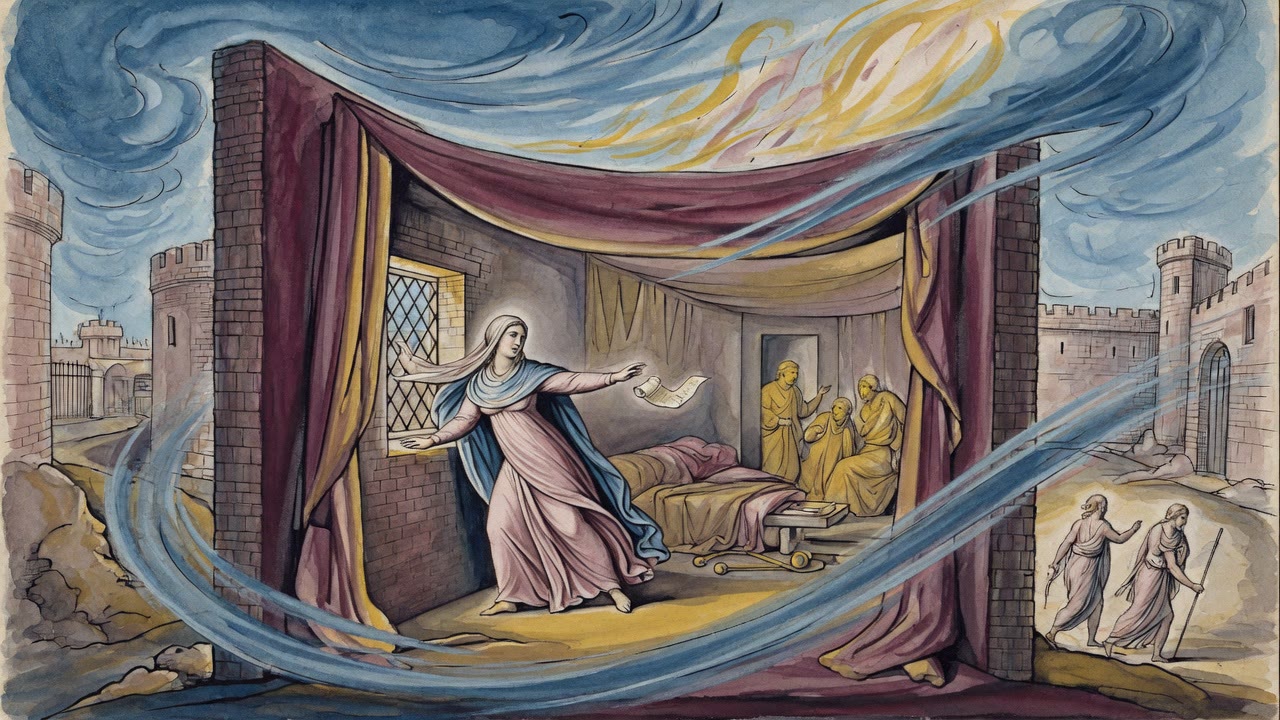
Judith had already decided. The sackcloth was still on her. Dust from the floor was still on her mouth. She had not asked God to choose for her. She had chosen, and the prayer she poured into the boards was a request that heaven ratify a plan already packed: jewelry, perfume, a bag of food, a maid at the door, a road into an enemy camp.
She did not call on the God of Abraham. She did not call on the God of Isaac or of Jacob. She called on the God of her father Simeon.
The Name She Chose
"O Lord God of my father Simeon," she said, "to whom you gave a sword to take vengeance on the strangers." She named the crime the way a woman names a wound. They loosened the girdle of a maid to defile her. They uncovered the thigh to her shame. They polluted her virginity to her reproach. God had said it would not be so, and they did so anyway.
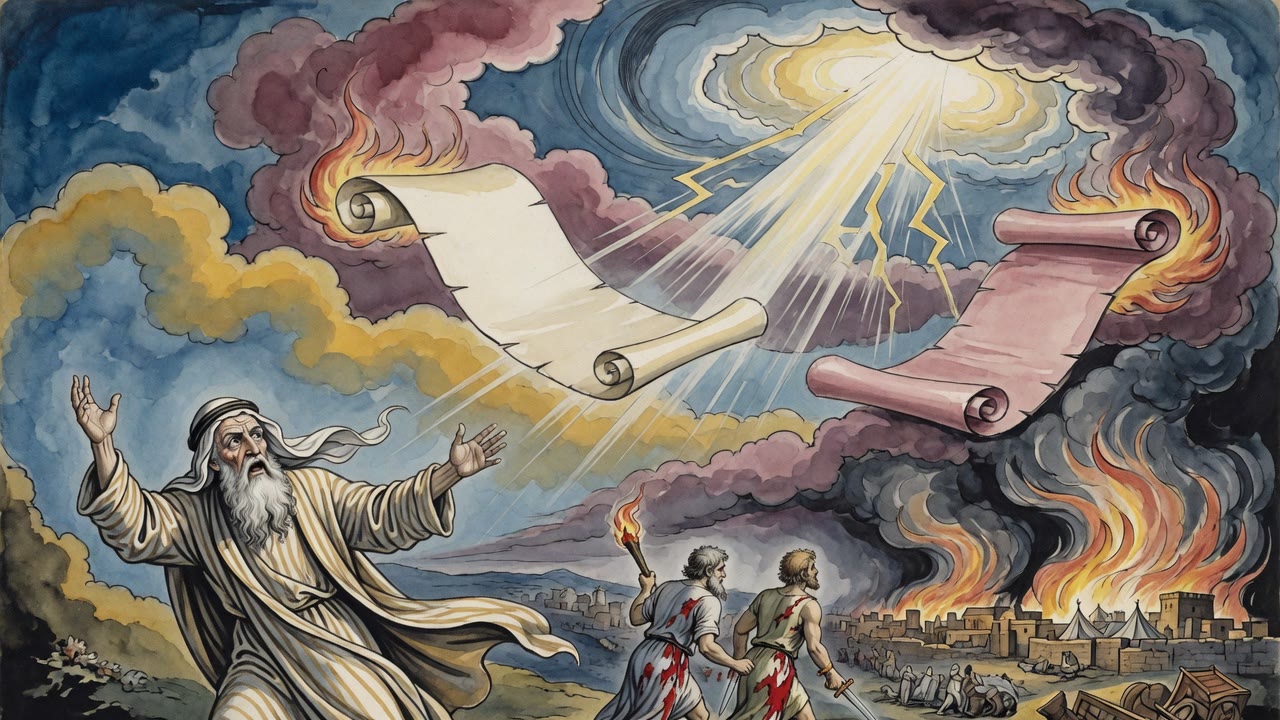
Therefore, she said, God gave their rulers to be slain. They dyed their bed in blood, being deceived. Servants fell with their lords, and lords upon their thrones. Wives became prey. Daughters became captives. Spoils were divided among children who had been moved with zeal and had called on God for aid.
Judith asked for that same hand. Crush the enemies. Give the humble a weapon. Bring down the proud by the hand of a woman. Not by an army. Not by a man with Simeon's old sword. By her.
The Third Day in Shechem
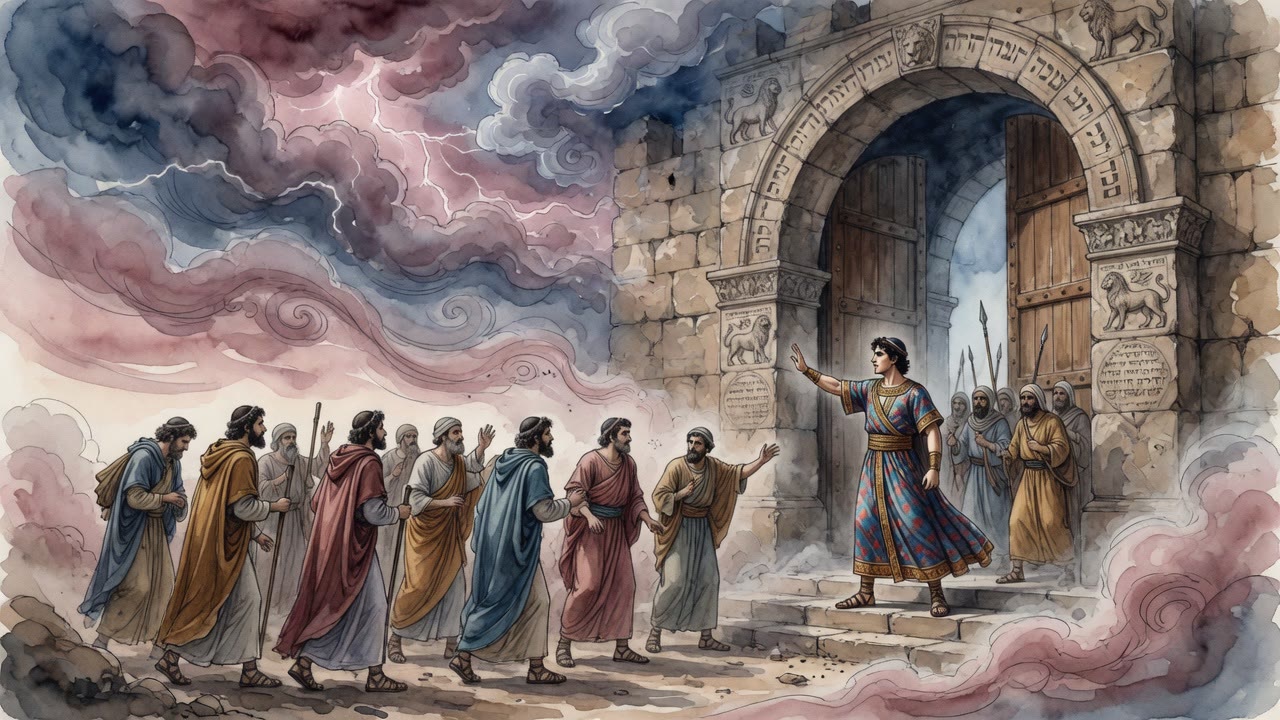
The prayer had a city inside it. Dinah had gone out to see the daughters of the land, and Shechem the son of Hamor had taken her. Hamor came to talk peace and marriage. Jacob's sons answered with a condition: circumcise every male, and then we will give our sister and live among you.
The men of Shechem agreed. On the third day, when no man in the city could rise from his bed, Simeon and Levi took their swords and went in and killed every male. They brought Dinah home. They took the flocks and the donkeys and the women and the children and everything in the city and the fields.
Jacob said they had made him odious to the people of the land. Simeon and Levi answered with a question the Torah records and never answers: should they have let their sister be treated like a whore? (Genesis 34:31). Judith knew that question when she braided nothing yet and still lay on the floor. She was invoking the man who had looked at a whole city that had wronged his house and decided the answer was a sword, timed to the hour the enemy could not stand.
The Old Man Confessed His Rage
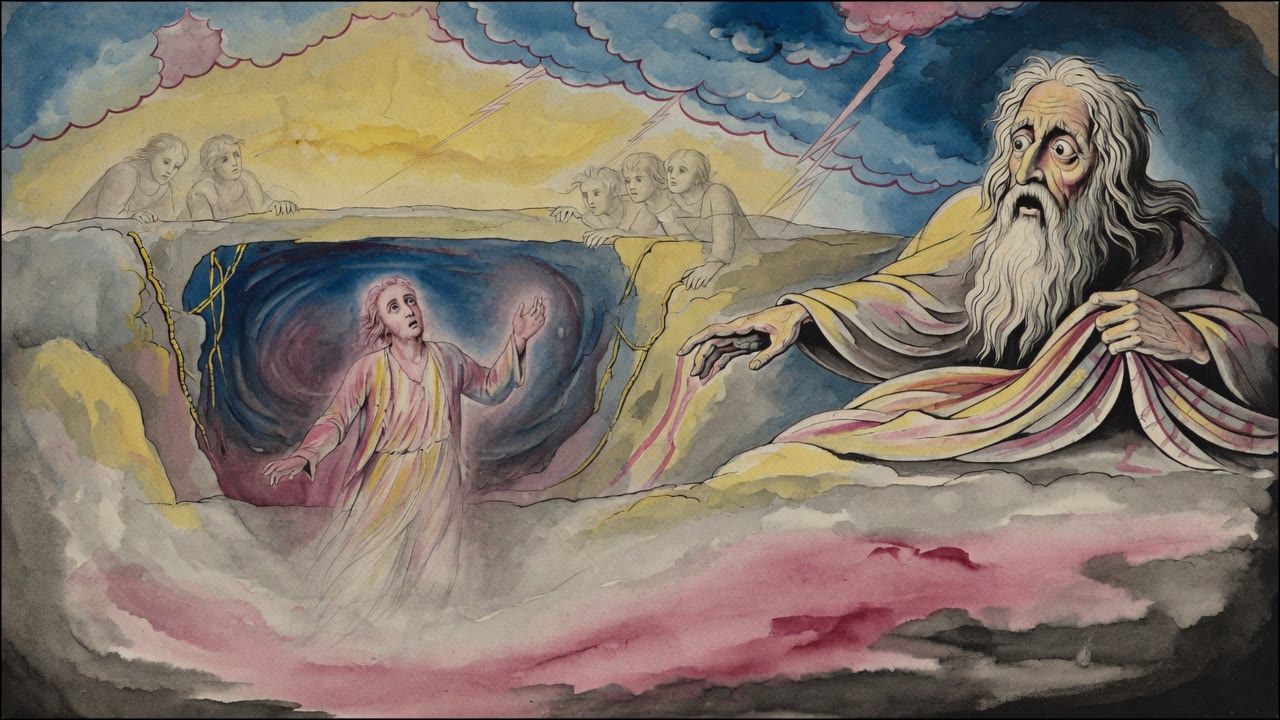
Simeon was not a clean hero, and he knew it late. In the hundred and twentieth year of his life, when Joseph had died and the old man's sons came to the bed, he sat up, kissed them, and confessed. His heart had been hard. His liver immovable. His bowels without compassion. In his youth he had been jealous of Joseph because Jacob loved that brother beyond all, and he had set his mind to destroy him.
He went to Shechem, he told them, to bring ointment for the flocks, while the plot against Joseph ran. When Judah sold the boy alive to Ishmaelites, Simeon's rage lasted five months. The Lord withheld the power of his hands. His right hand was half withered for seven days. He wept. He begged that the hand be restored, and that he hold aloof from envy and from folly. The same heat that had walked into Shechem for Dinah had also hunted a brother. Judith called on the first heat. She had heard of the second.
A woman going into a general's tent with perfume and a knife needs a God who has already given a sword. She also needs to know what that sword does to the man who carries it.
She Put Off the Sackcloth
She ceased to cry to the God of Israel. She completed the words. She rose where she had fallen down and called her maid. She went down into the house in which she lived on the sabbath days and on her feast days. She pulled off the sackcloth. She put off the garments of her widowhood.
Hair. Oil. Rings. The bag of food for the days she would have to eat in a camp that was not hers. The prayer was already behind her, still warm, still violent. The God of Simeon had been asked to crush the proud by a woman's hand. Judith stepped into the clothes that would get her through the gate.
Behind her on the floor, the dust still held the shape of a body that had refused a gentler name.
← All myths