Sodom Had Its Chance to Repent and Refused
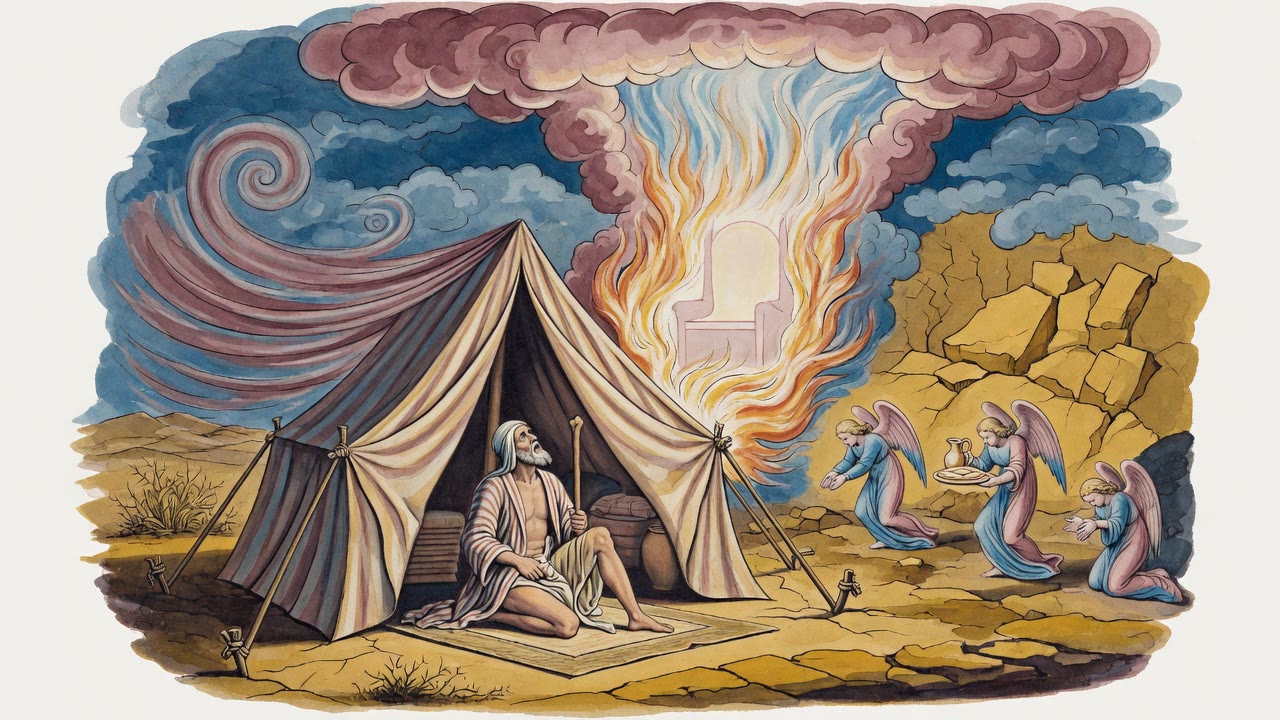
God said he would rain down on Sodom. The rabbis found a hidden offer in that word: rain can be water or fire. Sodom chose fire.
Table of Contents
 Click for full size
The Night the Angels Arrived
They came at evening. Two of them, walking into the city like travelers who had been on the road too long, looking for a place to sleep. Lot was at the gate. He saw them and knew they were not ordinary, though the text of Genesis does not say how he knew. He pressed them hard to come inside. They refused first, saying they would sleep in the square. He pressed again. They came in.
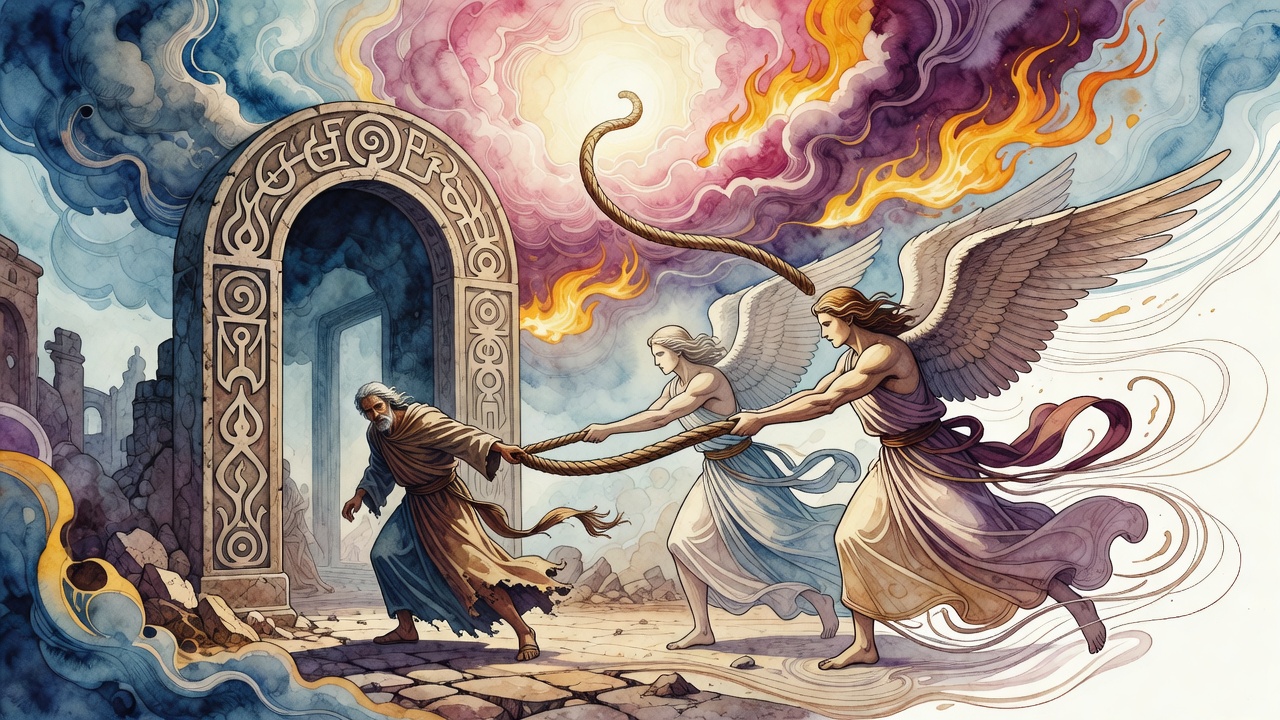
He baked unleavened bread and set food before them. They had not yet finished eating when the sound started outside. All the men of Sodom, young and old, surrounding the house. Their demand was not ambiguous. Lot went outside and shut the door behind him and offered his daughters instead, and they rejected that offer too, and they pressed forward to break the door down, and the angels pulled Lot inside and struck the crowd with blindness, and the crowd, blinded, kept pressing forward to find the door.
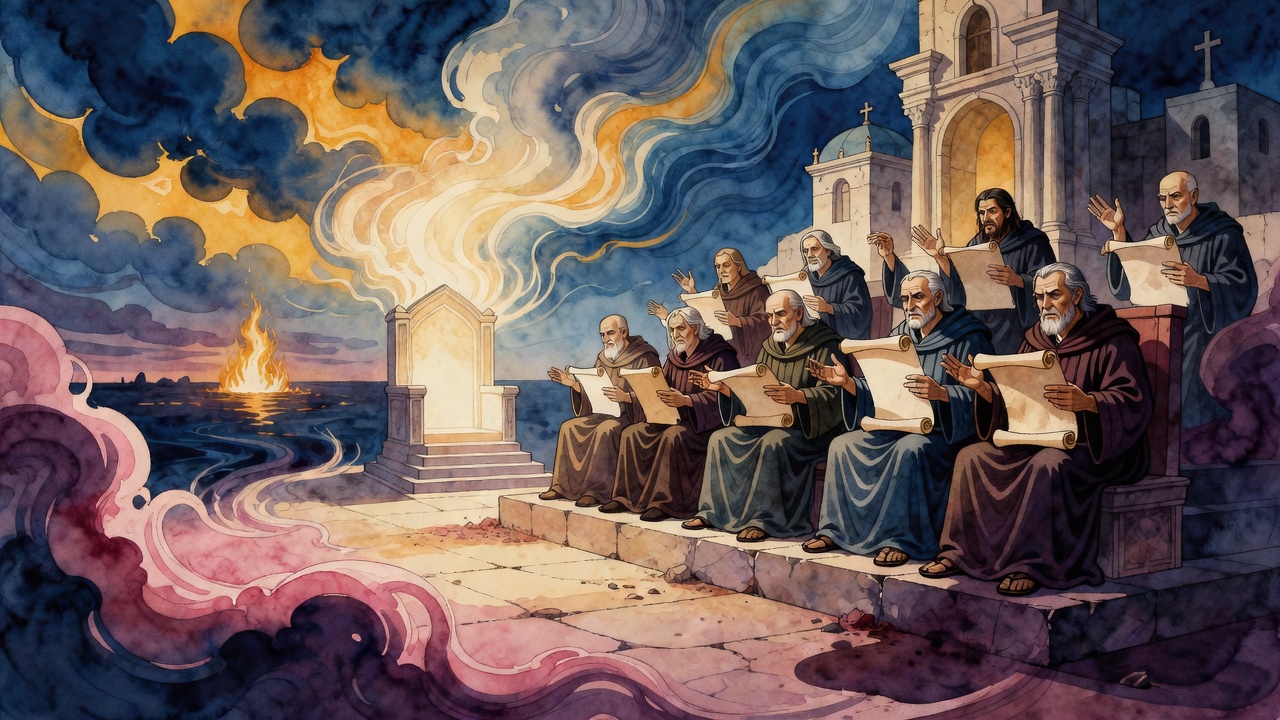
This is the city that was about to be destroyed. But what the rabbis noticed, in the Mekhilta and in the Aggadic literature (the rabbis' storytelling tradition, as distinct from law), was what happened before this scene. Not the destruction. The waiting before it.
What God Said He Would Rain Down
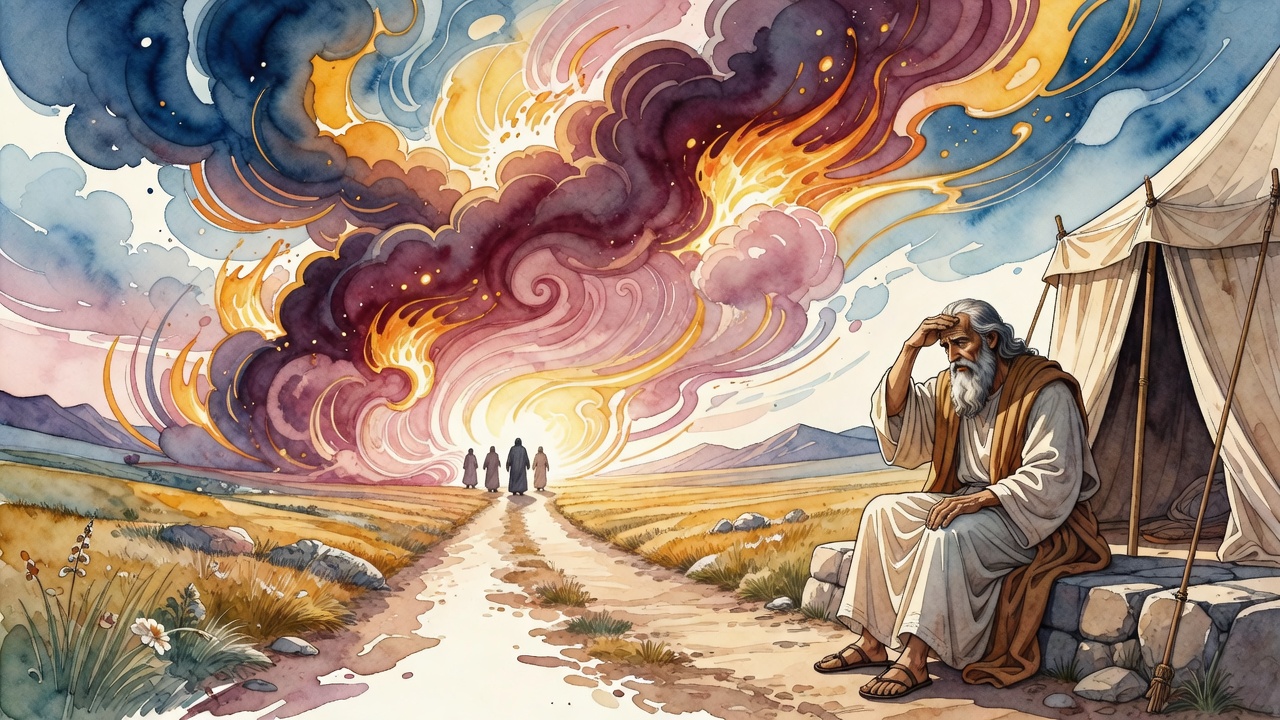
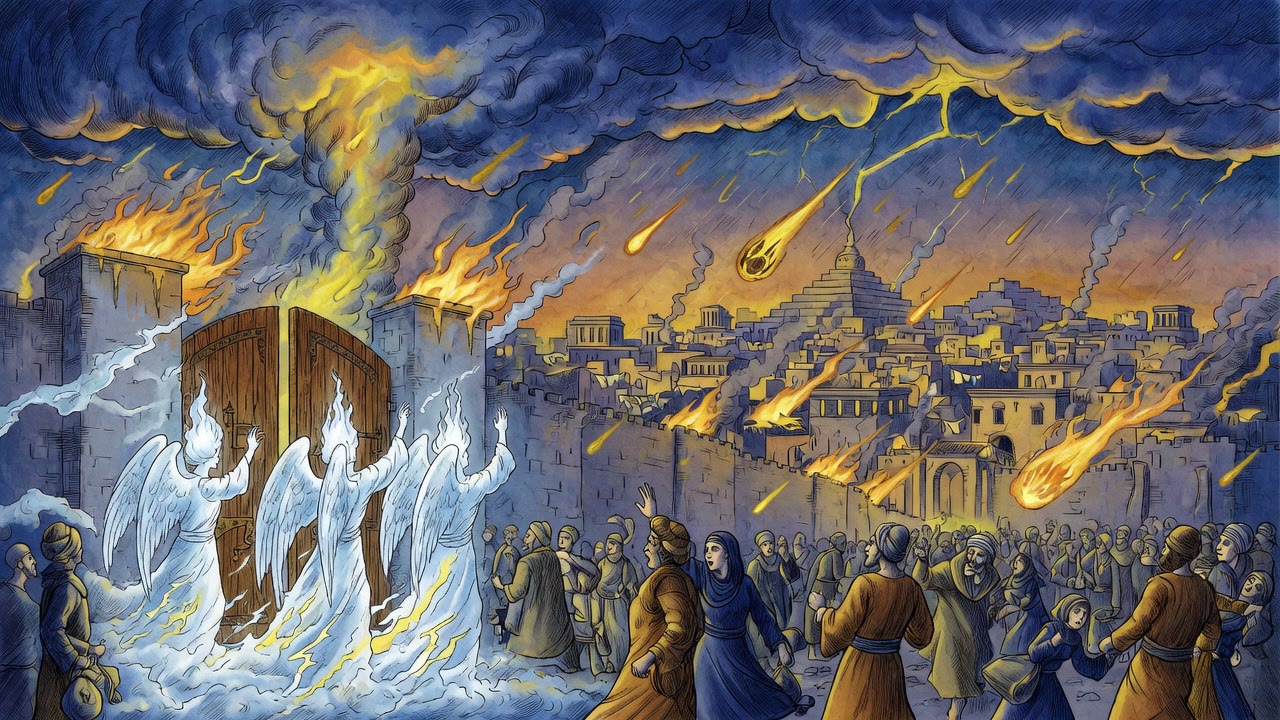
Before any of this, God told Abraham that the outcry of Sodom and Gomorrah had become great, and he would go down to see (Genesis 18:20-21). Then came the angels, then came the night at Lot's house, and then: "God rained down upon Sodom and upon Gomorrah brimstone and fire from heaven" (Genesis 19:24).
The word in that final verse is the same word used for rain. Ordinary rain. The rain that waters the earth and fills the cisterns.
The Mekhilta read this as a hidden offer. If they repent, God says: rain. The word "rain" in the decree contains within it the possibility of ordinary rain, the blessing kind. The same sentence that announces destruction announces the condition under which destruction would not come. The rabbis found both meanings in the same word and refused to choose between them.
When they did not repent, the rain became what it said it would become: brimstone and fire. The same word, the same grammatical slot in the sentence, two completely different outcomes depending on what Sodom chose.
The People Who Refused to Turn
The Midrash Aggadah fills in the details of Sodom's character with a precision Genesis lacks. The city was rich. It sat in a valley so fertile that the land itself seemed to be an argument for God's existence, a place visibly blessed. And they used it to refine their cruelty.
They had laws. This is what the tradition found most damning: Sodom was not a city of chaos but a city of organized injustice. They had judges. They had procedures. Their system was designed with juridical precision to protect the wealthy from any obligation to the poor, and to punish anyone who violated that arrangement. A traveler who came to Sodom and was given a bed that did not fit him was stretched or trimmed to fit the bed. A traveler who was given food was brought to court and fined for receiving charity without a license. Generosity was a crime in Sodom because generosity threatened the order.
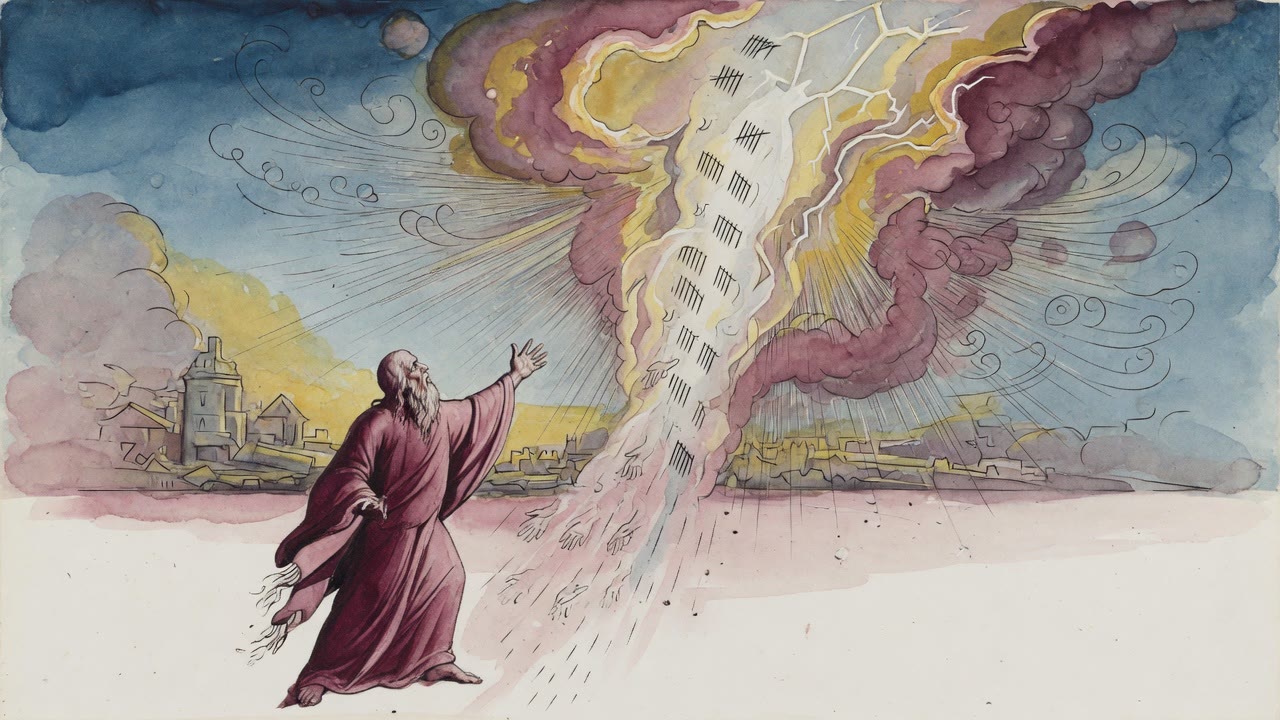
When Abraham's servant Eliezer was pelted with stones in Sodom, he went to court to demand justice. The judge told him: you have a bruise on your forehead. Under our law, the man who gave you that bruise is owed medical fees for the bleeding he caused you. Eliezer picked up a stone and hit the judge in the head and told him to pay his own debt to the man who had just hit him.
The Window That Closed
God did not destroy Sodom because the city was messy or chaotic or ungoverned. God destroyed it because the city had been given every advantage, wealth, fertility, law, order, and had organized all of it in the service of deliberate cruelty. The outcry that reached heaven was not the outcry of war. It was the outcry of the poor being destroyed systematically by a people who had decided that wealth was the only moral category that mattered.
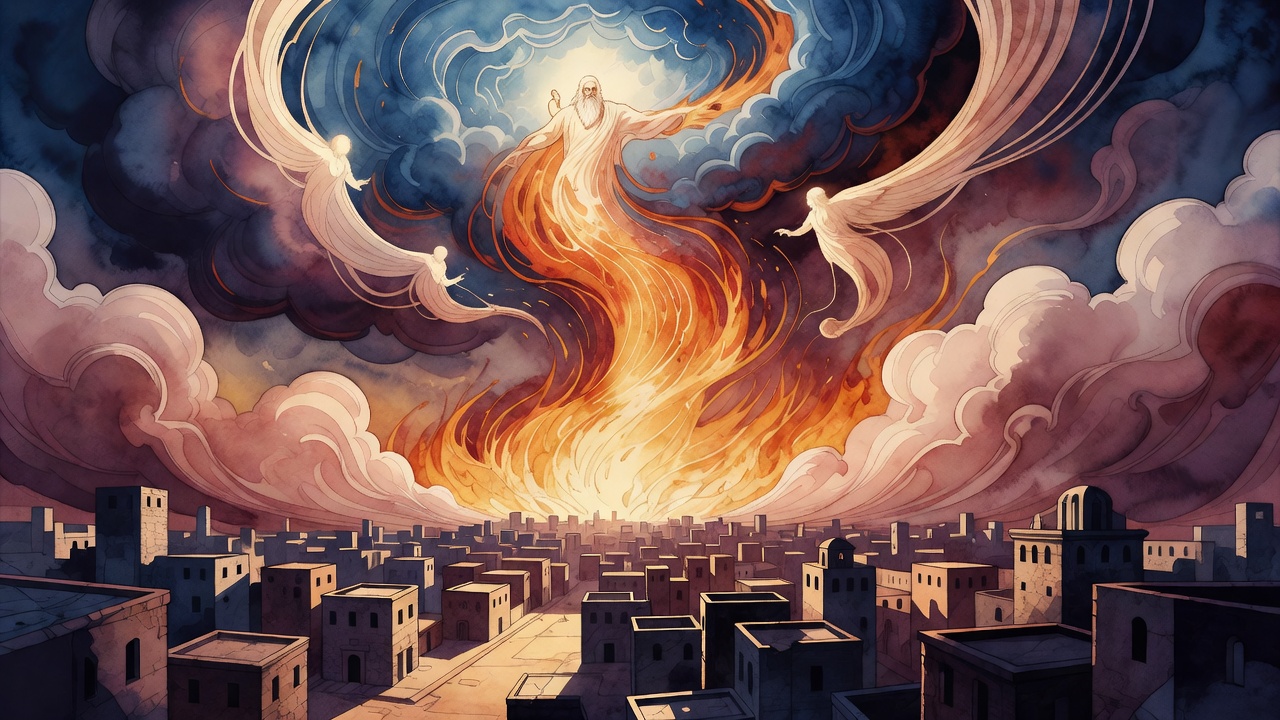
The rain fell. Not water. Fire.
Lot's wife looked back and became a pillar of salt. Lot and his daughters emerged from the smoke. The plain, which had been as lush as the garden of God (Genesis 13:10), became what it is described as today: scorched earth, bare rock, the memory of water where water no longer reaches.
The rabbis did not take pleasure in this. They noted the waiting, the offer, the word that could have been either rain or fire. They wanted the record to show that the door had been open. They wanted it understood that Sodom closed it from the inside.
← All myths