Cain Invented Repentance and Told His Father About It Secondhand
Cain killed his brother and then, the rabbis say, invented repentance. Adam heard about it and struck his own face. He had not figured it out yet.
Table of Contents
 Click for full size
The Discovery Nobody Could Have Taught Him
There is no one to teach you repentance the first time you need it. Your parents learned it after the fact, the same way you will. They know what it is because they required it, not because they had it handed to them in advance. This is the problem that Vayikra Rabbah, the fifth-century midrash on Leviticus, presses on with unusual specificity. The first human being to discover what repentance could actually accomplish was Cain. Not Adam, who had the longer and more obvious list of reasons to need it. Cain. The first murderer. He stumbled onto it accidentally, in the immediate aftermath of the worst thing a person can do, and the first person he told was his father, who did not yet know about it.
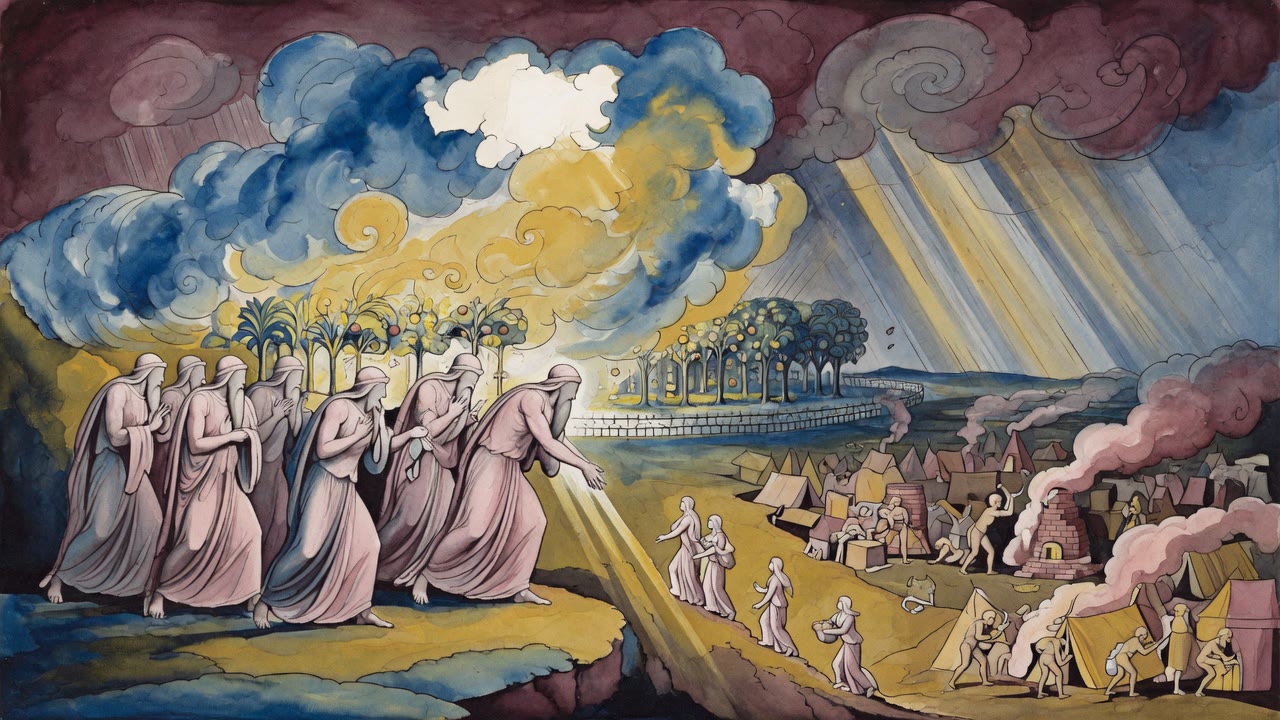
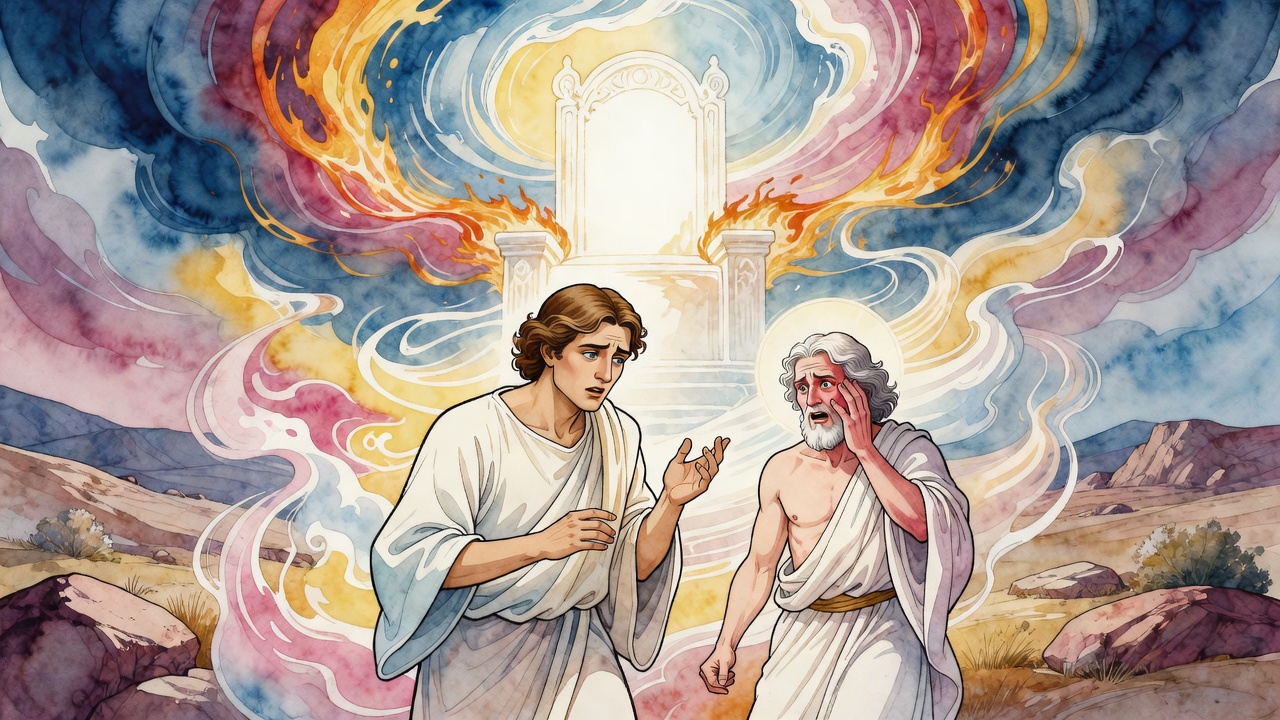
The scene between Cain and Adam, preserved in Vayikra Rabbah 10, is brief and devastating. Adam met his son somewhere, in the land of Nod or on the road to it, and asked: what happened with your judgment? Cain said: I repented, and my sentence was lightened. The text says Adam struck his own face. Not in grief. In recognition of something he had missed.
The Word That Could Be a Confession
Pirkei DeRabbi Eliezer, the early medieval midrash compiled in eighth or ninth-century Palestine, preserves the moment at which repentance first appeared. God confronted Cain after the murder. Cain's response in Genesis 4:13 is grammatically ambiguous in Hebrew: gadol avoni minso, "my iniquity is too great to bear." The plain reading treats this as complaint: the punishment is too severe. But Pirkei DeRabbi Eliezer reads it differently. Cain was not protesting the sentence. He was naming what he had done. He was saying: the size of my sin is something I recognize, something I cannot hold up or move away from. And God, who had just sentenced him to wander, marked him. Not to humiliate him. To protect him from being killed by anyone who found him alone on the road. The mark of Cain in this reading is a sign of divine mercy given to a man who had just demonstrated something unprecedented: the capacity to see what he had done without flinching away from it.
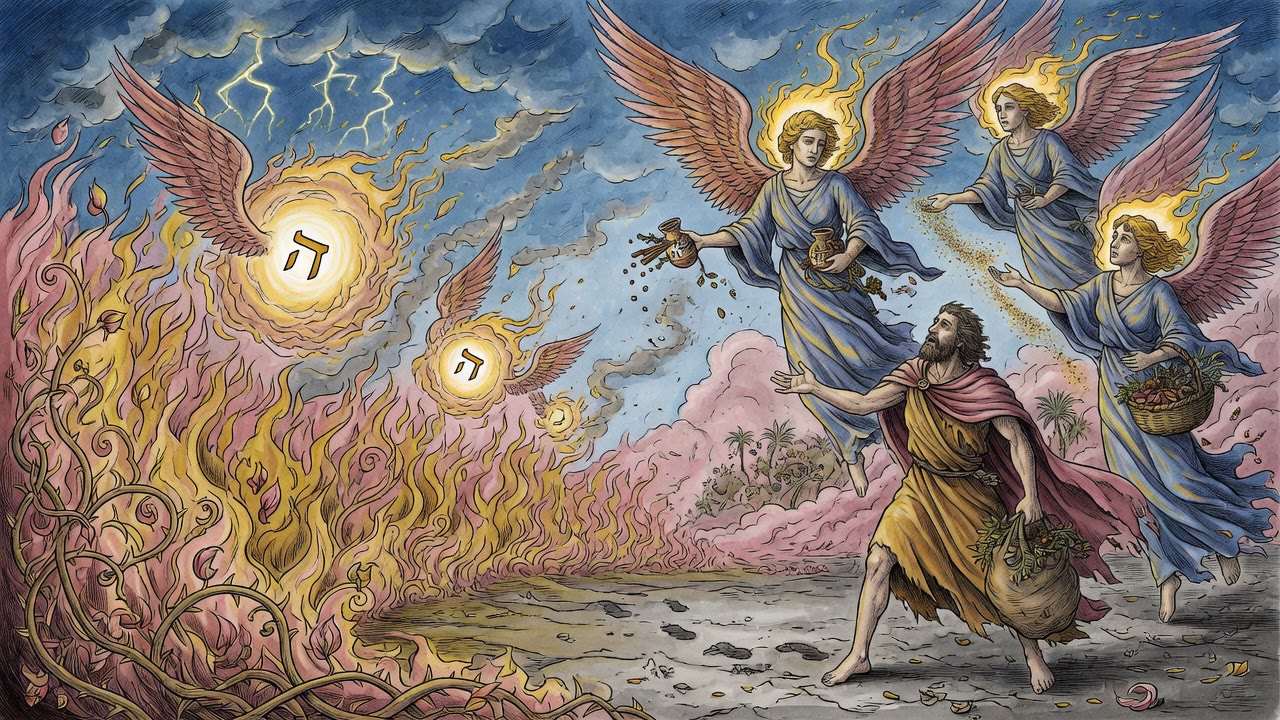
The mark itself, in some traditions, was a single letter of the divine name written on his forehead. God took one letter from his own name, as it were, and placed it on the first murderer, as a signal to the world that this man was under divine protection precisely because he had turned toward his sin and named it.
Cain Walked Into Nod as Something New
Bereshit Rabbah, the foundational midrash on Genesis compiled in fifth-century Palestine, records the debate over what Cain actually did when he left God's presence. Two traditions run in parallel and neither cancels the other. Rabbi Yudan, quoting Rabbi Aivu, says Cain fooled God: he cast the divine rebuke behind him as if he could deceive the Most High, walking away from accountability while performing contrition. Rabbi Berekhya, in the name of Rabbi Elazar ben Rabbi Shimon, adds a harder image: Cain departed "as one who shows a split hoof." Like an animal that displays the external sign of being fit while being inwardly unfit. The display of repentance without the substance of it.
These two traditions do not resolve into one answer. The Bereshit Rabbah preserves both and lets them sit side by side, which is its own statement. The tradition is not certain whether Cain truly repented or performed repentance. What it is certain of is that the category of repentance, the possibility of it, was first encountered by Cain, whatever he in the end did with it.
The Debate About Which Works Better
Vayikra Rabbah 10 turns the discovery into a formal theological argument. Rabbi Yehuda and Rabbi Yehoshua ben Levi argue about the relative power of repentance and prayer. Rabbi Yehuda says repentance accomplishes half and prayer accomplishes all: repentance can partially reverse a harsh heavenly decree, but prayer can wipe the slate entirely clean. Rabbi Yehoshua ben Levi reverses the argument: repentance accomplishes all, prayer only half. To support his position, Rabbi Yehuda bar Rabbi invokes Cain directly. Cain's sentence was reduced. Not eliminated: he still wandered, he still bore the mark. But what had been decreed was lessened. That is what repentance could do. Not undo, but reduce. Take the worst and make it survivable.
Adam, who had eaten the fruit and known sin before his son was born, who had heard the divine verdict in the garden and had been expelled from it, had not found his way to that door. His son found it by committing a worse act than his father had ever committed. There is no comfortable reading of that fact. The tradition offers it without comfort.
← All myths