Reuben Lost Three Crowns and Sent His Sons to Levi
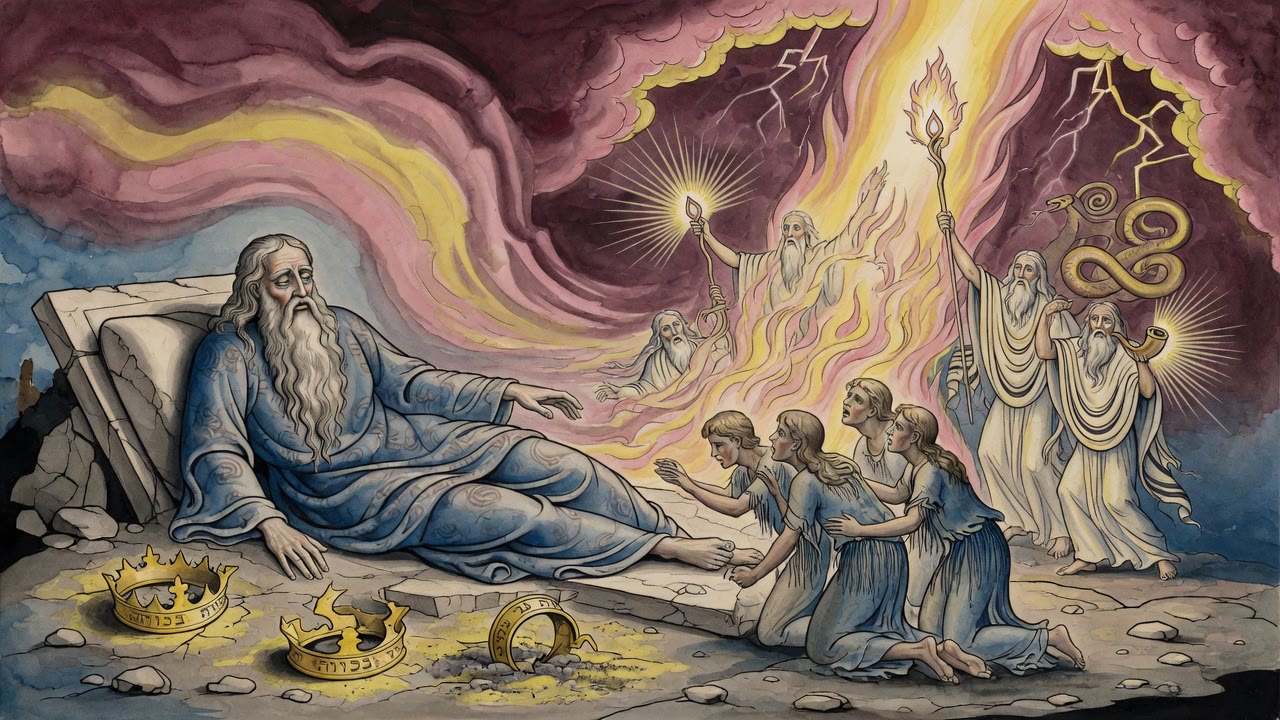
Reuben was born first and lost three crowns. Dying, he gathered his sons and told them to cleave to Levi, who would carry the priesthood.
Table of Contents
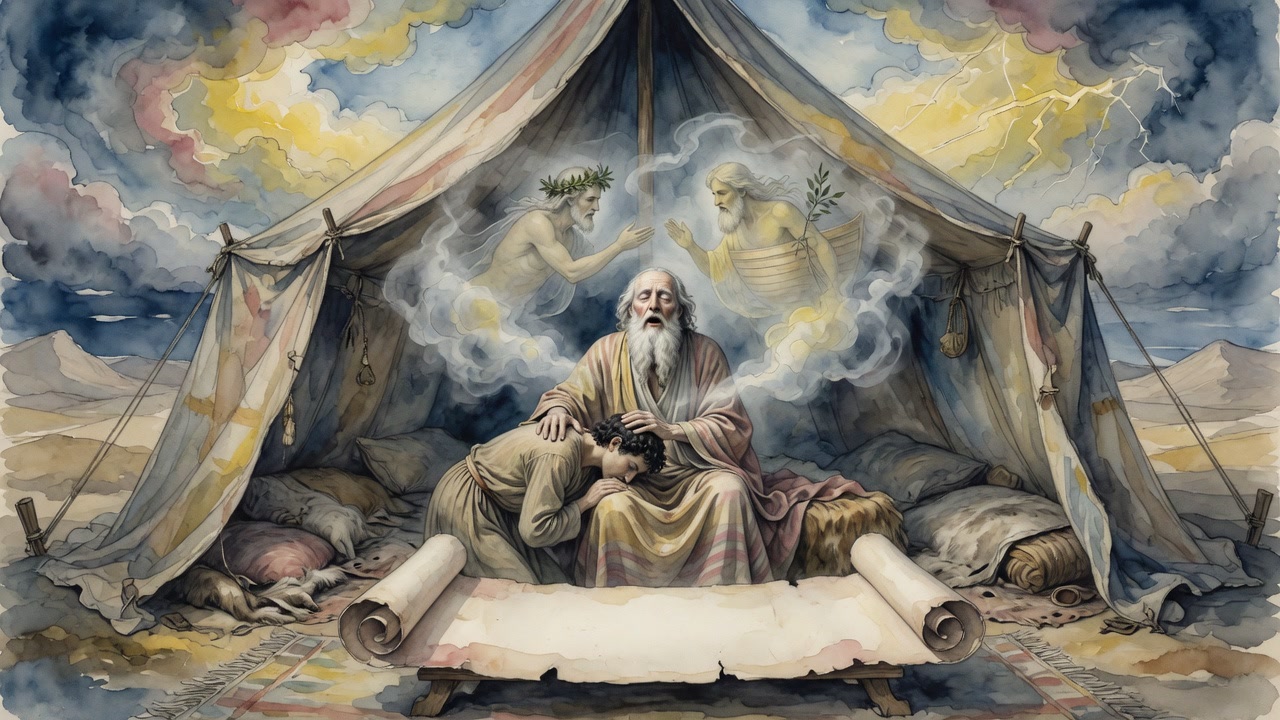
The old man's chest rose and fell like a tide going out, and around the low bed his sons leaned close, waiting for the words that would tell them what they had inherited. Outside, the flocks moved in the dust. Inside, Reuben wet his lips and looked at the faces of his children, and what he meant to say was not what a firstborn's children expect to hear.
 Click for full size
The Bed He Climbed Into
He had been the first. Born ahead of all of them, the beginning of his father's strength, the one the whole order of the world bent toward. The eldest took the double share. The eldest stood between the family and Heaven, the eldest led. All of it had been his by the simple fact of coming out first, and he had carried it for a season the way a boy carries something too large for him, certain it could never slip.
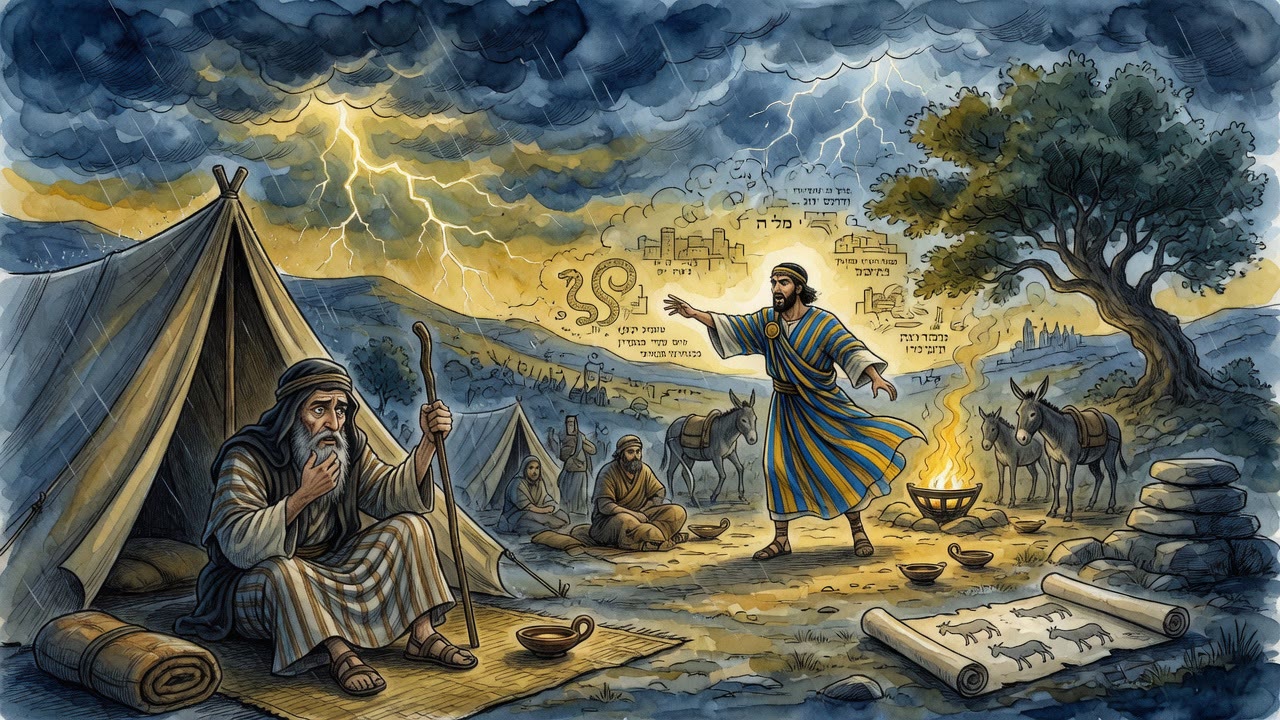
Then there was a tent, and a woman who was not his, and a night he could not undo. He went up onto his father's bed, to Bilhah, and Israel heard (Genesis 35:22). Scripture sets it down in a single breath and walks on, as though even the words are ashamed to linger. No reason given. No quarrel recorded. Just the act, and the silence after it, and a father who said nothing while the years filled up with it.
The Word at His Father's Deathbed
The accounting waited a long time. It came when Jacob lay dying and called his sons around him as Reuben would one day call his own. The old man looked at his eldest and named him true. "My firstborn," he said. "My might. The beginning of my strength." Then the turn came in the same breath, soft and final as water finding its level. "Unstable as water, you shall not have the excellency, because you went up to your father's bed" (Genesis 49:3-4).
That was the moment the crowns left him. Not torn off in a single blow but scattered, parceled out among the brothers who had stood beside him in the cold and the heat all those years. He watched it happen with his own eyes and could say nothing back, because the charge was just.
Three Crowns to Three Brothers
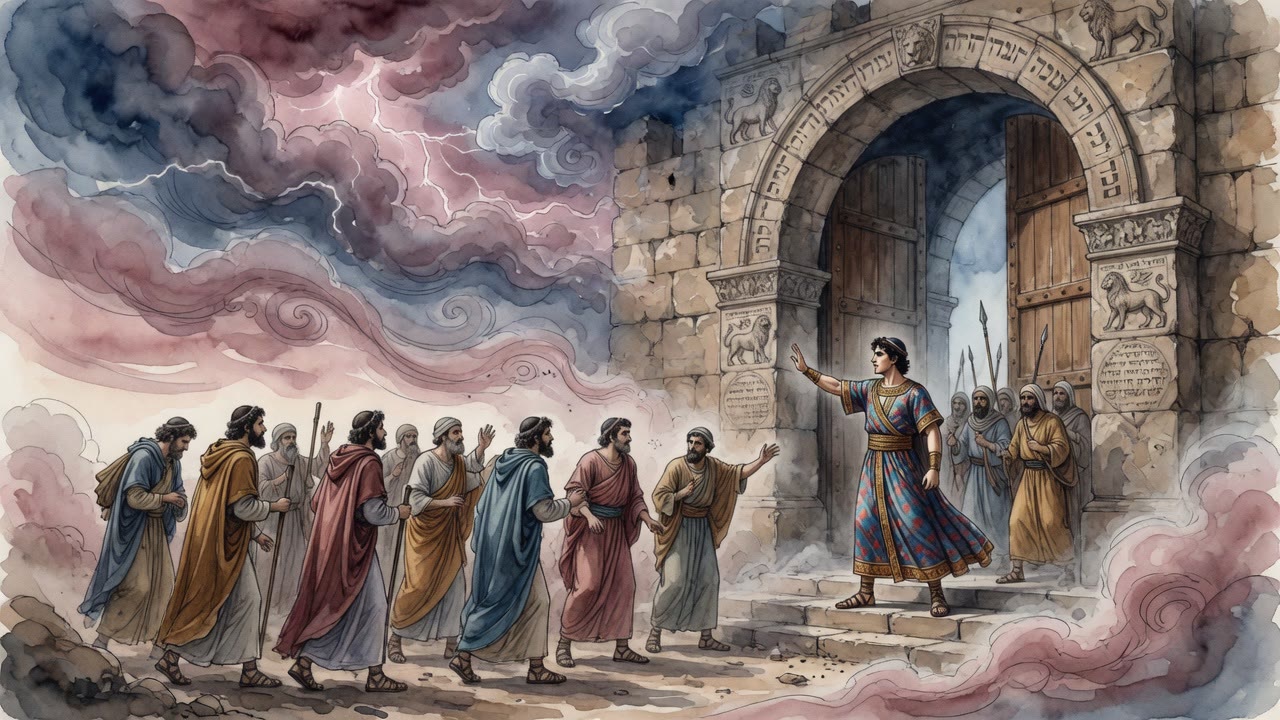
The double portion, the inheritance of the firstborn, went past him to Joseph's sons, so that two tribes would stand where one should have. The kingship, the right to rule and to lead the people out and bring them in, settled on Judah and stayed there. And the third crown, the one that mattered most to a man at the edge of his life, the priesthood, the standing before the altar, the carrying of the people's offerings up to God, that went to Levi.
Three crowns. He had held all three on the day he was born and held none of them now. He had spent his manhood watching his brothers walk into rooms that should have been his, lift vessels his hands should have lifted, speak with an authority that had once been promised to him in the cradle. A lesser man would have let that curdle. A lesser man would have spent his last hours teaching his sons to want it back, to press the old claim, to remind the family forever what had been taken.
What He Told His Sons Instead
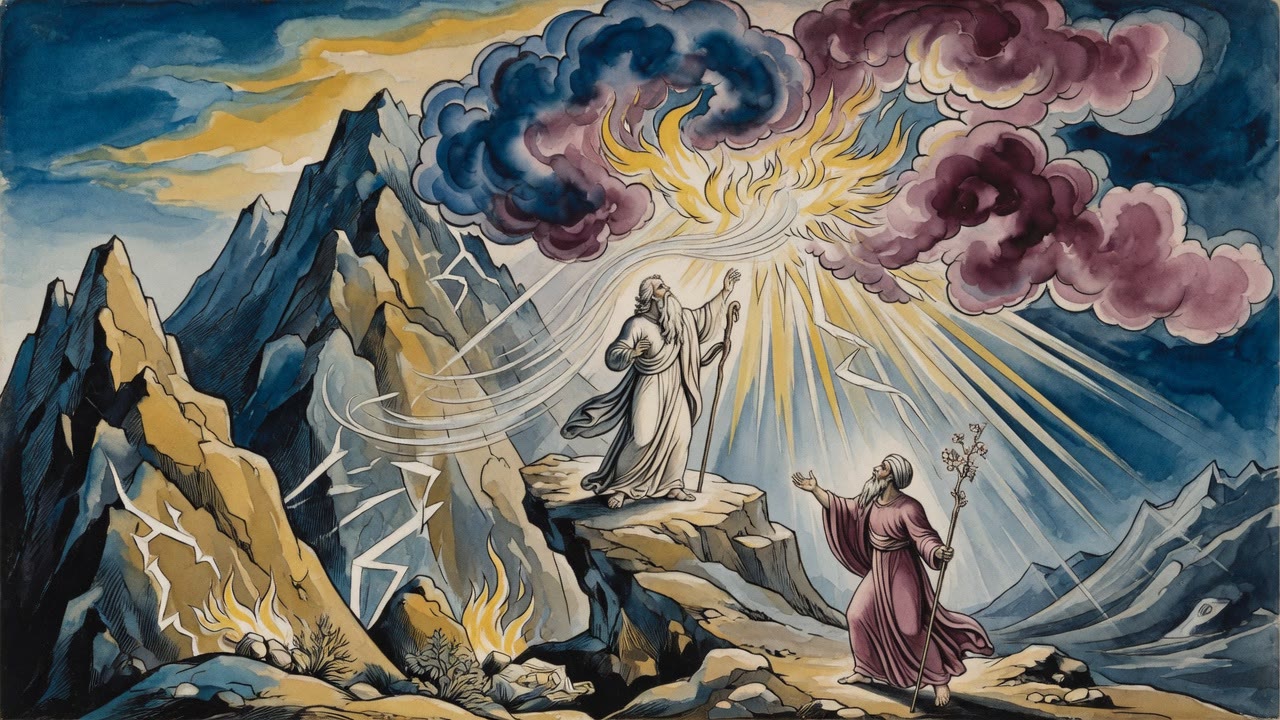
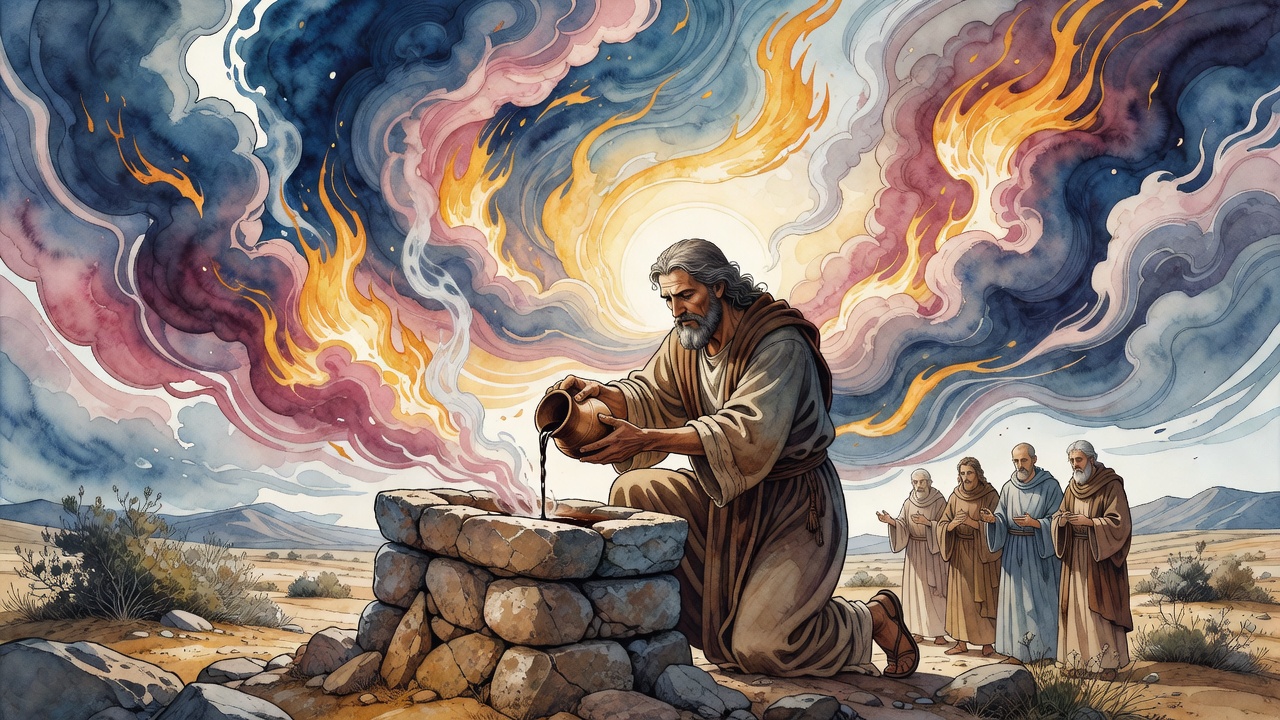
He did the opposite. Gathering his children to him, his voice carrying the weight of everything he had lived through, he told them to cleave to Levi. Not to fight the brothers. Not to nurse the grievance into the next generation like a coal kept alive under ash. "Cleave to Levi," he said, "because Levi will know the law of the Lord. Levi will give the ordinances for judgment. Levi will bring the sacrifices for all Israel, his hands lifting up what the people owe to Heaven."
Think of what that costs a man. He was sending his own sons to the brother who held the very crown he had forfeited, pointing them toward the altar he would never again approach, telling them the future of the family ran straight through the one office he had lost. He named Levi's gift out loud and put his children's feet on that road. The man who faltered was setting the line that would not falter.
The Charge He Left Behind
He did not stop at the priesthood of his own brother. He spoke of what would come down through Levi after him, the line that would carry the law and the service of God forward through the generations, a thing larger than any single man's wounded pride. Follow that, he was telling them. Build your lives toward the study of God's law and the brother who keeps it, and you will have something steadier than a birthright.
So the eldest son, the one who lost three crowns, gave his children a charge worth more than any one of them. Not a claim to press, not a wrong to avenge, but a direction to walk. "Cleave to the law of the Lord. Cleave to Levi, who carries it." The flocks moved in the dust outside, and inside the old man's breath went out and did not come back, and his sons rose from the bed knowing exactly where they were meant to go.
← All myths