15 myths
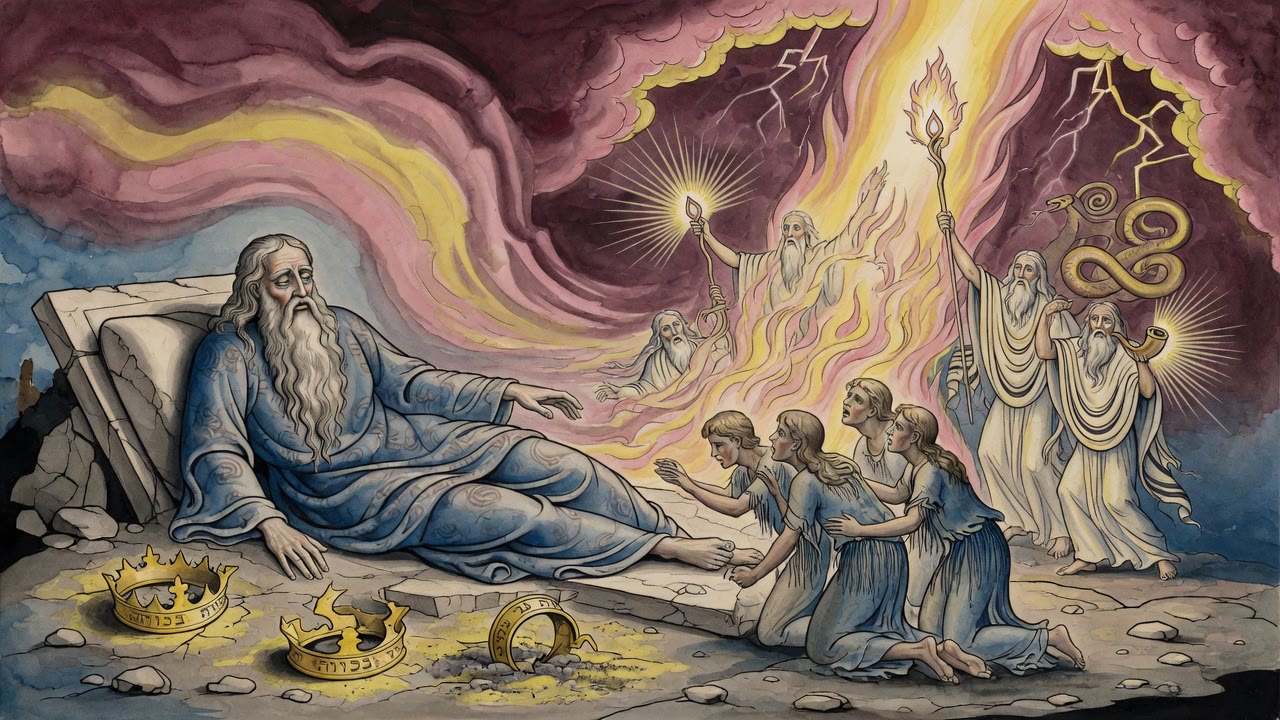
Reuben was born first and lost three crowns. Dying, he gathered his sons and told them to cleave to Levi, who would carry the priesthood.
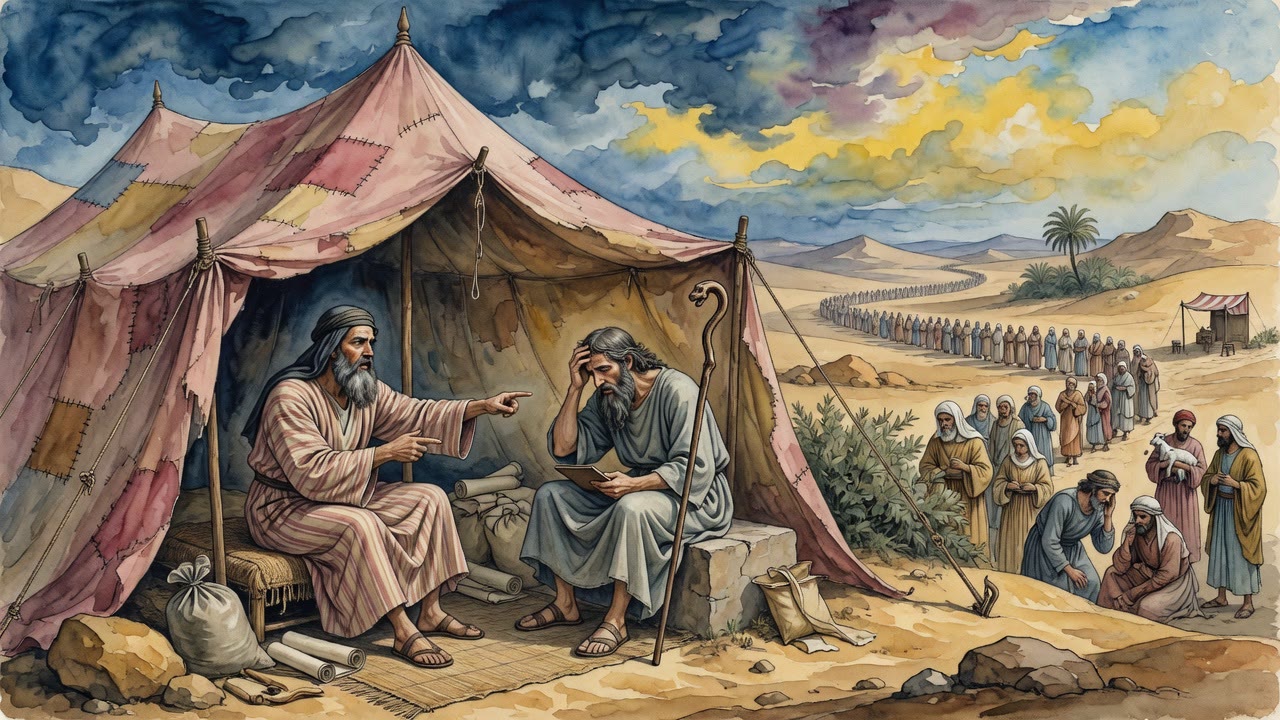
Jethro had served every idol in Midian. He watched Moses judge alone from dawn to dark, then said four quiet words that saved a nation.
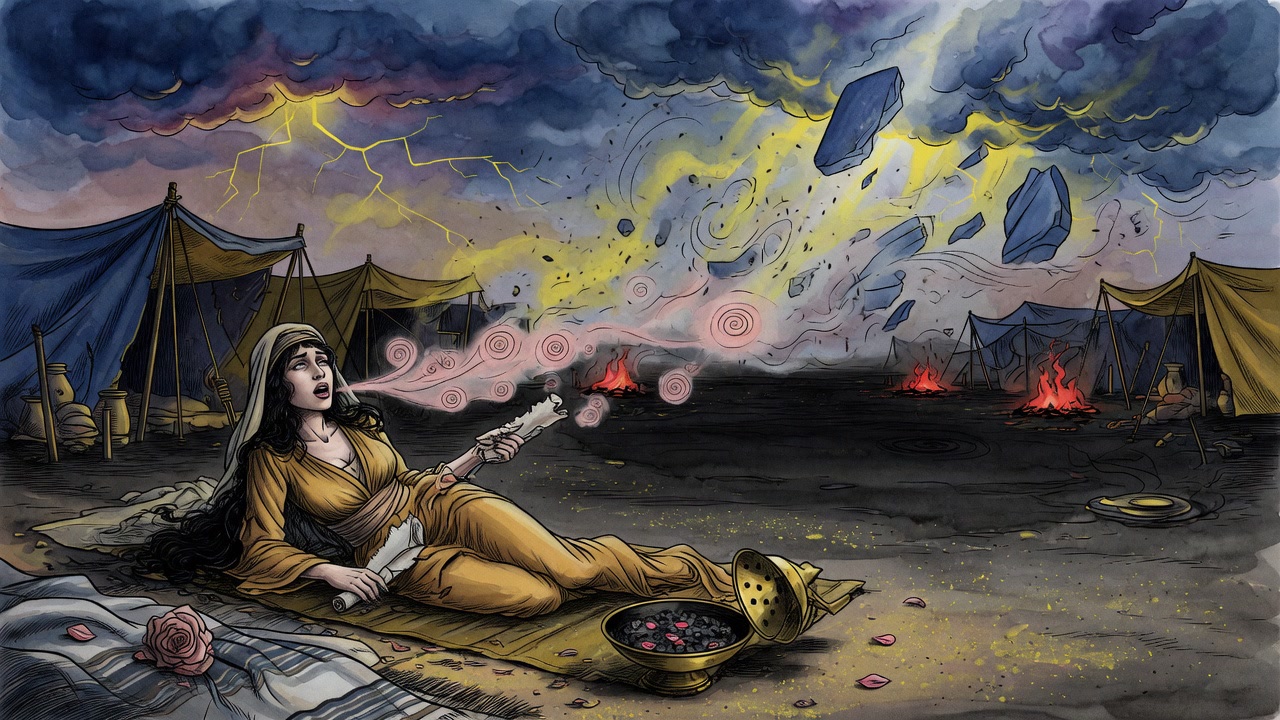
He dropped his voice so the camp would lean in. He told them about a widow and two daughters. The laws were real. The woman was not.
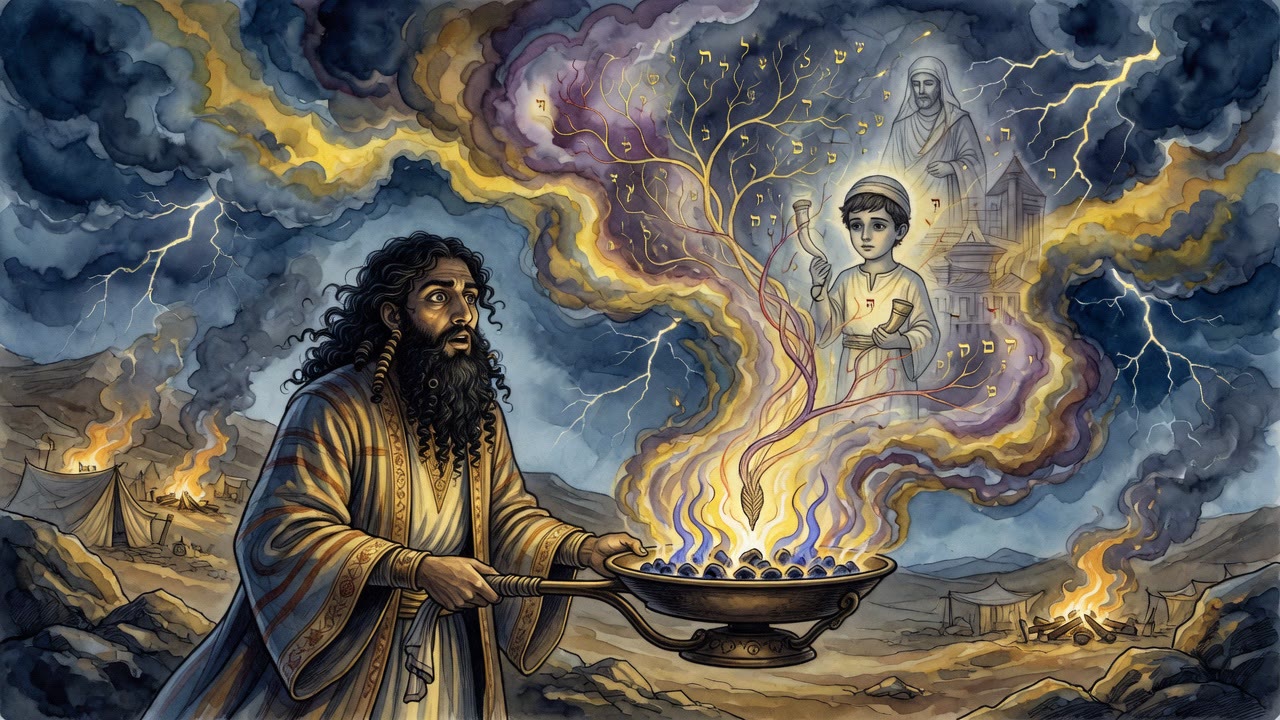
Korah saw Samuel shining in his bloodline and read the vision as permission. He reached for the fire-pan, and the fire reached back.
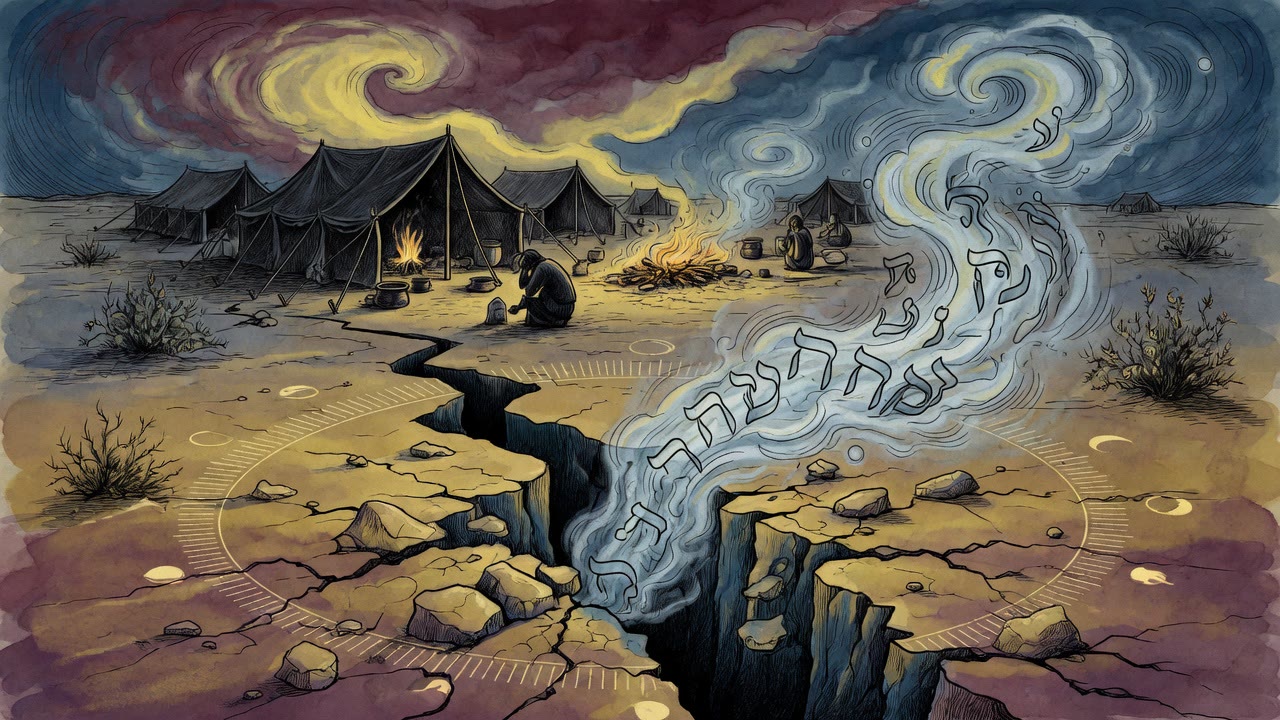
A Bedouin led Rabbah to two smoking cracks in the desert. Wet wool on a spear came up scorched. From below, Korah was still talking.
Before the decree, Haman offered Mordecai shalom. Mordecai answered with a verse from Isaiah. Some peace is camouflage for violence.
Korah recruited followers with a story about a widow and her one field. Moses took the first fruits, then the tithe, then the wool off her two sheep.
At the burning bush Moses said no for seven days running. God told him there would be a bill for that, and it came due at the door of the Tabernacle.
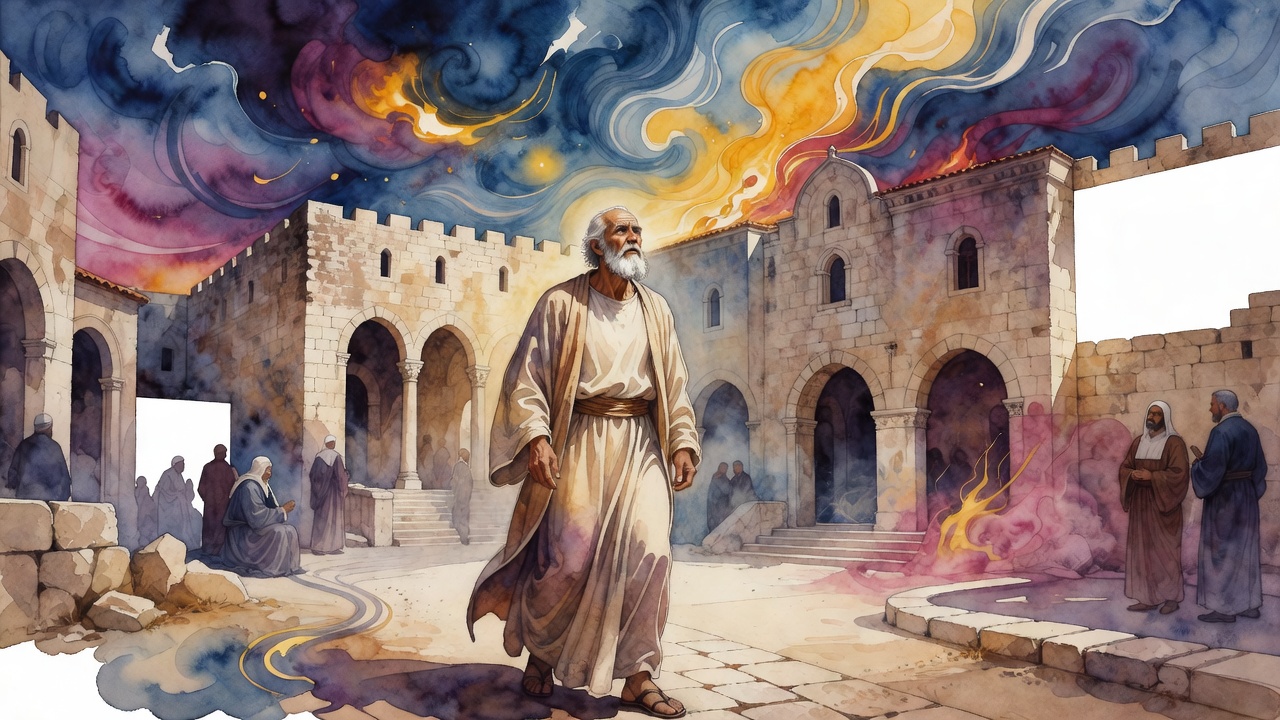
In Jerusalem the high court ruled, and an elder went home teaching the opposite on purpose. They called him zaken mamre. Willful teaching ends in death.
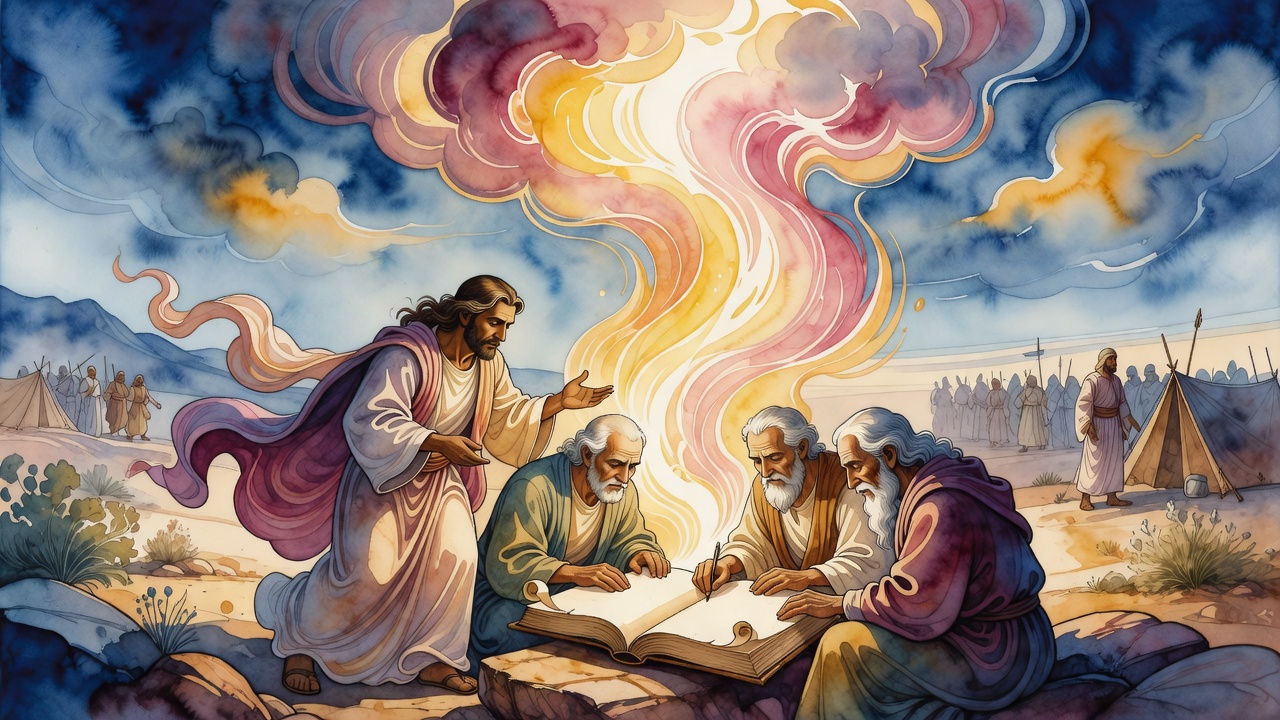
The rabbis had just opened a tractate when Amasa came for Judah. David's three days were almost gone. He left the room without a single man.
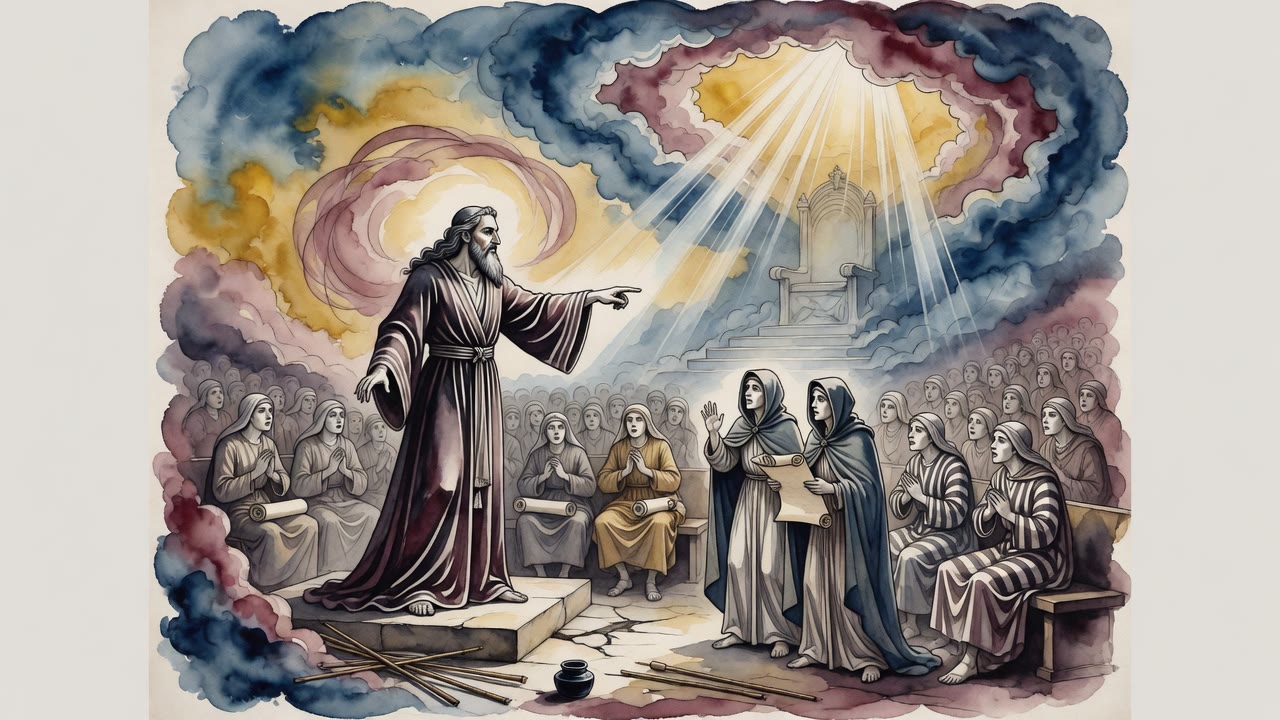
Two seats sat empty in the study hall, and no student had noticed. Toward evening the two appointed men came back and sat down among the ordinary disciples.
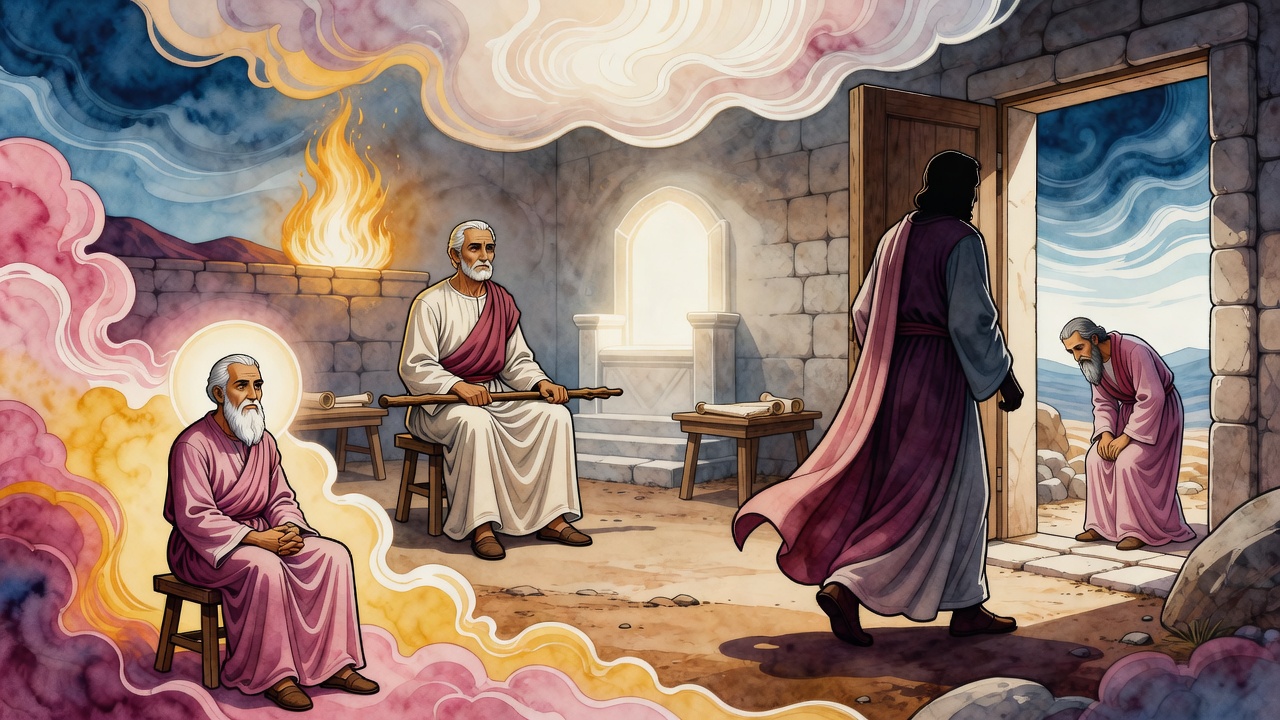
A schoolmaster kept his rod and his seat when a king walked in, then bowed outside class, while Rabbi Zeira refused to rise for bought honor.
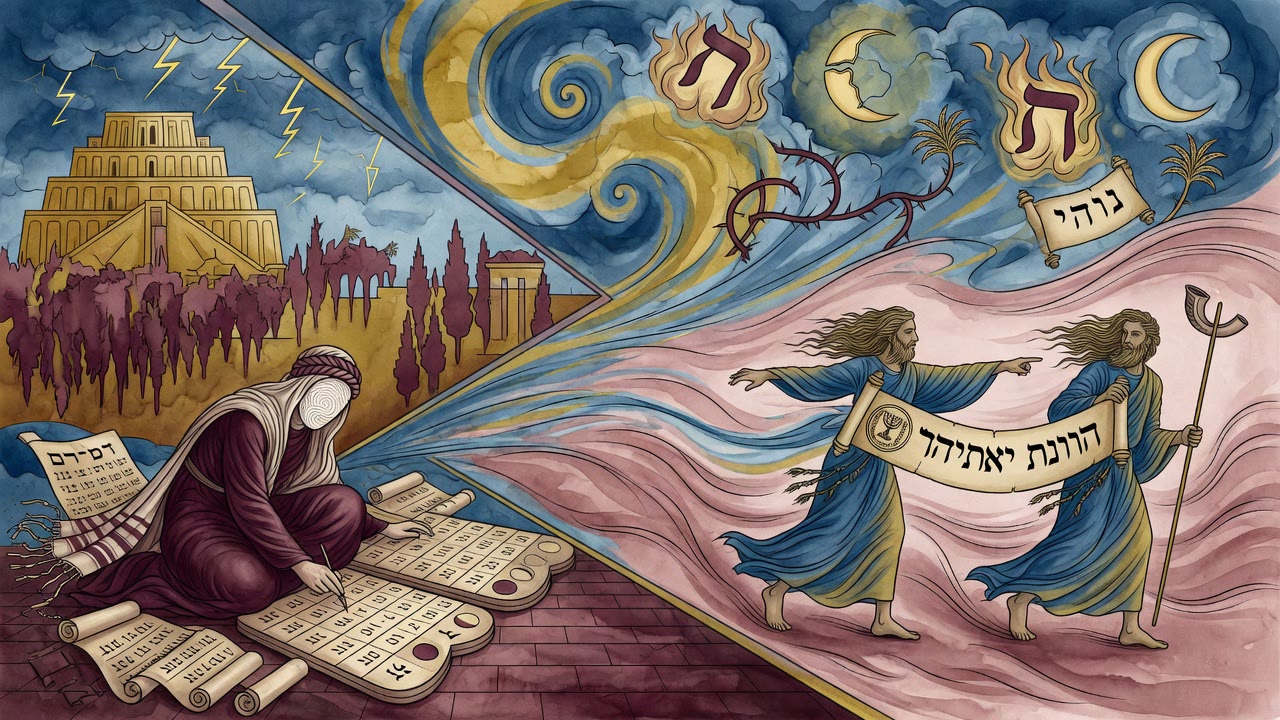
From Babylonia he added leap months on his own authority, until two messengers from the land undid every ruling he made.
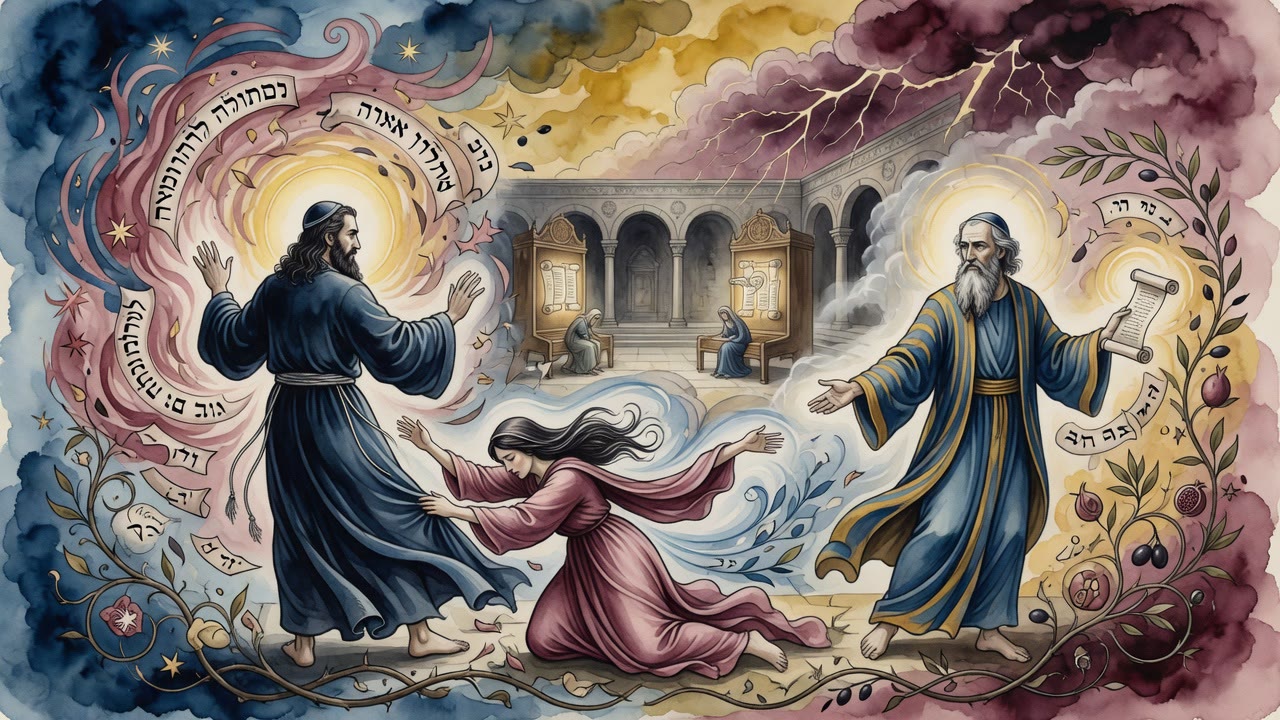
A woman stood in Rabbi Eliezer's doorway and asked to be drawn near. He heard her past and shut the door. She walked to another house.
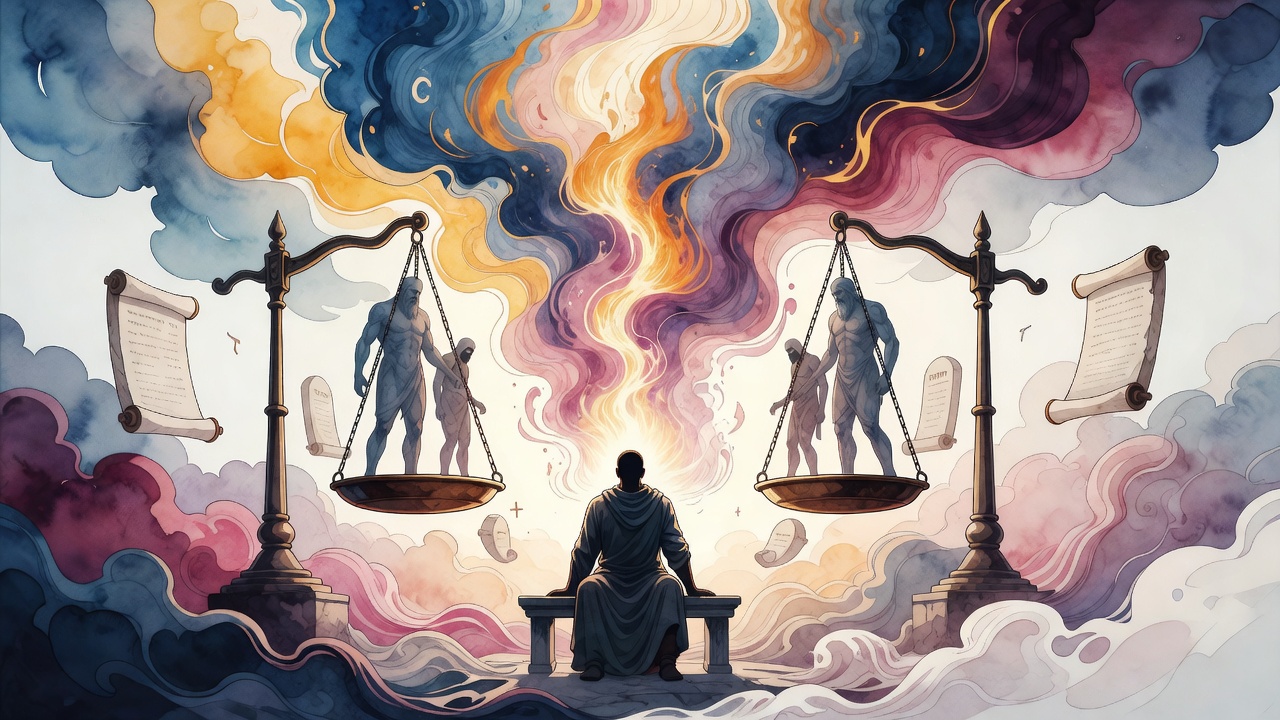
A litigant wants the dead giants of Torah. Heaven answers that the court of Gideon and the court of Moses weigh the same when the living judge sits.
