228 myths · Page 7 of 8
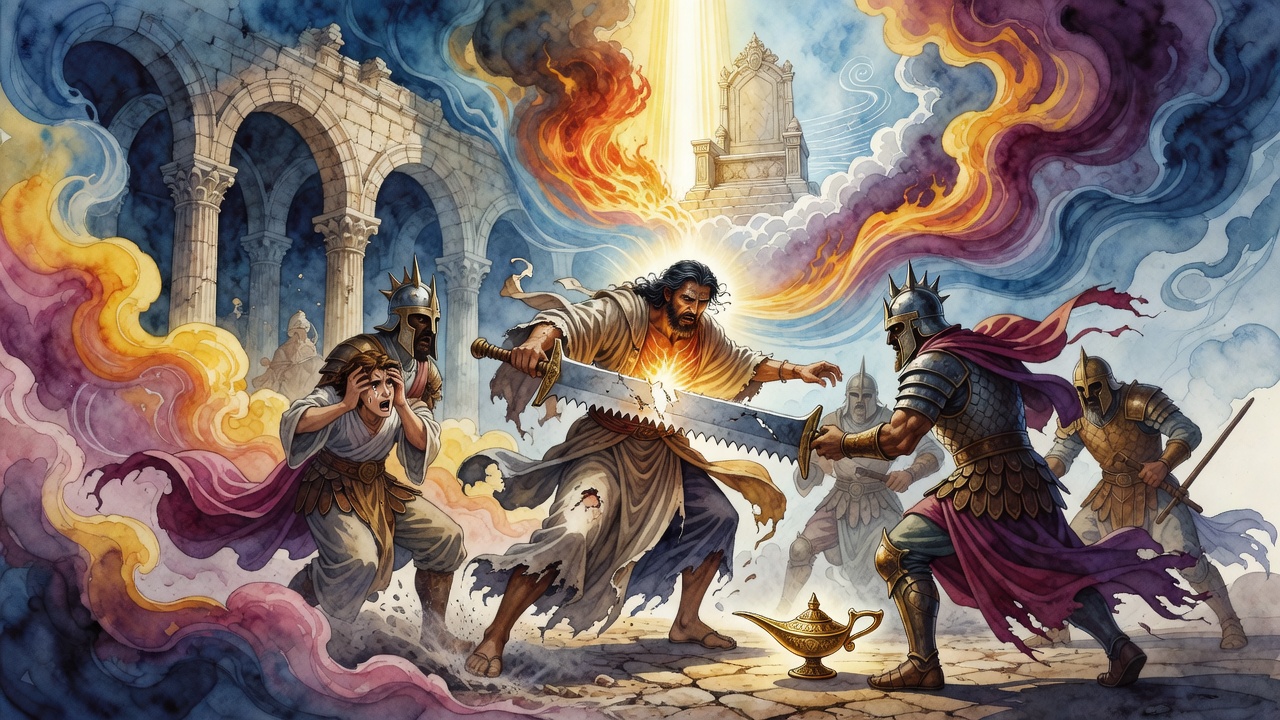
The candlestick was still warm in his hands when they snatched it. A private man, they said, has no right to such gold. The door stood open.
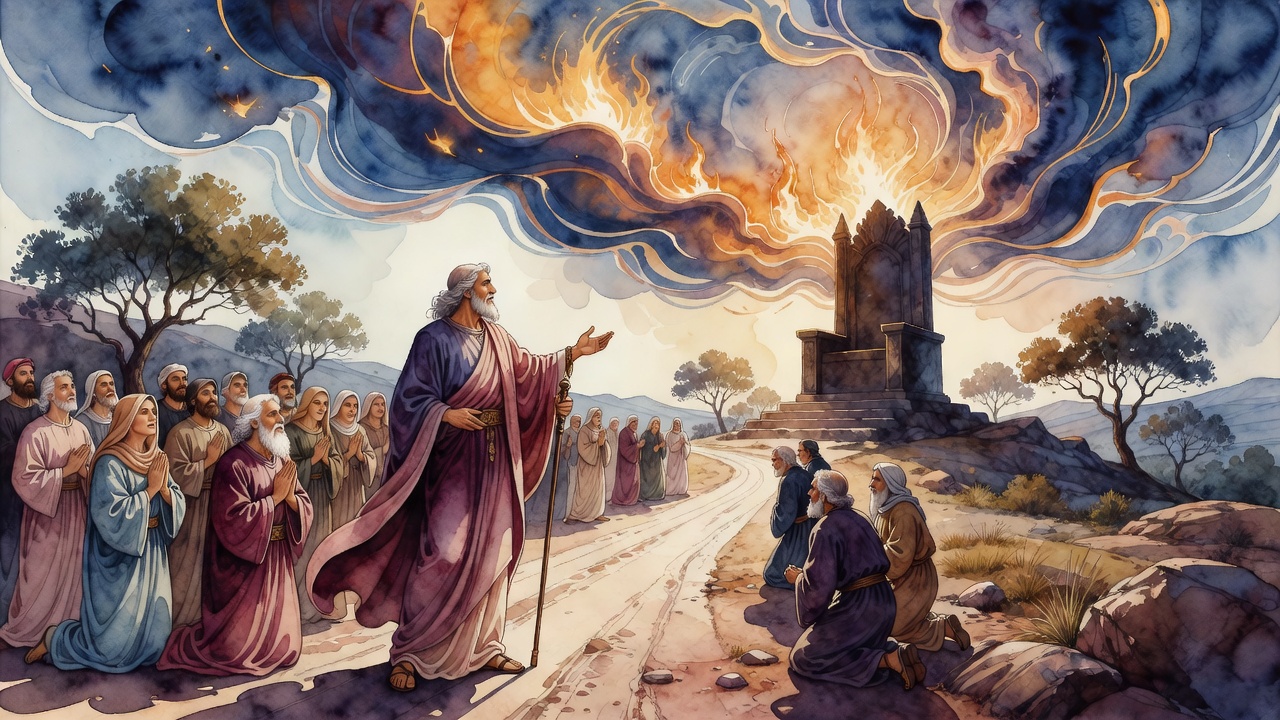
A king forgave a province's taxes in stages as crowds met him on the road, mapping Rosh Hashanah to Yom Kippur so Sukkot could open as a true first day.
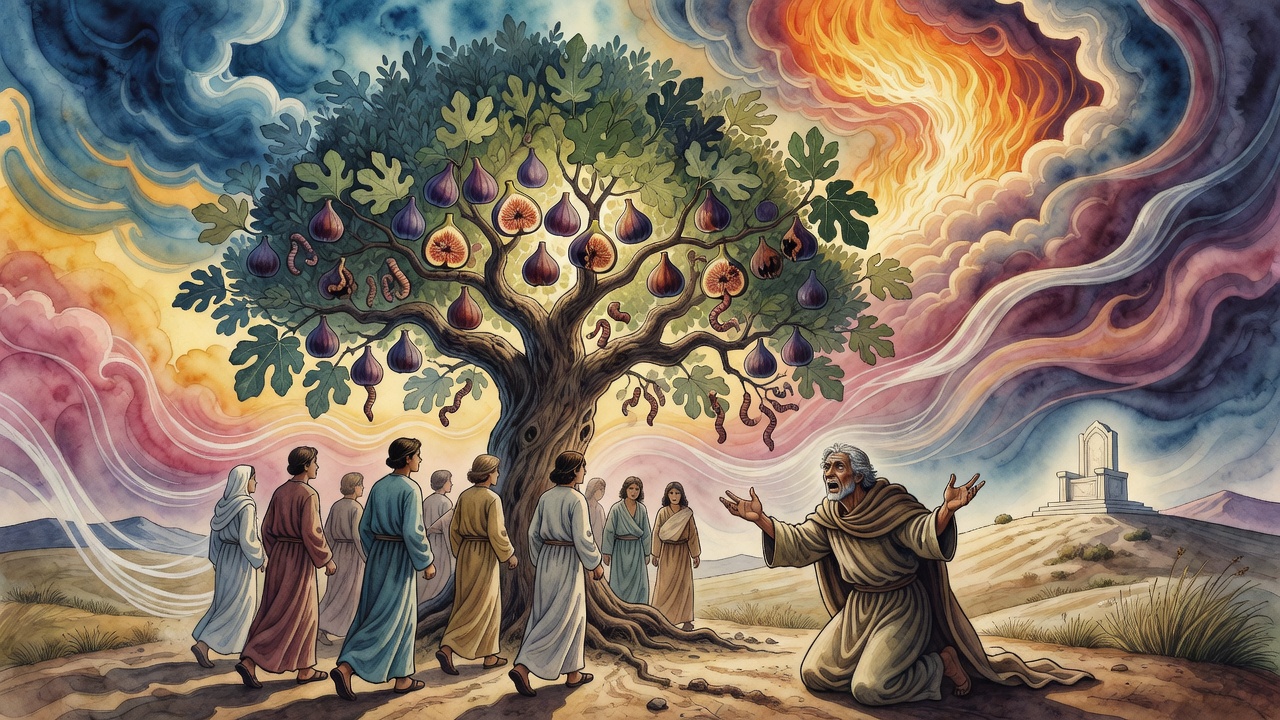
Students leave a fig tree and the owner begs them back. Unpicked fruit turns wormy, teaching that God harvests each righteous soul in its season.
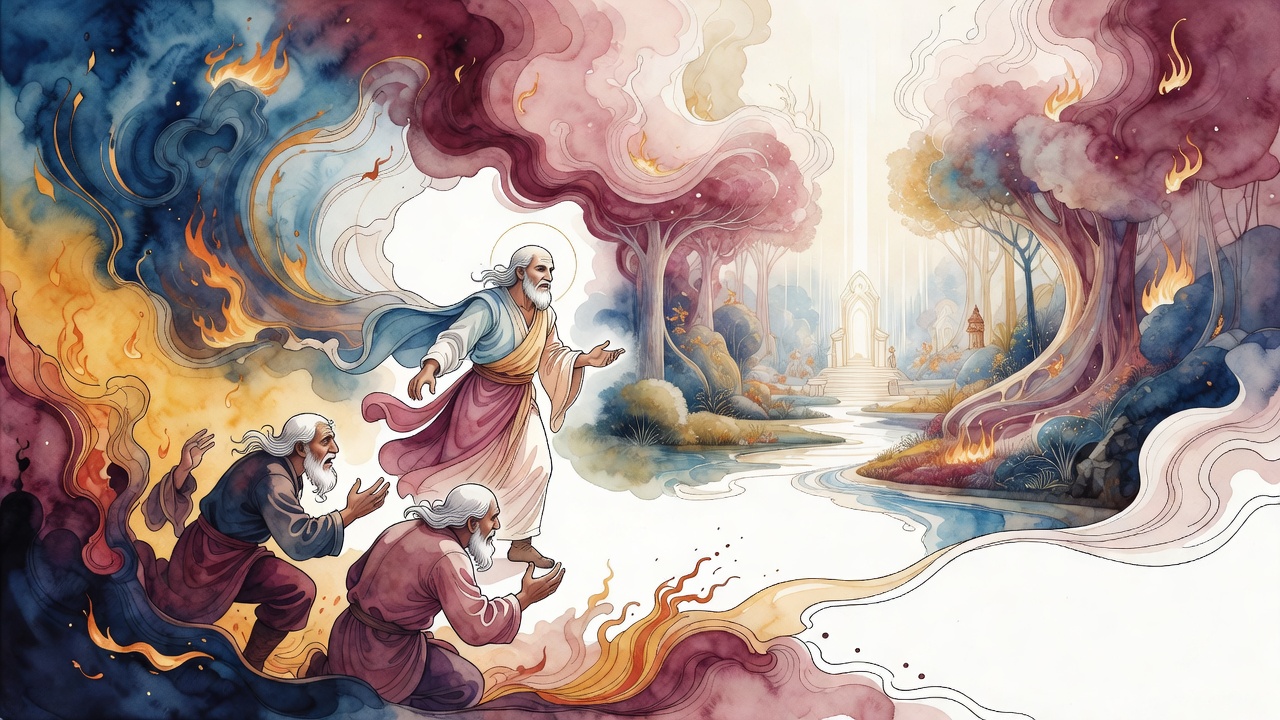
Dust rose off the road outside Tiberias. Three men waited in the brush for a cart. Resh Lakish held the rope. The others kept their knives.
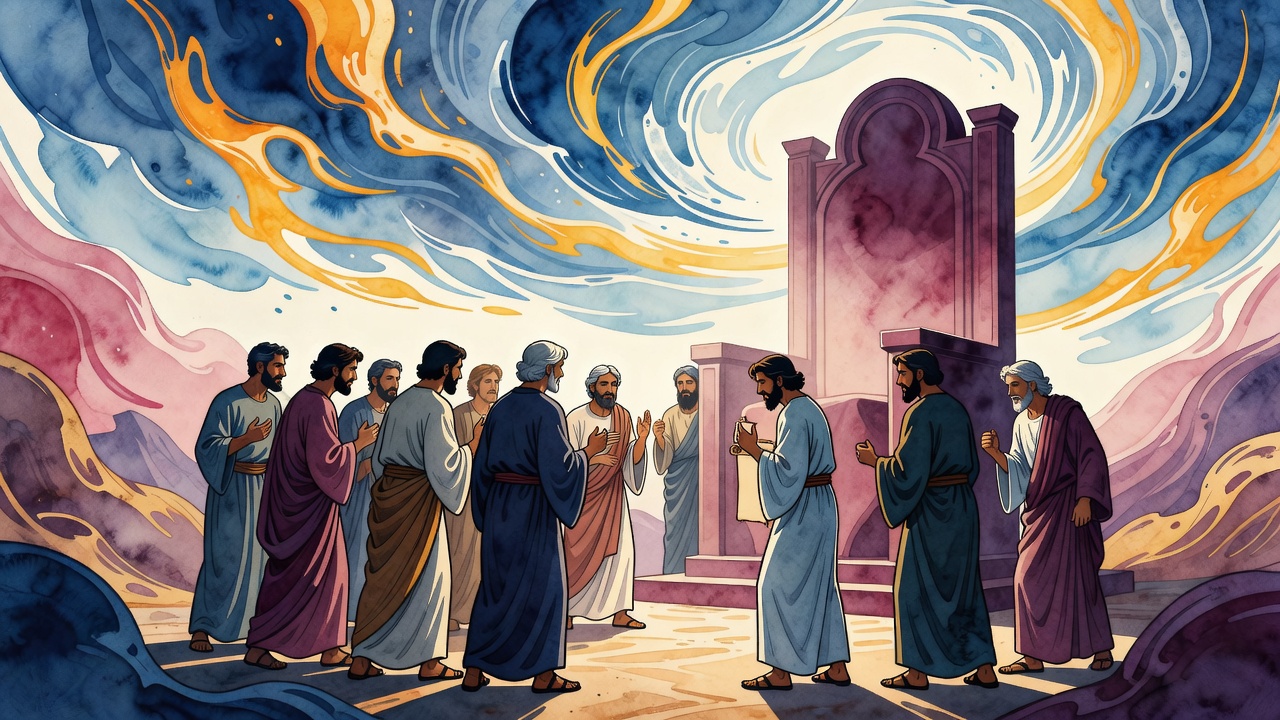
Ten men stand before Egypt's ruler and say one brother simply went from them, while Joseph hears his own sale cleaned into passive grammar.
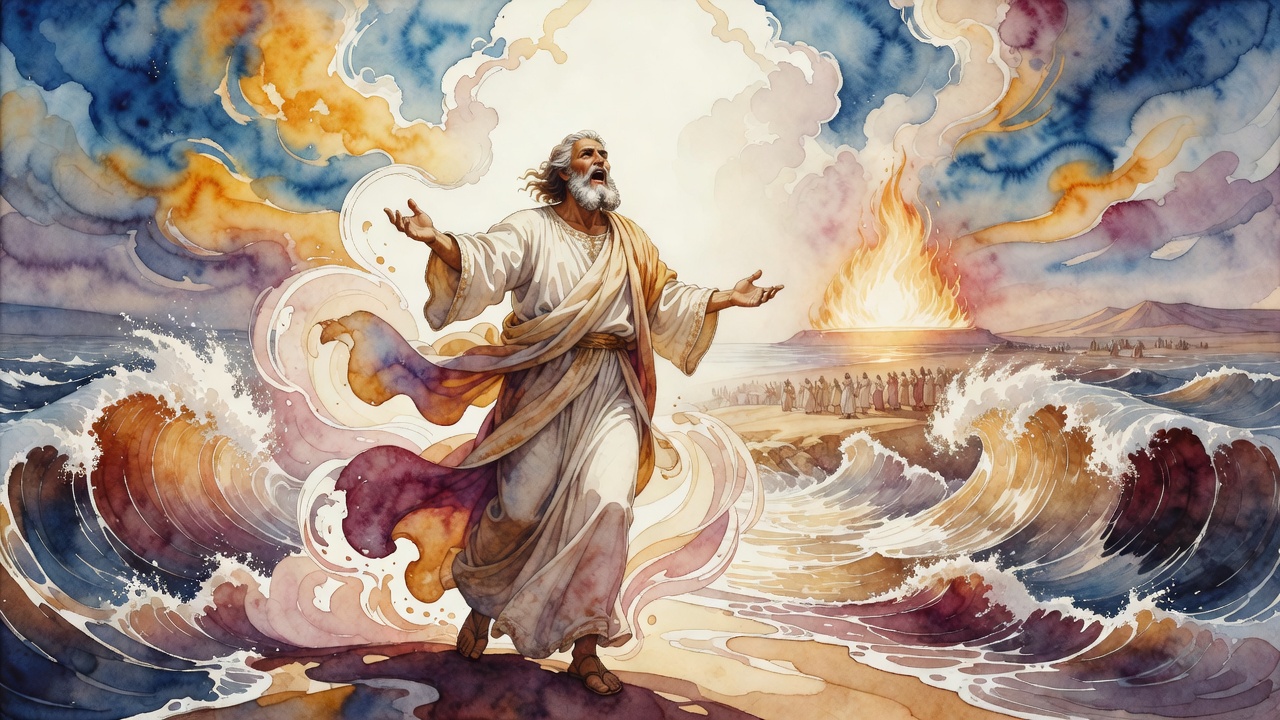
The brick quota did not drop. Foremen came off Pharaoh's porch still bleeding and cursed Moses for putting a sword in Egypt's hand.
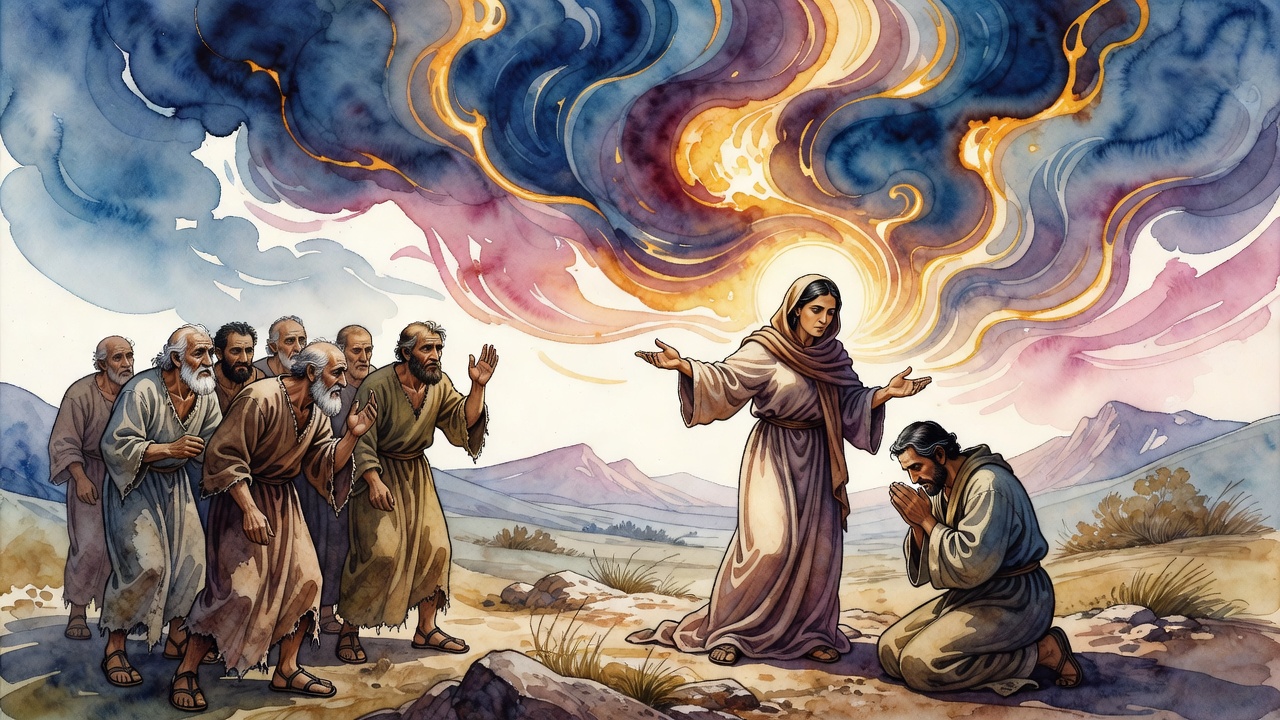
Rabbi Zeira befriended lawless neighbors until his death, then they asked who would plead for them, while Beruria taught Meir to pray for sinners to change.
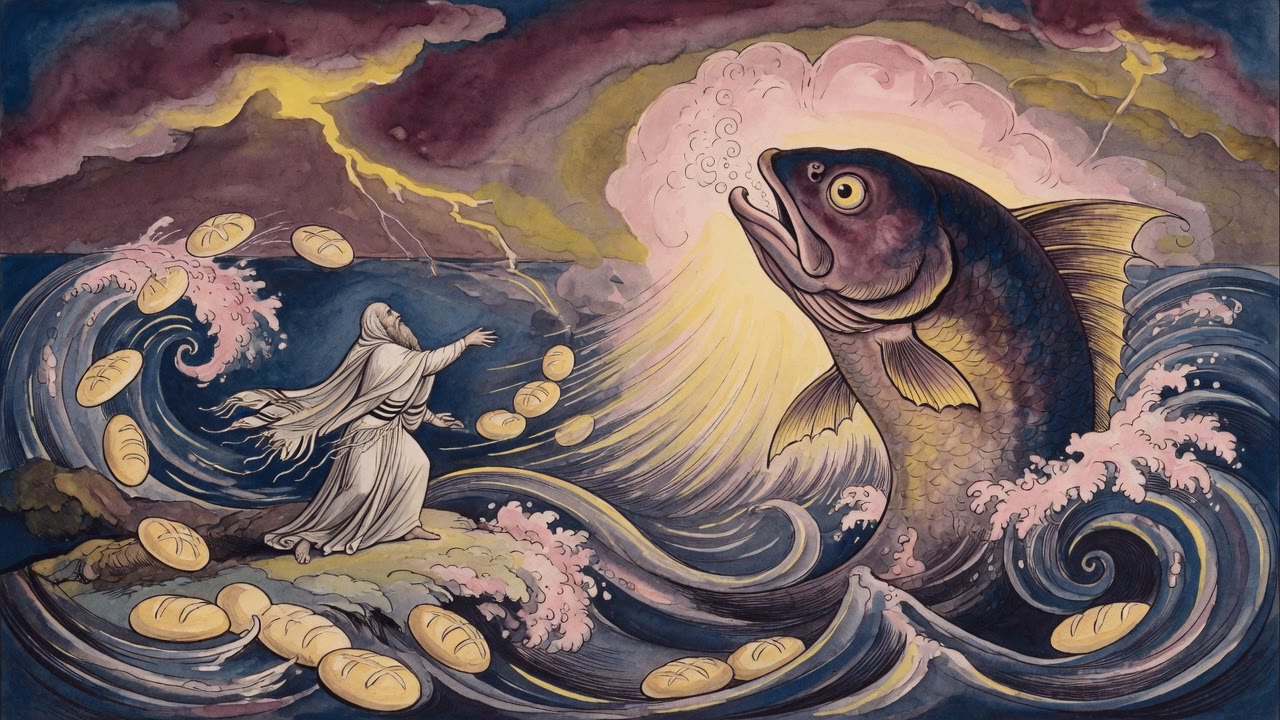
The cups were still full when the father climbed the attic stairs. He came back and asked the guests to finish eating before they buried his son.
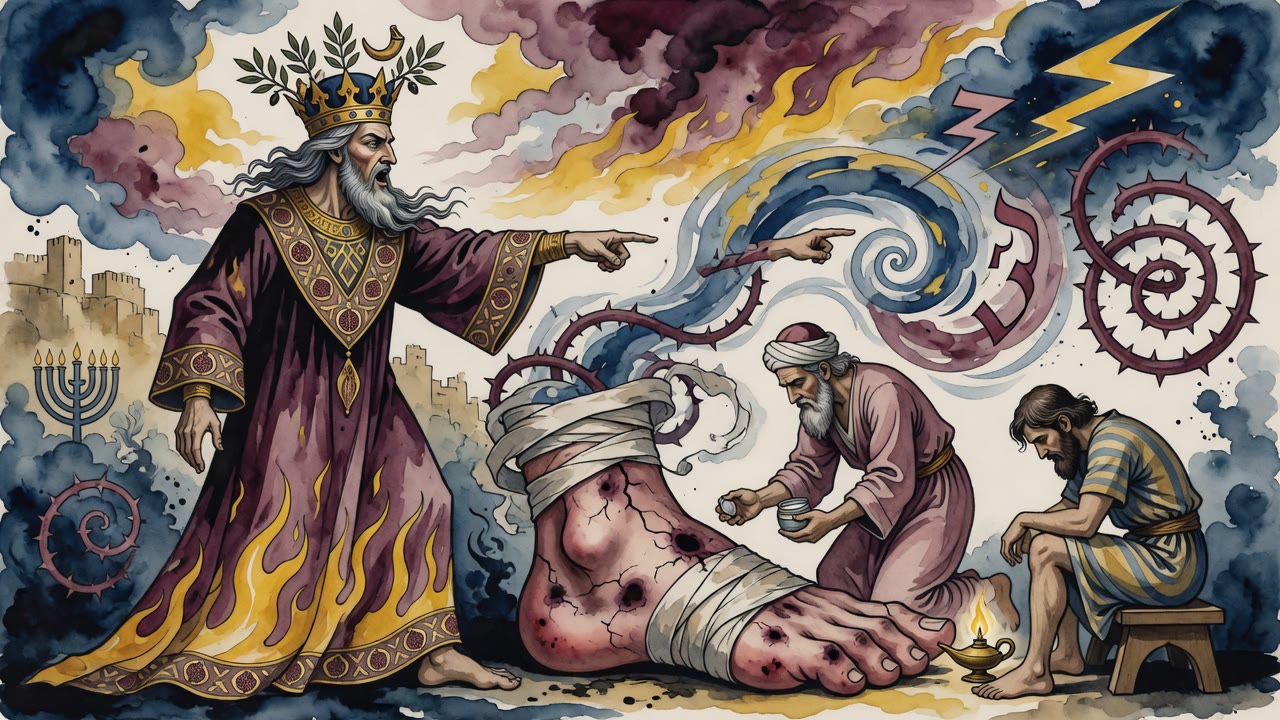
A king orders a physician to heal his servant's foot, and the midrash names that order as the shape of love's affliction for Israel.
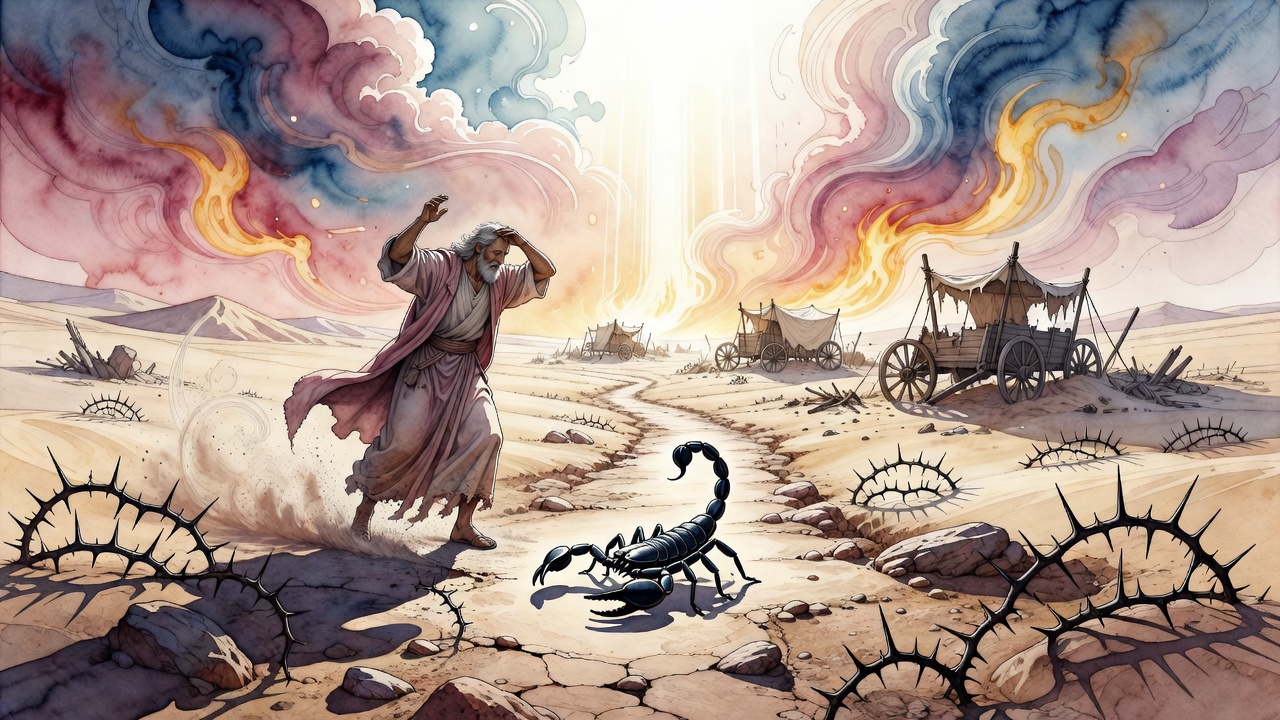
Thorns, sun, and a scorpion stop a traveler short of his caravan's ruin, and he learns to thank the anger that became his salvation.
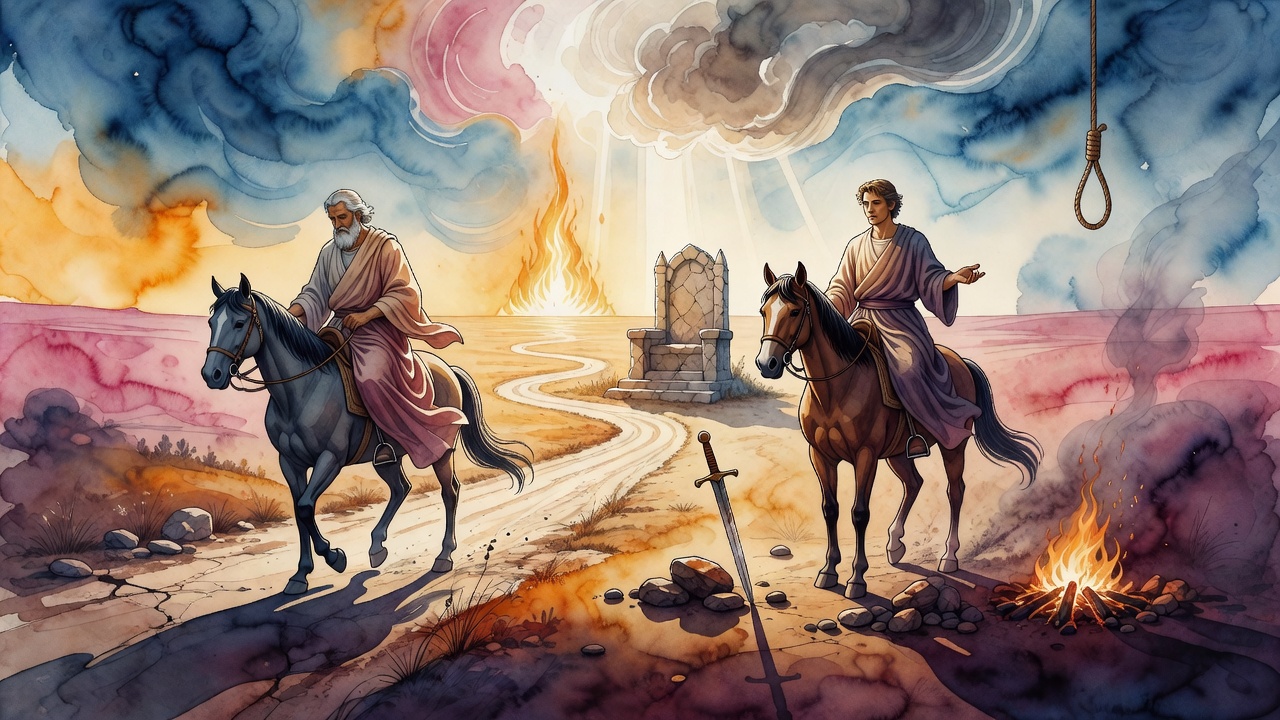
A nephew rides to mock his uncle on the road to execution, hears two calm sentences, and steps down into four deaths of atonement.
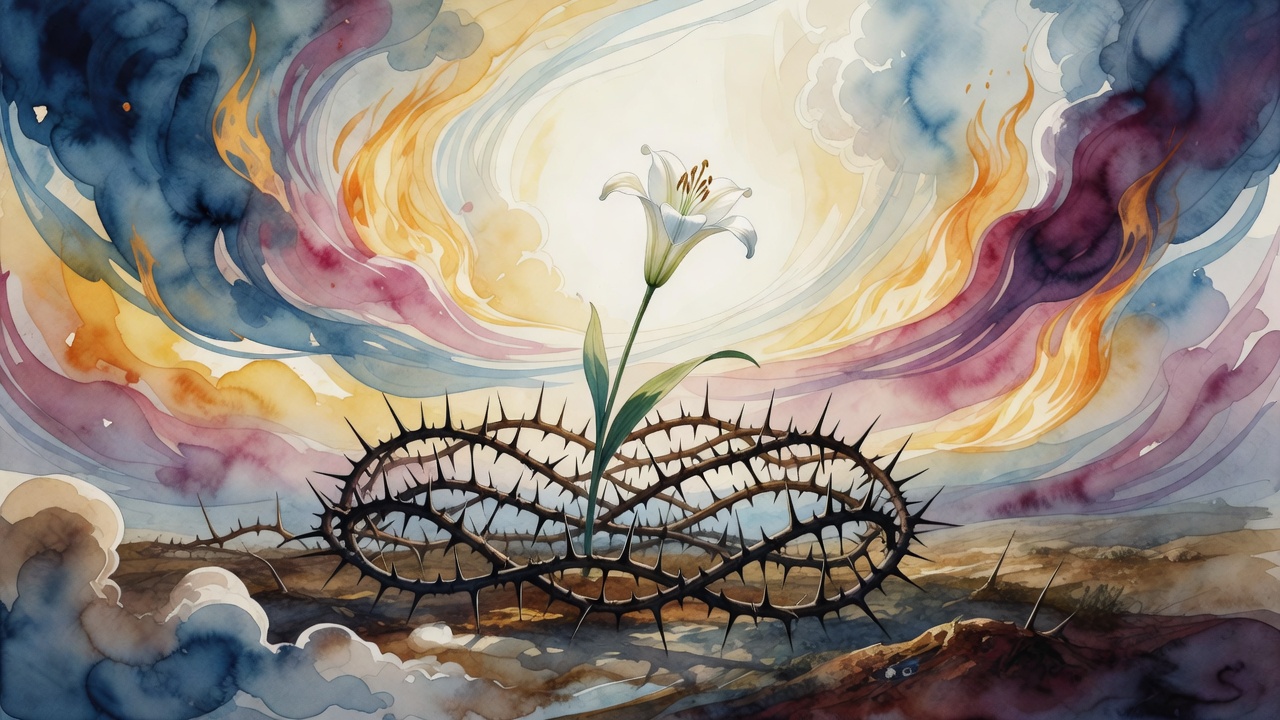
The north wind bent the flower until the thorns bit the stem. The stalk still pointed up. A tax collector's knock did the same work.
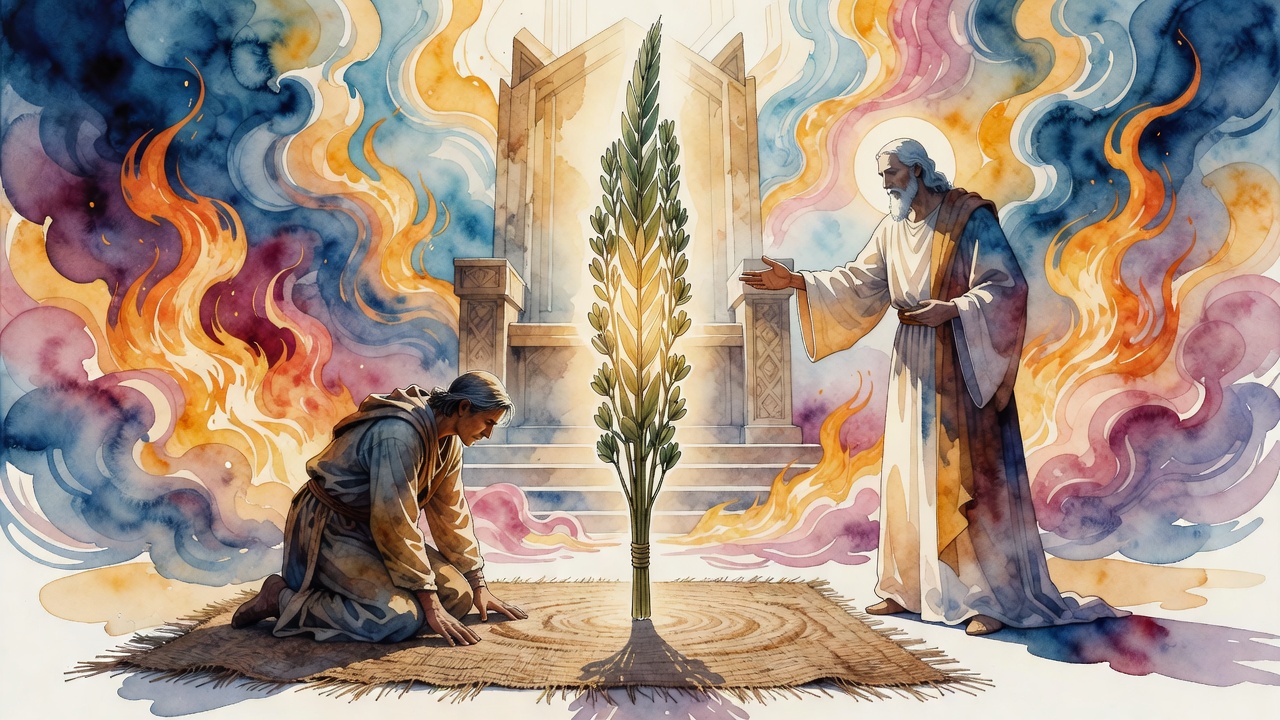
A bandit returned a rug to buy a defender and met that defender as his accuser. So a stolen lulav (palm branch) testifies on Sukkot.
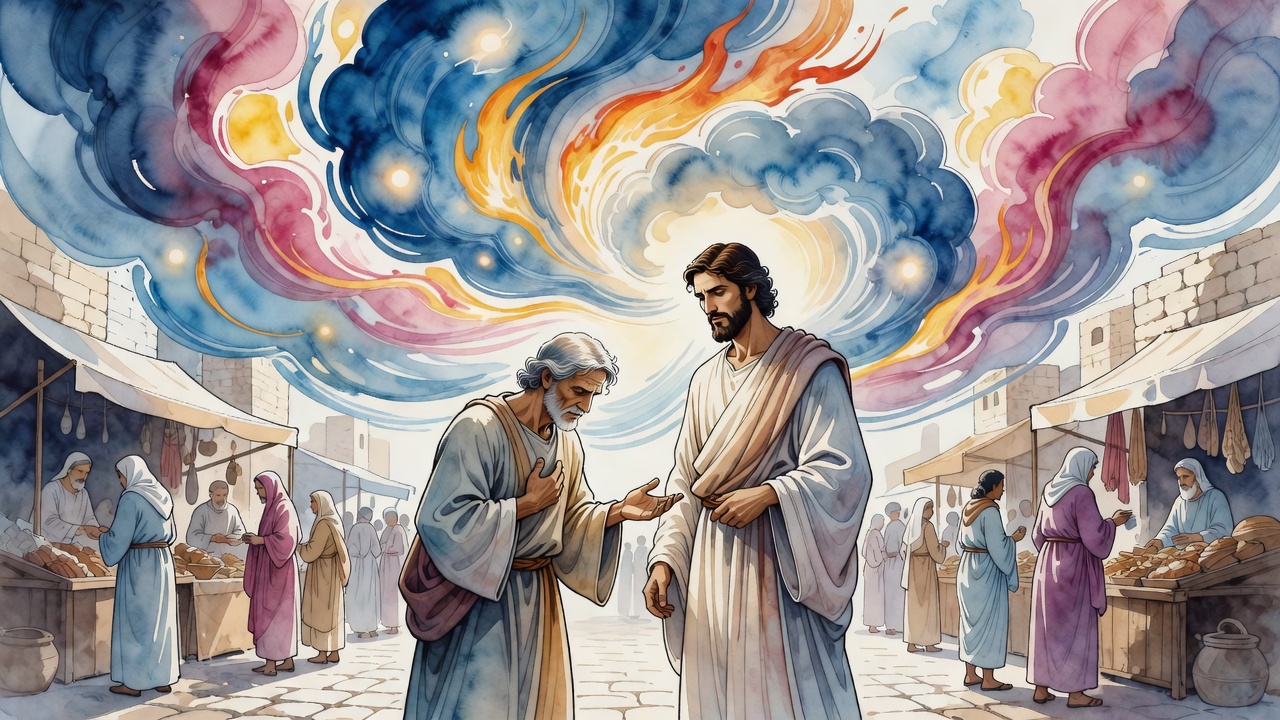
A Galilean accused the wrong Jerusalemite of holding his two hundred dinars, then stood in the same market to take the shame he had given.
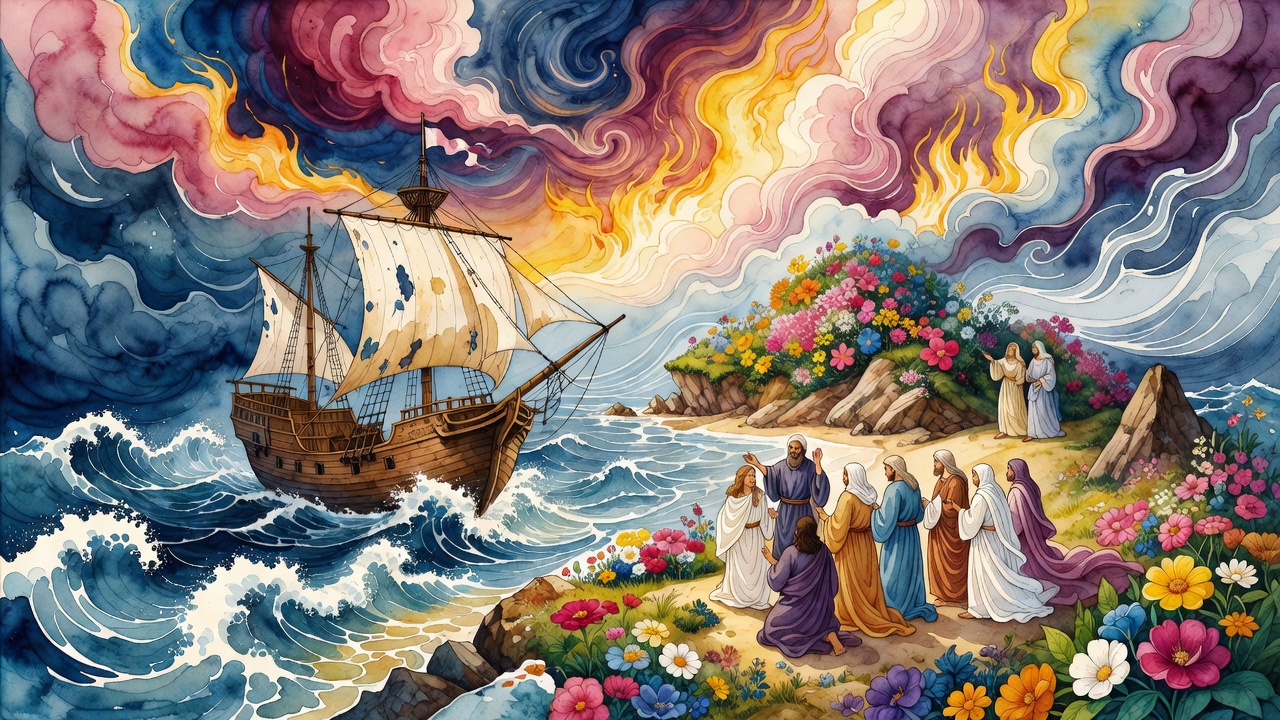
The captain dropped anchor beside flowers and fruit trees. Five groups of passengers chose, each in their own hour, how long to stay.
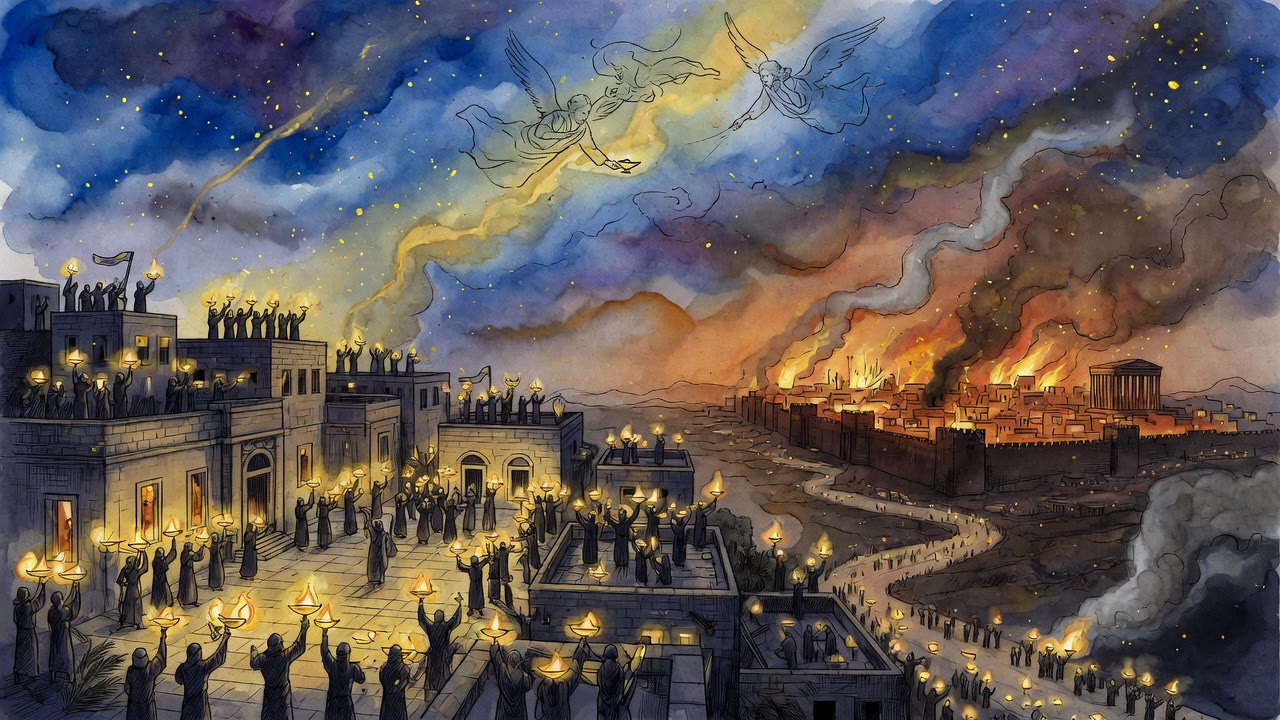
Beitar celebrated while Jerusalem burned. Fifty-two years later the city that lit lamps for ruin met its own end in the squares.
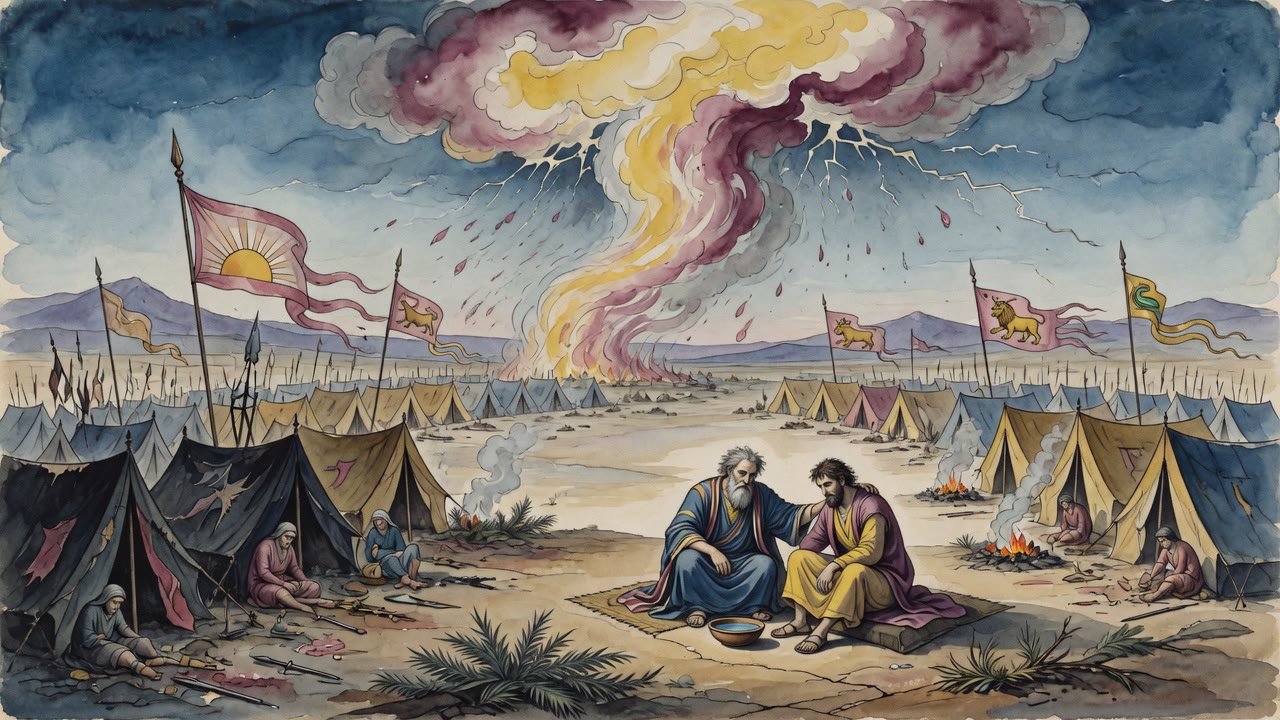
Twenty-four thousand were dead. Shimon still received a station, and God set them beside Reuben, the brother who knew how to return.
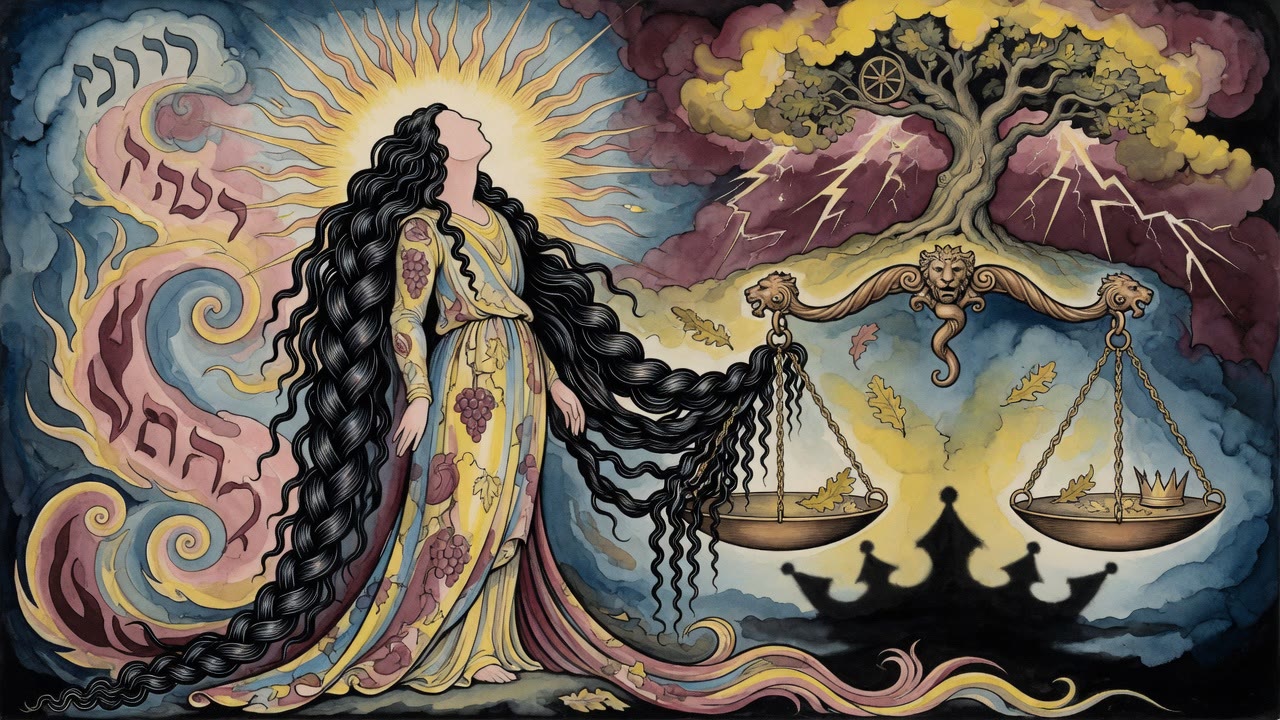
Scripture gives David forty years of rule, then six extra months. The sages said the missing half year was flight, grief, and a crown hanging in the air.
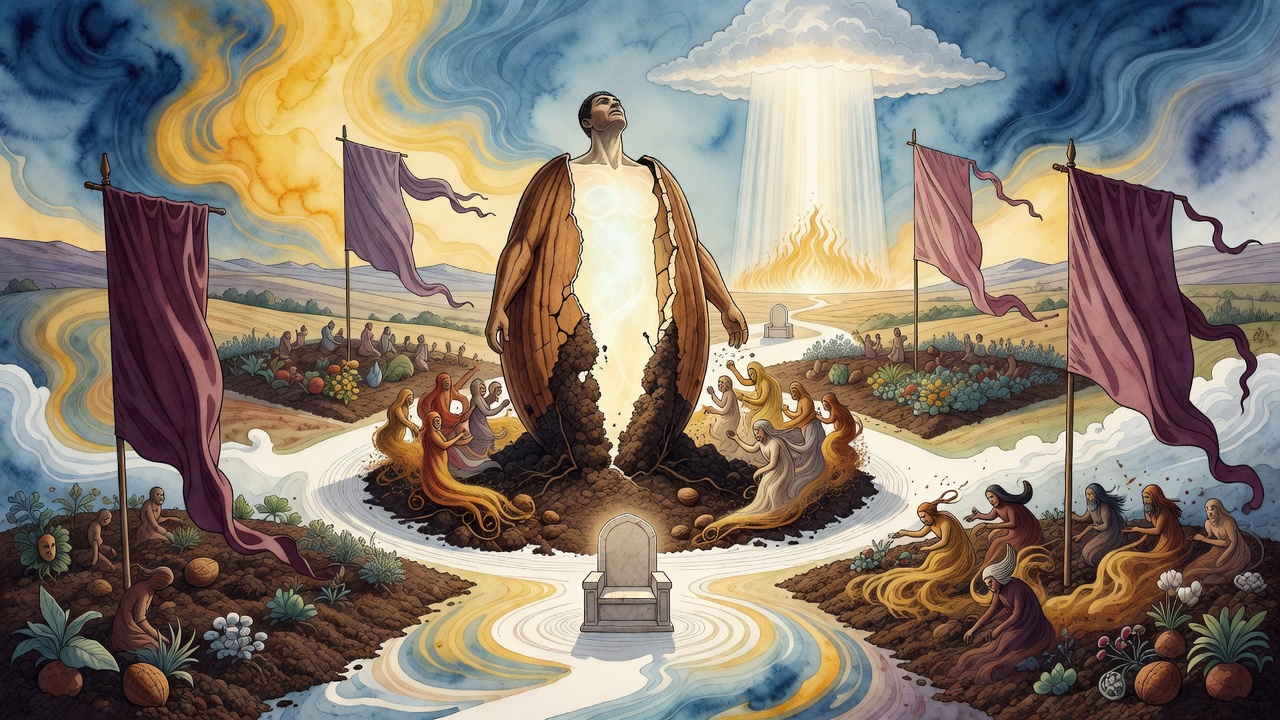
A child kicked it, a cart wheel missed it, and someone later rinsed off the mud. The shell was sound, the meat still sealed. That, said the sages, is Israel.
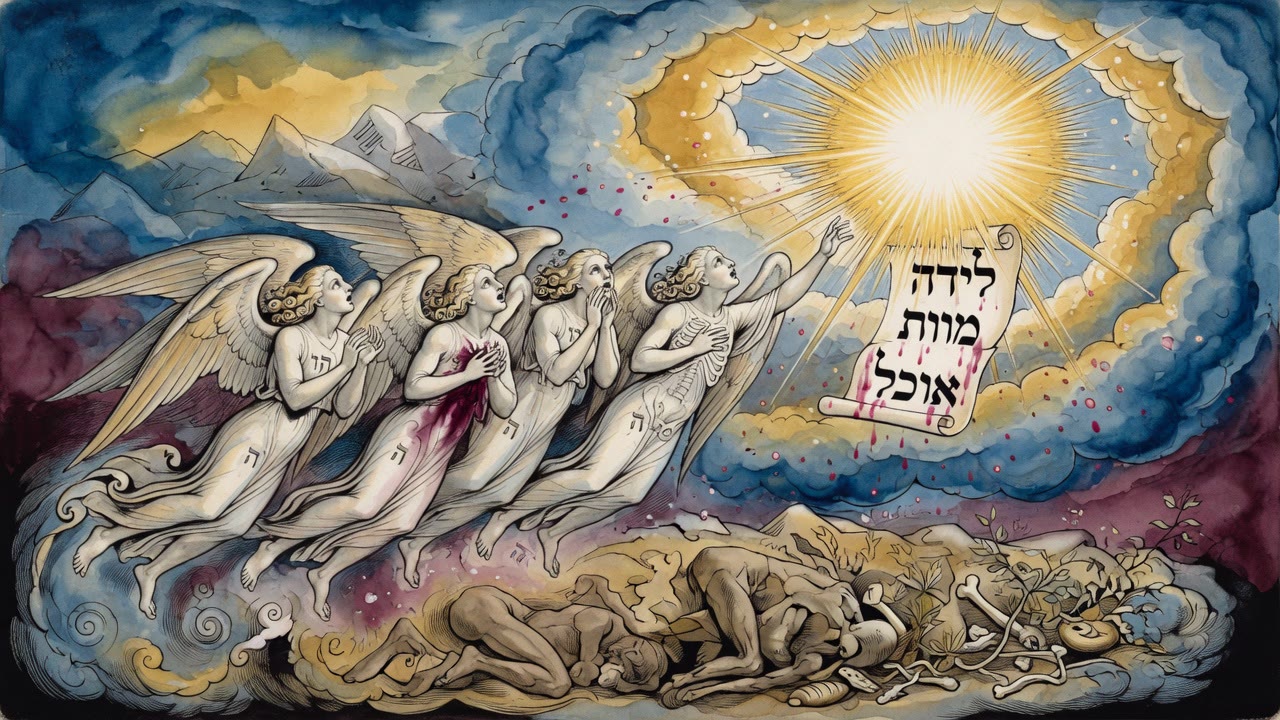
The angels volunteered before Adam had a body. God opened a law about a corpse in a tent and asked which of them had ever died.
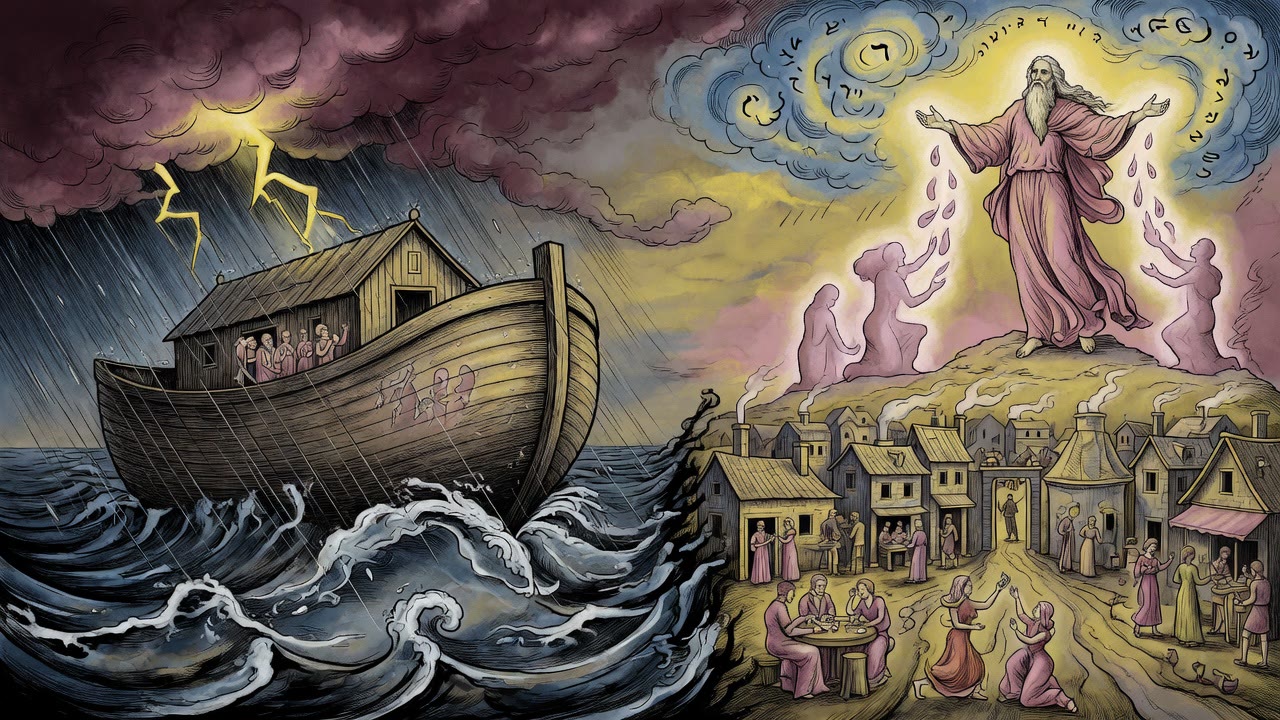
Three sons and their wives stood on the deck. Not one neighbor from the drowned streets stood beside them. Abraham left Haran with a caravan of converts.
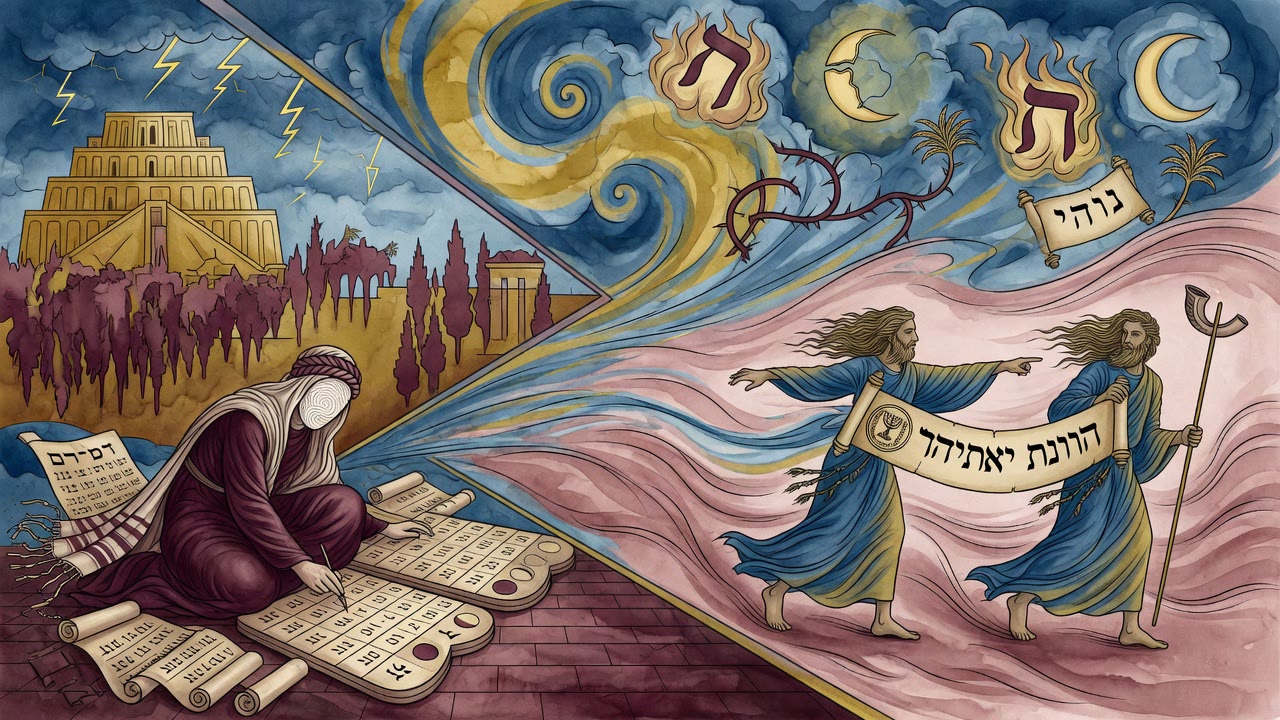
A woman stood in Rabbi Eliezer's doorway and asked to be drawn near. He heard her past and shut the door. She walked to another house.
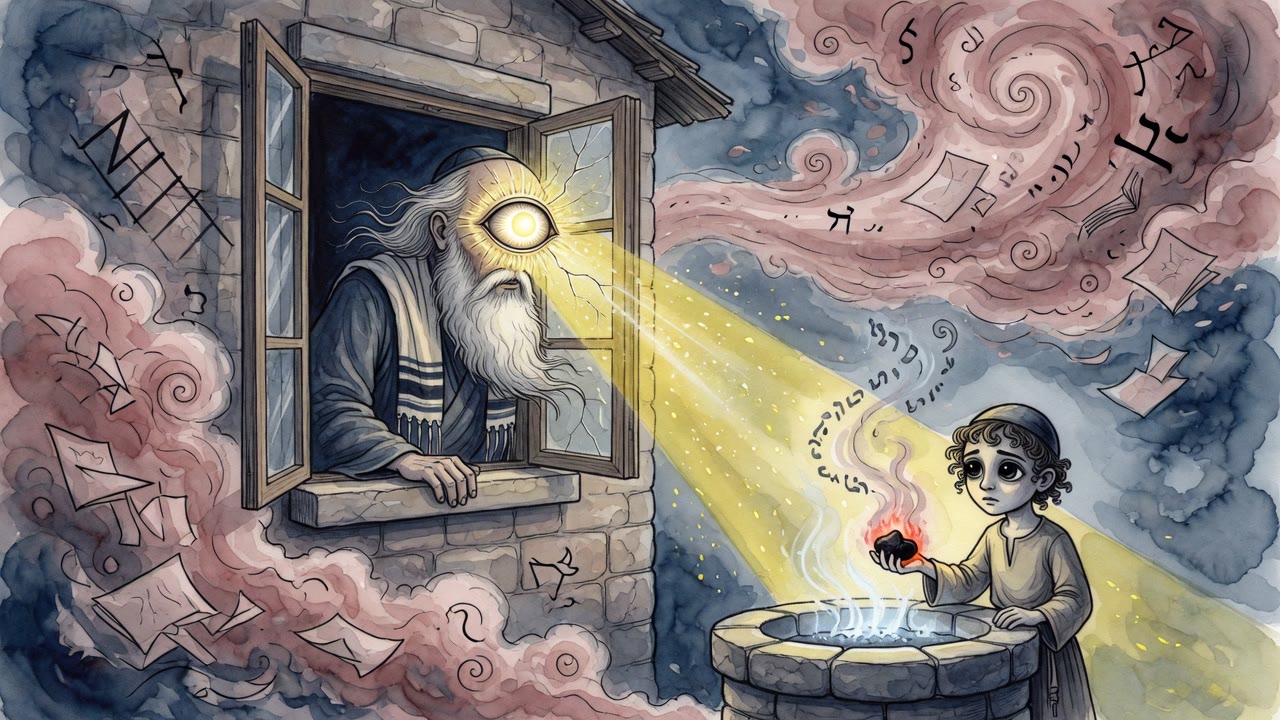
Solomon named the adulterer a man without a heart, and the sages watched wisdom leave his face the way light leaves a room.
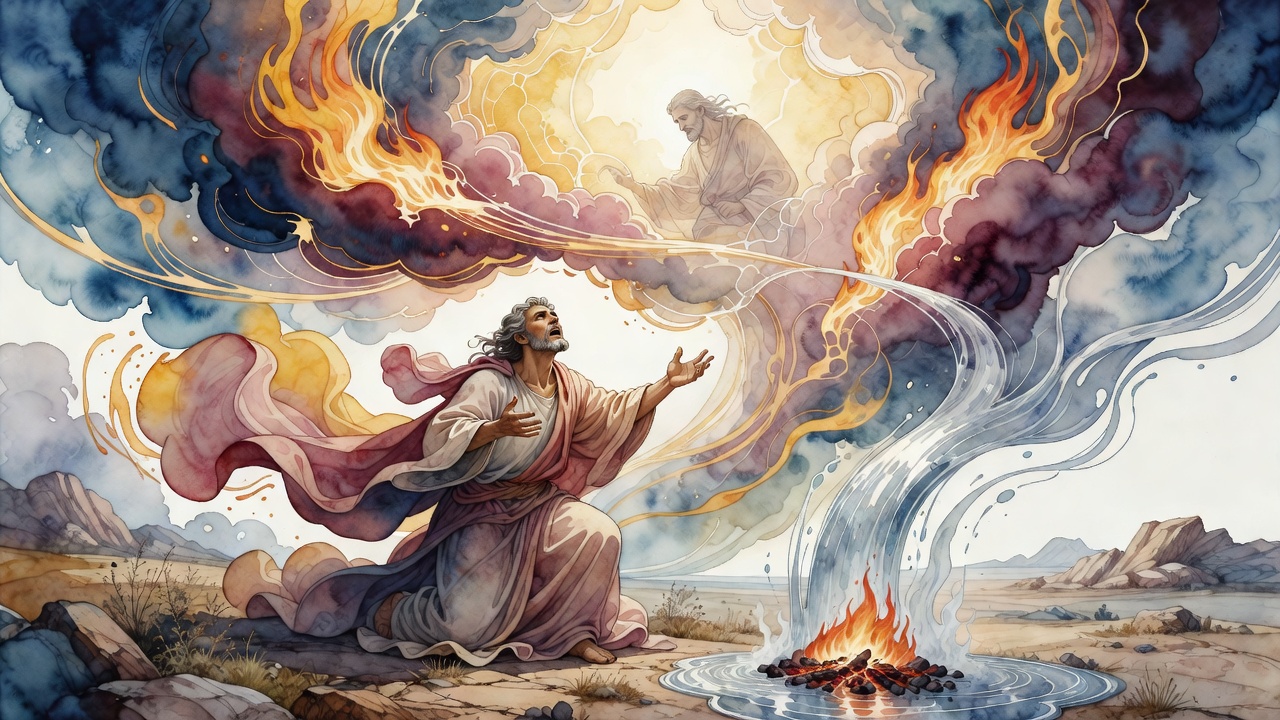
There are ears on the road and ears in the wall, Rabbi Levi said. David wrote Psalm 7 afterward, pleading that his prayer be counted an unwitting sin.
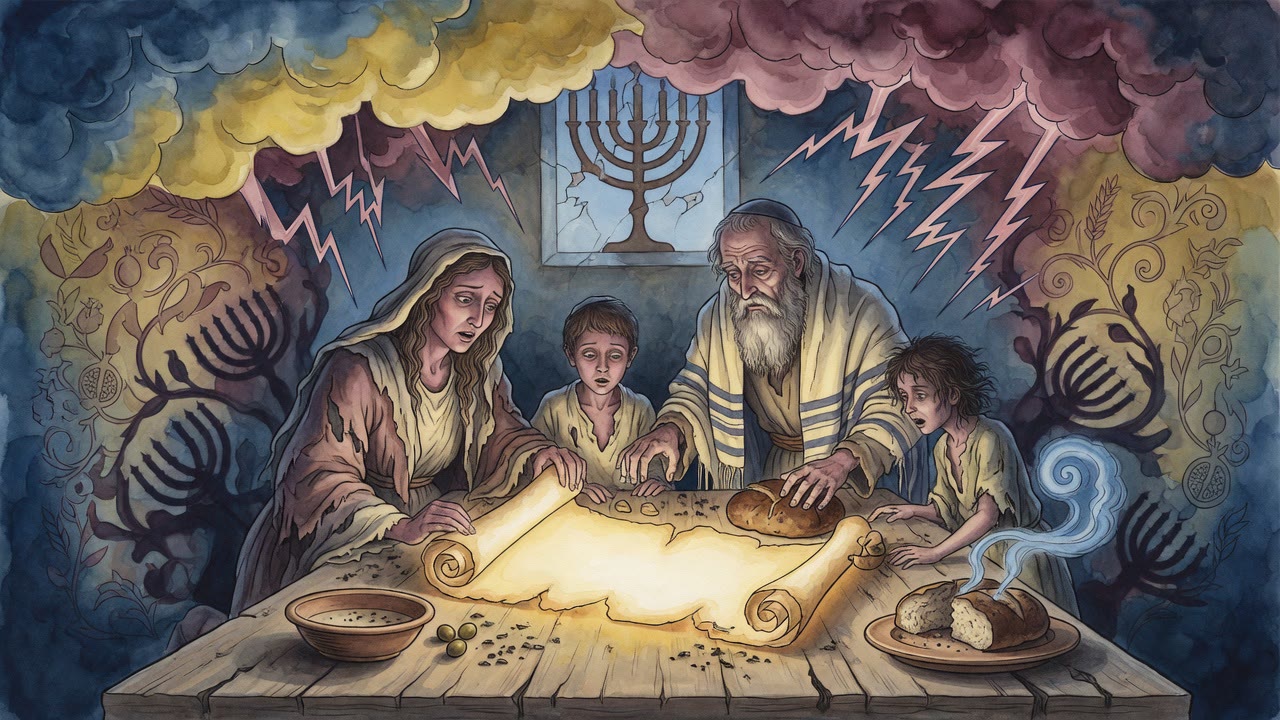
Three bells would sound, then the ropes would lift. Fruit hung low over the paths. Some passengers still had seats. Some did not.
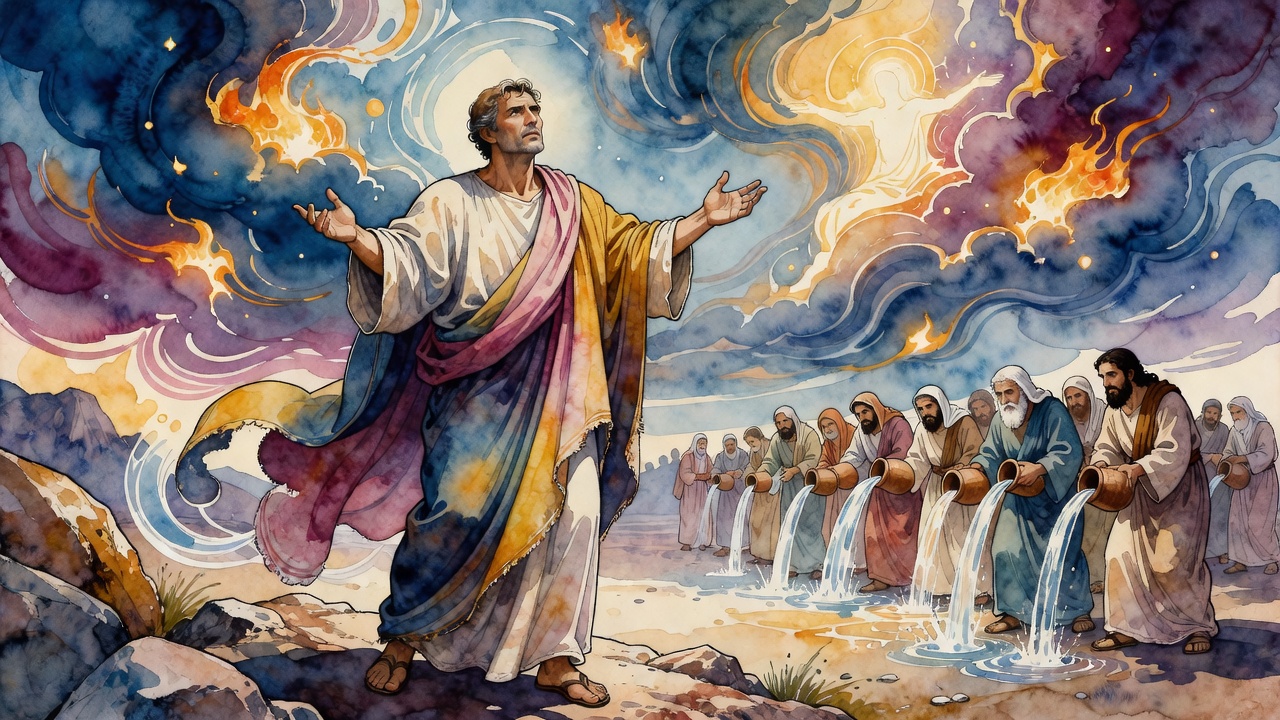
At Mizpah Israel pours out more than water. Samuel wraps himself in the people's garment and demands that heaven answer a plain admission of guilt.
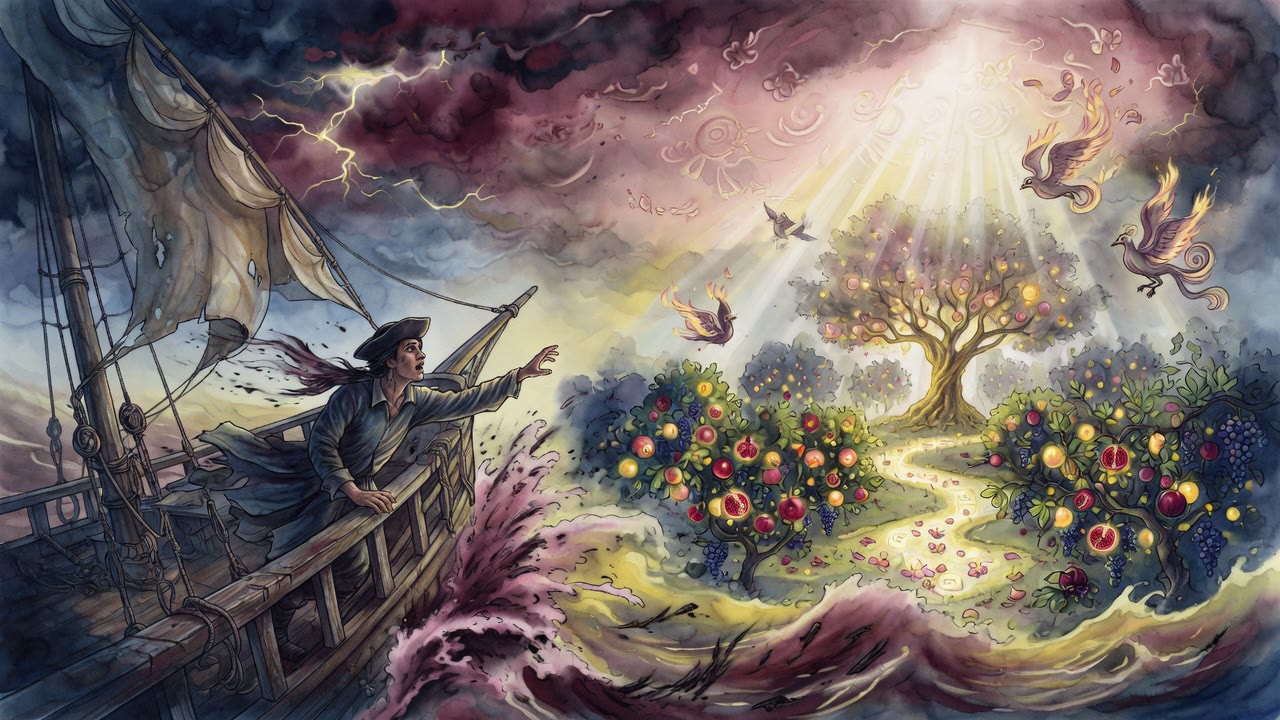
Akavya told his students to remember a putrid drop, the worms waiting ahead, and the King who will ask for a reckoning. Desire lost its grip for a moment.

Before the first dawn, Torah, repentance, Eden, Gehinnom (afterlife of judgment), Throne, Temple, and the Messiah's name already waited in God's mind.
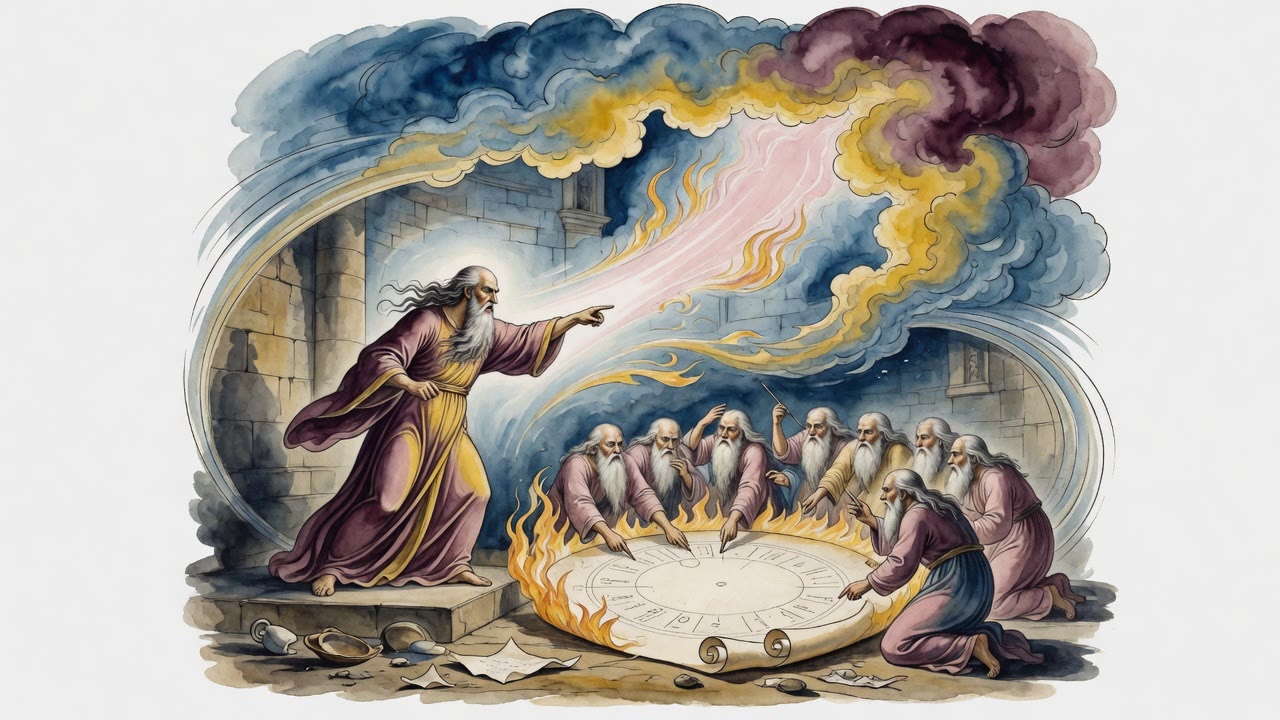
Someone named a year in chalk. Rabbi Jonathan heard hope being nailed to a calendar. He spoke a curse so the missed date could not kill faith.
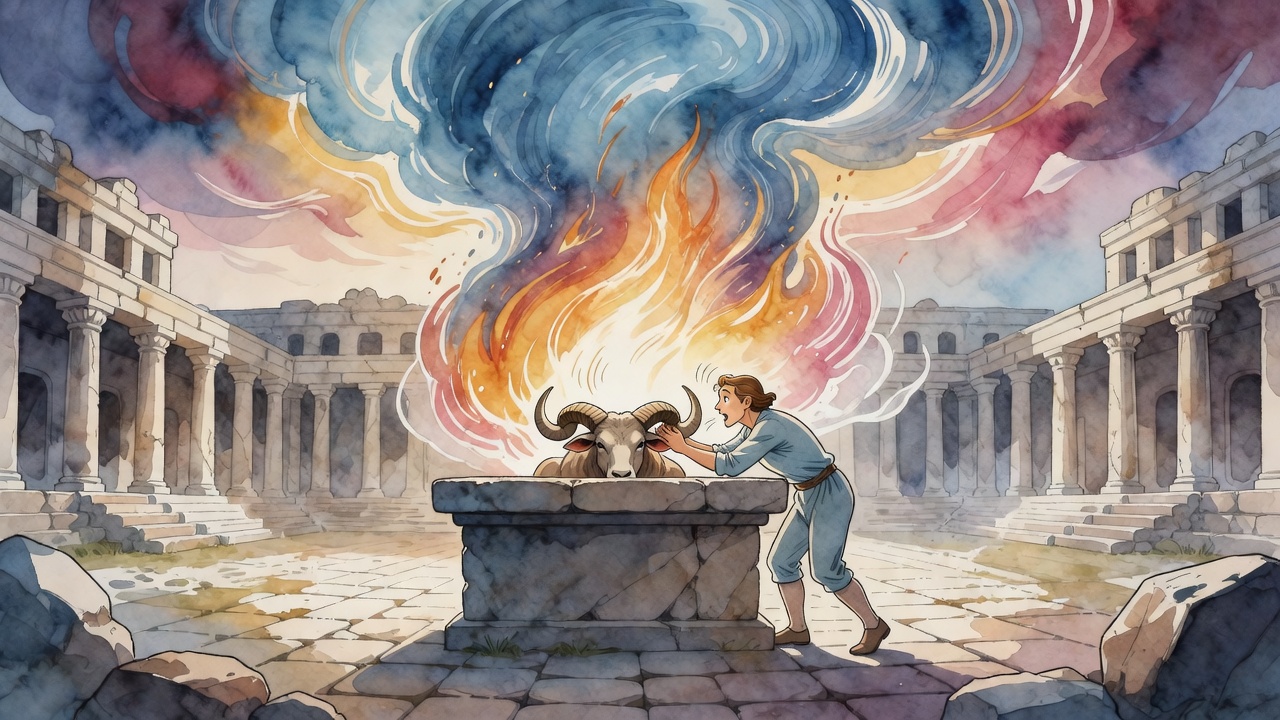
The animal faced west in the north court. A servant reached for the horns and was pulled back. The owner had to lean with his own palms.
