228 myths · Page 6 of 8
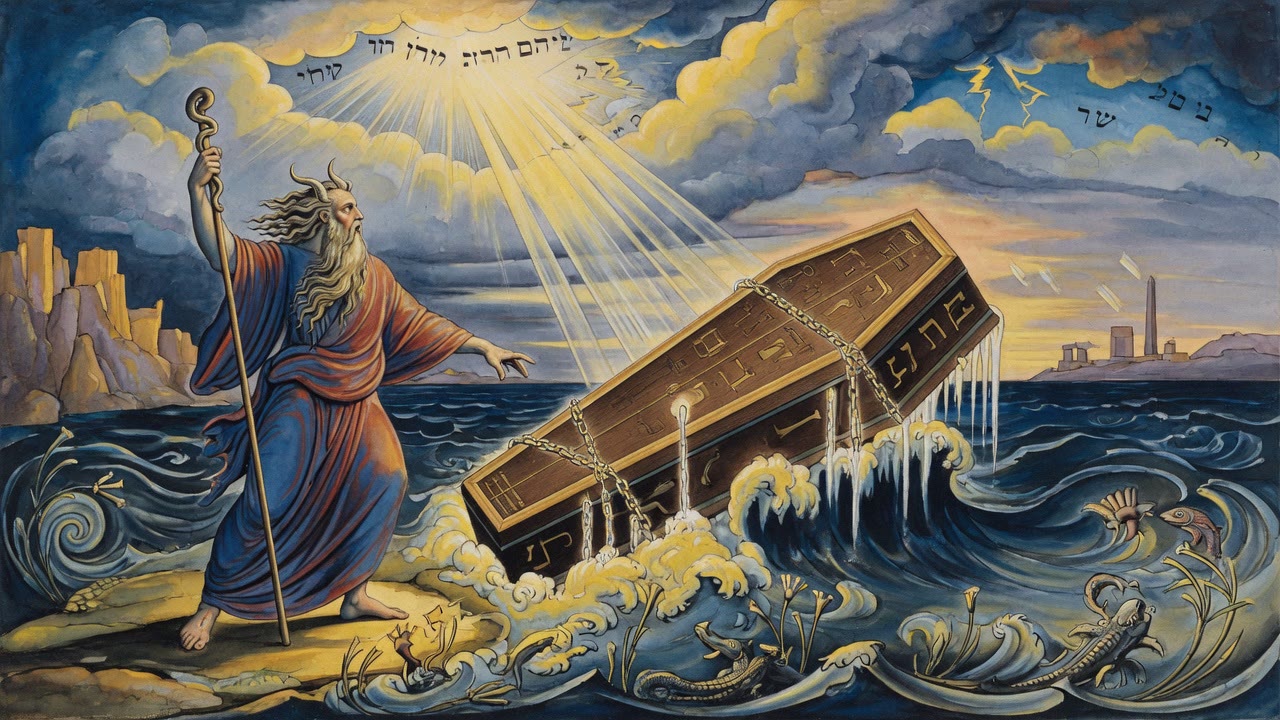
While Israel grabbed Egyptian gold, Moses spent three days hunting Joseph's sunken coffin until Serah bat Asher led him to the river's secret.
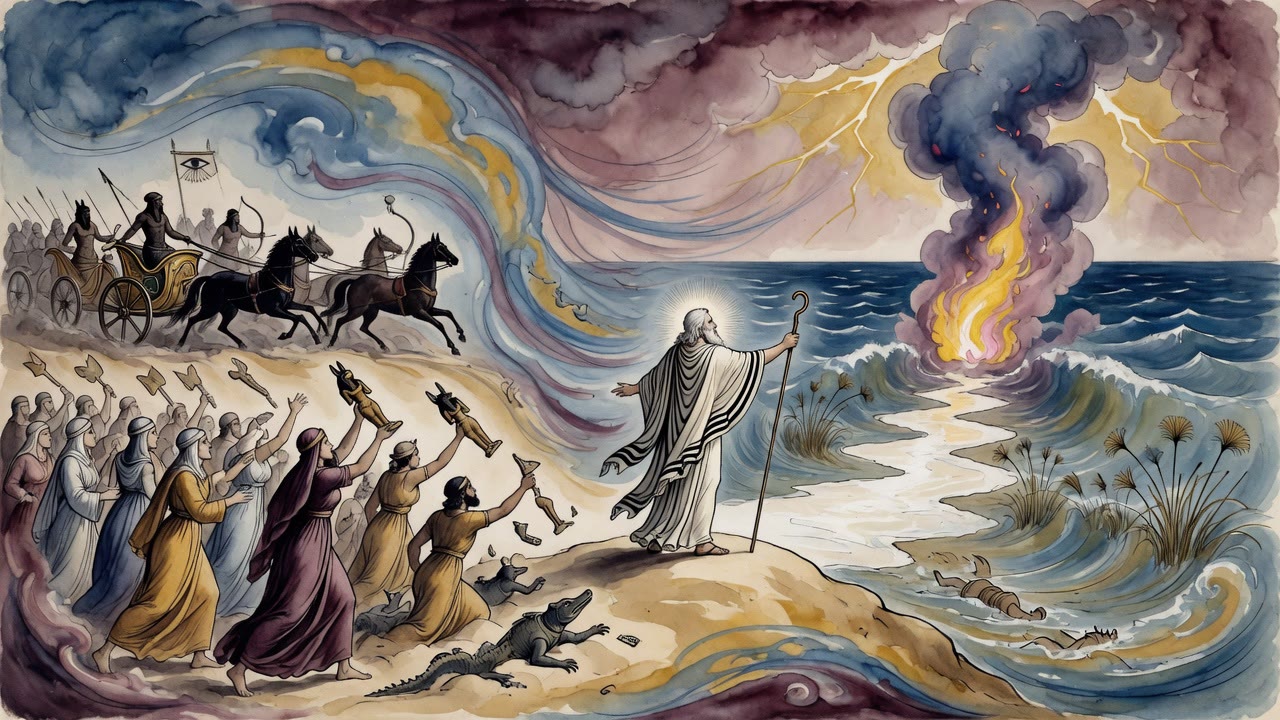
Pinned between Pharaoh's chariots and the Reed Sea, Israel flings Egyptian idols into the sand, then Moses is told only to go forward.
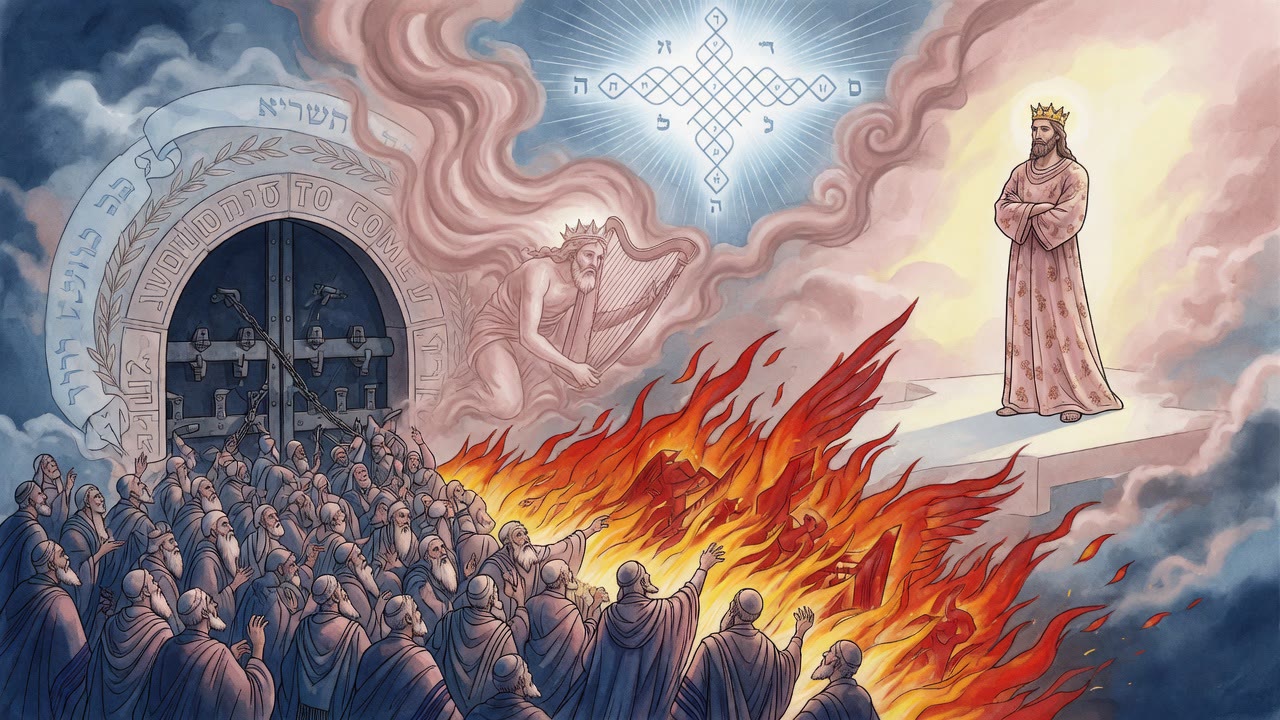
The Great Assembly moves to lock Solomon out of the World to Come until David's likeness bows, fire leaps, and a bat kol, a heavenly voice, forbids the ban.
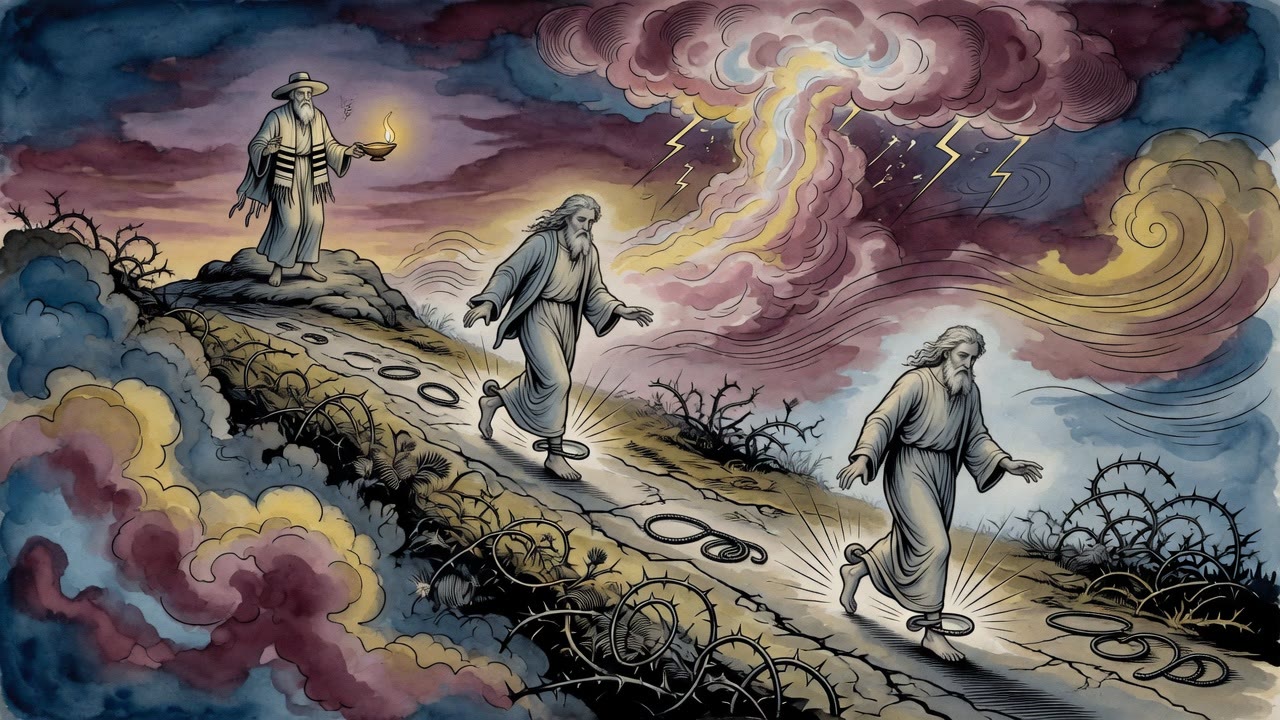
The snares were not painted red. One looked like a shortcut. One looked like a friend who laughed at caution. He walked that dust twice.
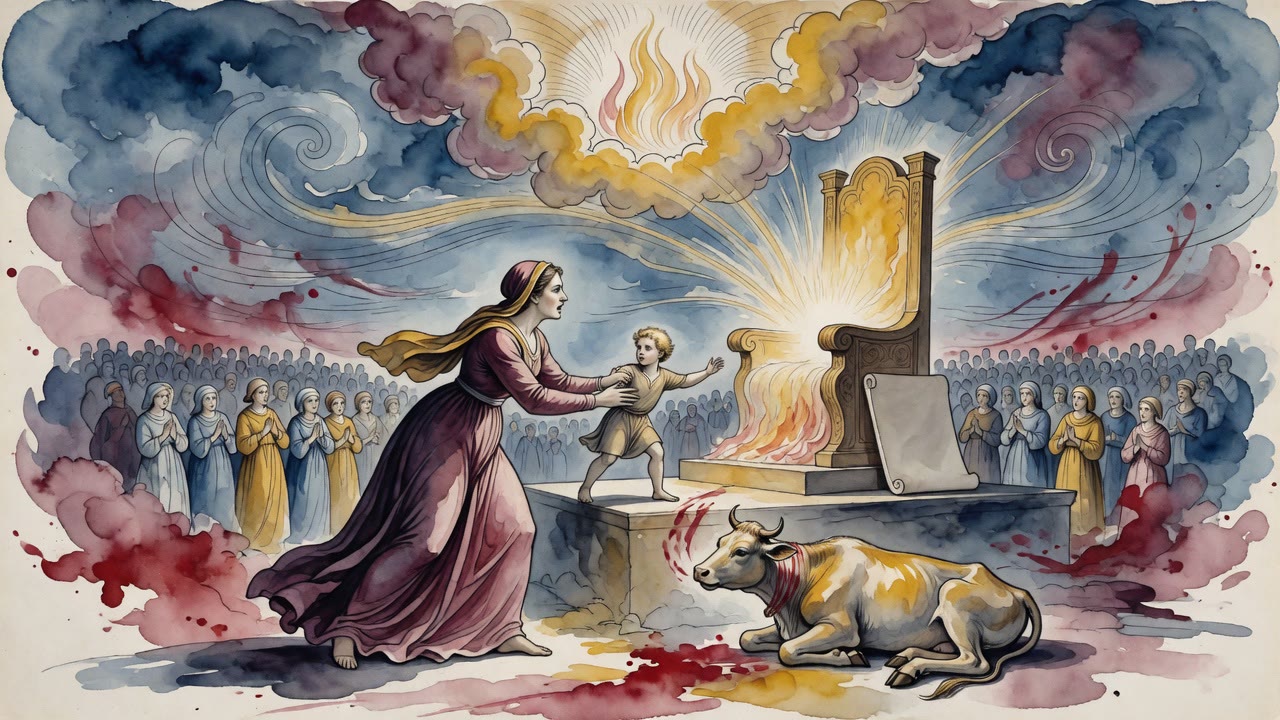
The onlookers told each other she had come to have the boy killed. She heard them. Then she stood up and told the judge he had kicked her.
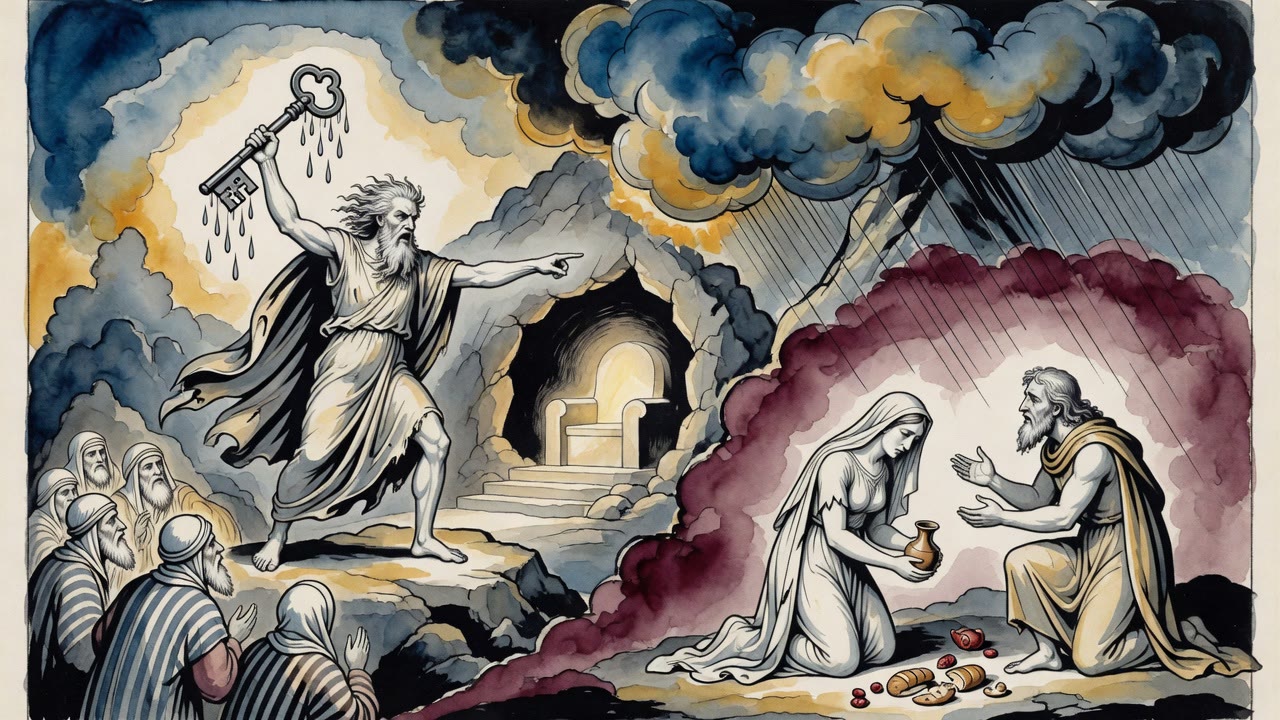
Elijah seizes the key of rain and accuses Israel at Horeb, while Hosea learns on his own marriage why a prophet must plead before he condemns.
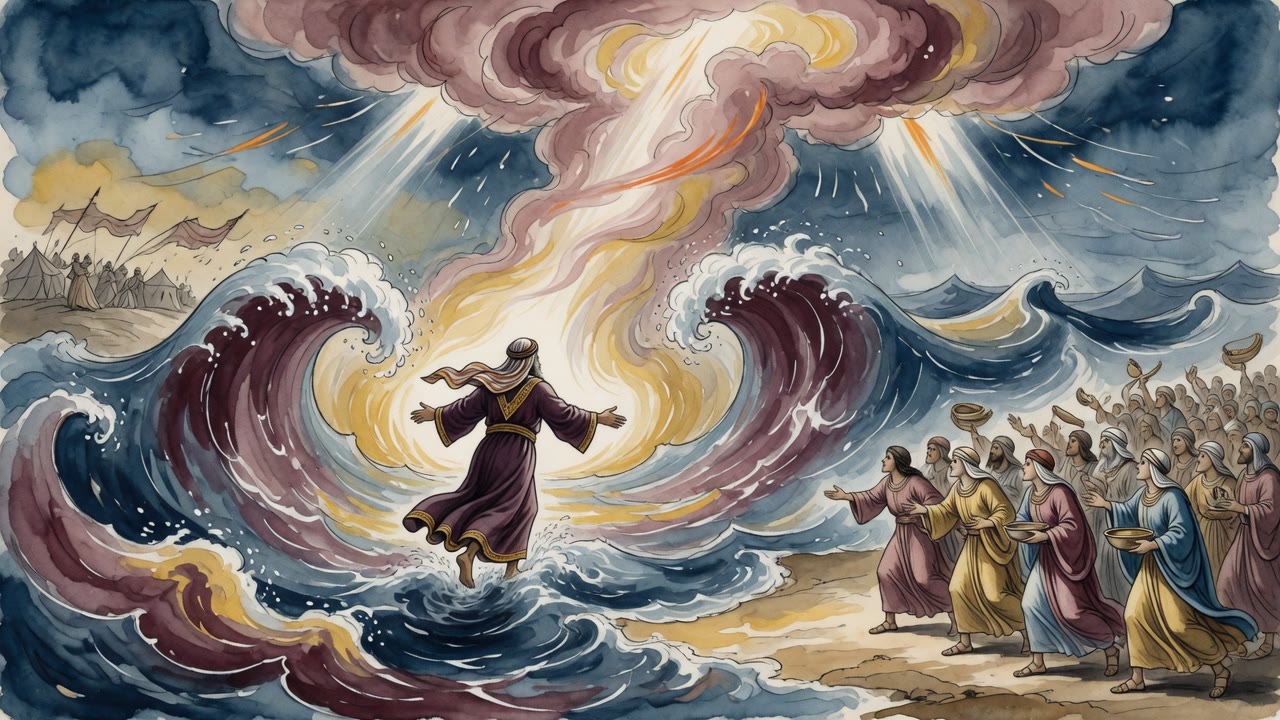
Heaven held Nabal through the Days of Awe after he insulted David. The gate stayed open ten days. He never walked through it.
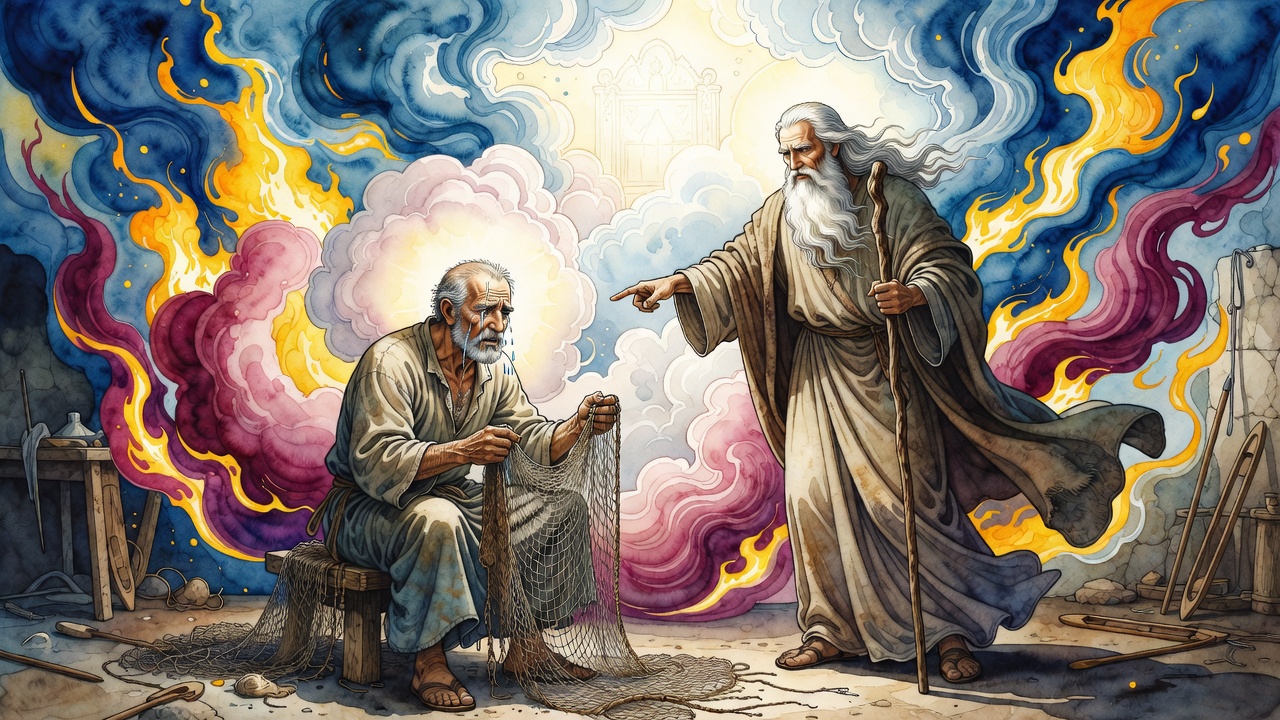
A scoffer said heaven never gave him understanding for study. The teacher asked who taught him to weave nets, and the man wept.
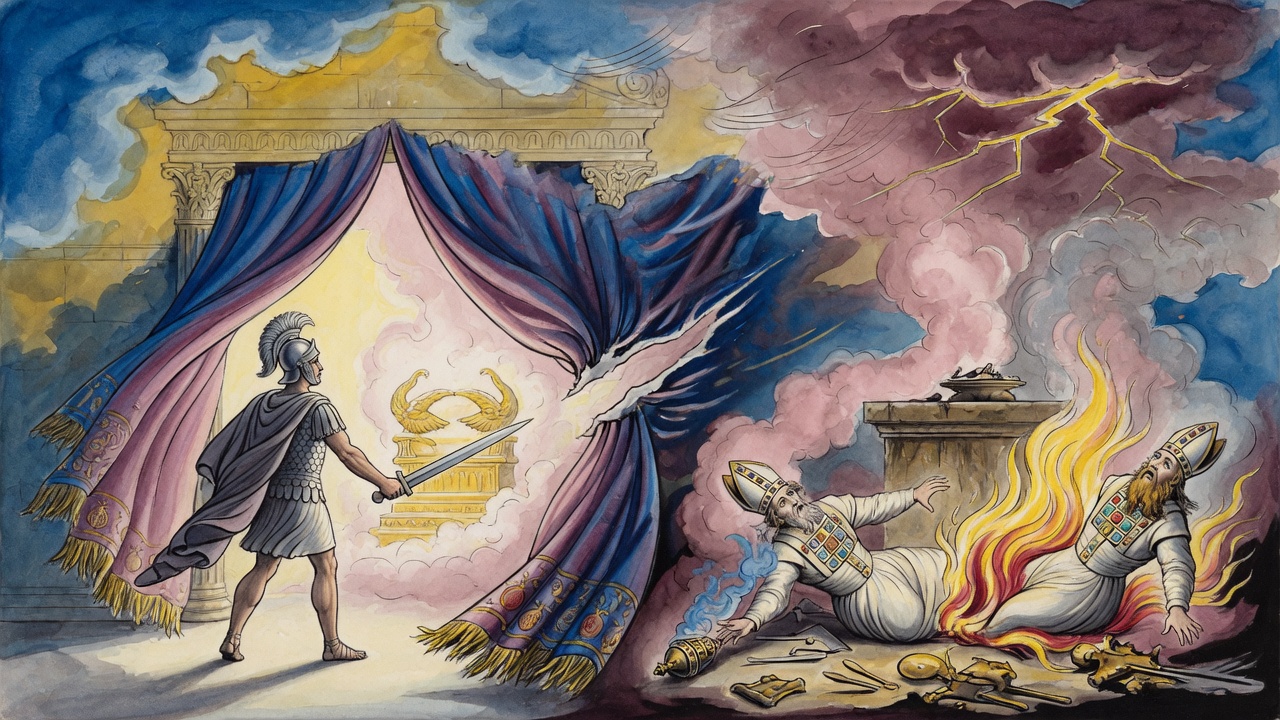
A mixed life hangs between pure merit and pure guilt. Yom Kippur opens like Noah's door. The Shekhinah, the Divine Presence, waits to see who boards.
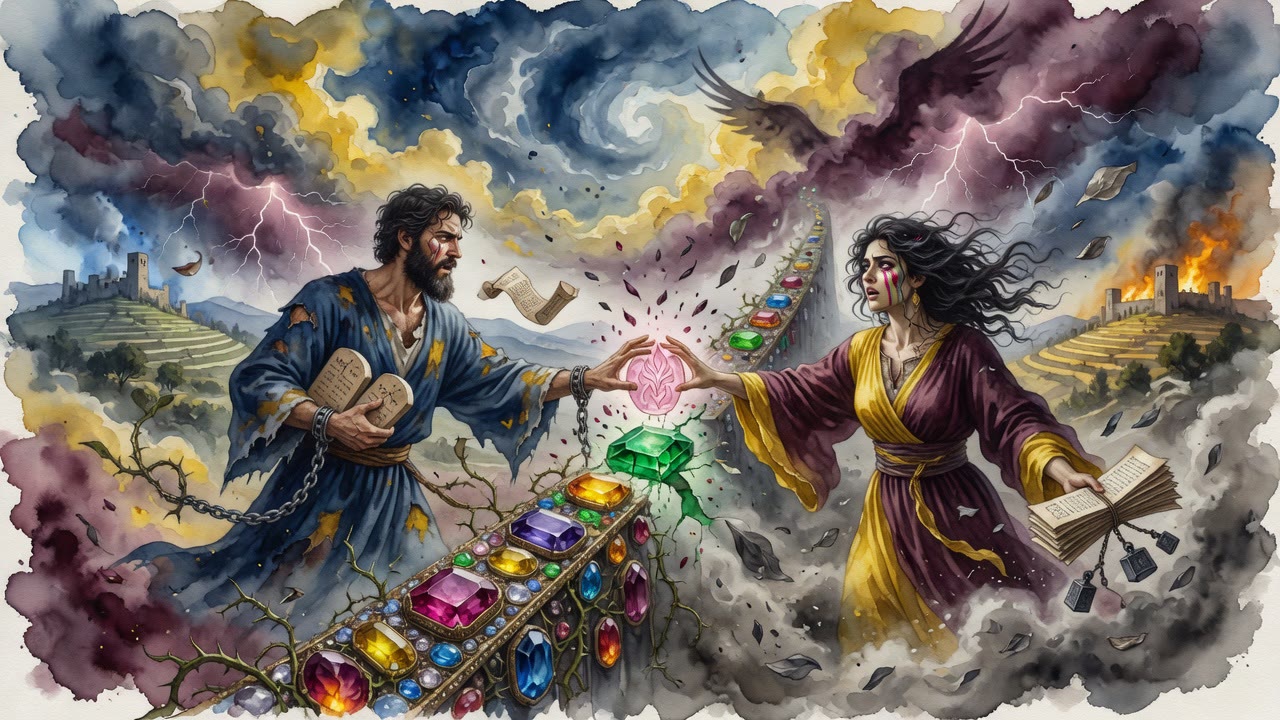
One man owed the other silver, so they walked to Jerusalem to find a judge. At the edge of the city they found gems lying loose on the ground.
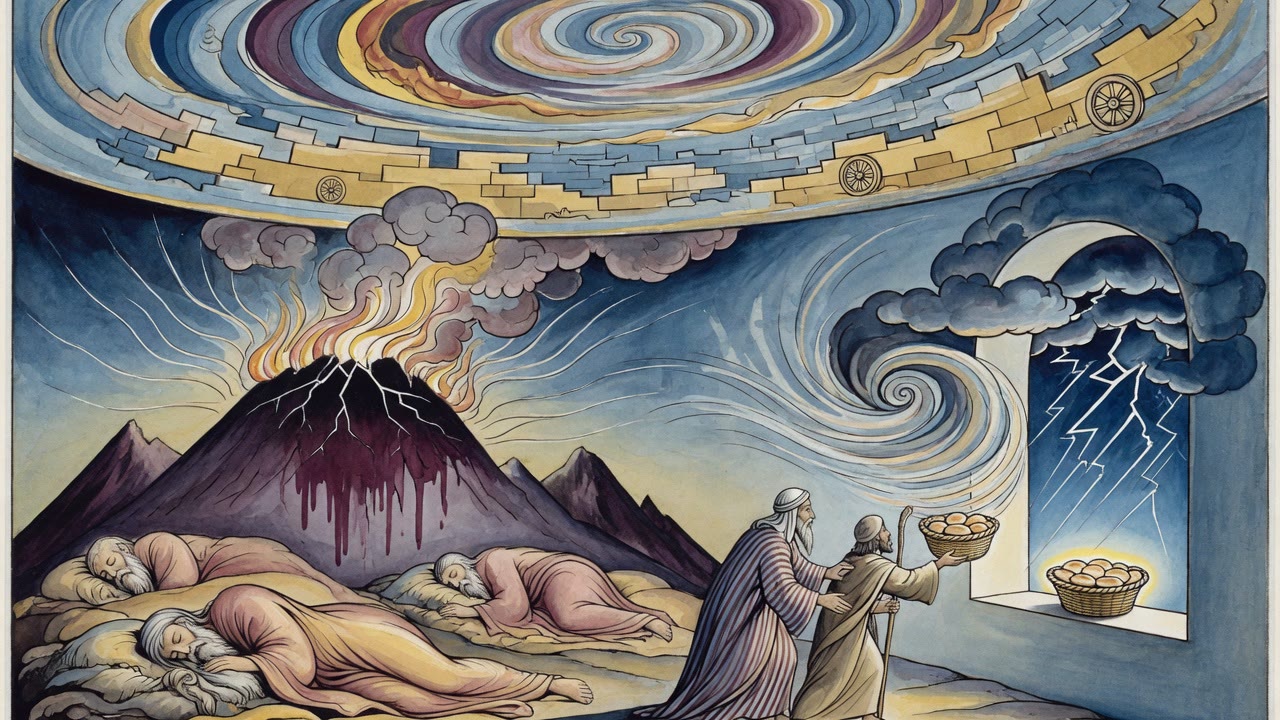
Metatron sat writing. Elisha thought he saw a second throne. When he died, fire burned on his grave until a cloak covered it.
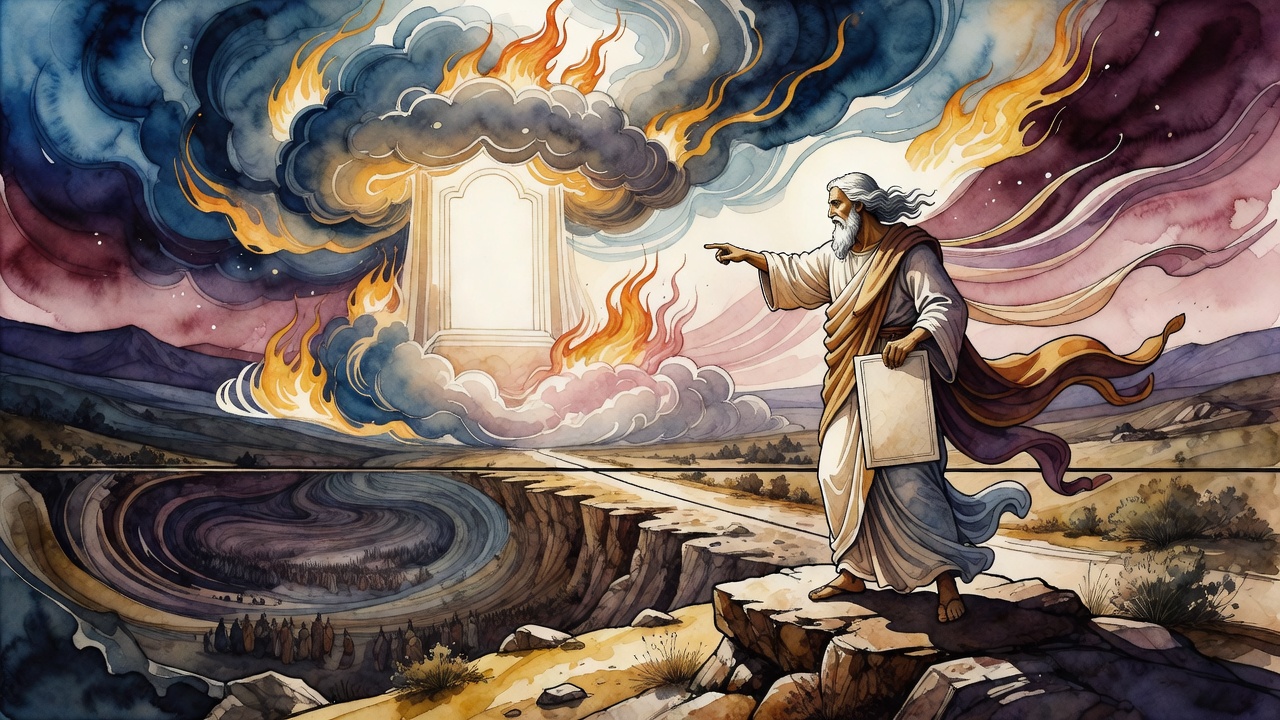
Opposite Beth Peor Moses showed Israel the valley their sin had dug, then pointed past his barred road to a God who still receives the penitent.
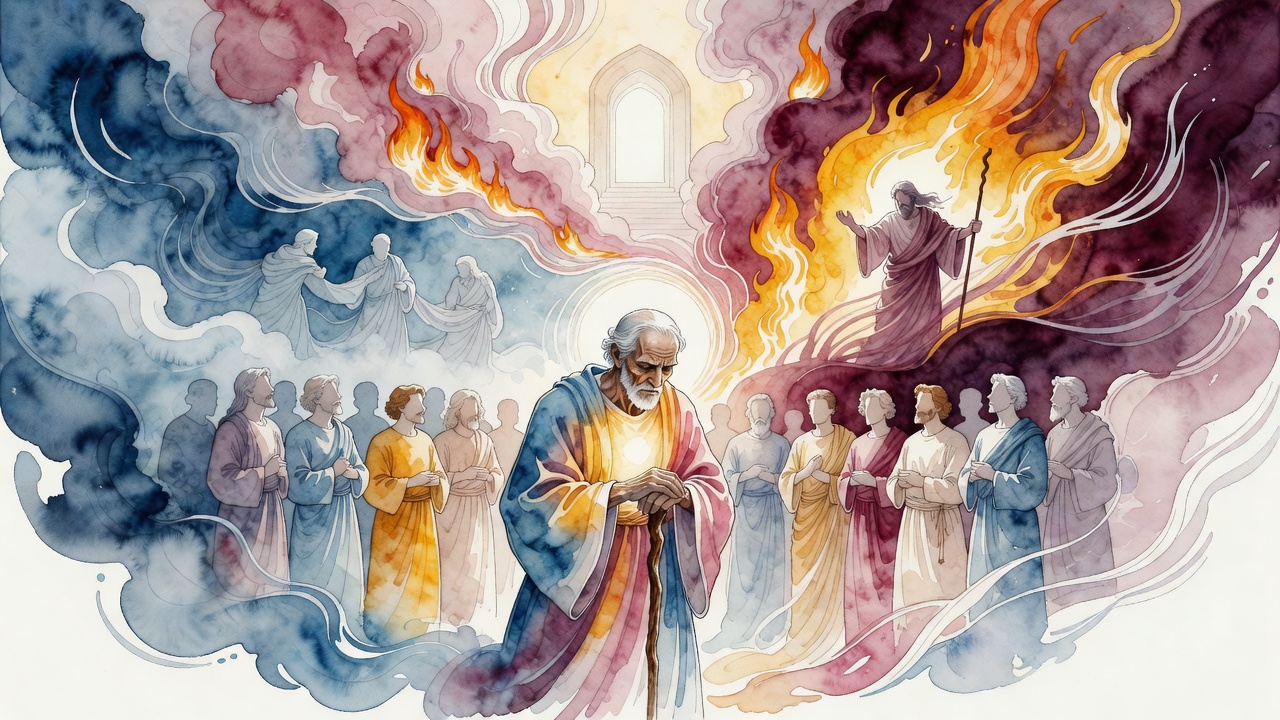
Jacob heard and did not speak. Reuven stayed in the camp under that silence, and spent the rest of his years trying to deserve his name.
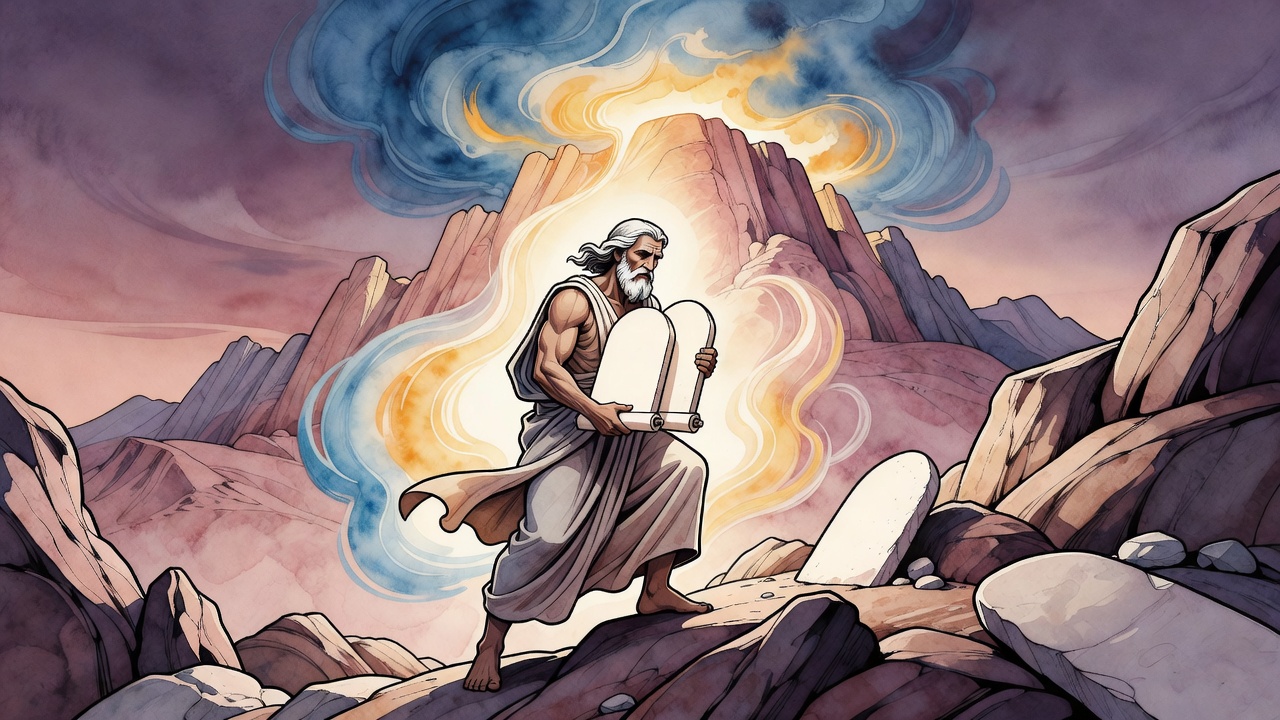
The first tablets had been cut by heaven. Moses hewed the next pair himself, then climbed Sinai before dawn with the stones in his hands.
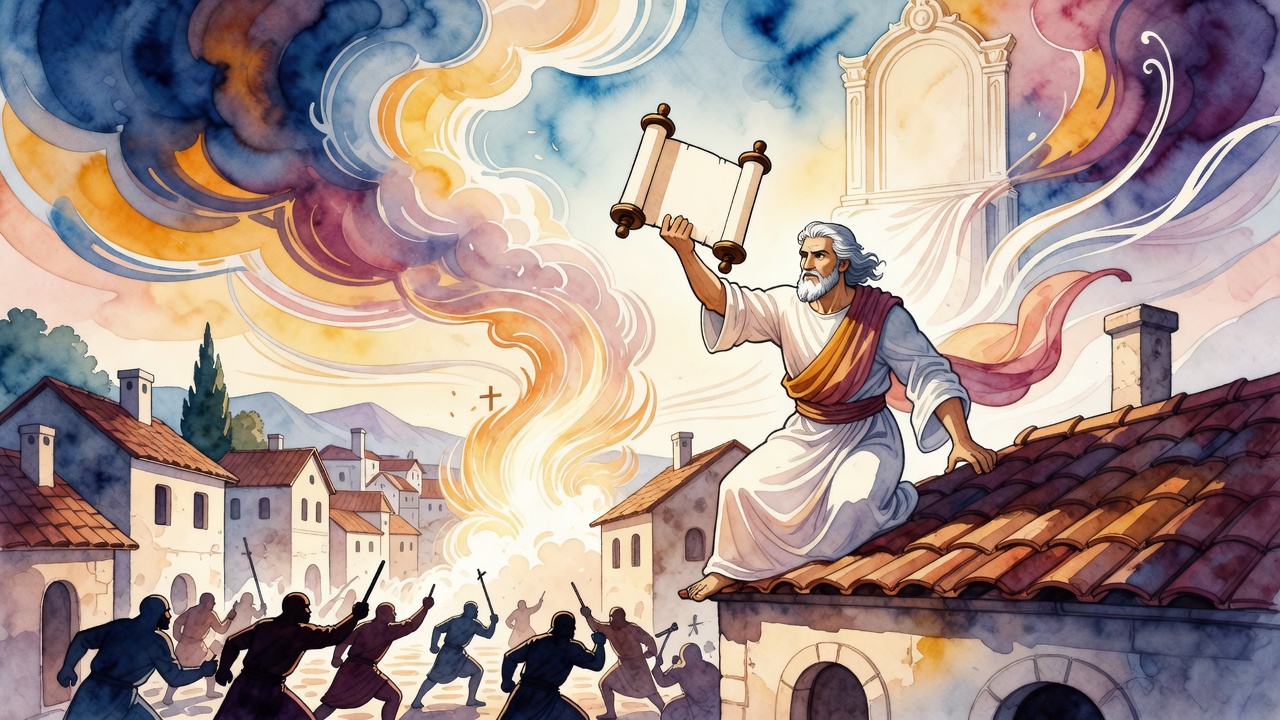
Raiders entered the town. Levi climbed to the roof with a Torah scroll and staked his life on never having dropped a word of its practice.
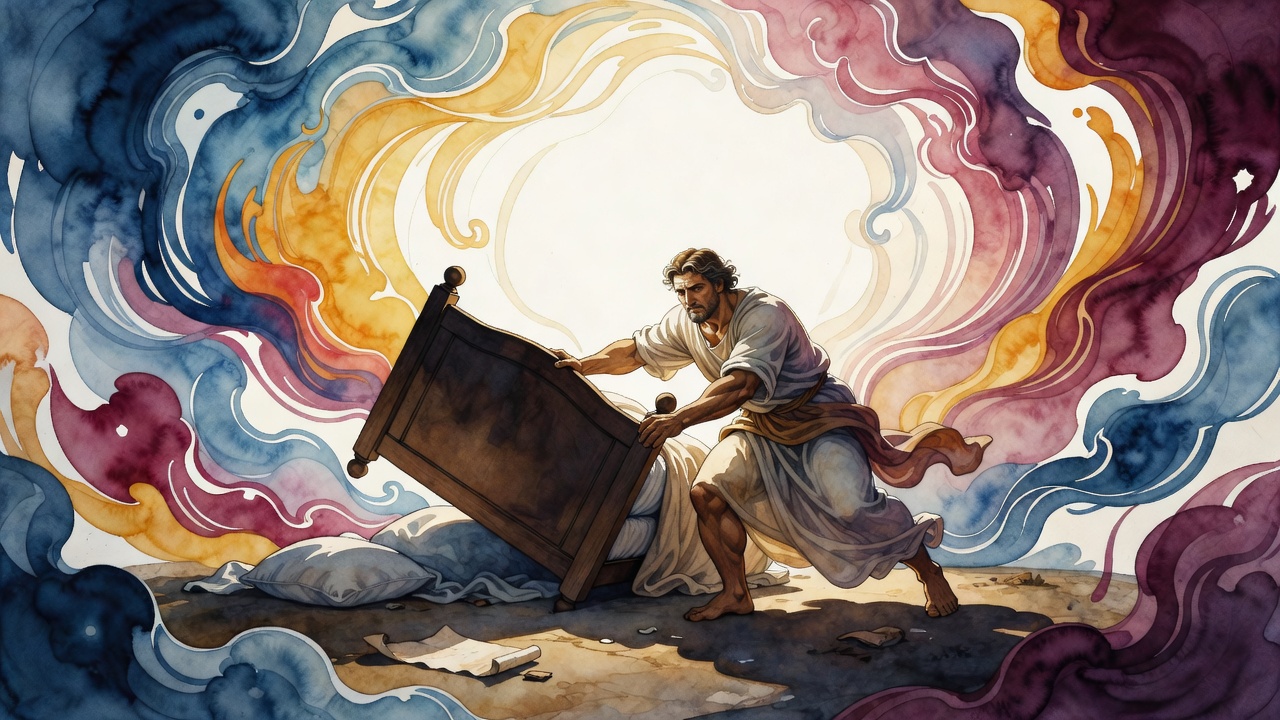
Jacob set his bed beside Bilhah after Rachel died. Reuben turned the frame over for Leah. The next line of Torah still named him among the twelve.
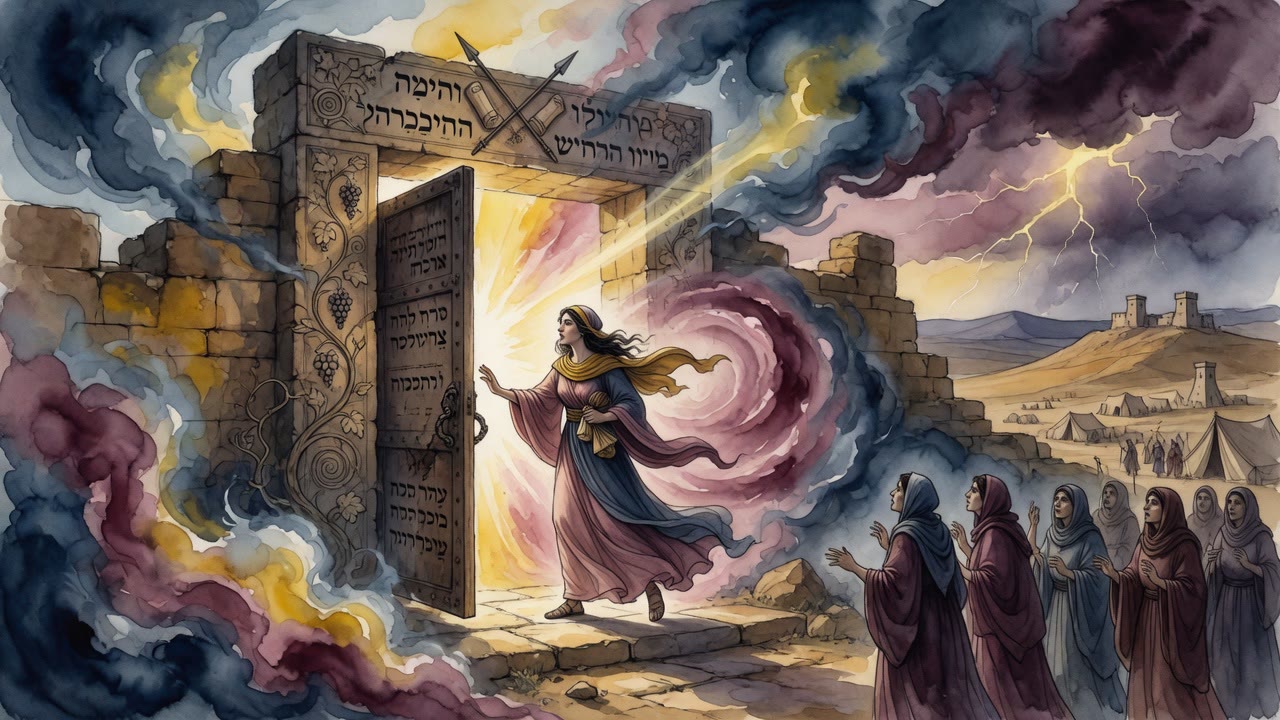
After Bathsheba, nations said David had no salvation left. Nathan arrived with pardon, and the head owed to the block was lifted up in mercy instead.
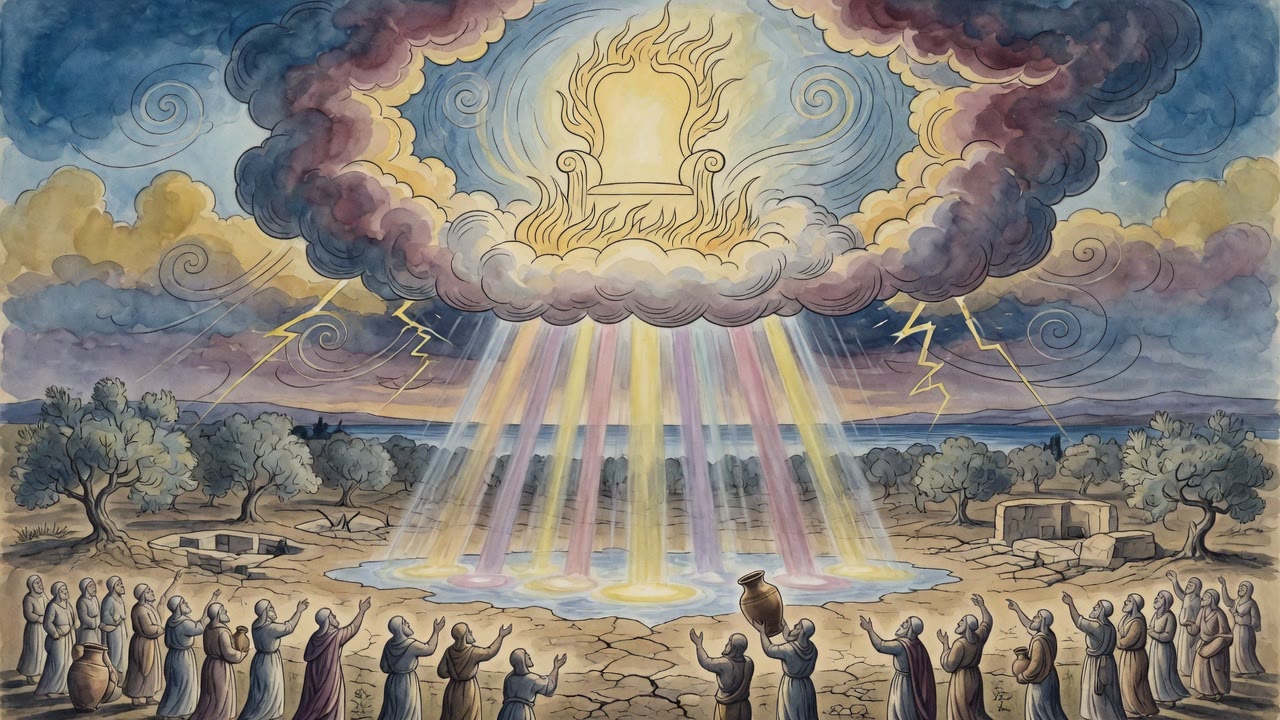
When Methuselah died, God sat shiva for His own world, reversed the sun, and let the doomed taste the World to Come before the rain fell.
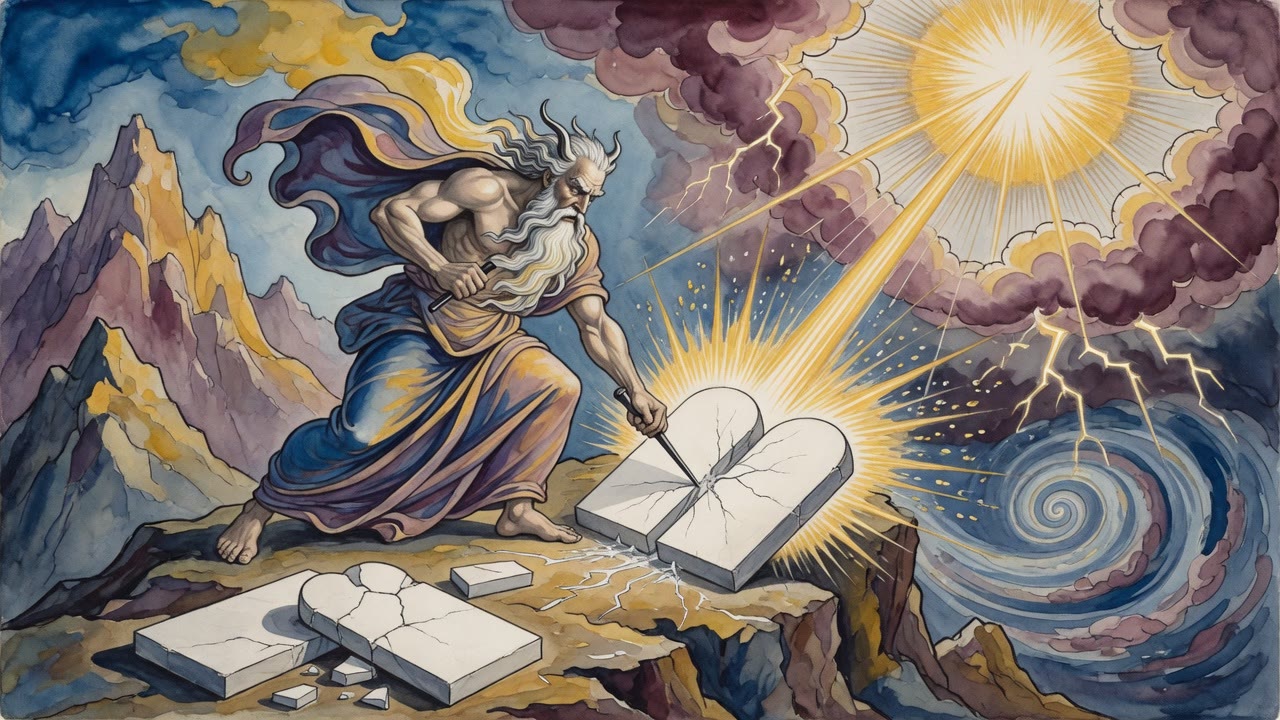
After the calf, Moses climbed Sinai with blank stone and watched God wrap Himself like a prayer leader, teaching the thirteen names that reopen mercy.
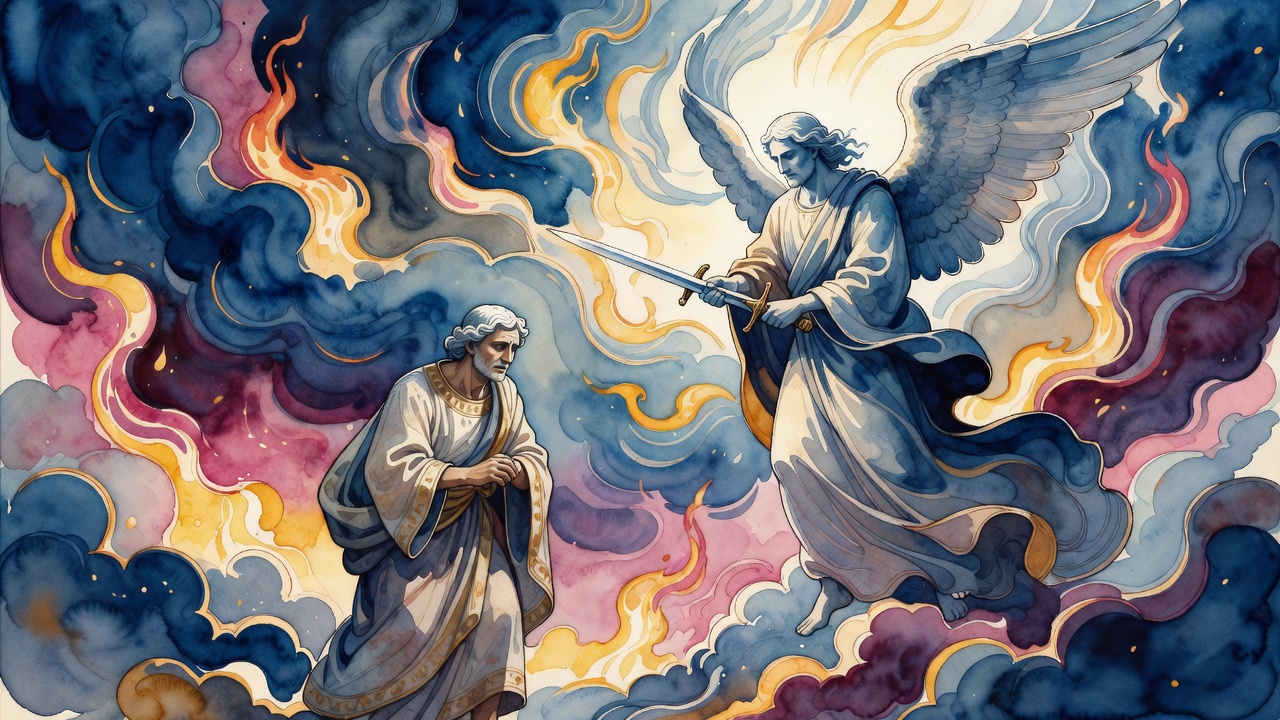
The plague ran through streets that had sung his psalms. David confessed and blamed no one else. Among the dead was a teacher of Israel.
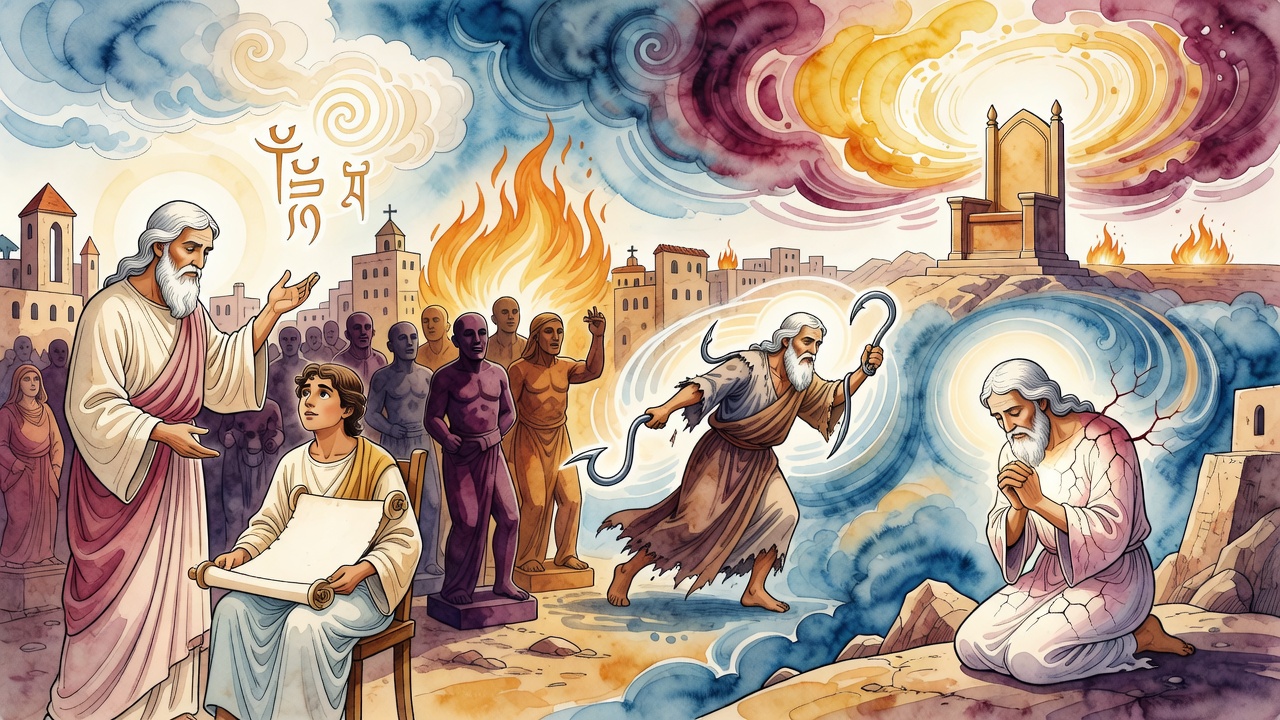
Hezekiah hired tutors for his son. Manasseh filled Jerusalem with idols anyway, and only Assyrian hooks in his flesh made him pray.
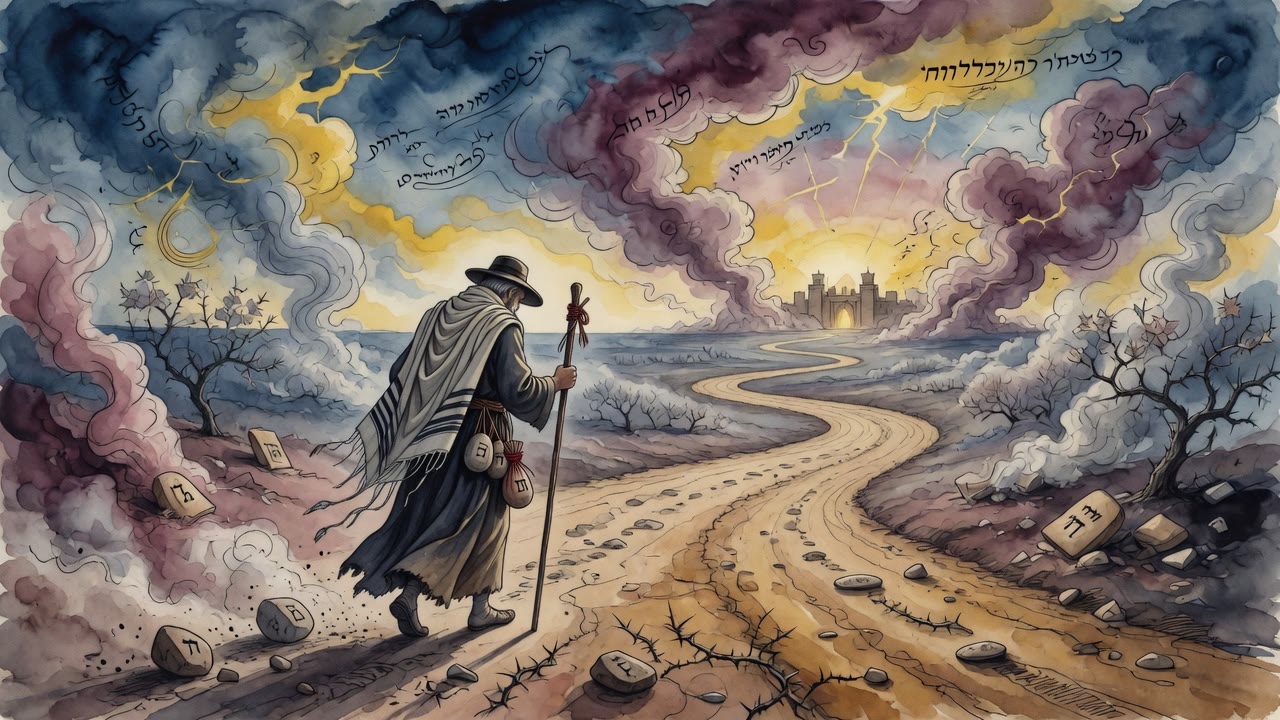
Rabbi Mattia ben Charash arrived with four questions, not one. His throat was dry from the road. He would not drink until Elazar ben Hakappar named the first.
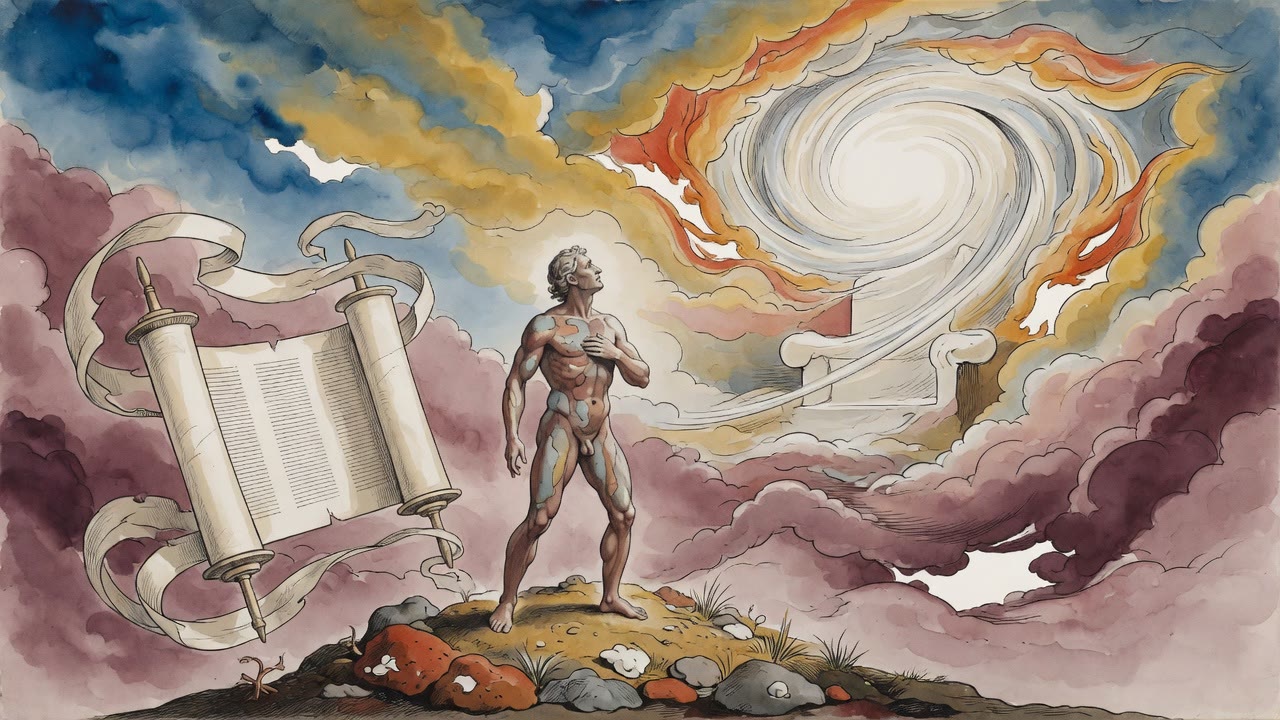
Juice still wet on his fingers, Adam heard the Voice that had formed him. By dusk he stood in judgment, still alive, still named.
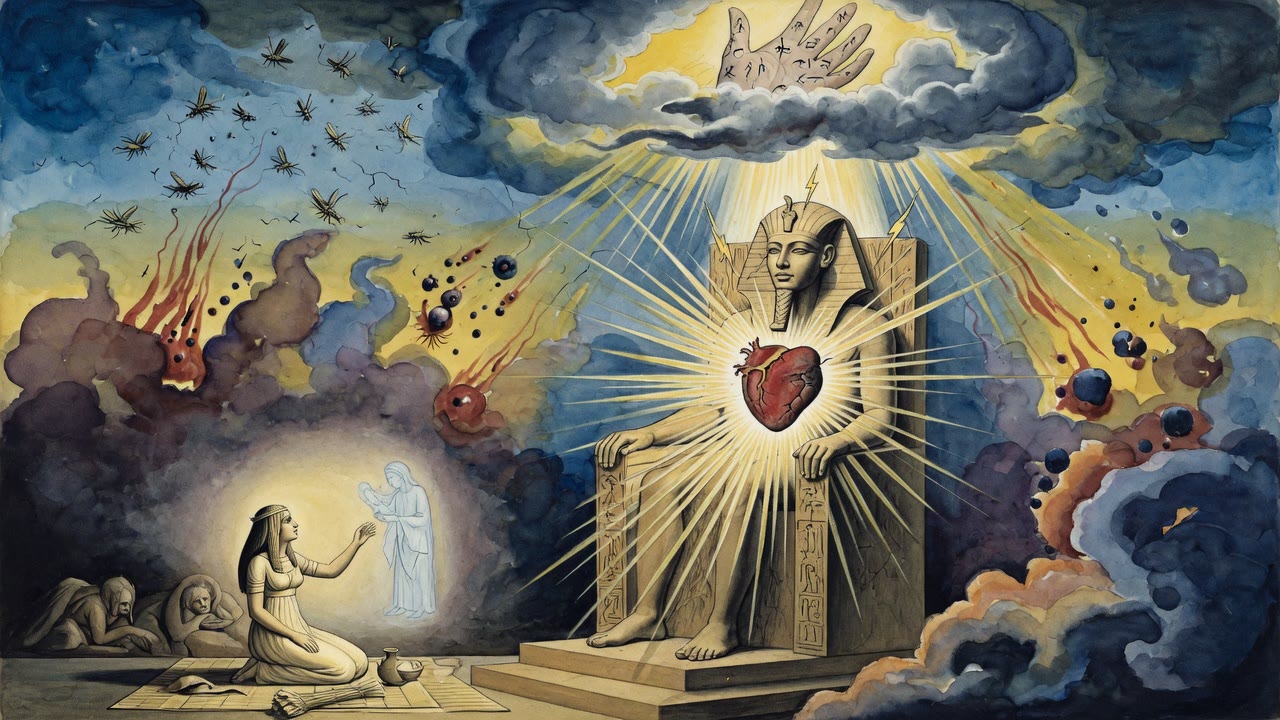
Warning after warning strikes Egypt, and Pharaoh hardens himself first. Heaven cooks his heart like twice-boiled liver, while Bitya lives by an old kindness.
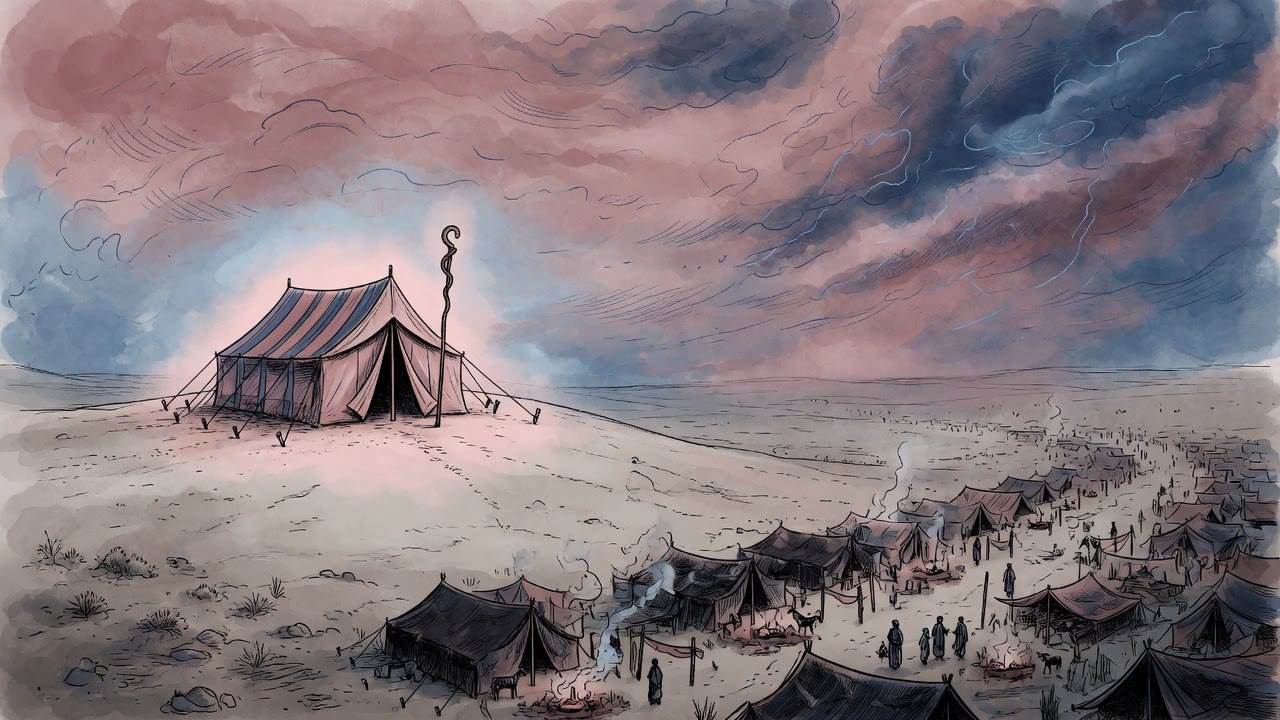
The gold of the calf still stank in the dust. Moses dragged his tent past the last row of Israel and did not look back.
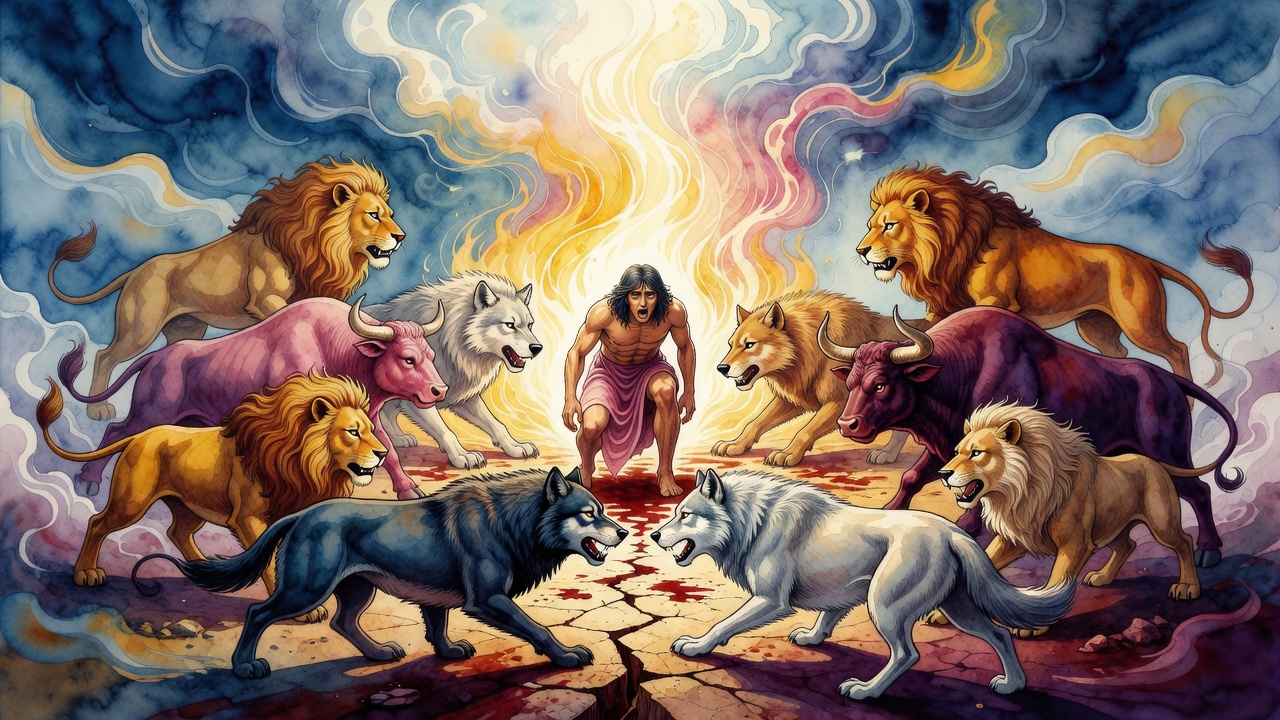
Cain backed toward a rock with his brother's blood on his hands. The animals wanted a verdict. God put a leash on the world instead.
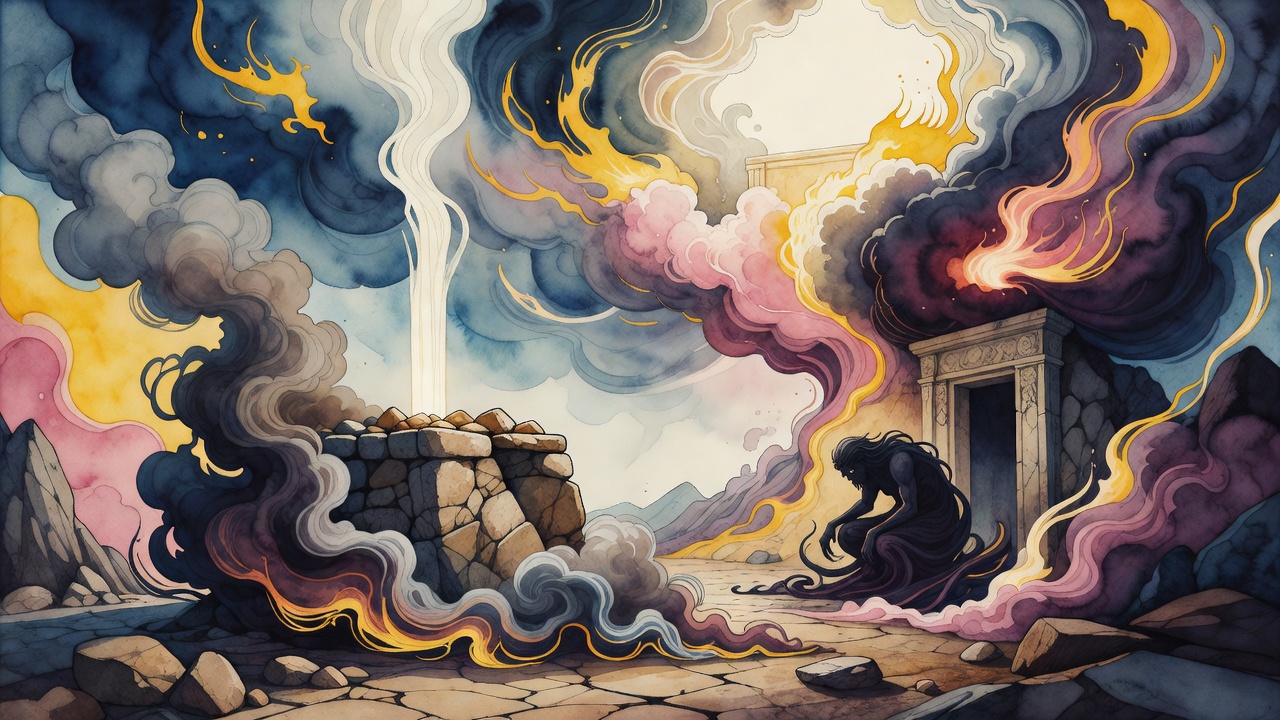
Abel's smoke climbed. Cain's hung low over the fruit. At the door a crouch waited, and the Voice still offered him a turn he did not take.
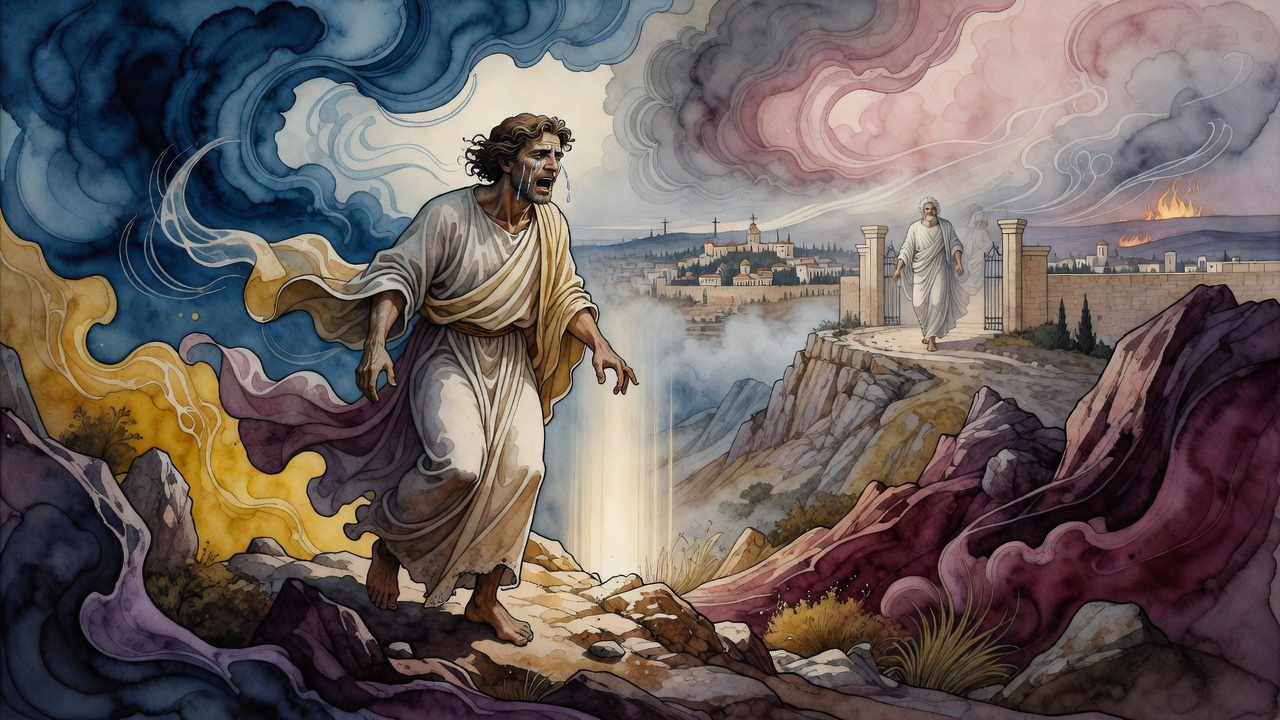
On the Mount of Olives David climbs barefoot, tears on his face, a psalm in his mouth. Absalom takes the city, and measure for measure walks with the king.
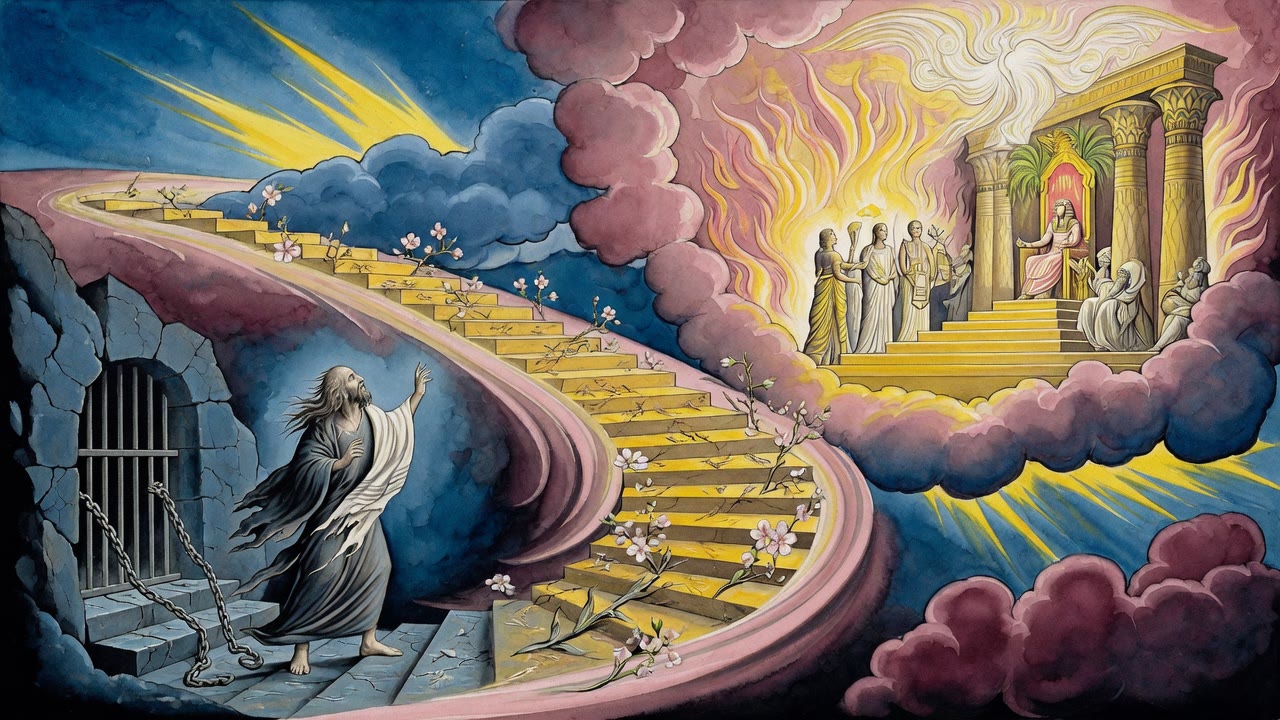
The doctor closed his bag over a silent mouth. The Baal Shem Tov asked for meat broth and waited until the soul signed.
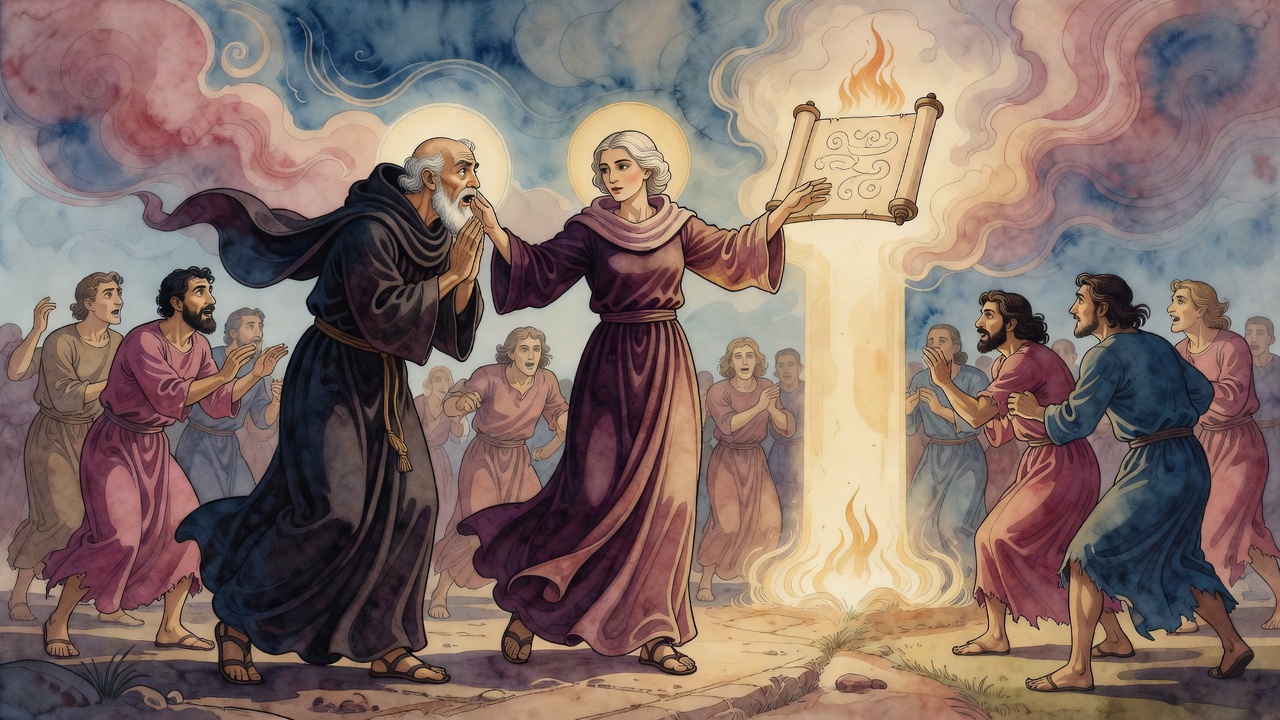
Hooligans bait Rabbi Meir until he prays for their deaths. Beruria stops his mouth mid-curse, flips one word in a psalm, and forces mercy to finish the verse.
