228 myths · Page 5 of 8
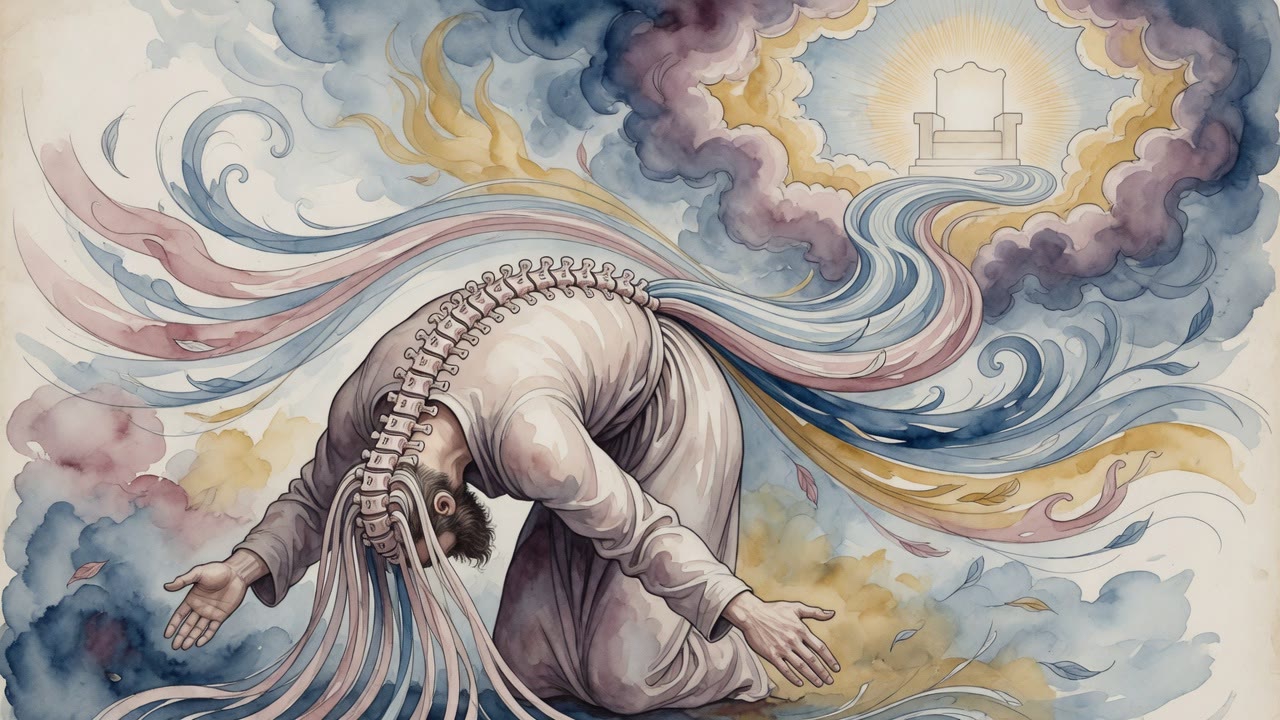
The tablets were already in pieces and God had said the reckoning was not closed. Moses went into the finished tent alone and listened.
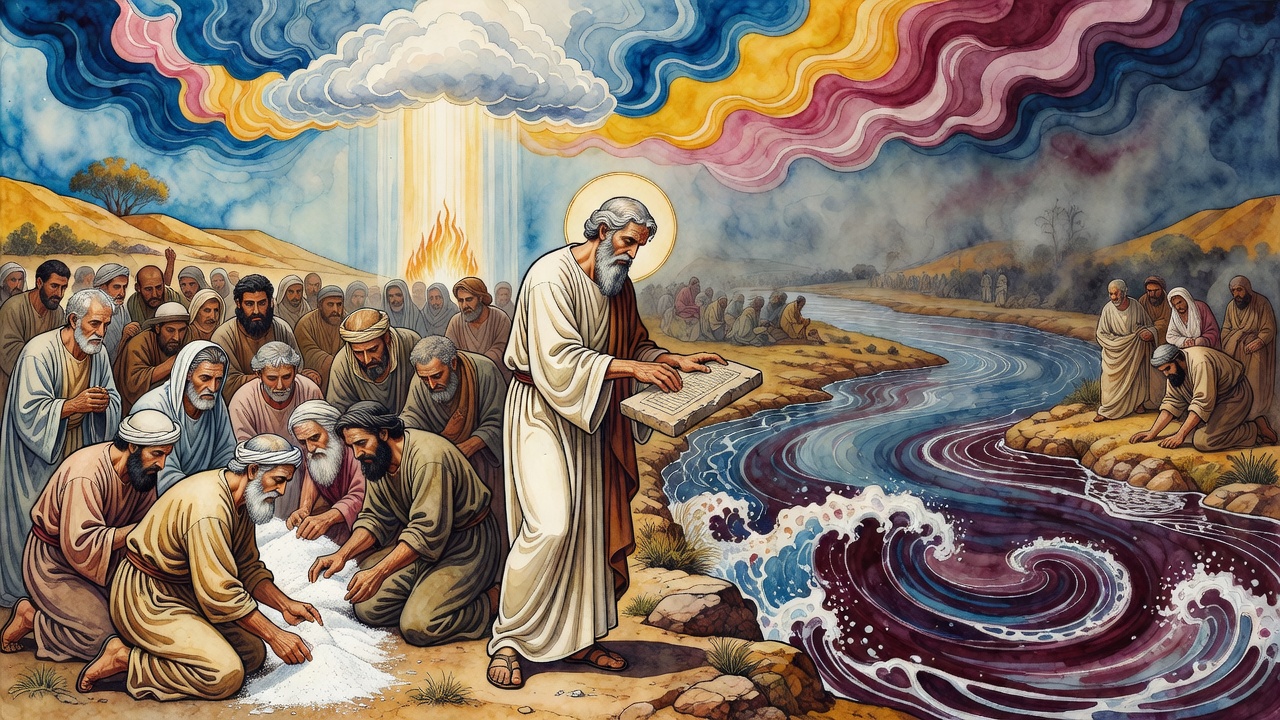
A man was caught gathering wood on the Sabbath. They held him in custody because Moses, who had received the law at Sinai, did not know the ruling.
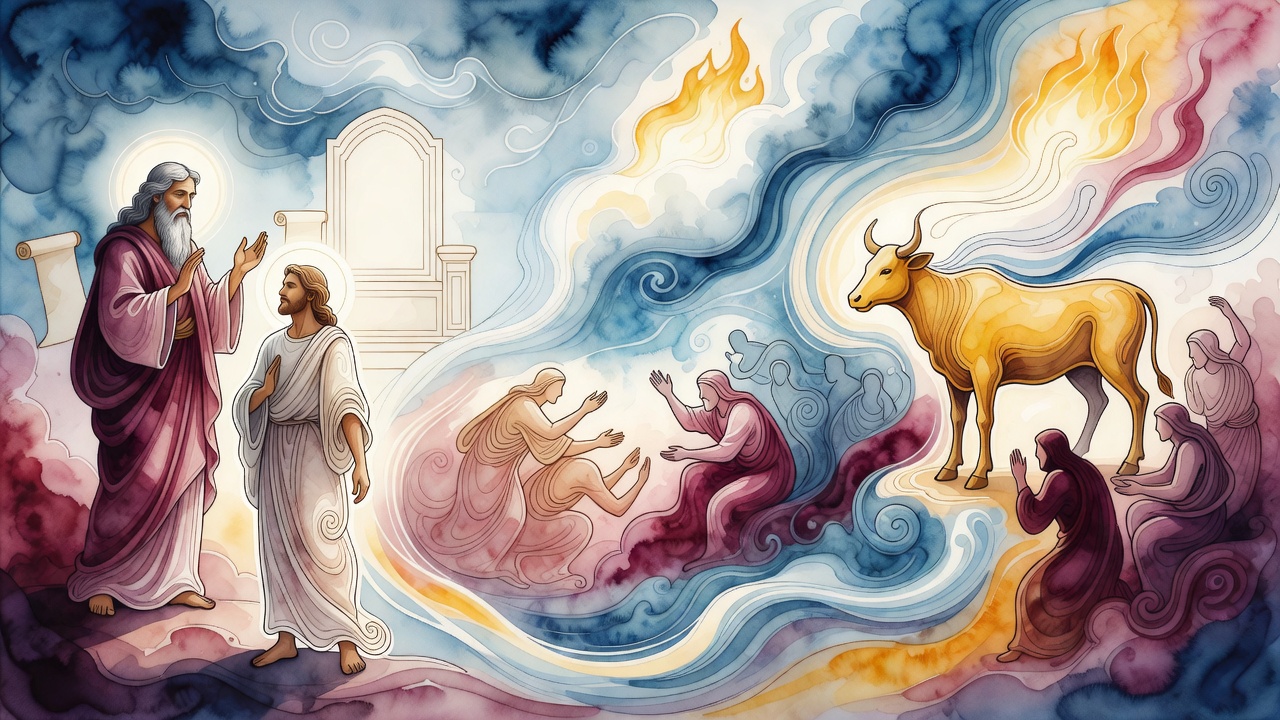
Princesses on the rooftops threw bracelets down to make Joseph look up. He kept his eyes on the road. His family later threw their gold into a fire.
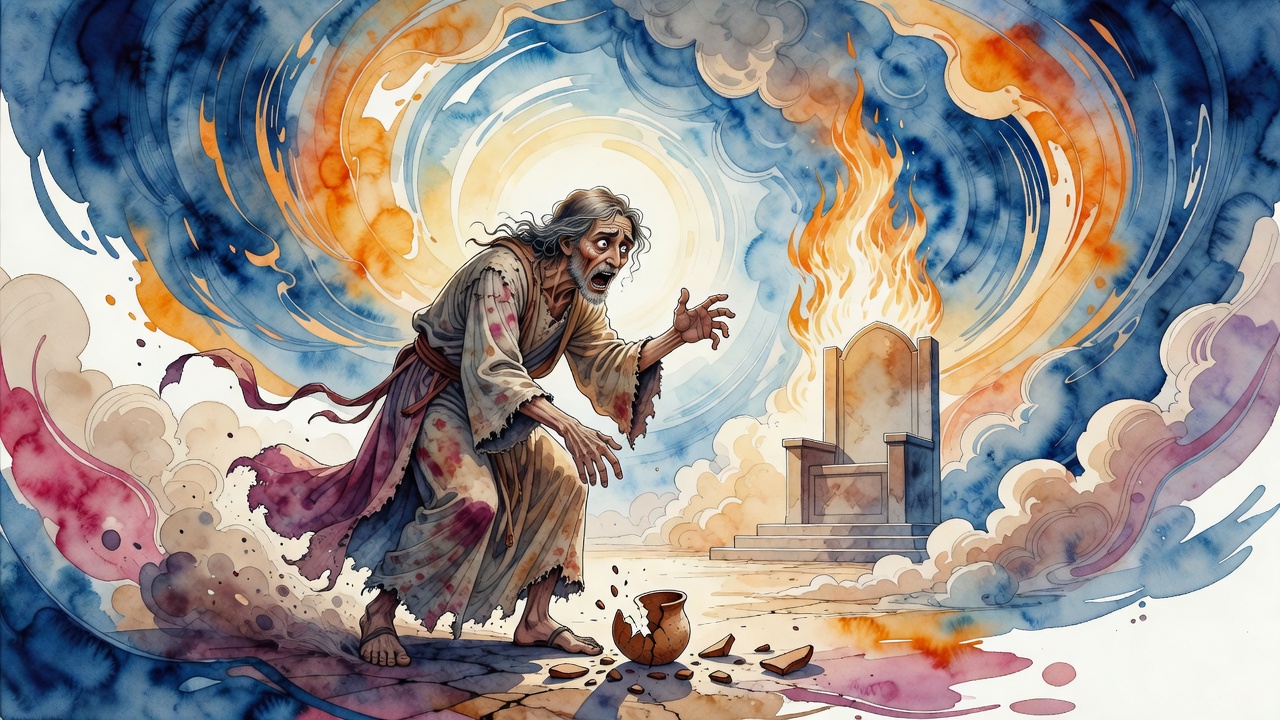
Akiva had watched the ship go down. He came to court so the man's widow could remarry, and the man he had seen drown walked in and stood in front of him.
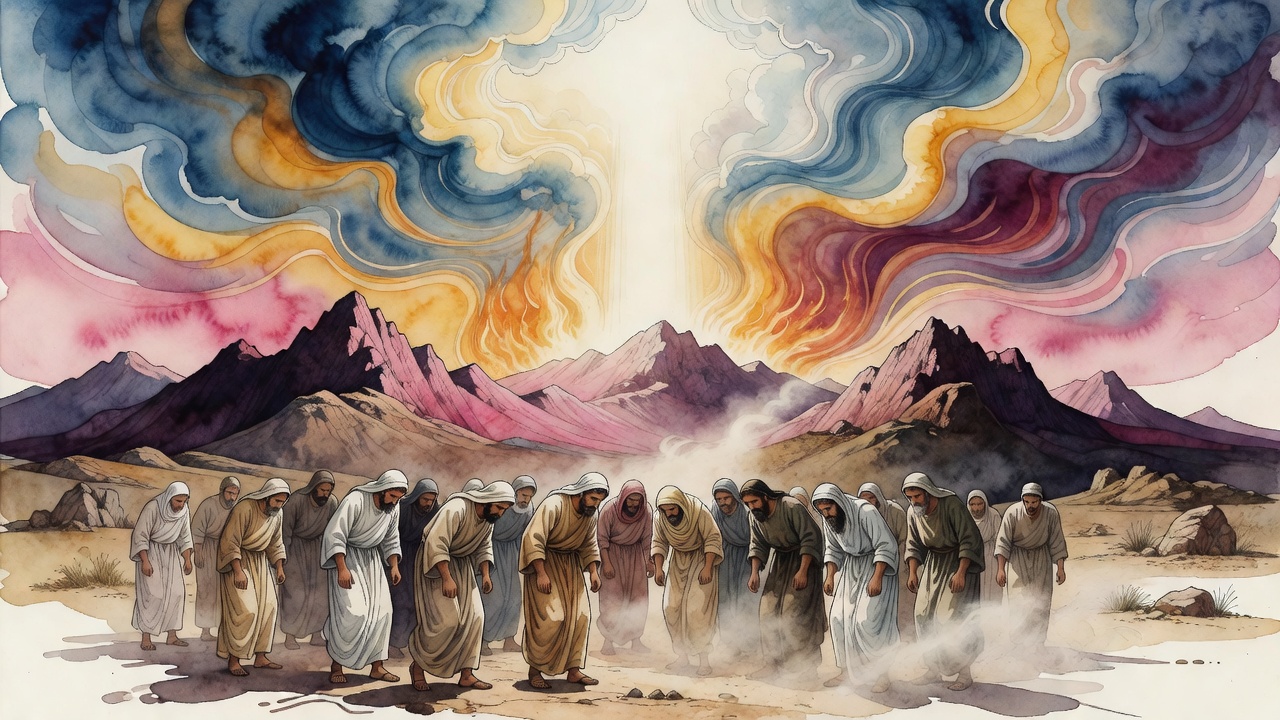
The mountains where they had burned offerings still stood every morning. Jeremiah brought that shame upstairs. God did not wait for them to climb.
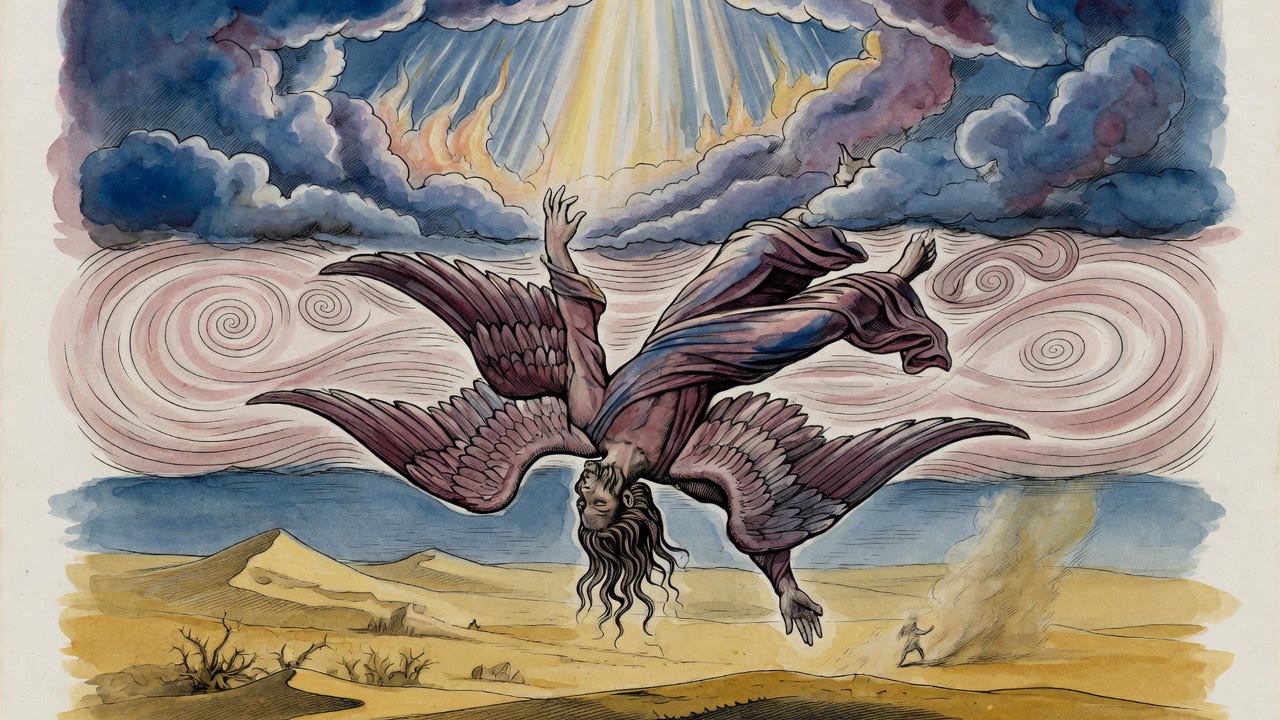
Shamchazai and Azael descended to prove angels could master the earth. One hangs in repentance between the worlds; the other became a name in the desert.
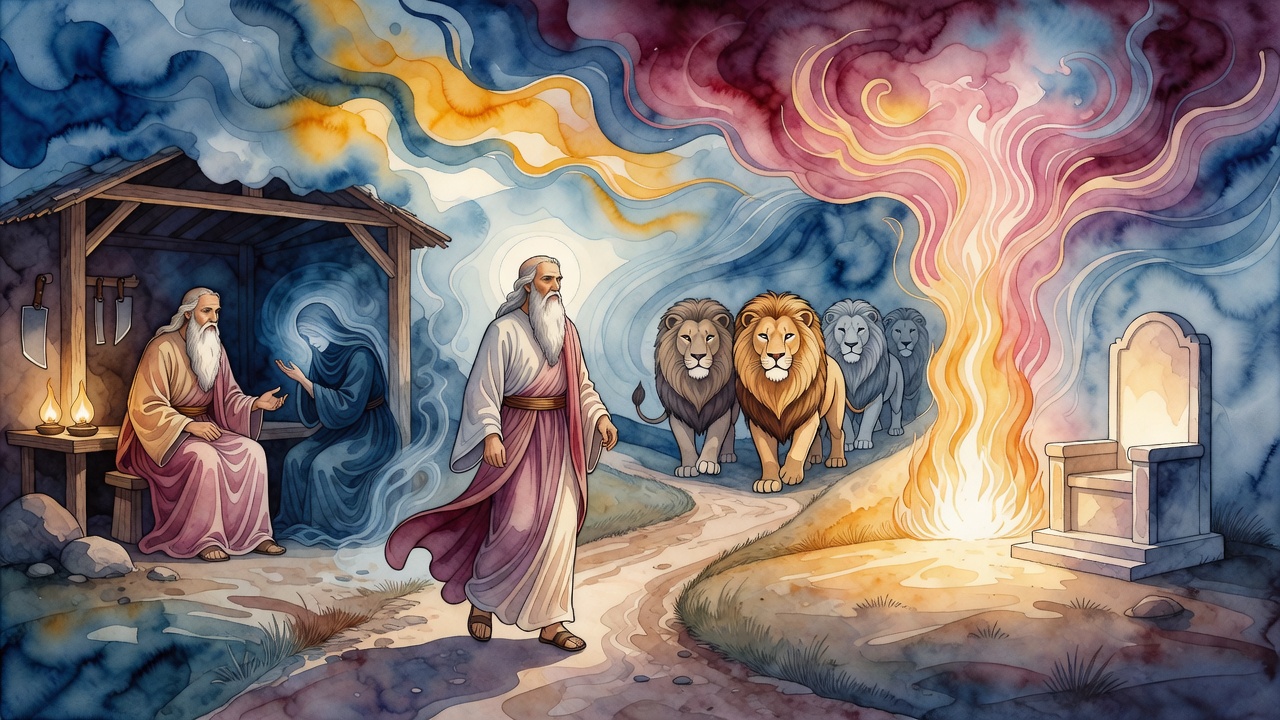
A sage lodges with a butcher, the new wife schemes in the dark, and Rabbi Meir walks home to demand the lions pass sentence on him
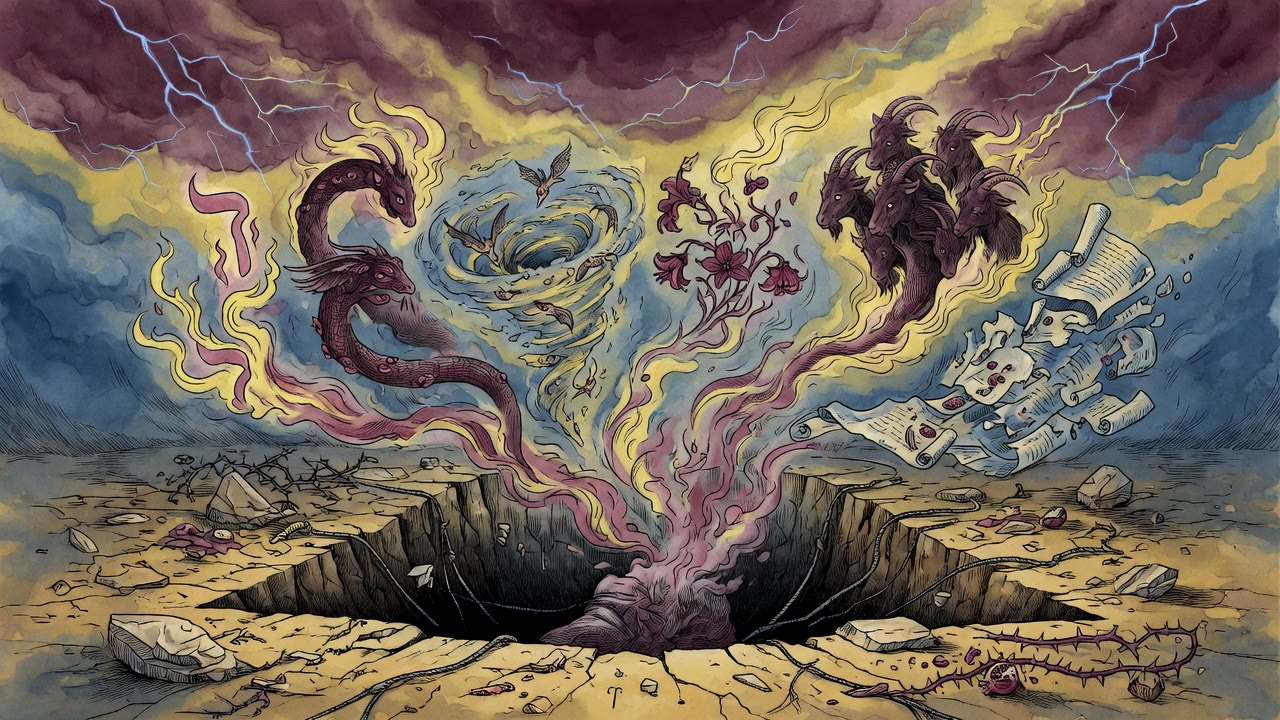
Years later Reuben told his sons what he had hidden. He had wanted Joseph dead. A sickness held his liver eleven months, one for each month of the hatred.
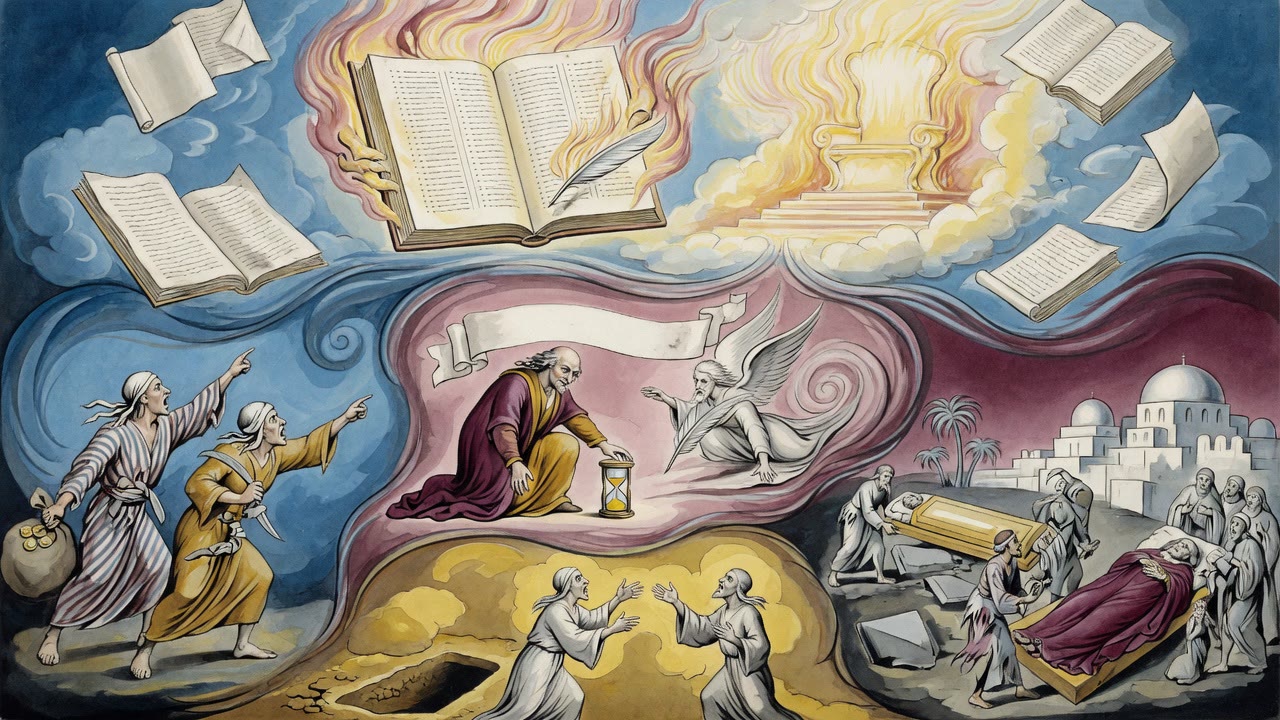
Two robbers cry favoritism, a wicked man buys eternity with one hour, and in Ashkelon two funerals carry the wrong men to the wrong graves.
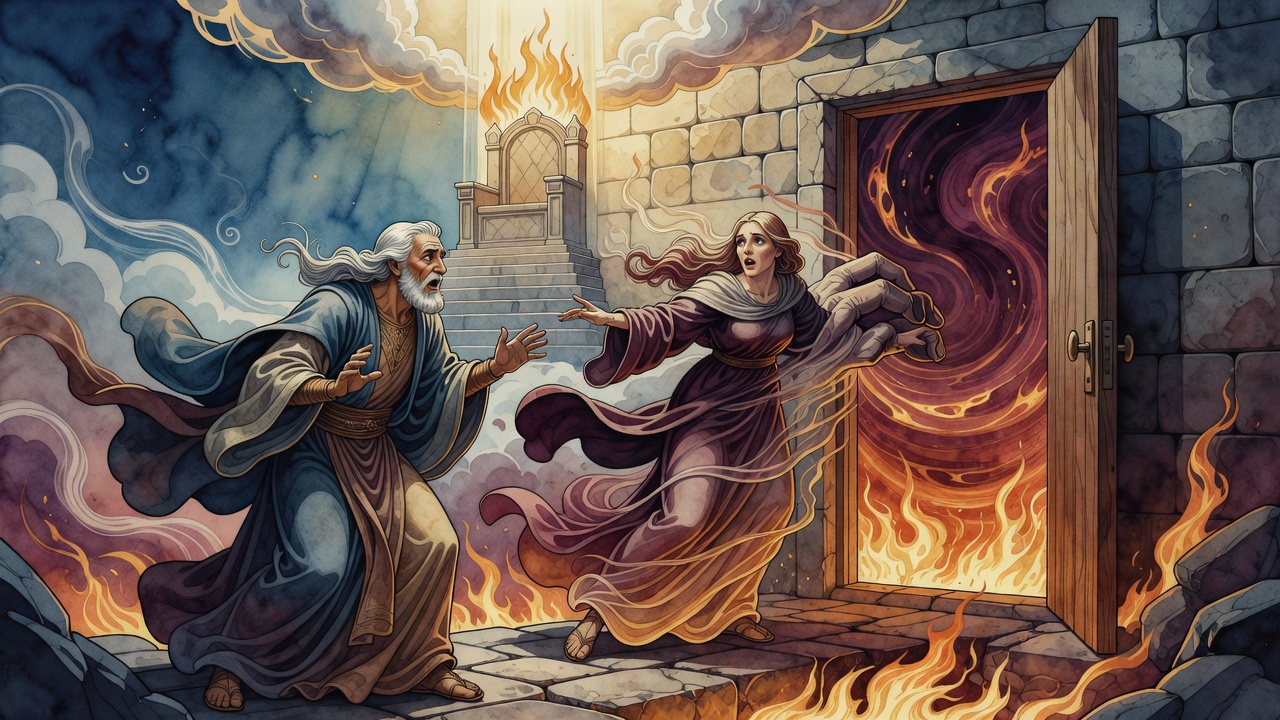
A rich man warns his wife never to open one door. The hand that pulls her through leads into Gehinnom, the afterlife of judgment, and its burning floors.
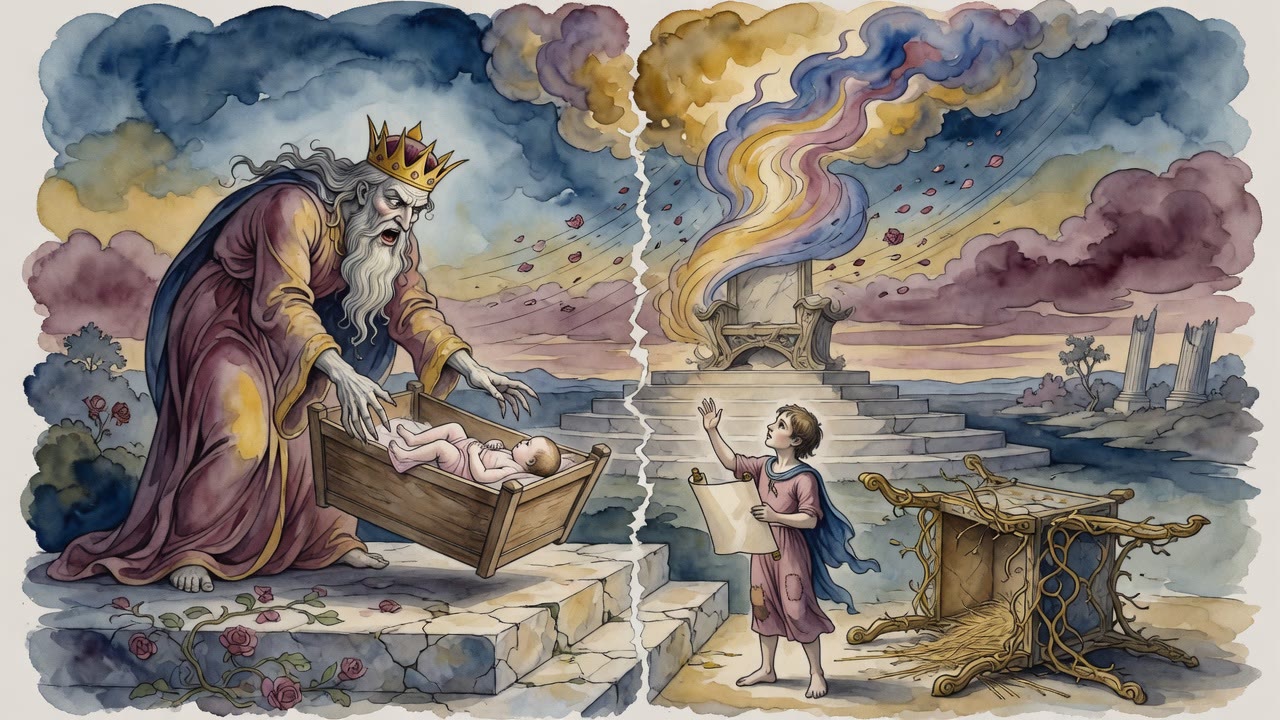
No one crowned him. He took the throne in the first wail and the first grasping fist, and held it thirteen years before a barefoot boy came to the gate.
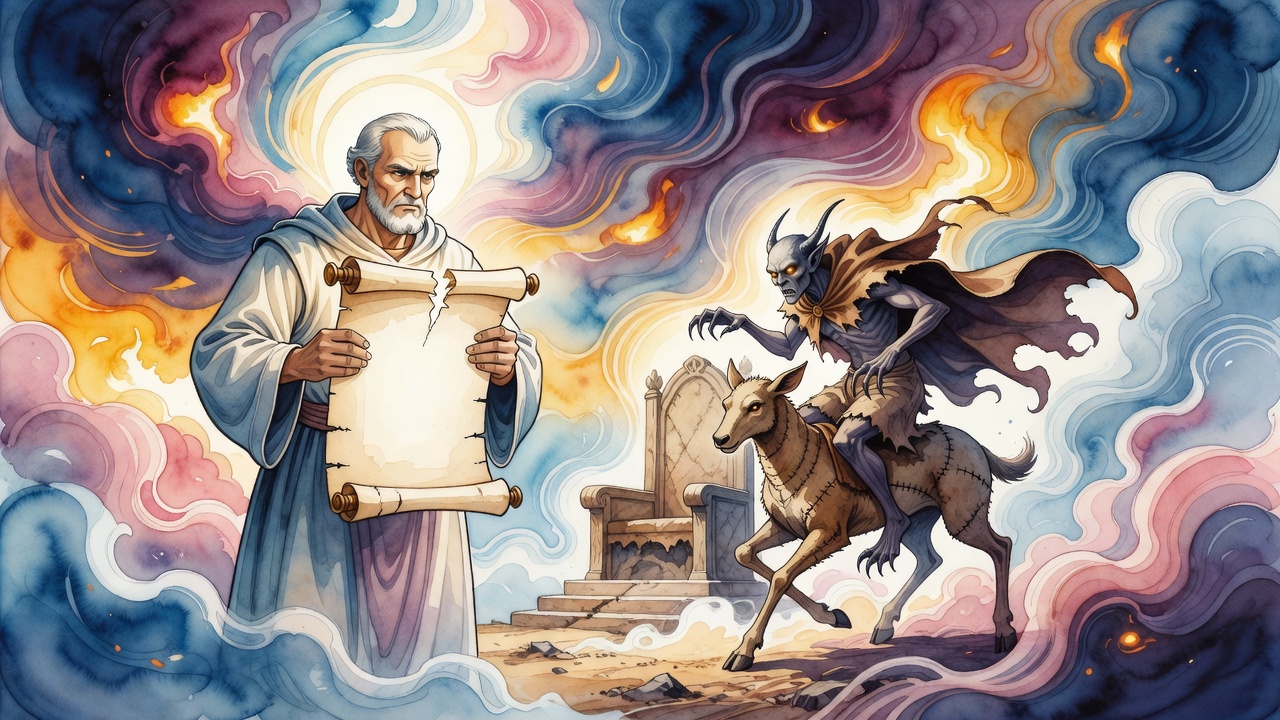
Hagag left the torn page under his heel and rode to hunt. In the thicket the deer stood up wearing his face and took the horse.
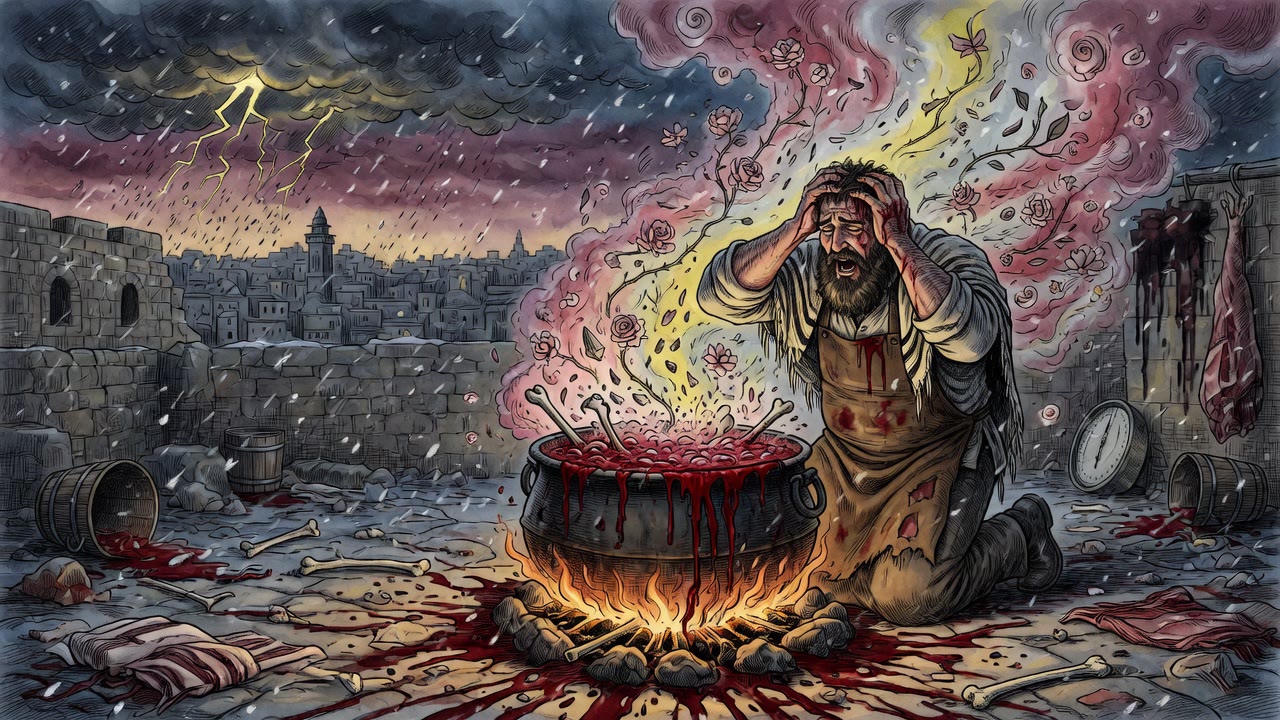
The priests said it was sacrificial blood. Nebuzaradan slaughtered animals on the spot to compare. Theirs lay flat and dead. The other pool kept boiling.
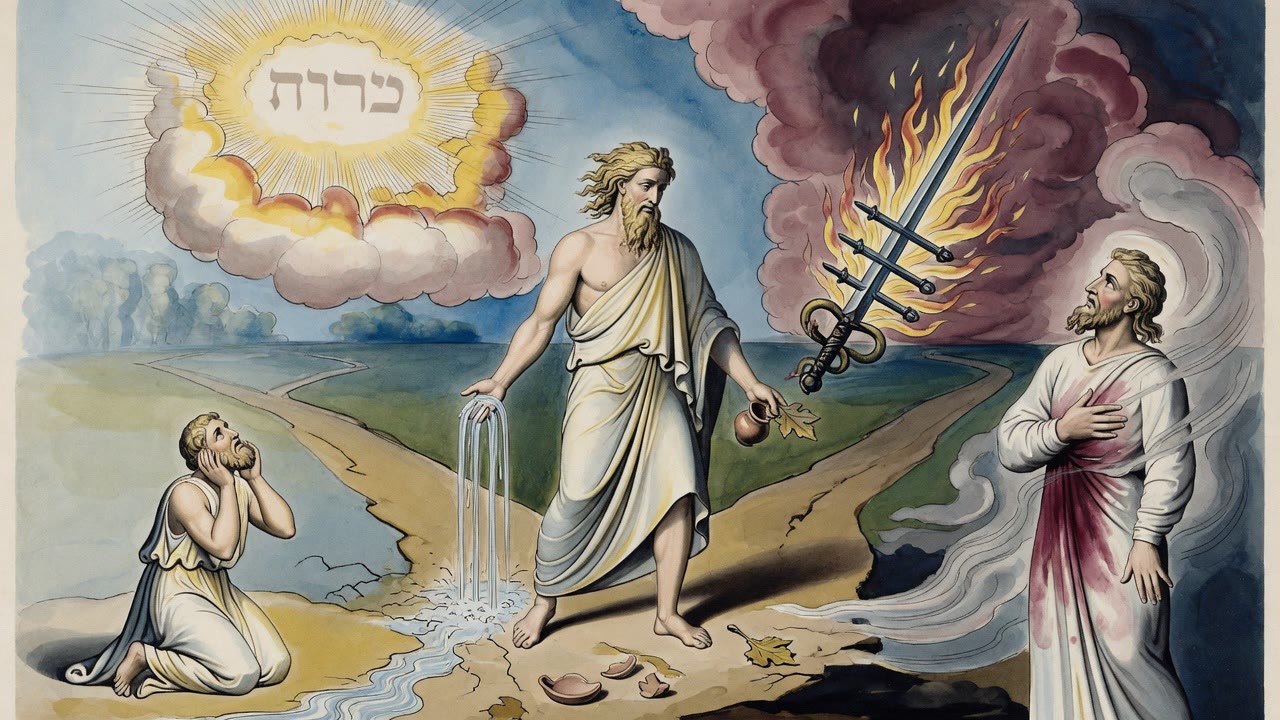
Pappias hears flattery in "like one of Us." Akiva hears a wound. Adam stood between two roads and let immortal water slip through his hand.
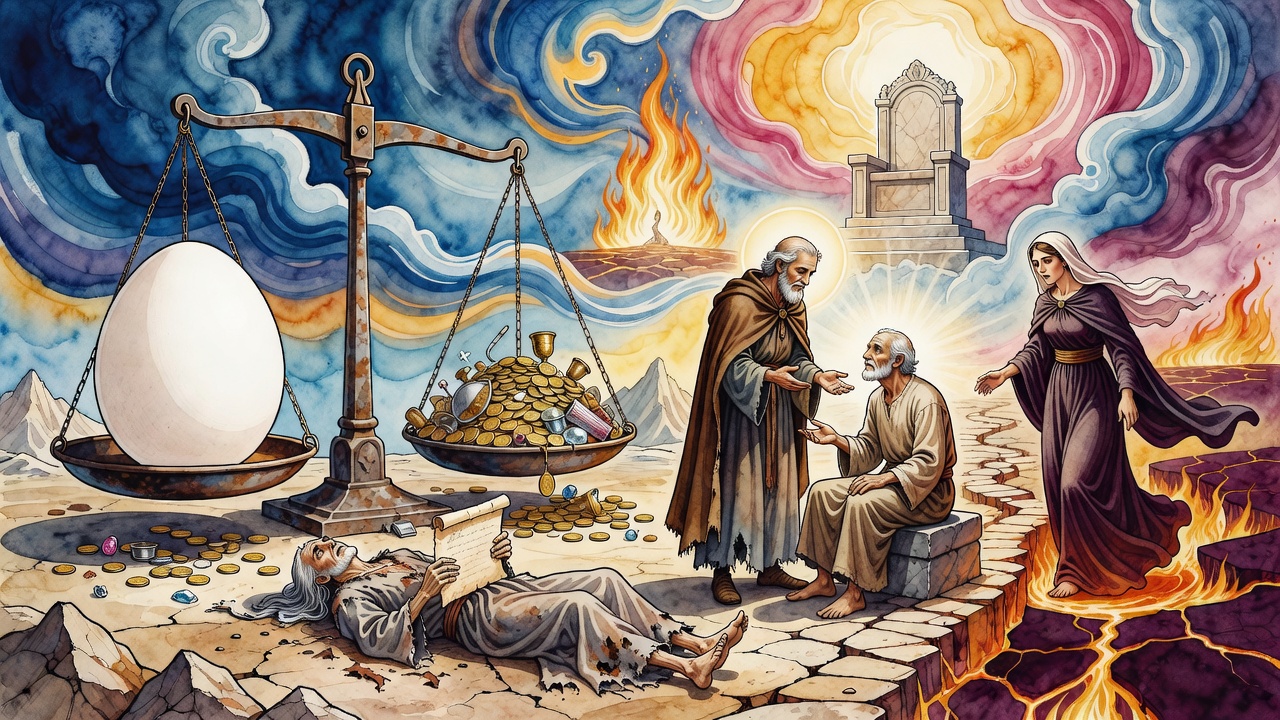
He had never given a crust. Dying, he sent his last egg to the beggar at the door. That egg outweighed the mountains.
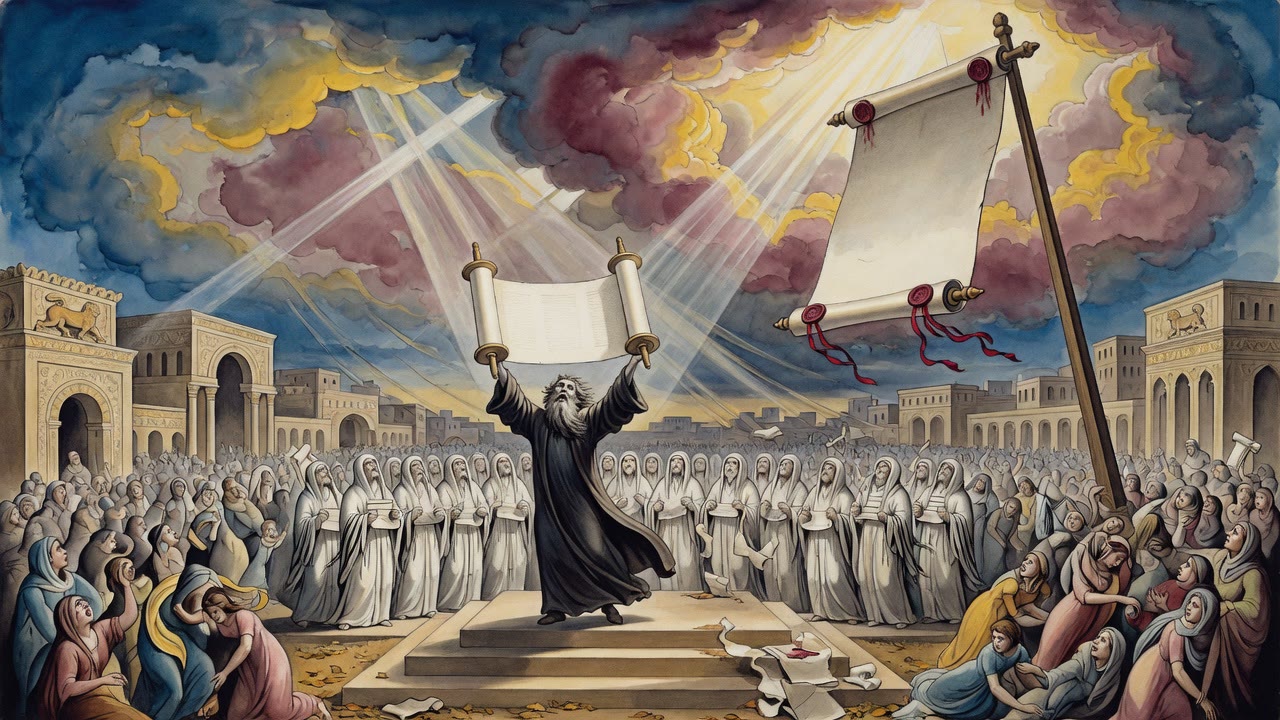
Haman's decree of death hung over the Jews, so Mordecai led twelve thousand priests and a weeping city out into the open, the Torah bared to the sky.
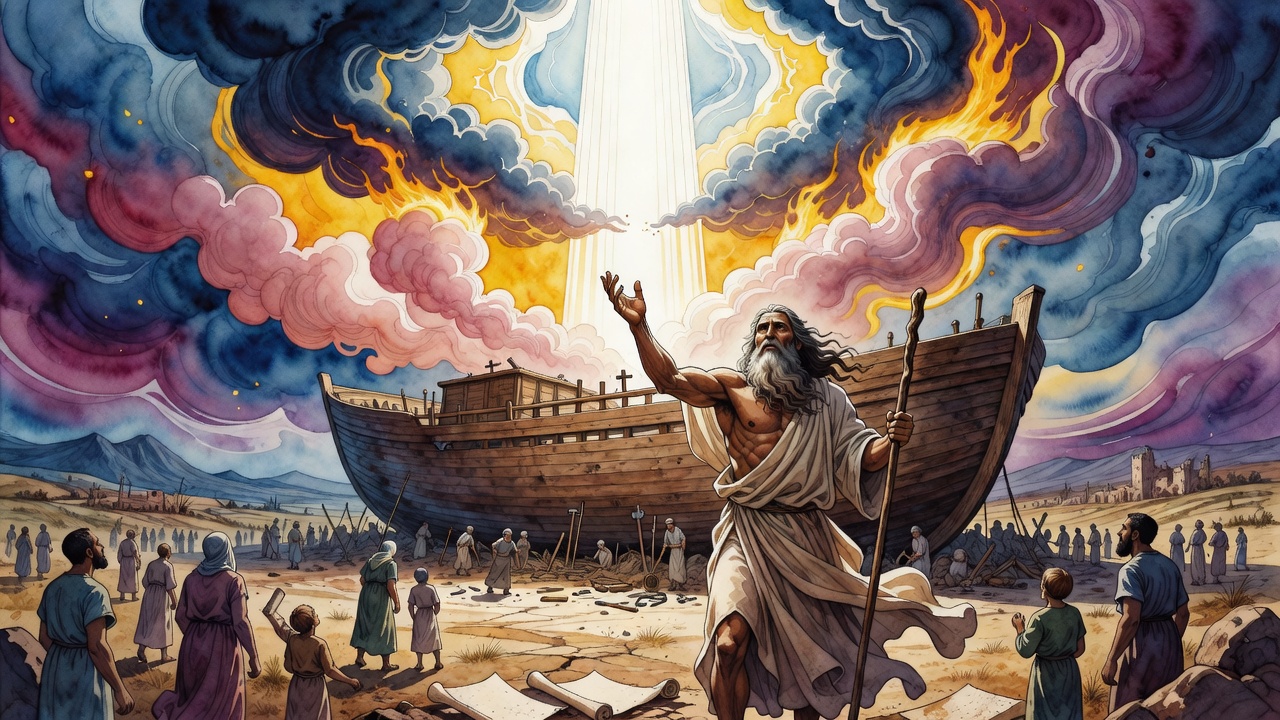
God showed Noah the blueprints himself, and the work took fifty-two years so a doomed generation might still turn while the floating city rose.
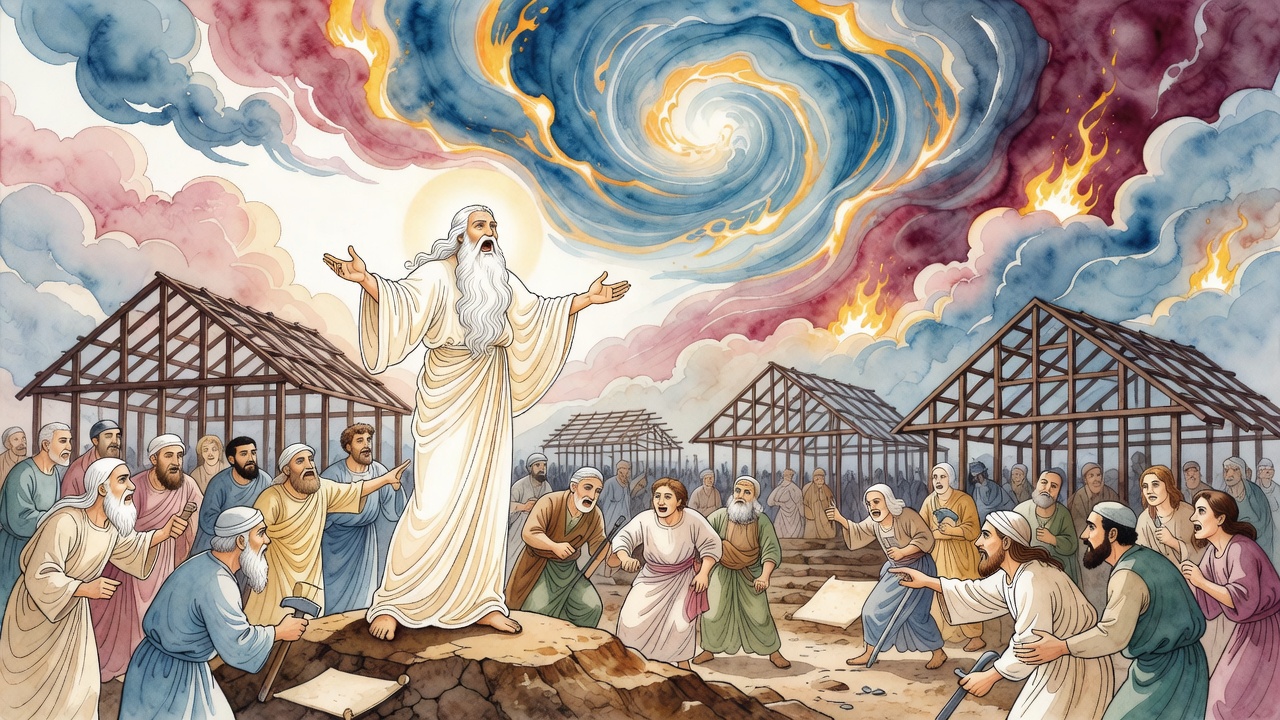
For one hundred twenty years Noah warned of water. The crowds mocked and boasted they would roof the earth with iron if fountains burst from below.
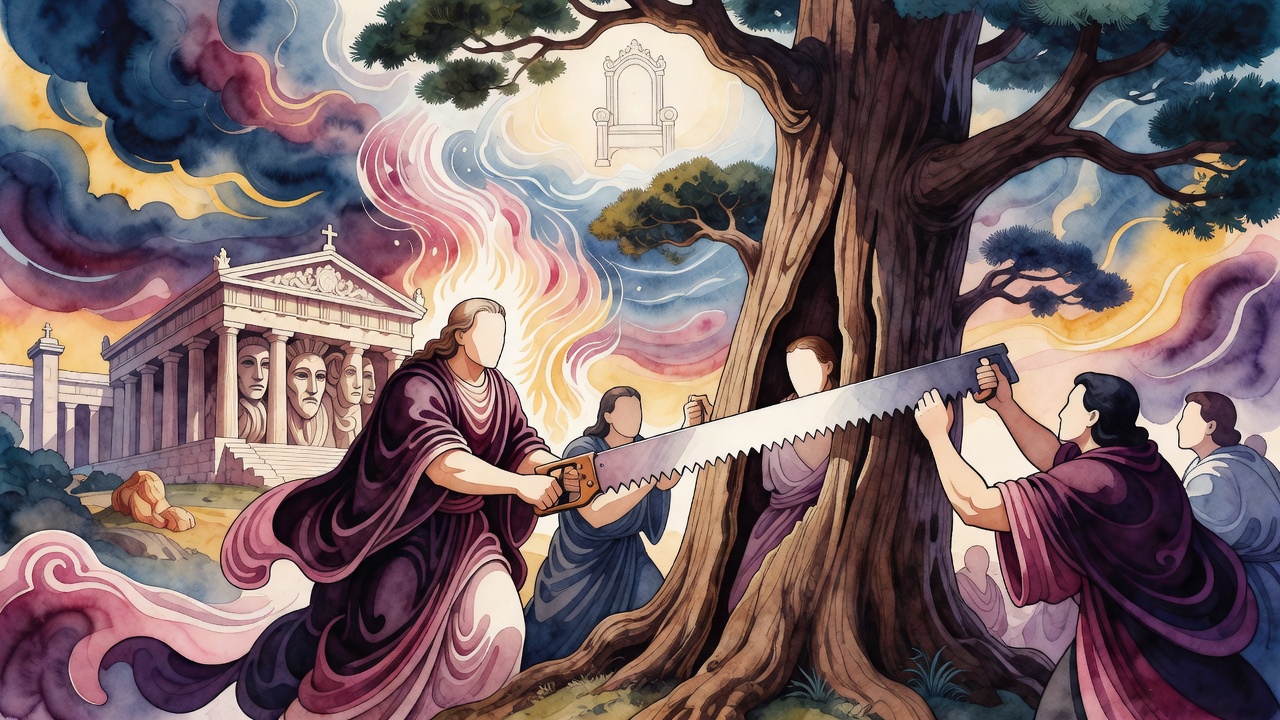
Manasseh filled the Temple with a four-faced idol and chased Isaiah into a tree. They sawed the cedar until the blade reached the prophet's mouth.
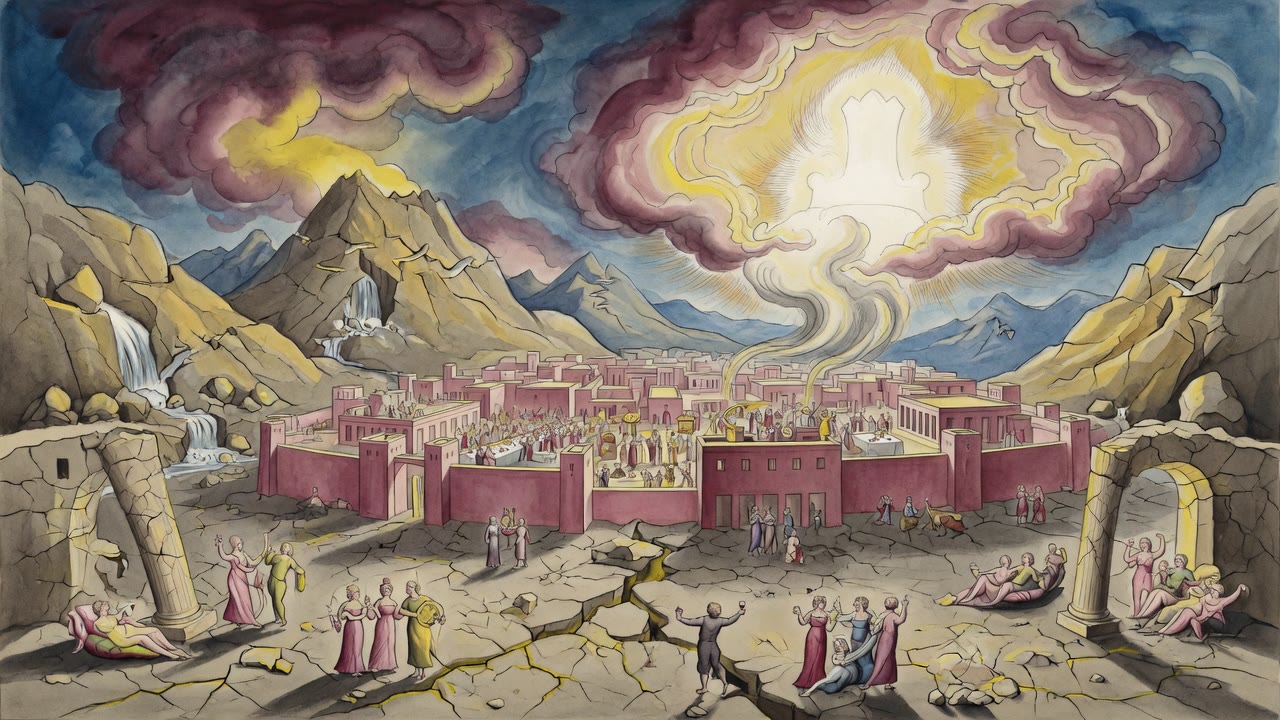
For fifty-two years the mountains quaked over Sodom as a call to return. When the city refused, the same heaven that sends manna poured fire instead.
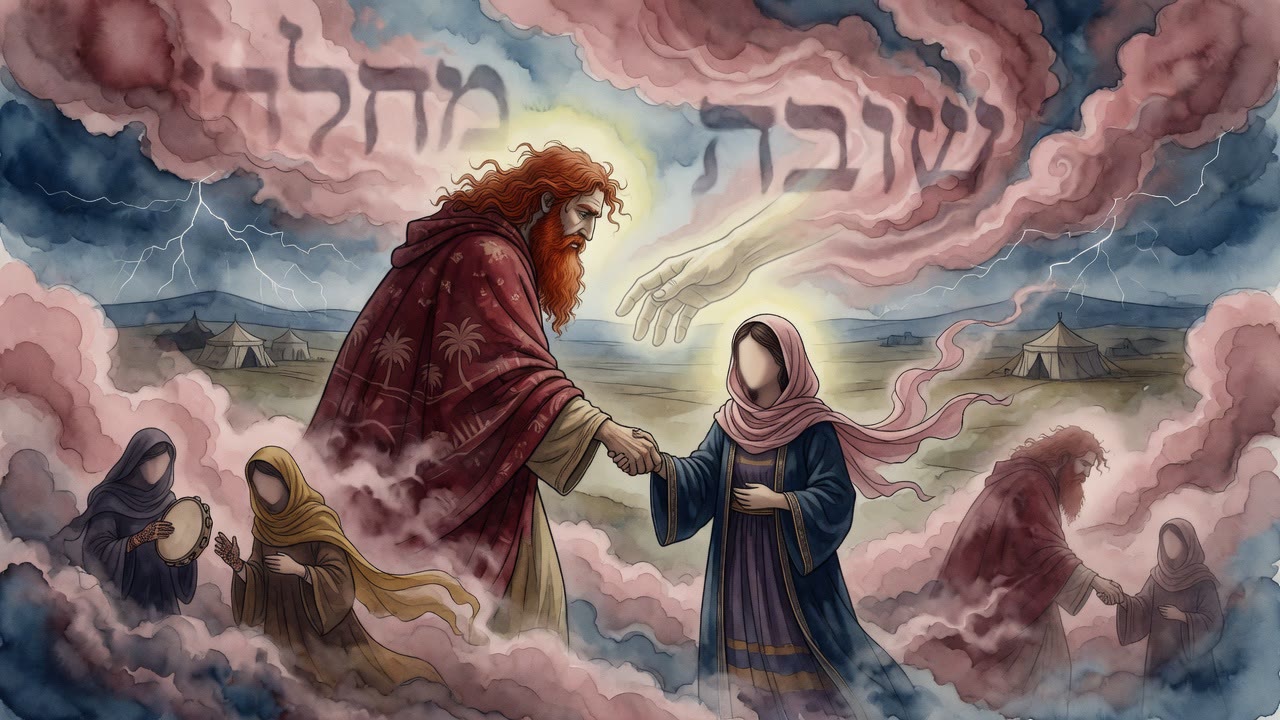
Isaac could not stand the women his son had married out of Canaan. So Esau rode down to Ishmael's camp and came back with a third one.
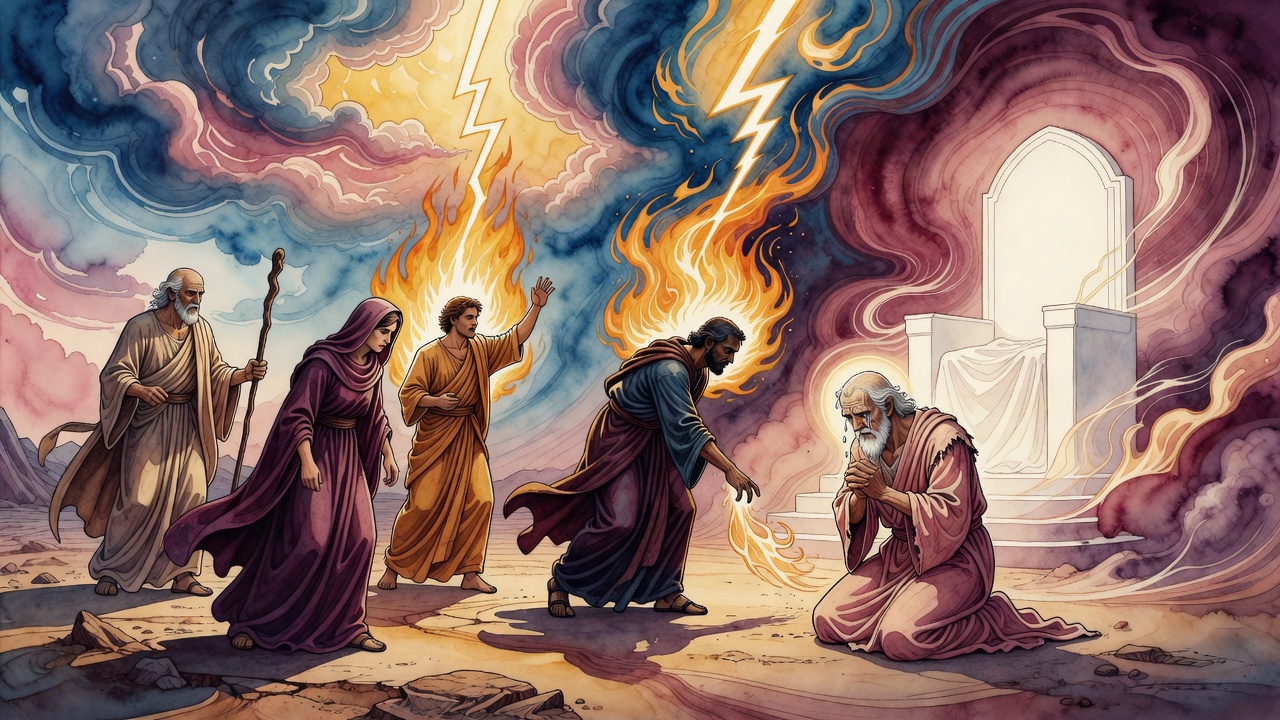
Judah gave Tamar to Er, then Onan. Heaven struck both sons, and later a dream told a broken man his earnest tears had been heard.
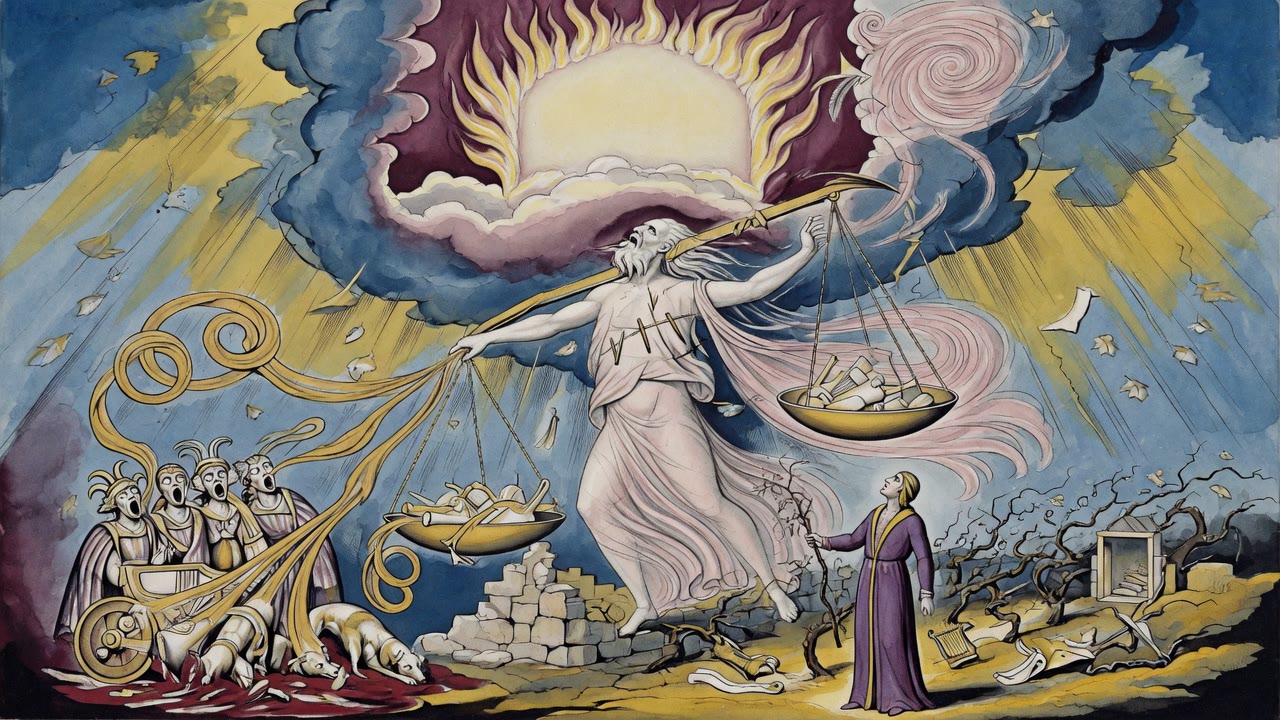
Ahab killed Naboth to steal his vineyard. Then he asked King Jehoshaphat to whip him, and he fasted and prayed, and God put off the punishment.
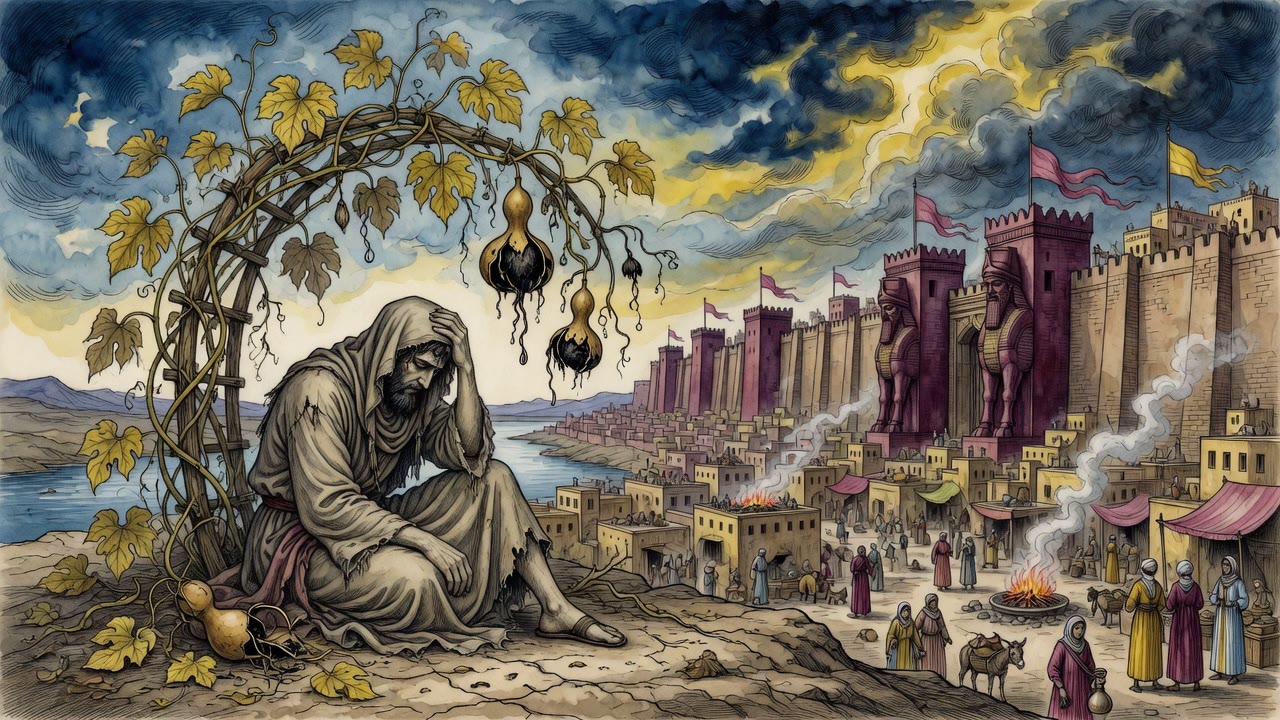
After Nineveh turned, Jonah still burned for his own honor. God grew a plant of two hundred seventy-five leaves, then withered it, and asked who deserves pity.
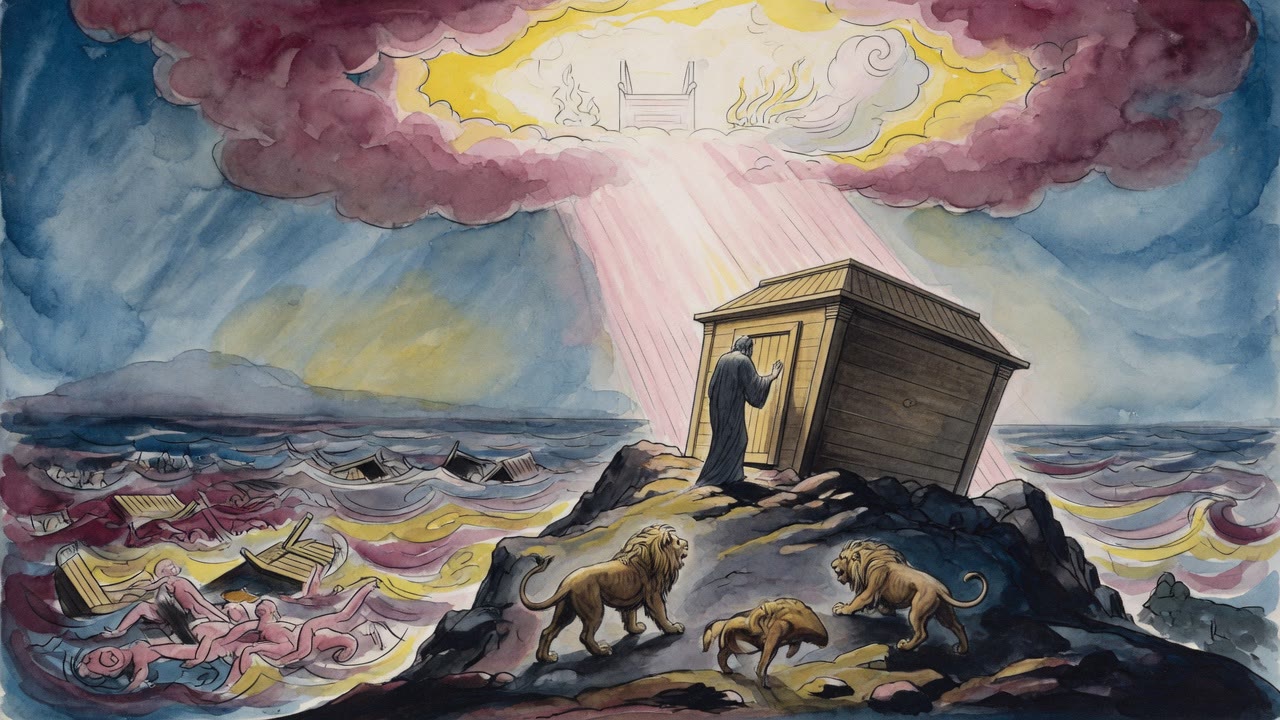
Each man went and got his son. They pressed the children into the springs as stoppers. The water came around them and kept coming.
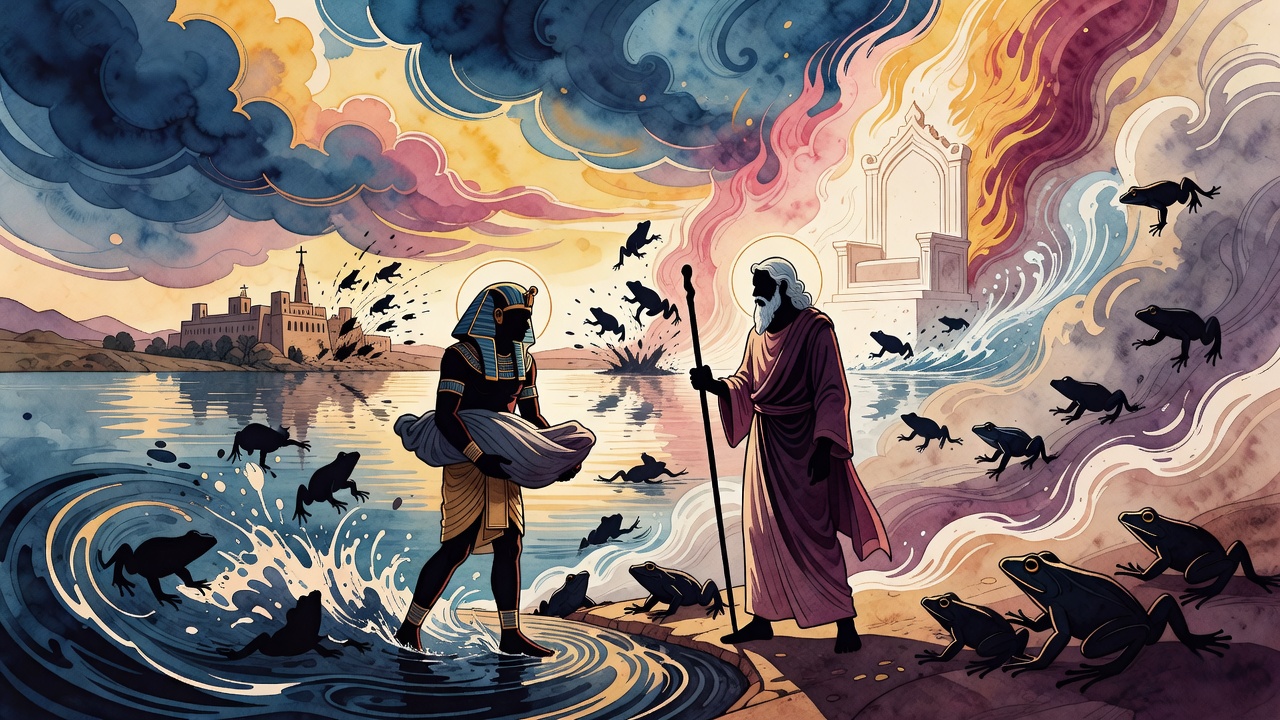
He called himself a god who never had to squat. Moses was already on the bank. Later a frog asked the palace marble for room.
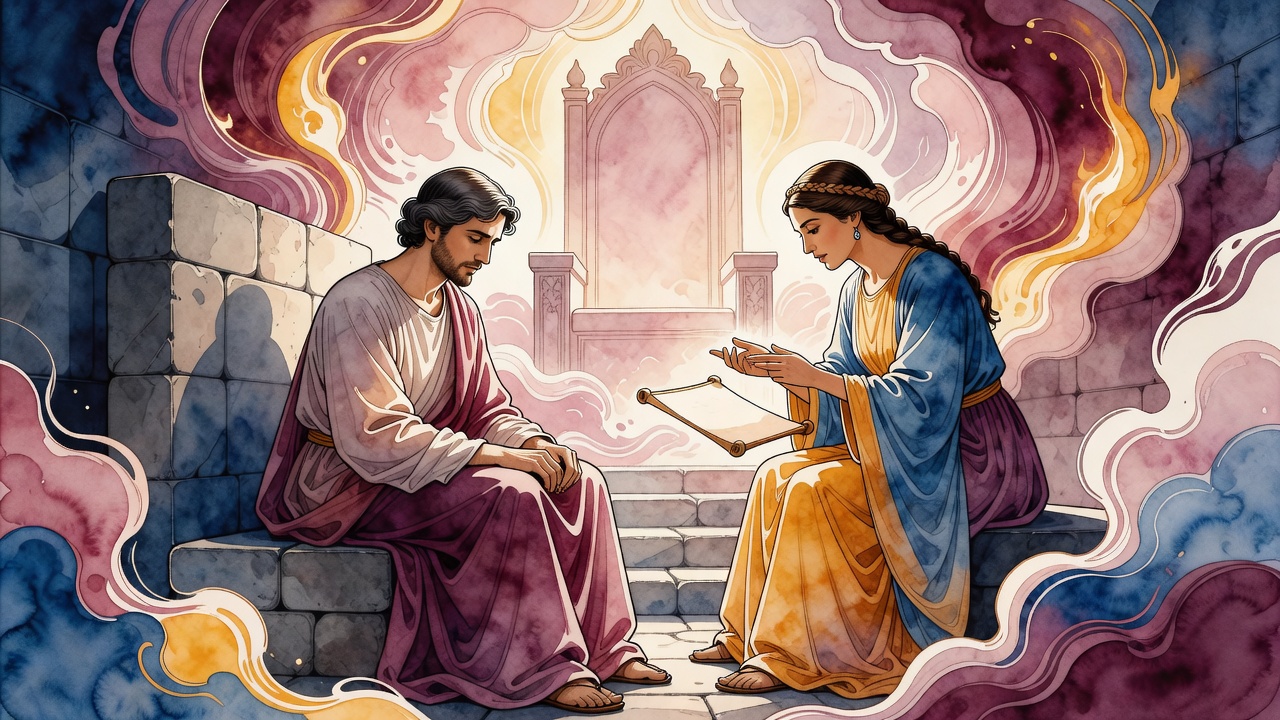
Nebuchadnezzar locked Yehoyakhin away under a decree of childlessness. Prison piety and a queen's hairdresser reopened the line that led to Zerubbabel.
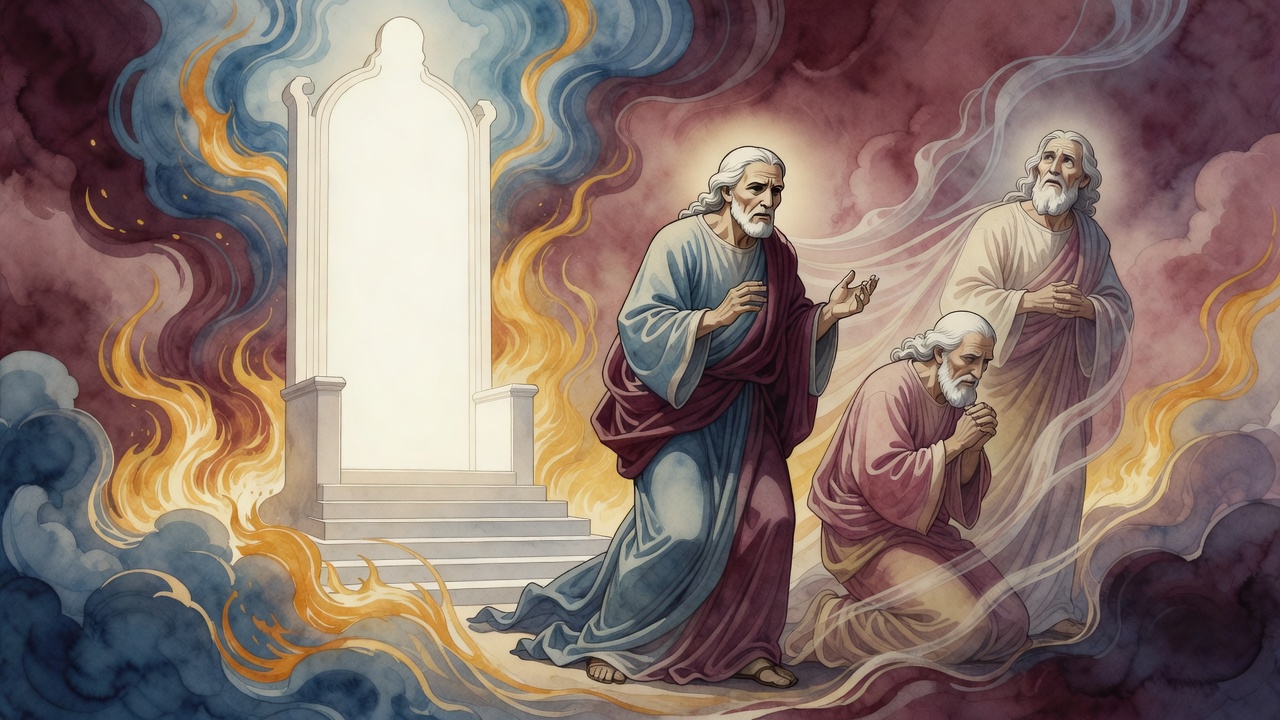
God had promised he would go to his fathers in peace. Abraham heard the clause and asked which house that was, the one that still sold stone gods.
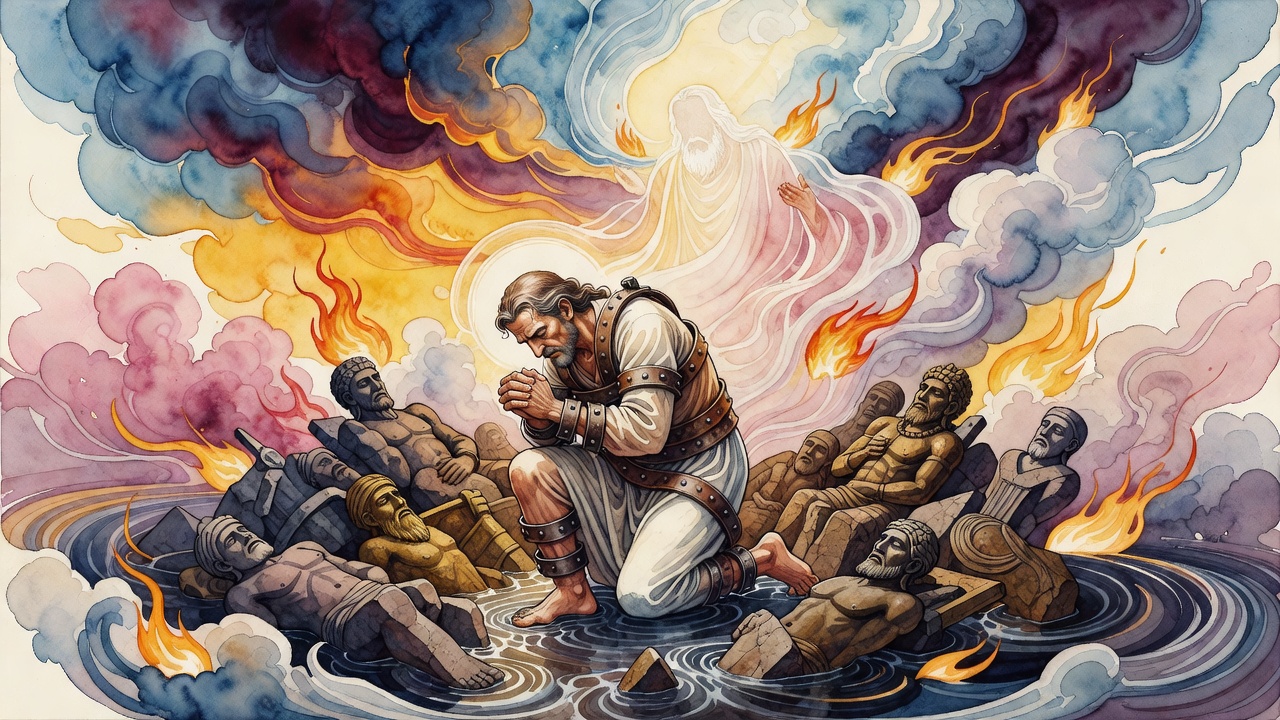
The king of Judah could not lift his head. Iron bit his neck in a foreign jail. He asked God not to let him die bent.
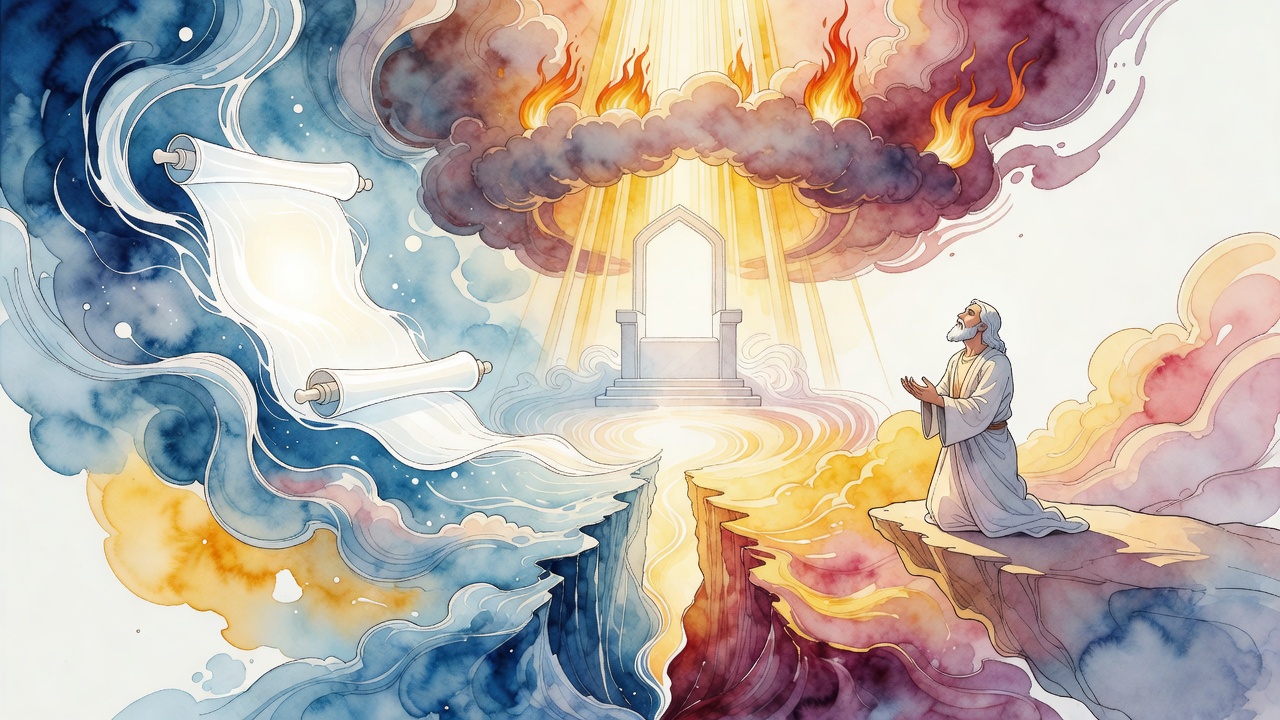
Torah stopped at the world's door and would not go in. Humans would fail, it said. God answered by naming a redeemer already appointed.
