228 myths · Page 4 of 8
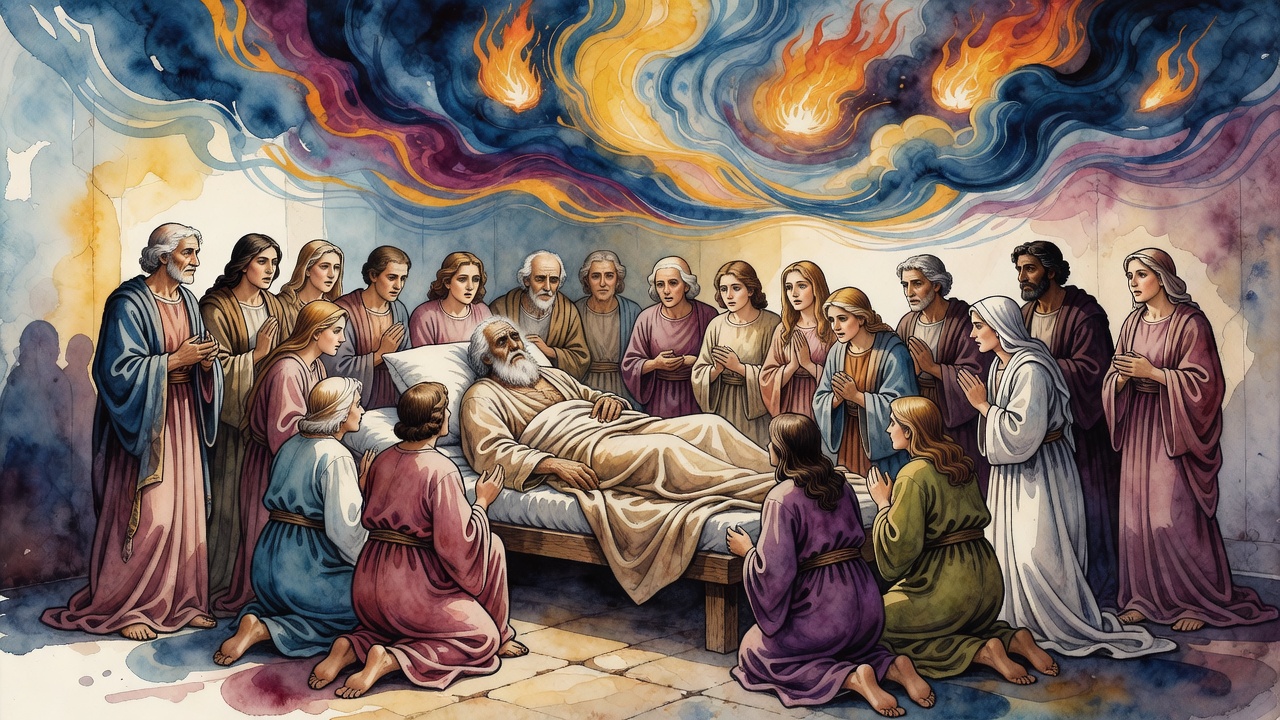
On his deathbed, the patriarch Simeon gathered his children and named the force that had once brought him to the edge of fratricide: not hatred, but envy.
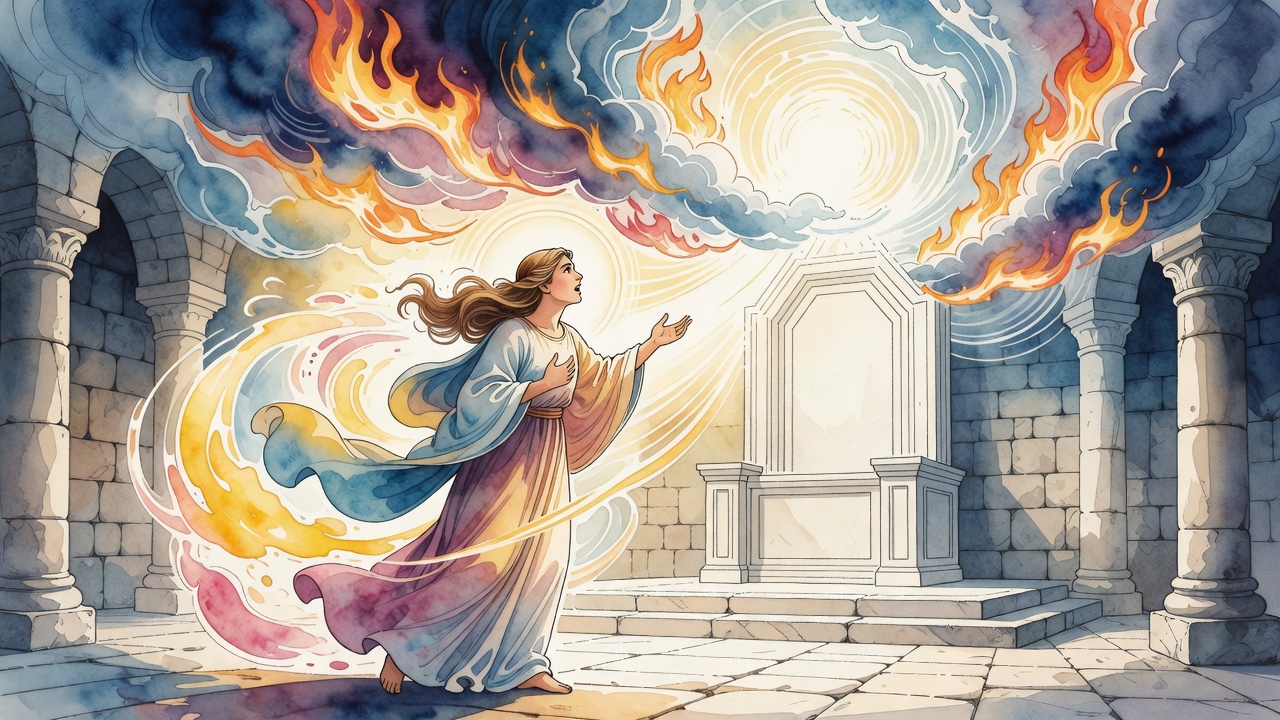
Her lips moved and no sound came out. Eli watched from the doorpost of the sanctuary and told her she was drunk. She had not touched wine.
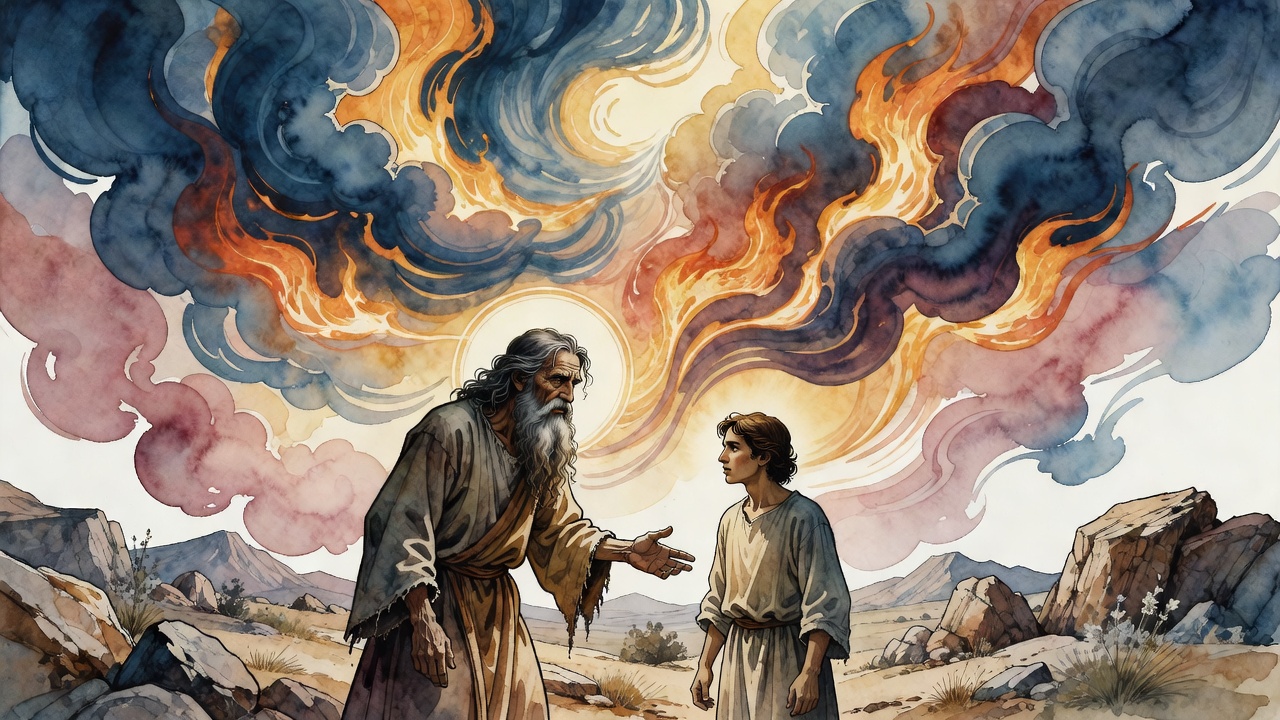
Ishmael shot arrows toward Isaac and called it play. When the water ran out in the wilderness, Hagar set him under a bush and walked away.
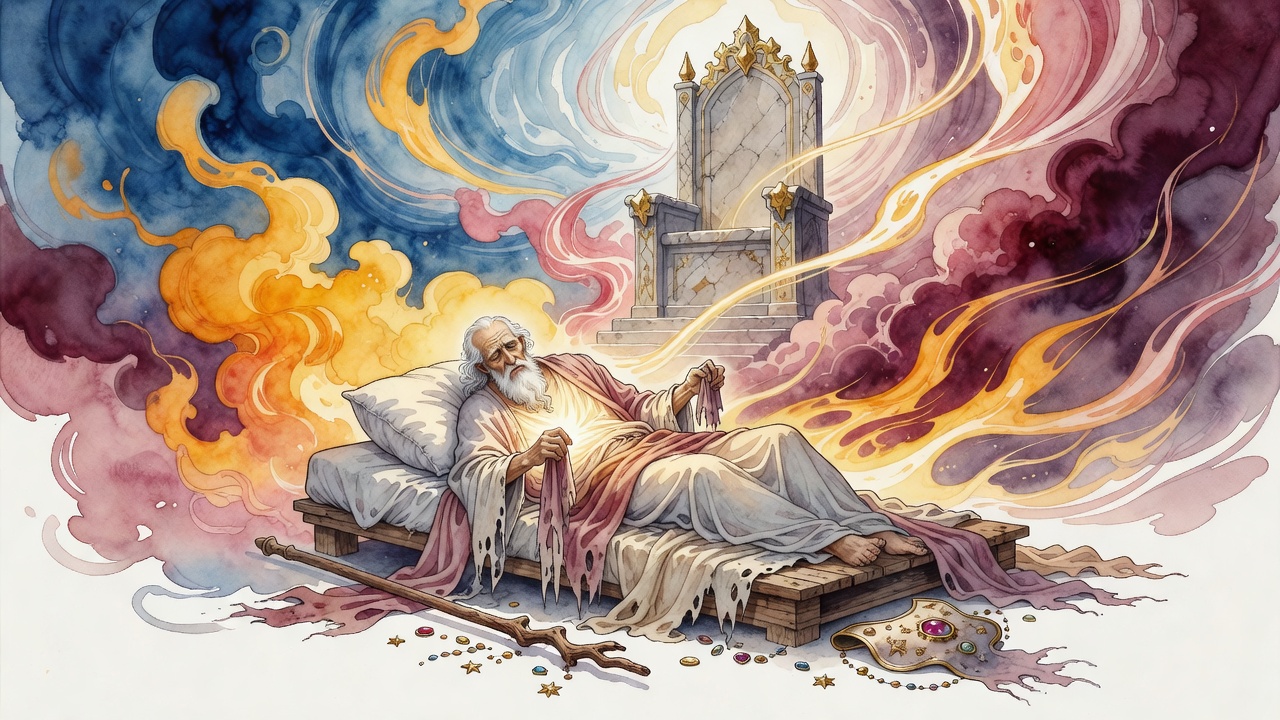
Reuben held the birthright, kingship, and priesthood for one year before a single night took all three. On his deathbed he named exactly what had done it.
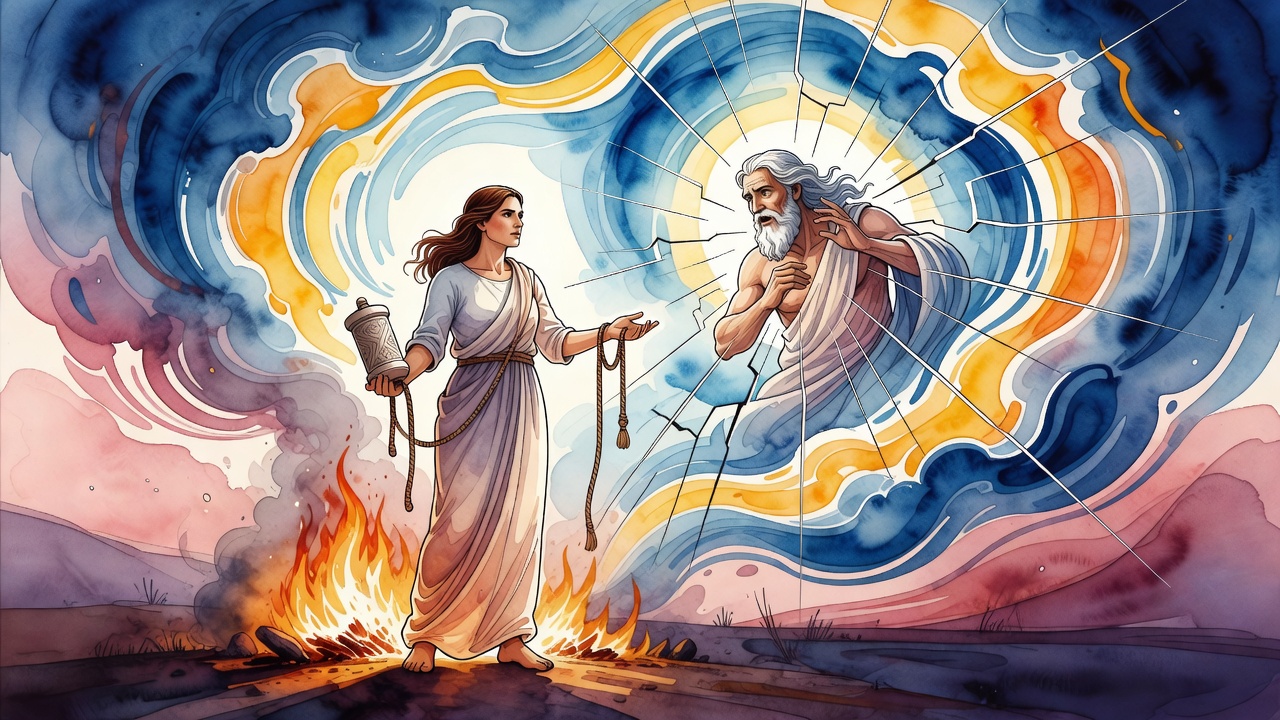
Tamar stood by the stacked wood with Judah's seal in her sleeve. She sent it privately. She did not shout his name into the fire.
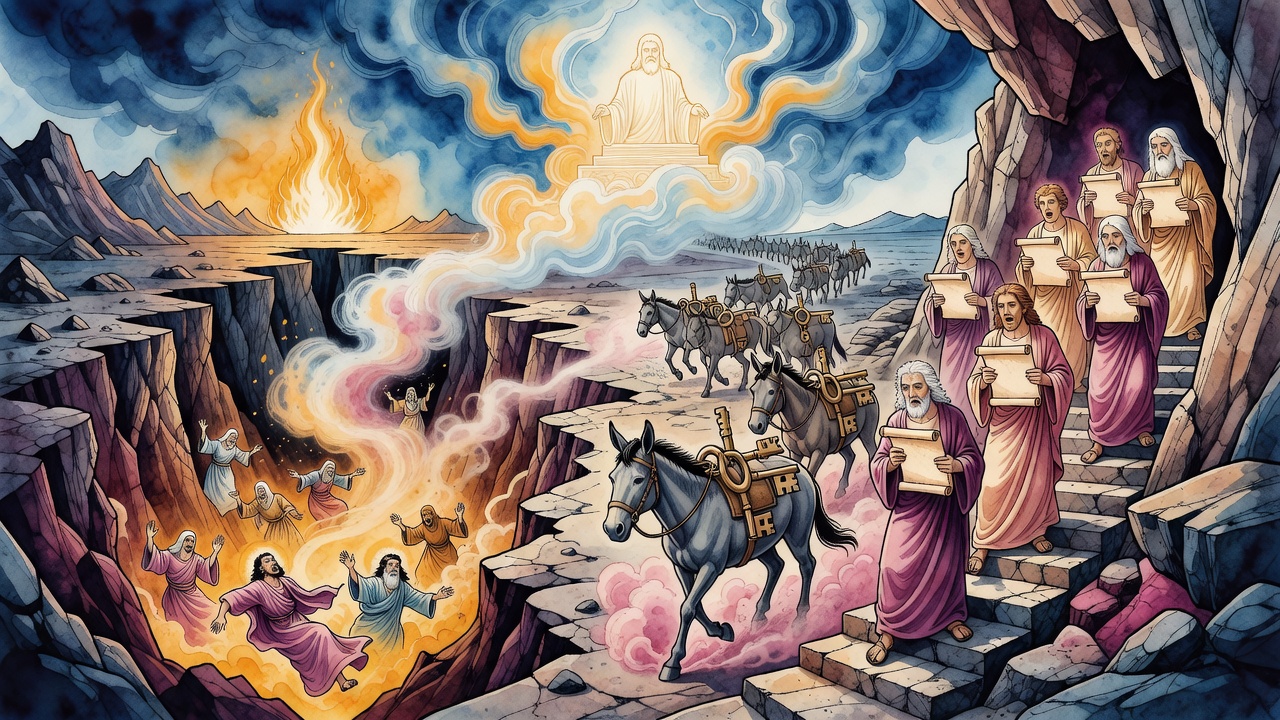
Korah looked into the future and saw Samuel and twenty-four Temple singers coming out of his own line. He decided God would never let their father die.
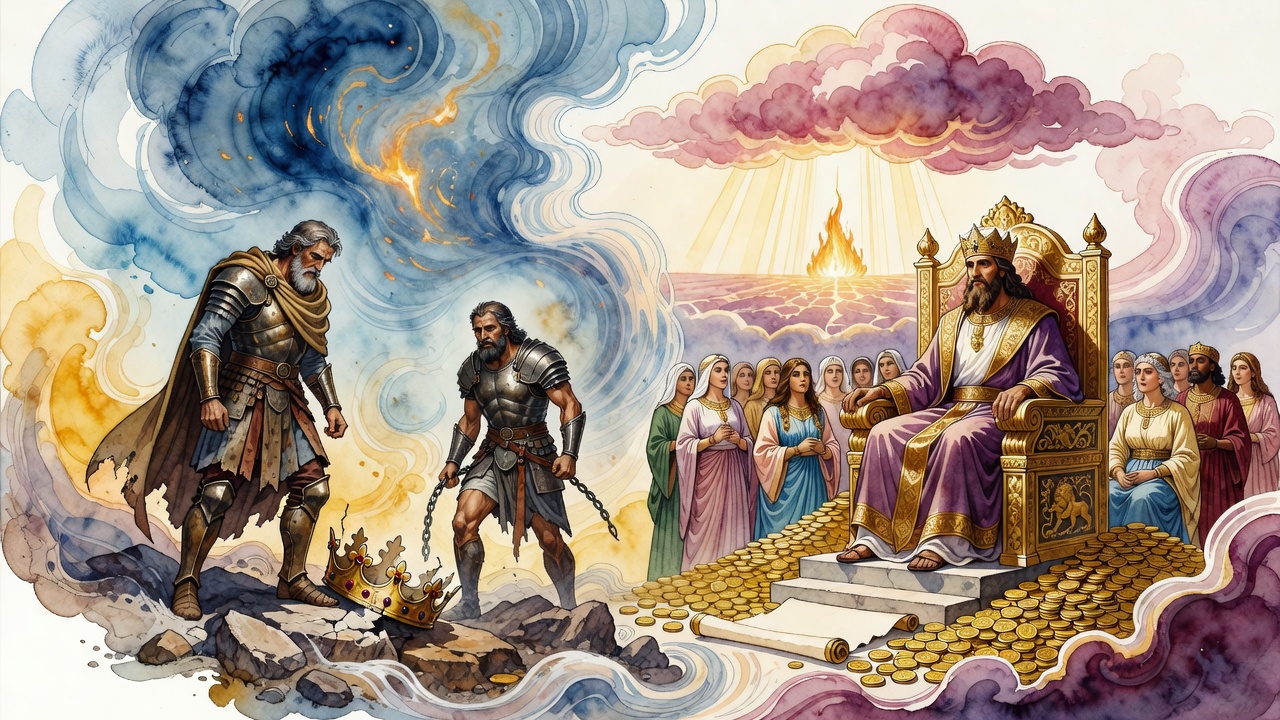
Agag was still breathing when the voice came down. Do not be more righteous than your Creator. Years later the same mouth ordered priests killed.
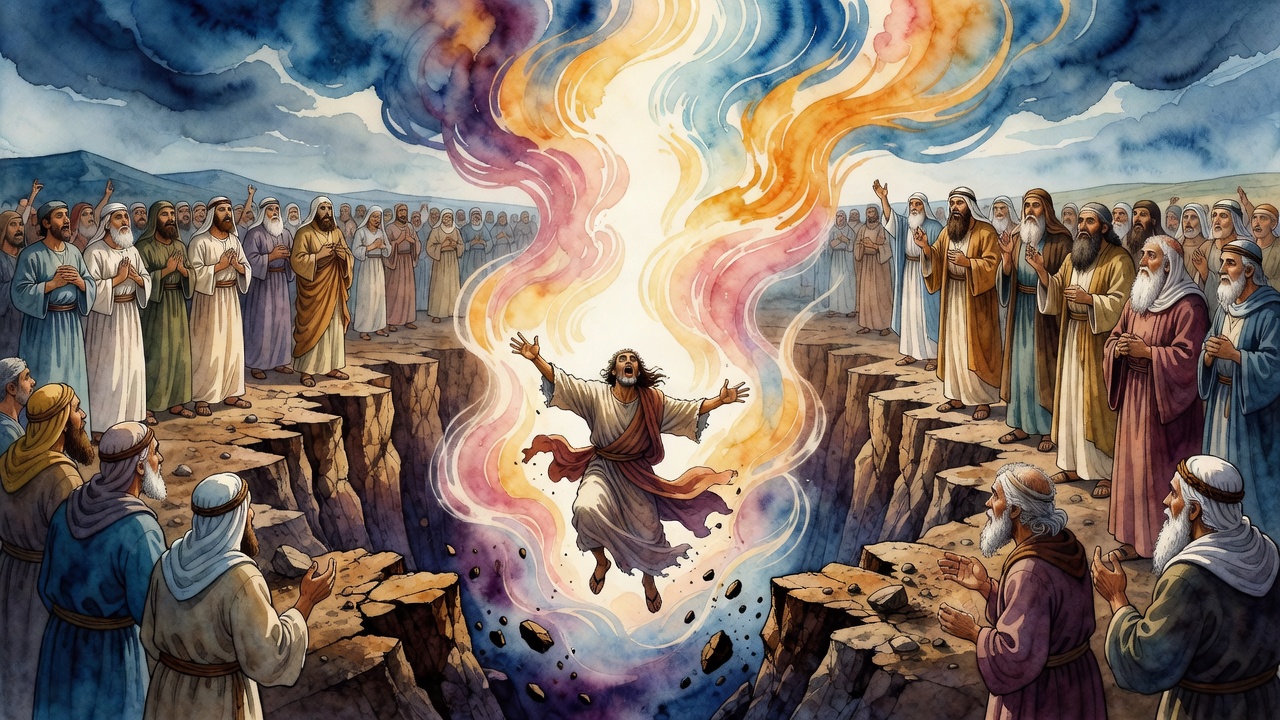
Joseph hid gold in empty country and told no one. A Levite named Korah found one cache. He spent it on a quarrel, and the ground opened its mouth.
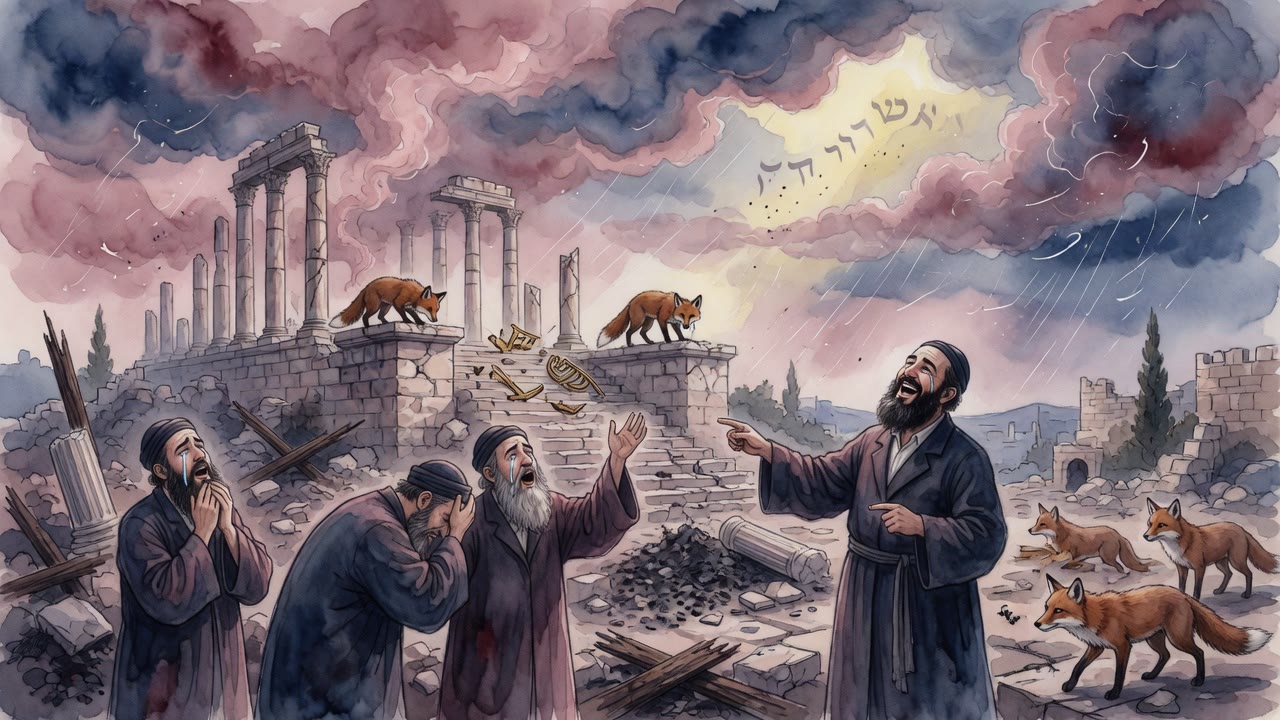
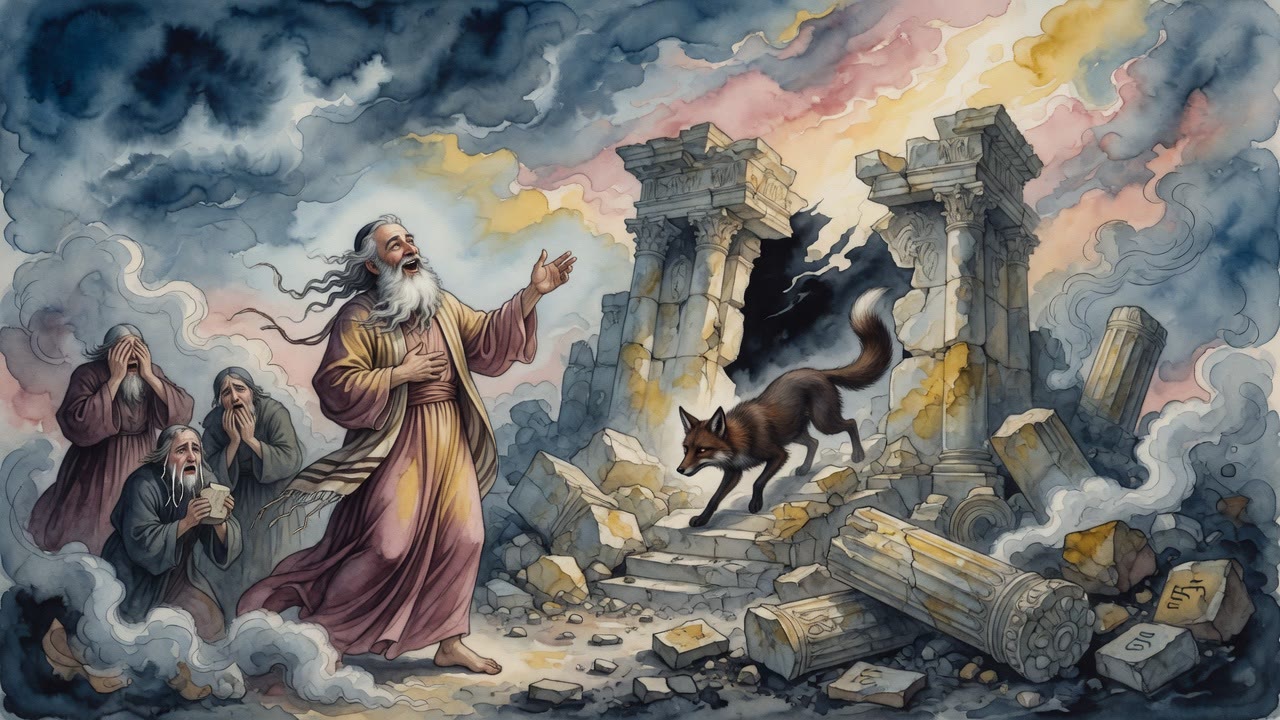
A fox walked out of the Holy of Holies. Three sages wept. Rabbi Akiva laughed, because a plow in Zion meant old men would sit there again.
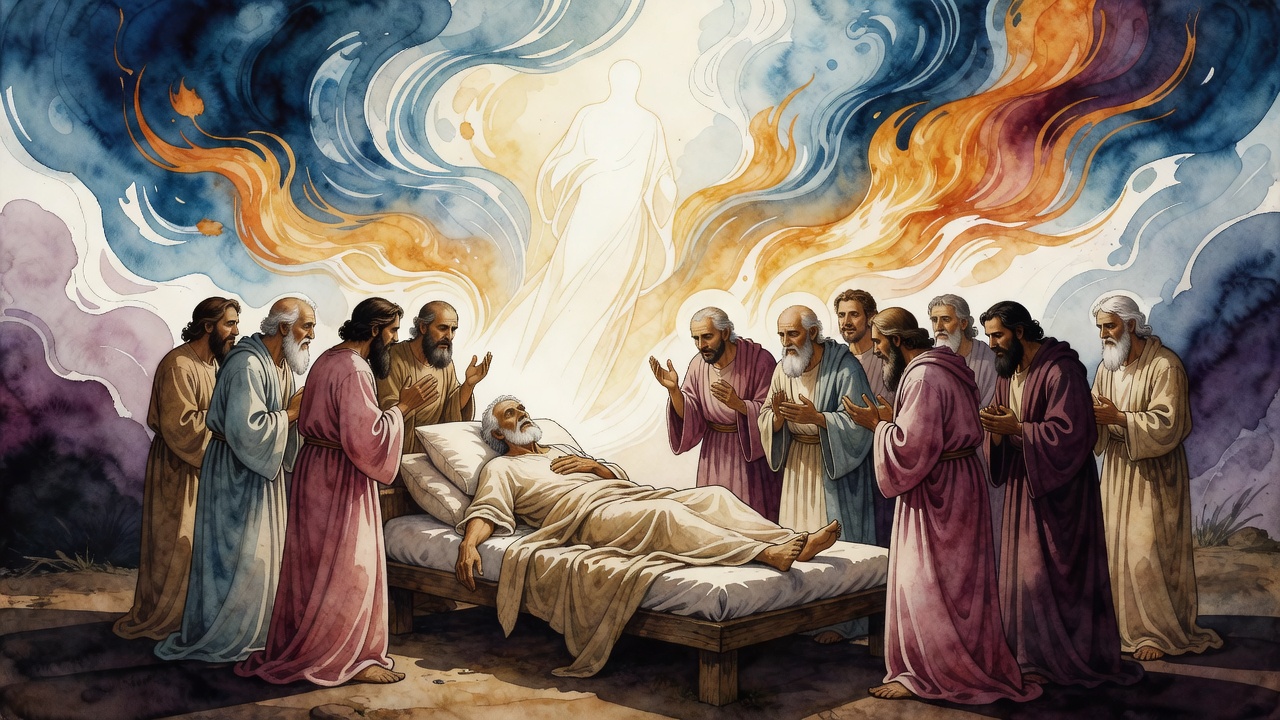
At a hundred and twenty-five Reuben gathered his sons and opened not with blessing but a confession hidden since the age of thirty.
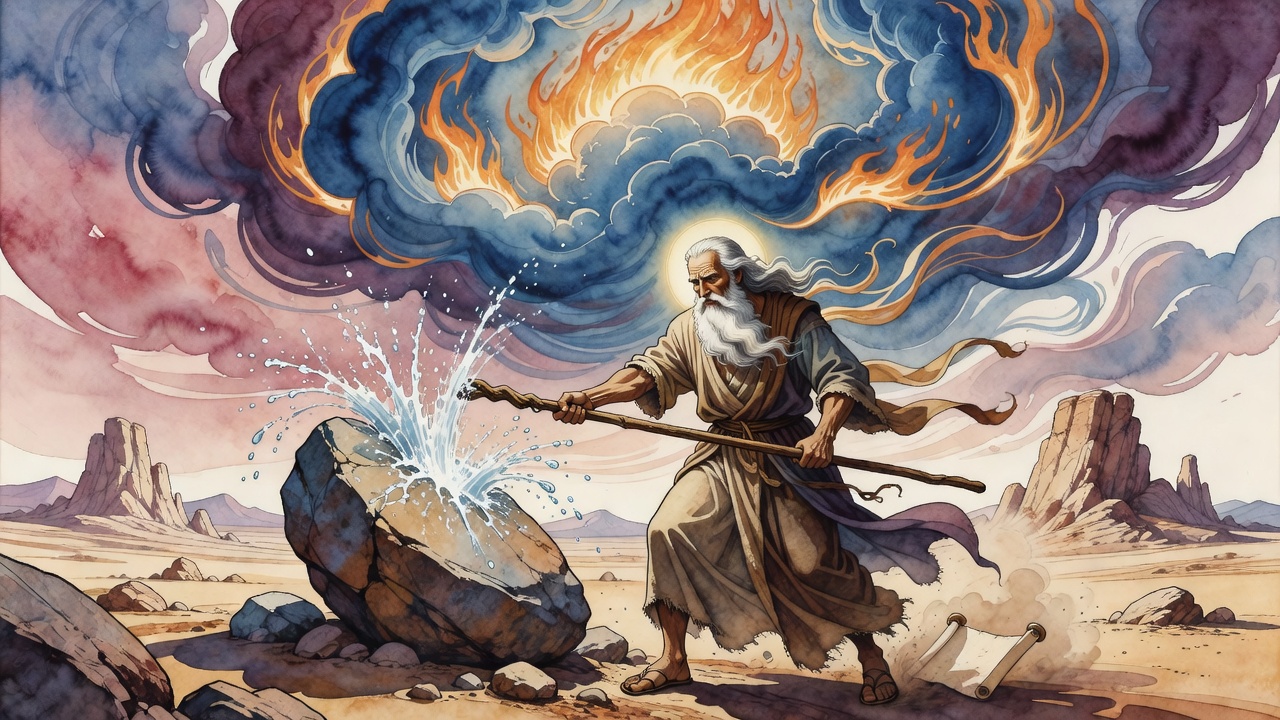
Water came when he hit the stone. God had told him to speak. At Beth-Peor he counted the prayers that had not opened the land.
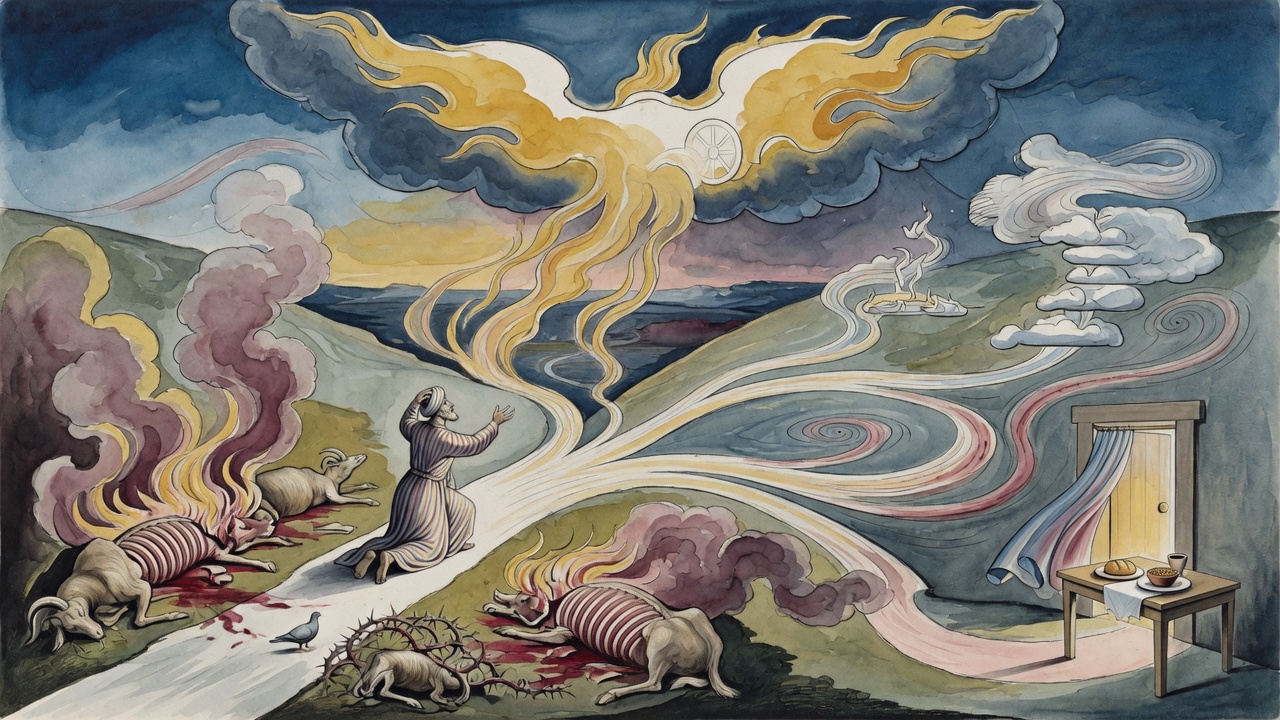
Abraham saw the covenant animals as a map of future sacrifice. Vayikra Rabbah opens a second gate, made of flour and confession, hidden from even Abraham.
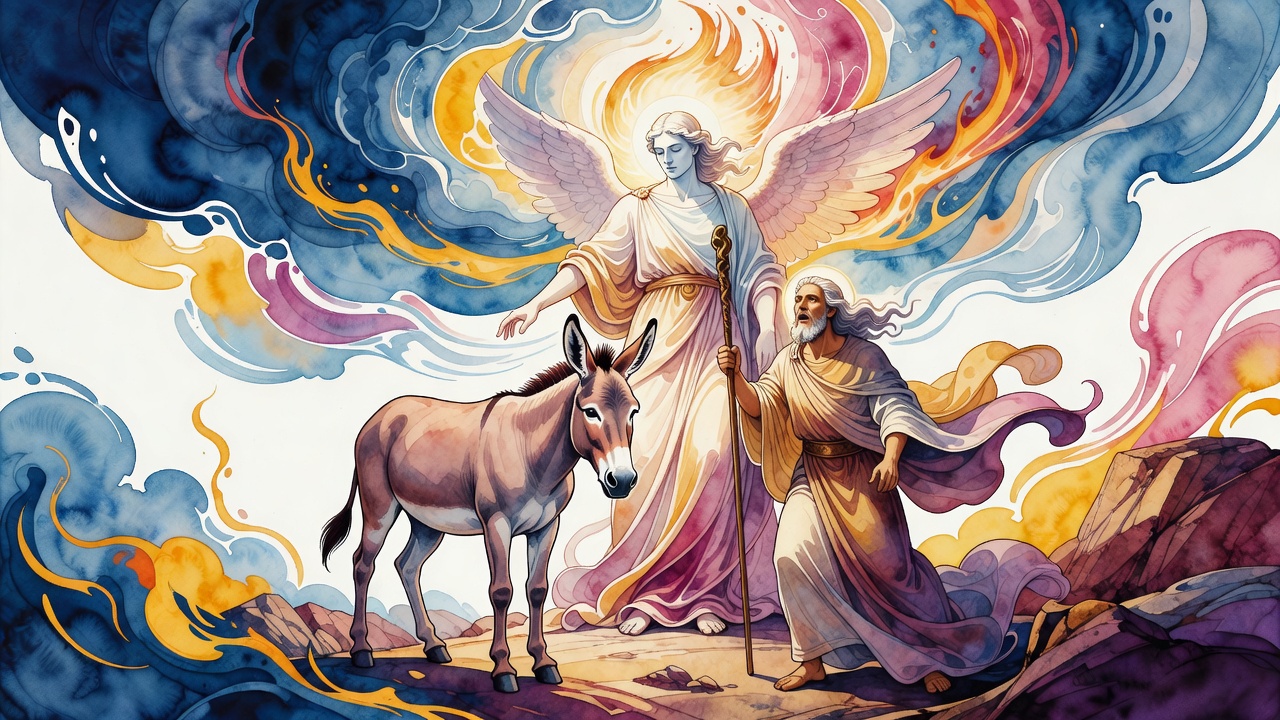
After Balaam's eyes were opened, the angel asked about the donkey first, not the curse. The answer reveals what God will do for an entire people.
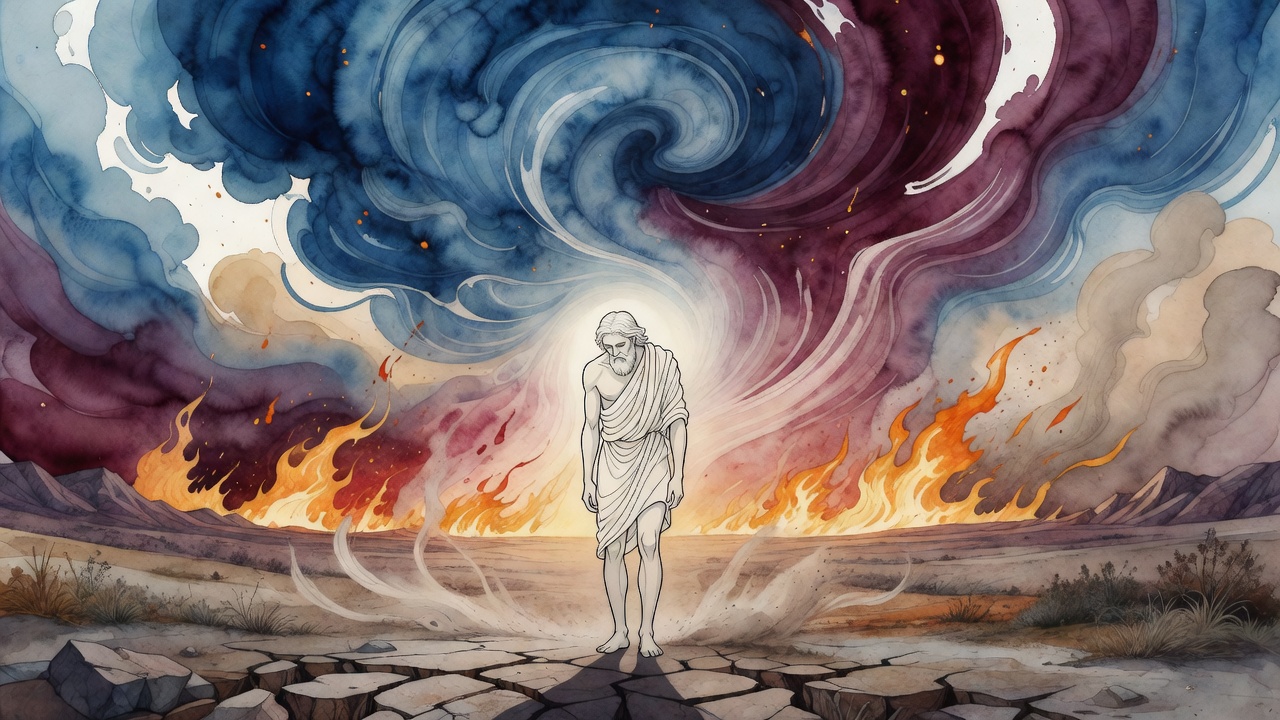
Cain told God that a world heavy enough to be carried could surely carry one sin. He did not mean a word of it. Half his sentence came off anyway.
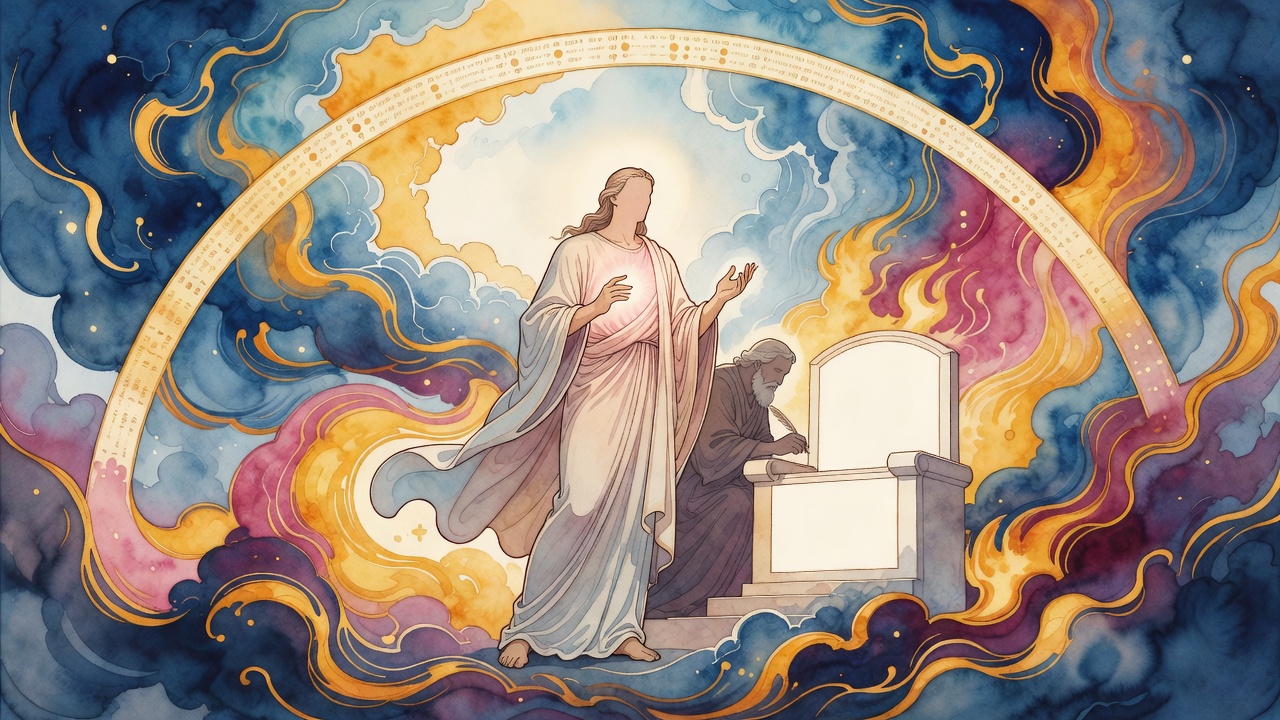
Enoch's lifespan matched the solar year exactly. The Midrash of Philo reads this not as coincidence but as a proof that not one day was wasted.
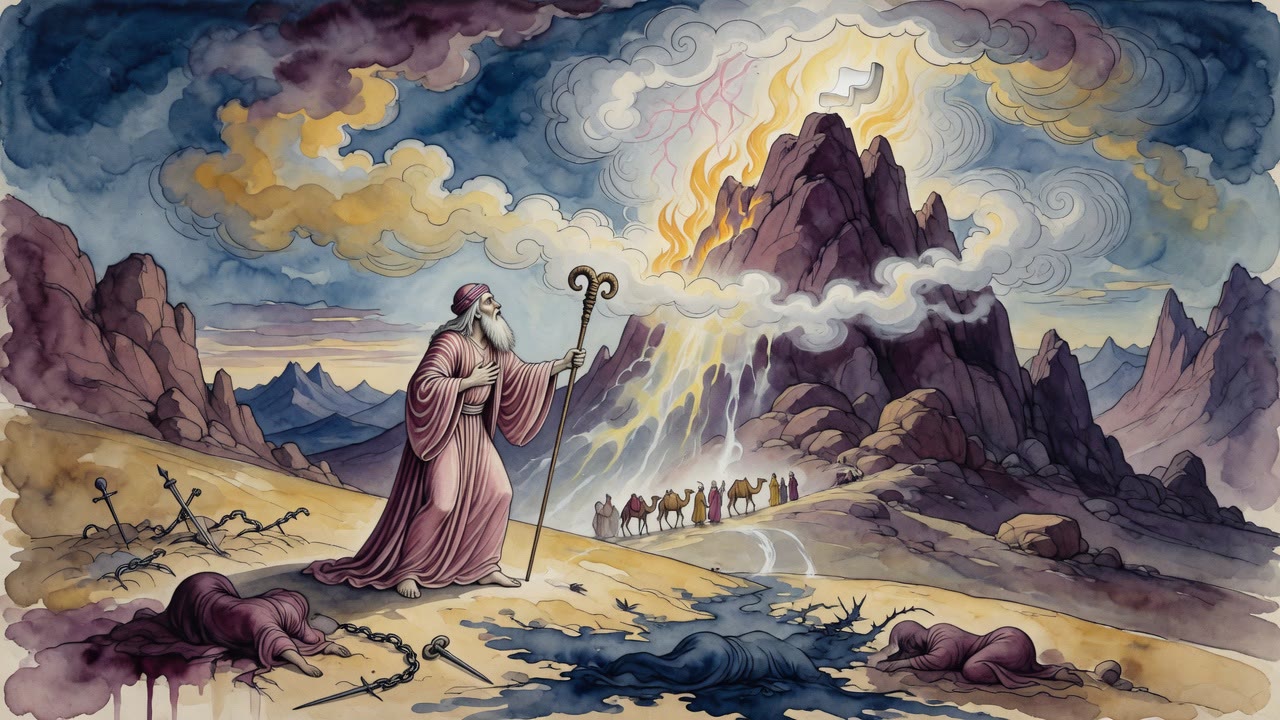
Jethro heard what God had done for Israel and came. Midrash Tanchuma opens with a verse about the wicked and the dead, and reshapes what conversion means.
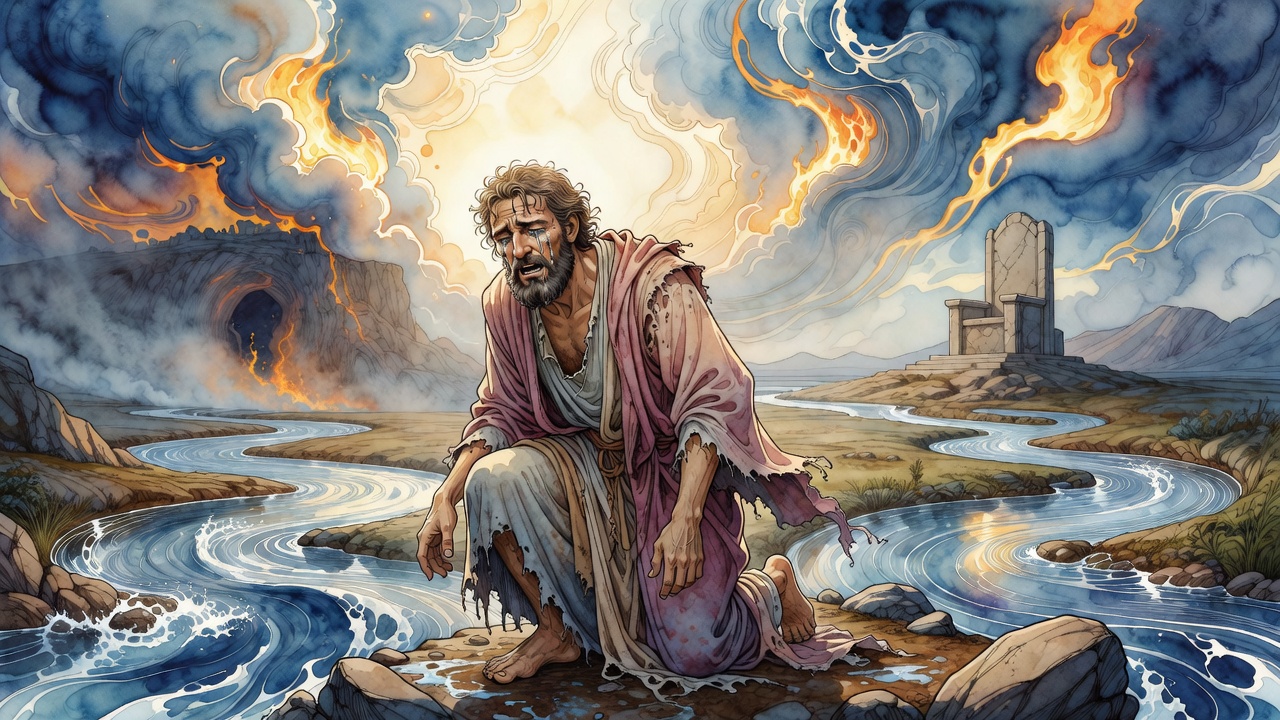
He had crossed seven rivers to reach the most notorious woman alive, and it was something she said that finally broke him open.
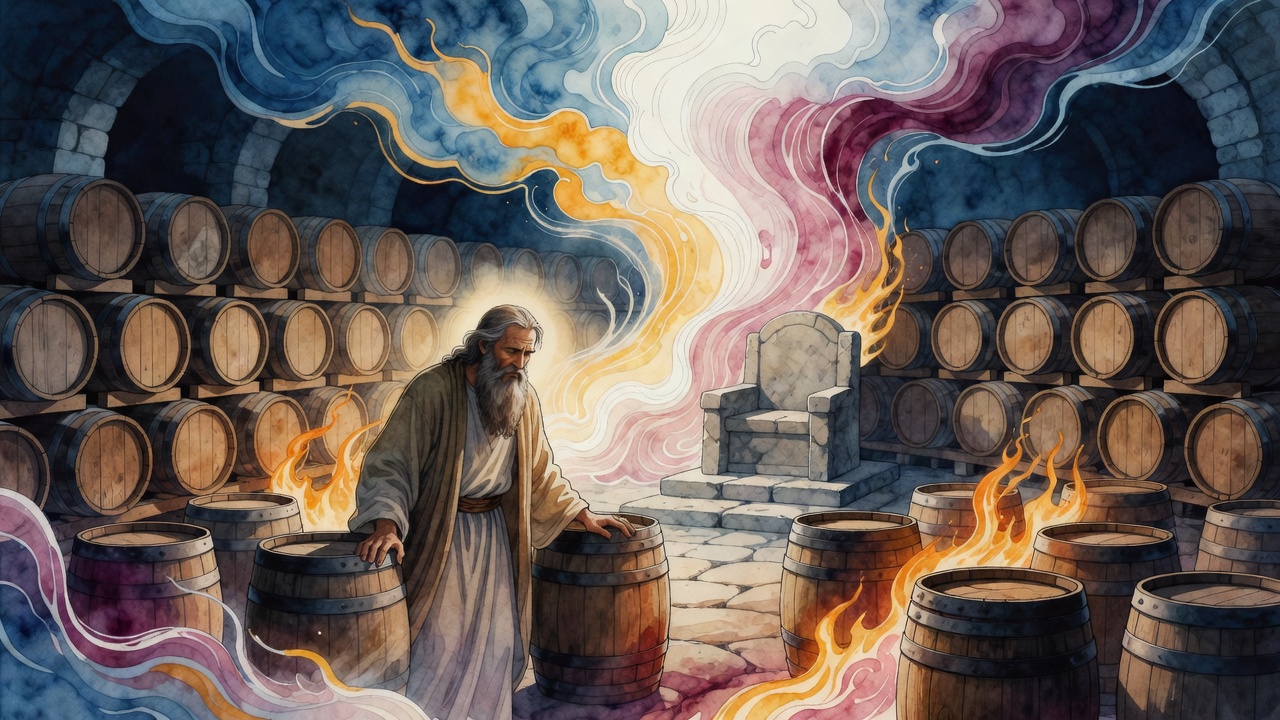
Four hundred casks of Rav Huna's wine soured without explanation, and the sages told him to look inside himself before looking inside the cellar.
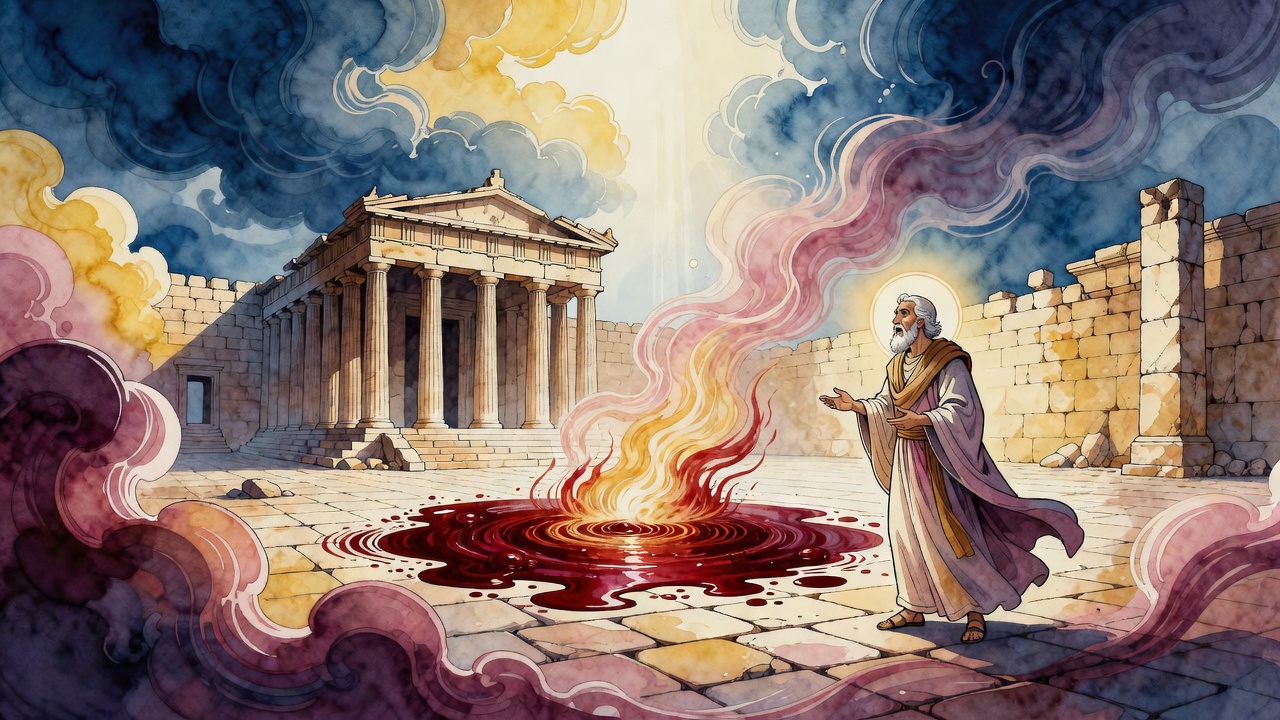
Nebuzaradan found blood moving on the Temple floor. The priests said it was cattle. He killed cattle on it, and the old blood kept churning.
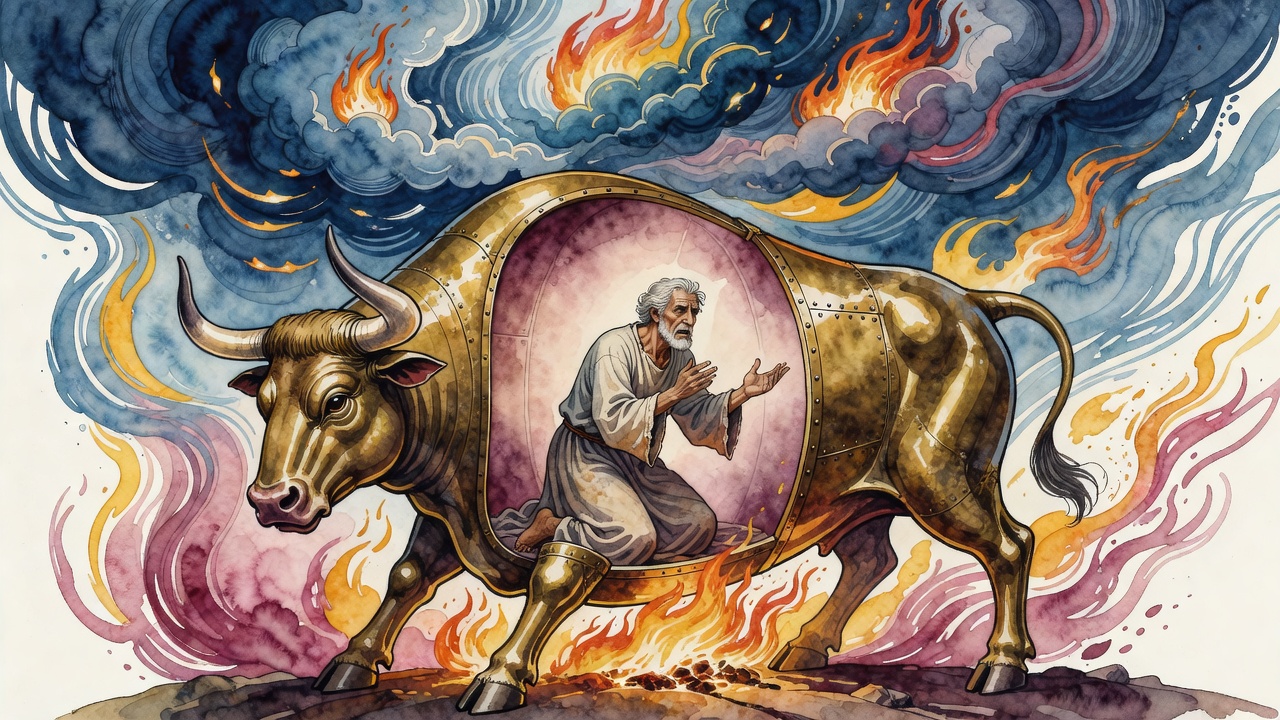
Manasseh had spent a lifetime closing every door back to God. Sealed inside a heated brass bull by his captors, he found the one door still open.
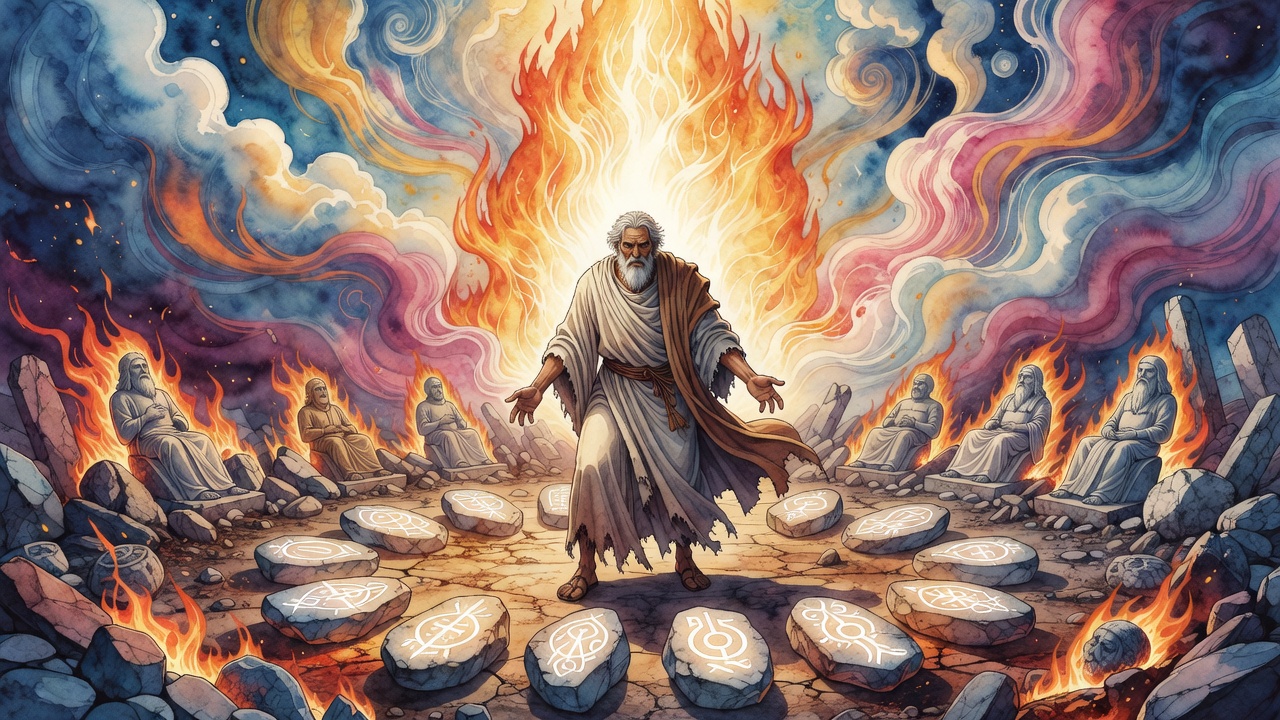
A guilty man told Kenaz to question the tribes one at a time so the confessions would be honest. The Amorite books turned up in his own tent.
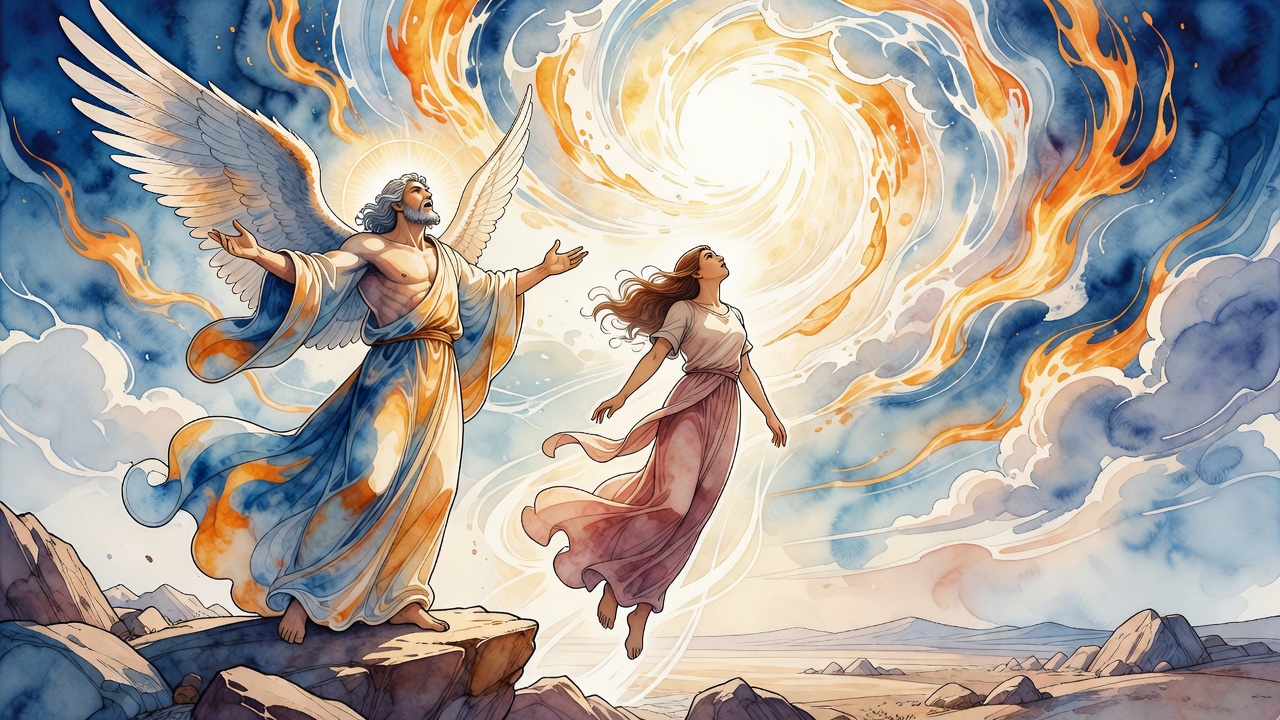
When the angel Shemhazai demands her love, Istehar agrees on one condition: teach her the Name. She speaks it and rises into the sky forever.
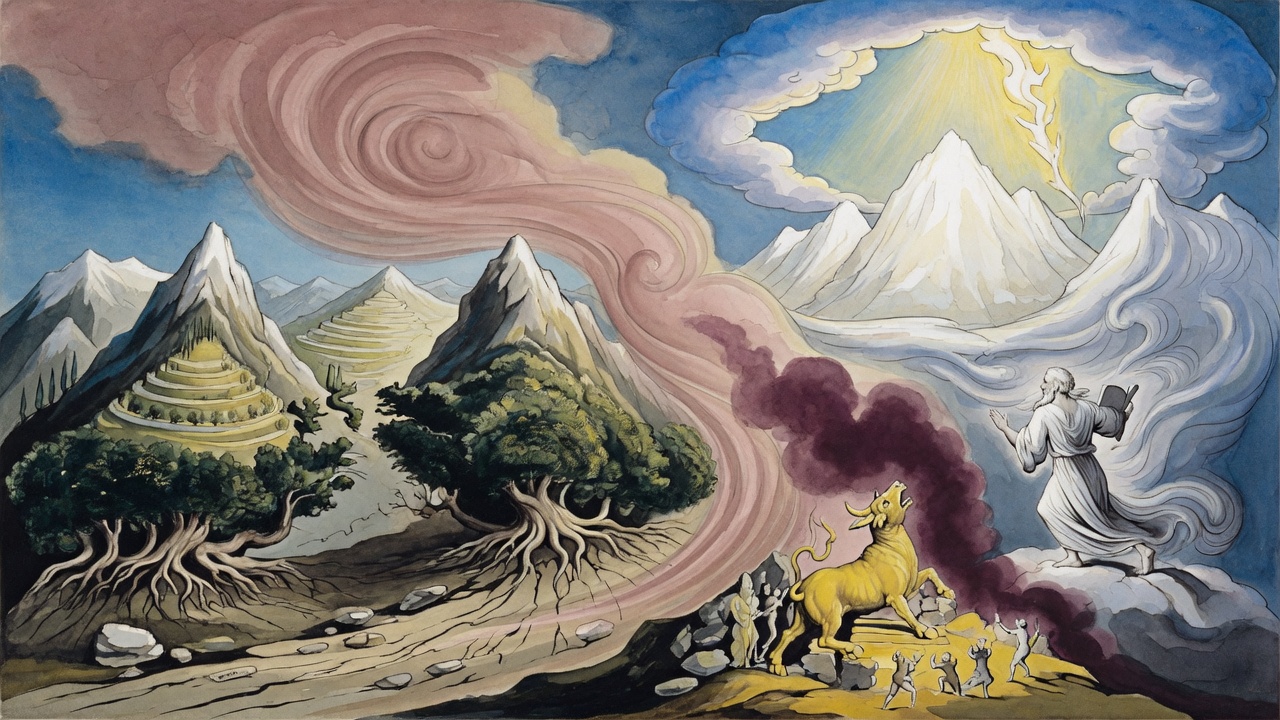
A man gathering firewood in the forest was dead. He burned in Gehinnom (afterlife of judgment) because of a shared sin, and only his son's voice in the.
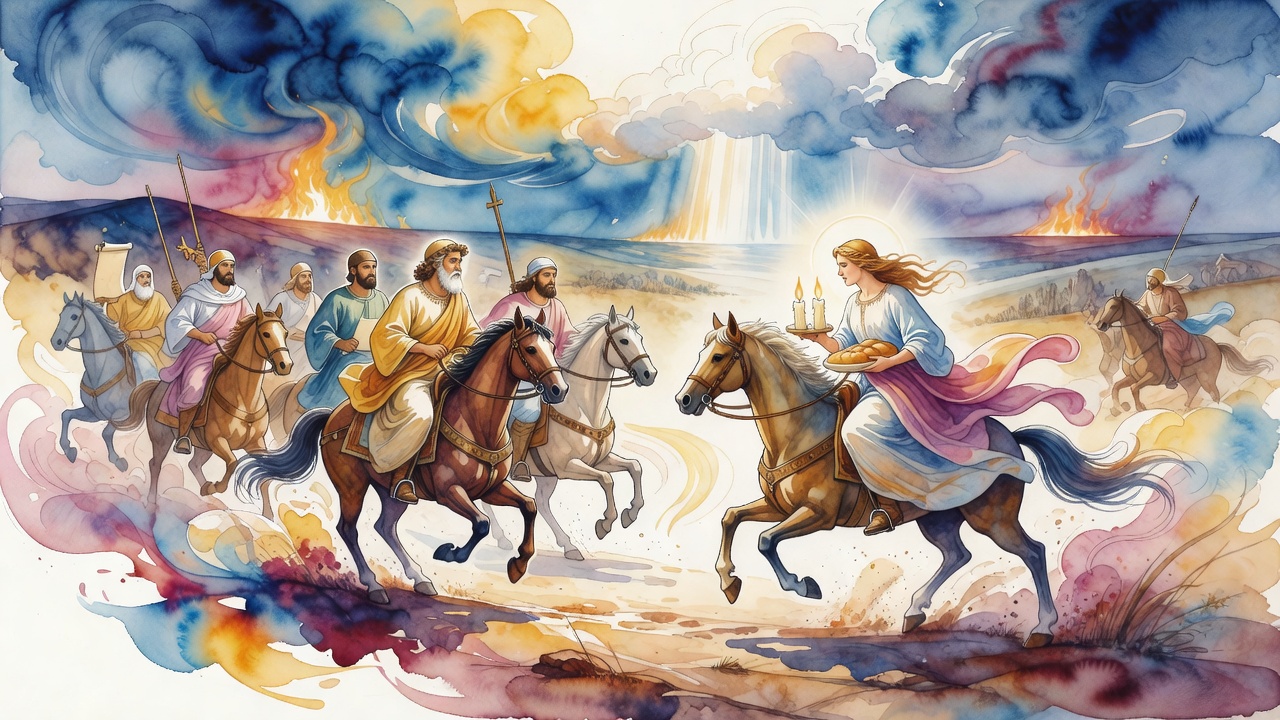
David rides toward Nabal with four hundred men and blood in mind, and Abigail rides toward him with bread and the truth about burning candles.
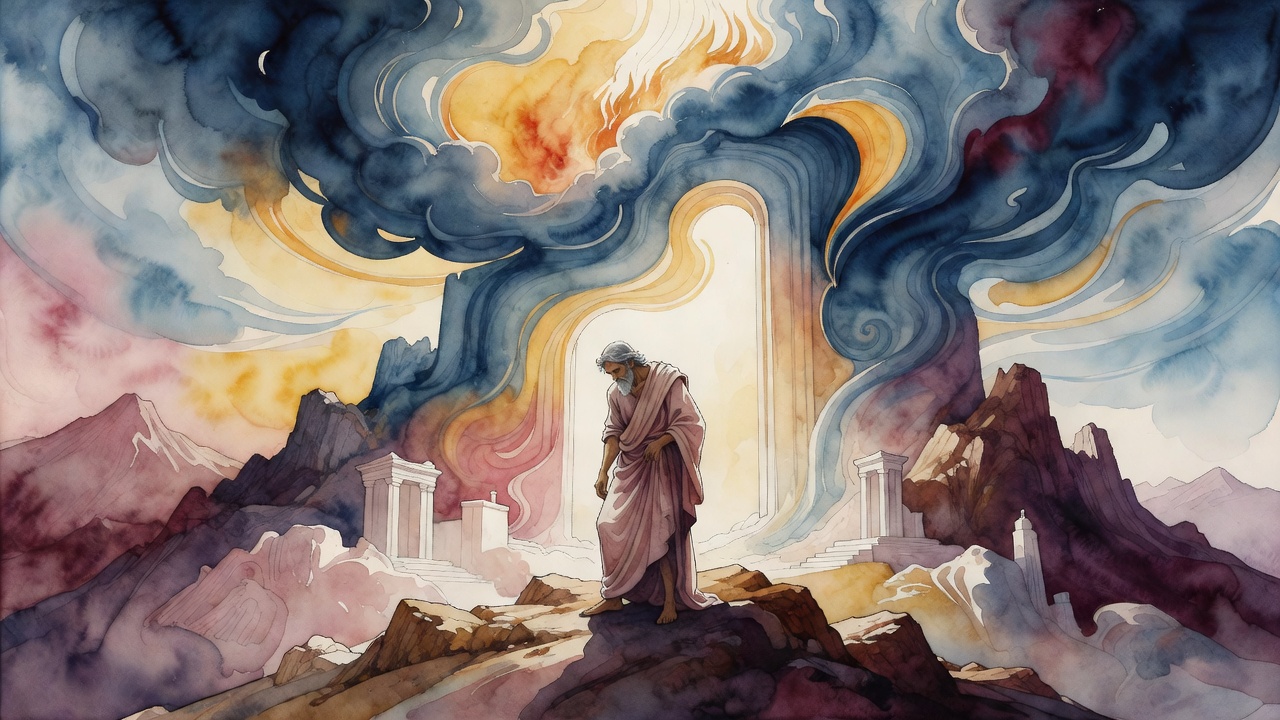
Adam settles on Mount Moriah after Eden because the gate he can no longer enter is close, and the place of return becomes the place of the Temple.
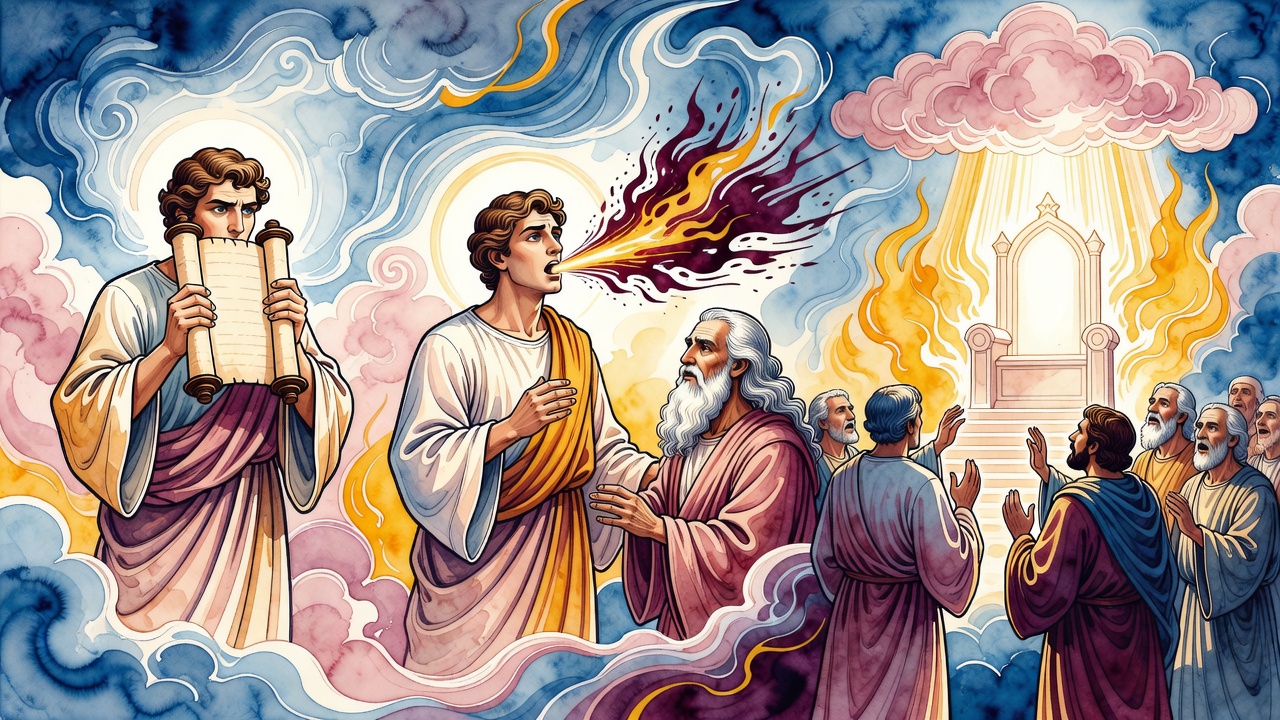
Saul confessed in the same words David used. Then he asked to be honored before the elders, and tore Samuel's robe grabbing after him.
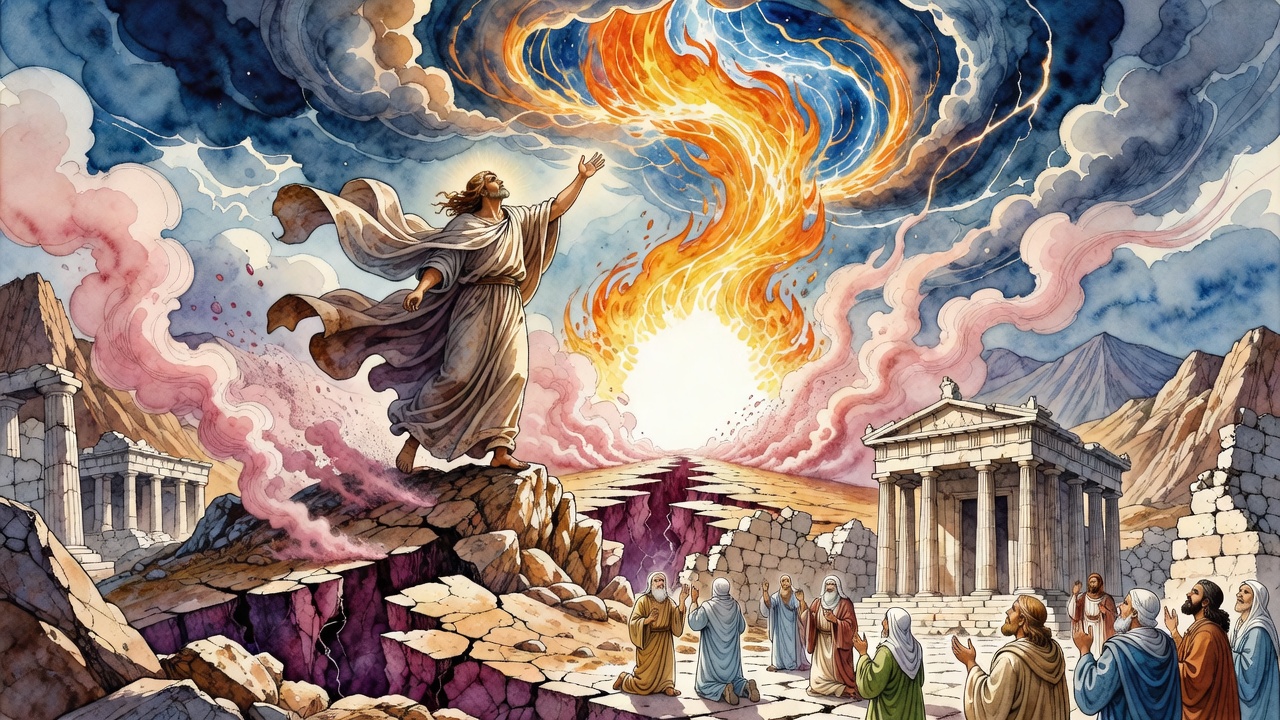
The floor moved under the study house. Rabbi Nehorai blamed unseparated tithes. Elijah told him the real reason, and the real reason was worse.
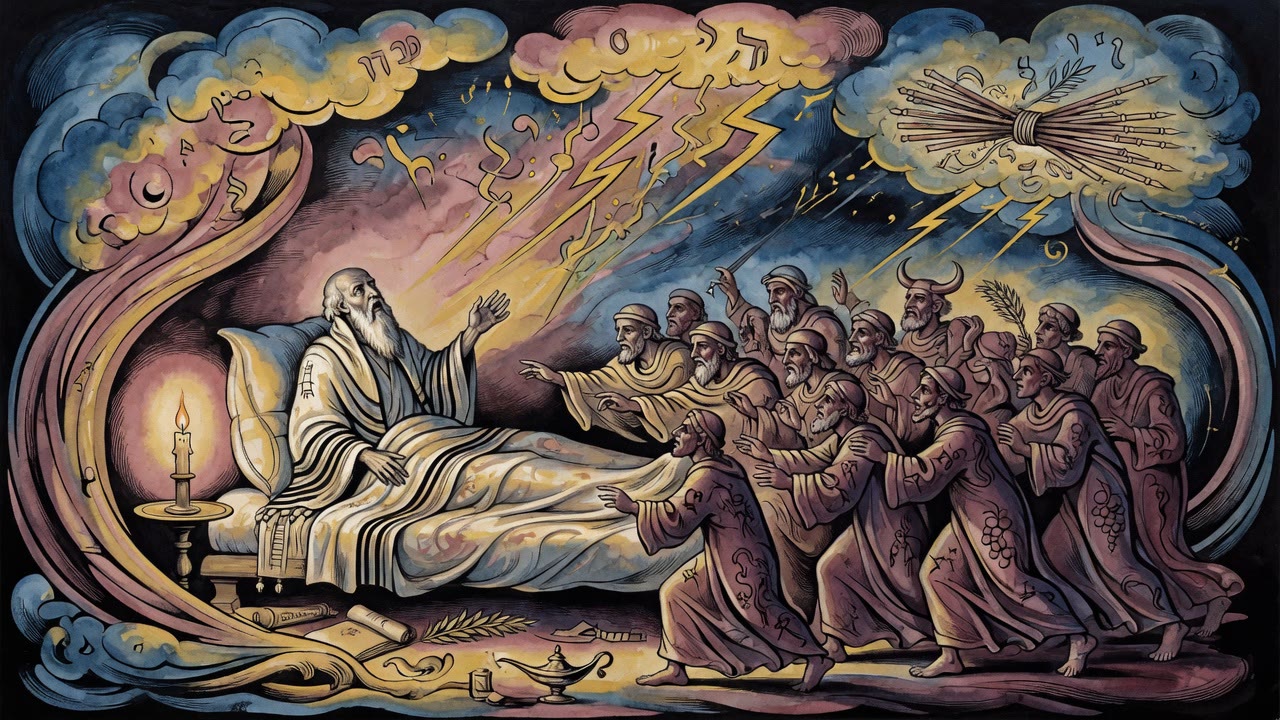
His wife looked at the ring and told him to suck it. Thirty days of mourning would cancel the edict. He died with the Shema in his mouth.
Eikhah Rabbah follows Jerusalem's wealthy through the siege from golden baskets lowered over walls to the shame of being called impure in the nations.
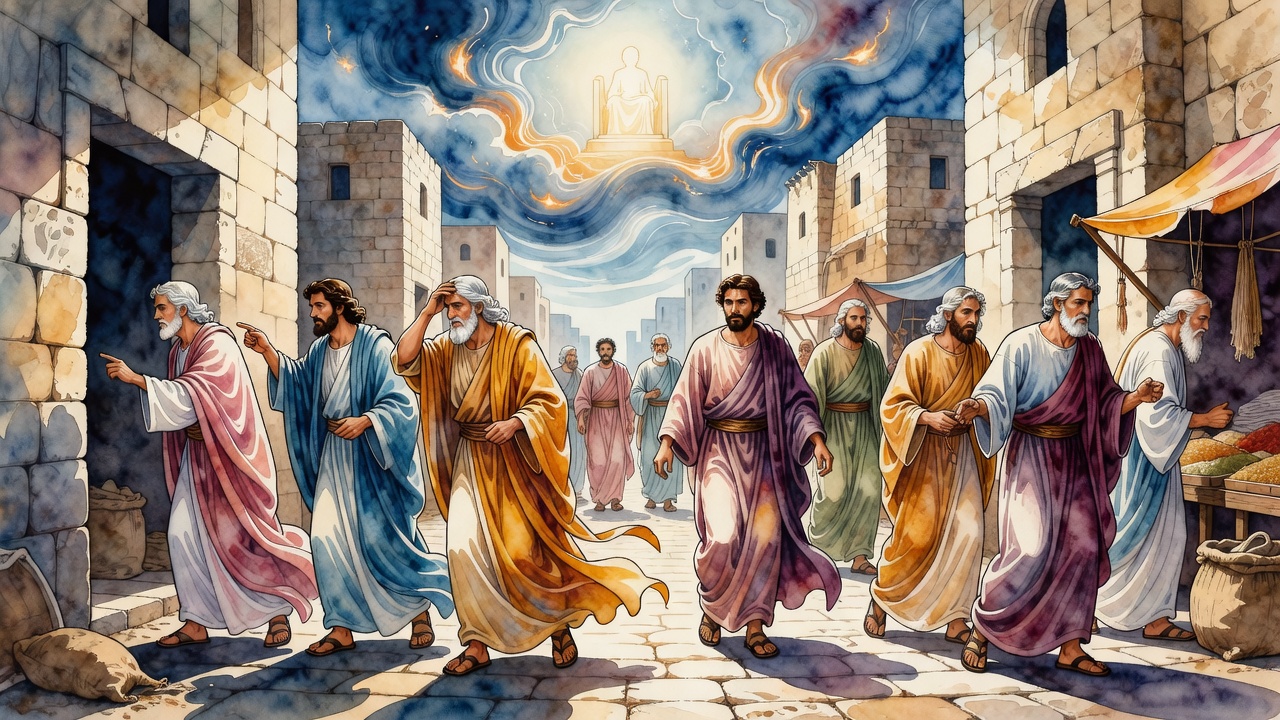
They came through the gate in the same hour and gave the clerks the same father. Then they spent the day hunting the streets for a sold boy.
