The Roman Minister Who Swallowed Poison to Save Israel
His wife looked at the ring and told him to suck it. Thirty days of mourning would cancel the edict. He died with the Shema in his mouth.
Table of Contents
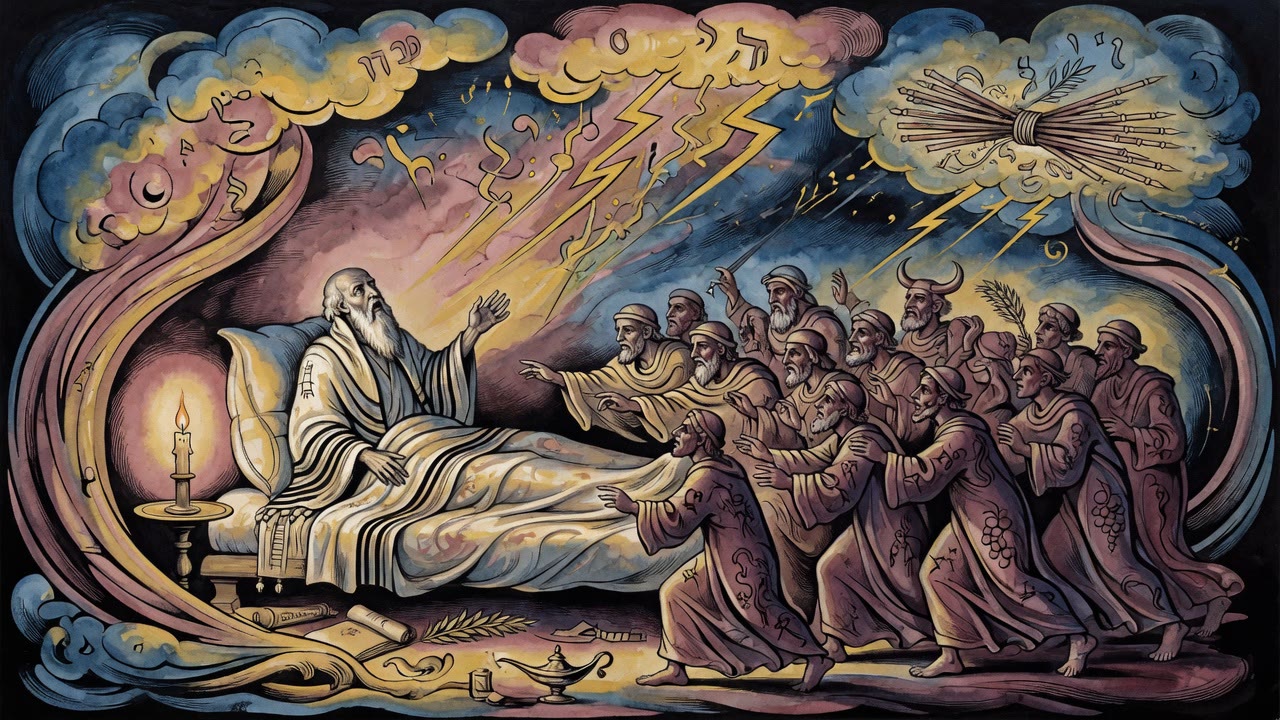 Click for full size
The Edict Had Thirty Days
Rabban Gamliel, Rabbi Eliezer, and Rabbi Yehoshua were in Rome when the danger began. The emperor's ministers issued an edict that was not read in any square. Within thirty days there would not be a Jew in the entire world.
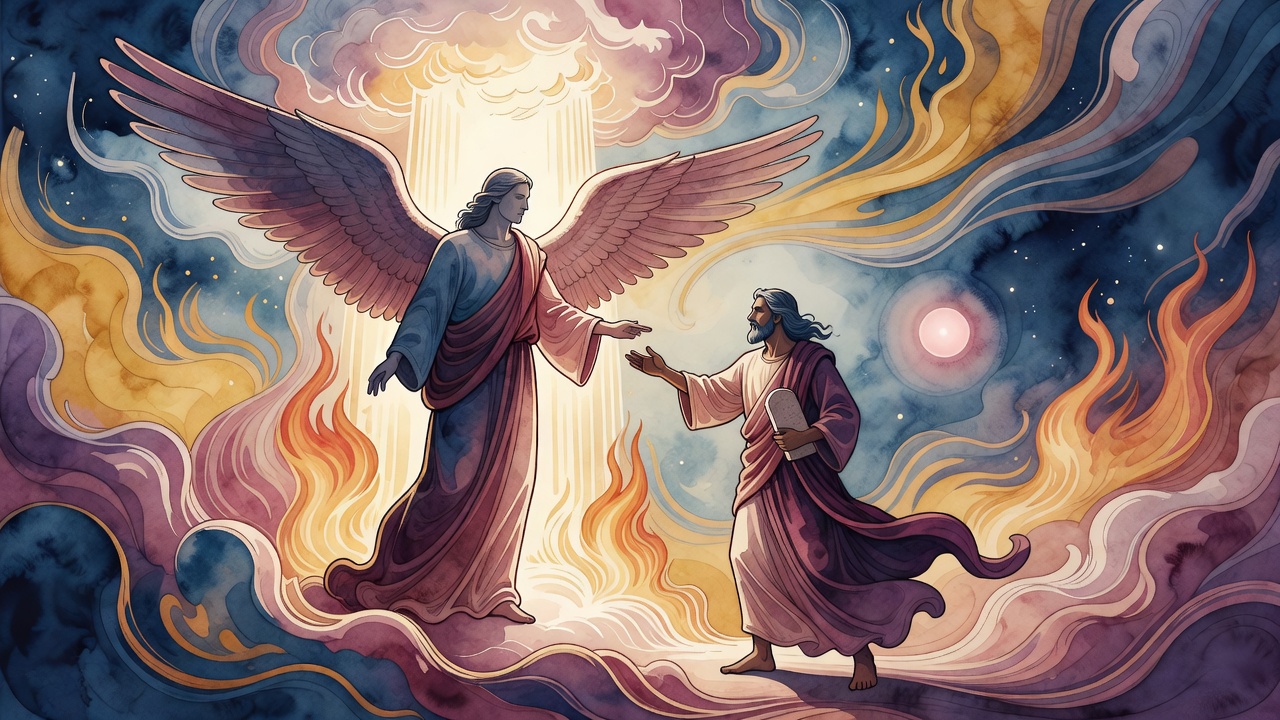
One of the king's own ministers feared Heaven. He found the rabbis and told them quietly. Do not be upset. Within thirty days the God of the Jews would stand with them.
He did not say how. He said only that they should wait.
The clock started. The edict sat in the palace, already written, not yet in force. Each morning the rabbis woke to one more day gone. The minister knew what they did not. The cost of keeping Israel alive would come out of his own body.
She Told Him to Suck the Ring
After twenty-five days he went to his wife and told her the count. Twenty-five have passed, she said. Five more, he said.
She was more righteous than he was. She looked at his hand.
"Do you not have a ring?" she said. "Suck on it and die. The ministers' meetings will be suspended for thirty days in your honor, and the edict will be annulled."
The ring was hollow. Poison sat in it, the kind a Roman officer carries when he has reason to fear that the empire will not let him choose his own end. He had worn it to the palace every day of the thirty. She named the use.
He heeded her.
He Stopped and Said God Is One
He did not walk while he said it. He stood still and accepted the kingdom of Heaven, the way a person reciting Shema (שמע) is told to stop and not keep moving through the words. "Hear, Israel: the Lord is our God, the Lord is one" (Deuteronomy 6:4).
He was not born to the covenant. He said the words anyway, in a language that was not the speech of his childhood, with a ring of poison in his hand. He may not have separated every letter. He said them, and then he sucked the ring, and he died inside the declaration.
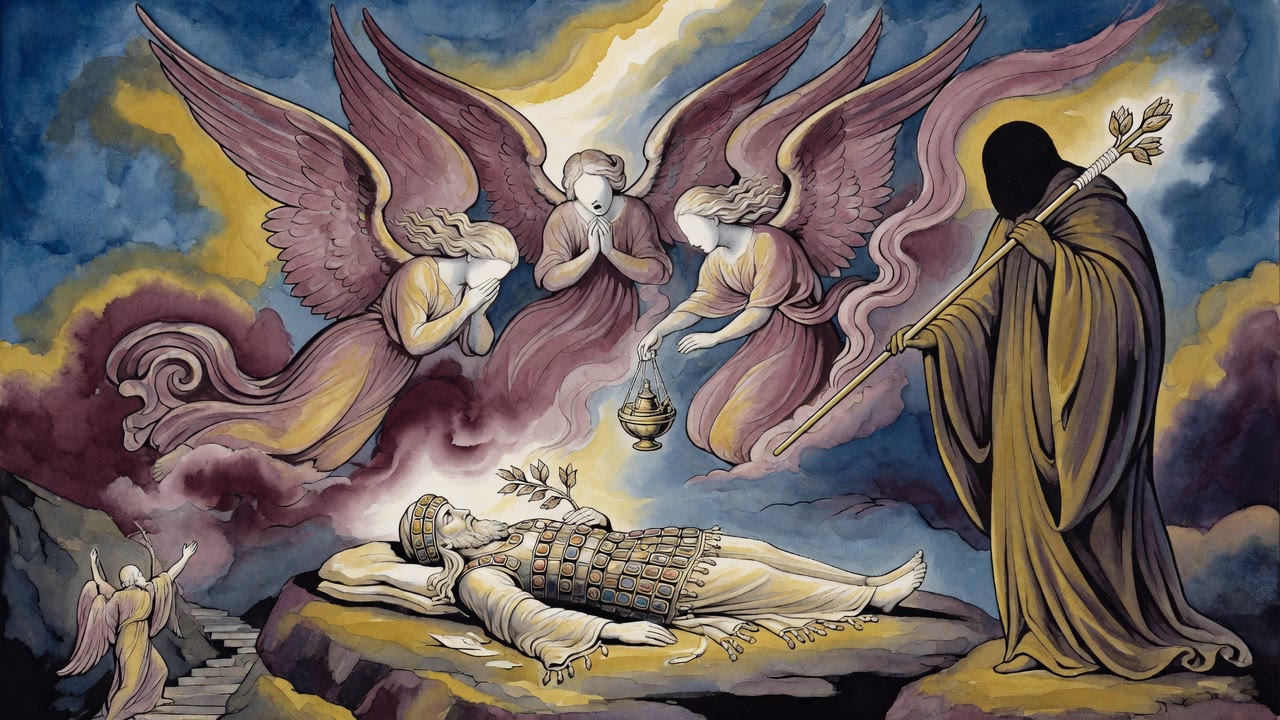
The meetings stopped. The thirty days of mourning ate the thirty days of the edict. No Jew was expelled. The God of the Jews had stood with them, and the man who had promised it was already gone.
The Box in the Inner Room
The rabbis heard and went to his wife to console her. They spoke in a figure she understood at once. Pity for a ship that set sail and did not remit the tariff. They meant he had died uncircumcised.
"I know what you are saying," she said. "As you live, the ship did not pass before it remitted its tariff."
She went into an inner room and came back with a box. Inside it was the foreskin, and blood-soaked rags laid over it. She set the box in front of them and did not explain further.
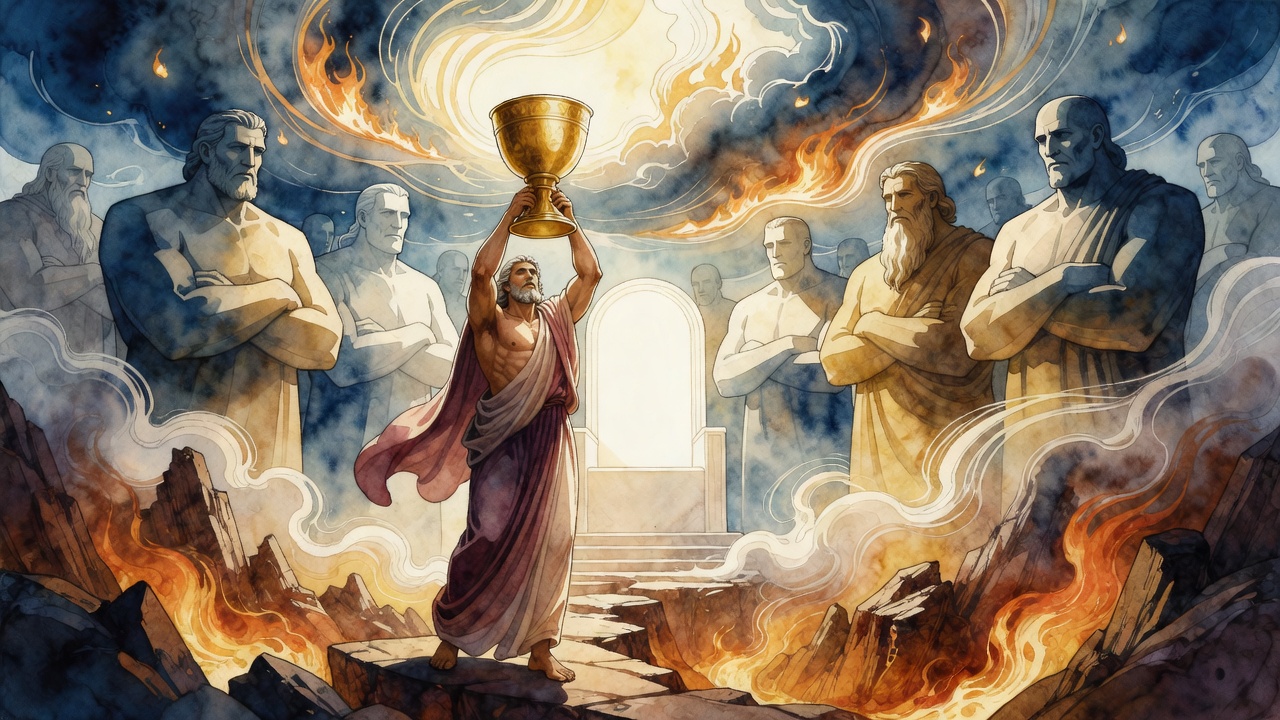
The rabbis read a verse over him. "Ministers of the peoples have assembled, the people of the God of Abraham. For the shields of the earth belong to God; He is greatly exalted" (Psalms 47:10). God had told Abraham, "I am a shield for you" (Genesis 15:1). For this minister He would be many shields.
A Roman had feared Heaven, stopped walking, said God is one, and died on his wife's instruction so that an edict against Israel would fall. The rabbis who argue whether imprecise letters of the Shema still count had their answer in a palace, from a mouth that was not born to the words.
← All myths