24 myths
Each story names the sources it was written from.
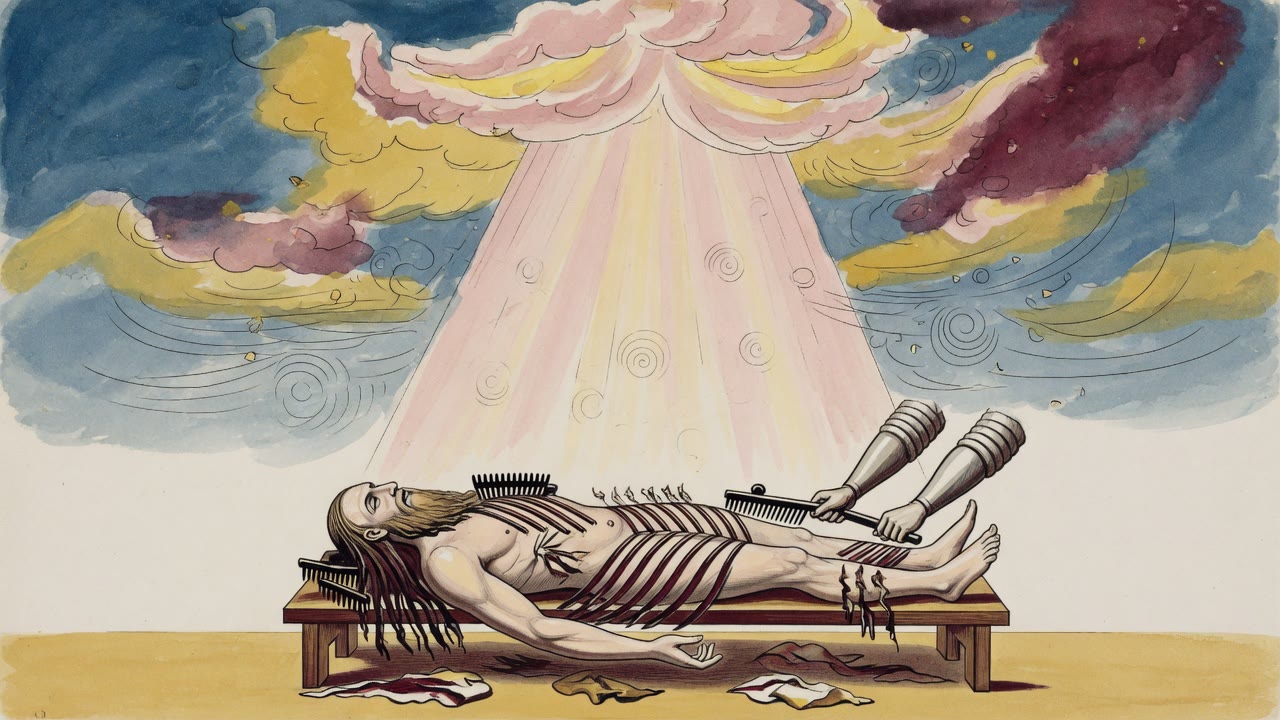
The Romans tore Rabbi Akiva's flesh with iron combs while he smiled. He had been waiting his whole life to love God with everything he had.
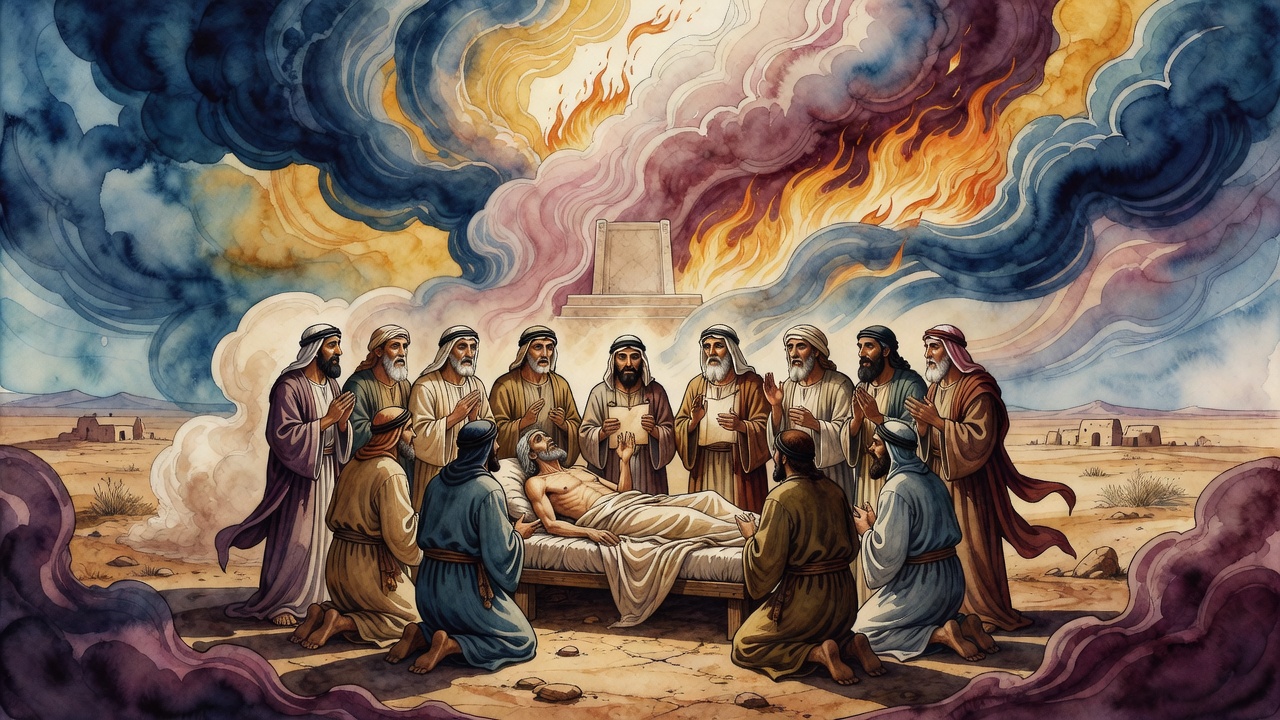
Will you bow down to another god when I am gone? All twelve sons answered in one voice: the Lord is our God, the Lord is one.
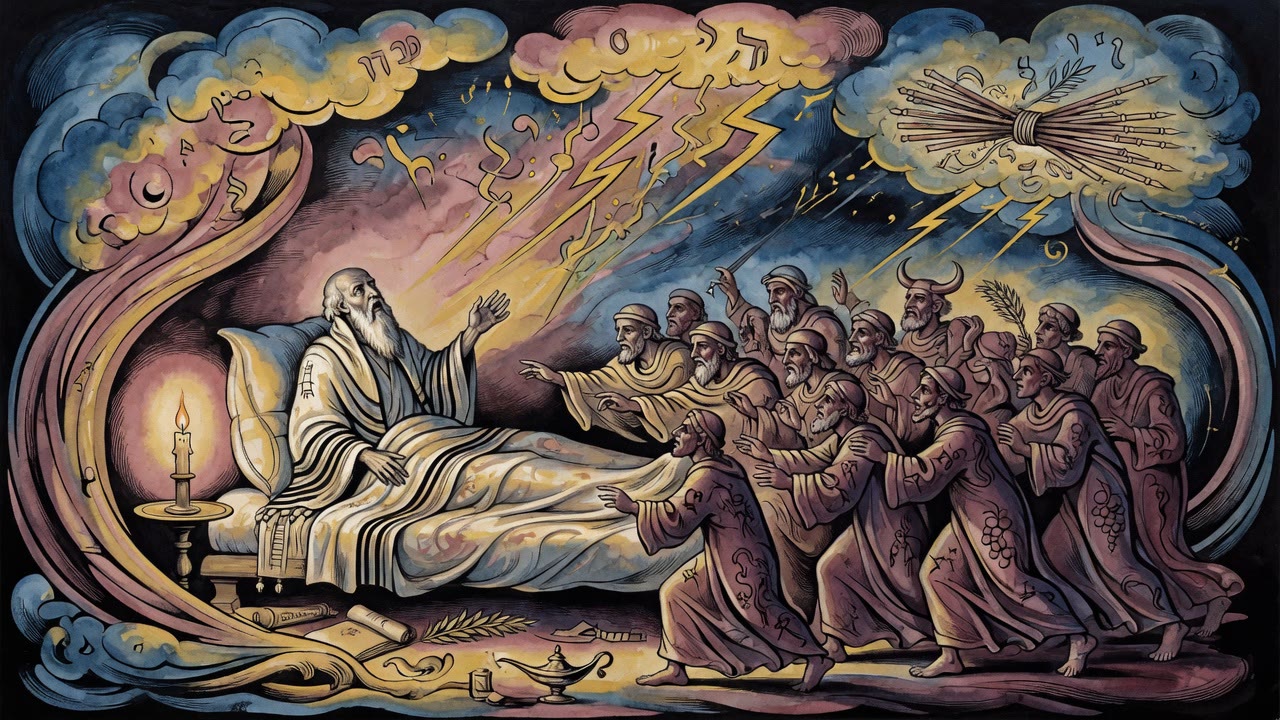
The day stood over Jacob's bed in Egypt and made a claim. He would not shut his eyes until twelve mouths said the same Name out loud.
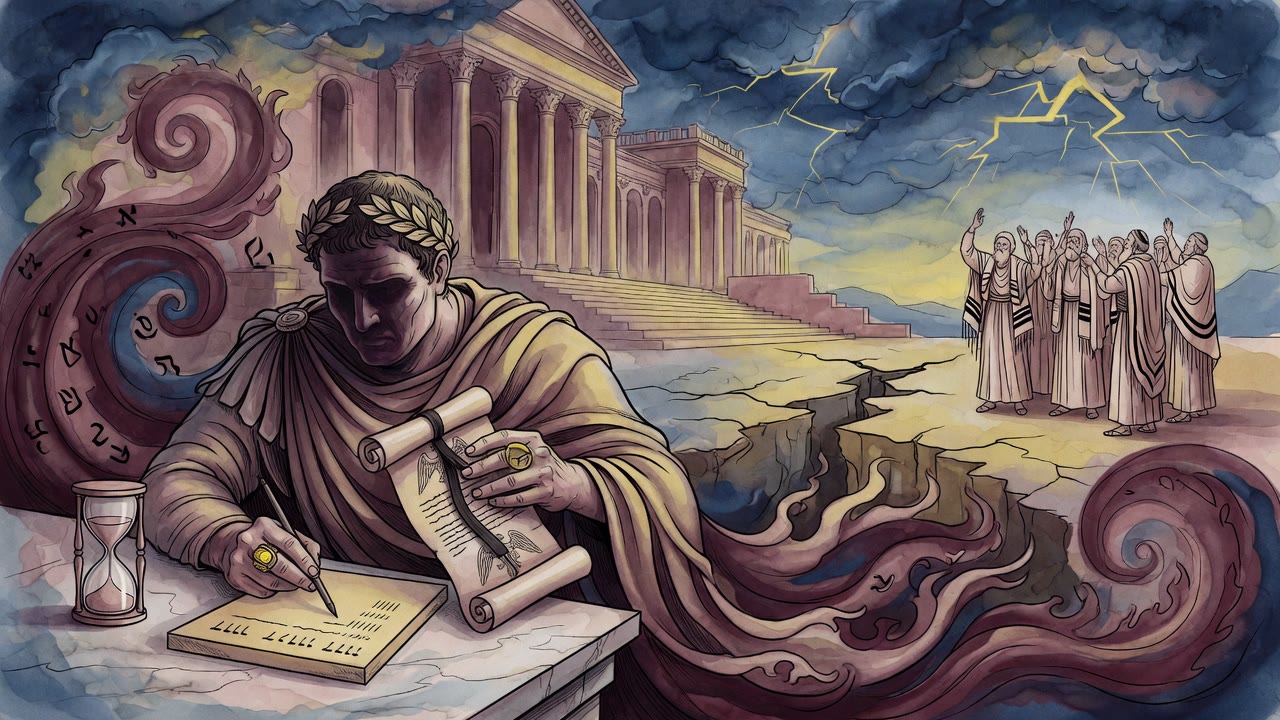
His wife looked at the ring and told him to suck it. Thirty days of mourning would cancel the edict. He died with the Shema in his mouth.
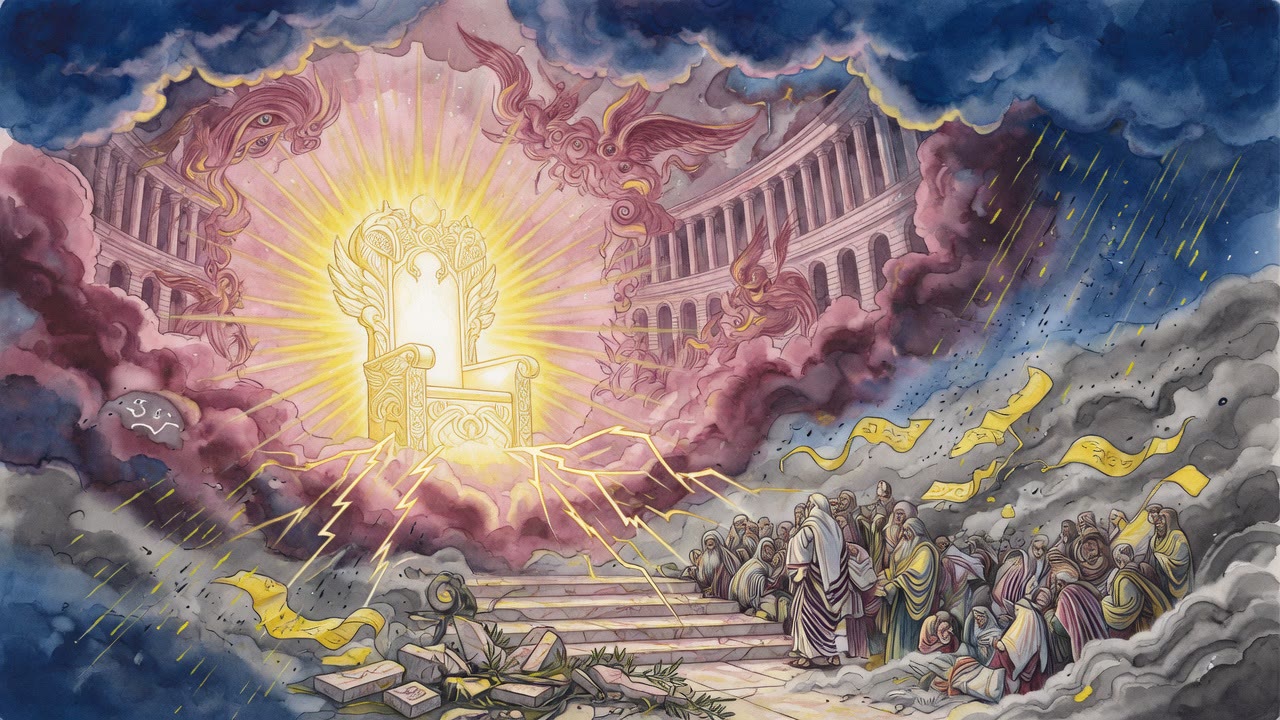
Three times the Judge descended to argue His own case, and three times the watching nations leaned in certain this stubborn people was finished.
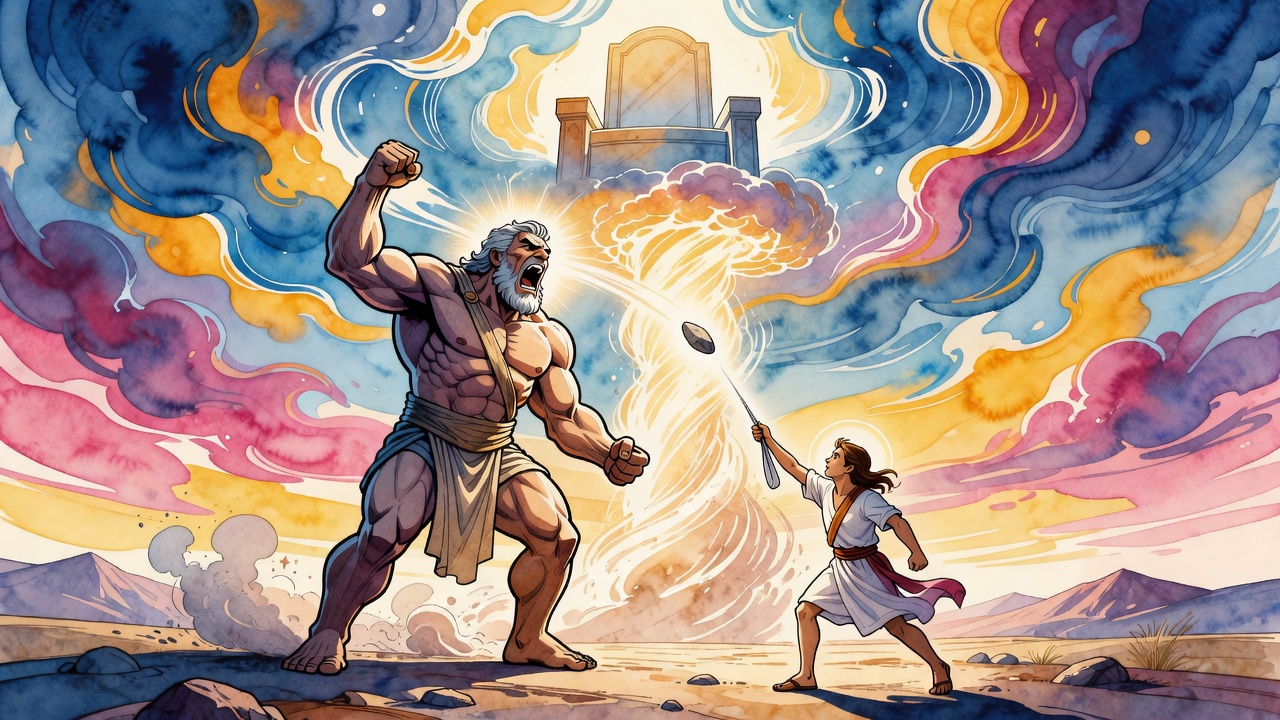
For forty days Goliath timed his curse to the hours of the Shema. A shepherd stone finally let the prayer land.
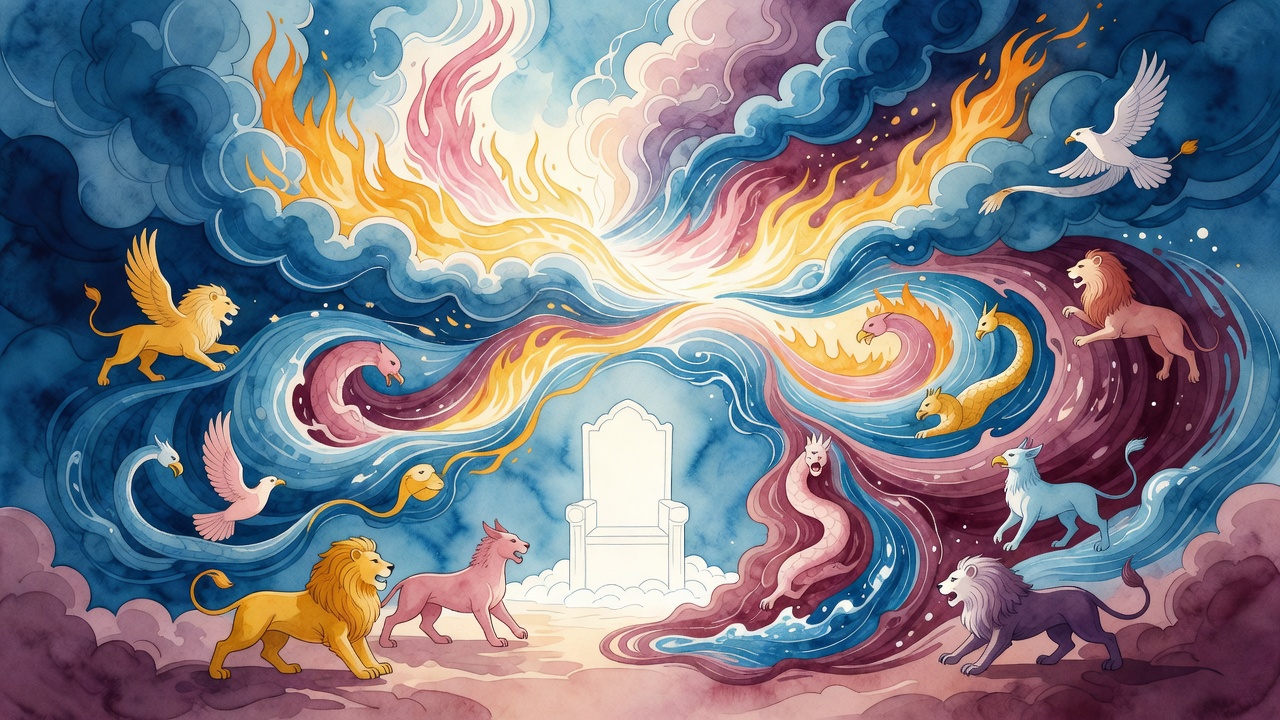
A philosopher told Rabbi Gamaliel that God found good clay ready to hand. The sage would not leave chaos unowned. Even tohu, he said, had been made.
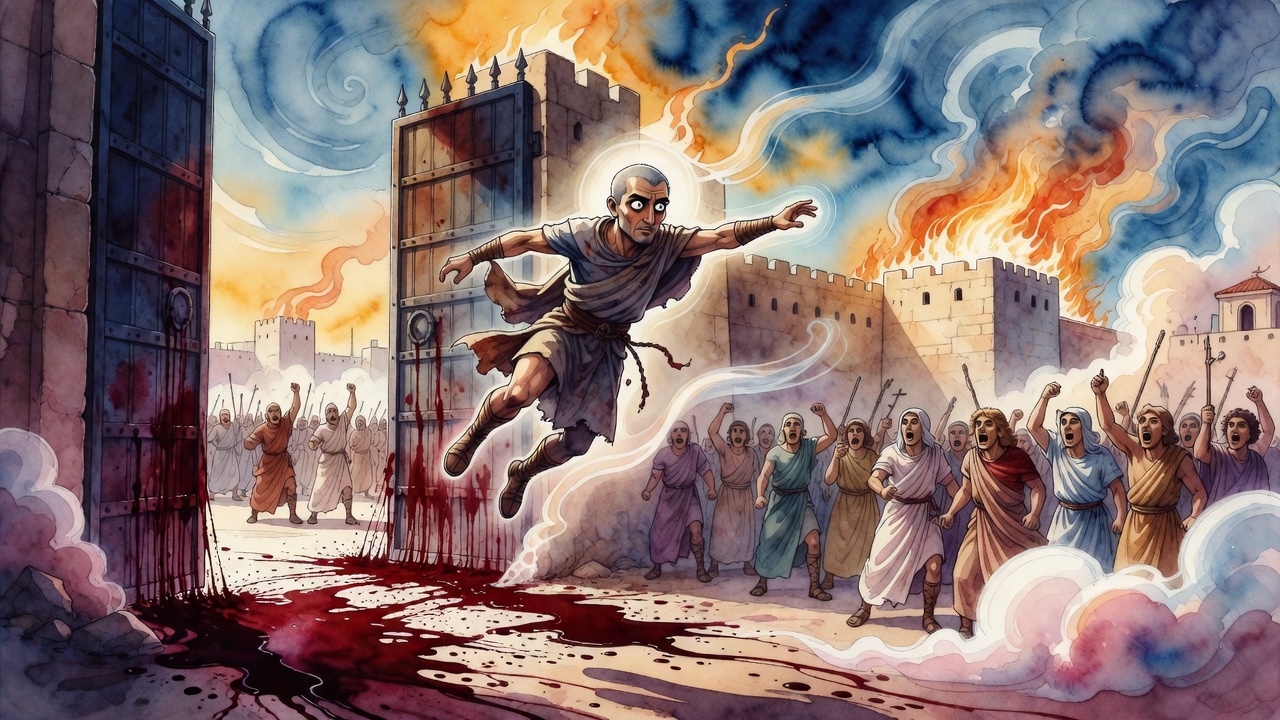
The army wanted to go home. Joab told them to sling him over the wall and watch the gates for forty days. Blood would mean he still lived.
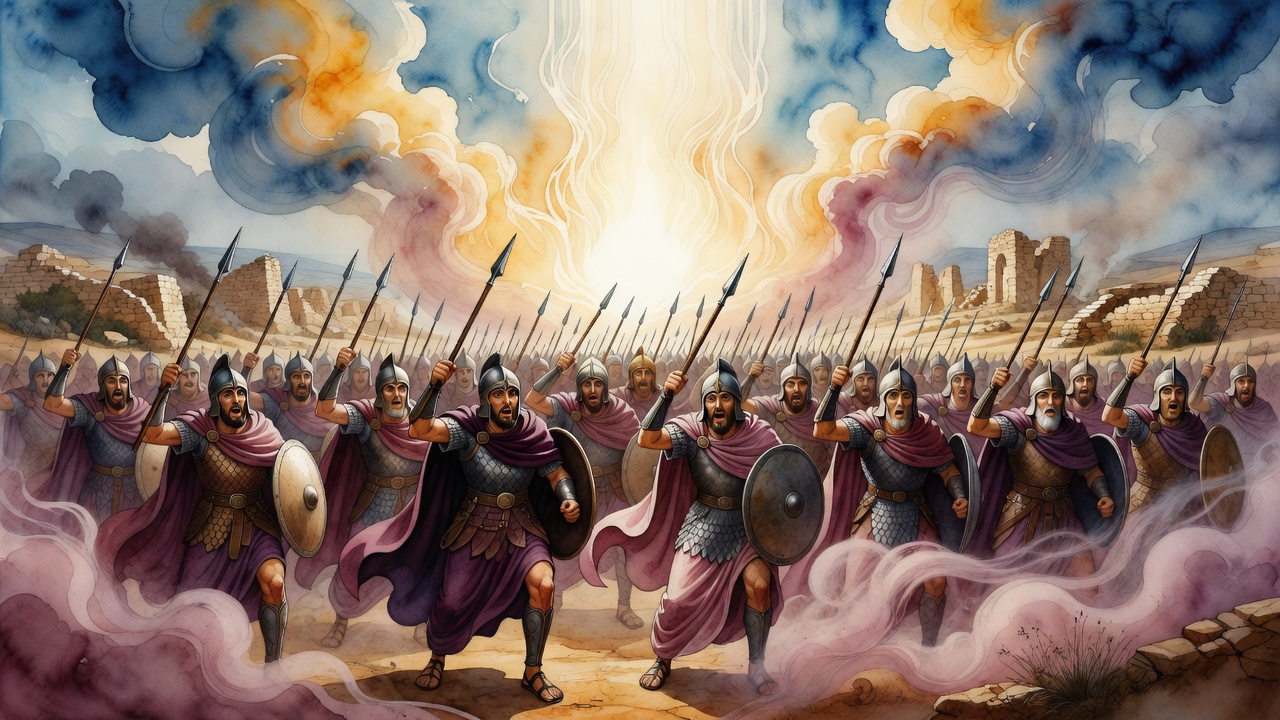
Counselors in the war tents listed every miracle done for Abraham. Kings who had come to avenge Shechem turned their horses around.
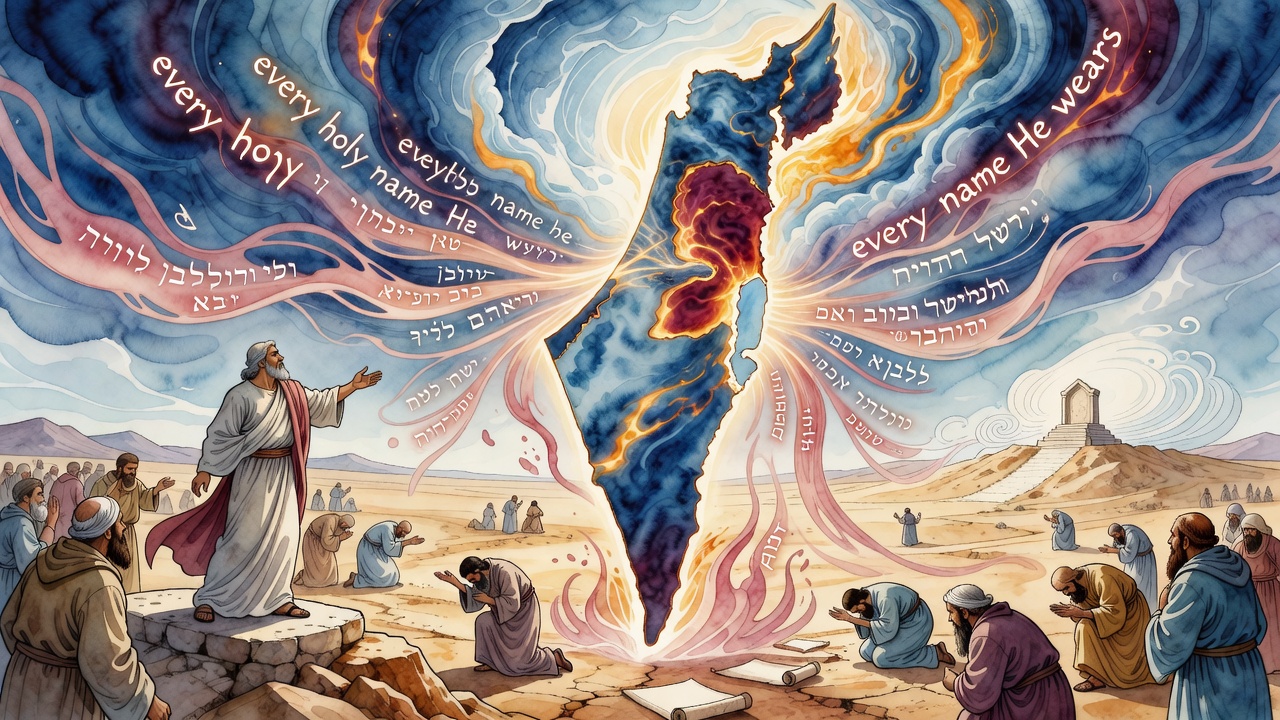
Moses heard the angels praising and brought the words down as a whisper. When Israel says them, the angels' wings droop and their own song stops.
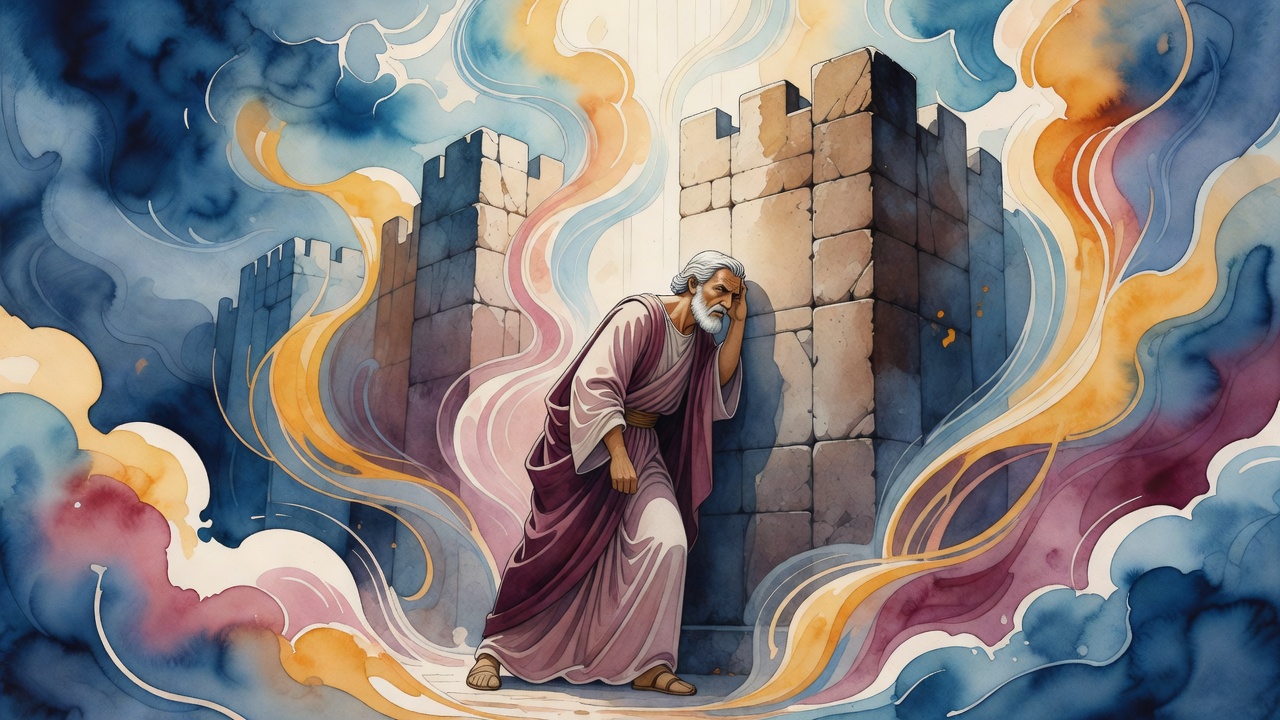
The king pressed his ear to the prison wall, expecting curses. Inside, the servants were still calling him their life.
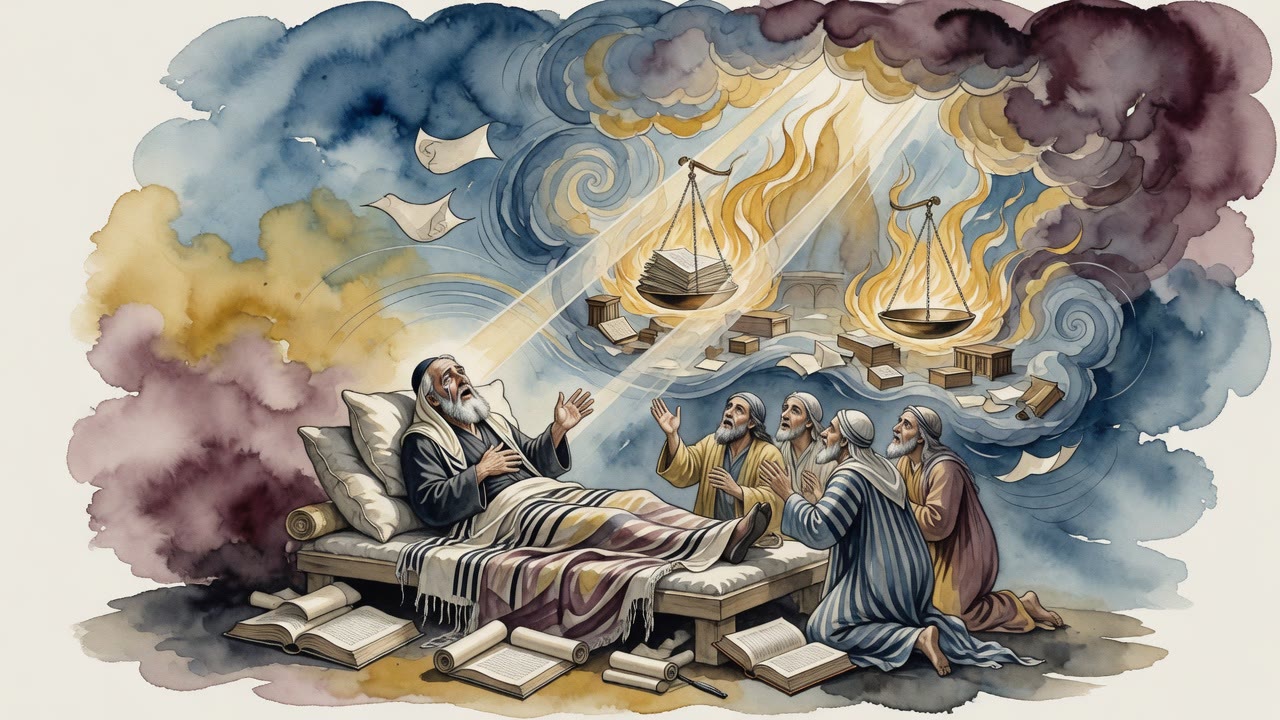
Hour by hour the pious divide a day between Shema (Hear O Israel), work, and rest, until wives call the king's exhausted servants home before Shabbat light.
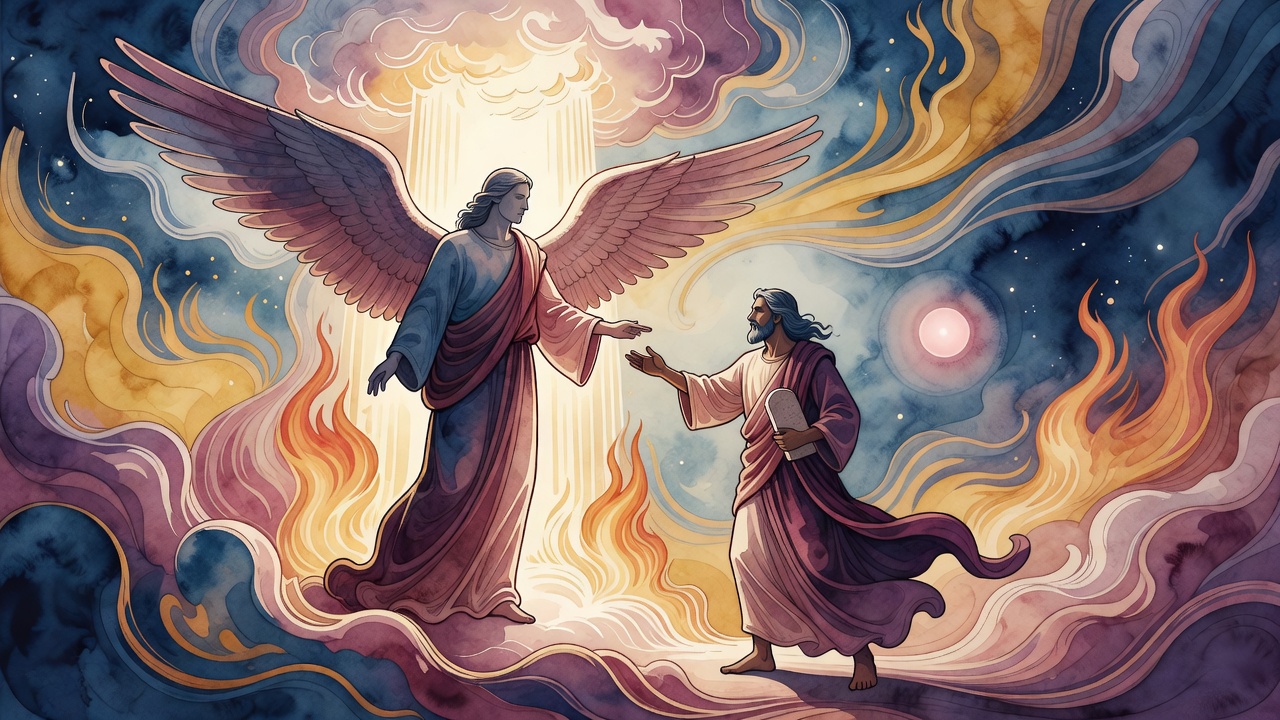
An angel blocks the earth-born stranger. A homesick star tells its exile. Moses grips the throne, walks the commandments, and wins Torah for needy bodies.
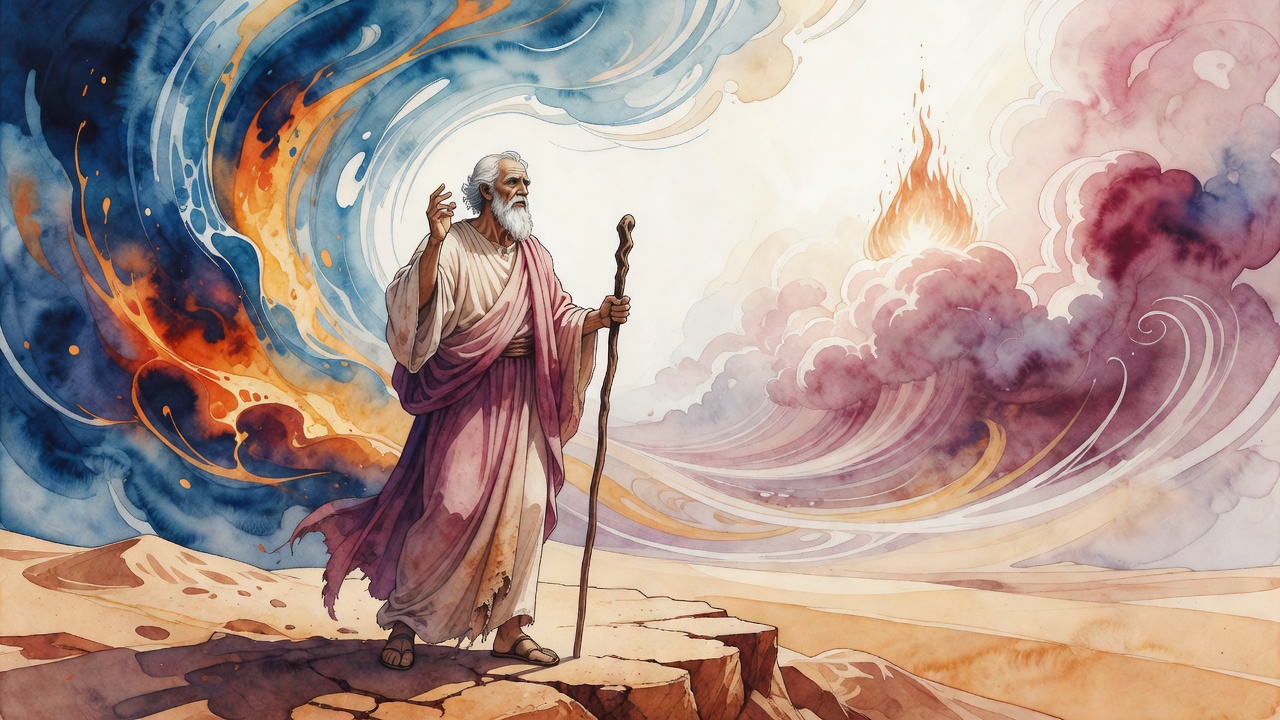
Eleven days should have brought Israel from Horeb. Forty years burned instead. Moses saved his hard words for the edge of death, then blessed a thousandfold.
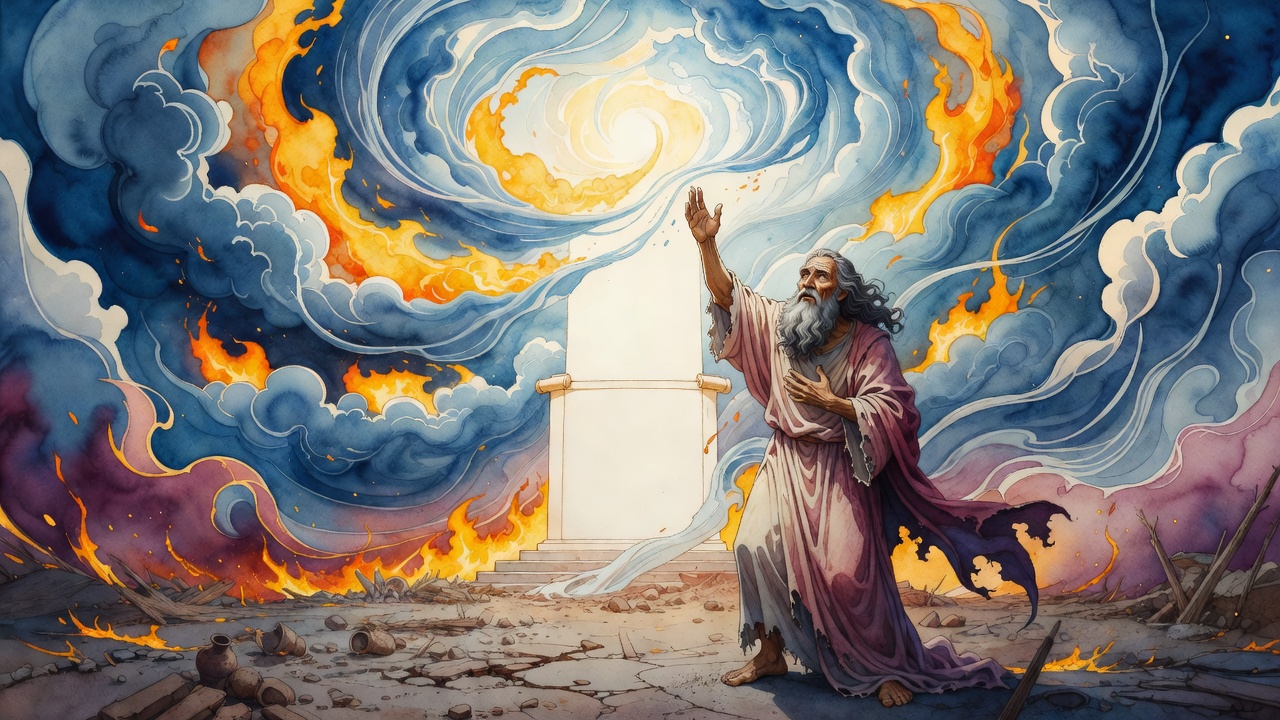
Herds gone. A house fallen on the children. Job's wife told him to curse. He stayed on the ash and blessed the Name.
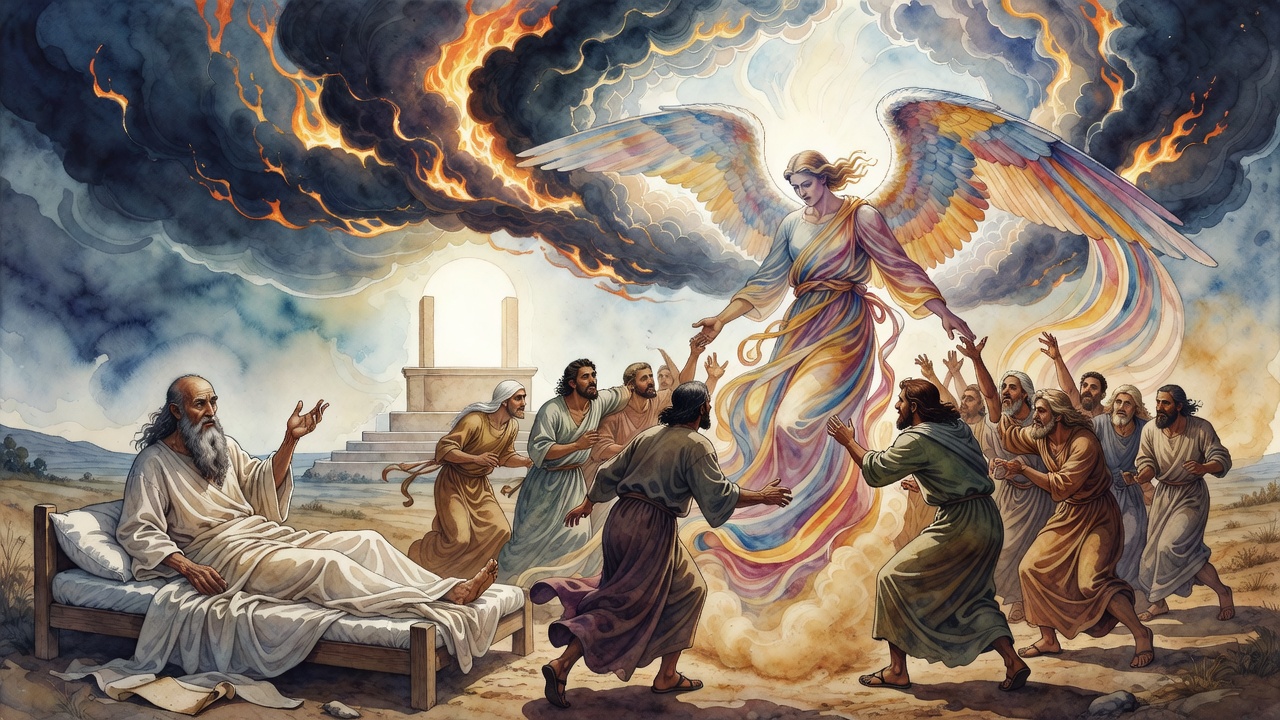
Jacob called for his sons and the corridors stayed empty. Twelve grown men, and not one of them in the room where he was dying.
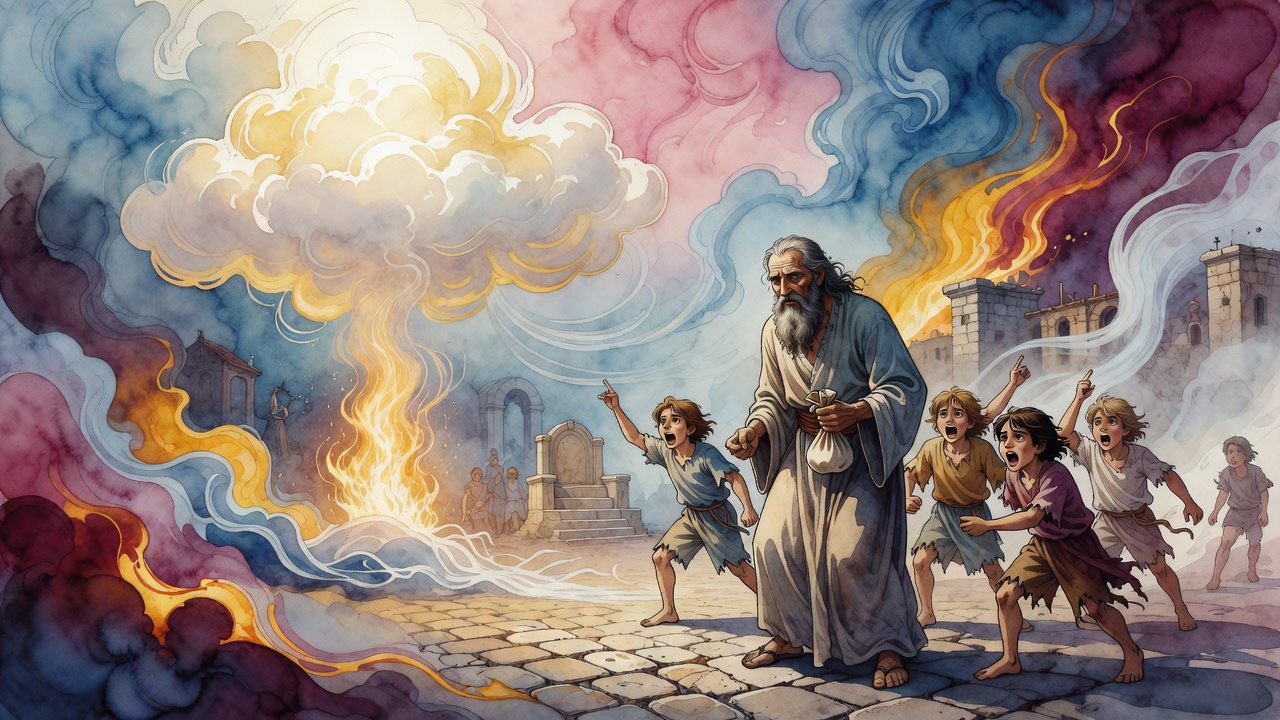
Boys lined the road to the prince and shouted Jew. He threw them gold, and the table went quiet, waiting for a man to explain.
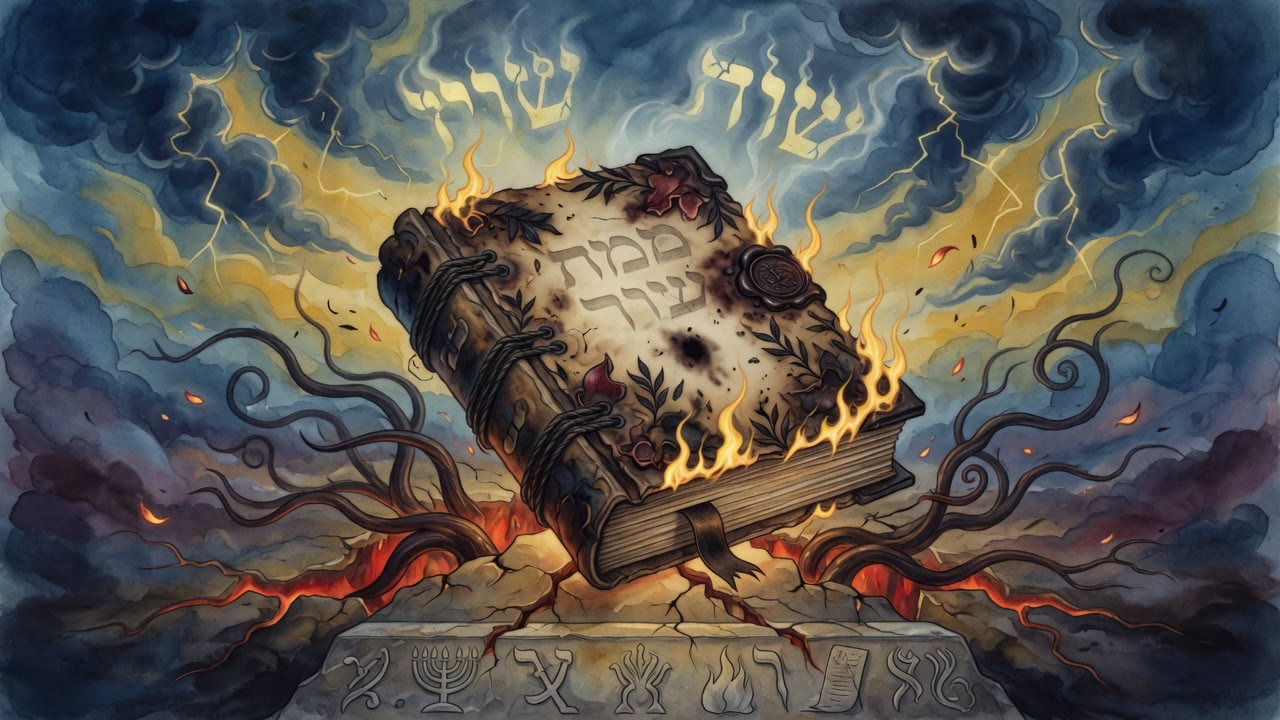
A closed booklet held names no one should speak. Ninety-seven forces of impurity hid in two Torah words, and Gehenna (afterlife of judgment) shook for the.
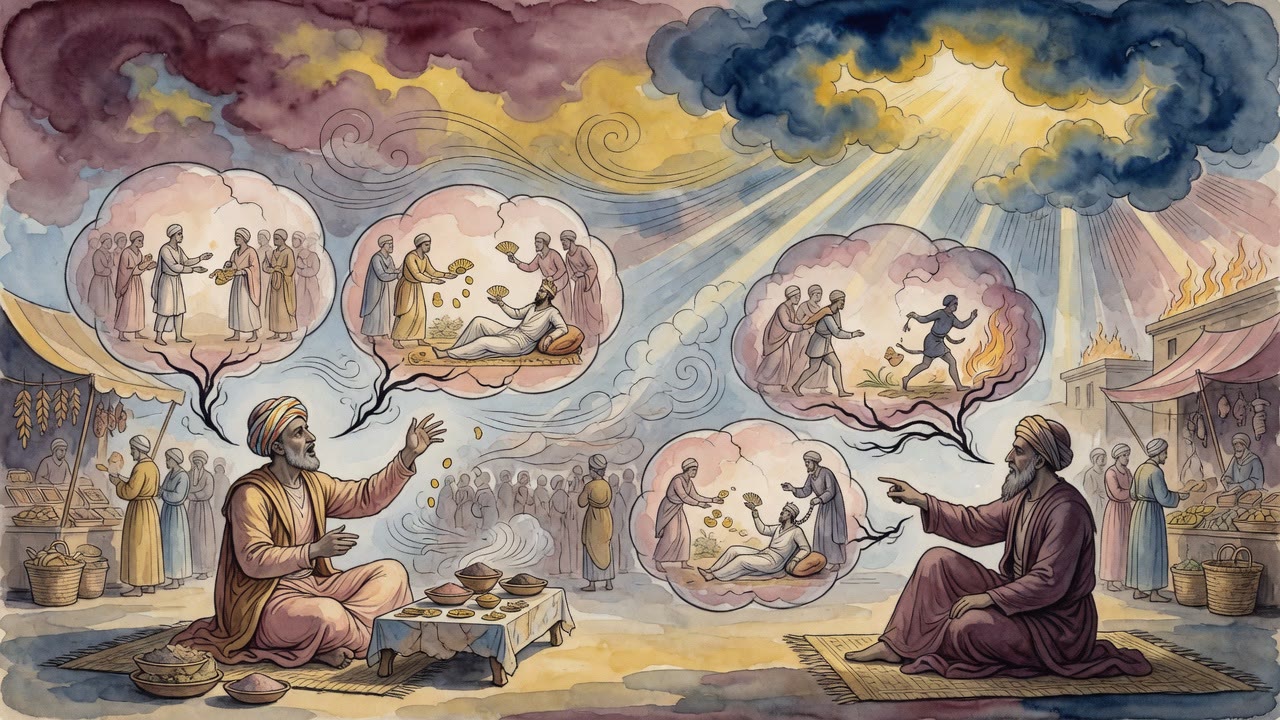
God told Abraham to sit as a model for the Shema (Hear O Israel). Later Rabbi Yishmael stood at evening prayer so one school's posture would not bind all.
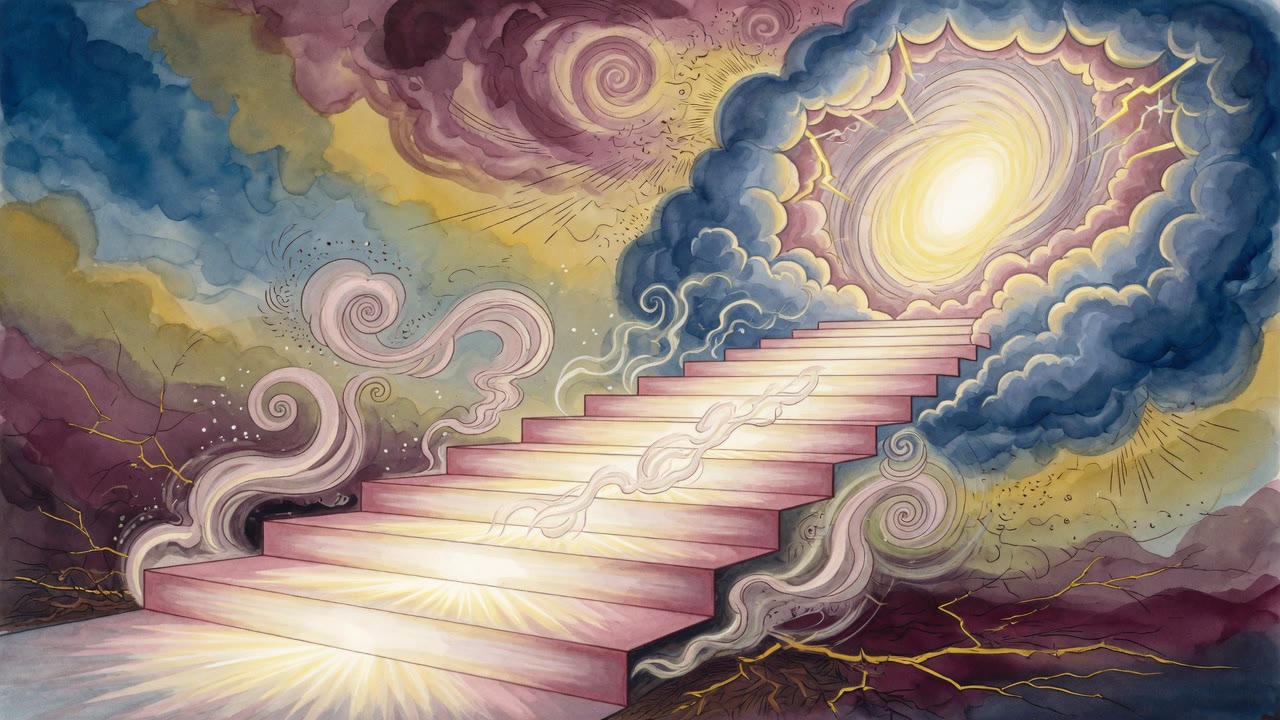
A baby slept in the next room. The father whispered Hear, then Israel, then the Name. Each word was a step he was not allowed to skip.
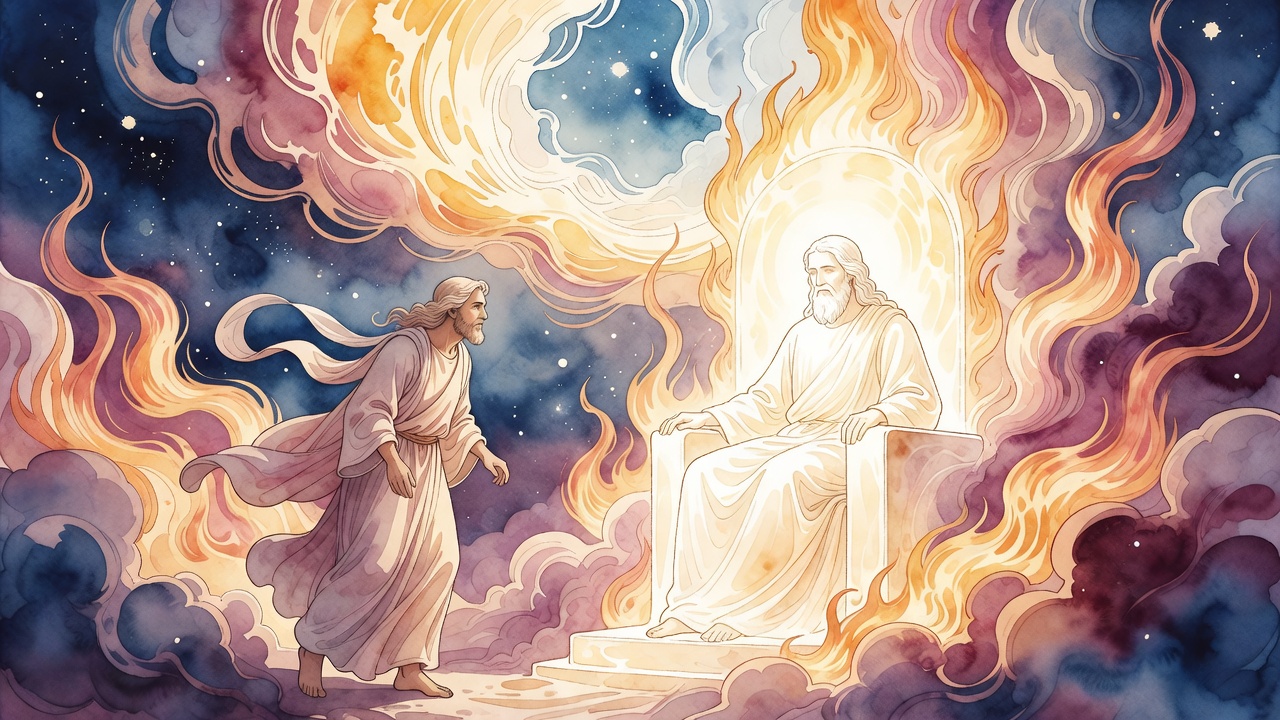
God seated the Messiah in garments of light at His right. Abraham stood pale at the left and asked why a grandson had the nearer chair.
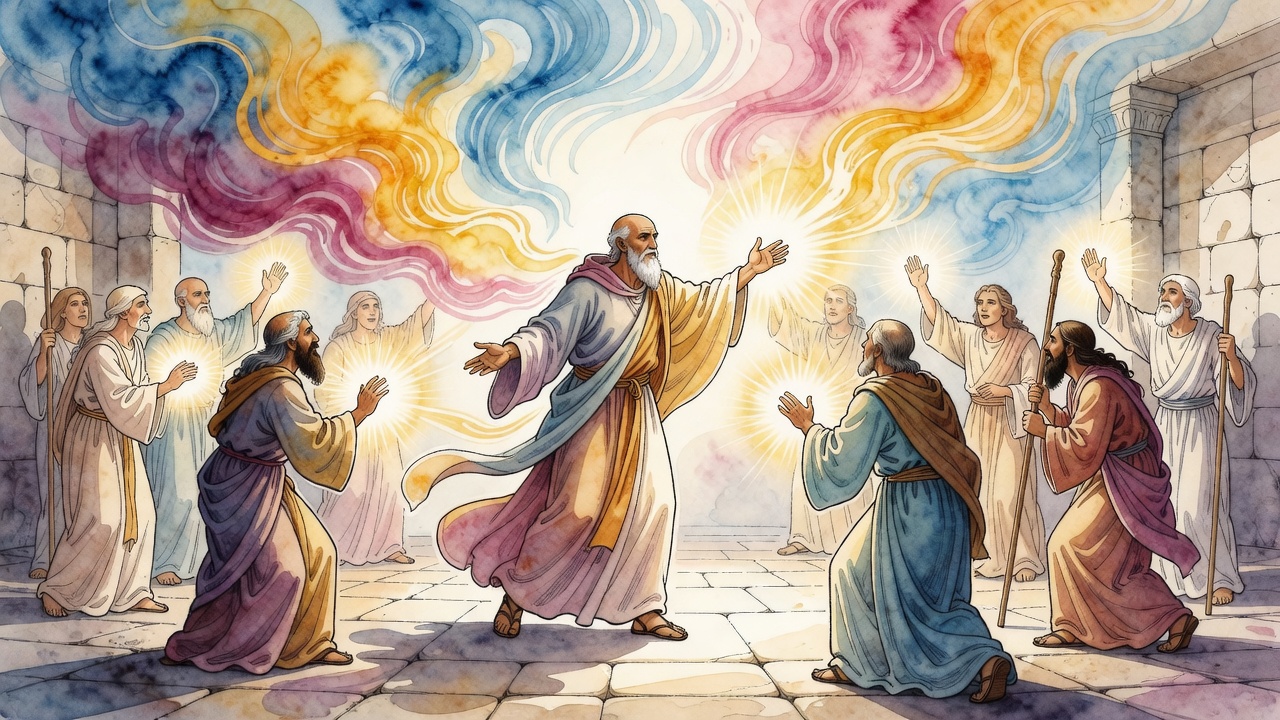
Rabbi Shimon opened the four letters while his breath failed. Companions held the room with ink, then bound the Presence the next morning.
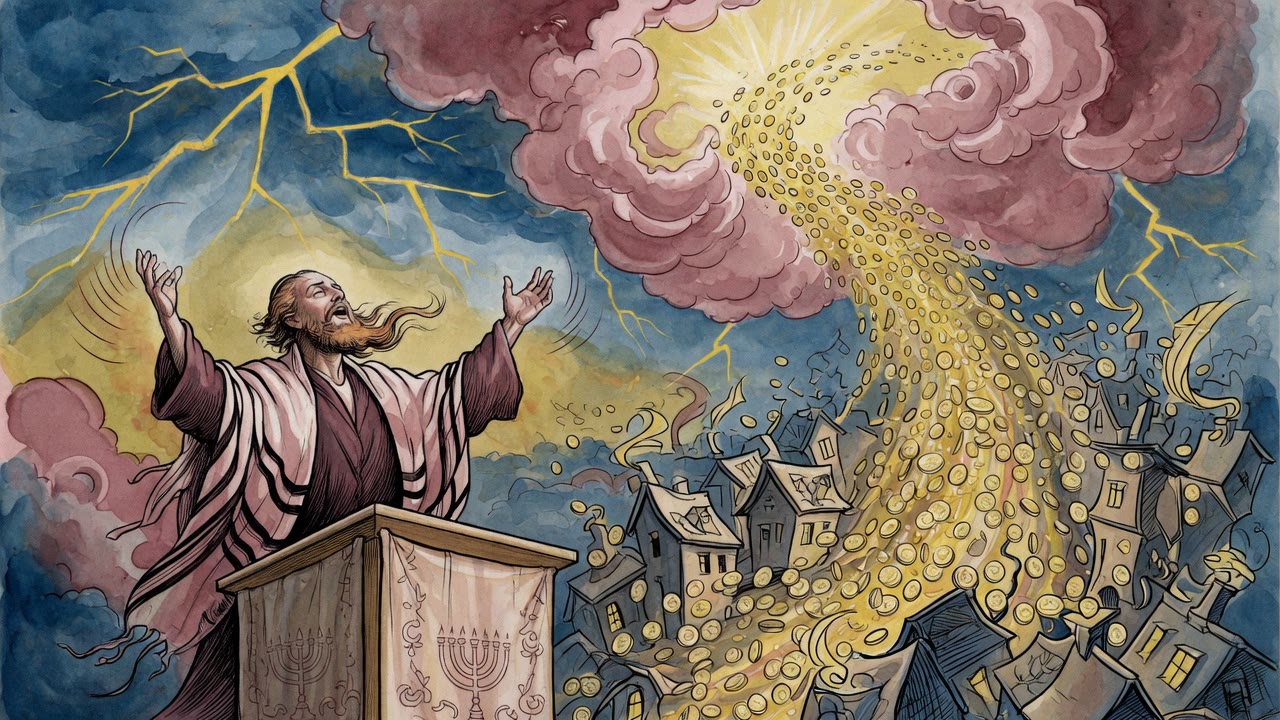
He struck palm against palm in the middle of the standing prayer until the room shook. Each clap was meant to open a lane the way the sea once opened.
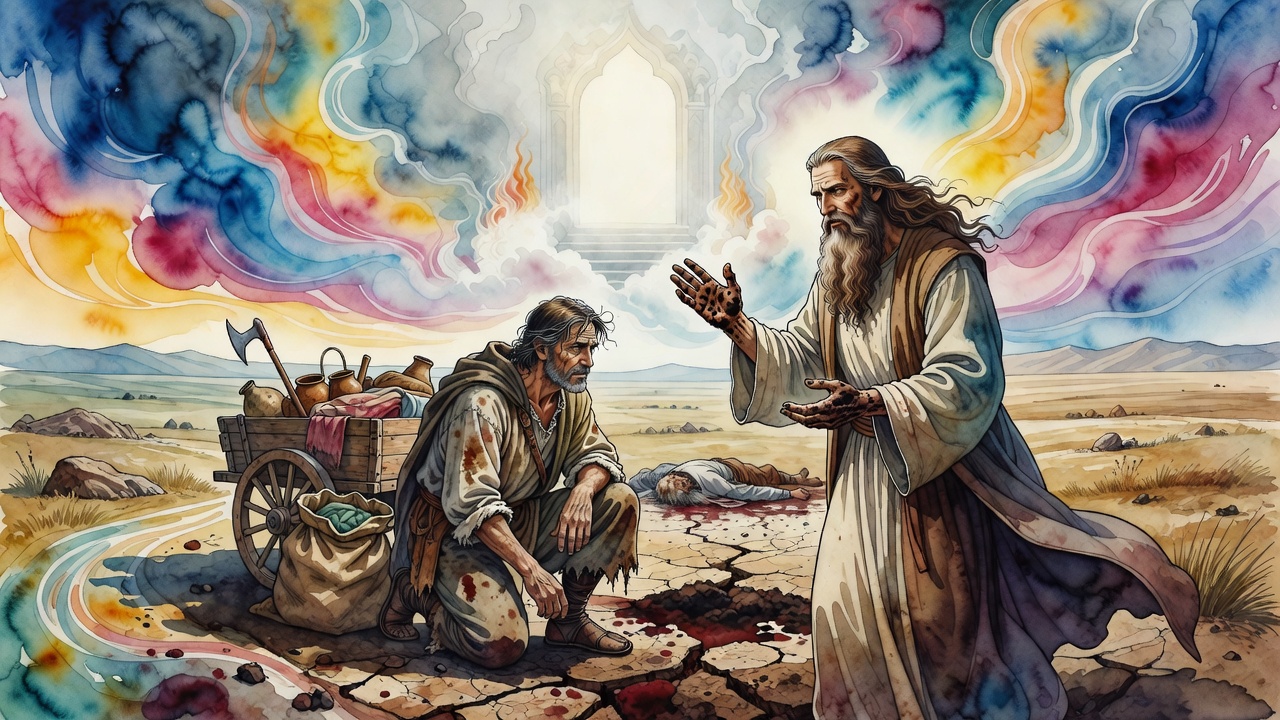
Raiders left his brother in the furrow. The farmer packed a sack for the ships. Rabbi Meir kicked a clod loose and would not let him go.
