Jacob Asked His Sons One Question Before He Died
Will you bow down to another god when I am gone? All twelve sons answered in one voice: the Lord is our God, the Lord is one.
Table of Contents
 Click for full size
The Fear Under the Blessing
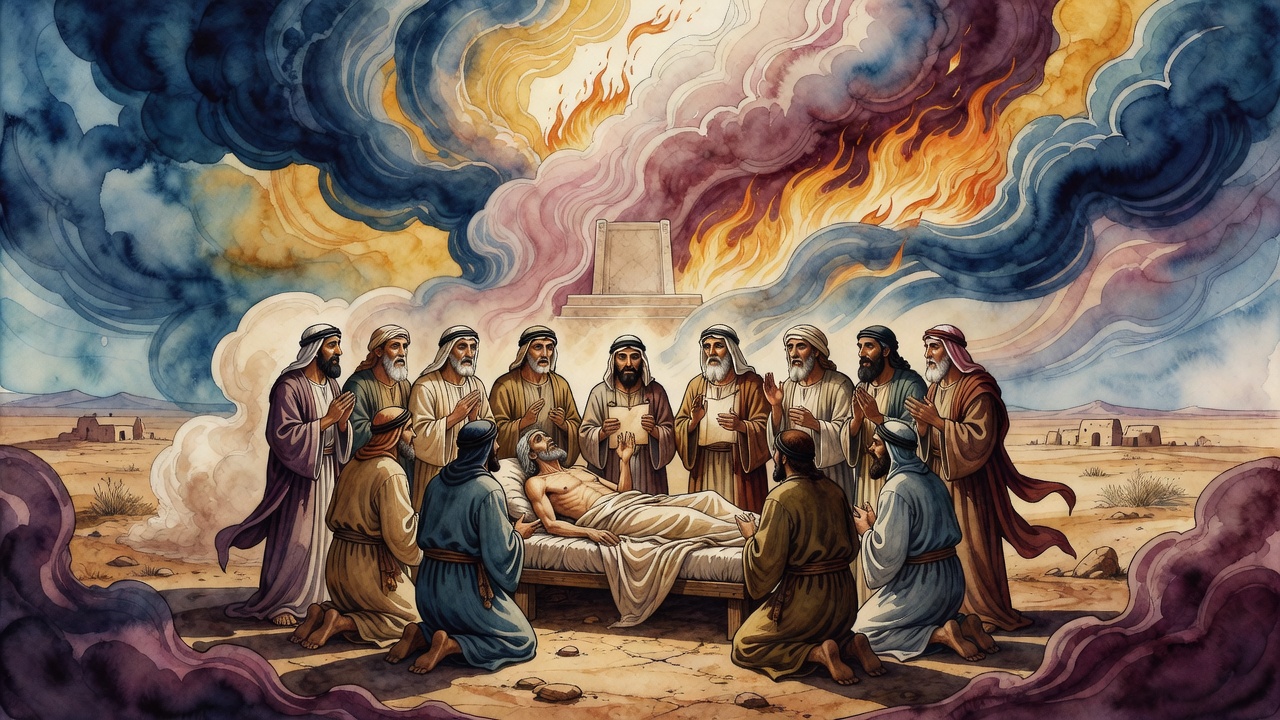
He was dying. He had crossed the ford at Jabbok and survived the wrestling match and limped every day since. He had buried Rachel on the road when he could not carry her any further. He had spent twenty years believing his favorite son was dead. He had gone down to Egypt in the famine and found Joseph alive and wept on his neck until he could not breathe. All of it was behind him, and now he lay in Goshen, and he called his sons to him.
Before the blessings. Before the prophecies over each of the twelve. Before any of that, he asked them a question that had been gnawing at him for the length of a patriarch's life: will you perhaps bow down to another god after I am gone?
What a Patriarch Knows About His Children
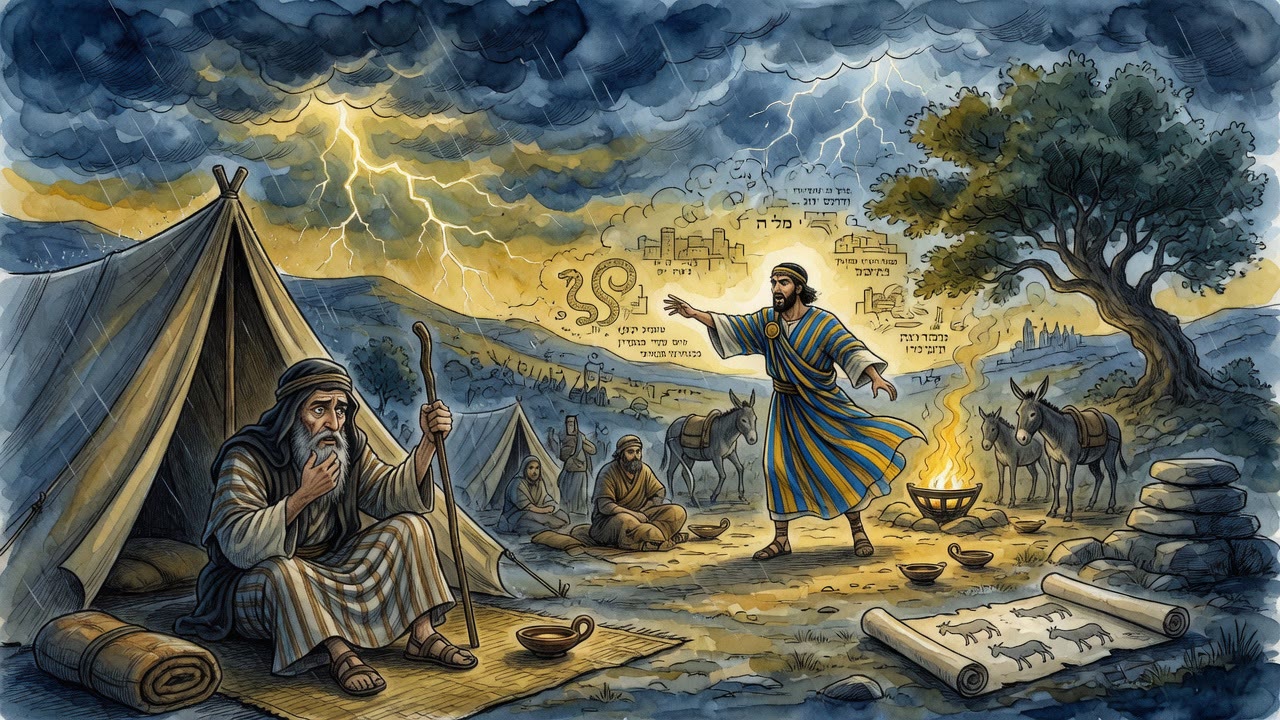
The question came from experience. Jacob had seen what happened when a patriarch died and the next generation was left to find its own footing. He had seen Esau scheme against Isaac within moments of Abraham's death. He had watched his own sons carry a silence that looked like unity until it cracked and Benjamin was seized and Judah had to step forward and offer himself as a substitute. He had been a prophet long enough to know that the end of one era was the precise moment when the foundations were most likely to shift.
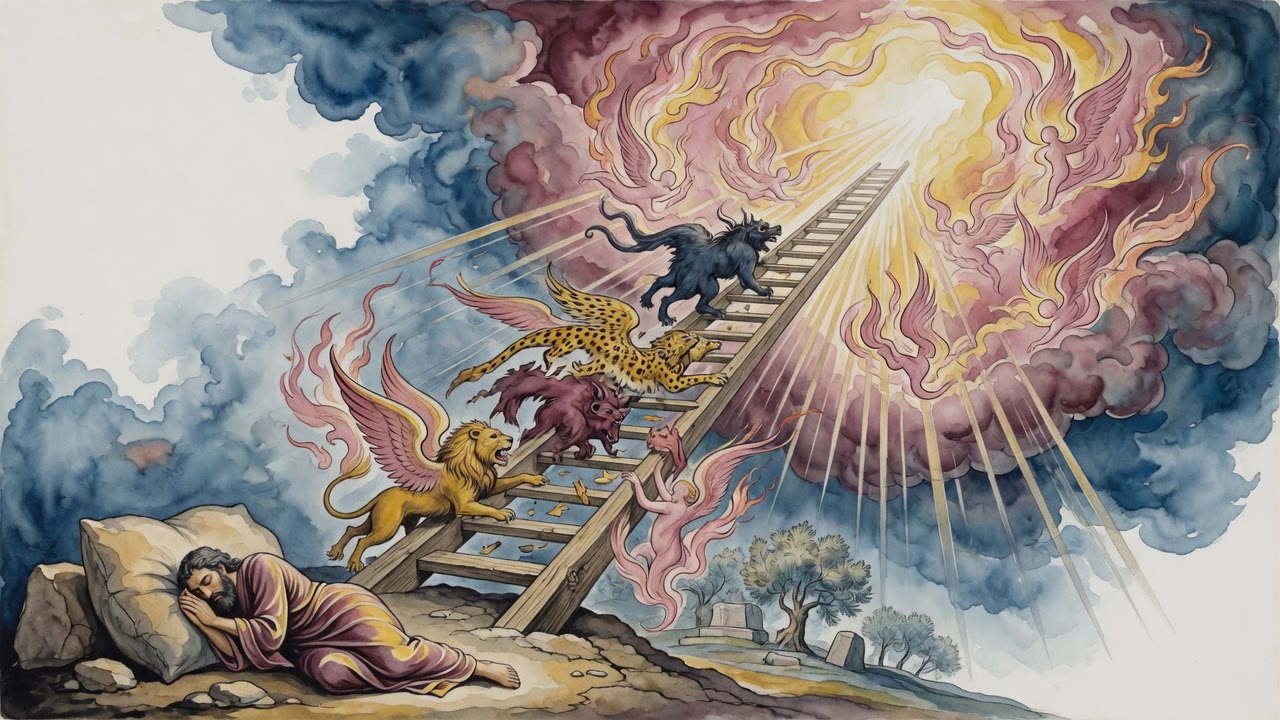
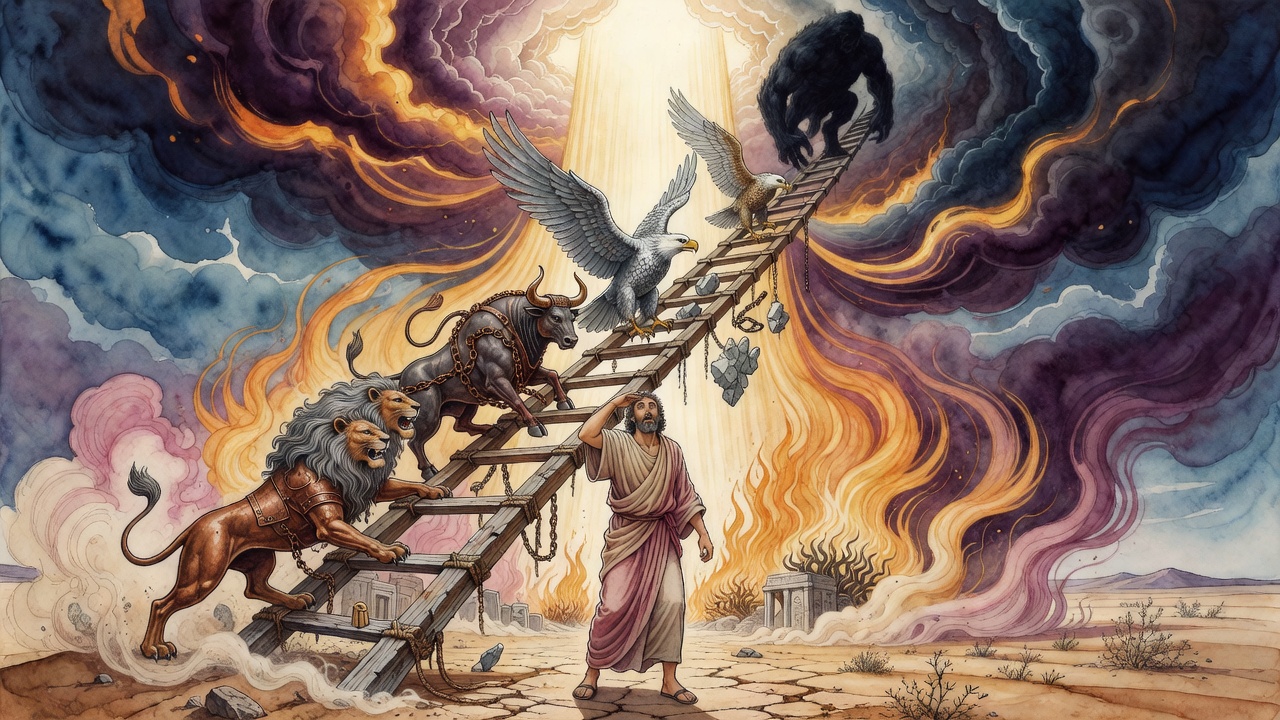
He was also afraid of something specific to himself. He had been the patriarch who saw the most. The ladder with angels ascending and descending. The wrestling match that left him with a new name and a permanent limp. The vision of the four kingdoms at Bethel. He had carried all of it for his entire life, and he could not be certain that when he died the sons would continue to carry it with him rather than scatter in twelve different directions toward twelve different altars.
The Answer They Gave Together
His twelve sons answered him with one voice. "Hear, Israel, our father Israel, the Lord is our God, the Lord is one." They were addressing him directly. Not announcing theology in the abstract. Answering his question. You are Israel. Hear us, Israel. We will not bow down to another god. The God of your fathers is our God. He is one.
Jacob heard it and said: "Blessed is the name of his glorious kingdom forever and ever." The breath went out of him in that phrase. The fear that had driven the question was answered. The sons had said the thing he needed to hear before he could die.
Why It Became the Declaration
The Talmudic and midrashic tradition preserved this as the origin of the Shema (Hear O Israel). When Israel recites Shema Yisrael, they are addressing Jacob. They are repeating the answer his sons gave at his deathbed. Every generation since has been performing the same act the twelve tribes performed in Goshen: answering a dying patriarch's fear with a declaration of unity.
Blessed is the name of his glorious kingdom forever and ever is the whispered response that follows the Shema in the liturgy, not from the Torah text itself but from Jacob's answer to his sons' answer. The call and response of the deathbed became the structure of the daily prayer. The personal terror of a dying father became the communal declaration of a people who would outlast every kingdom that ever tried to end them.
← All myths