Rabbi Akiva Drew Out the Word Echad Until His Soul Left
The Romans tore Rabbi Akiva's flesh with iron combs while he smiled. He had been waiting his whole life to love God with everything he had.
Table of Contents
 Click for full size
The Arrest
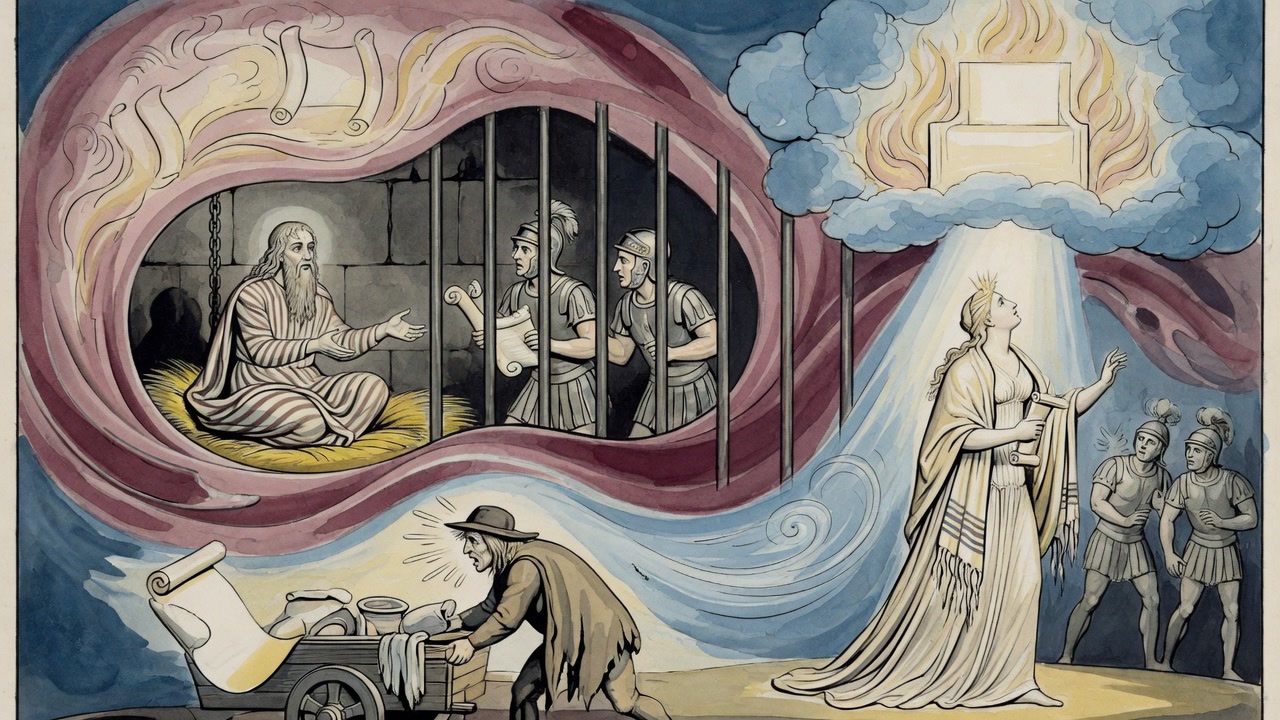
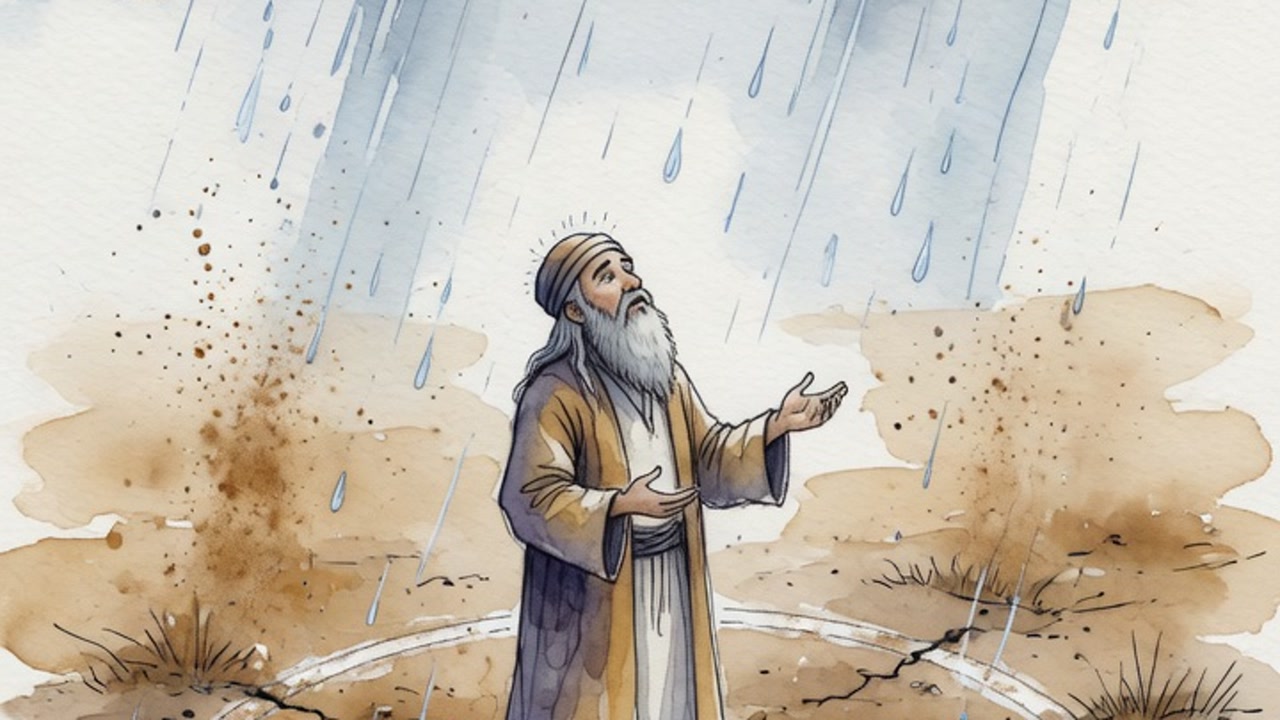
Rome had declared Torah study a capital offense. Rabbi Akiva ben Yosef continued teaching publicly anyway. His students begged him to stop. He told them the story of the fox and the fish: a fox on the bank tells fish fleeing a net to come up onto dry land where it is safe. The fish answers that water is the element without which we die; to leave it for safety is to accept death by a different name. Torah, Akiva said, is our water. The danger of teaching it is the danger of staying alive. The danger of silence is worse.
He was arrested at Caesarea around 135 CE, during the Hadrianic persecutions that followed the Bar Kokhba revolt. Hadrian had decided that the way to end Jewish resistance was to end Jewish identity, and Jewish identity ran through Torah, and Torah ran through its teachers. Akiva was the most famous teacher in the world.
The Combs
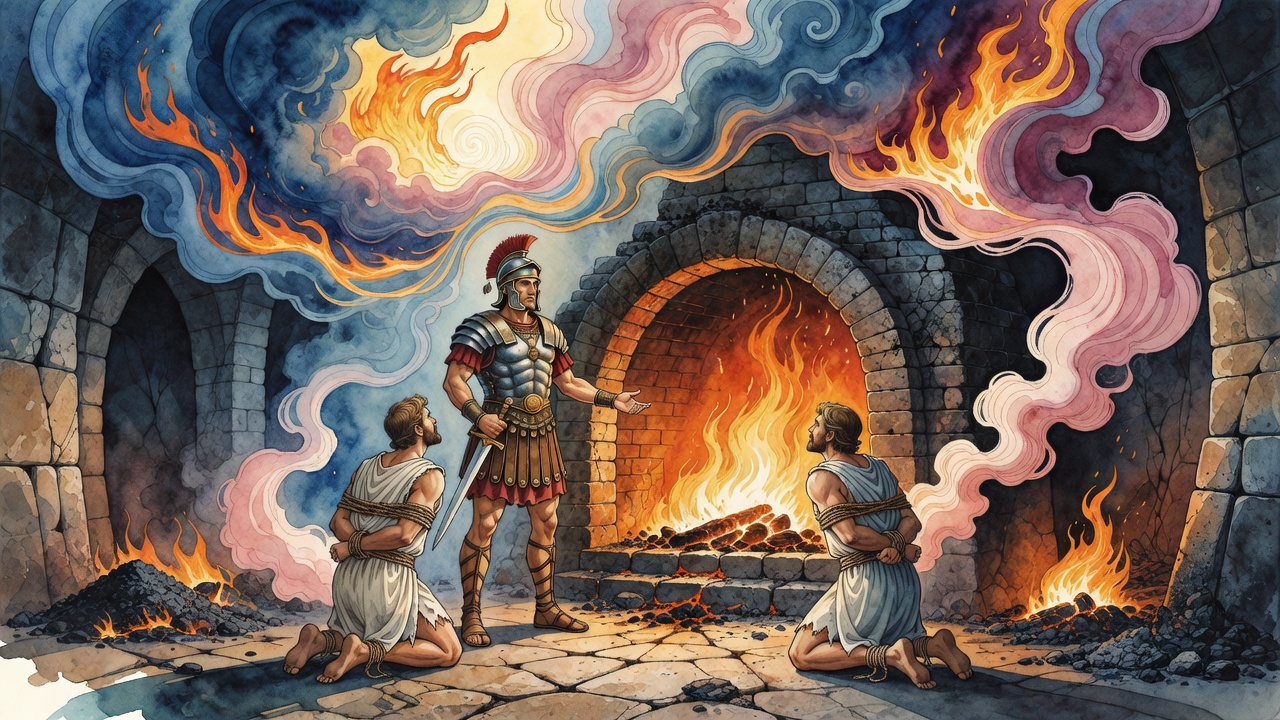
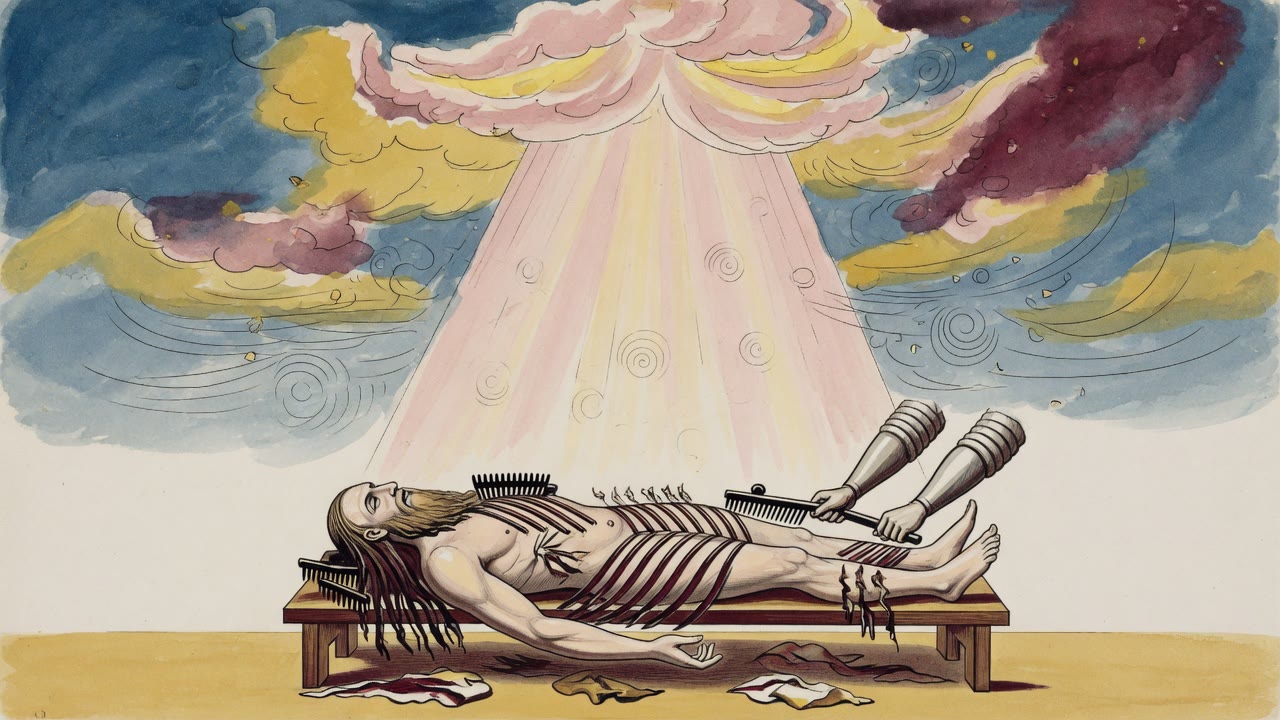
The execution instrument was iron combs used to tear flesh from bone. The Romans had developed specific techniques for making death take a long time, and they applied them. This was not a quick death. It was meant to be a demonstration.
Akiva's students were watching when the hour of reciting the Shema (Hear O Israel) arrived. They saw their teacher, in the middle of his own execution, begin the prayer. The Talmud preserves their question: Rabbi, even now? His answer: all my life I have been troubled by the verse that says to love God with all your soul, meaning even when God takes your soul. I always wondered if I would ever have the chance to fulfill it. Now I have the chance. Should I not use it?
He began: Shema Yisrael, Adonai Eloheinu, Adonai Echad. Hear O Israel, the Lord our God, the Lord is One.
The Dying
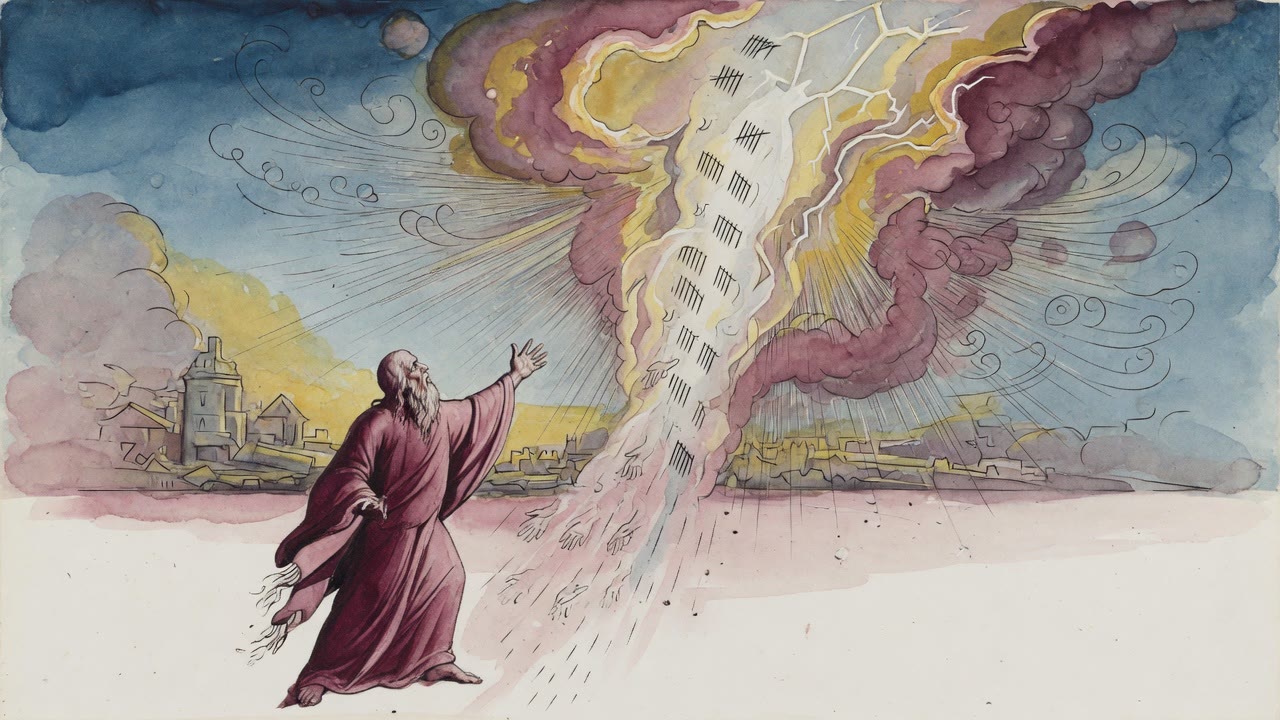
He drew out the word Echad, One. The tradition notes this detail specifically. He prolonged the word until his soul departed. He finished on that syllable: One.
The account says his soul left him as he finished the word. The pain, whatever it was doing to him, did not interrupt the completion of the prayer. The prayer completed the dying.
A divine voice came: blessed are you, Akiva, whose soul departed with the word One. Blessed are you, Akiva, who is destined for the life of the world to come.
What He Had Entered Before This
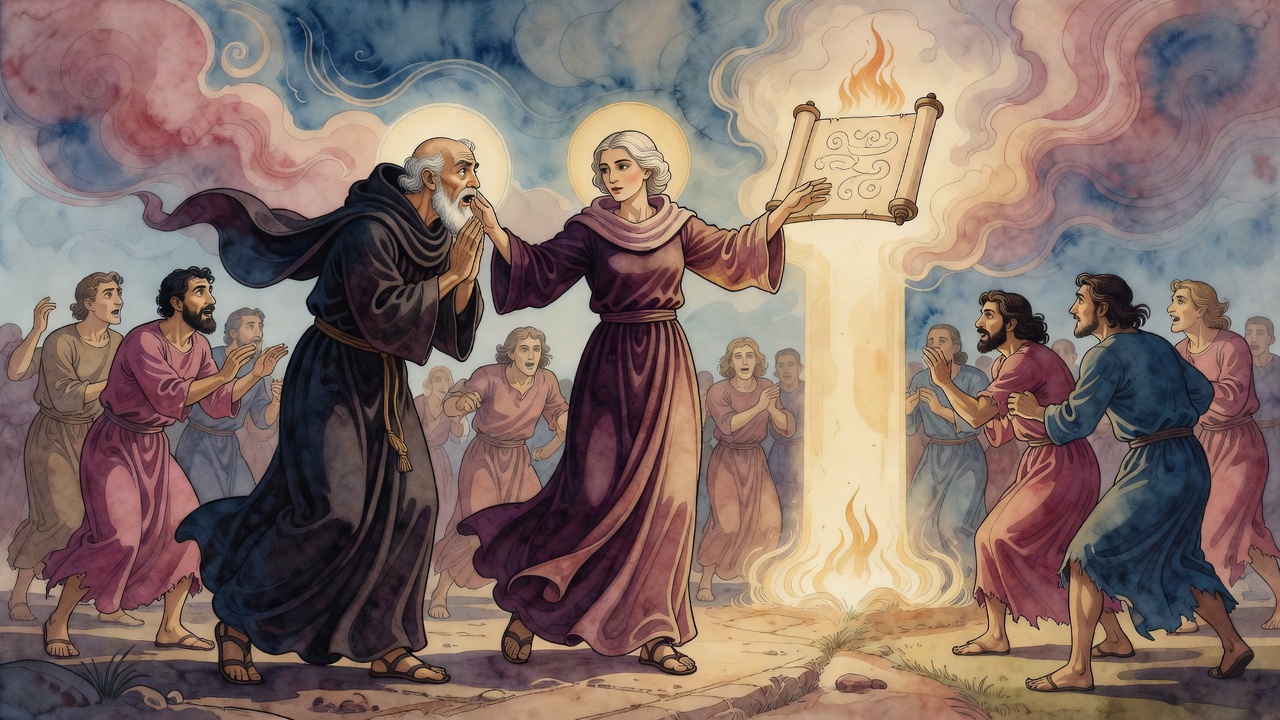
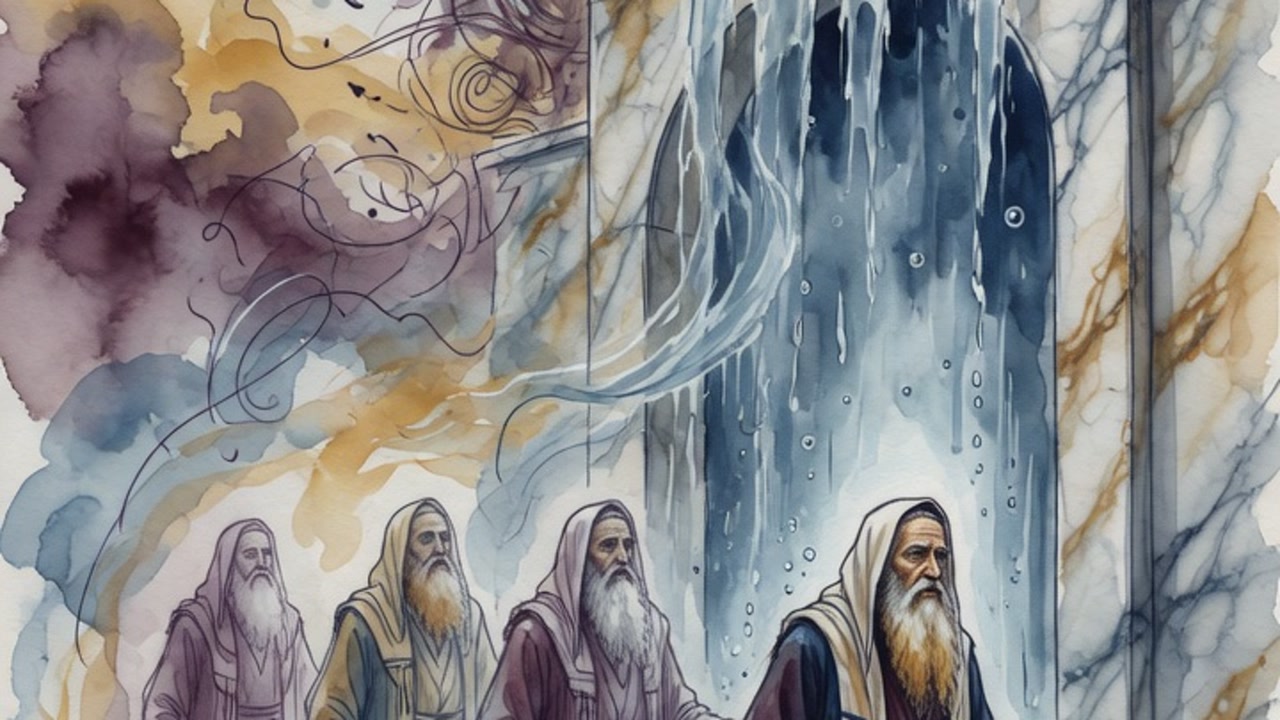
Akiva had been to the edge of places where most people could not follow. He was one of four sages who entered Pardes, the innermost chamber of mystical inquiry, the place the tradition calls Paradise. Ben Azzai looked and died. Ben Zoma looked and was struck with madness. Acher looked and cut himself off from the covenant entirely, so that they called him Acher, the Other One, and he is the example used forever after of what brilliant faith can become when it detaches from community. Akiva entered and came out in peace.
He had looked at what could not be safely looked at and come back undamaged. He had spent his life teaching, arguing, categorizing, systematizing a tradition that before him existed in fragments. He had come to Torah late, as a shepherd who could not read, learning to write by watching water wear through stone, and had become the man about whom it was said that Moses, shown the future by God at Sinai, could not follow Akiva's reasoning but was consoled when Akiva said the tradition came from Moses himself.
The Iron Combs and the Wholeness
What his students saw at Caesarea was not only a man dying in agony. They saw a life that had been building toward a specific test finally reach that test. Akiva had spent decades teaching that love of God with all your soul meant love beyond the cost of your life. He had repeated the verse ten thousand times in study houses across Judea. He had trained hundreds of students in this proposition. Now his body was being torn apart, and the proposition was being tested in the most literal way possible, and he was not failing the test. He was passing it with something that looked, to the people watching, indistinguishable from peace.
He died on the word One.
← All myths