36 myths · Page 1 of 2
Each story names the sources it was written from.
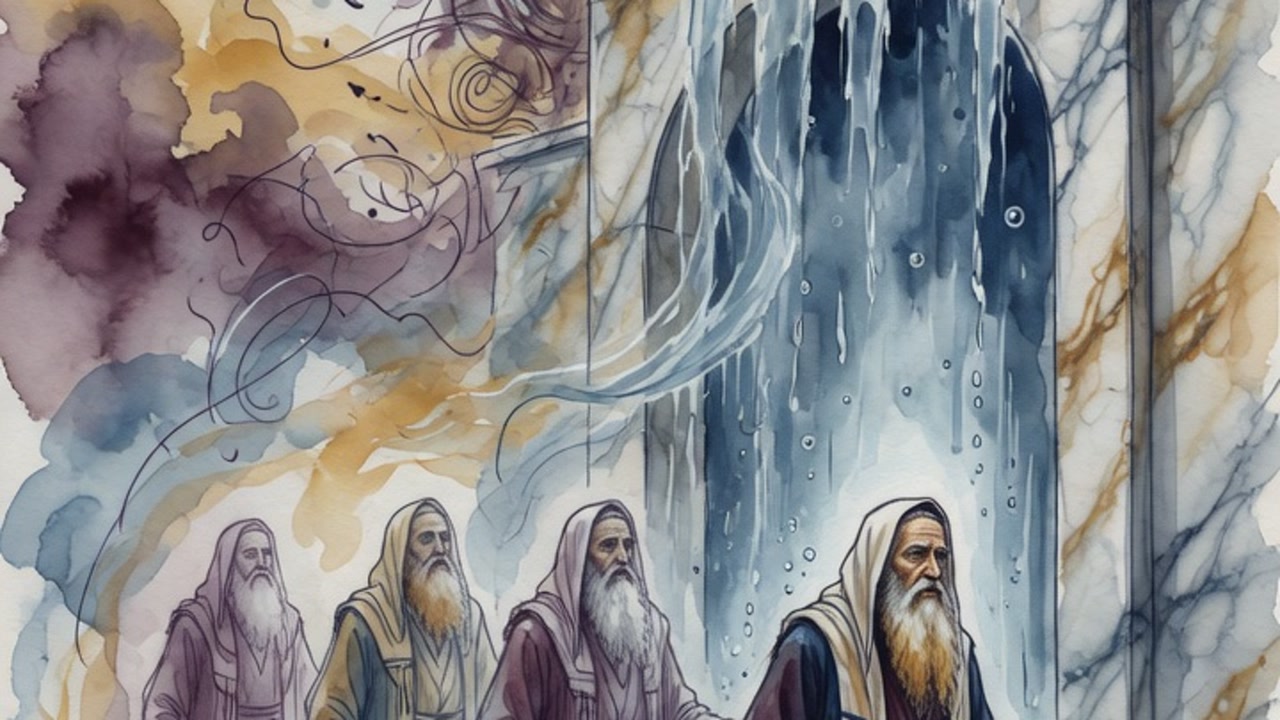
The marble looked like standing water. Akiva told them not to shout. Heaven does not forgive a lie about what sits in front of the eyes.
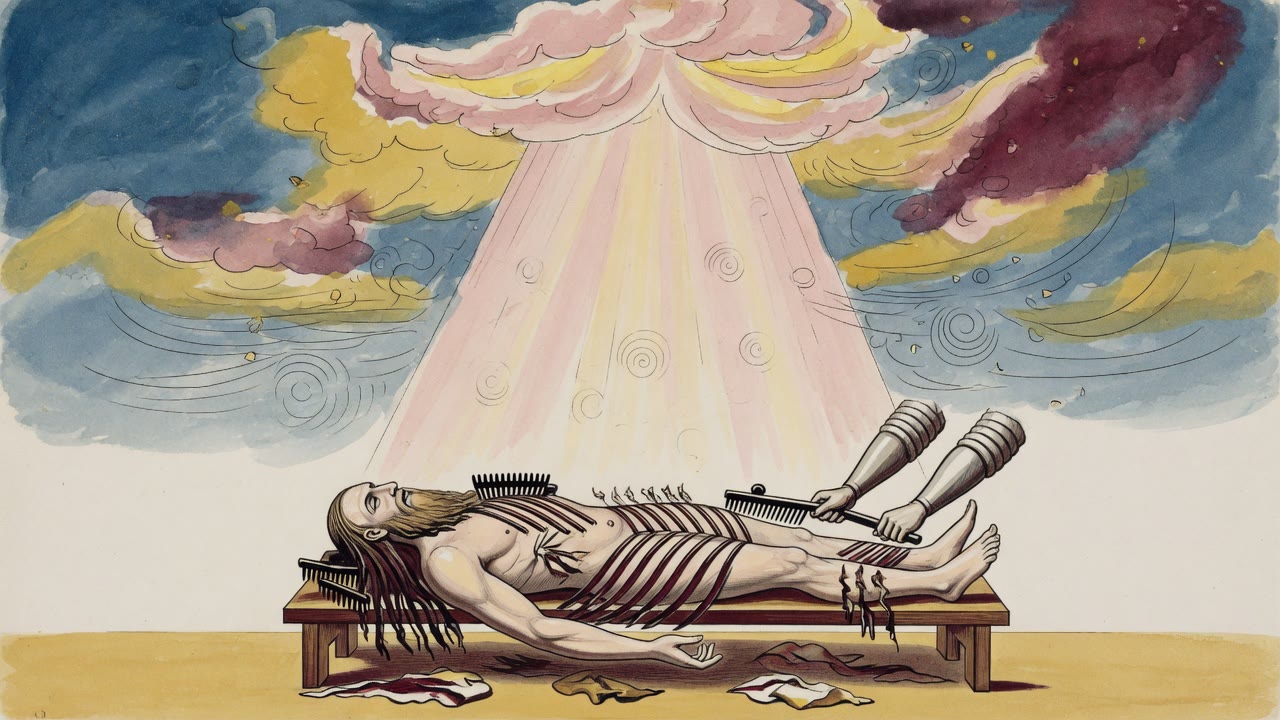
The Romans tore Rabbi Akiva's flesh with iron combs while he smiled. He had been waiting his whole life to love God with everything he had.
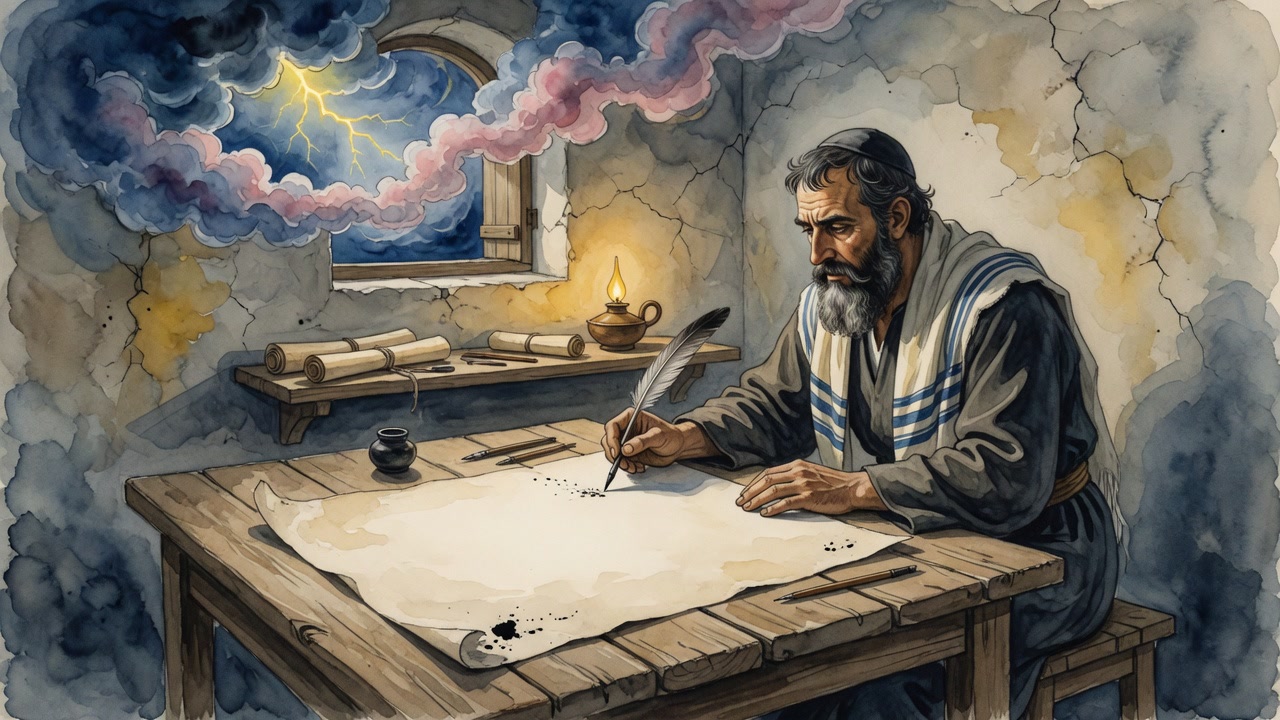
They died house by house from Gevat to Antipatris. When the seven weeks ended, Akiva had seven men left and a country full of graves.
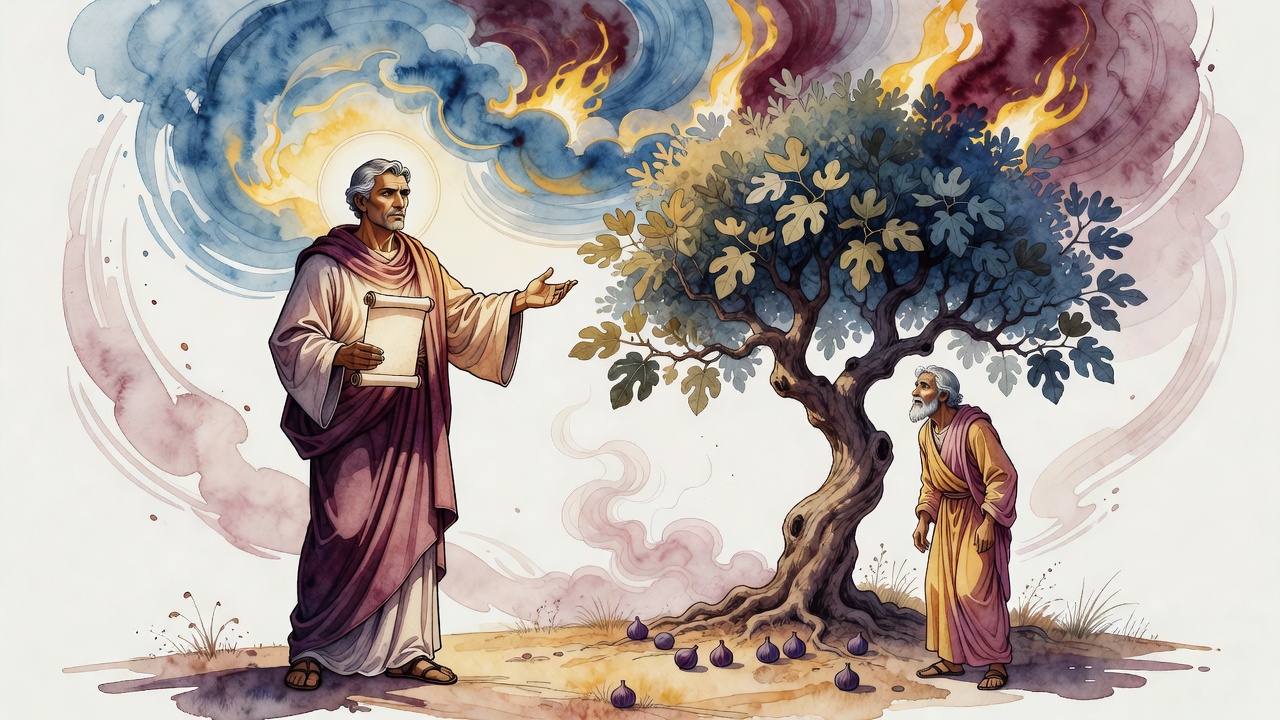
He was out picking before they arrived every single morning. The students decided he suspected them of stealing his fruit, and quietly moved to another tree.
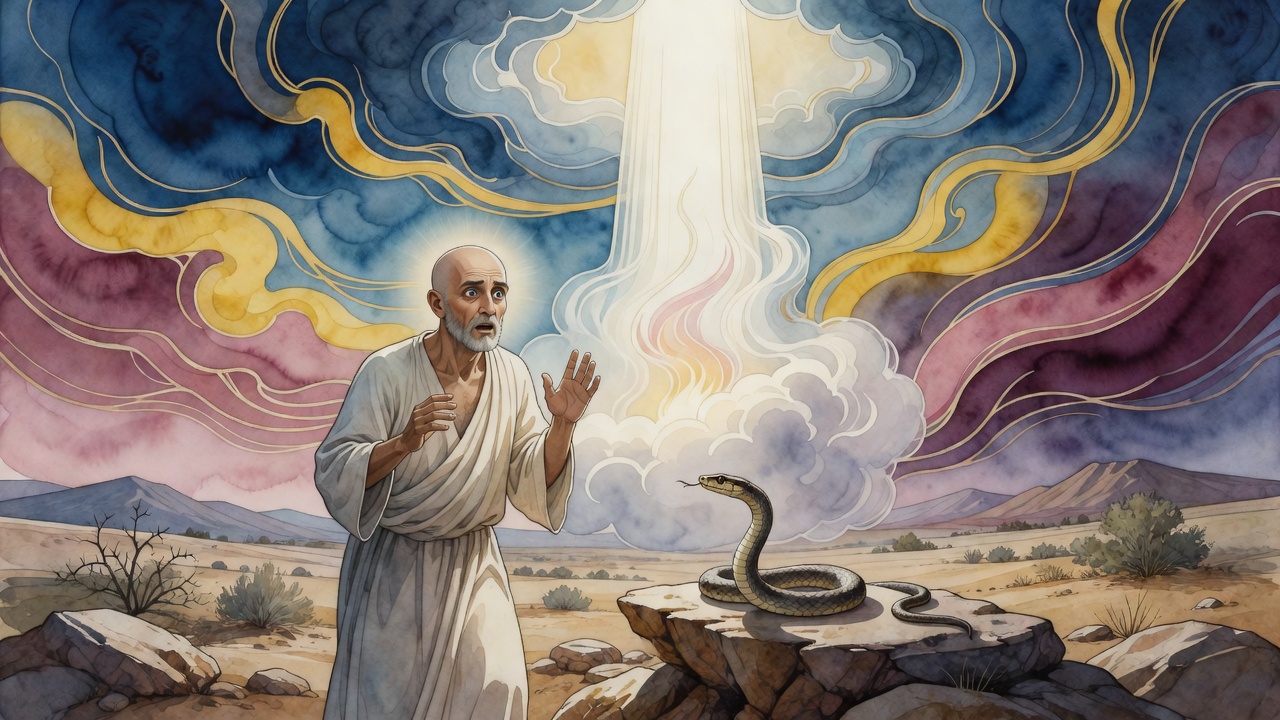
He went up the hill for firewood. The snake lay in the scrub and never looked at him. His hair came out before he reached the bottom.
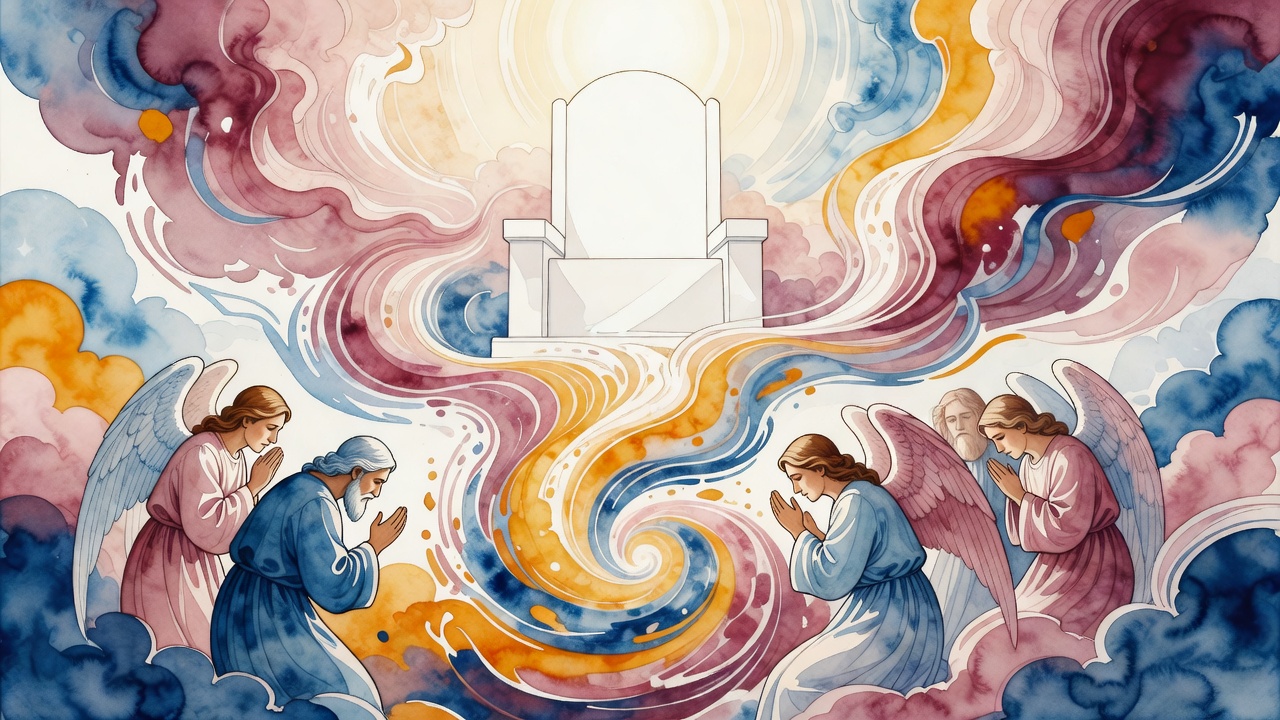
A guarded heavenly secret causes grief among God's own servants until a voice beneath the Throne calls out Rabbi Akiva's name.
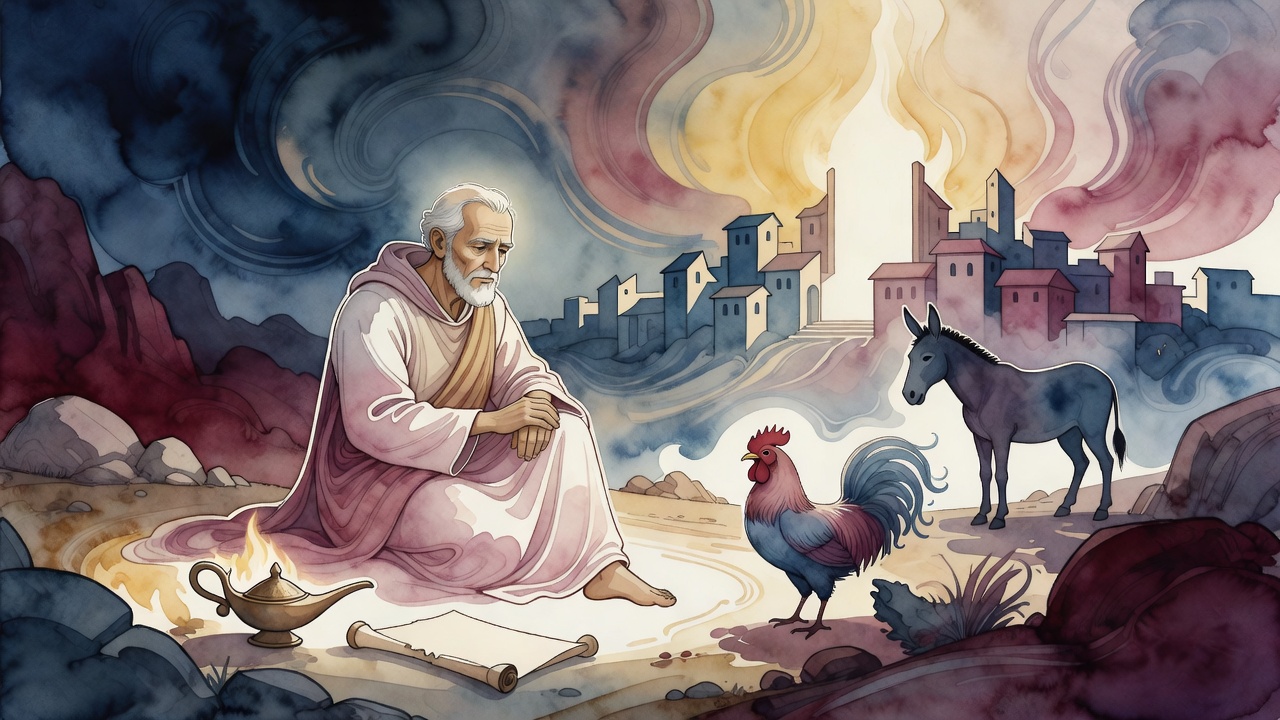
Three losses in a single night left Rabbi Akiva in darkness outside a hostile town, and the next morning he understood why each one had saved him.
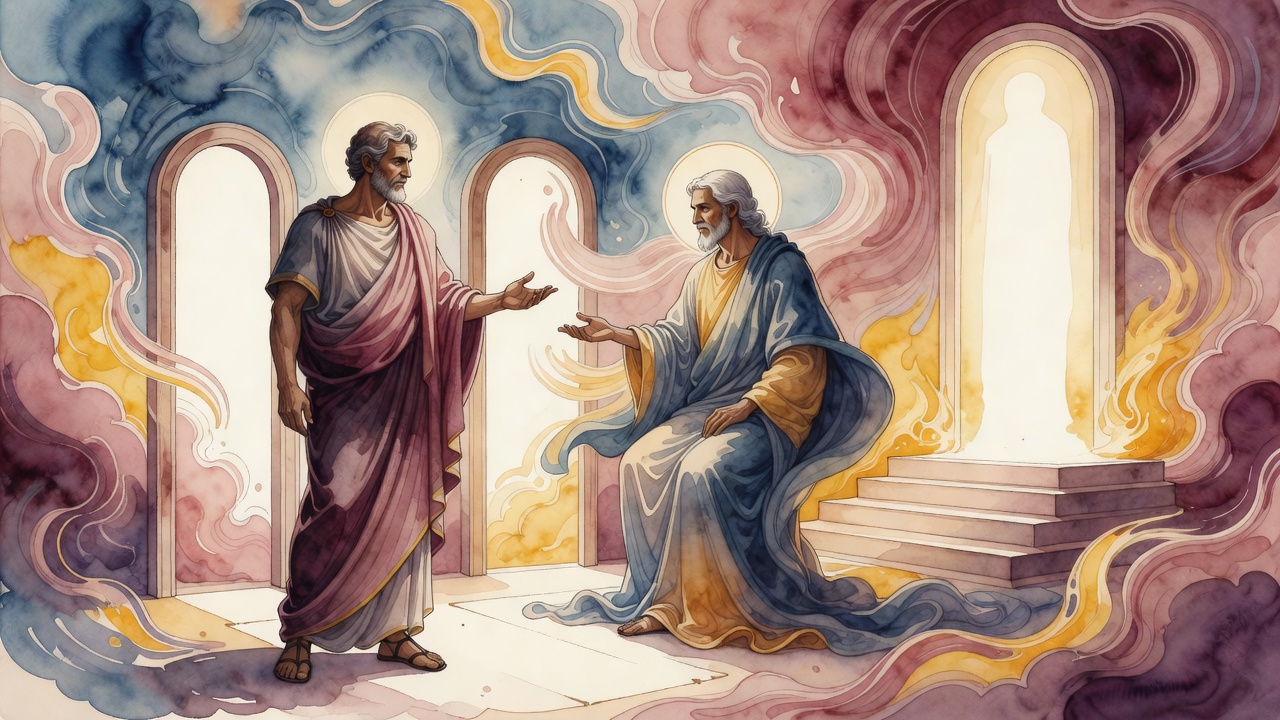
The Roman sent for his father's grave on the seventh day. The smoke would not rise. On Sunday the dead man answered him, unwilling.
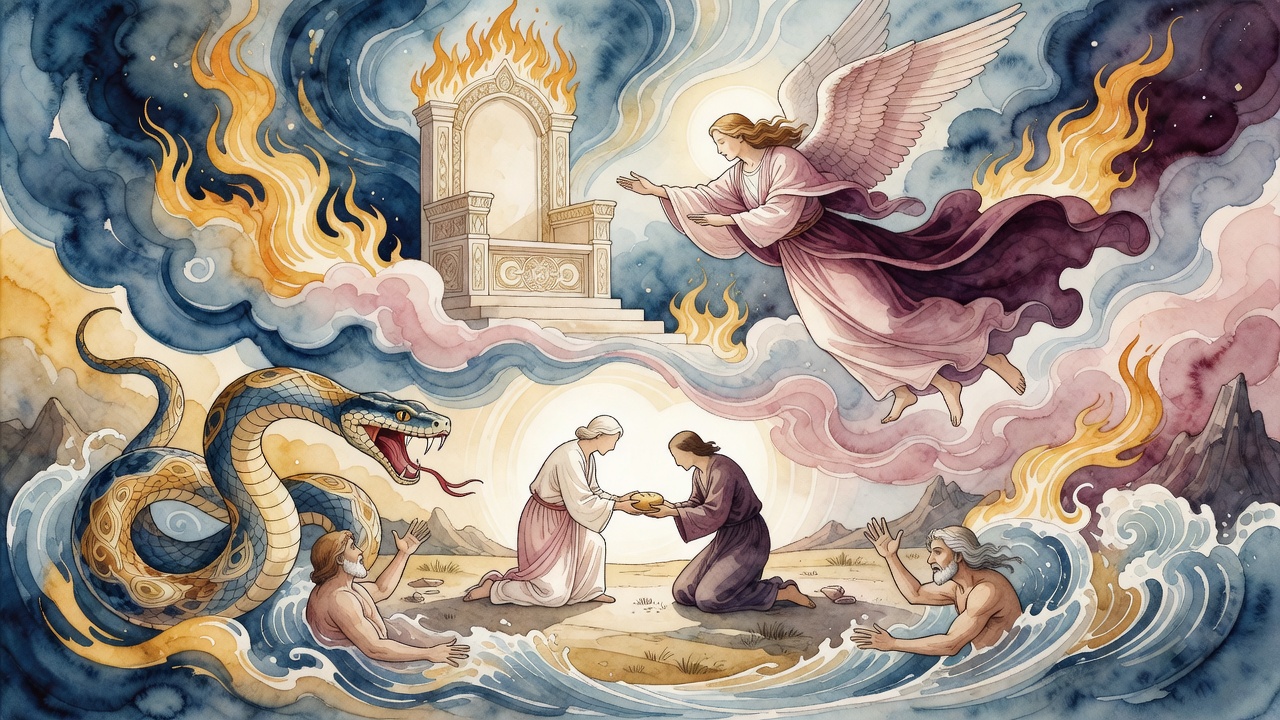
A snake, a drowning man, and an angel's argument before God are all interrupted by the same force: a quiet act of giving to someone in need.
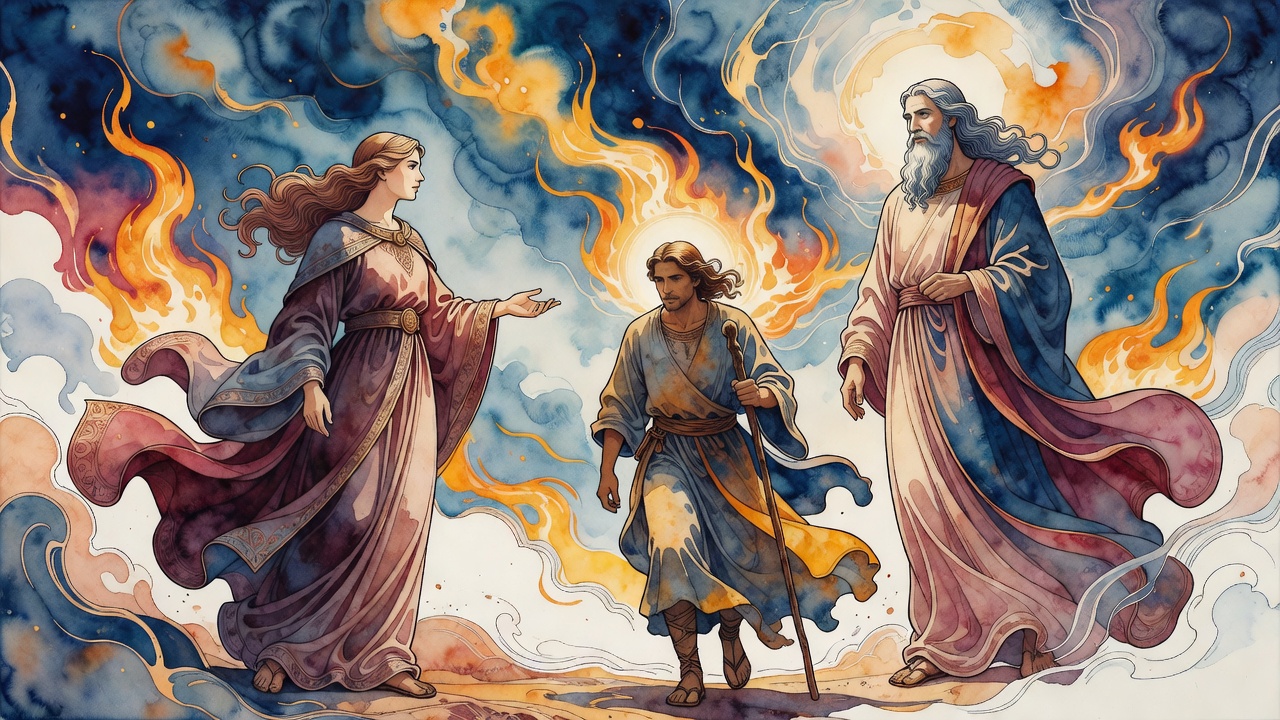
She married the shepherd and lost her father's house. Twelve years later she told a neighbor she would send him away for twelve more.
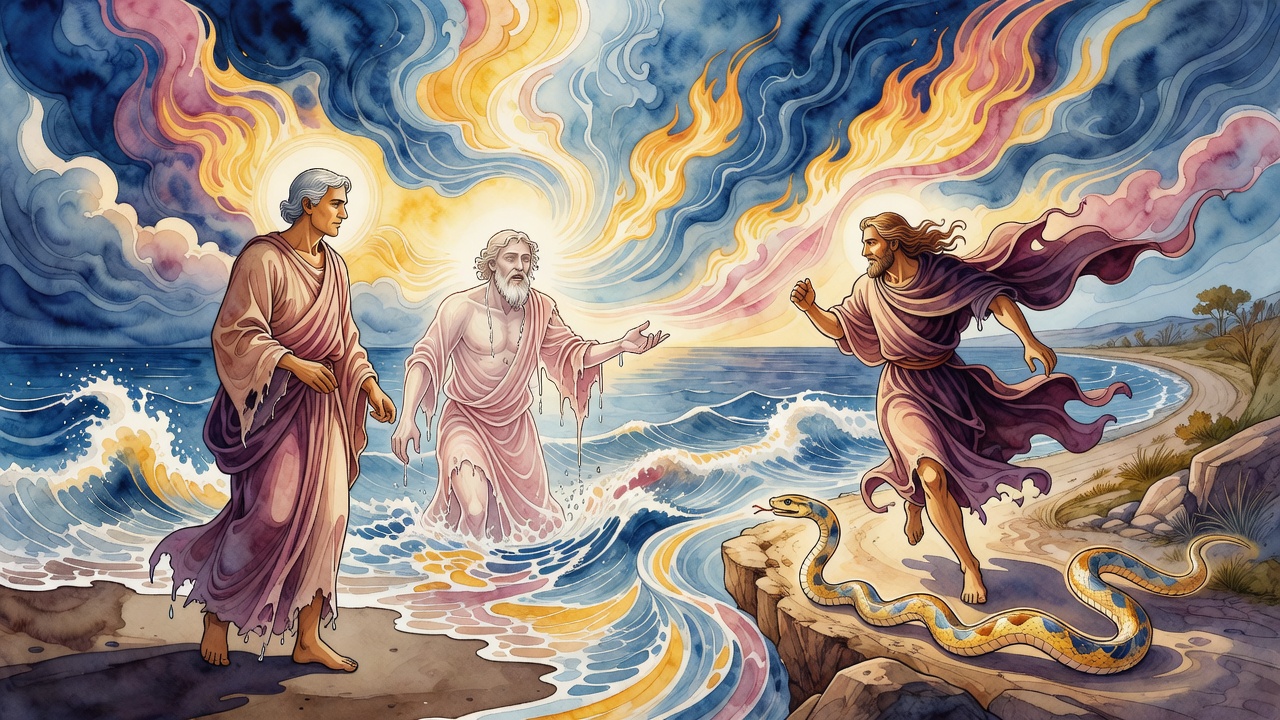
The ship broke in front of Akiva. Weeks later the drowned man walked toward him dry, and named the loaf he had given away.
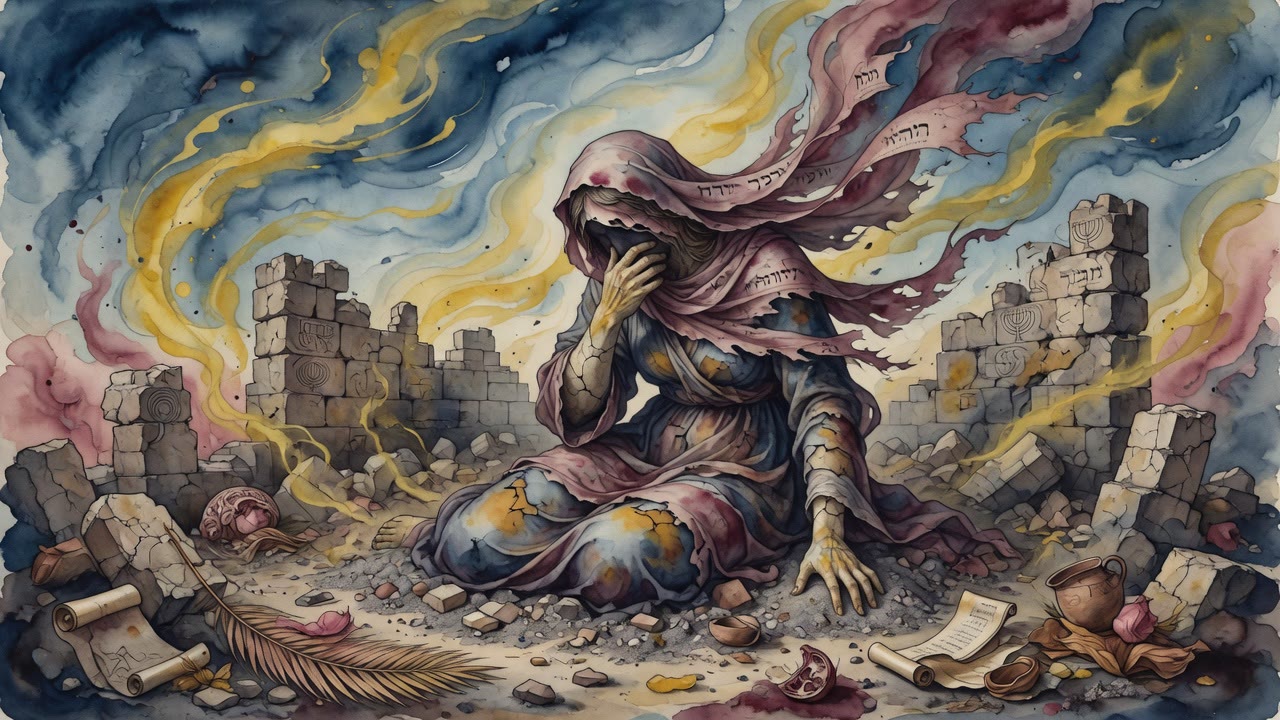
They heard Rome from a hundred and twenty mil and wept. Akiva laughed then too, long before a fox walked out of the Holy of Holies.
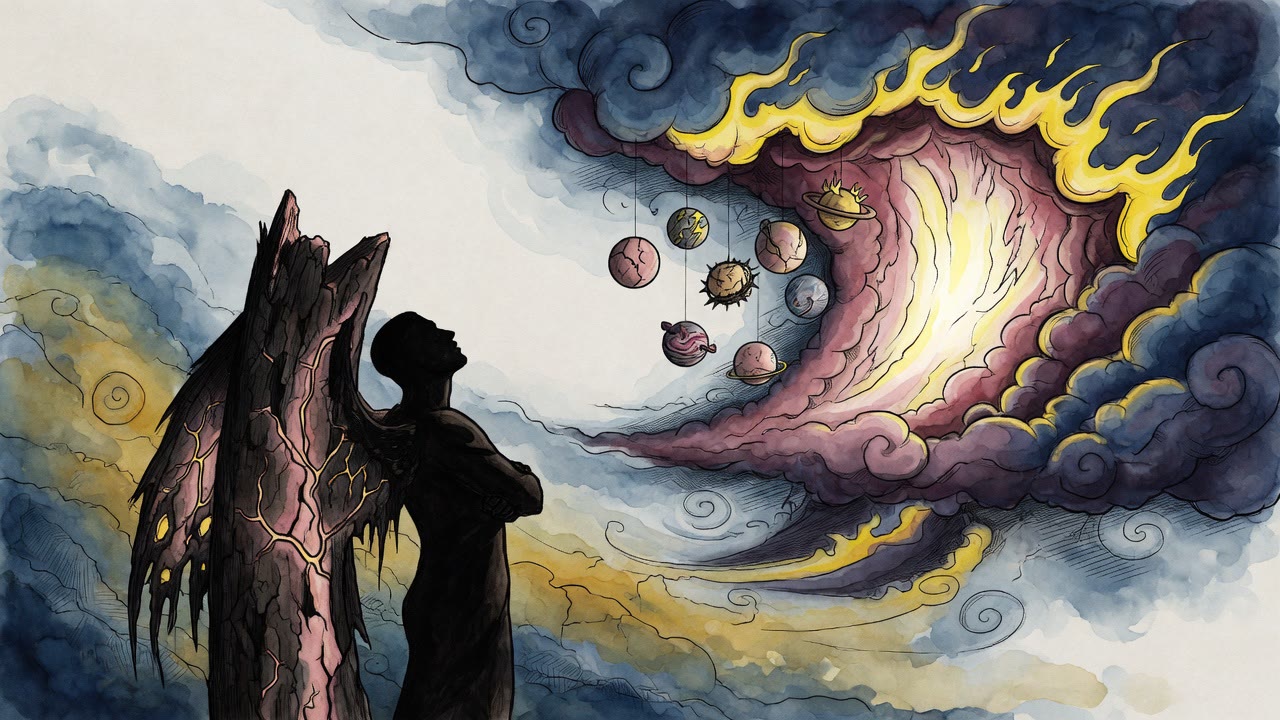
Akiva knew the wedding night was marked. He set the date anyway. By morning a hairpin had gone through a dead serpent's eye.
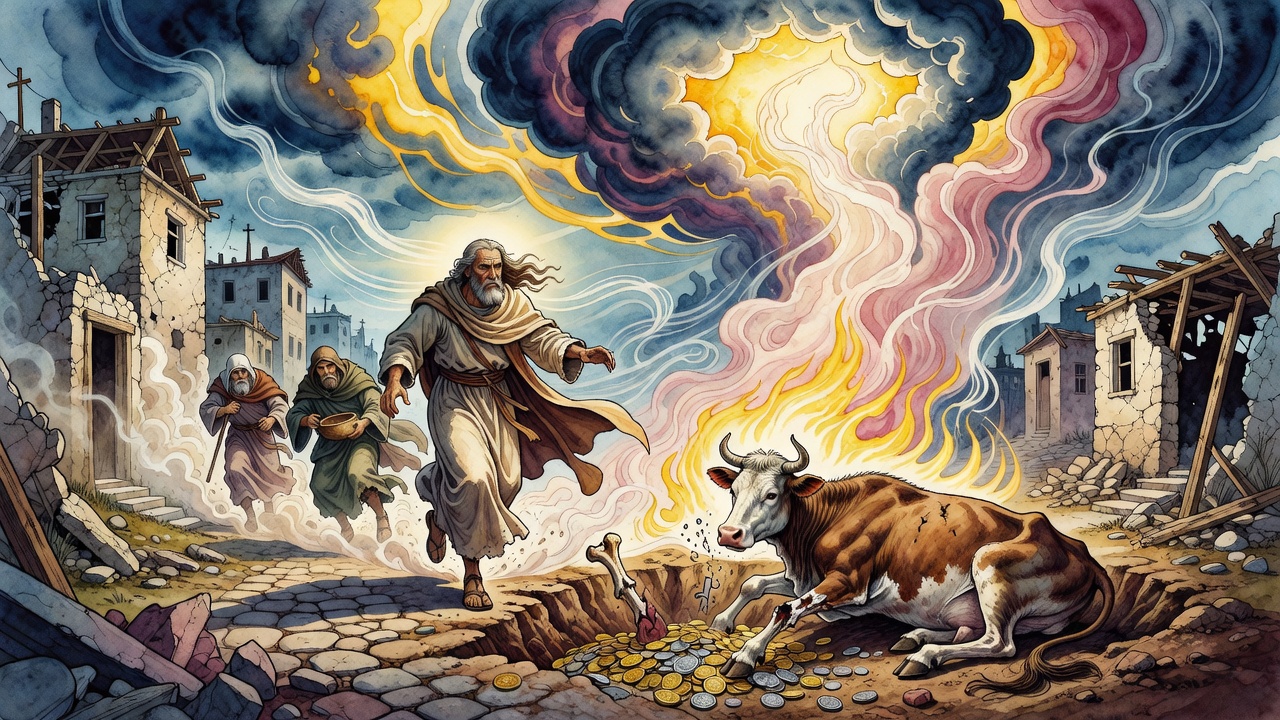
He chased the alms-collectors down his own street to give before they passed, until ruin left him one cow that broke its leg into a buried fortune.
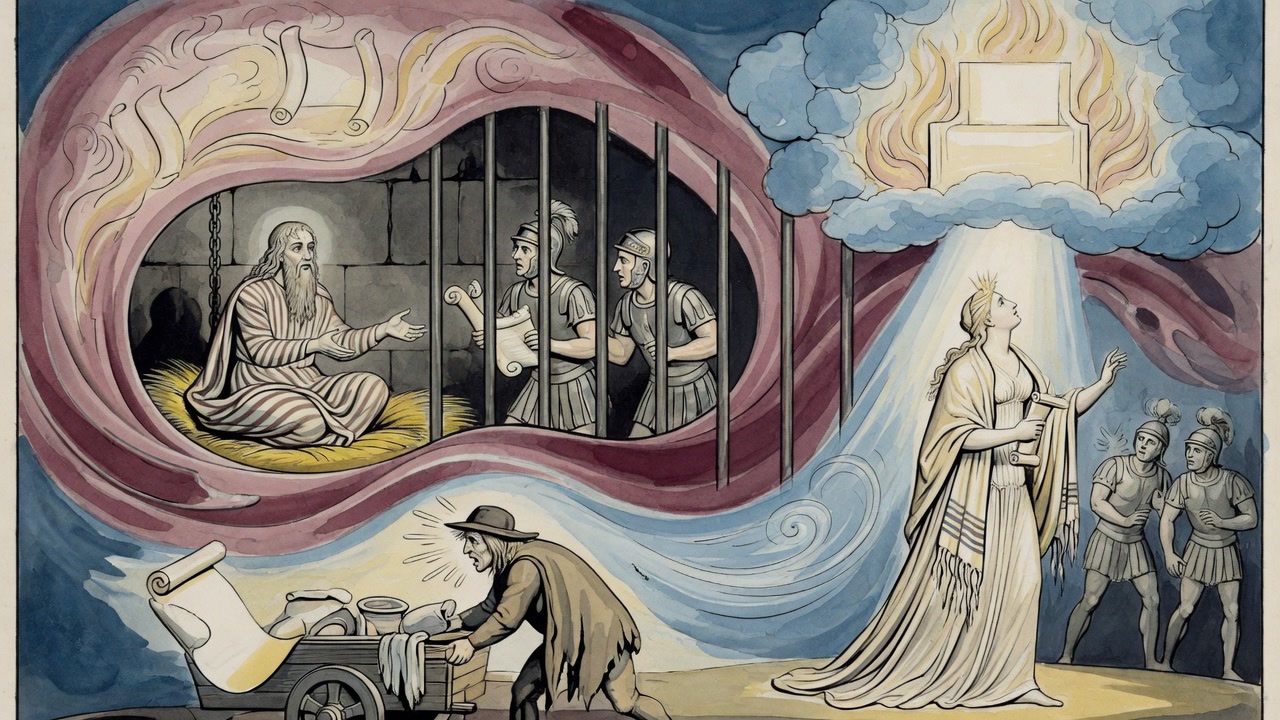
She came into the cell to break the old man on the floor. He kept the fasts the prison could not stop. She left belonging to his God.
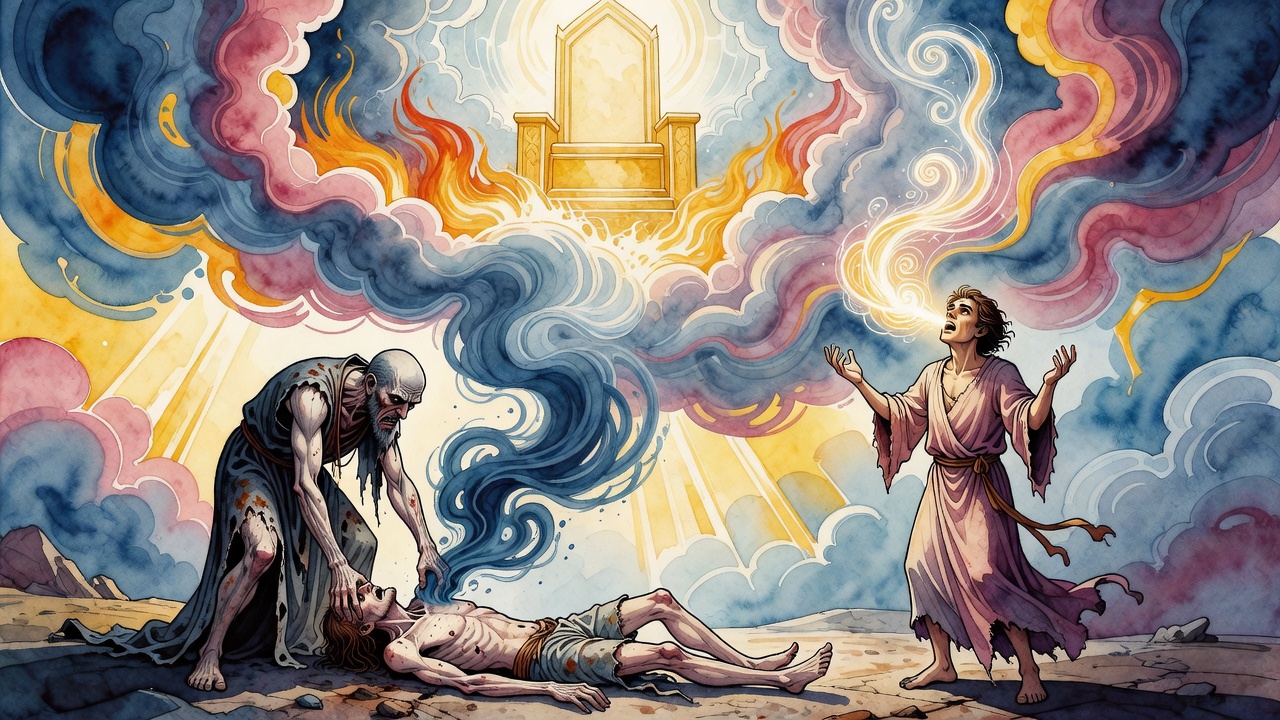
A necromancer squeezes a dead man's voice from his armpits while a starving student's breath of Torah climbs past the sky toward Heaven.
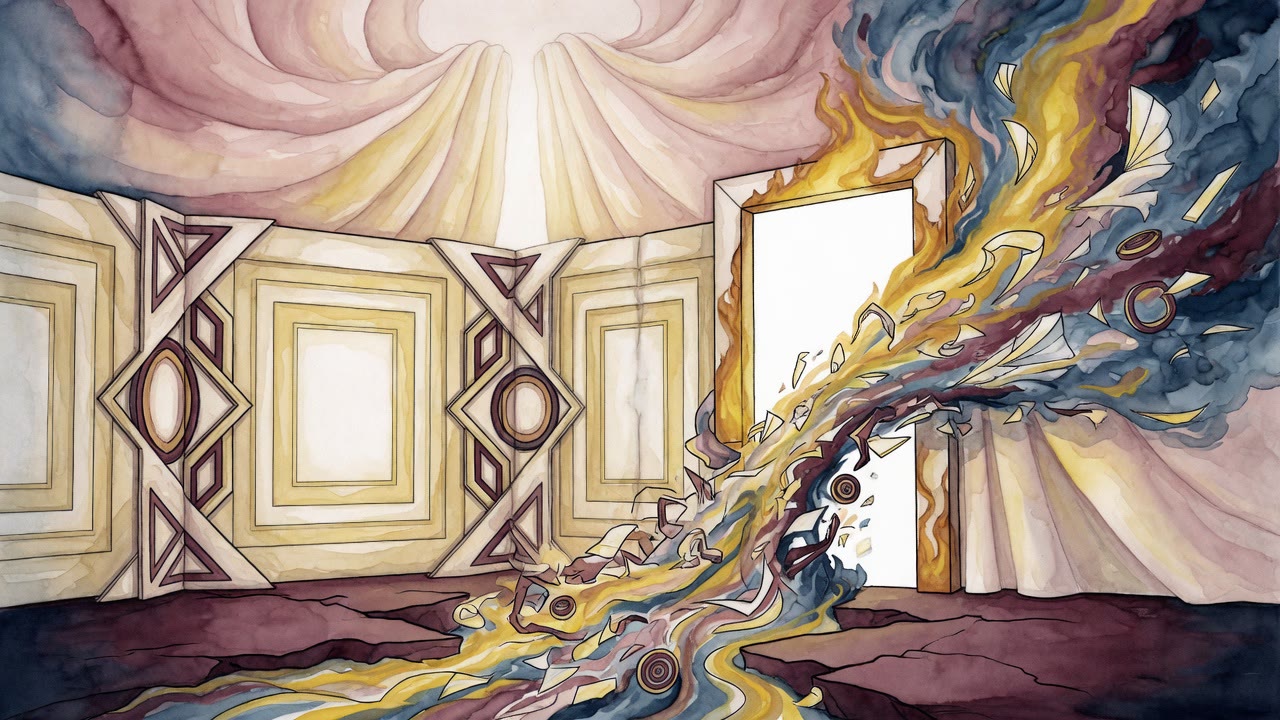
A shrunken aleph, the first Hebrew letter, and a missing one teach Akiva that God calls Israel in full speech and the nations in half.
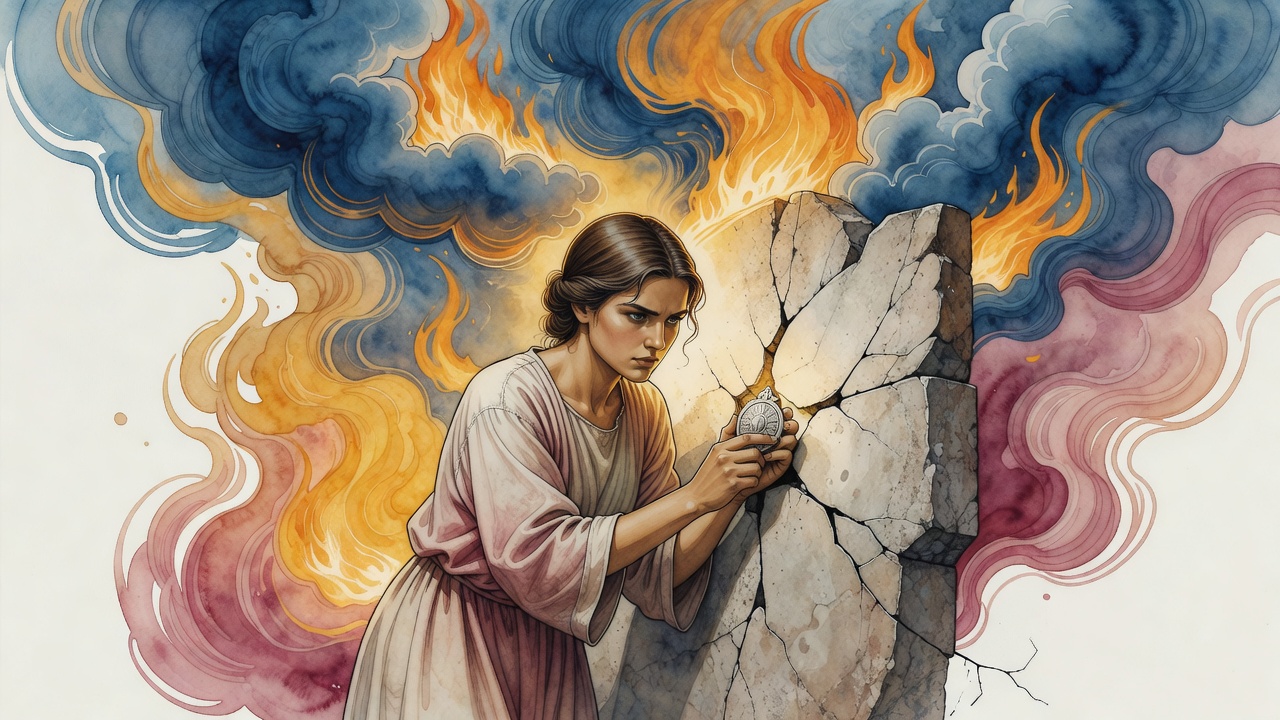
A stargazer swore she would die of snakebite on her wedding night, but a brooch pressed into a wall cracked the decree by dawn
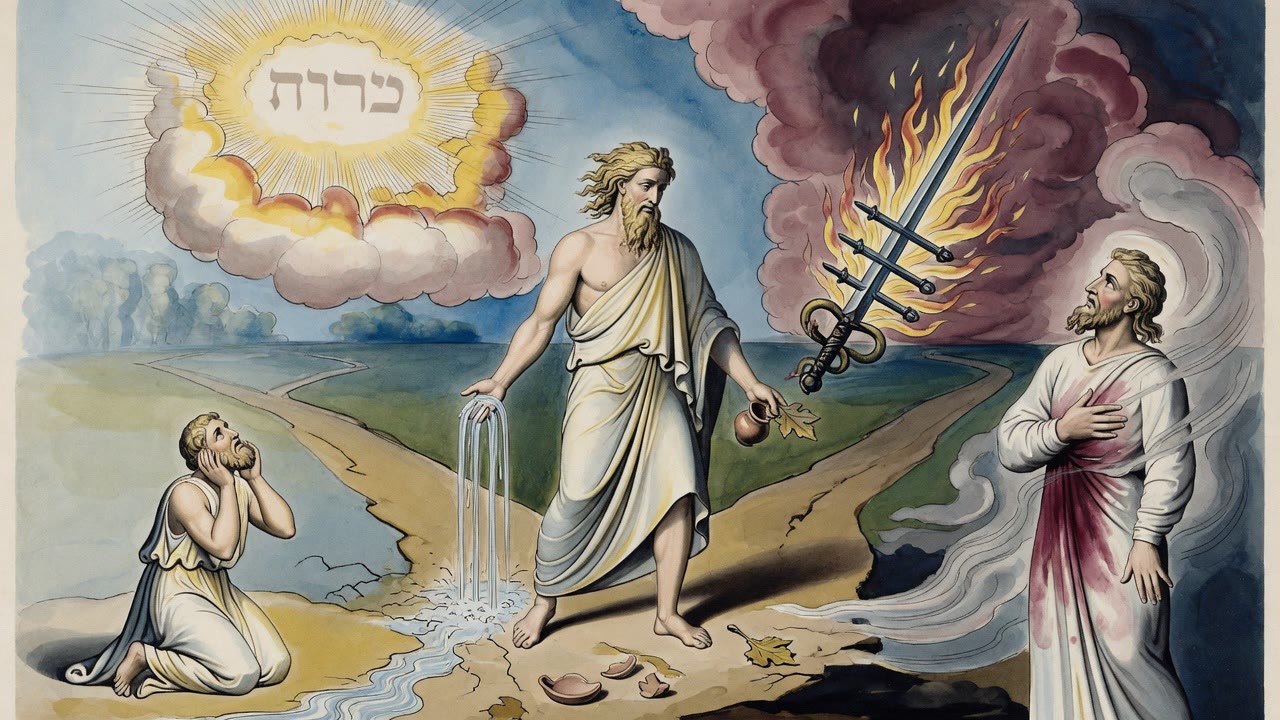
Pappias hears flattery in "like one of Us." Akiva hears a wound. Adam stood between two roads and let immortal water slip through his hand.
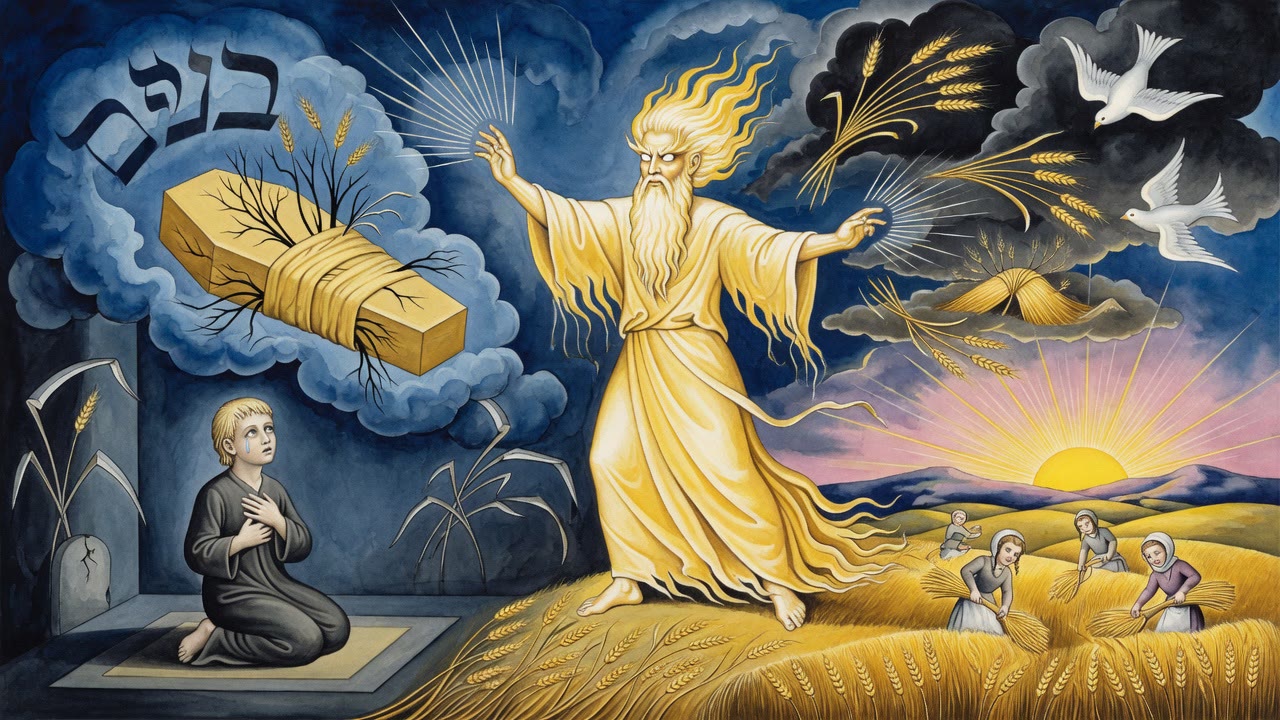
A disciple woke certain he would die in Adar and bury no harvest. Rabbi Akiva read every omen backward until dread became glory and living children.
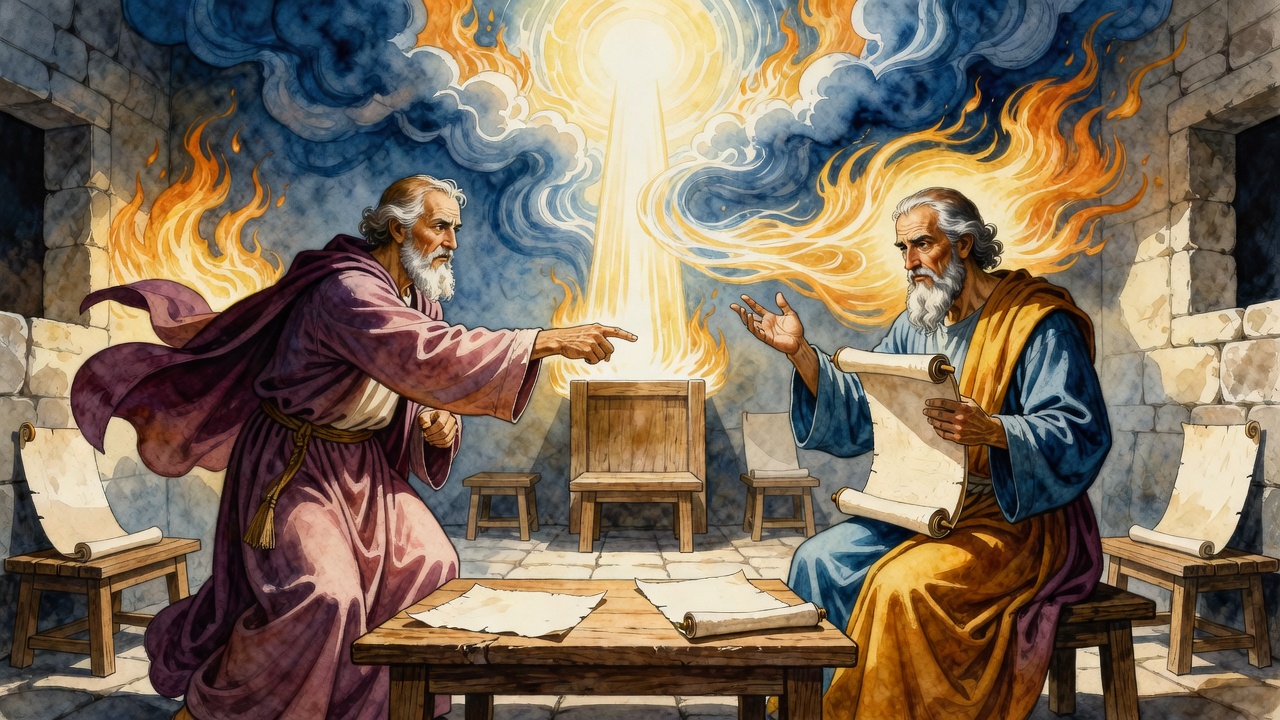
Dust from the road still clung to Tarfon's sandals. In Nitzah's house in Lod the lamp smoked, and a question cut the room in half.
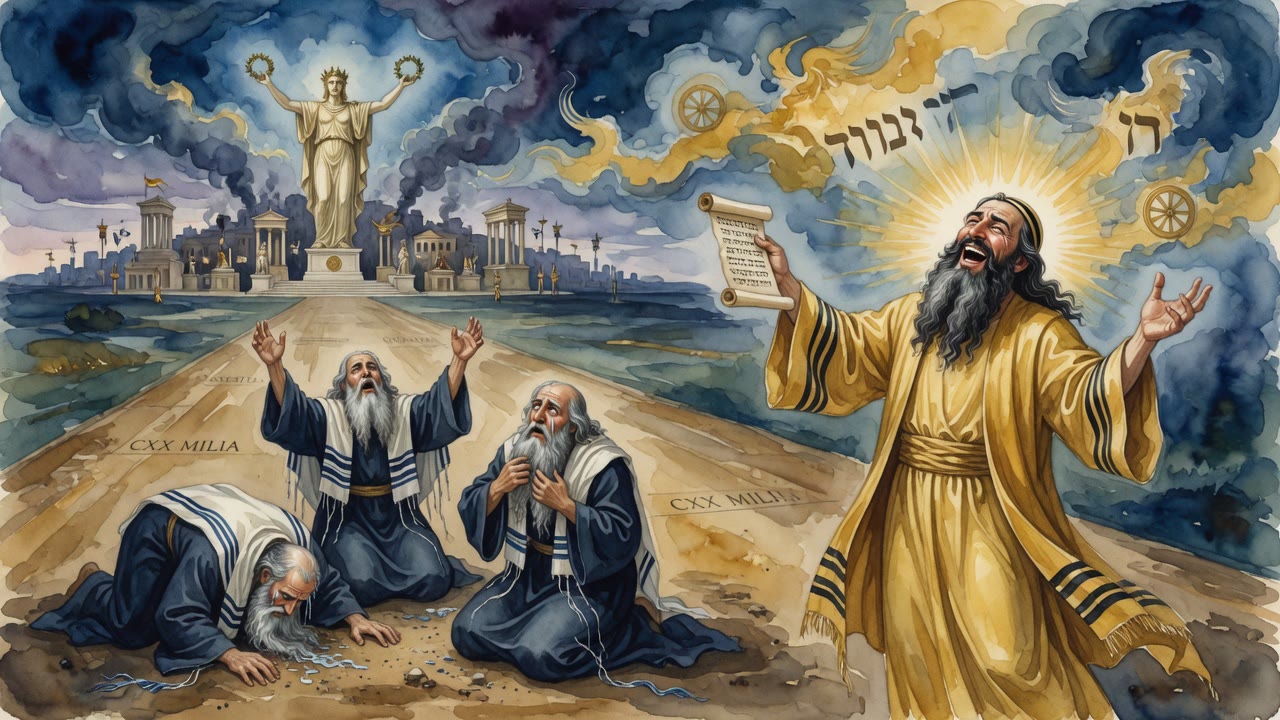
Gamliel stopped on the road. Rome's roar had already arrived. Yehoshua covered his face. Akiva laughed and would not take it back.
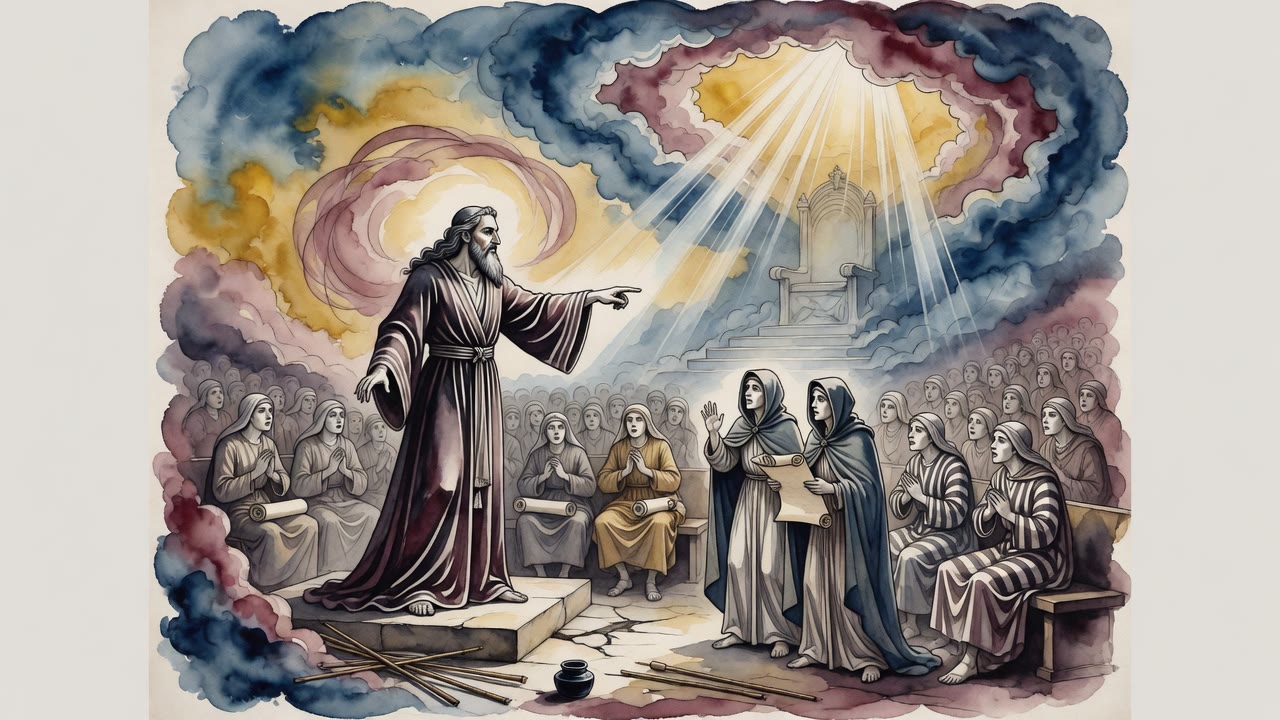
Two seats sat empty in the study hall, and no student had noticed. Toward evening the two appointed men came back and sat down among the ordinary disciples.
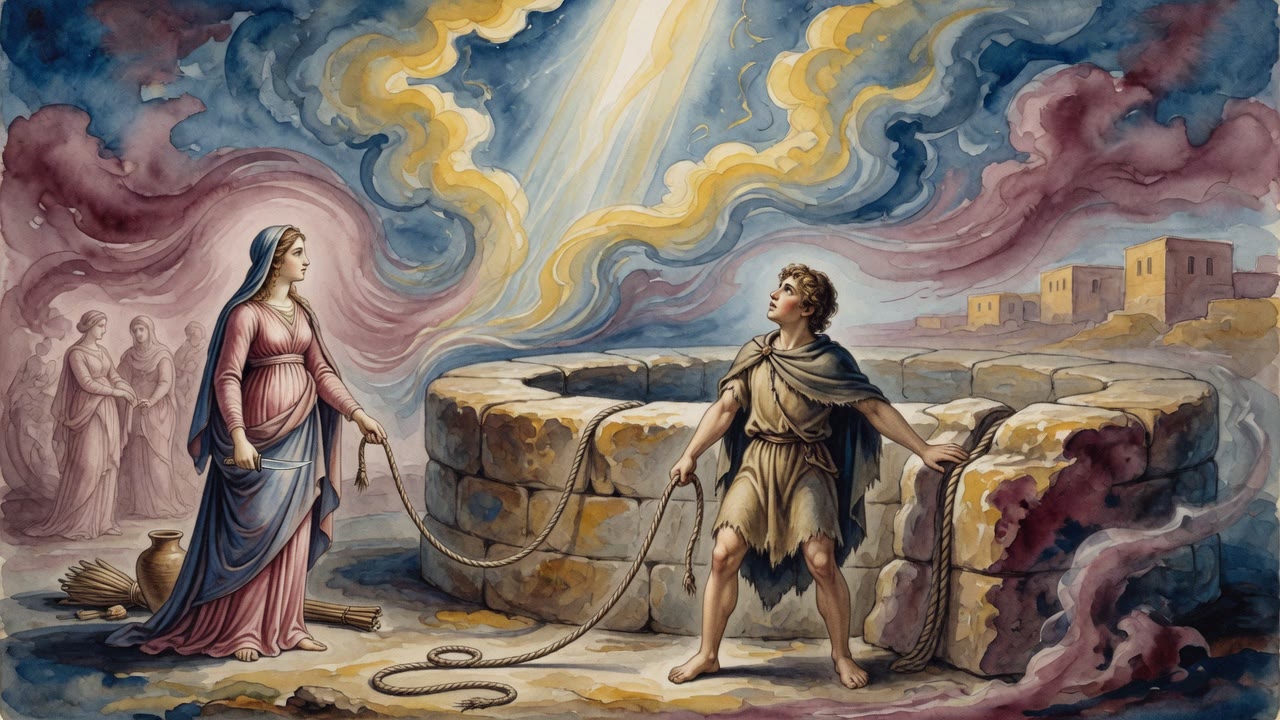
A lame man laughed at her in the street. Her hair would go grey, he said, before that shepherd of hers ever became a scholar.
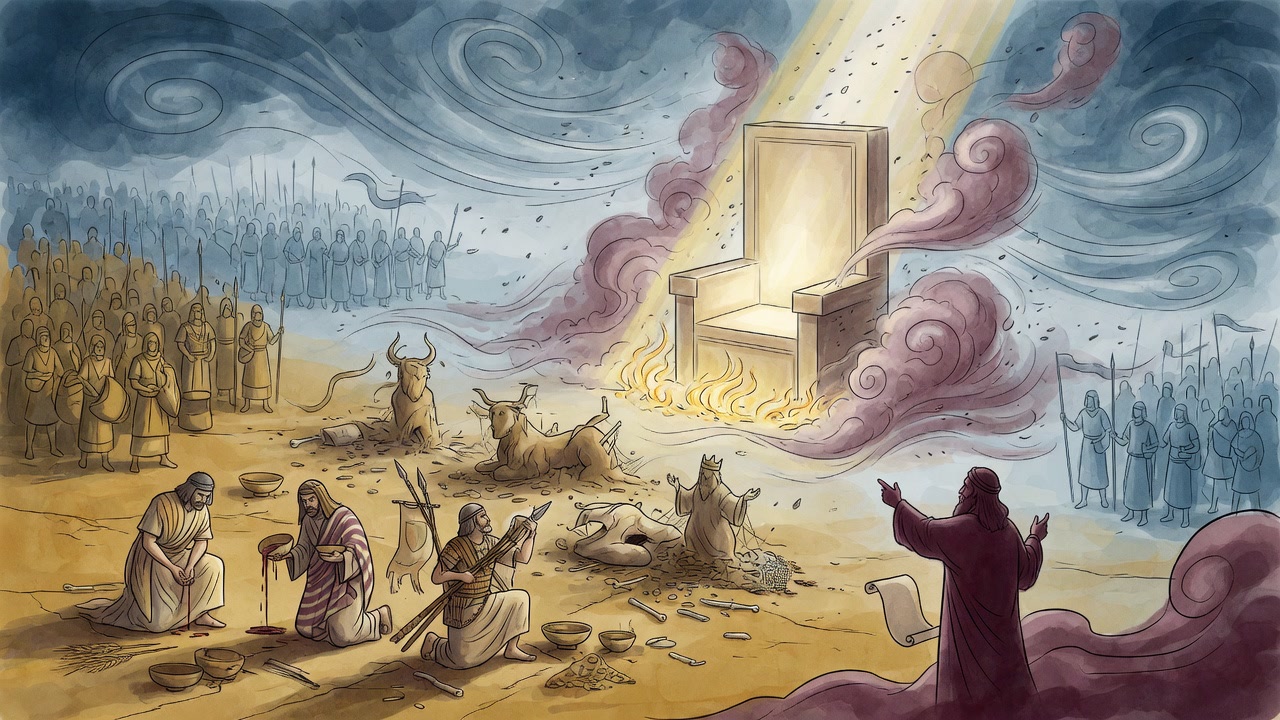
Gamliel mourned Akiva until the drowned man walked up the beach on one plank. A poor boy quieted another storm while merchants clutched idols that did nothing.
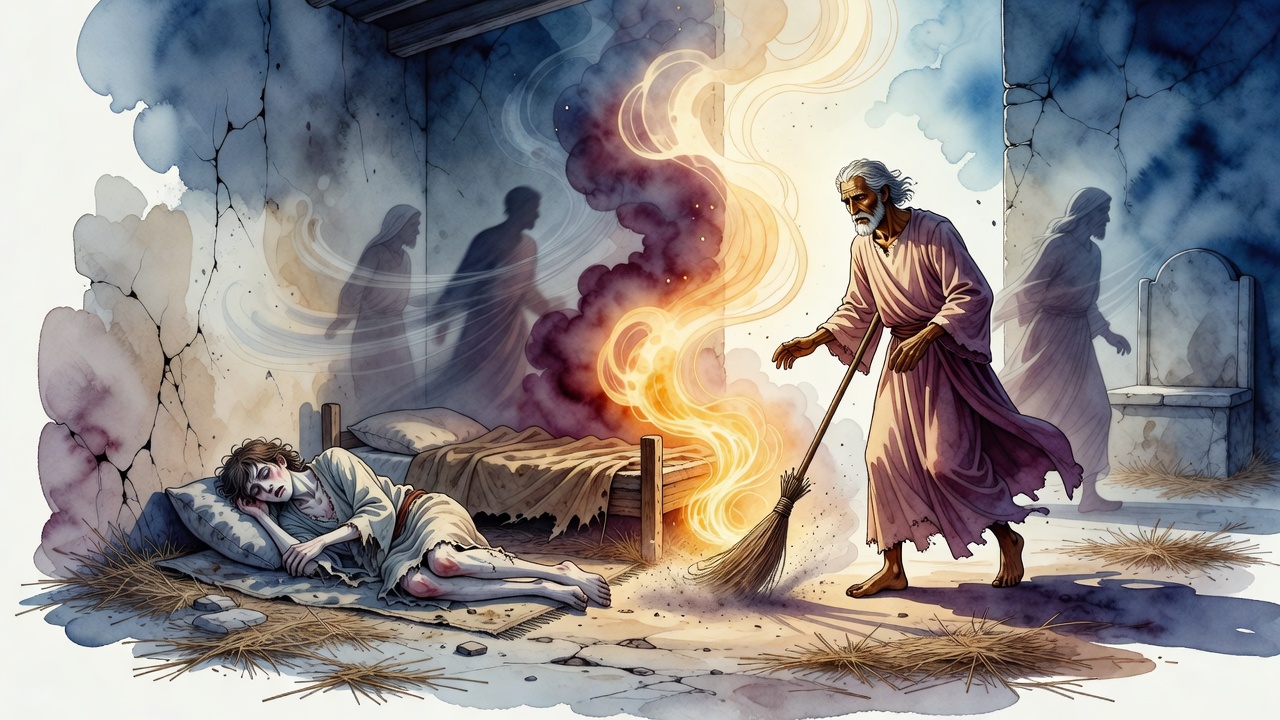
A student lay sick in a corner while the house stepped around him. Akiva walked in, and care returned. At Eliezer's bed he named suffering as a gift that turns.
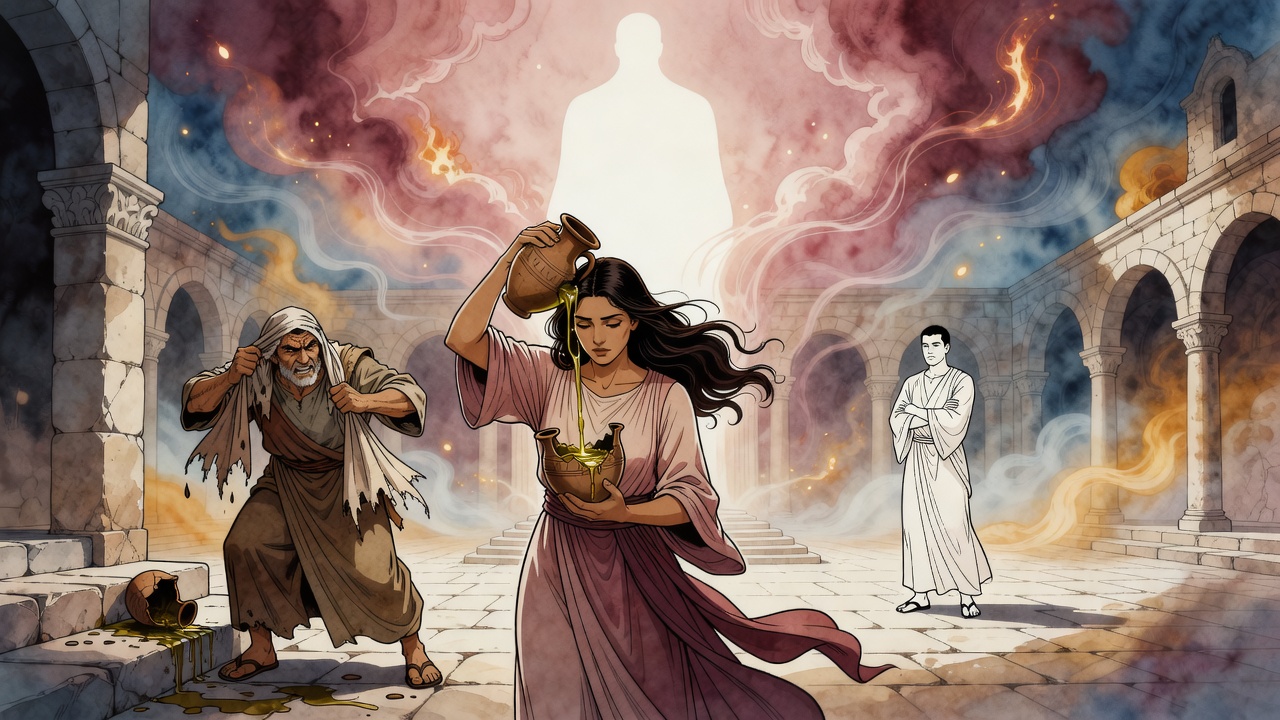
A man tore the covering off a woman's head in the market. When Akiva fined him, a friend explained how to make her uncover it herself.
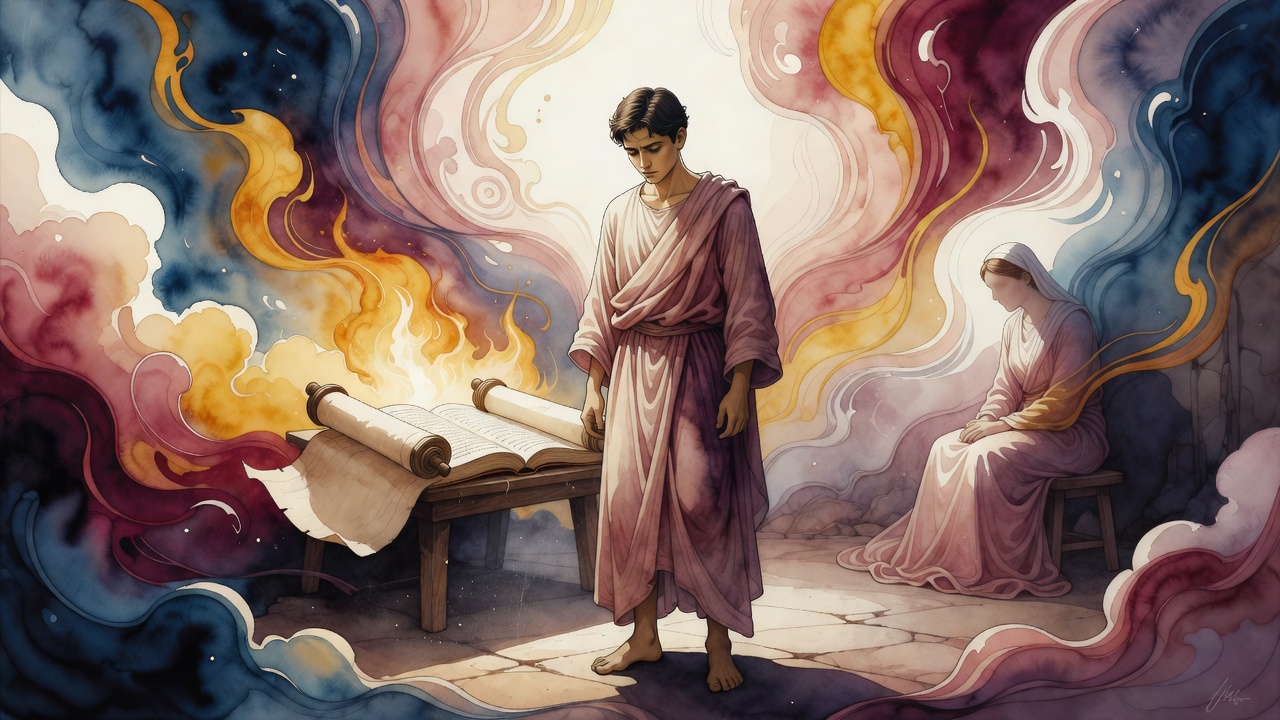
On his wedding night Rabbi Akiva's son asked for sandals, opened Torah, and left his bride to keep pace until dawn.
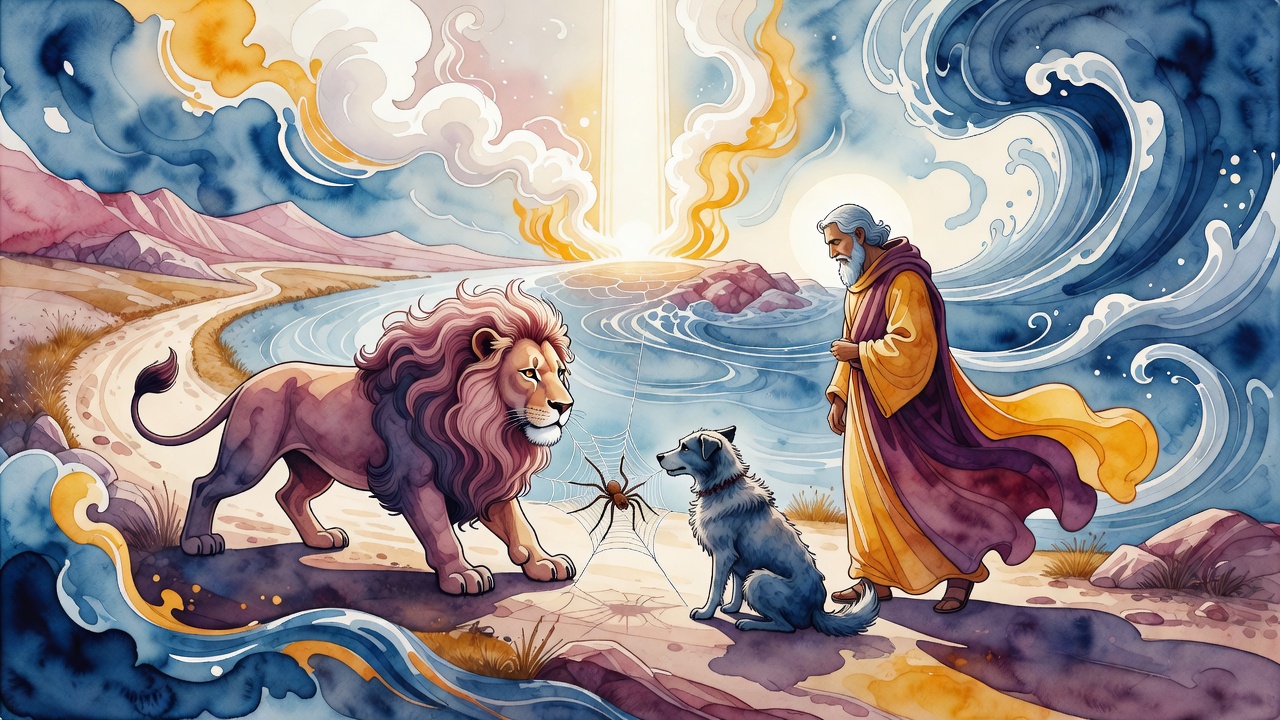
A lion ordered a dog to kill a spider. The spider went to the lion for help, and the lion took its side. Akiva stood in the road and watched it happen.
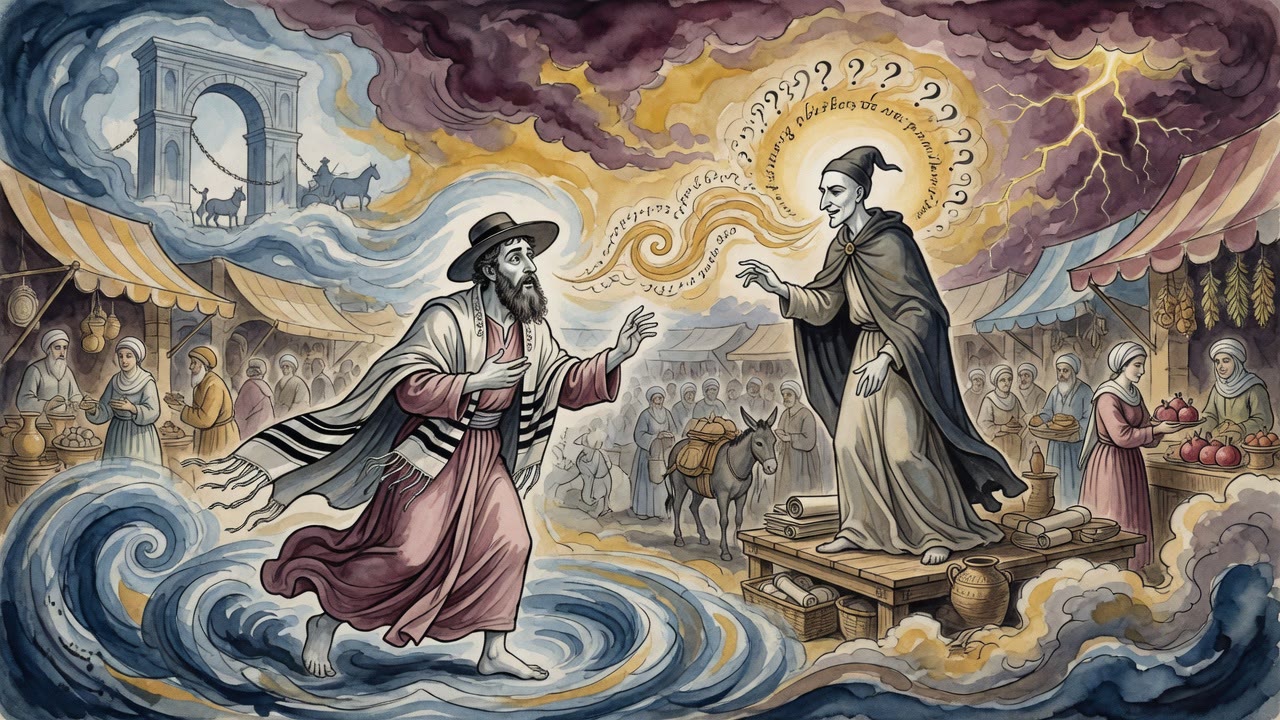
Rabbi Eliezer walked free from a governor's court, then trembled because a heretic's clever question in the marketplace had once pleased him.
