Charity Overruled the Fate Written in the Stars
A snake, a drowning man, and an angel's argument before God are all interrupted by the same force: a quiet act of giving to someone in need.
Table of Contents
 Click for full size
The Astrologers Saw a Snake
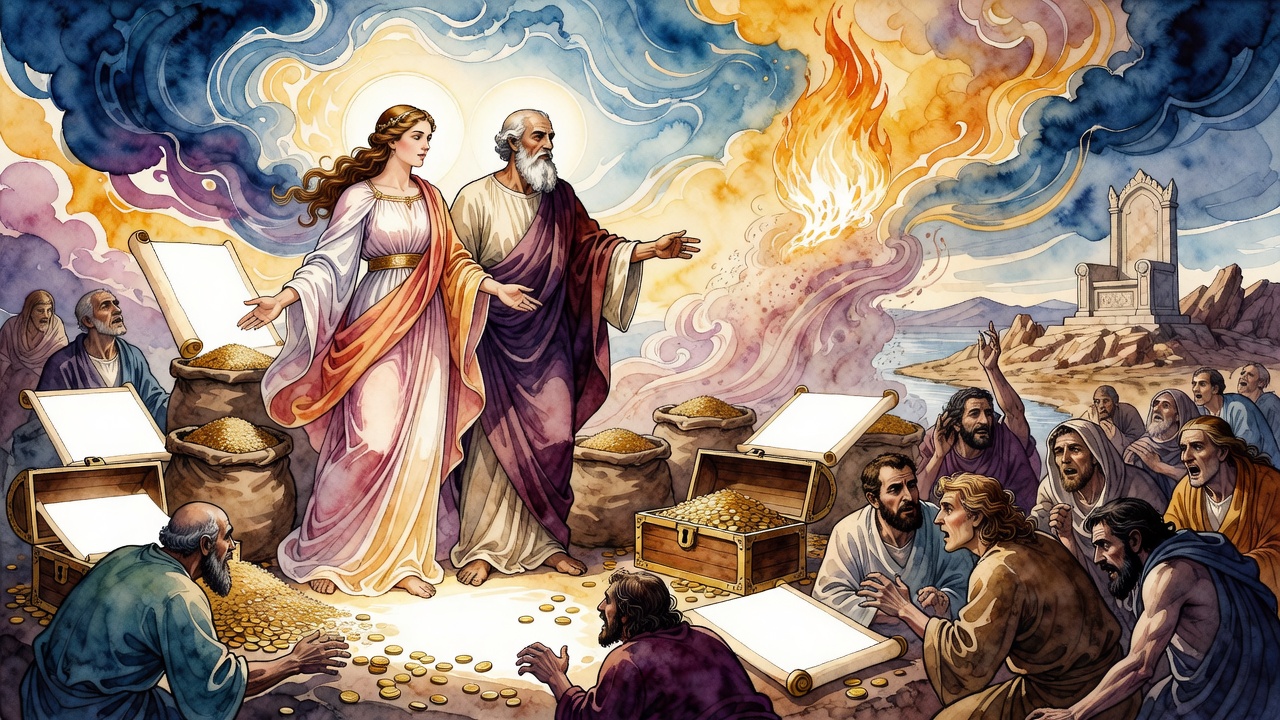
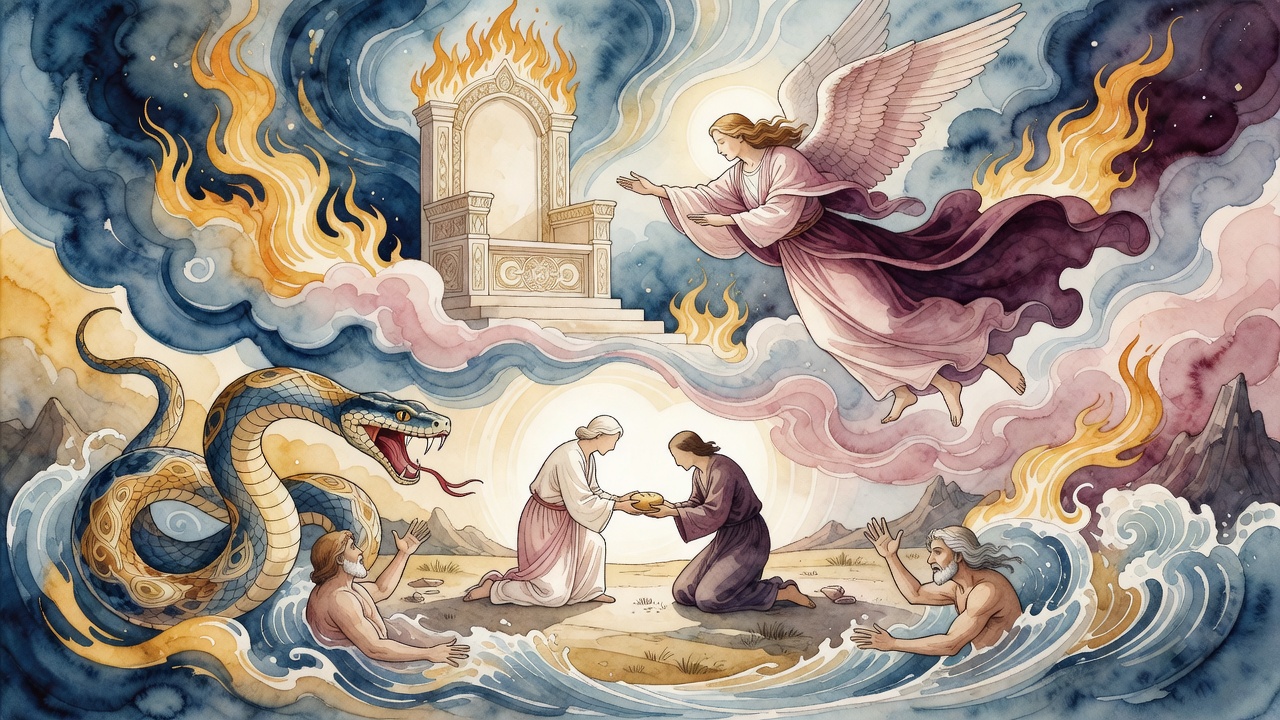
Rabbi Akiva's daughter was about to be married. Astrologers had told Akiva their reading of her chart: on her wedding day, a snake would bite her and she would die. Akiva heard this and said nothing to her. He could not unknow it. He could not simply set the warning aside. He watched her wedding come.
At the edge of the celebration, a poor man arrived at the door. The guests were occupied, the music was loud, the feast was full. No one heard him except her. She took her own portion of food and gave it to him. No announcement. No ceremony. She fed a hungry man at the edge of her own wedding feast.
That night, she removed a pin from her hair and pressed it into a crack in the wall. In the morning, she pulled the pin out and a dead snake came with it. The pin had gone straight through the snake's eye. The death the astrologers had written for her had come, but it had been redirected, not by ritual or prayer or any action aimed at self-protection, but by a woman who had not been thinking about snakes at all when she gave away her food.
The Snake, the Pin, and the Sequence
The story is precise about timing. The charity came first. The snake's death came second. No transaction was offered, no deal was made. She gave because a hungry man was standing at her wedding. The protection followed as consequence, not as exchange.
Akiva, when he saw the dead snake and understood what had happened, cited the verse: tzedakah saves from death. He had known the decree. He had not known that his daughter had already answered it without knowing it needed answering.
This is the structure that runs through all these stories. The act of mercy does not aim at the threat. It aims at the person who is hungry, or drowning, or dying. The threat is what gets cancelled as a side effect of ordinary human attention to human need.
The Drowning Man and the Thicket of Reeds
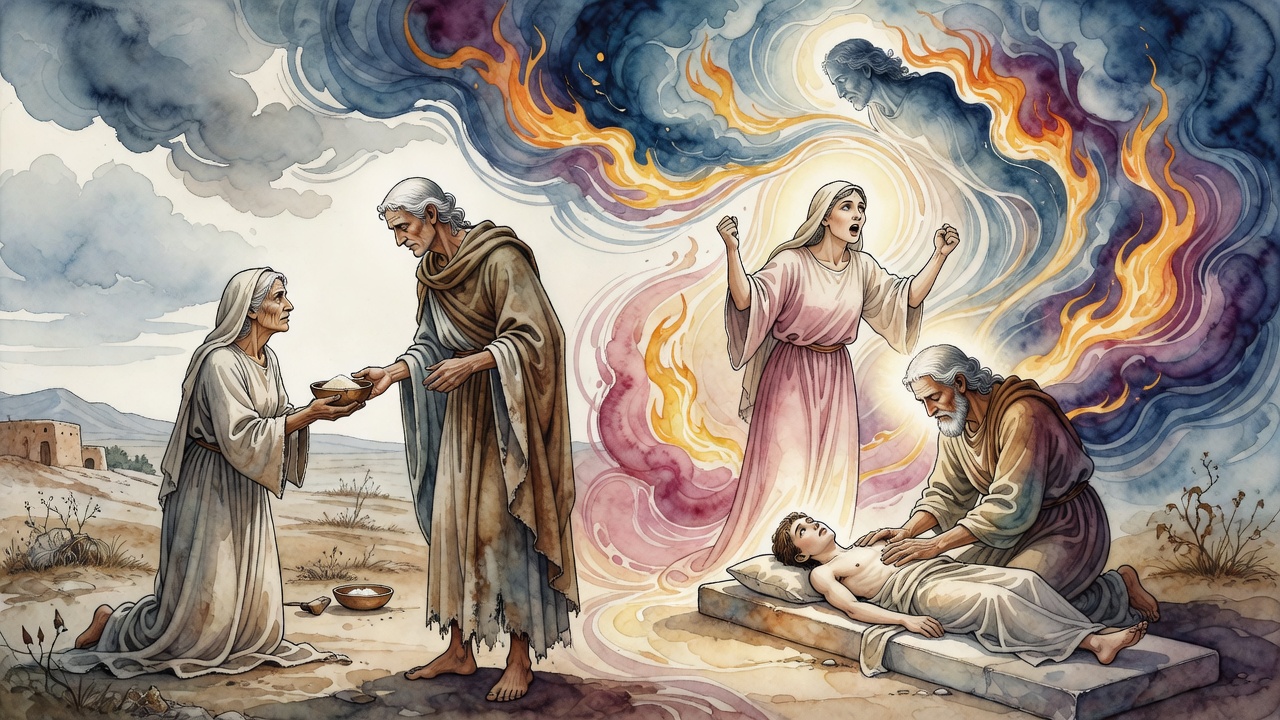
Akiva himself once saw a man drowning in a river. He could not reach him in time. The man grabbed a thicket of reeds and survived. Akiva was told that this man had once given a bundle of wood to a poor person, a bundle of no particular value, something anyone might give without a second thought.
That bundle was what the thicket of reeds remembered. The small, unremarked gift had become a survival mechanism in a body of water years later. The connection between gift and deliverance ran across time without the giver ever knowing it had been planted.
Benjamin the Righteous and the Angels Who Argued
Benjamin was an administrator of a charity fund during a famine. A woman came to him desperate, with children who were starving. He told her the fund was empty. She said: Rabbi, if you do not help me, a mother and her children will die.
He opened his own money and fed her from it.
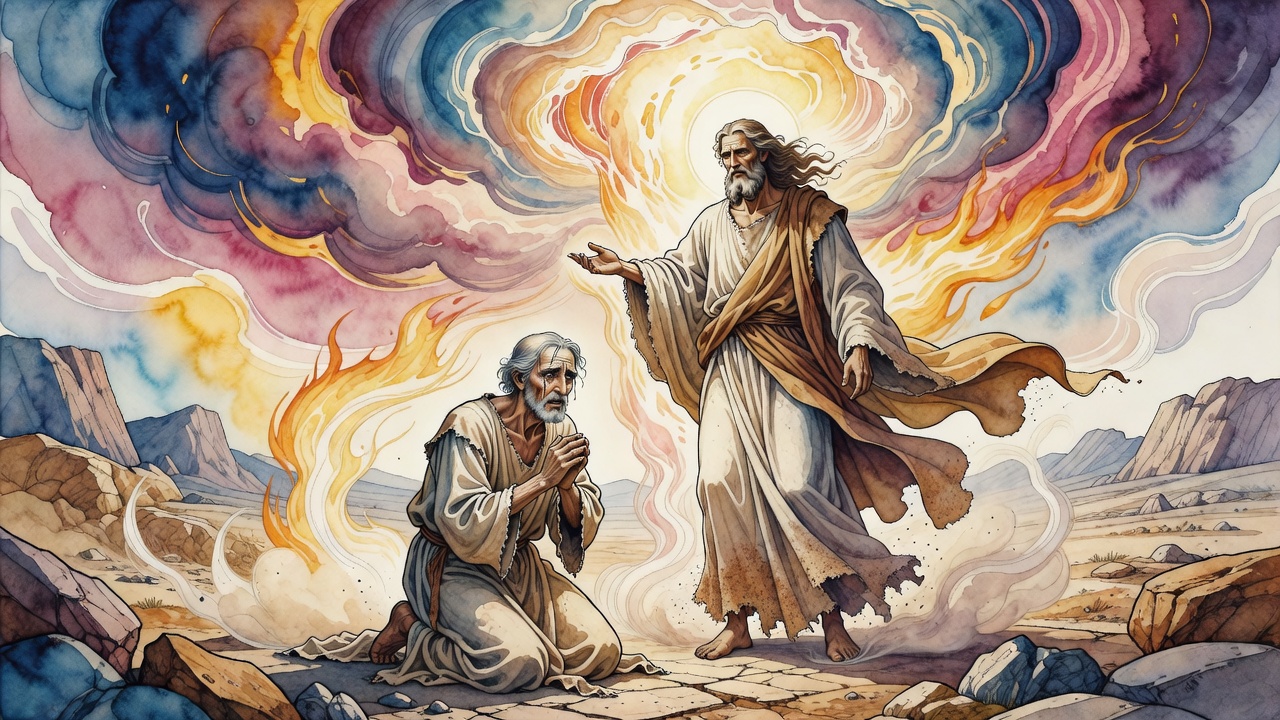
Years later, Benjamin became gravely ill. The tradition says the ministering angels argued before God on his behalf. They said: you wrote in Torah that whoever saves a single life is as if they saved an entire world. Benjamin saved a woman and her children. He should not die so young.
God added twenty-two years to his life. The angels did not argue that he was pious or learned or blameless. They argued that the arithmetic of lives saved required a correction to the original sentence. Heaven ran the calculation and revised the decree.
← All myths