51 myths · Page 1 of 2
Each story names the sources it was written from.
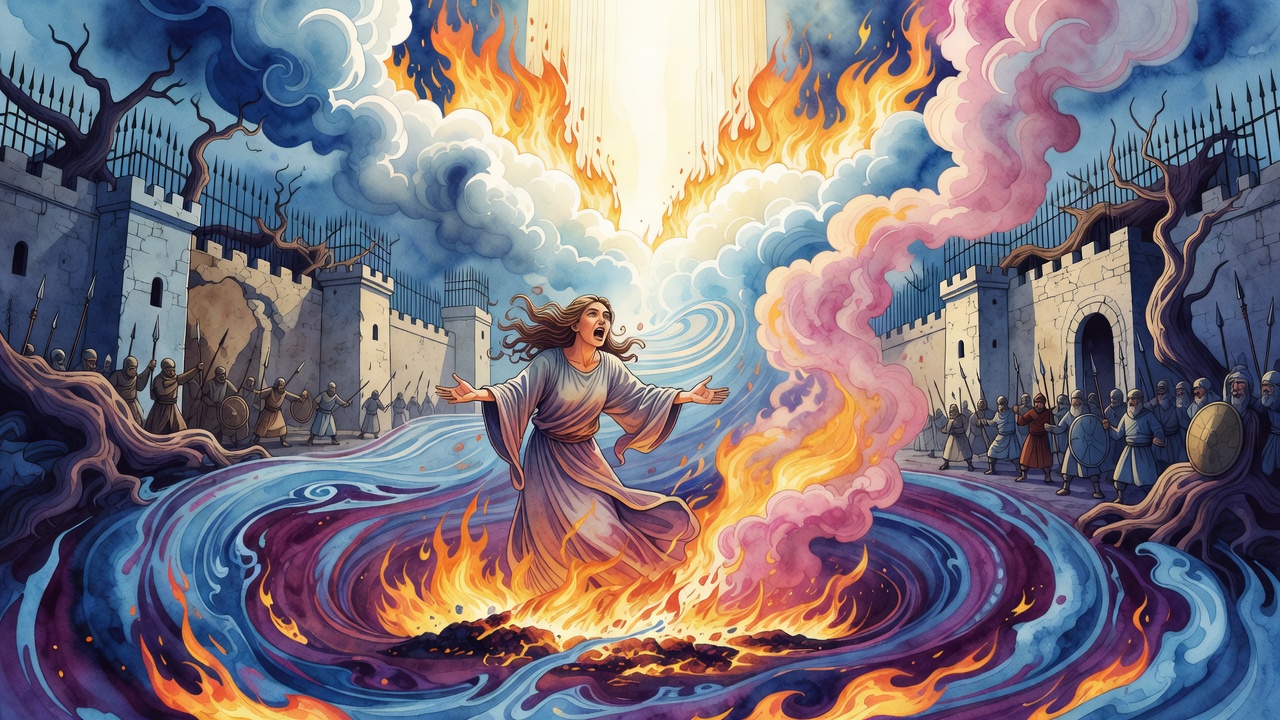
Peletith hid bread in her water bucket and carried it to the starving man in her street. Sodom burned her for feeding him.
When thieves stole Rabbi Pinchas ben Yair's donkey, it refused to eat for three days rather than touch untithed grain.
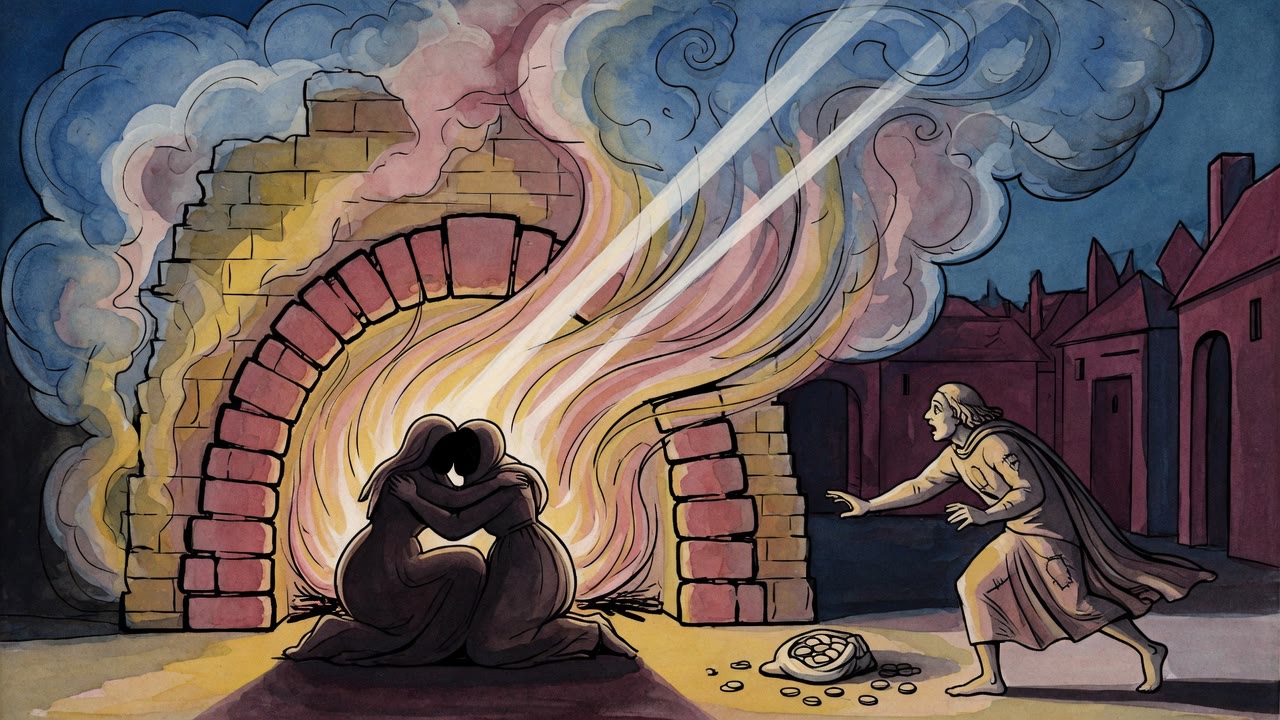
Coins appeared under a doorpost for years. Then the poor man opened the door, and the giver ran toward a furnace still hot from the day's fire.
Akiva knew the wedding night was marked. He set the date anyway. By morning a hairpin had gone through a dead serpent's eye.
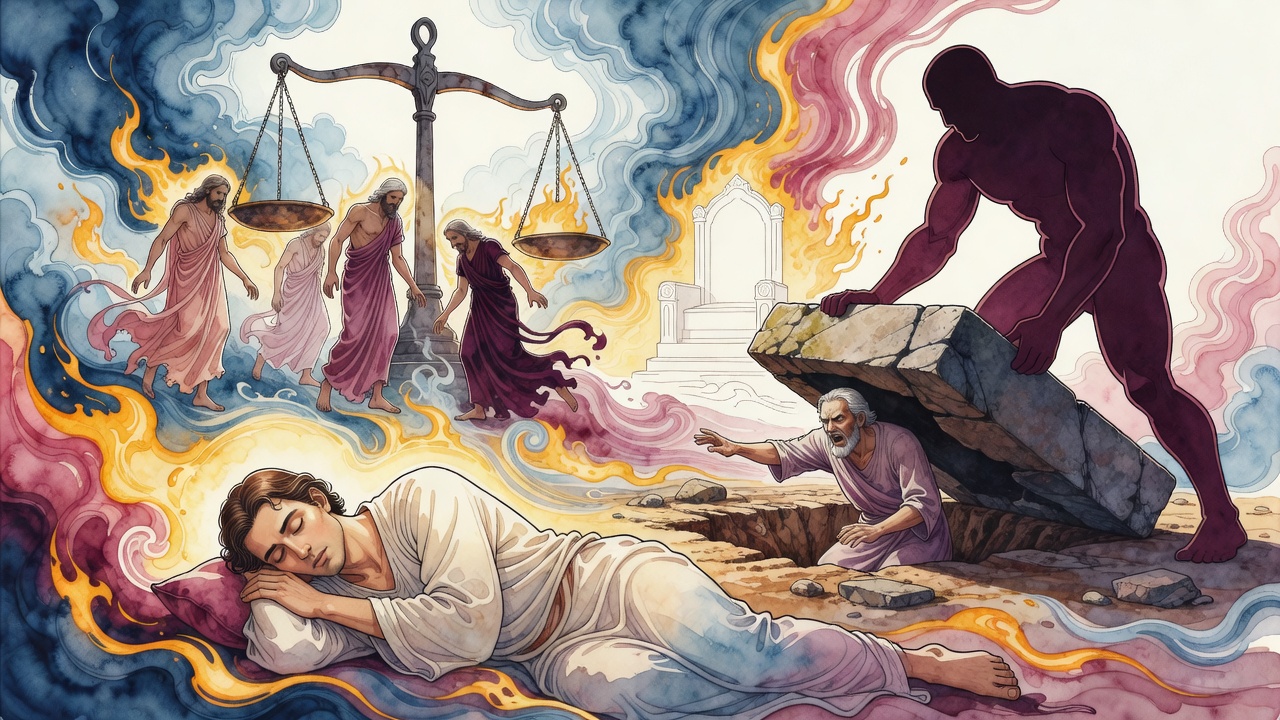
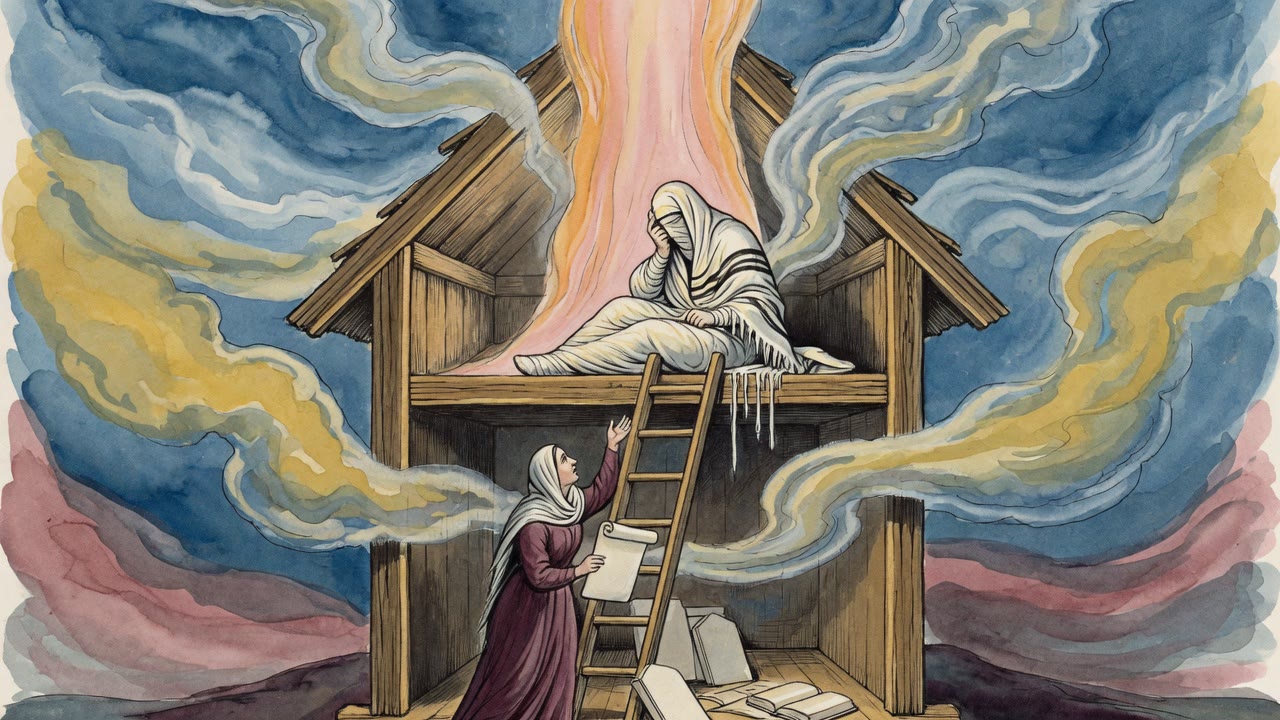
A sleeping Jew watches the dead weighed in heaven, and a giant lifts a grave open so an angry father can name the debt his living son left unpaid.
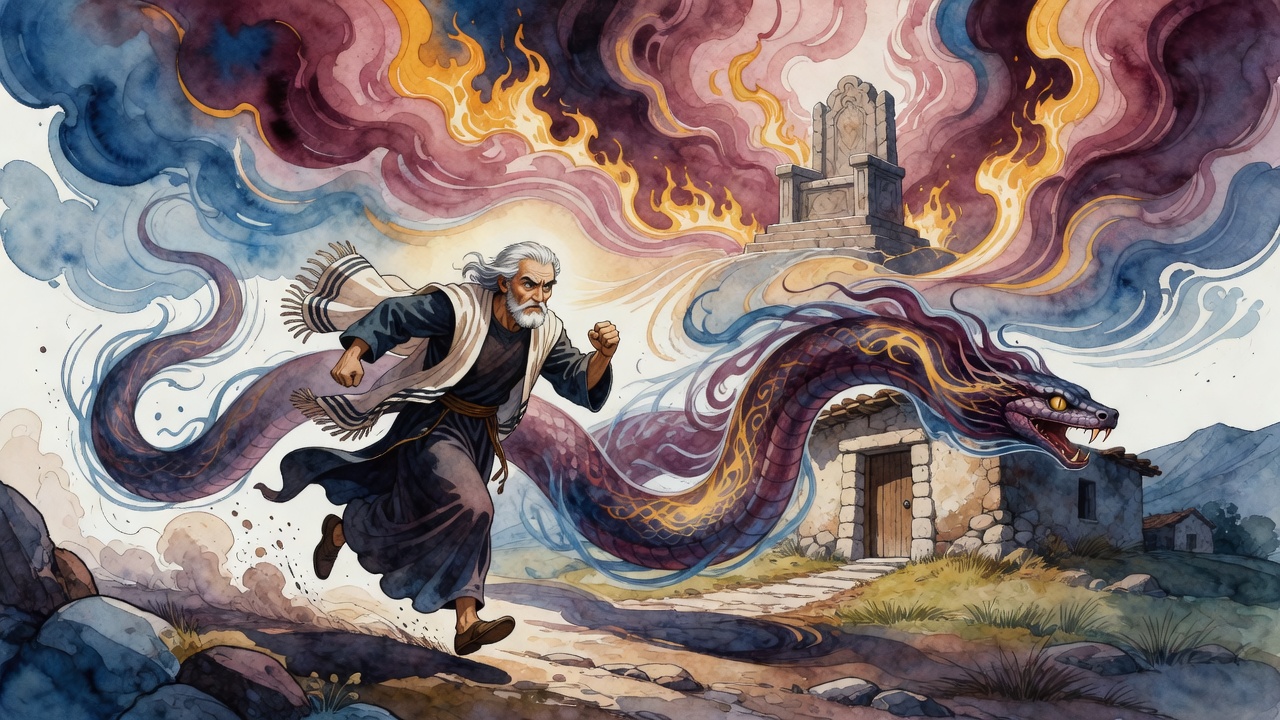
Rabbi Meir overhears a serpent dispatched from heaven to kill a stingy household, and races the creature to its door to break the decree.
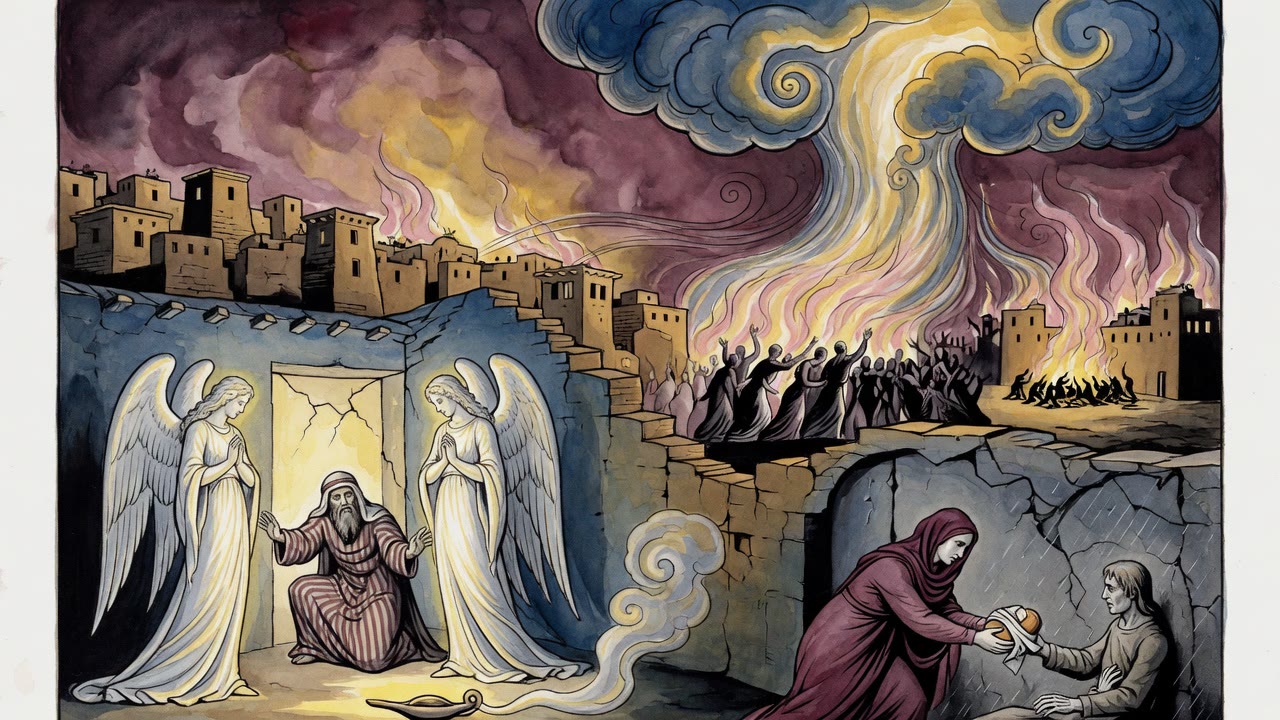
In a city where feeding a stranger means death by fire, Lot hides two angels and his daughter Plotit smuggles bread to a starving man.
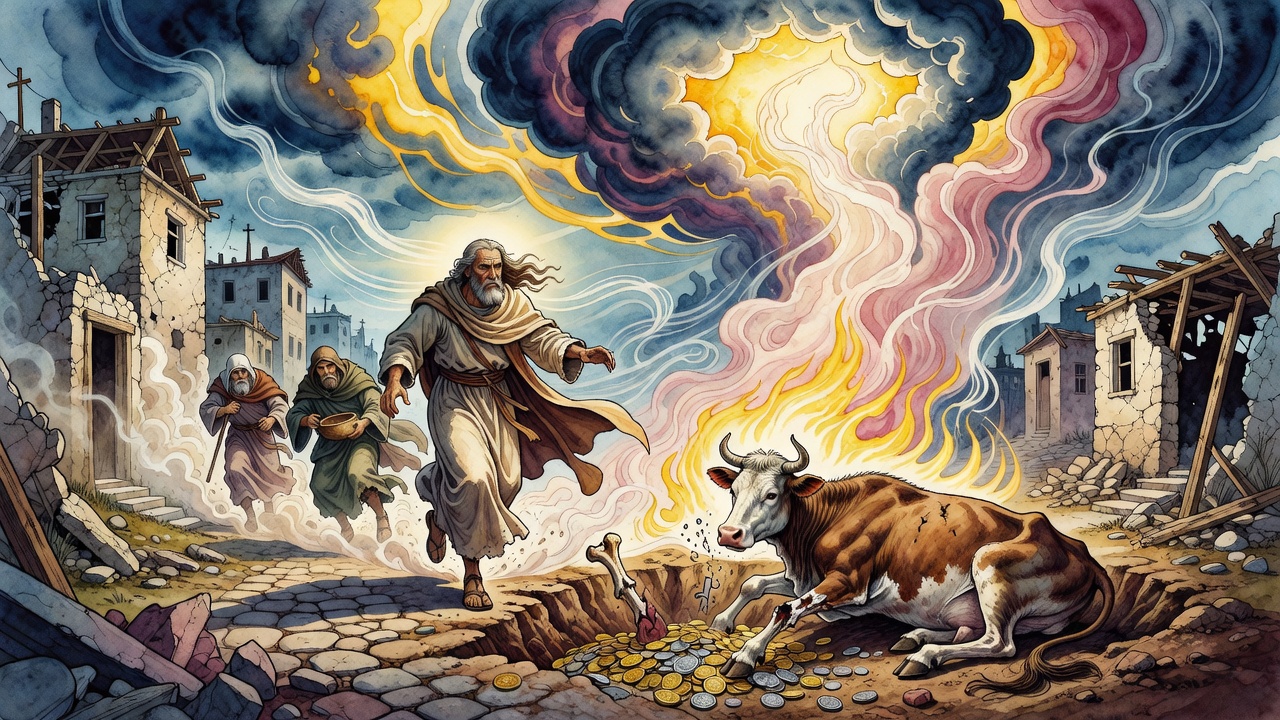
He chased the alms-collectors down his own street to give before they passed, until ruin left him one cow that broke its leg into a buried fortune.
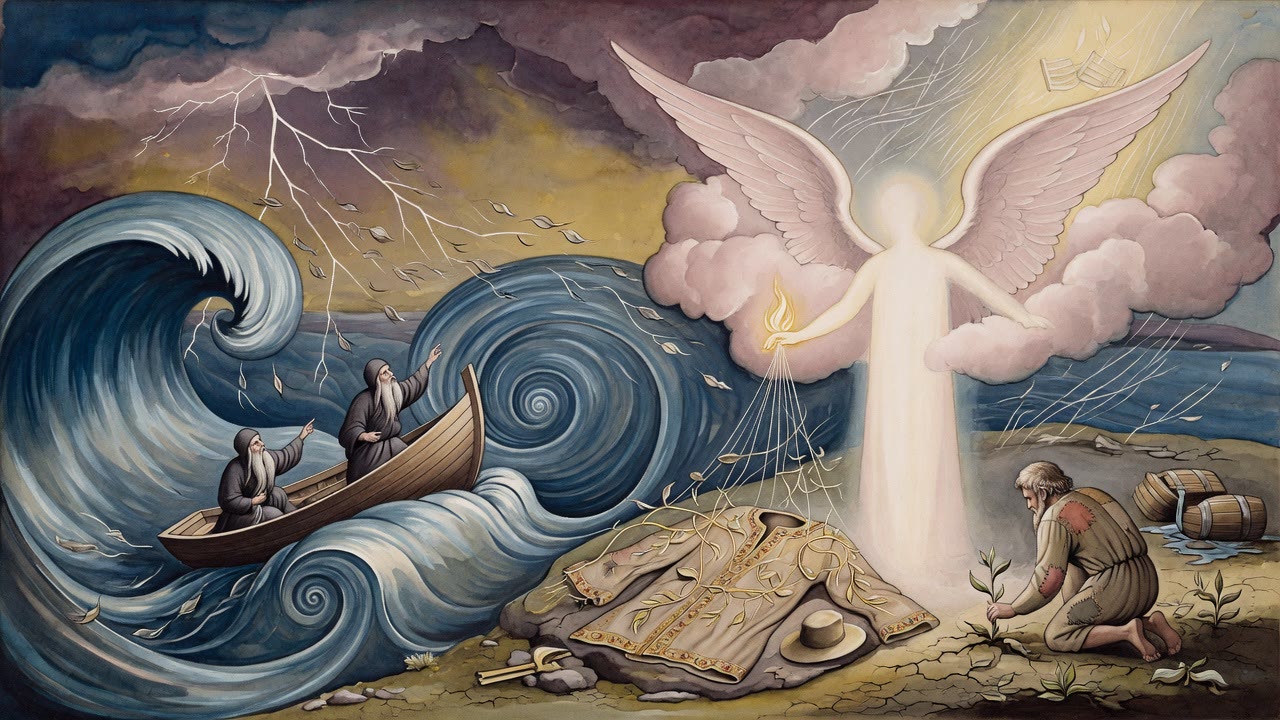
Driven into forbidden seas, two sages prove the ocean drinks its own water, then meet an angel stitching light for a gardener no one noticed.
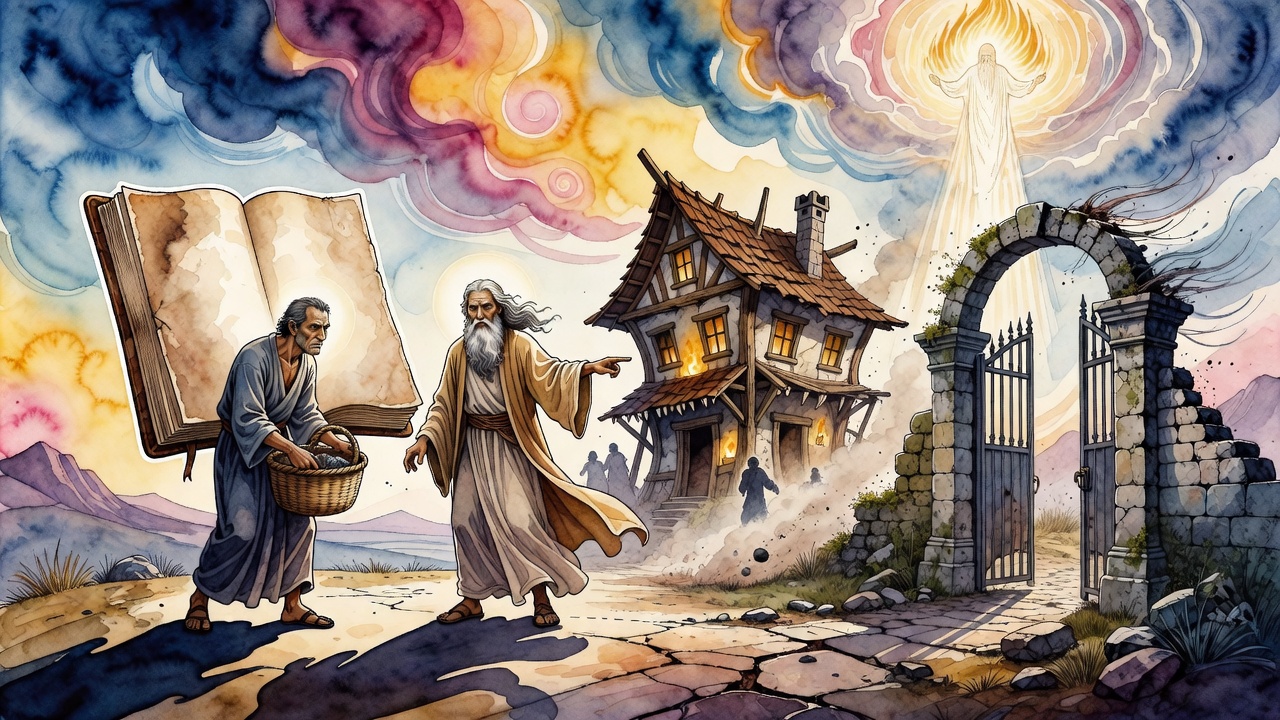
For thirty years a basket of warm bread and figs appeared at a widow's door every Friday. She never once caught the hand that left it there.
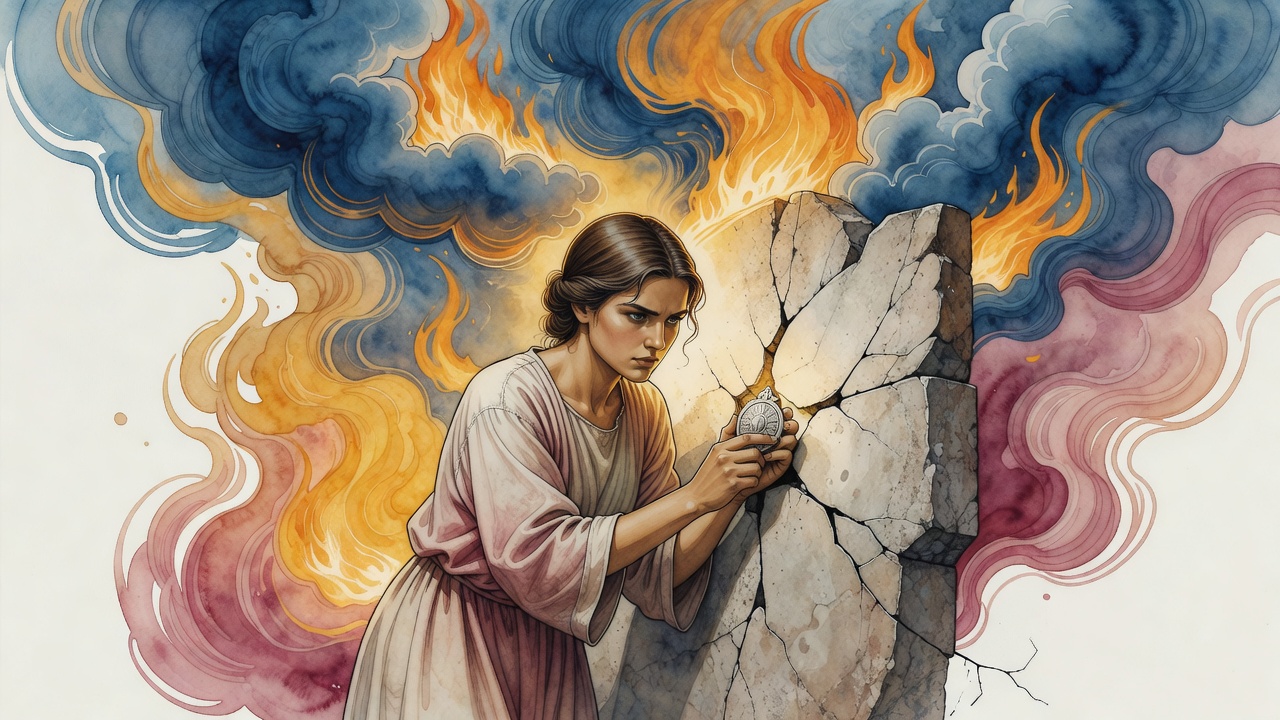
A stargazer swore she would die of snakebite on her wedding night, but a brooch pressed into a wall cracked the decree by dawn
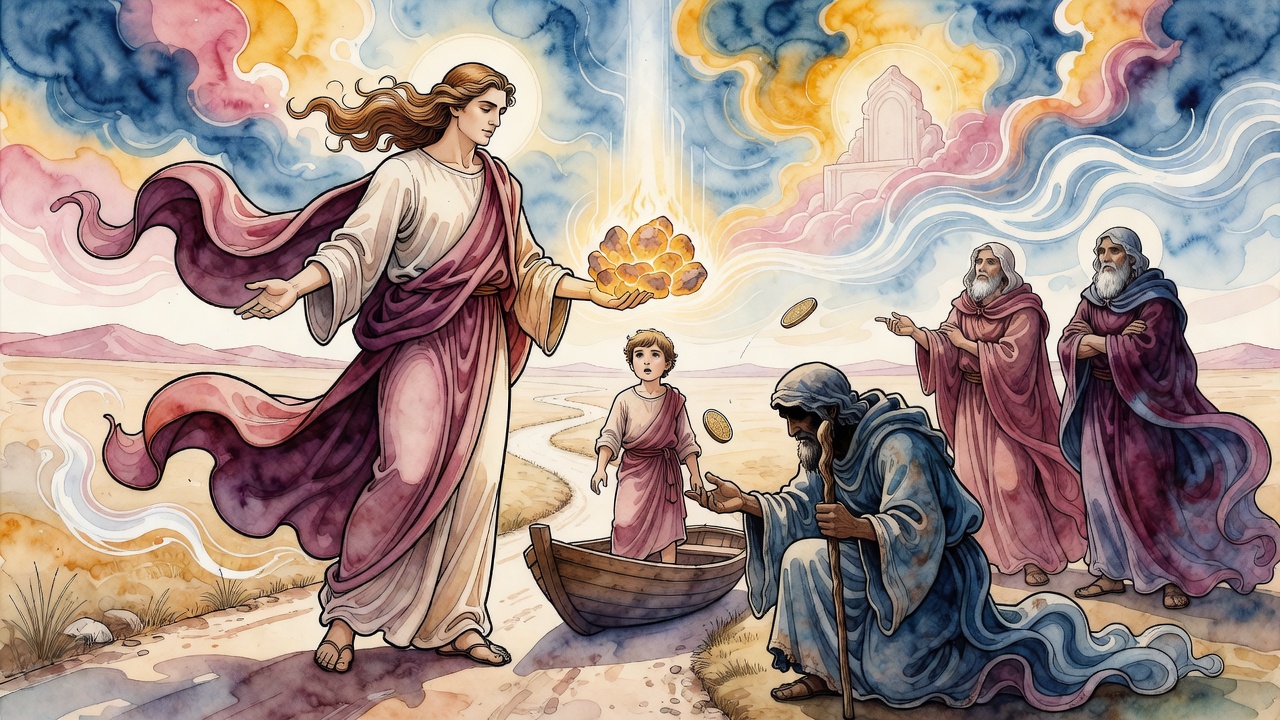
Elijah hands a boy the burning stones of future Jerusalem, while a coin to a blind beggar and a shrug decide two travelers' fates on the road.
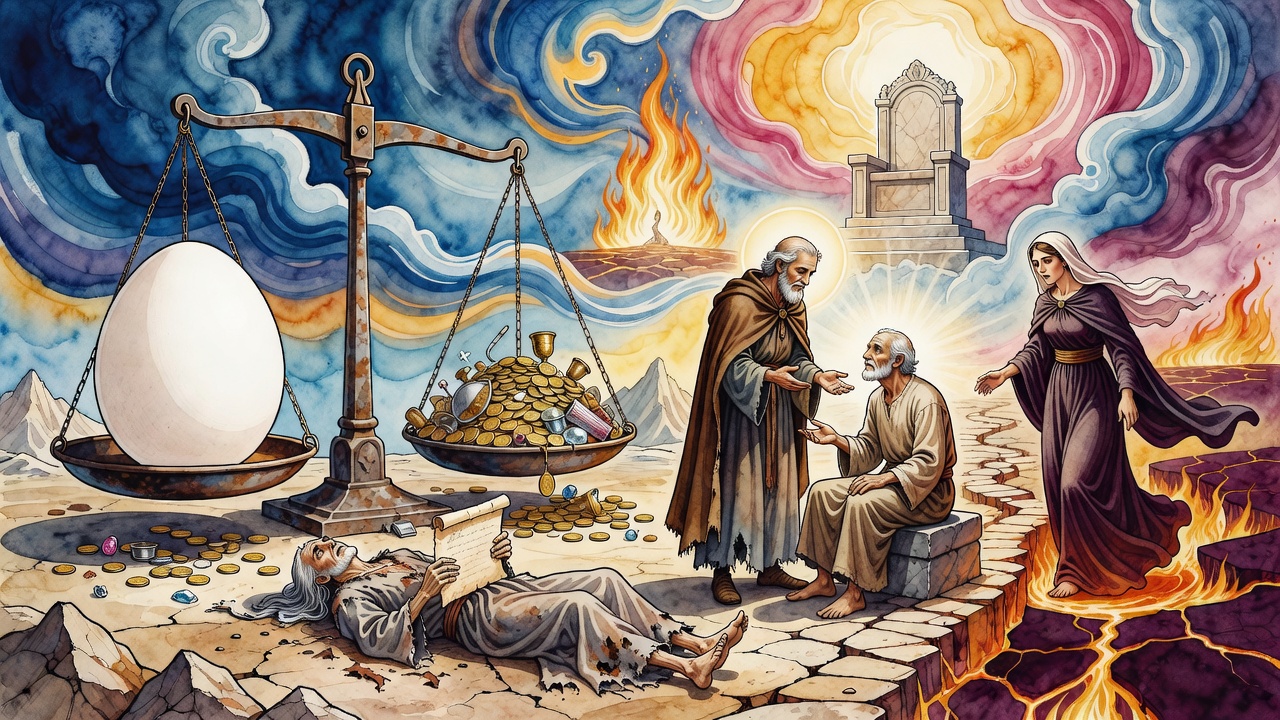
He had never given a crust. Dying, he sent his last egg to the beggar at the door. That egg outweighed the mountains.
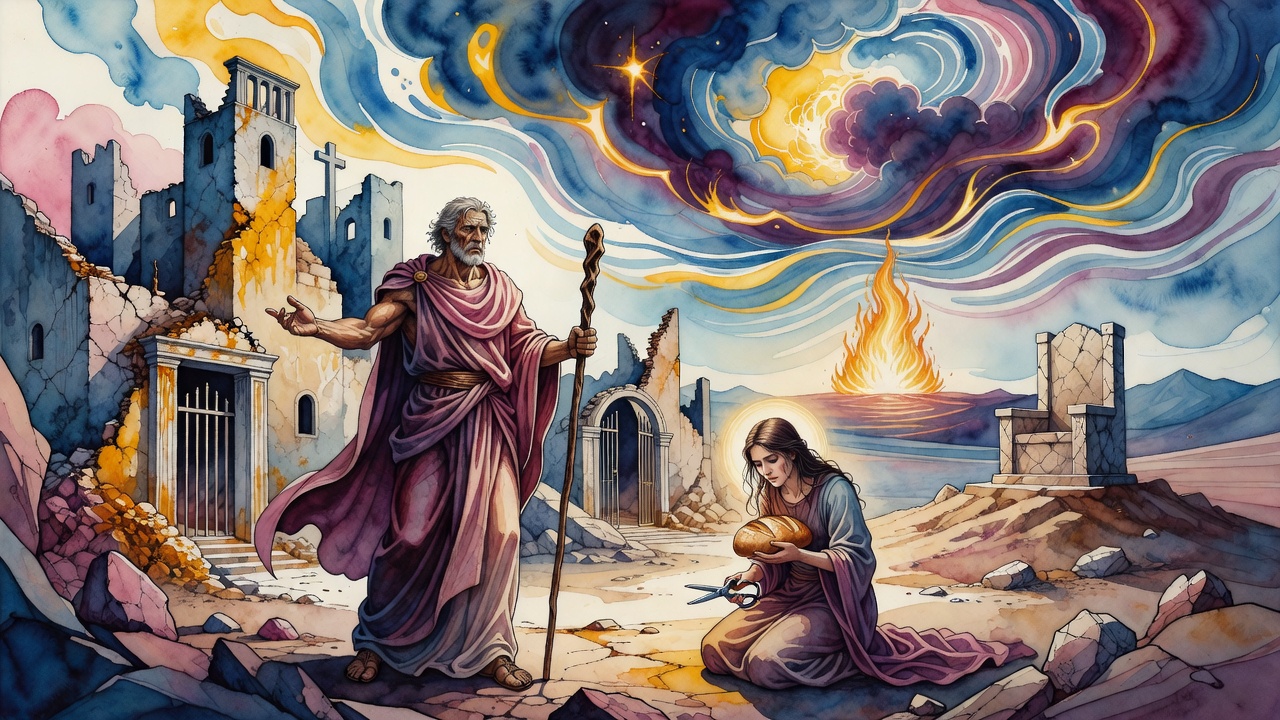
Job ruled a city behind unbarred gates and led an army for the poor; ruin left his wife selling her hair for one loaf of bread.
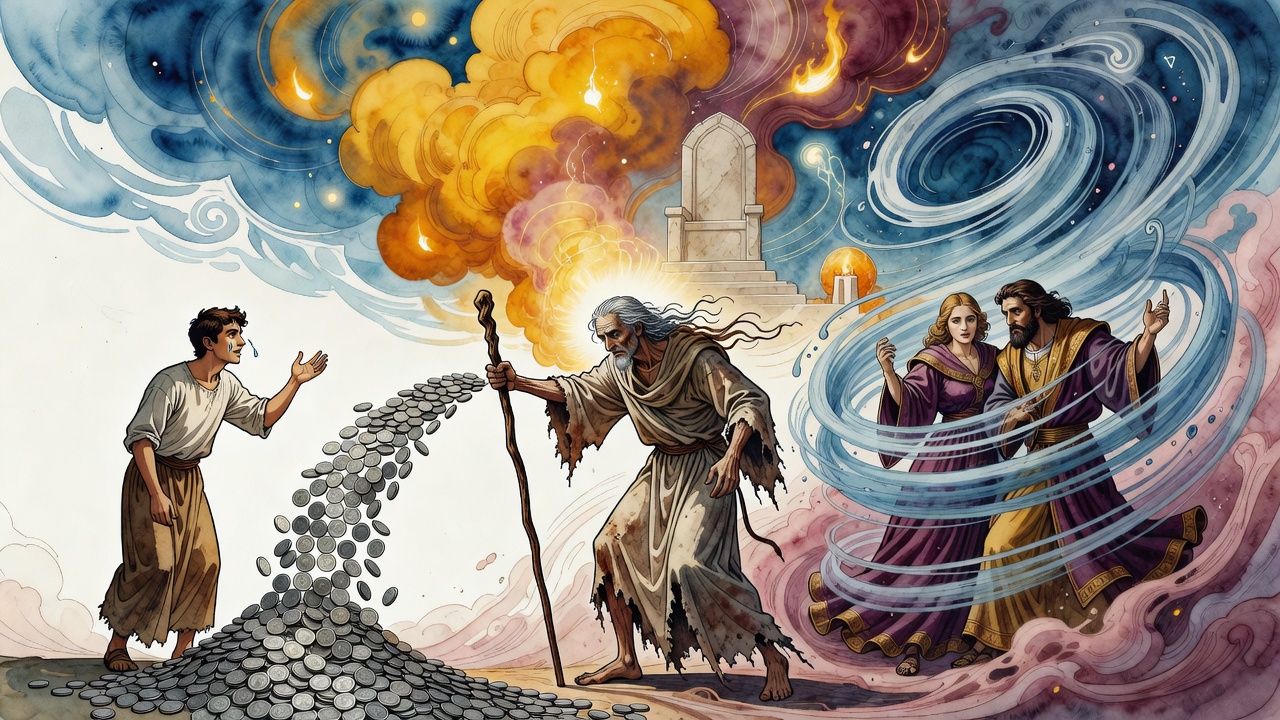
Elijah begged as a poor man. The kind brother's coins never ended until he cried enough. The rich couple's first act never ended until they died.
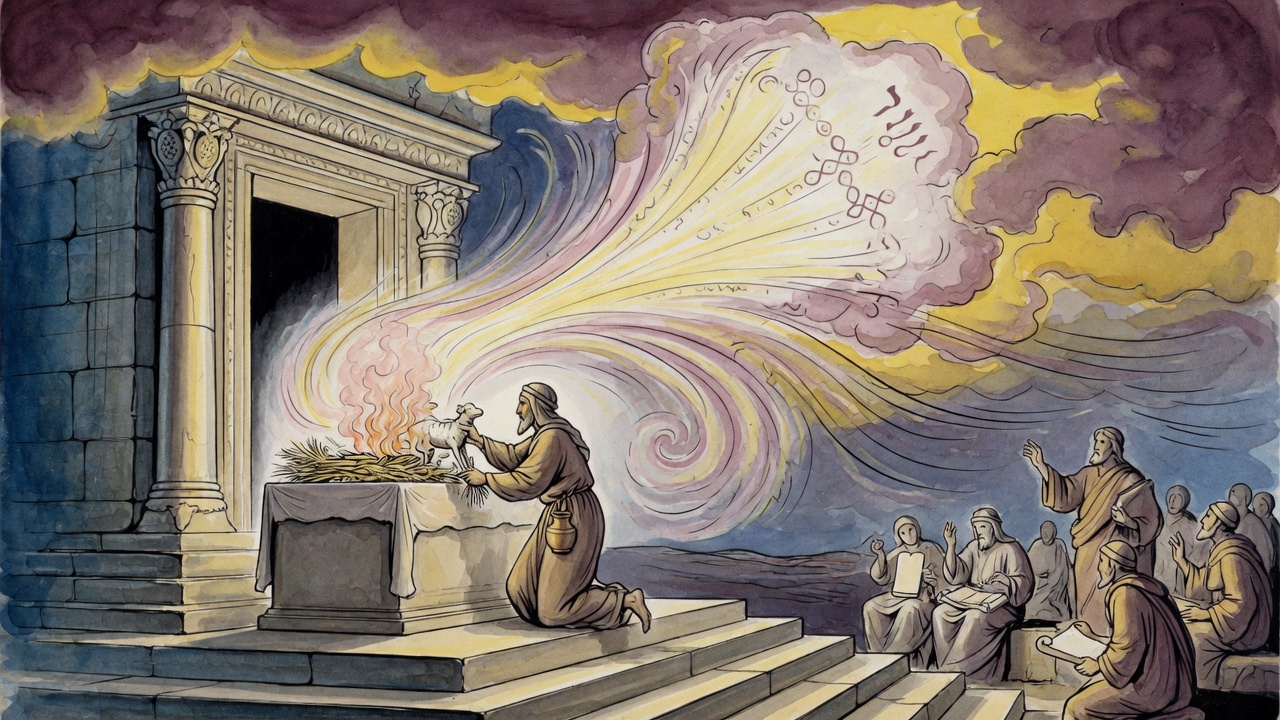
The exiles begged their guards for one thing. Take us past our uncle's country. They are our brothers. They will give us water.
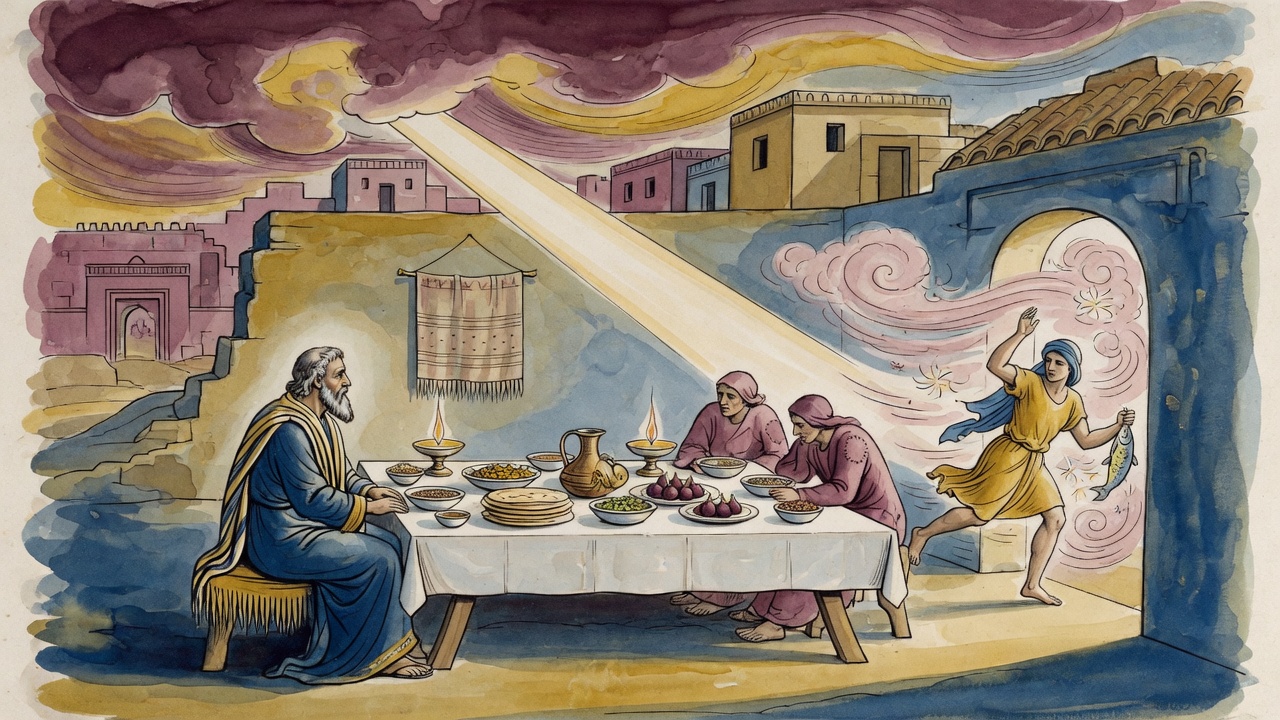
In Nineveh on the Feast of Weeks Tobit will not eat until his son finds a hungry kinsman, and later the son runs home with healing.
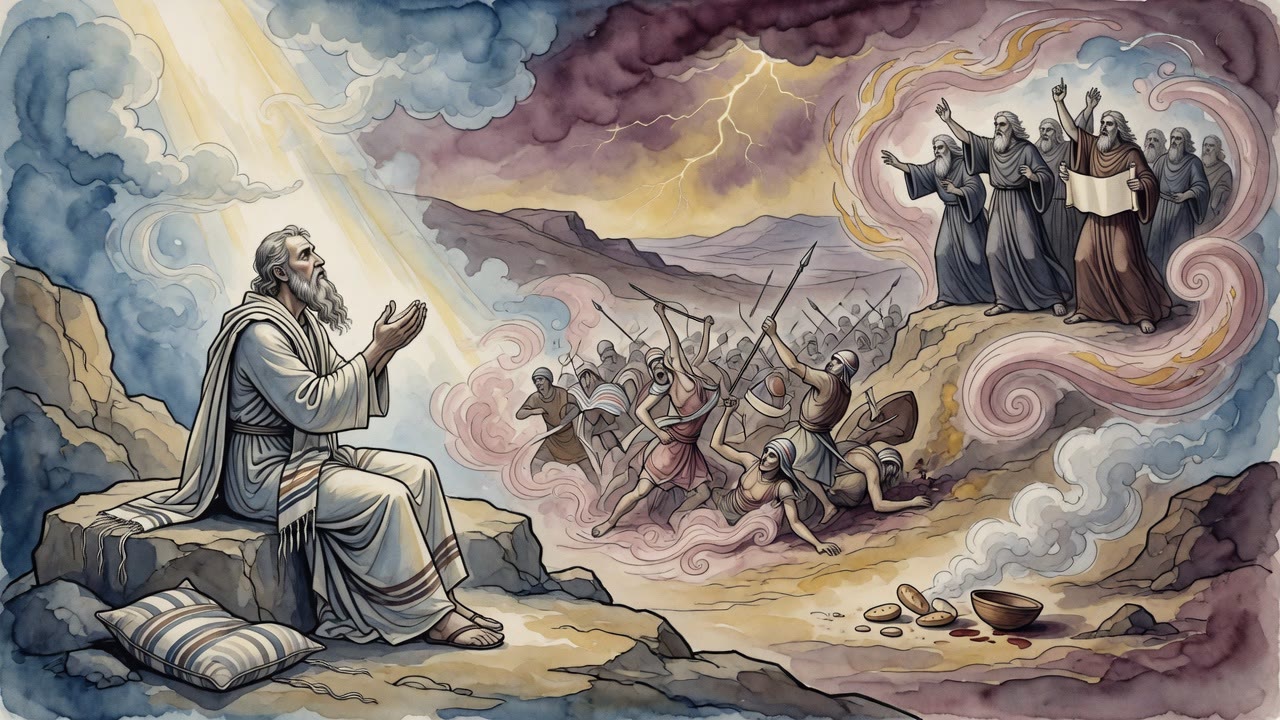
His arms were heavy and the camp had pillows to spare. Amalek was still attacking, so Moses sat on a rock instead and kept his hands up.
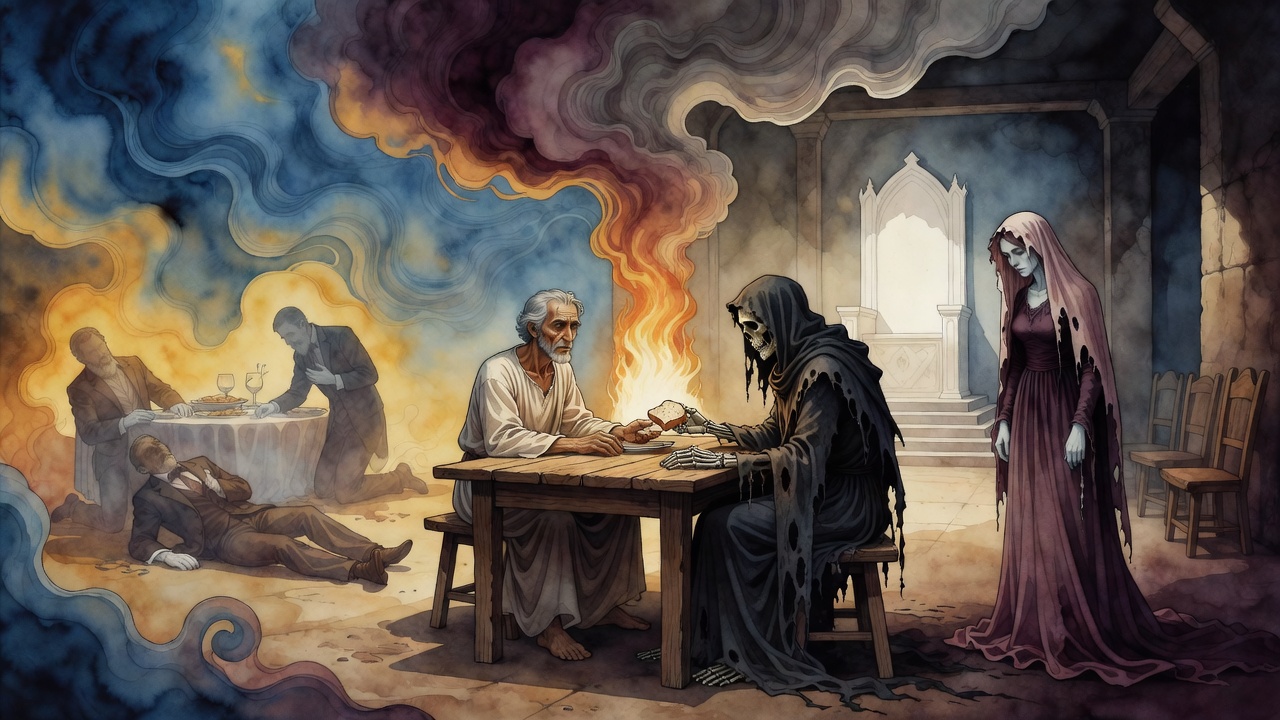
Three grooms die on Hannahs first nights. Poor cousin Joseph feeds Death at his table, lives past the wedding, and keeps the cursed bride.
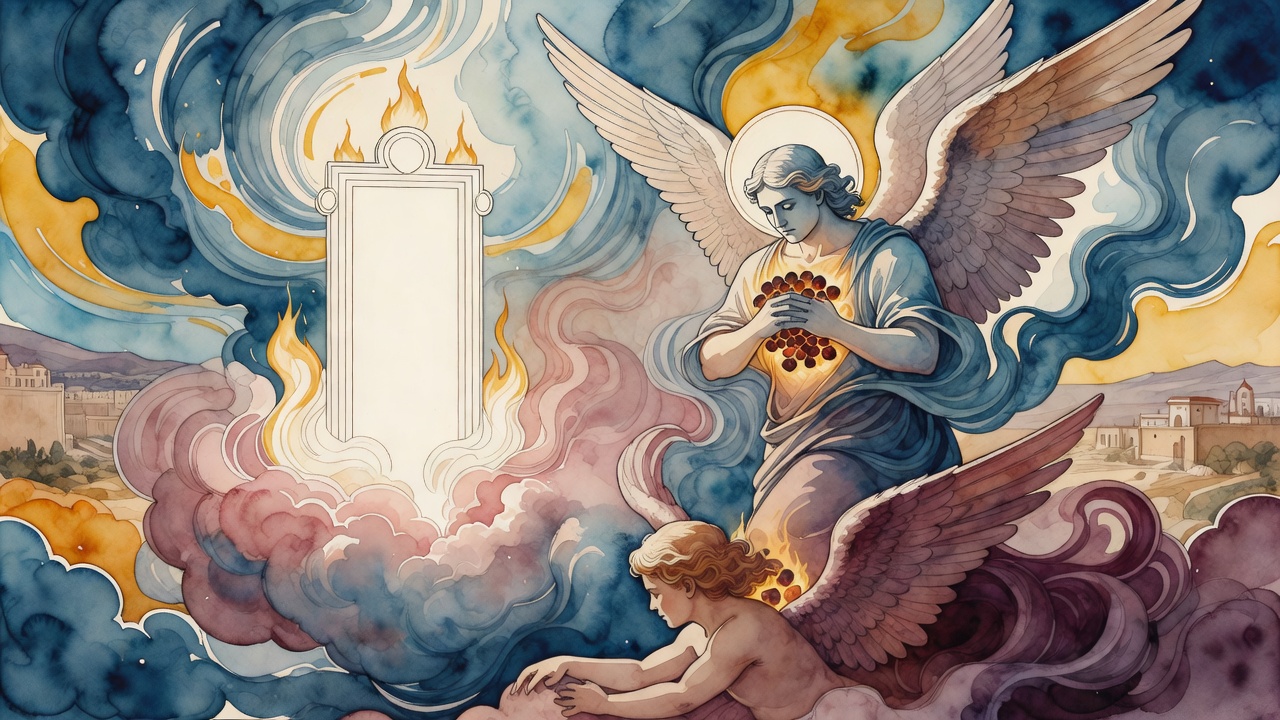
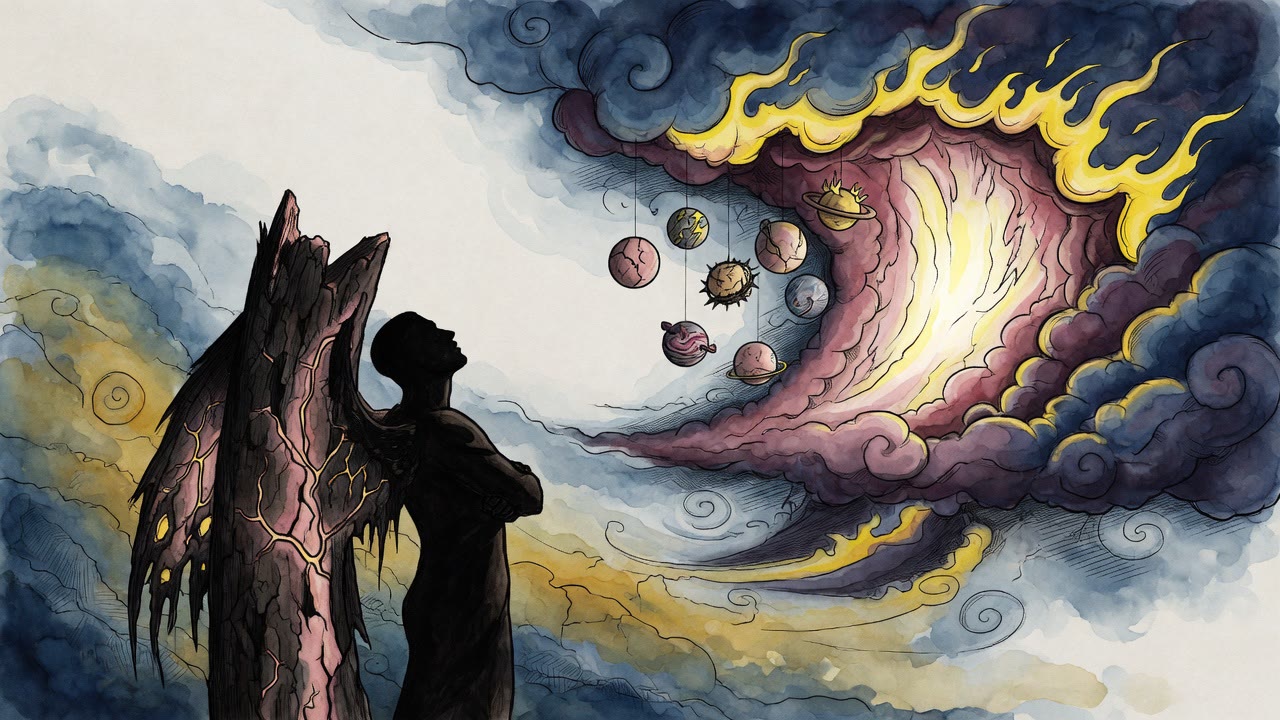
Gabriel cooled the cherub's coals against his chest for six years, waiting for Israel to turn, until mercy stayed his arm for the sake of kindness.
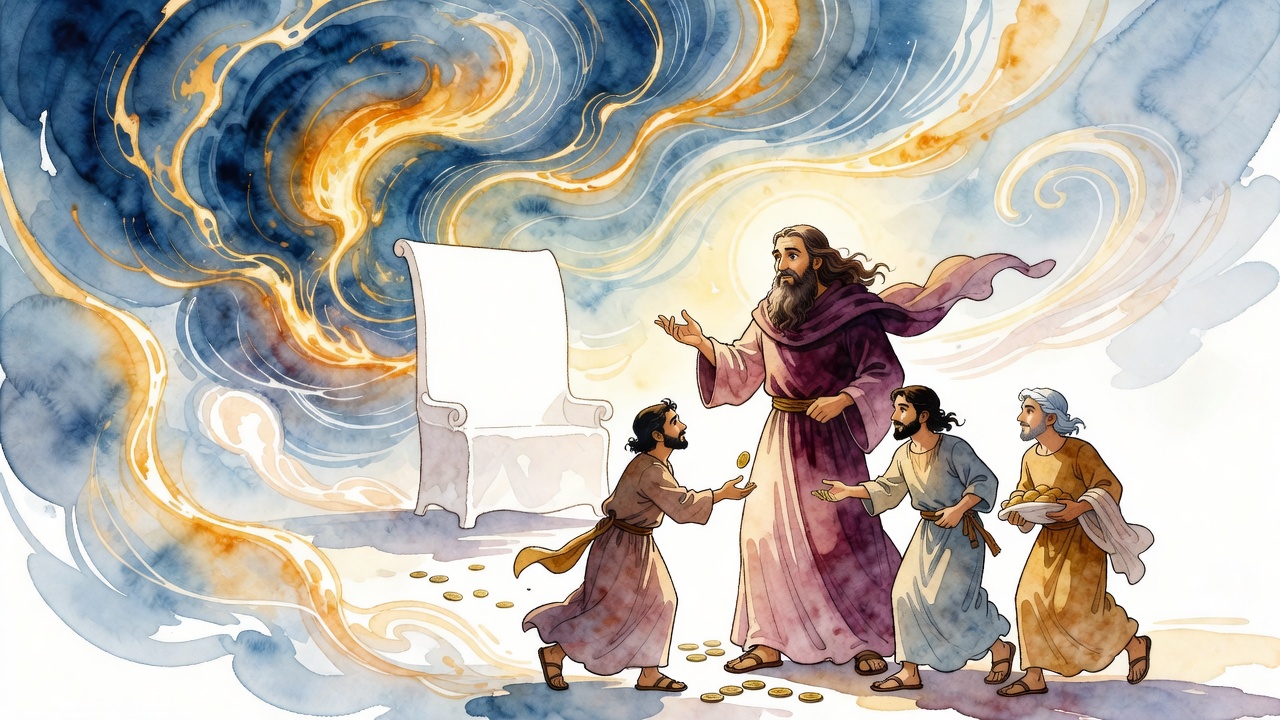
Rabbi Shimon woke on Rosh Hashanah to a dream of six hundred dinars owed, then made his nephews spend almost that sum on the poor before the kingdom collected.
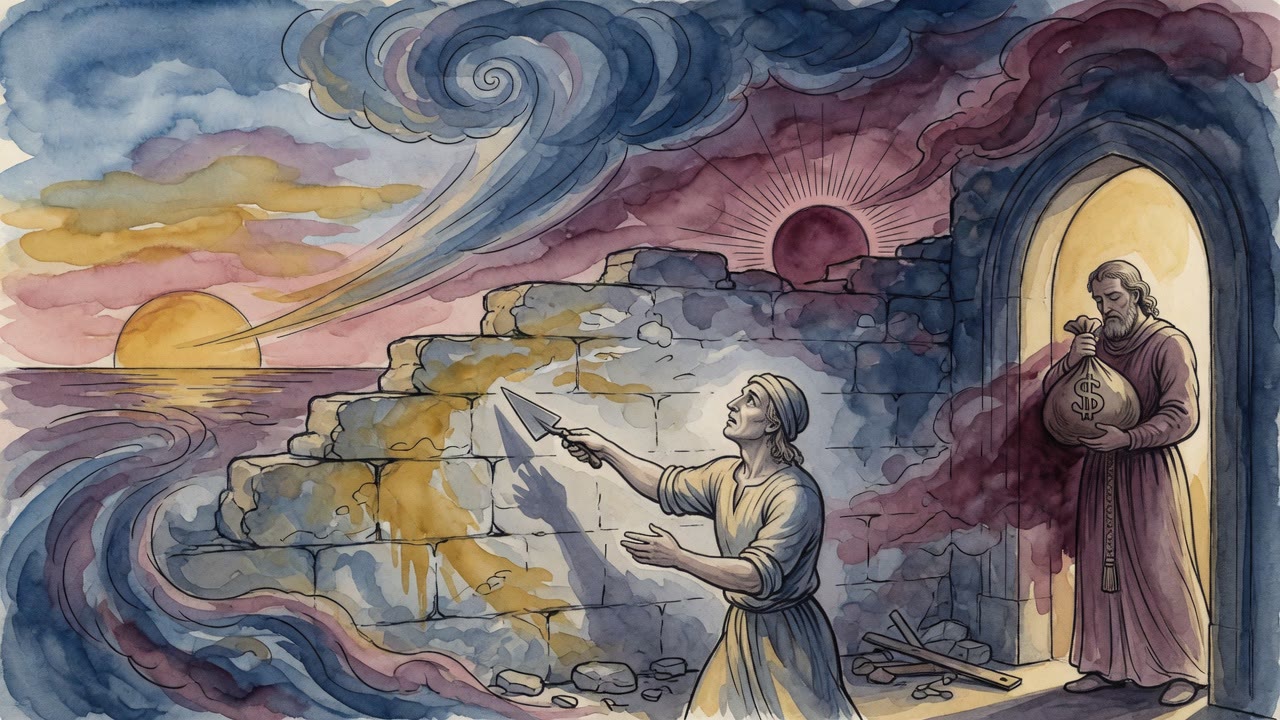
A widow follows the reapers at dusk and finds a sheaf the law left behind. Forgetting becomes a door. Poverty eats from mercy in the field.
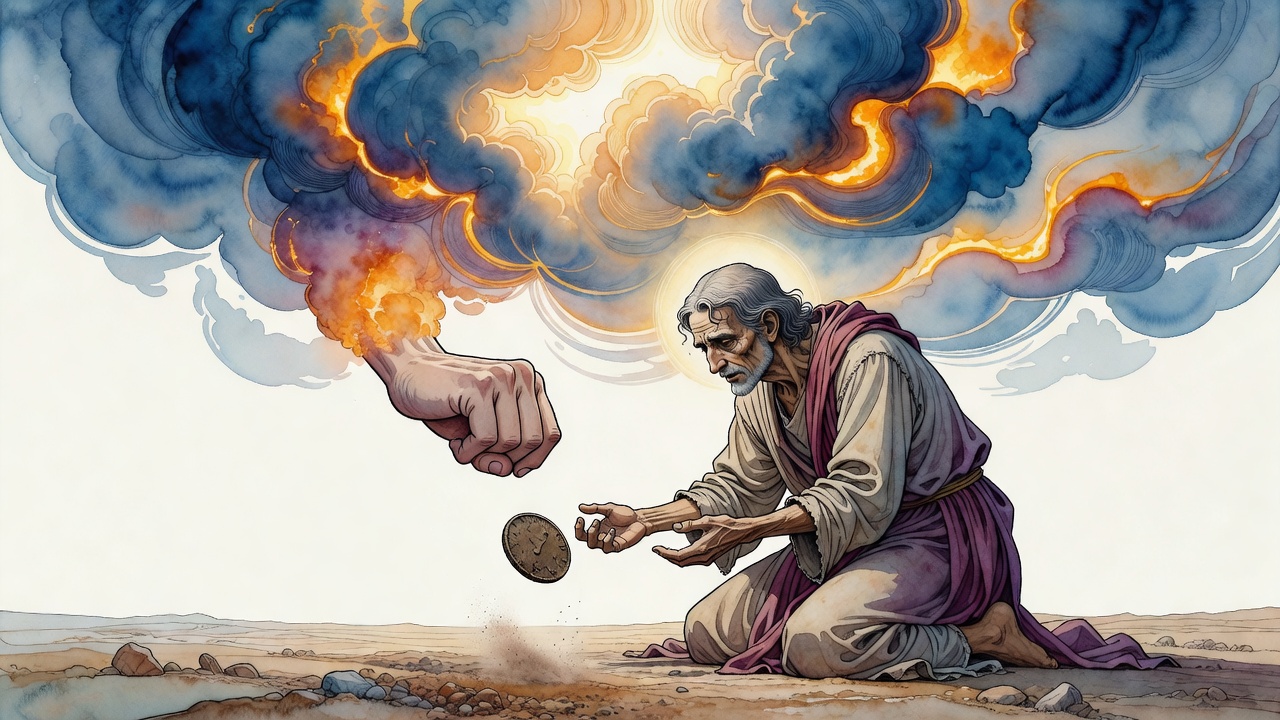
A sela slips from a closed fist into the dust, a poor man picks it up for bread, and heaven counts the accident as if the giver meant every grain of the gift.
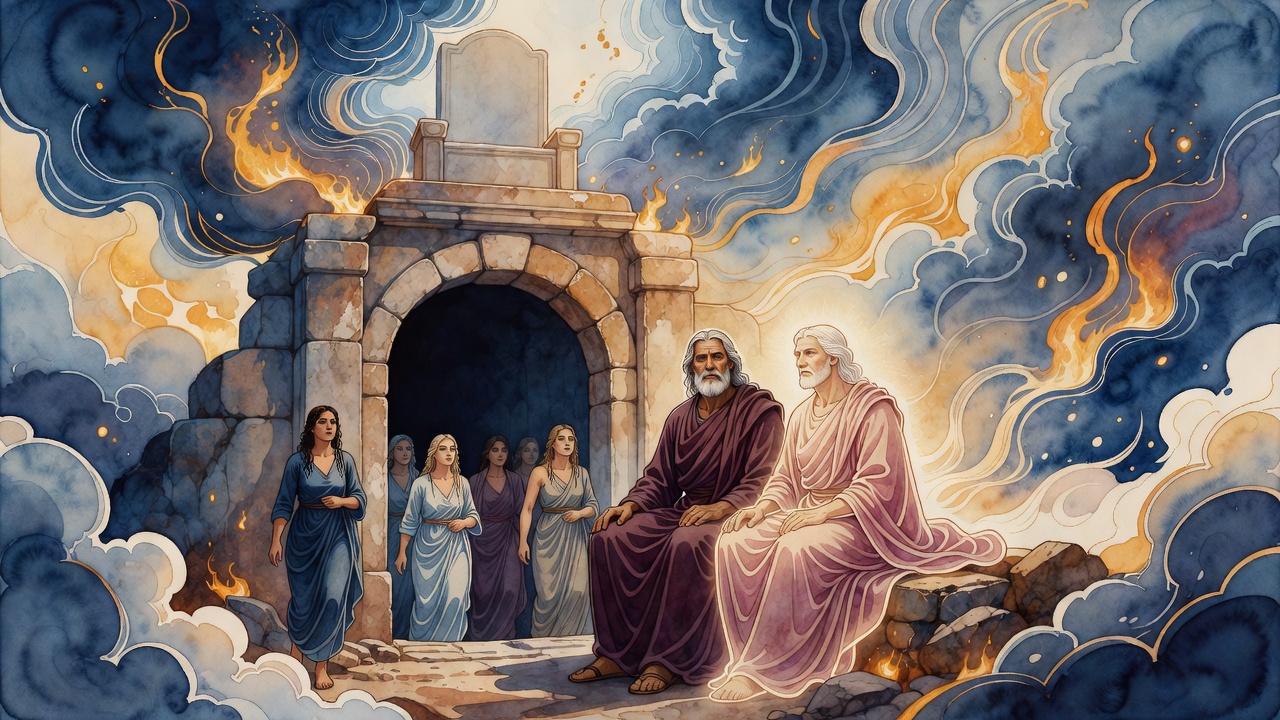
Rabbi Yochanan parks his famous beauty where women leave the mikveh so they will bear radiant children. He trusts Josephs immunity to the evil eye.
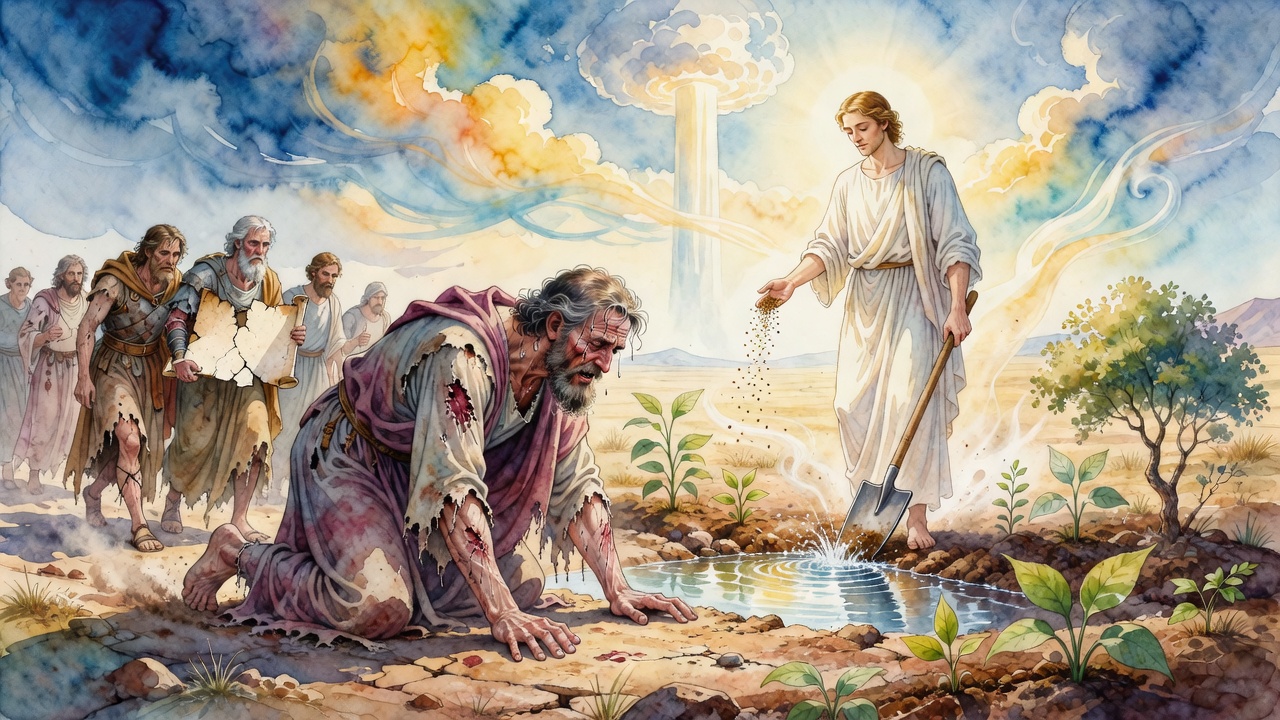
Robbers and sores empty Abimelech's pride. He comes to Isaac with captains and half a peace, while Isaac sows charity, digs living water, and outgrows Gerar.
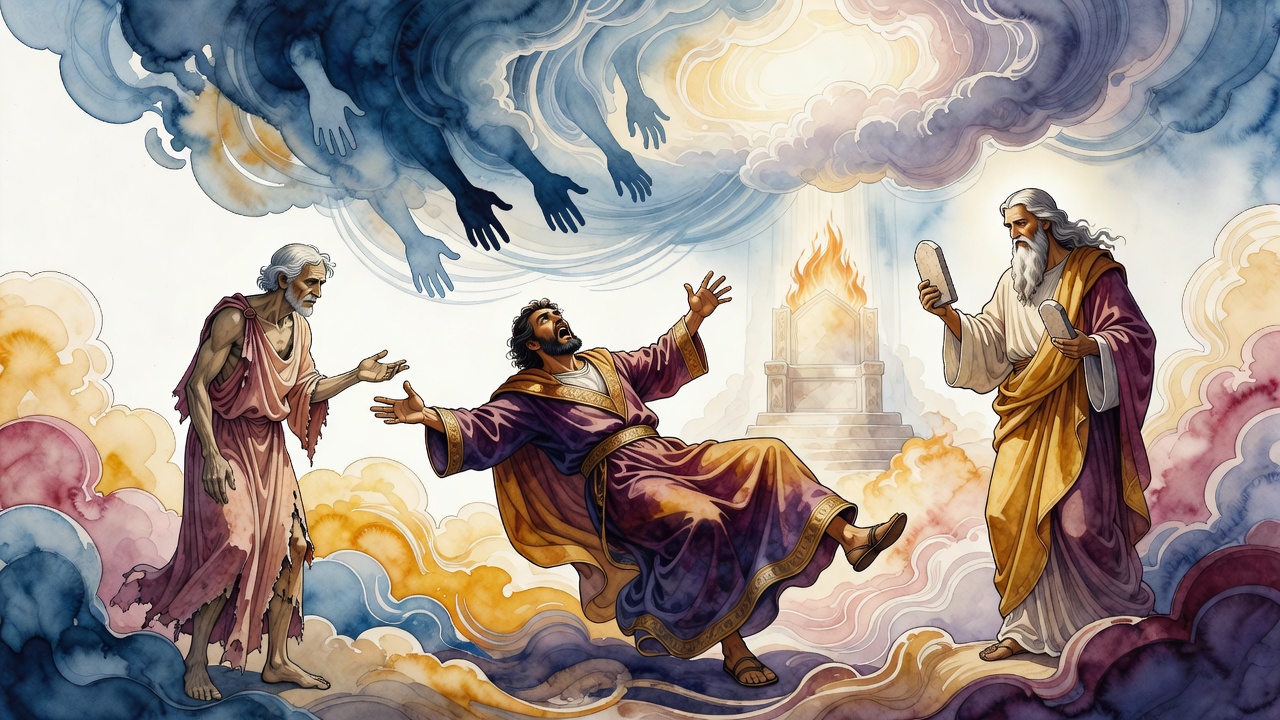
A poor man asked for help and a rich man mocked his body. Heaven answered the sneer with empty hands, while Moses warned that any brother can sink.
Storms tore the deck while rich men shook wooden gods. A poor boy went below, slept, then woke and called on the God who needs no carving.
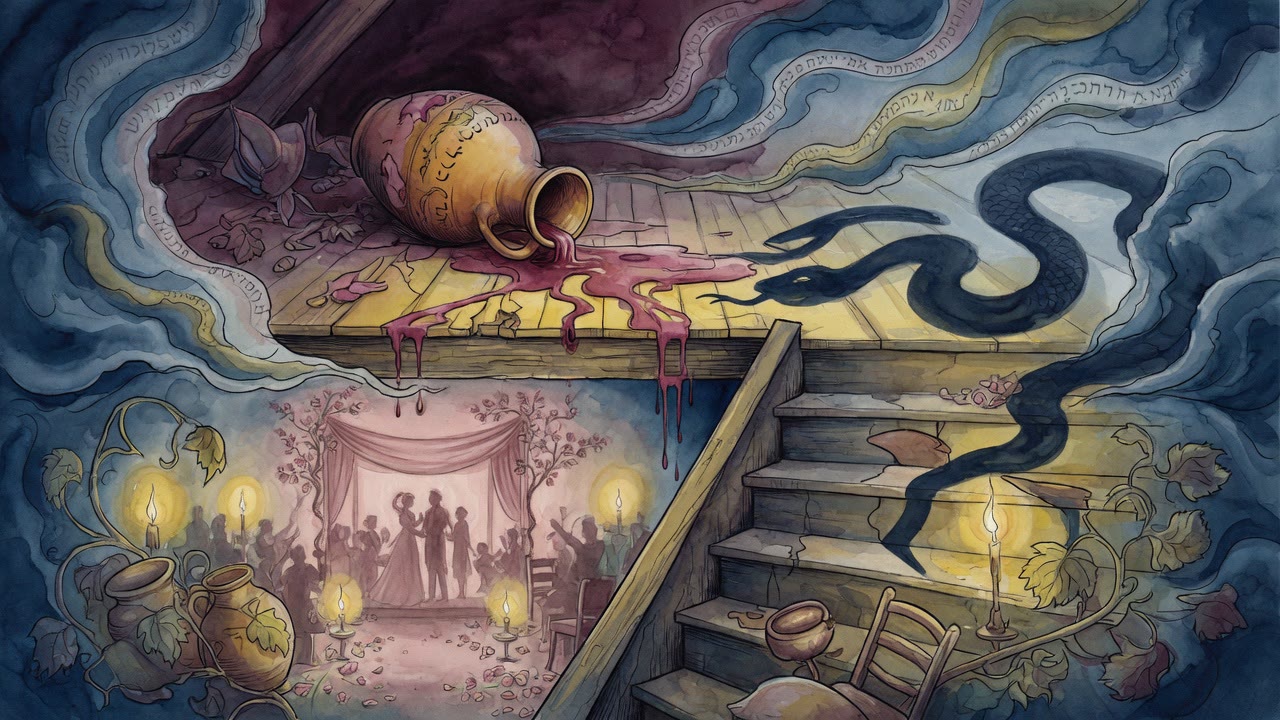
A town banned charity on pain of death. A pious man fed the sea, sank on Yom Kippur eve, and a great fish offered treasure or seventy languages.
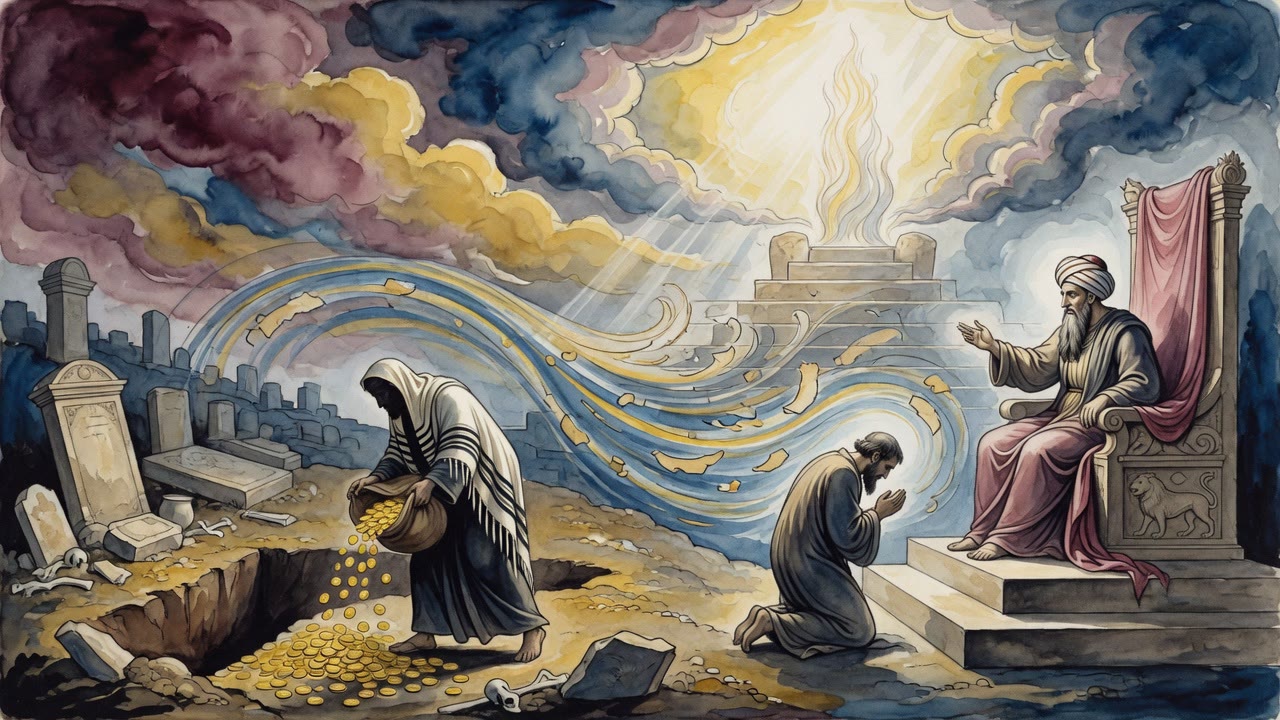
He offered the bags to a man in rags. The man said only the dead have lost hope, so the gold went into cemetery soil at night.
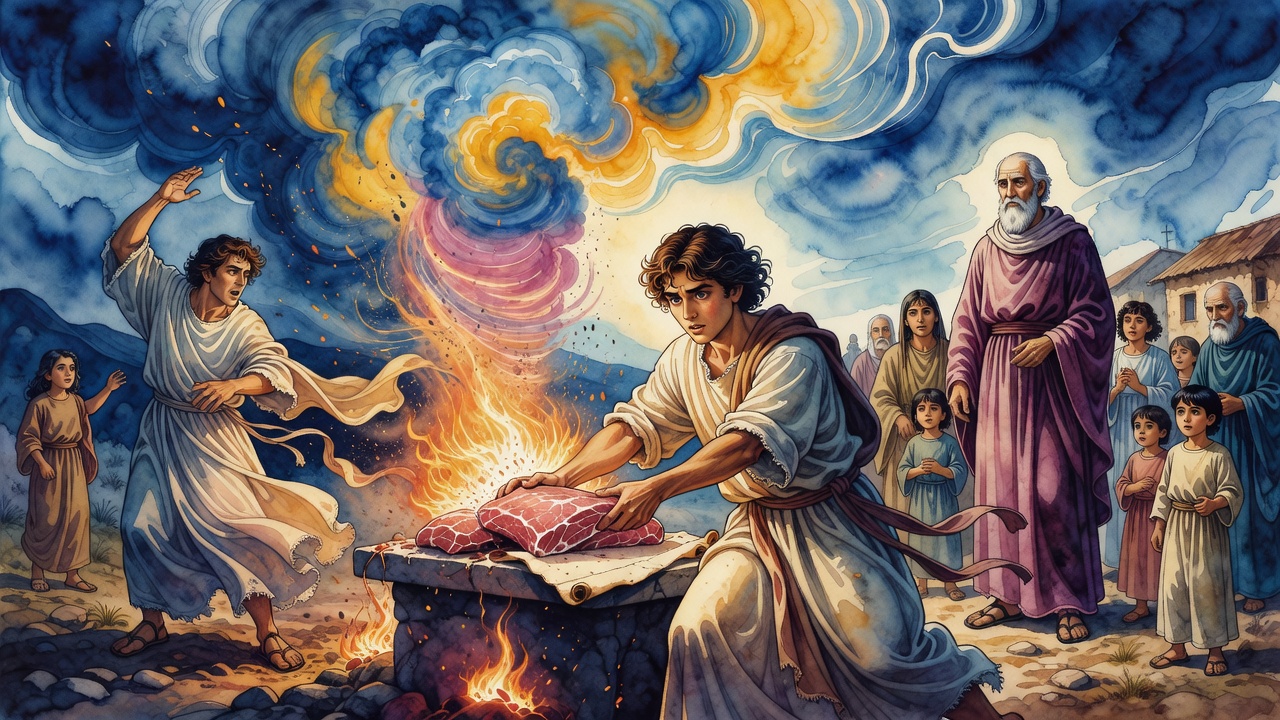
At Shiloh the priest's lad demands raw meat before the fat can rise. Force answers the worshipper. Later Rabbi Meir finds a village with no gray hair.
