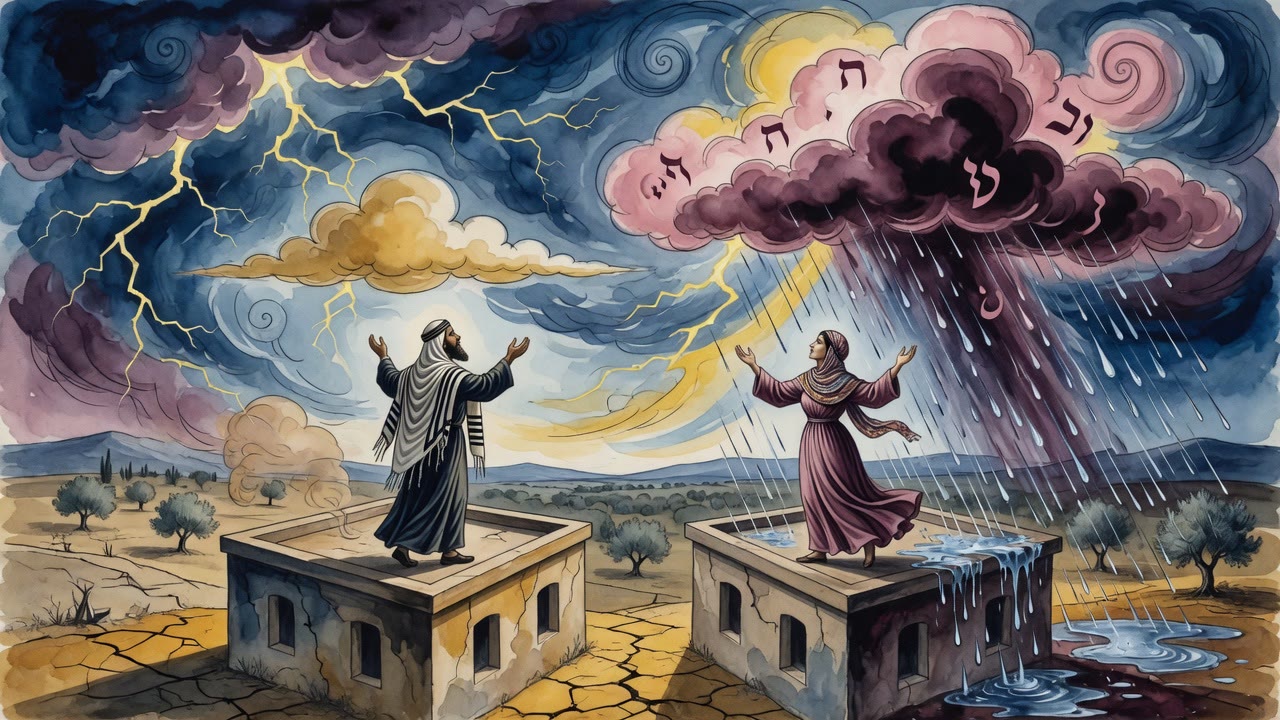
Queen Helena and Monobaz Fed Starving Jerusalem
The king of Adiabene fell asleep with his hand on his wife's pregnant belly, and a voice told him to move it. The son she was carrying was named Izates.
Table of Contents
 Click for full size
A Hand on a Pregnant Belly
Monobazus ruled Adiabene, east of the Tigris, inside the reach of Parthia. He had married his own sister, Helena, and she was carrying a child, and one night he fell asleep in bed with his hand resting on her belly.
A voice told him to take his hand off. Do not hurt the child in there. It will be born safely and it will end well.
He woke up badly and told his wife what he had heard. When the boy was born he named him Izates, and after that he made no attempt to hide that this was the son he cared about. His other sons noticed. Their hatred got bad enough that their father sent Izates out of the country for his own safety, to a king down at the head of the Persian Gulf who married the boy to his daughter and gave him a district to live on.
When the old king felt himself dying he sent for the son he had exiled and handed him a province called Carra, good ground that grew spice in quantity, and famous for something else besides. What was left of Noah's ark was in that country, and they would still take a visitor out and show it to him.
The Speech Helena Made the Day Her Husband Died
Izates was still in Carra when his father died, and the queen did not wait an hour. She called in the grandees, the provincial governors, and every officer who held an army, and she made them a short speech.
You all know my husband wanted Izates to succeed him and thought him worthy of it. Even so, I will wait for your decision. A man is fortunate who receives a kingdom not from one person only, but from the willing votes of many.
It was a test, and she watched them take it. They did homage, confirmed her husband's choice, said they were glad of it, and then said the rest of what they were thinking: before Izates arrives, let us kill his brothers and his cousins, so that nothing is left alive to envy him.
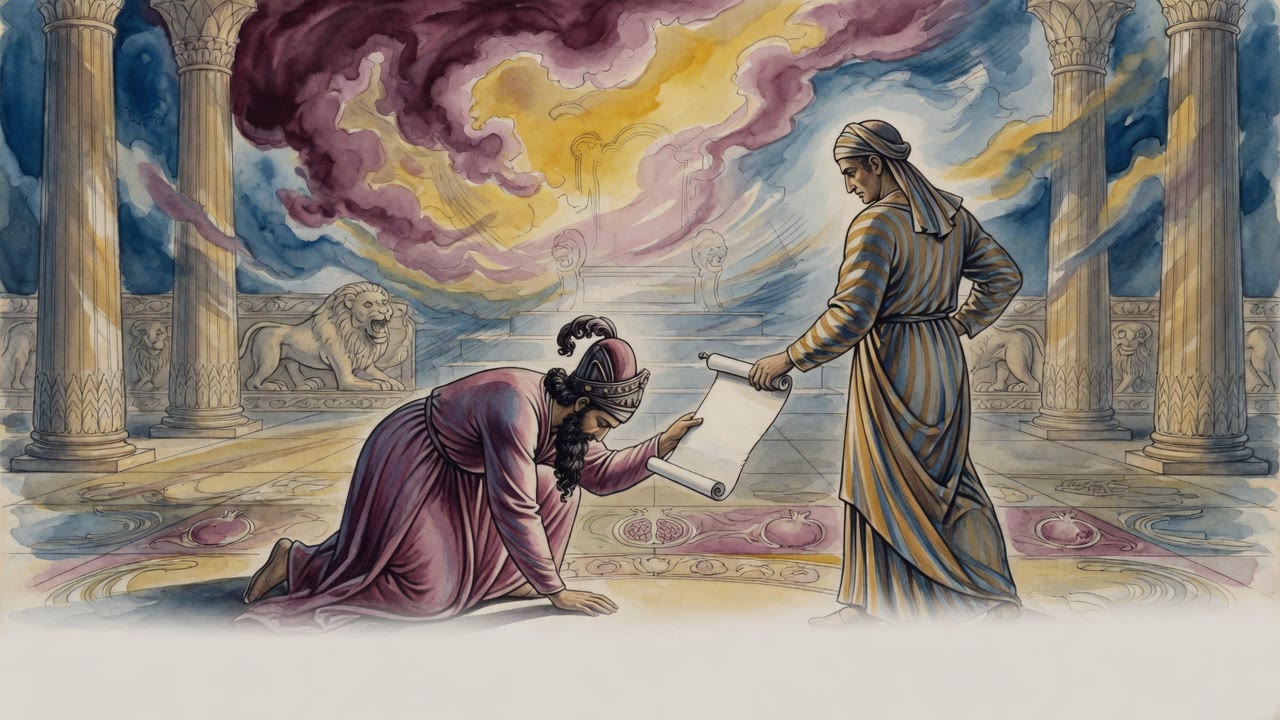
She thanked them for their loyalty and said the killing could wait until her son was standing here to approve it. They pressed. She held. In the end they settled for putting the brothers in chains and asked her to name a regent, and she put the diadem on her eldest son, Monobaz, and gave him his father's signet ring to hold until Izates came.
The Surgeon in the Other Room
A Jewish merchant named Ananias had reached Izates during those years abroad, having first reached the women of the household and taught them, and through them the young king. Helena had come to the same place separately, taught by a different Jew, without either of them knowing about the other.
Izates came home, found his brothers in irons, refused to kill them and refused to release them, and shipped them out as hostages instead, some to Claudius in Rome and some to the king of Parthia. Then he turned to the thing he actually wanted, which was to be a Jew completely, and that meant circumcision.
His mother told him not to. He was a king. His subjects would learn that he had taken up foreign rites and they would never accept being ruled by a Jew, and it would cost him the kingdom and possibly his life. Ananias, when Izates repeated all this to him, agreed with her, and added that he would leave the country rather than be blamed for it. A man could serve God without the operation, he said, and God would forgive an omission made out of fear of one's own subjects.
Izates let it go. He kept reading.
Some time later another Jew came to Adiabene from Galilee, a man named Eleazar with a reputation for knowing the law, and he walked in to pay his respects and found the king sitting with the book of Moses open in front of him.
"You do not understand what you are doing. You are breaking the chief of these laws and wronging God himself. You are not supposed to read them, you are supposed to do them. How long are you going to stay uncircumcised? If you have not yet read the law about it, read it now."
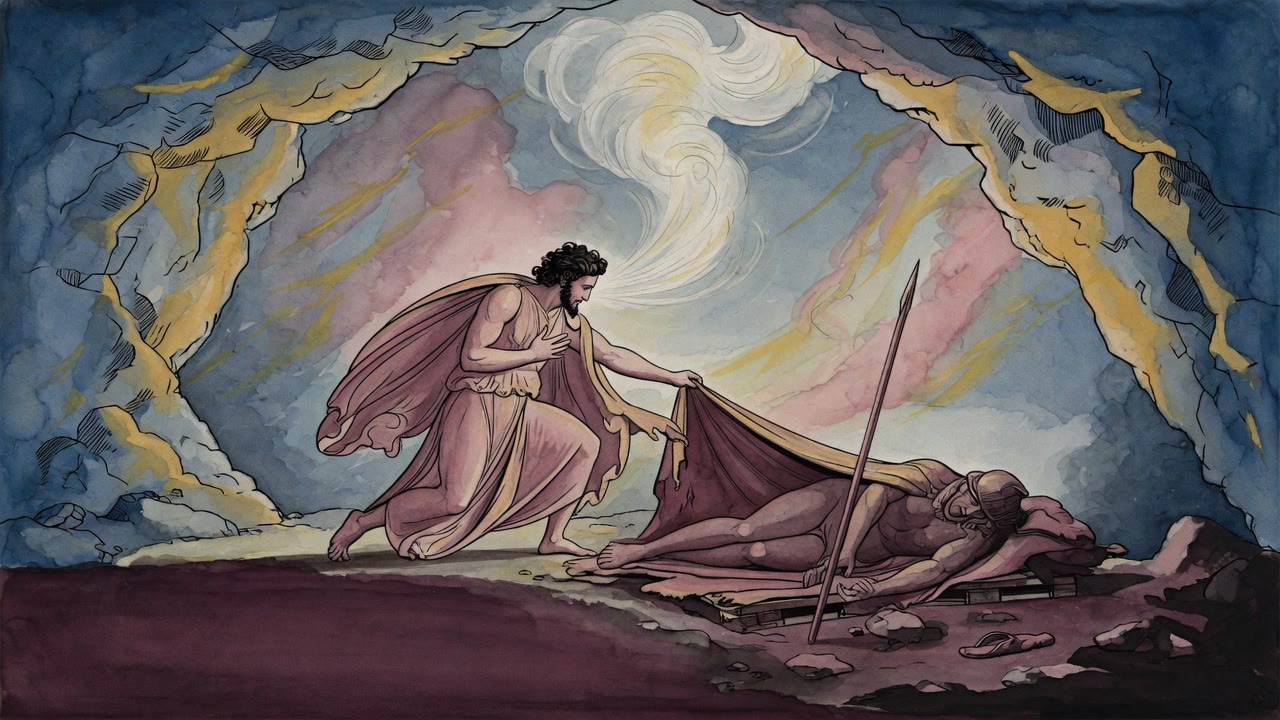
Izates did not argue and did not delay. He got up, went into another room, and sent for a surgeon.
Then he called in his mother and his old teacher and told them it was done. They were struck with astonishment and then with fear, for him and for themselves, and they waited for the kingdom to come apart.
It did not. The plots came and failed. The king of Parthia himself was thrown out by his own governors and arrived at the border of Adiabene as a beggar with a thousand relatives and servants behind him, and Izates got down off his horse in the road, set the fallen king on it, and walked in front of him on foot.
The Grain Ships
Helena watched all of it, and when she was satisfied that her son was safe and that men who were not Jews admired him for what she had been afraid of, she asked his permission to go to Jerusalem and worship at the Temple. He gave it, sent her out with a great deal of money, and rode part of the way with her.
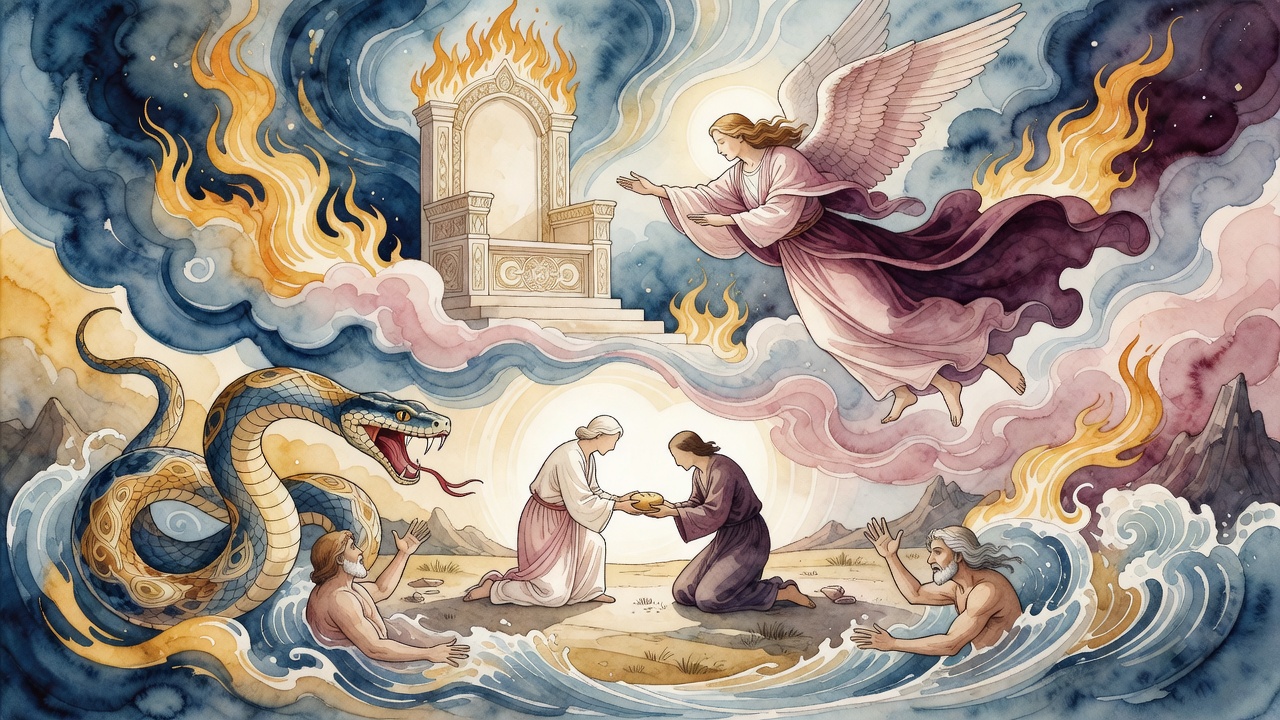
She arrived into a famine. People in the city were starving, dying for want of anything to buy.
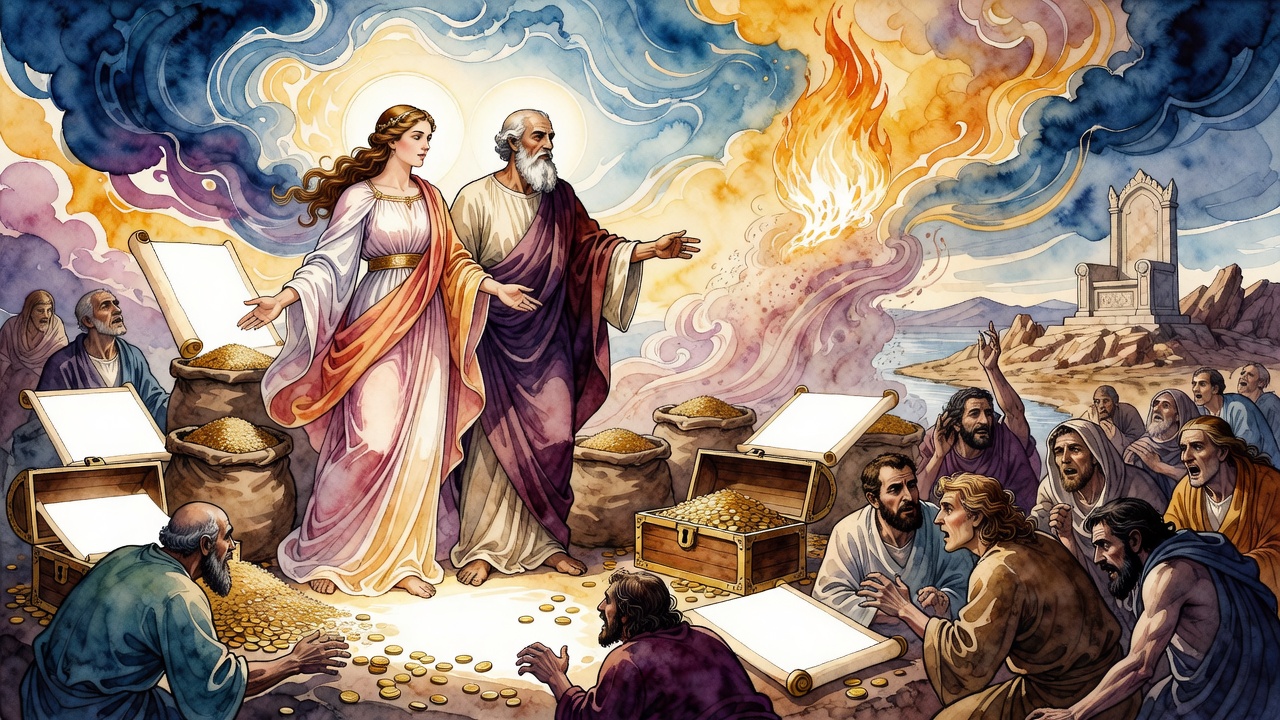
She put her servants on ships. Some went to Alexandria with money to buy as much grain as the money would buy. Others went to Cyprus for cargoes of dried figs. They were back faster than anyone had expected, and she fed whoever came for it. When word reached Izates, he sent enormous sums to the leading men of Jerusalem to keep the distribution going.
My Fathers Stored Below
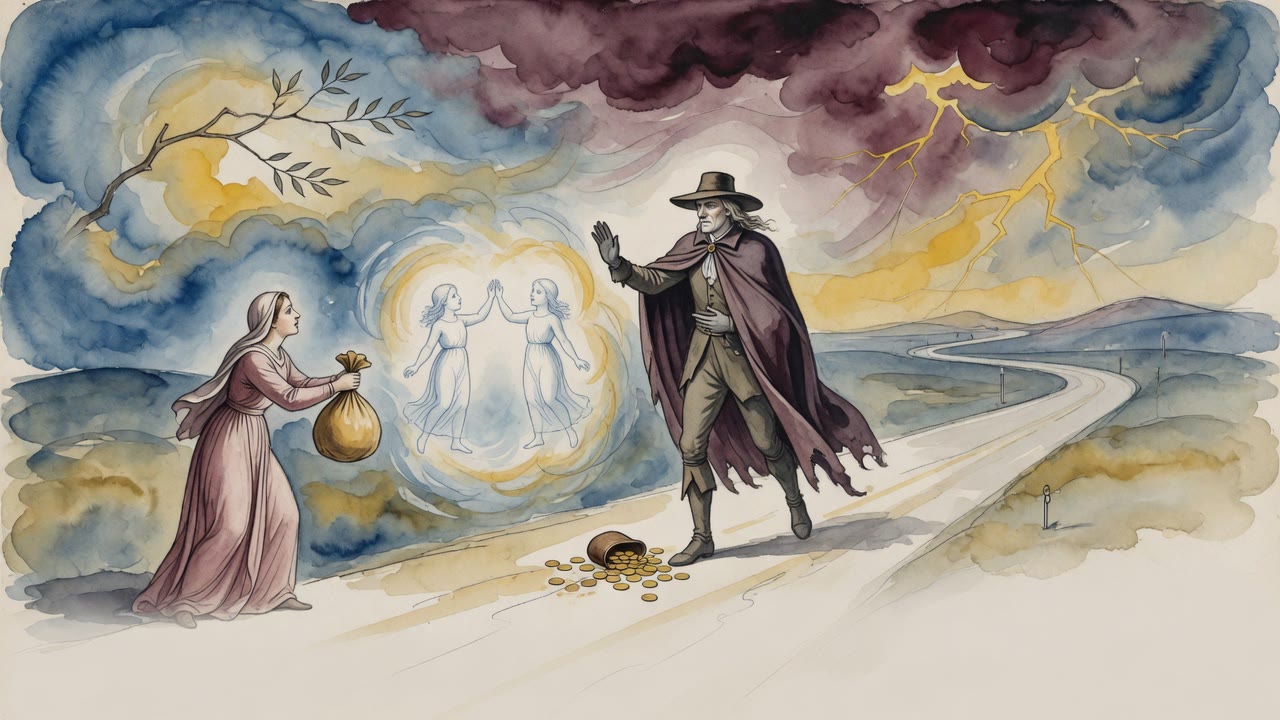
Her eldest son did something harder to defend. During years of drought and hunger, Monobaz went into the vaults and gave away the treasure his father had put there, and his grandfather, and his grandfather's fathers, until the vaults were empty.
His relatives came at him in a body. Your fathers stored treasure up and added to what their fathers had stored, and you have thrown all of it away.
He did not raise his voice at them.
My fathers stored below, he said. I have stored above. My fathers stored where a hand can reach it. I have stored where no hand can reach. My fathers stored what bears no fruit. I have stored what bears fruit. My fathers stored money. I have stored lives.
Helena died not long after Izates did, and the bones of both of them were carried back to Jerusalem and put in the tombs she had built north of the city, three pyramids over a rock-cut chamber, which travelers were still stopping to look at fifty years later.
← All myths