Nahum Ish Gamzu Opened a Box of Dust Before the Emperor
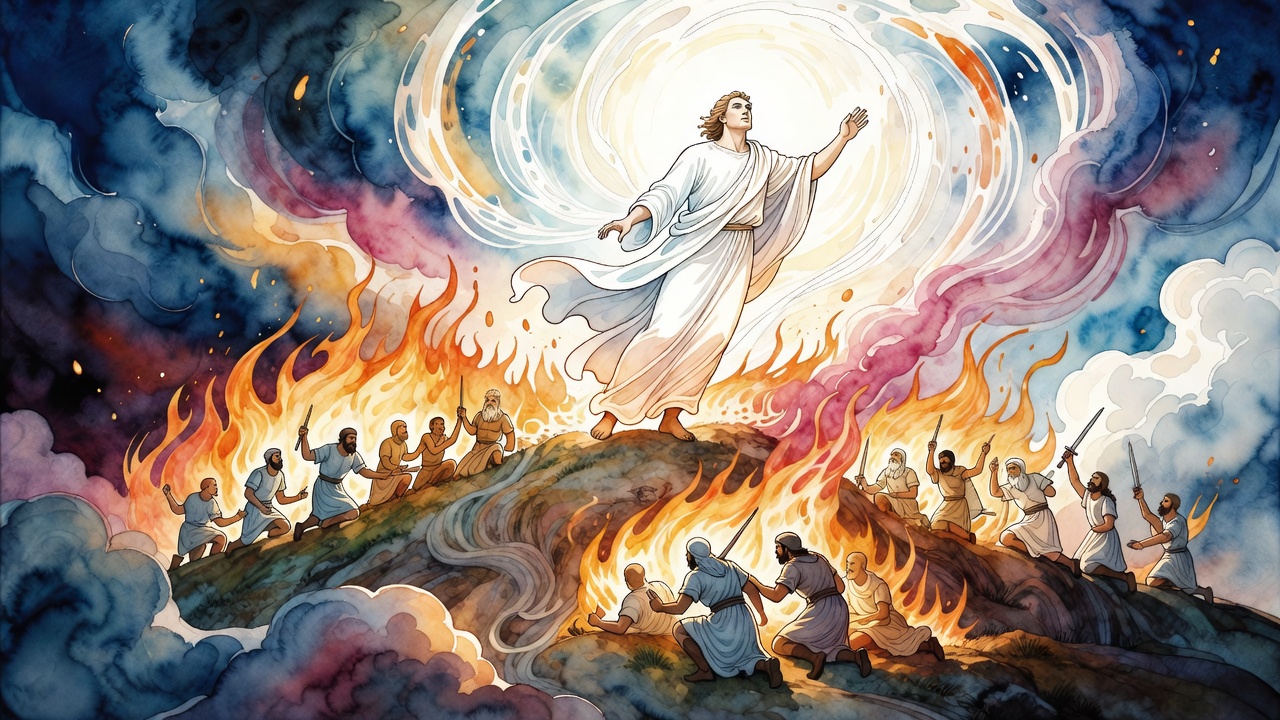
Innkeepers swapped the jewels for dirt. In the palace he said the sentence he always said, and Elijah walked in as a court man.
Table of Contents
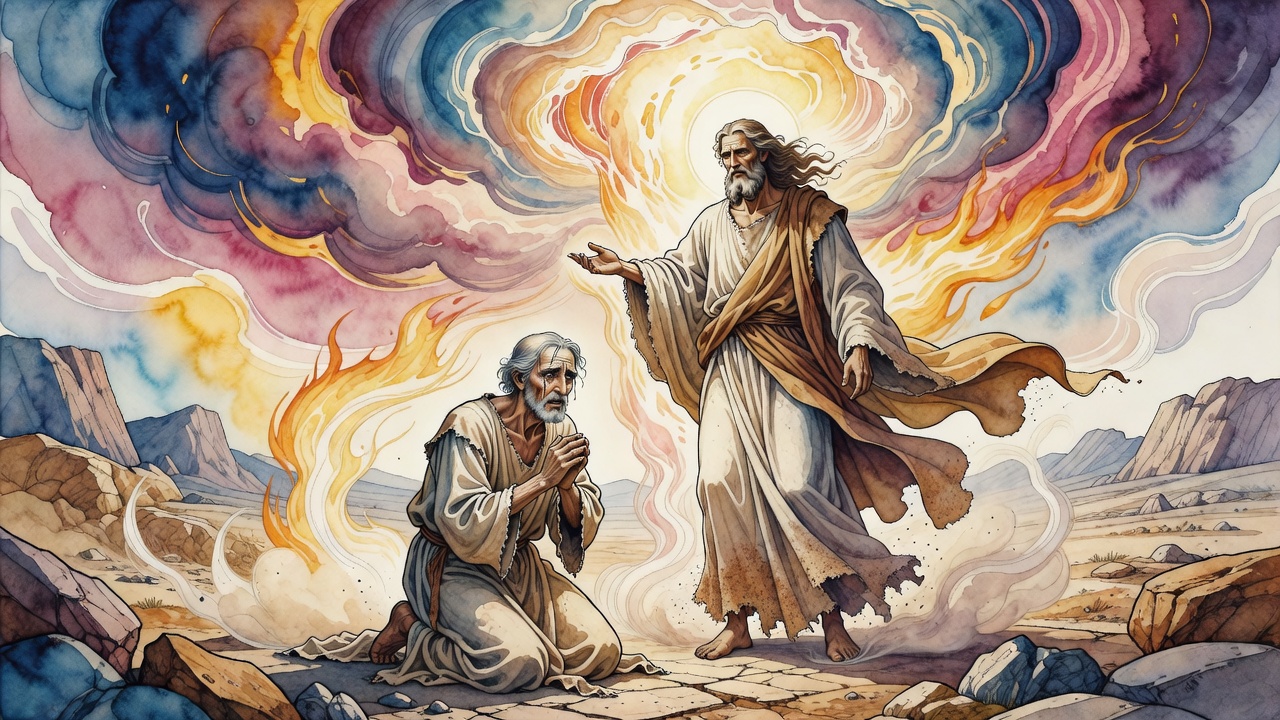
The poor man was already on the ground. Nahum had three donkeys loaded with food. The man had said, "Rabbi, give me something to eat." Nahum had said, "Wait until I unload."
 Click for full size
He unloaded. The man was dead.
This Too Is for the Good
He told his students the rest himself, later, when his body was the proof. Eyes gone dim. Hands withered. Legs that would barely carry him. He had asked for that weight. A delay of a few breaths had killed a man on a road, and Nahum would not pray the suffering off. He had a sentence for the suffering too.
"Gam zu l'tovah." This too is for the good.
Students could finish it before he started. People called him Ish Gamzu, the man of "this also," as if the nickname were a joke. He kept using the sentence. Catastrophe. Illness. A closed door. The same four words.
He would not bargain the pain away. The man on the road had not gotten a second chance to ask. Nahum treated his own wrecked body as the bill for those seconds, and he paid it without petition.
Dirt in the Casket
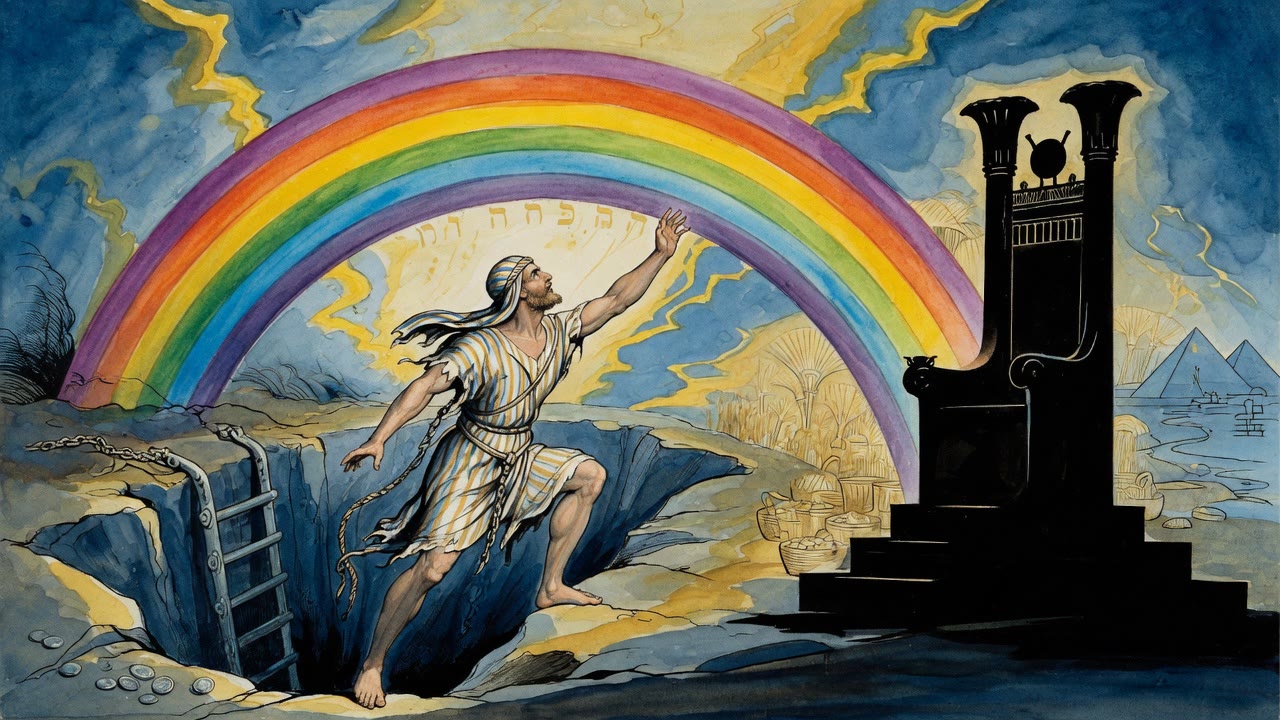
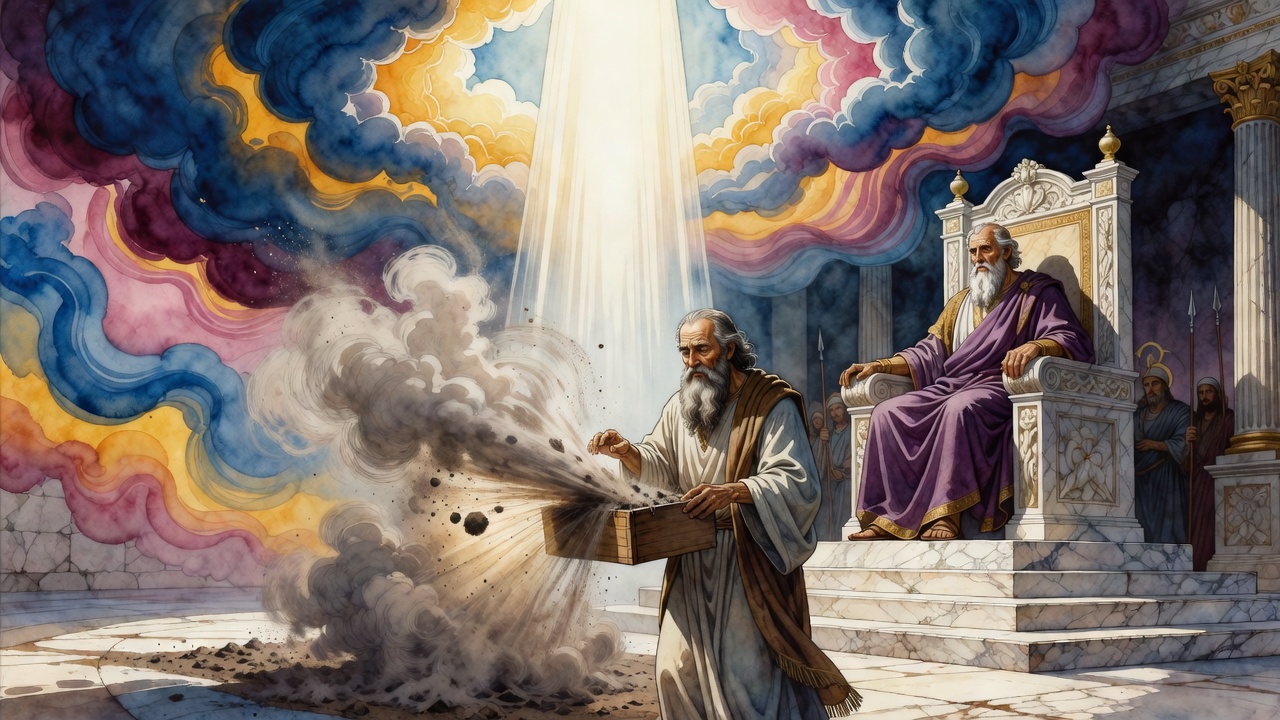
The community sent him to Rome with a chest of stones and jewels, tribute to soften the emperor. He took it. He stopped at an inn. In the night the innkeepers emptied the chest and filled it with ordinary dirt.
Nahum carried the dirt to the palace and handed it over. The emperor opened the box. Soil. The court understood mockery. Mockery of Rome was a death sentence. Guards took him.
"Gam zu l'tovah," Nahum said.
He did not explain. He did not accuse the inn. He stood in a room that wanted him dead and used the only sentence he trusted when the facts looked like ruin.
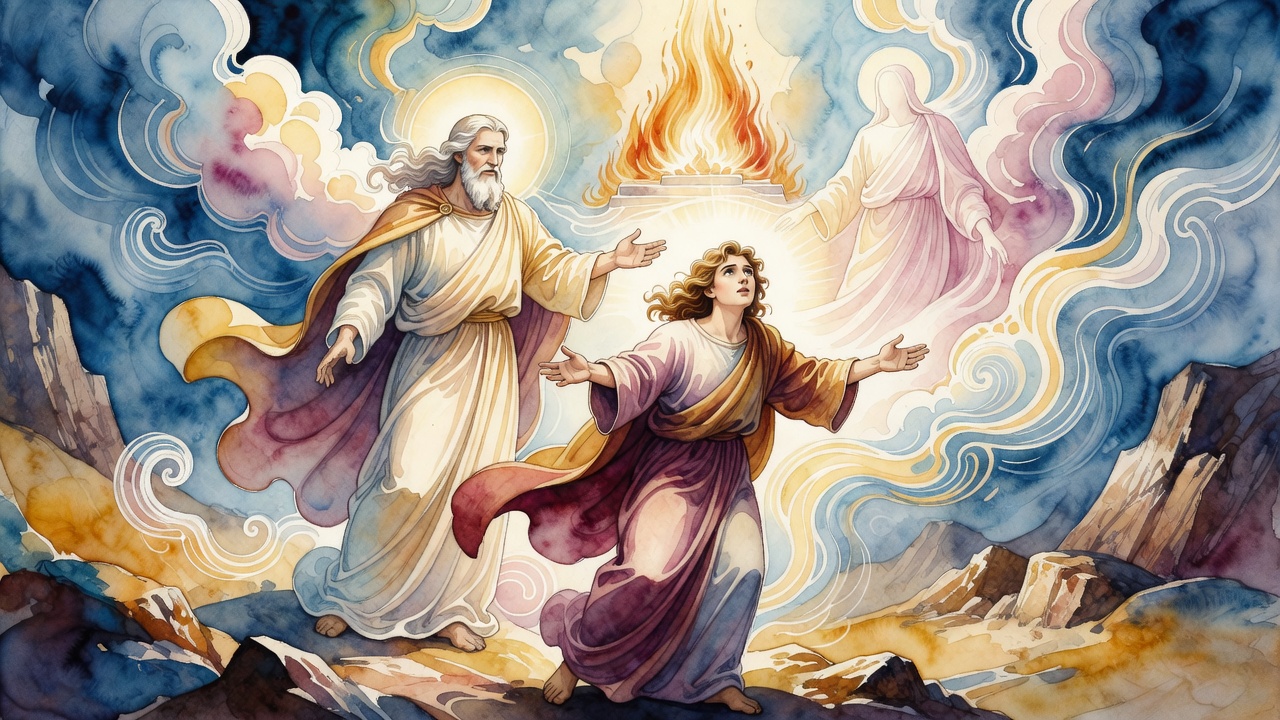
Elijah in a Court Coat
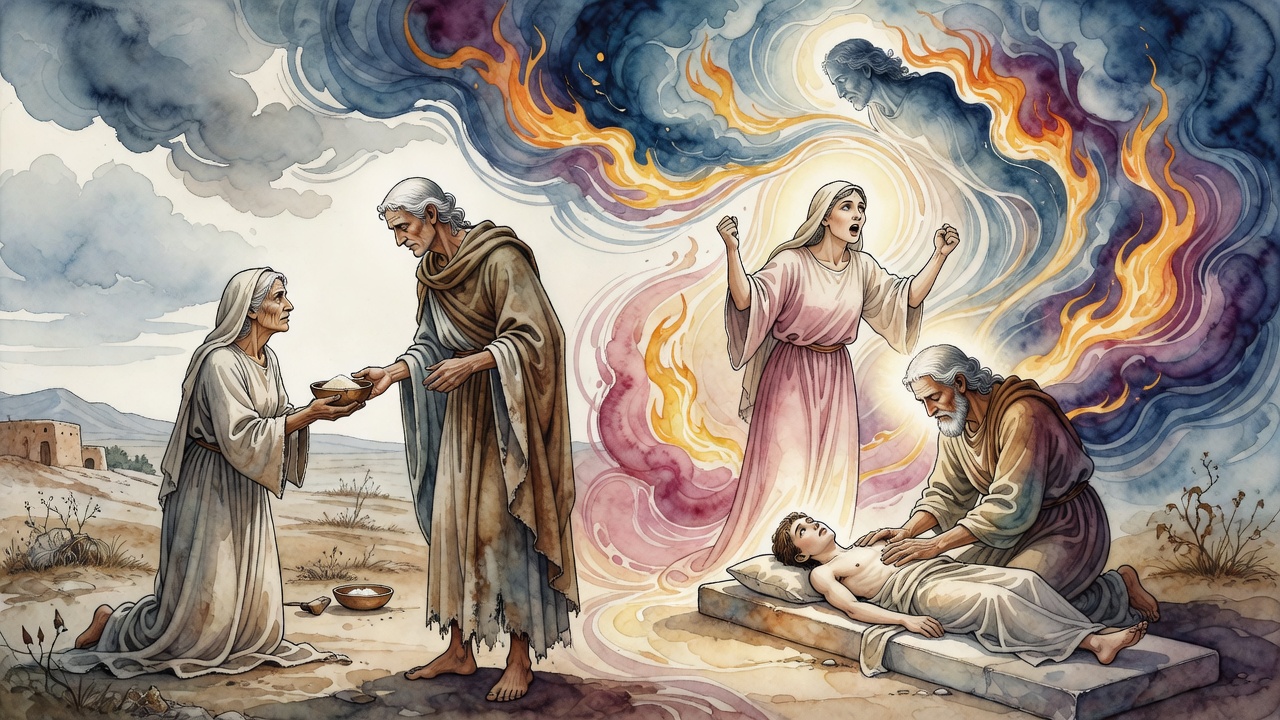
Elijah walked into that room in the form of one of the emperor's own men.
"Perhaps this is the soil of Abraham," he said. "A handful of it did the work of swords and bows."
Abraham had thrown dust in war, and the dust had become weapons in the enemy's midst. The earth of the patriarch was not inert. Elijah put that memory into a Roman mouth and made the emperor test it.
The emperor had a city that had not fallen. Three years of siege, some tellings say. He ordered the dirt thrown at the walls. The walls went. More dirt. The city went. The army that could not take the place took it with Jewish earth.
The emperor loaded the chest with real jewels and sent Nahum home with honors. The condemned man walked out carrying treasure Rome had put in with its own hands.
The Innkeepers Dug Up Their Floor
He stopped at the same inn. The innkeepers saw the chest full. They asked where the treasure had come from. He told them he had brought dirt to Rome.
They tore the inn down. They dug the earth under it. They carried their own dirt to the emperor and claimed the same power. It did nothing. They were killed.
Elijah does not work wonders for the men who packed the first box. The dirt that won a war had sat in Nahum's hands with a blessing on it. The dirt under a thieves' floor was only dirt.
He Would Not Pray It Off
Back among his students, the body was still a ruin. They asked why he did not ask for relief. He went back to the road and the three donkeys and the man who had died waiting for a reasonable delay.
If food can be given now, it must be given now. He had learned it in the worst way, and he would not unload the lesson. Waiting for a more convenient moment had already resolved into a corpse.
The sentence still held. This too. Even the part that wrecked him. Even the dirt. Even the moment in the palace when Rome thought the Jews had sent a joke and he answered with four words and waited.
The poor man did not get up. The city fell. Nahum kept the name people laughed at, and he kept saying it as if the laugh had never landed.
← All myths