The Angels Grieved When God Released the Guarded Secret
A guarded heavenly secret causes grief among God's own servants until a voice beneath the Throne calls out Rabbi Akiva's name.
Table of Contents
 Click for full size
The Servants Who Did Not Want to Let Go
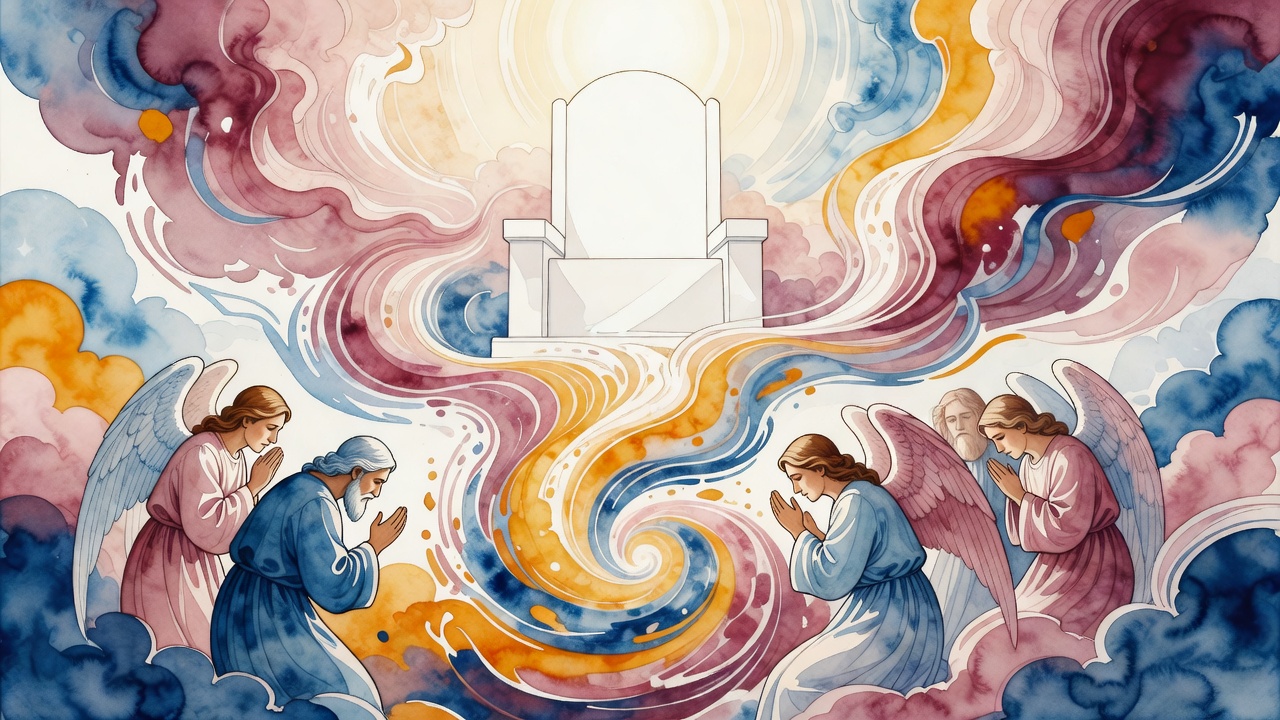
The angels gathered when the decree went out. God was about to release something from the divine treasury, a sealed secret that had never left the highest palace, and the heavenly servants did not welcome the news. "Ye rejoice," the divine voice said to Israel below, "and My servants are grieved, that this secret goeth forth from My treasury." The grief was real. What had been guarded without exception since before the world was made was about to pass into mortal hands.
The debate in heaven was not a quiet one. The angels pressed their case. They had maintained watch over this mystery for longer than human memory could reach. They argued that no creature born of woman, capable of forgetting and betraying and dying, deserved to hold what they had kept. They understood the danger better than any mortal could, and what this knowledge would allow. A scholar who possessed it could learn Torah without the ordinary toil and weariness, simply by invoking the name of the fearful crown. Leadership itself, the very appointment of the exilarch and the judges of cities, would fall under its governance.
What God Would Not Discuss With His Own Servants
The divine voice, when it answered the angels, did not offer reassurance. It offered a boundary. "Nay, My servitors, nay, My servants, trouble Me not in this matter." The tone carried something close to exhaustion. This was not a decision the angels were permitted to revisit. The secret would be given, but not broadly, not carelessly, and not to anyone who simply asked.
The restriction that followed was precise. The mystery of prudence, the heavenly text called it, would go only to "a beloved people," a "faithful seed." It had been planned this way from the very beginning, reserved like a treasure held back for a specific generation at a specific moment. What made the chosen recipients worthy was not scholarship alone or lineage alone but a quality of faithfulness the text named without fully explaining. The angels, who had objected to the gift, received no answer they could use to reopen the argument.
The Voice Beneath the Throne
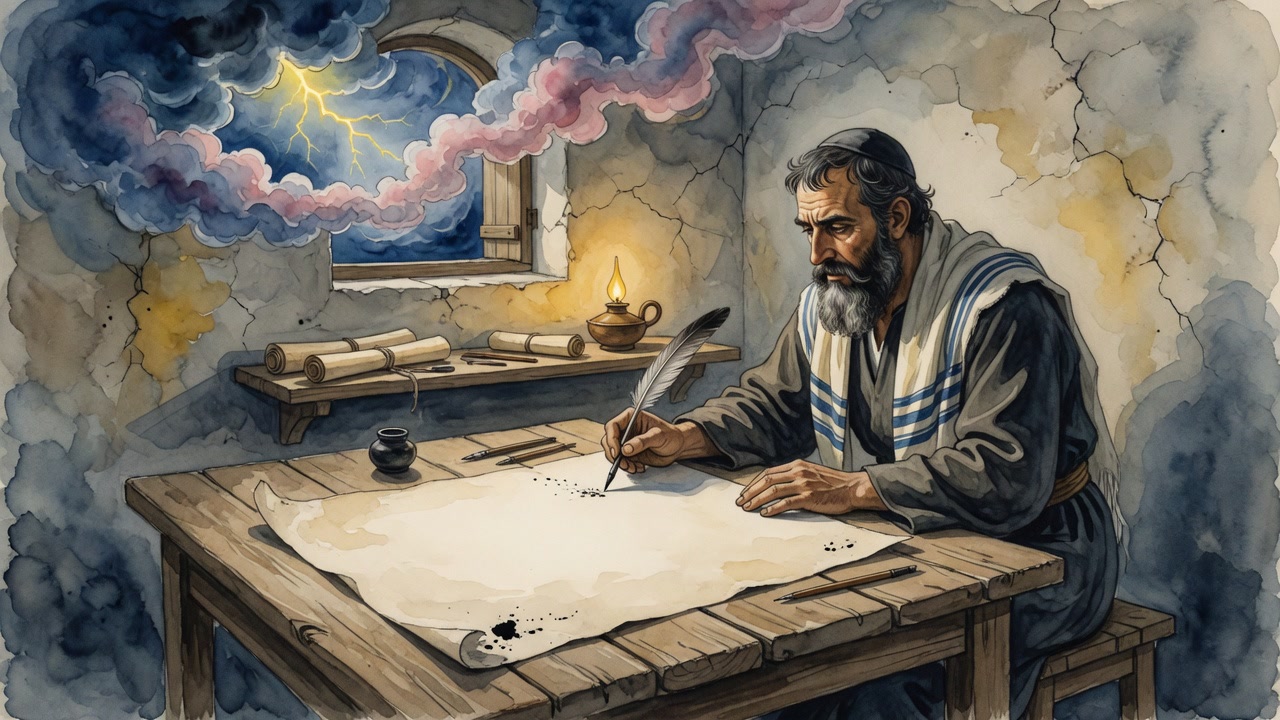
Then came the moment that gave the whole drama its resolution and its strange new weight. Rabbi Akiva, one of the towering sages of the second century, heard a voice. It came from beneath the Kisei ha-Kavod, the Throne of Glory itself. The voice spoke of the transformation of Enoch ben Yared, drawn up from among the living and remade into Metatron, the angel whose name in one tradition means "he who stands beside the throne." "I strengthened him, I took him, I commanded him," the voice declared.
For the Heikhalot mystics, this was not merely historical narration. Akiva hearing the voice was part of the event. The sages who composed and transmitted Heikhalot Rabbati believed that certain human figures could ascend through the palace chambers and stand at the edge of the Throne's radiance. Akiva was one of them. That the voice spoke while he listened placed him inside the story of what heaven guards and what heaven releases. He was not simply a scholar overhearing divine business. He was its recipient.
What Heaven Holds for the World Below
A related passage in the same corpus describes God surveying the heavens, restless and troubled, asking: "With what shall I appease them? With what shall I comfort them? Or what good form of treasure is there on high that I have not given to them below?" The image is unexpected. Here is the creator of everything, scanning the palace chambers for something sufficient to send downward to a people who are suffering. The bounty of heaven exists in excess. The question is not whether enough is available but what form the gift should take.
The secret, then, was not only about power or knowledge in the abstract. It was comfort. The angels grieved its release because they understood that once a thing leaves the treasury of heaven, something changes in heaven too. The gap between above and below narrows. The servants who maintained the barrier felt that narrowing as a loss, even as the people below were meant to receive it as a mercy.
← All myths